Theme, Topic, and Summary
Not sure you’re ready?
Take the ~3-minute readiness diagnostic and see where you stand.
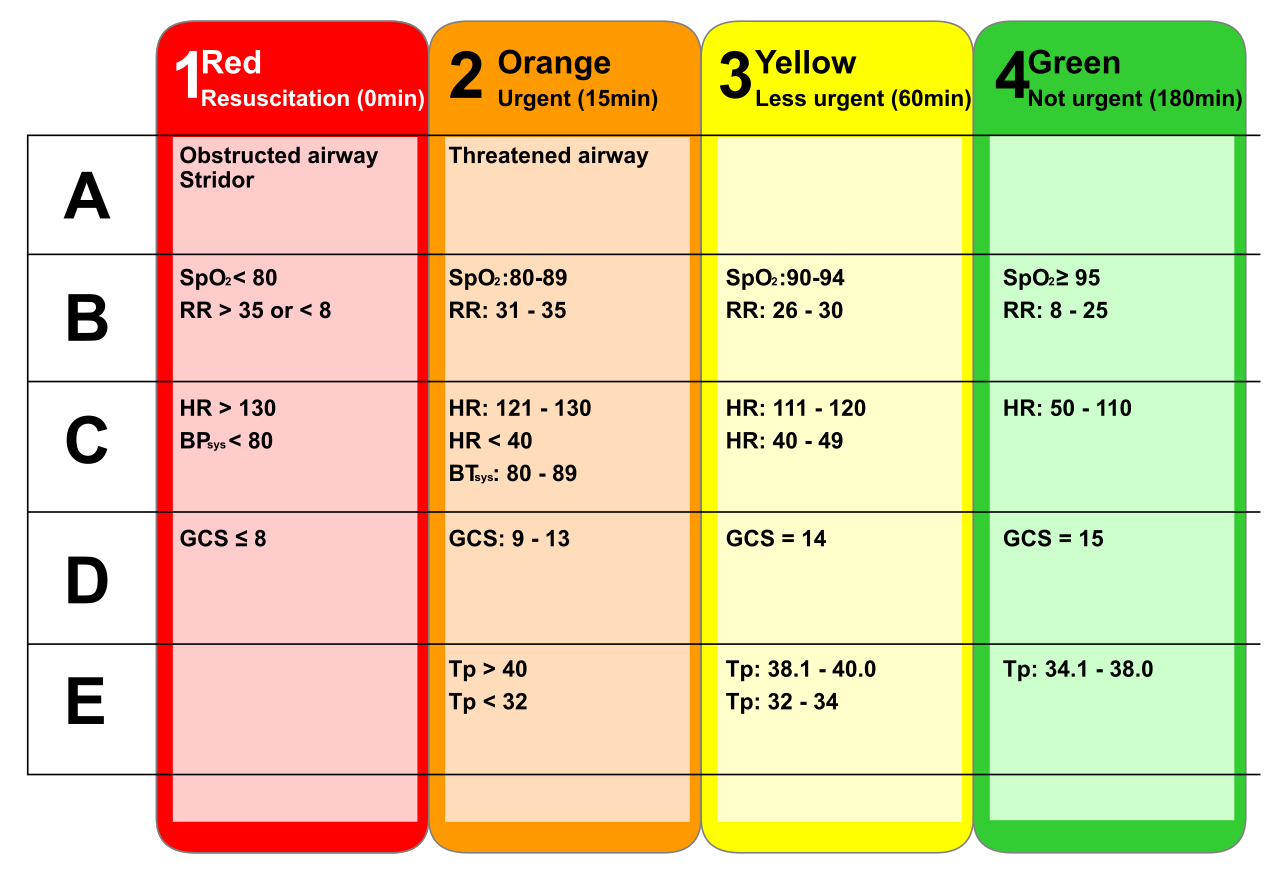
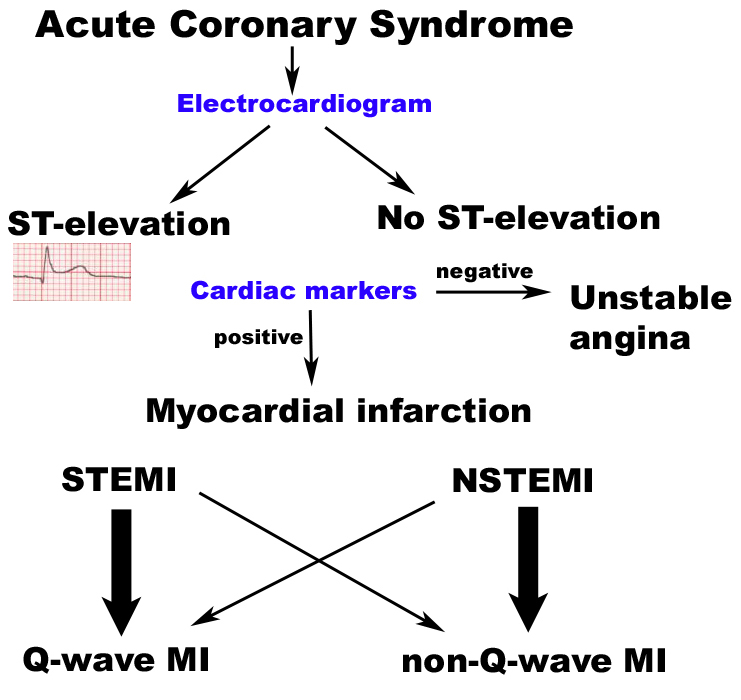
When a patient presents at the emergency department with shortness of breath, diaphoresis, and radiating chest pain, an experienced triage nurse does not simply record a random list of disconnected symptoms. The nurse immediately synthesizes the data into a central classification: acute coronary syndrome. Later, when the attending physician reviews the patient’s history of chronic stress, poor diet, and delayed medical care, they recognize a broader, underlying pattern about human behavior and health. Finally, at the end of the shift, the nurse passes the patient’s care to the next team by delivering a precise, chronological handoff report that strips away the trivialities and focuses only on the critical events of the day.
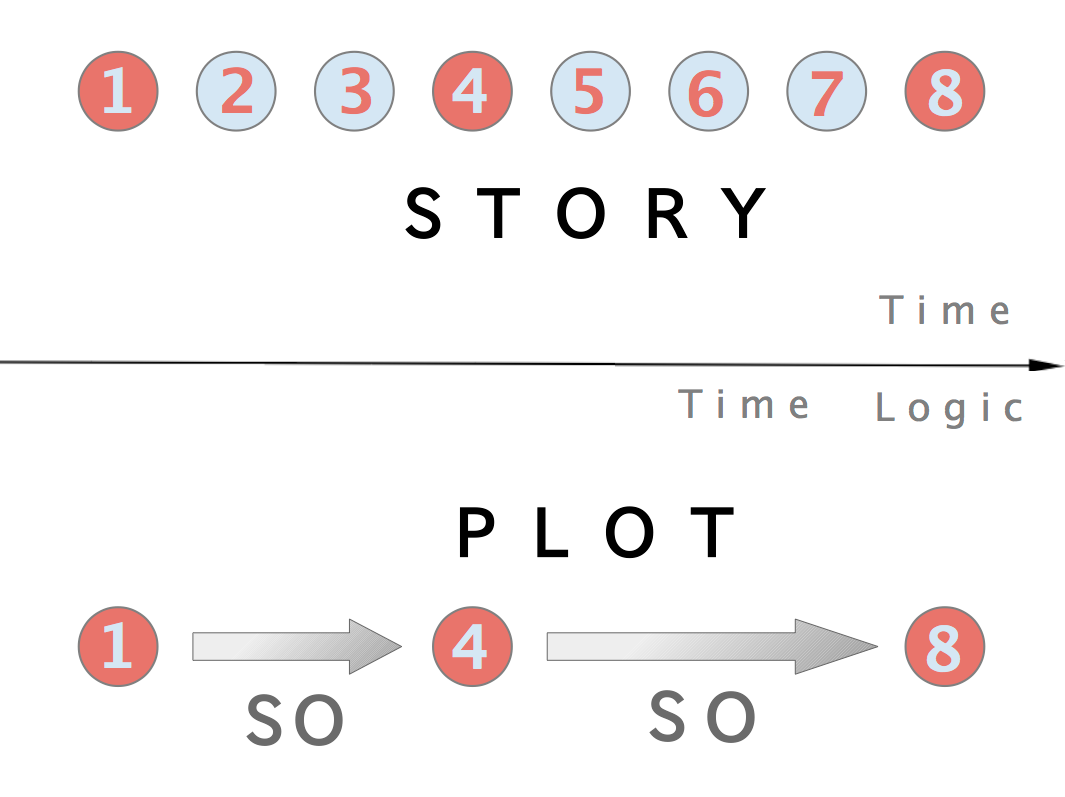
Reading comprehension on the HESI A2 exam operates on the exact same cognitive mechanics. To navigate the reading passages successfully, you must act as the ultimate triage clinician of information. You must be able to extract the general subject (the topic), deduce the underlying message (the theme), and report the critical findings without distortion or fluff (the summary). Failing to distinguish between these three elements is the primary reason highly capable students select incorrect answers on reading comprehension assessments.