Word Meaning and Context
Not sure you’re ready?
Take the ~3-minute readiness diagnostic and see where you stand.
Scanning a patient’s medical chart at the nurses’ station reveals a complex linguistic landscape. A physician’s note might describe a patient’s breathing as "labored," their abdomen as "distended," or their condition as "insidious." In the fast-paced environment of healthcare, you do not have the luxury of pulling out a dictionary every time an unfamiliar word appears on a chart or a standardized test. Instead, you must become a forensic linguist, using the surrounding linguistic environment to deduce meaning instantly and accurately.

Understanding vocabulary on the HESI A2 exam is not merely an exercise in rote memorization; it is an exercise in pattern recognition. Language behaves like a biological system. Words interact with one another, provide scaffolding for one another, and contrast with one another. By mastering how words function in context, how they break down into anatomical parts, and how they relate through similarity and contrast, you equip yourself with a critical diagnostic tool.
Here is how you decode the language of healthcare.
Just as you would not assess a patient's cardiac health by looking solely at a single heartbeat without considering the overall rhythm, you cannot decipher a difficult word by staring at it in isolation. Context clues are hints found within surrounding text that help a reader understand the meaning of an unfamiliar word.
Writers leave a trail of breadcrumbs in their sentences. By identifying the type of clue left behind, you can reverse-engineer the meaning of the target word.
1. Explanation Clues
Sometimes, the author simply hands you the answer. Explanation context clues define an unfamiliar word directly within the sentence or surrounding sentences.
Example: The patient was suffering from tachycardia, an abnormally rapid heart rate. Here, the phrase after the comma does the heavy lifting, explaining exactly what the unfamiliar term means.
2. Synonym Clues
A synonym is a word or phrase that means exactly or nearly the same as another word or phrase in the same language. Synonym context clues use a word with a similar meaning near an unfamiliar word to help explain the unfamiliar word.
Example: The doctor’s instructions were explicit, providing clear and direct guidance for the patient’s discharge. If you do not know "explicit," the nearby synonyms "clear" and "direct" illuminate its meaning.
3. Antonym Clues
An antonym is a word opposite in meaning to another word. The brain is excellent at understanding things by contrasting them with what they are not. Antonym context clues use a word with an opposite meaning near an unfamiliar word to highlight contrast.
To spot these, look for specific linguistic pivots. Signal words like 'although' and 'unlike' serve as indicators of contrast in antonym context clues.
Example: Unlike the medication's normally benign effects, this specific dosage proved highly dangerous. The word "unlike" signals a contrast. If the new dosage is "dangerous," the word benign must mean the opposite: safe or harmless.
4. Example Clues
Example context clues provide specific instances of an unfamiliar word to illustrate the word's meaning. You can spot these easily if you know the triggers. Signal words like 'such as' and 'including' serve as indicators for example context clues.
Example: The protocol requires donning PPE, including gloves, gowns, and face shields. Even if you do not know what "PPE" stands for, the examples (gloves, gowns, shields) tell you it refers to protective hospital gear.

5. Inference Clues
Sometimes, there is no direct synonym, antonym, or explanation. Inference context clues require a reader to use logical reasoning and background knowledge to deduce an unfamiliar word's meaning.
Example: After a grueling 12-hour shift without a break, the nurse felt entirely enervated. There is no direct definition here, but your background knowledge of human physiology after 12 hours of non-stop work allows you to infer that enervated means utterly exhausted or drained of energy.
To succeed on the HESI A2, you must understand that words have layers. A word is not just its dictionary definition; it carries emotional weight, grammatical constraints, and shifting contextual realities.
Denotation vs. Connotation
- Denotation refers to the literal dictionary definition of a word.
- Connotation refers to the emotional or cultural associations a word carries beyond its literal dictionary definition.
Consider the difference between a patient who is "underweight" and one who is "emaciated." Both words share a similar denotation (weighing less than is healthy), but "emaciated" carries a severe, alarming connotation. The tone of a sentence can indicate whether a missing word has a positive, negative, or neutral connotation. If a paragraph describes a tragic, deteriorating situation, a neutral or positive word will be the wrong choice to fill in a blank.
The Law of Grammatical Replacement
When you are asked to replace a word with a synonym or an antonym, you must obey the laws of grammar. Think of a sentence like a machine: if you remove a gear, you must replace it with another gear, not a piston.
- Determining a word's part of speech helps identify the correct synonym or antonym for that word.
- A synonym replacing a word in a sentence must match the original word's part of speech.
- An antonym replacing a word in a sentence must match the original word's part of speech.
If the targeted word is a noun, the correct answer must be a noun. If it is an adjective, the answer must be an adjective.
Homographs and the Supremacy of Context
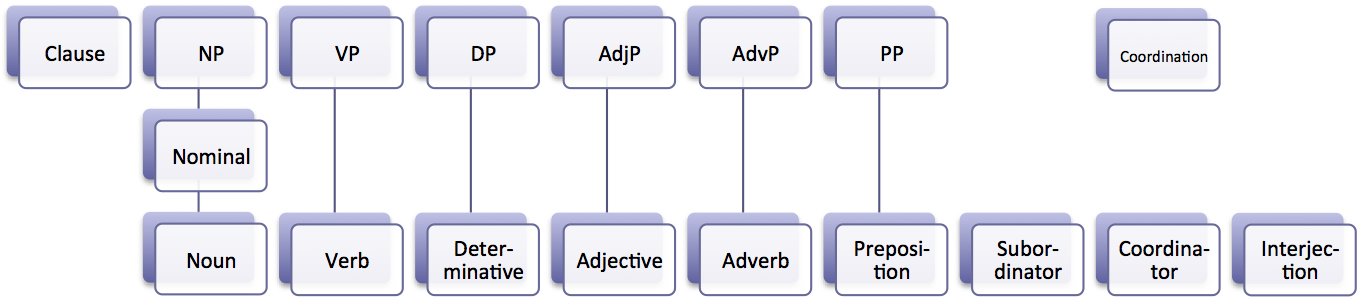
Language is highly efficient, often recycling the same word for different purposes. Homographs are words that share the same spelling while having different meanings. Because of this, a reader must use surrounding text to determine the intended meaning of a homograph.
A vital rule for the HESI A2: Contextual meaning overrides the primary dictionary definition when a word has multiple dictionary meanings.
Take the word contract. It has two highly divergent meanings in healthcare:
- To catch or develop a disease or infectious agent. ("The patient may contract pneumonia.")
- To decrease in size, number, or range. ("The muscle will contract during the spasm.")
If the sentence discusses the physical size of a pupil under bright light, the primary definition of legal paperwork or catching an illness is irrelevant. In this spatial context, the word expand is an antonym for the word 'contract' when referring to size.
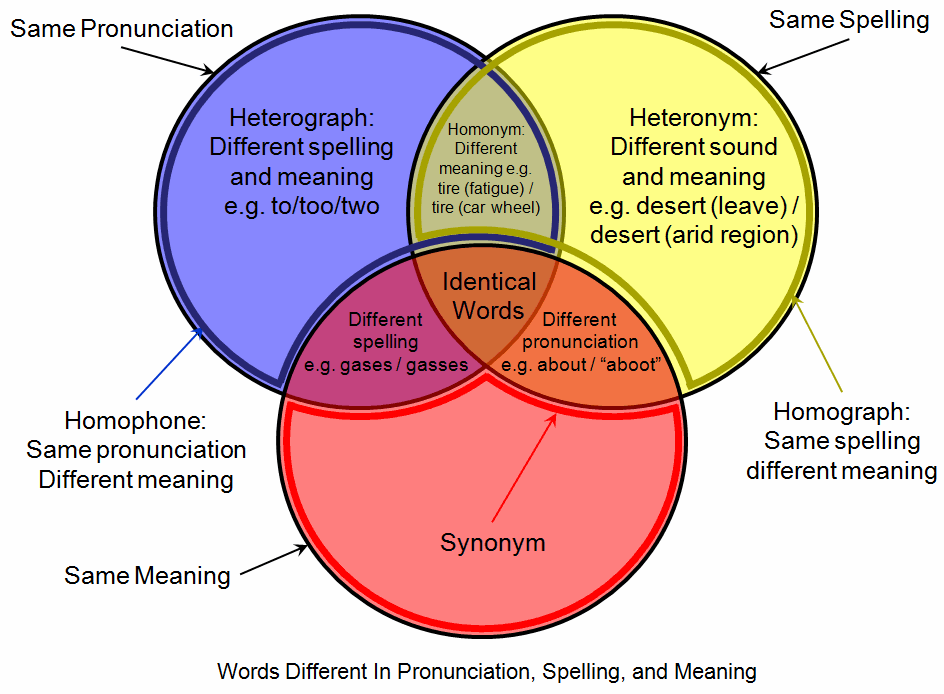
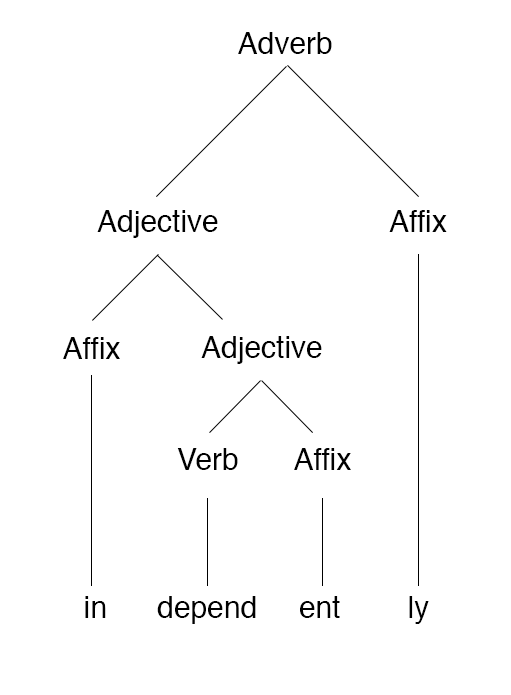
You do not need to memorize the entire medical dictionary if you understand how words are built. Like chemical compounds, complex medical terms are assembled from fundamental building blocks: roots, prefixes (attachments at the beginning), and suffixes (attachments at the end).
Mastering these transforms unfamiliar words into readable blueprints.
High-Yield Prefixes
| Prefix | Meaning | Example in Practice |
|---|---|---|
| a- | without or lacking | Atypical (lacking typical features) |
| an- | without or lacking | Anesthesia (without sensation) |
| anti- | against or opposing | Antibiotic (acting against biological organisms/bacteria) |
| dys- | bad, difficult, or painful | Dyspnea (difficult or labored breathing) |
| hyper- | over, above, or excessive | Hypertension (excessive blood pressure) |
| hypo- | under, below, or deficient | Hypoglycemia (deficient blood sugar) |
High-Yield Suffixes
| Suffix | Meaning | Example in Practice |
|---|---|---|
| -itis | inflammation | Appendicitis (inflammation of the appendix) |
| -ology | the study of | Cardiology (the study of the heart) |
| -pathy | disease or suffering | Neuropathy (disease of the nervous system) |

Let us integrate this theoretical knowledge into the concrete realities of clinical practice. The vocabulary tested on the HESI A2 is highly curated; it focuses on words you will encounter repeatedly in nursing school, patient charts, and medical literature. We can categorize these essential terms by how they function in a clinical narrative.
The Status of Disease: Visibility and Harm
When diagnosing a patient, the first question is often what we can actually see versus what is hidden.
- Latent: Existing but not yet developed or manifest. (Think of a latent viral infection that hides in the body without causing immediate trouble).
- Manifest: Clear or obvious to the eye or mind. When a disease transitions from latent to active, its symptoms finally manifest.
We also must classify the exact nature of a condition. Consider these crucial antonym pairs:
-
Benign: Not harmful in effect.
-
Malignant: Very virulent or infectious.
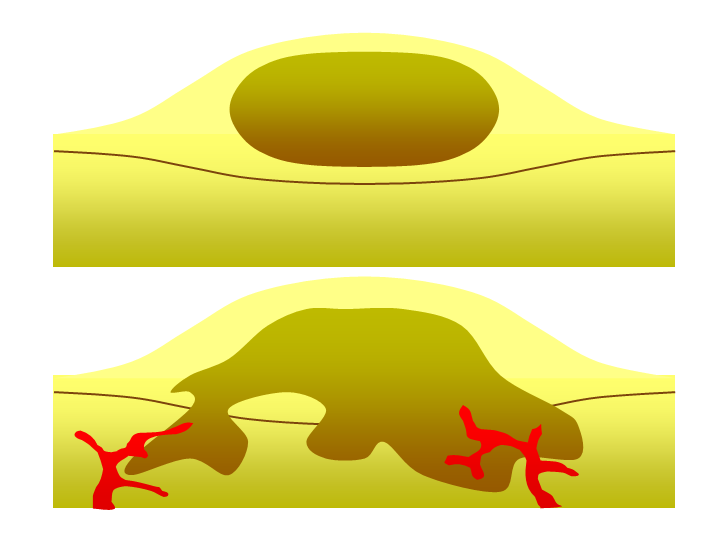
Application: The words 'malignant' and 'benign' are antonyms. A benign tumor will not spread; a malignant one aggressively attacks surrounding tissues.
-
Acute: Describes a condition with a rapid onset and short course. (e.g., an acute asthma attack).
-
Chronic: Describes an illness persisting for a long time or constantly recurring. (e.g., chronic obstructive pulmonary disease).
Application: The words 'acute' and 'chronic' are antonyms.
Disease Presentation and Movement
How does a disease progress, and how does the patient look?
- Insidious: Proceeding in a gradual way with harmful effects. An insidious disease sneaks up on a patient, causing quiet damage before being detected.
- Precipitous: This is a vital homograph. It can mean dangerously high or steep (a precipitous drop in blood pressure), but it can also describe an action done suddenly and without careful consideration (a precipitous decision to halt medication).
- Ubiquitous: Present, appearing, or found everywhere. In a hospital setting, certain bacteria are ubiquitous, which is why rigorous handwashing is required.
- Lethargic: Sluggish and apathetic. A lethargic patient may be difficult to rouse or slow to respond to questions.
Clinical Observation and Physical State
What do you observe during your physical assessment?
- Symptom: A physical or mental feature indicating a condition of disease. (e.g., a cough or a fever).
- Syndrome: A group of symptoms that consistently occur together. (e.g., Down syndrome or Irritable Bowel Syndrome).
- Patent: Open, unobstructed, or not closed. This is entirely distinct from a legal patent. In healthcare, checking that an airway is patent is the very first step in emergency life support (the "A" in ABCs).
- Distended: Swollen due to pressure from inside. An abdomen filled with fluid or gas will become visually distended.

Action, Failure, and Intervention
The body is a system constantly striving for balance (homeostasis). When something goes wrong, a cascade of events occurs.
- Predispose: To make someone liable or inclined to a specified condition. A family history of heart disease might predispose a patient to cardiac issues.
- Deficit: A lack or shortage. A patient might have a fluid volume deficit due to severe dehydration.
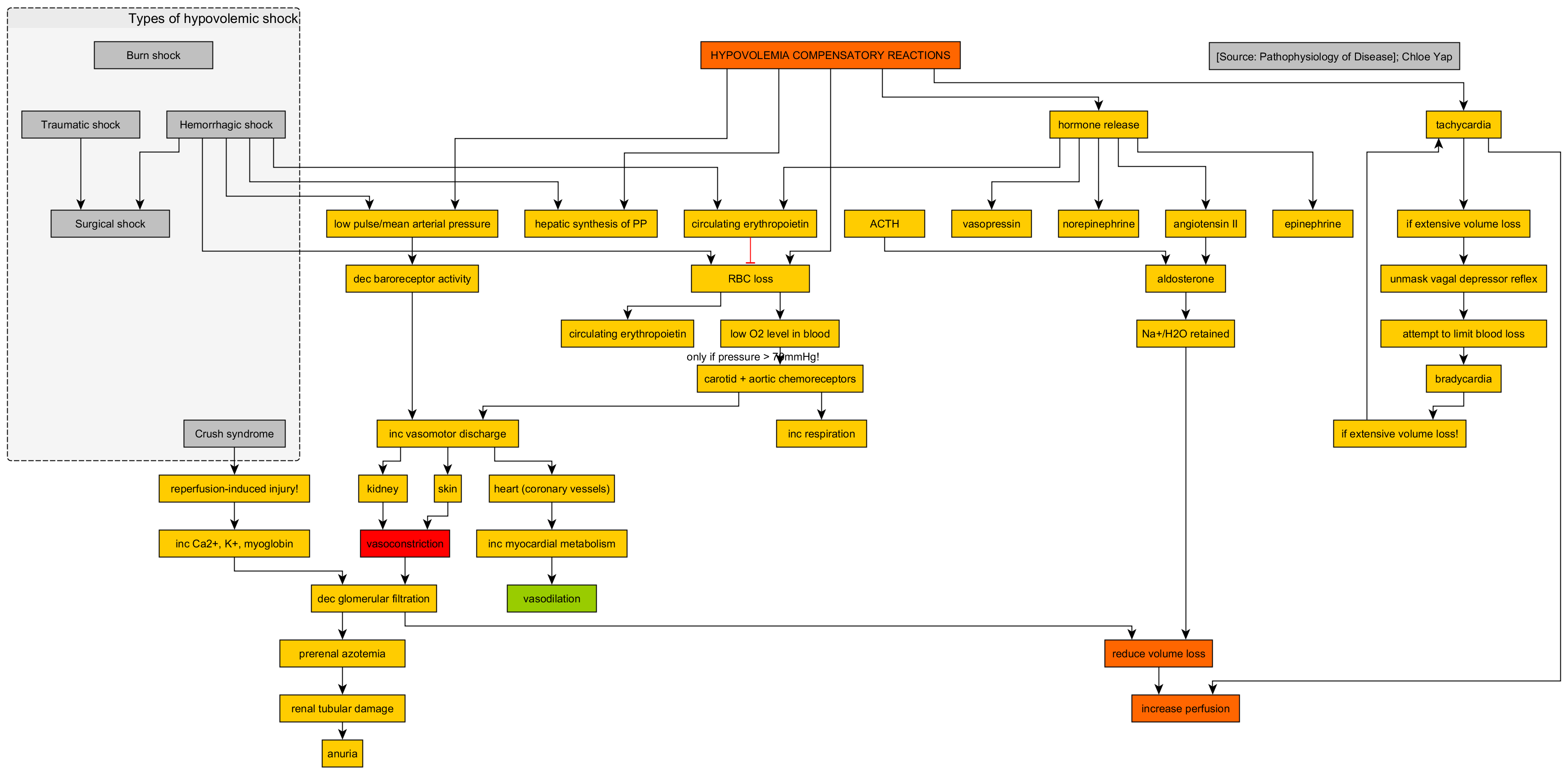
- Compensate: To make up for a defect or weakness. If the heart is failing to pump enough blood, the body might compensate by increasing the heart rate.
- Impaired: Weakened or damaged. If compensation fails, kidney function or mobility might become permanently impaired.
- Exacerbate: To make a problem or bad situation worse. Administering the wrong fluid could exacerbate the patient's existing swelling.
- Cease: To come to an end or bring to an end. We apply pressure to a wound to make the bleeding cease.
- Adhere: To stick fast to a surface or substance. A surgical dressing must adhere firmly to the skin to prevent infection.
- Volatile: Liable to change rapidly and unpredictably. A patient in the ICU may be in a volatile state, requiring constant, minute-by-minute monitoring.
- Rationale: A set of reasons or a logical basis for a course of action. You must always understand the rationale before administering a drug.
- Therapeutic: Relating to the healing of disease. Once the rationale is clear, we deliver a therapeutic intervention to guide the patient back toward health.
The Final Synthesis
As you prepare for the HESI A2, approach vocabulary with the same rigor you will eventually apply to pharmacology or anatomy. Words are not arbitrary letters on a page; they are the tools of precision that will define your academic and professional career. Look for the context clues hiding in the margins. Weigh the connotations. Strip the word down to its prefixes and suffixes. Understand its clinical reality. When you master the mechanics of meaning, you master the exam—and, more importantly, you prepare yourself for the immense responsibility of clinical practice.