Punctuation and Capitalization
Not sure you’re ready?
Take the ~3-minute readiness diagnostic and see where you stand.
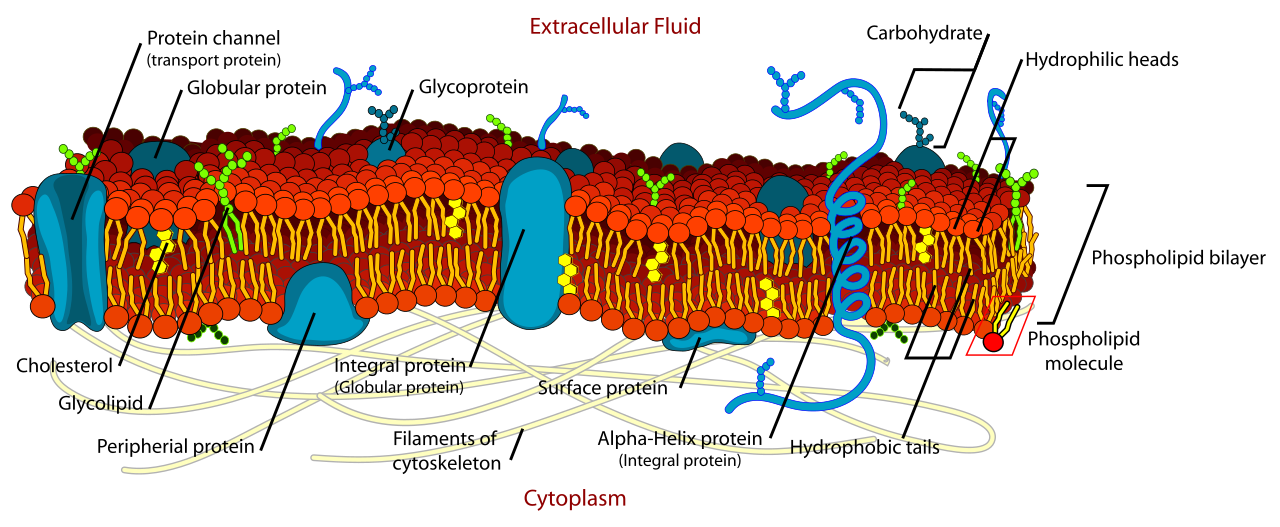
A biological cell relies on semi-permeable membranes to regulate what enters and exits; without these precise boundaries, the chemical chaos would rupture the cell. In clinical communication and standard English, punctuation and capitalization act as those exact same boundaries. They are not arbitrary rules invented by pedantic scholars; they are the fundamental architecture of clarity. When you write a patient’s chart or document a procedure, a misplaced comma or a forgotten capital letter does not just cost you points on an exam—it alters the chemical, structural, and legal reality of the information you are passing on to the next shift. Mastering the mechanics of standard English grammar is the exact same discipline as mastering physiological systems: you are learning how parts relate to the whole to keep the system alive and functioning.
Here is the definitive guide to the rules of capitalization and punctuation you must know, organized by their logical function.
Capitalization serves a specific signaling function. It acts as a beacon to tell the reader, "Pay attention, a new thought is beginning," or, "We are talking about a highly specific, unique entity."
Sentence Boundaries
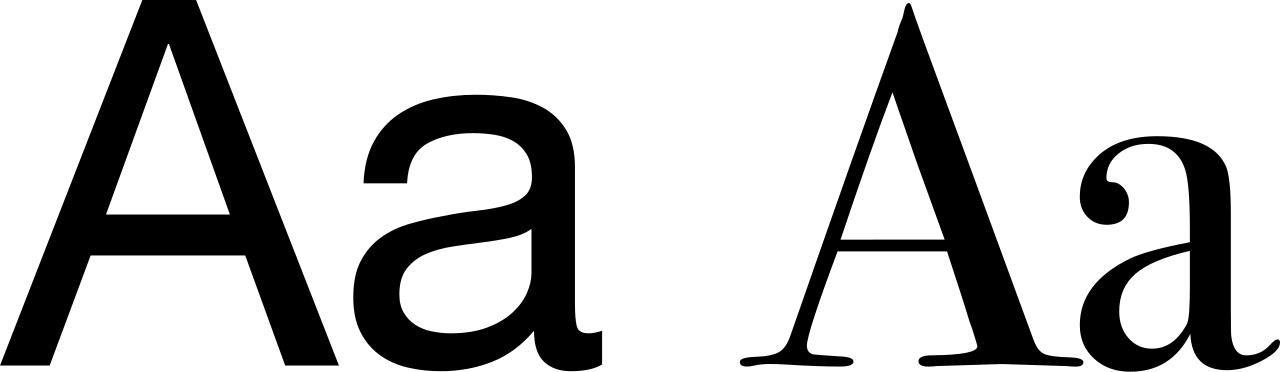
The most fundamental rule is that standard English grammar requires capitalizing the first word of every complete sentence. This creates a visual starting line for a new independent thought.
Proper vs. Common Nouns
Capitalization creates a distinction between the general and the specific.
- Standard English grammar requires capitalizing proper nouns. Why? Because proper nouns name specific people, specific places, or specific organizations. They point to a unique entity in the universe (e.g., Mercy Hospital, Dr. Rosalind Franklin, the World Health Organization).
- Conversely, common nouns naming general people, general places, or general things are not capitalized. You do not capitalize the general template of a thing (e.g., the hospital, the doctor, the organization).
Time, Seasons, and Holidays
Time is tracked conceptually, but we treat certain markers as unique names:
- Days of the week must be capitalized (Monday, Tuesday).
- Months of the year must be capitalized (October, November).
- Holidays must be capitalized (Thanksgiving, Labor Day).
However, seasons are treated as general atmospheric conditions, not specific proper names. Therefore, the names of seasons are not capitalized in standard English. Remember that the four seasons in standard English are spring, summer, fall, and winter.

Geography, Languages, and Cultures
Navigating the human and physical map requires precise capitalization rules:
- Geographic regions are capitalized because they act as specific proper nouns for cultural or physical areas (e.g., the Pacific Northwest, the Deep South).
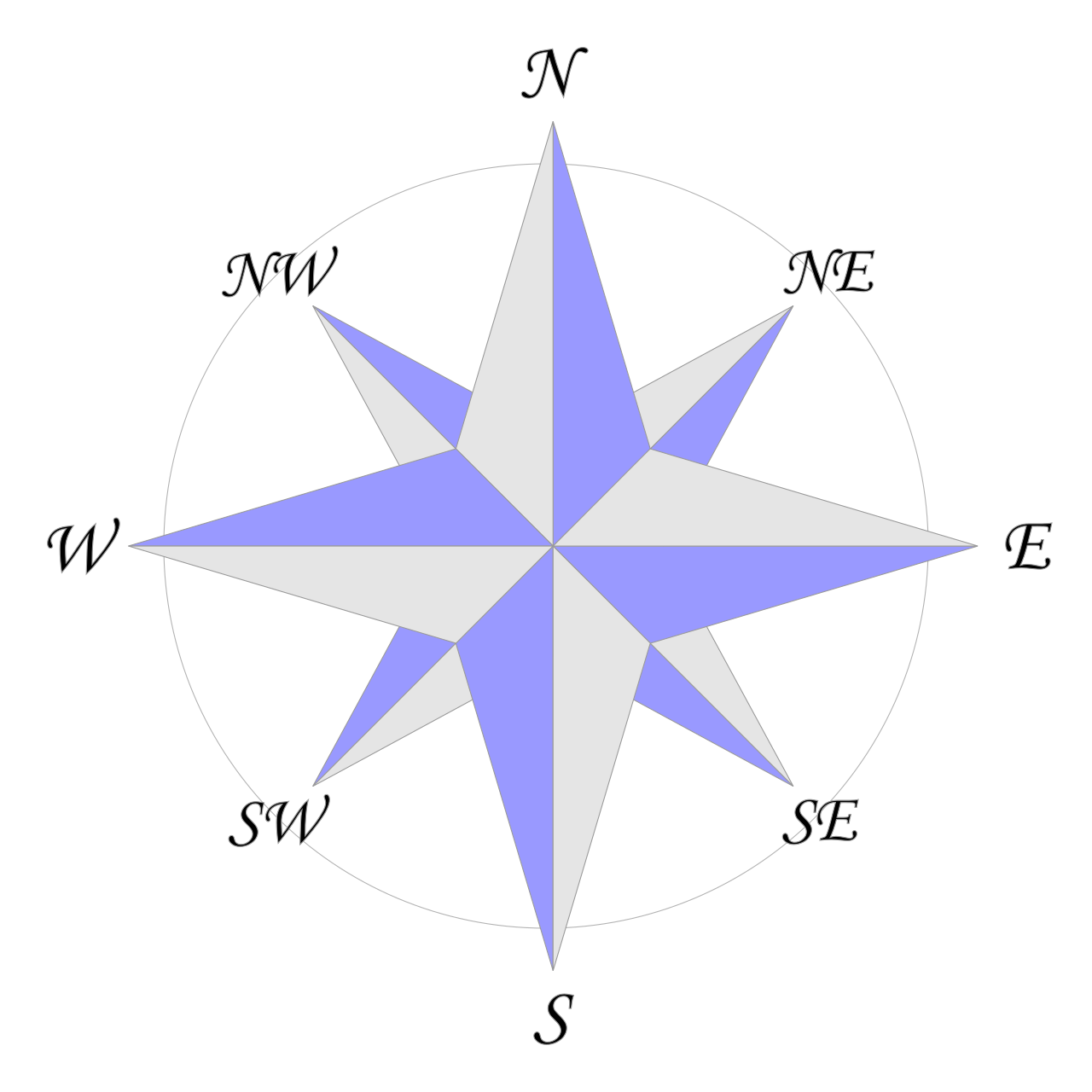
- However, compass directions used to indicate physical direction rather than a region are not capitalized (e.g., Drive south on Interstate 95).
- Because they derive from specific geographic and cultural proper names, languages and nationalities are capitalized (e.g., Spanish, Canadian, Navajo).
People and Their Titles
In healthcare, you will encounter titles constantly.
- Titles immediately preceding a person's name are capitalized because they become fused to the person's specific identity (e.g., Nurse Practitioner Evans, Chief Surgeon Patel).
- However, titles used as general words or standalone nouns are not capitalized (e.g., The chief surgeon will see you now; we spoke to the nurse practitioner.).
Titles of Works
When formatting titles of artistic or academic works, we capitalize to frame the boundaries of the title:
- The first word of a book, movie, or song title is always capitalized.
- The last word of a book, movie, or song title is always capitalized.
- Short prepositions and articles within a title are not capitalized unless appearing as the first or last word. (Examples of these uncapitalized words include in, of, to, the, a, an).
Example: The Anatomy of Motive (First word "The" is capitalized, "of" is a short preposition and remains lowercase, "Motive" is capitalized).
If words are the organs of a sentence, commas are the connective tissue. They group related ideas and prevent different parts of a sentence from bleeding into one another.
Managing Lists
- A comma is used to separate items in a series of three or more.
- Crucially, the serial comma is placed immediately before the coordinating conjunction in a list of three or more items. Also known as the Oxford comma, this prevents the final two items from blurring together.
- Correct: The patient requested water, extra blankets, and a pain reliever.
Navigating Clauses
A clause is simply a group of words with a subject and a verb. An independent clause can stand alone as a sentence. A dependent clause cannot. Commas govern how these clauses connect.
- A comma is required before a coordinating conjunction that links two independent clauses.
- The coordinating conjunctions in English are for, and, nor, but, or, yet, and so (easily remembered by the acronym FANBOYS).
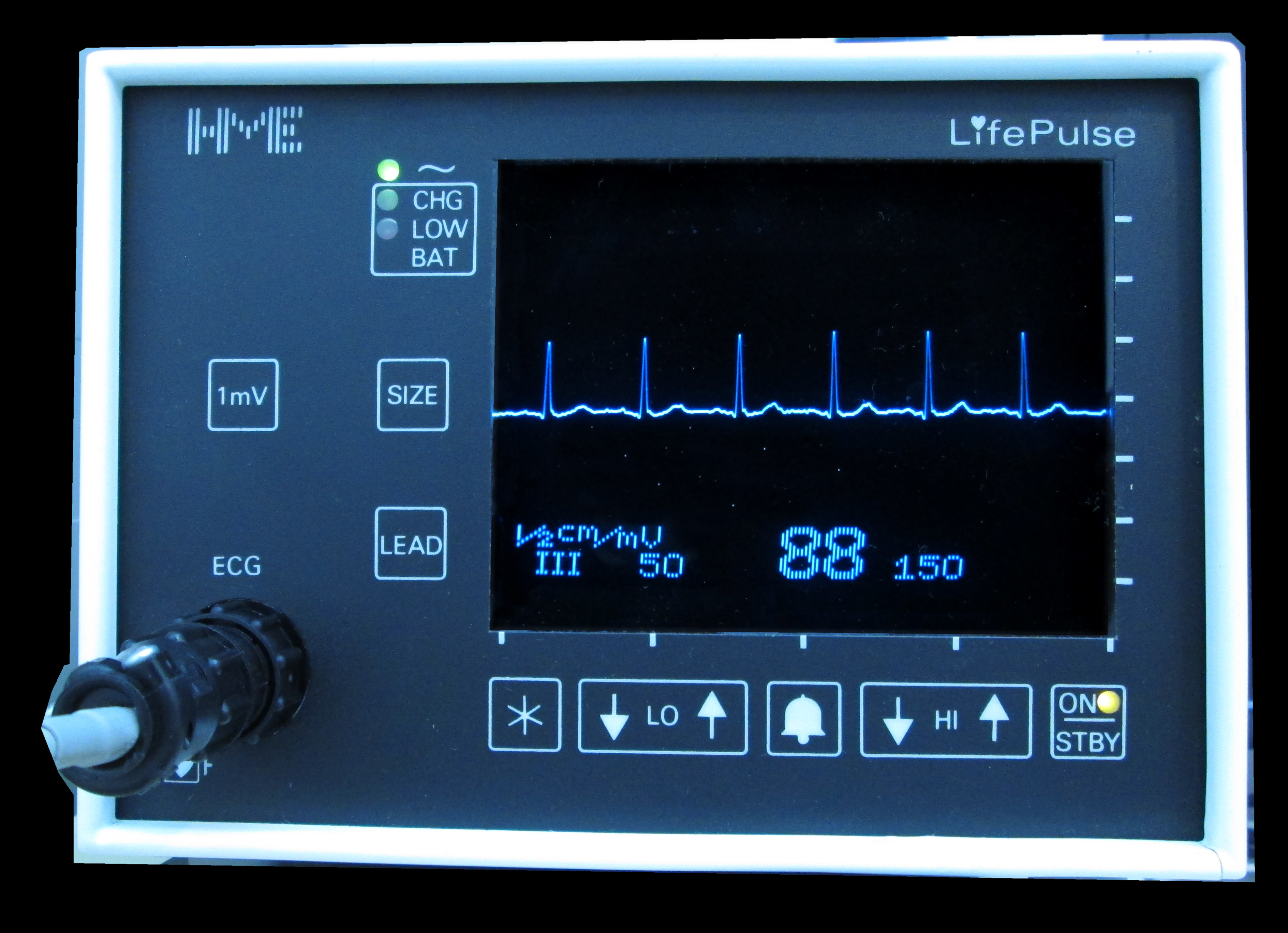
- Correct: The heart rate dropped, so the alarms triggered. (Two independent thoughts joined by a comma + FANBOYS).
- However, a comma should not precede a coordinating conjunction that links an independent clause to a dependent clause (or a compound predicate).
- Correct: The nurse checked the chart and administered the medication. (No comma, because "administered the medication" cannot stand alone).
Introductions
When a sentence begins with background context before hitting the main subject, you must place a boundary marker. A comma must follow an introductory phrase or introductory clause in a sentence.
- Example: After completing the blood draw, the phlebotomist labeled the vials.

The Essential vs. Nonessential Test (Restrictive vs. Nonrestrictive Clauses)
This is one of the most vital logical tests in grammar. Ask yourself: Does removing this clause destroy the basic identity of the noun it describes?
- Commas are used to set off nonrestrictive clauses. By definition, a nonrestrictive clause adds nonessential information to a sentence. You surround it with commas like physical handles, showing the reader they could lift it out of the sentence without changing the core meaning.
- Example: The attending physician, who was wearing a blue stethoscope, reviewed the MRI.
- Conversely, commas are never used to set off restrictive clauses. This is because a restrictive clause provides essential information needed to identify a noun. If you remove it, the sentence loses its crucial targeting.
- Example: The patient who has a severe penicillin allergy must wear a red wristband. (No commas! The clause is essential to identifying which patient we mean).
Adjectives, Dates, Places, and Quotes
Commas also separate smaller units of information that carry equal weight:
- A comma is used to separate coordinate adjectives modifying the same noun. (Test this by seeing if you can put the word "and" between them. A cold, clammy forehead = A cold and clammy forehead).
- A comma separates the day of the month from the year in a date (e.g., July 20, 1969).
- A comma separates a city name from a state name (e.g., Houston, Texas).
- A comma is used to introduce a direct quotation. (e.g., The doctor said, "Take this twice daily.")
An apostrophe acts as a tiny flag alerting the reader that something is either missing or belonging to someone. It does exactly two jobs: indicating possession and forming contractions.
The Rules of Possession
An apostrophe is used to indicate possession, but its placement depends entirely on the noun's quantity and spelling.
| Noun Type | Rule | Example |
|---|---|---|
| Singular Noun | Adding an apostrophe followed by an 's' forms the possessive of a singular noun. | The patient**'s** chart. (One patient owns the chart). |
| Plural Noun (No 's') | Adding an apostrophe followed by an 's' forms the possessive of a plural noun not ending in the letter 's'. | The children**'s** ward. |
| Plural Noun (Ending in 's') | Adding an apostrophe alone forms the possessive of a plural noun ending in the letter 's'. | The nurses**'** station. (Multiple nurses own the station). |

Contractions and Omissions
An apostrophe represents omitted letters in a contraction. When we squeeze "do not" into "don't," the apostrophe stands in the exact space where the "o" used to live.
The Pronoun Trap
This is the single most common grammatical pitfall. Personal pronouns already have built-in possessive forms. Therefore, possessive pronouns never take an apostrophe.
- Examples of possessive pronouns include its, theirs, and whose.
- Warning: "It's" always means "it is" (contraction). "Its" means ownership. The machine lost its power, so it's shutting down.
If a comma is a yield sign and a period is a red light, a semicolon is a structural hinge. It links two ideas that are robust enough to stand alone but logically related enough that they belong in the same breath.
Joining Clauses
- A semicolon is used to join two related independent clauses missing a coordinating conjunction.
- Example: The surgery was a success; the patient is resting comfortably. (Notice there is no FANBOYS conjunction here).
- Sometimes, we join independent clauses using heavy transitional words. A semicolon is placed before a conjunctive adverb linking two independent clauses.
- Examples of conjunctive adverbs include however, therefore, moreover, and consequently.
- Crucially, a comma must immediately follow a conjunctive adverb linking two independent clauses.
- Example: The heart rate stabilized**; however,** the blood pressure remained low.
Complex Lists
Usually, we use commas to separate items in a list. But what happens if the list items already contain commas? Total chaos. The semicolon steps in as a super-comma.
How do we capture exact voices, or designate the titles of different types of publications? We use quotation marks and italics.
The Anatomy of Quoting
- Double quotation marks enclose exact, direct spoken or written words. You are capturing the exact audio or text tape.

When quoting, the interplay between quotation marks and other punctuation is highly regulated. In standard American English, placement is absolute:
- Periods always go inside closing quotation marks in standard American English.
- Commas always go inside closing quotation marks in standard American English.
- Example: "I feel dizzy**,"** the patient stated.
- Colons always go outside closing quotation marks.
- Semicolons always go outside closing quotation marks.
Question marks require a logic test. The placement depends on who is actually doing the asking:
- A question mark goes inside closing quotation marks if the enclosed quotation is a question.
- Example: The nurse asked, "Are you in pain**?"**
- A question mark goes outside closing quotation marks if the entire surrounding sentence is a question.
- Example: Did the doctor actually say, "You can go home today"?
What if someone is speaking, and they quote someone else?
- Single quotation marks enclose a quotation nested within another quotation.
- Example: "I distinctly heard him say, 'Code Blue,' before running down the hall," the technician reported.
Short Works vs. Long Works
Finally, how do we correctly format the title of a publication? It depends entirely on the size of the work. Think of it structurally: small things go inside "containers" (quotations), while massive, freestanding things lean on their own weight (italics).
- Quotation marks are used to indicate titles of short works.
- Short works requiring quotation marks include short stories, poems, and magazine articles. These are pieces that exist inside larger publications.
- Italics are used to indicate titles of long works.
- Long works requiring italics include books, movies, and full-length plays. These are large, standalone architectural structures of media.

By understanding the logical purpose behind each comma, apostrophe, and capital letter, you are no longer just memorizing disconnected rules. You are mastering the structural anatomy of the English language—ensuring that every time you write, your meaning is preserved, precise, and undeniably clear.