Client Rights and Informed Consent
Not sure you’re ready?
Take the ~3-minute readiness diagnostic and see where you stand.
Welcome to the fascinating intersection of human biology and the law! When you think about nursing, you likely imagine stethoscopes, medications, and anatomy. But before you can ever place a hand on a patient, administer a pill, or prep them for surgery, you have to cross an invisible but absolute boundary: the right to human autonomy.
Think of it this way: the human body belongs entirely to the human living inside it. When a person puts on a hospital gown, they do not check their constitutional rights at the door. Everything we do in healthcare requires permission. If you understand why we have these rules, the NCLEX-PN questions will stop feeling like a memorization test and start looking like plain, intuitive common sense.
Let’s pull this apart, piece by piece, and explore the beautiful mechanics of client rights, privacy, and the grand agreement we call informed consent.
When a client walks into a healthcare facility, they are entering a highly complex, often frightening environment. To protect them, the law steps in on day one, minute one.
The Patient Self-Determination Act (PSDA) requires healthcare facilities to inform clients of their rights upon admission.
Why upon admission? Because you cannot exercise a right if you don’t know you have it. The PSDA ensures that from the very moment a client arrives, they are handed the rulebook. They know they have a voice.
The Sacred Vault of Information
Alongside autonomy comes the right to privacy. Your medical history—the intimate details of your physiology, your struggles, your diagnoses—is nobody's business but your own.
The Health Insurance Portability and Accountability Act (HIPAA) establishes national standards to protect individuals' medical records. HIPAA is the fortress walls around a client's data. As a nurse, you are the guard at the gate.
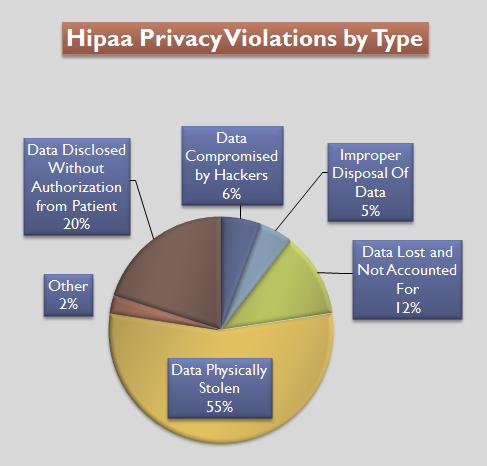
Here is the single, golden rule of HIPAA for the practical nurse: Nurses must only share client health information with individuals directly involved in the client's care.
- Curious about the celebrity down the hall? Not your patient, not your business.
- Want to give an update to a patient’s friendly neighbor in the waiting room? Absolutely not, unless you have explicit permission.
If they aren't treating the patient, they don't get the data. It is that beautifully simple.
If a person owns their body, then their "no" is an impenetrable shield. We are there to offer care, not to enforce it.
Clients have the right to refuse any medical treatment at any time. Period. Even if you think they are making a terrible mistake, their autonomy outweighs your medical opinion. This extends all the way down to the basics: clients have the right to refuse routine nursing care. If your patient doesn't want their morning blood pressure checked, or refuses a bed bath, they are legally allowed to do so.
However, freedom of choice requires understanding the consequences of that choice.
The Mechanics of Refusal
When a client refuses, we do not just say "Okay!" and walk away. That would be negligent. A client refusing treatment must be informed of the medical consequences of the refusal. They need to know what happens next so they can make a truly educated choice.
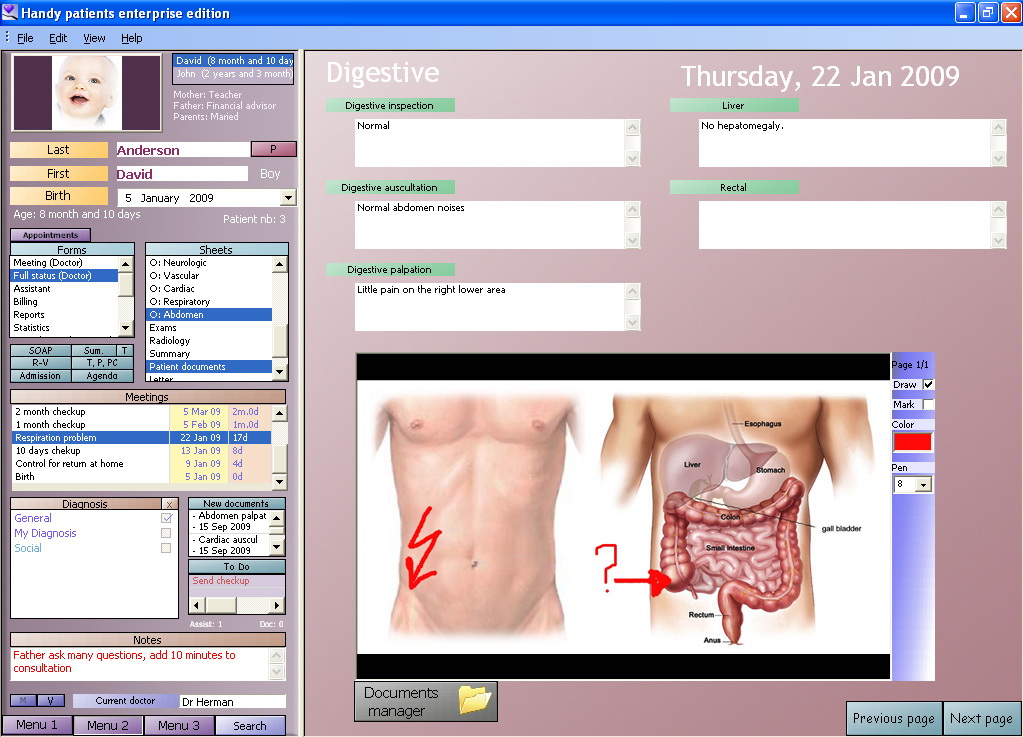
Once they understand the consequences and still say no, the paperwork begins. If it isn't documented, legally, it didn't happen. Therefore, the nurse must document a client's refusal of treatment in the electronic health record (EHR).
Against Medical Advice (AMA)
What happens if a client decides to pack their bags and walk out the door in the middle of a critical treatment? We call this leaving Against Medical Advice (AMA). You cannot physically stop them—that would be battery or false imprisonment. But the stakes are high, so the chain of command must move at lightning speed: Leaving a facility against medical advice requires the nurse to notify the healthcare provider immediately. The provider needs the opportunity to explain the risks of leaving before the client exits the building.
Now we arrive at the crown jewel of healthcare law: Informed consent.
Informed consent is a legal process granting permission for a specific treatment or procedure.
It is not just a piece of paper; it is a process of education, understanding, and agreement. To make this work, healthcare law strictly divides the labor between the Healthcare Provider (HCP) and the Practical Nurse (PN).
The Explainer: The Healthcare Provider
The person holding the scalpel is the one who must explain the cut. The healthcare provider performing the procedure is legally responsible for obtaining informed consent.
To obtain legal consent, the provider cannot just say, "Sign here for surgery." They must paint a complete, clear picture of reality. The healthcare provider must explain five specific things:
- The physiological purpose: They must explain the physiological purpose of the proposed procedure to the client. (Why are we doing this?)
- The potential benefits: They must explain the potential health benefits of the proposed procedure to the client. (How will this help you?)
- The medical risks: They must explain the potential medical risks of the proposed procedure to the client. (What could go wrong?)
- The alternatives: They must explain alternative viable treatment options to the client. (What else could we do instead?)
- The risks of refusal: They must explain the specific health risks of refusing the proposed procedure to the client. (What happens if we do nothing?)
The Witness: The Practical Nurse
If the provider is the "Explainer," what is your job? Your job is to be the objective observer. The practical nurse serves solely as a witness to the client signing the informed consent document.
Witnessing informed consent means the practical nurse verifies the correct client signed the form voluntarily. You are there to say: "Yes, this is John Doe. Yes, he signed it of his own free will without anyone twisting his arm."
Furthermore, the practical nurse must verify the client is cognitively competent to sign the informed consent form. They must be awake, aware, and capable of understanding what they are doing.
The Absolute Boundary for the PN
Here is a trap the NCLEX loves to set for you: A client is holding the pen, looks up at you, and asks, "Hey nurse, what are the chances I get an infection from this surgery?"
Do you answer them? NO.
The practical nurse may not legally explain the medical risks of a surgical procedure to the client. If you try to explain the risks, you have crossed outside your scope of practice. If the client is asking questions, it means they are not fully informed. Therefore, the nurse must notify the healthcare provider if the client has questions about the procedure before signing the consent form. You stop the line, you put the pen down, and you call the provider back into the room.
Finalizing the Agreement
Once the form is signed, there is one last administrative but critical step. The nurse must ensure the signed informed consent document is placed in the client's medical record prior to the procedure. The surgical team must see that paper before the anesthesia flows.
And remember the power of "No"? It applies here, too. A client may legally withdraw informed consent at any time before the procedure begins. Even if they are on the stretcher rolling into the operating room, if they say "Stop, I changed my mind," the wheels must stop turning.
A signature means nothing if the brain behind the hand isn't clear, or if the words being spoken aren't understood.
Chemical Impairment
You cannot enter a legally binding contract if your brain is clouded by narcotics. This is a hard-and-fast rule:
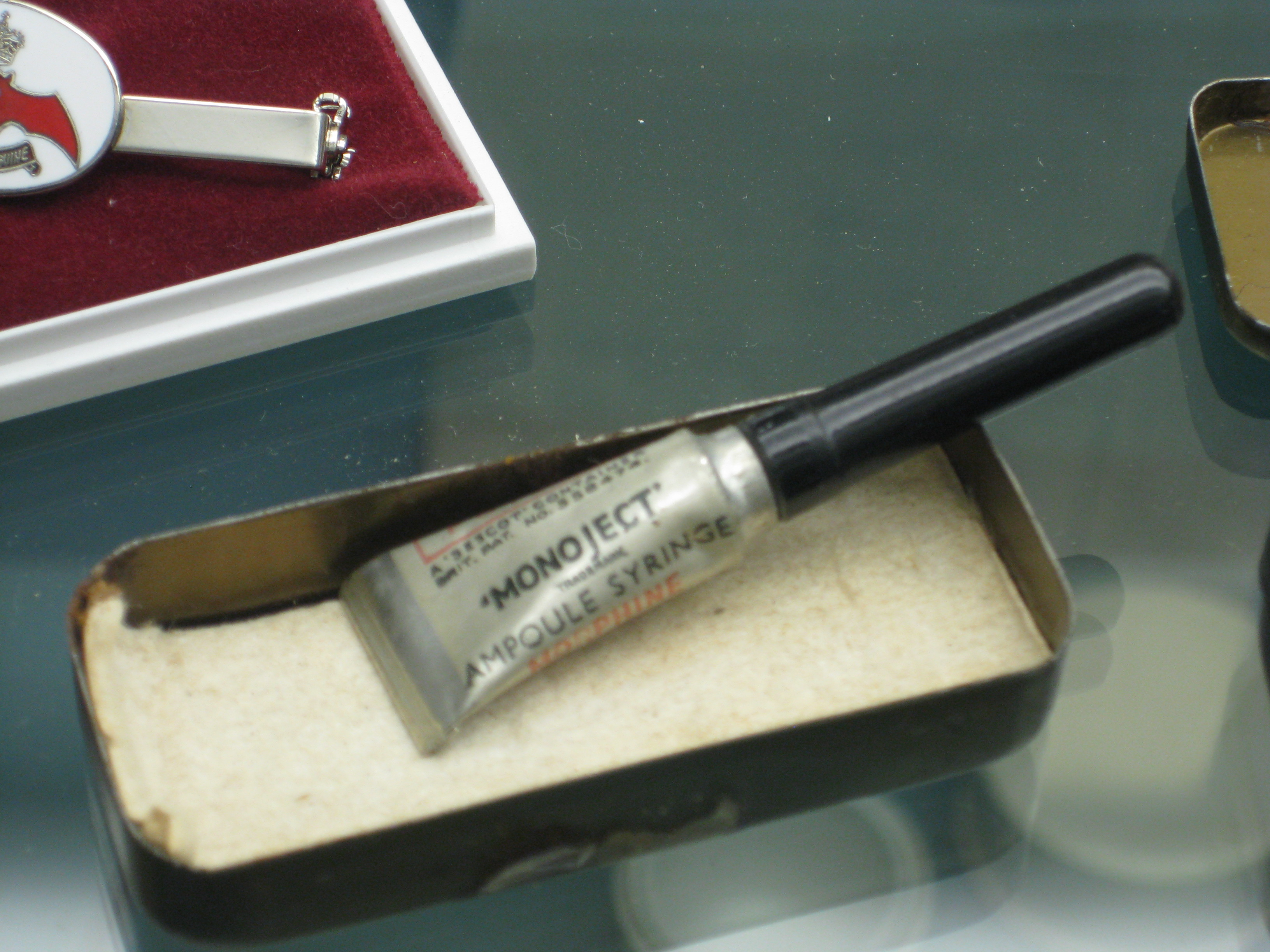
- A client having received central nervous system (CNS) depressants cannot legally sign an informed consent form.
- A client having received opioid analgesics cannot legally sign an informed consent form.
If you gave your patient IV morphine for pain 20 minutes ago, they cannot sign a consent form for tomorrow's surgery. The consent must be obtained before the mind-altering drugs are administered, or deferred until the drugs have completely worn off.
The Language Barrier
Imagine someone trying to explain the risks of a cardiac catheterization to you in a language you do not speak. You would be terrified, and you certainly wouldn't be "informed."
To bridge this gap, certified medical interpreters must be provided to obtain informed consent from a client not speaking the primary language of the healthcare provider.
Why certified? Why not just use their bilingual teenage daughter who is sitting right there in the room? Because medicine is a precise language, and family dynamics are messy. The teenager might not know the word for "anaphylaxis," or they might try to "soften the blow" of bad news to protect their parent's feelings. Therefore, family members should not serve as language interpreters for obtaining informed consent.
So, who exactly is legally allowed to put ink on the paper? It depends entirely on age, mental capacity, and legal status.
The Standard Rule

Minors and Emancipation
Generally, anyone under 18 cannot sign a legal contract. For them, a parent or legal guardian must provide informed consent for an unemancipated minor.
But there is a fascinating legal loophole called emancipation. If a minor is forced by life circumstances to act as an adult, the law treats them as an adult. An emancipated minor may legally provide their own informed consent for medical treatment.
How does a minor become emancipated? The law recognizes three main pathways:
- Marriage: Marriage is a legal condition granting emancipated status to a minor for healthcare consent purposes.
- Military Service: Active military service is a legal condition granting emancipated status to a minor for healthcare consent purposes. If you are old enough to wear the uniform and defend the country, you are old enough to consent to your own surgery.
- Court Action: A legal court order of independence grants emancipated status to a minor for healthcare consent purposes.
Incapacity and Proxies
What happens if a competent adult loses their capacity? Suppose an elderly client develops advanced dementia, or a patient suffers a severe traumatic brain injury. They can no longer understand risks and benefits.
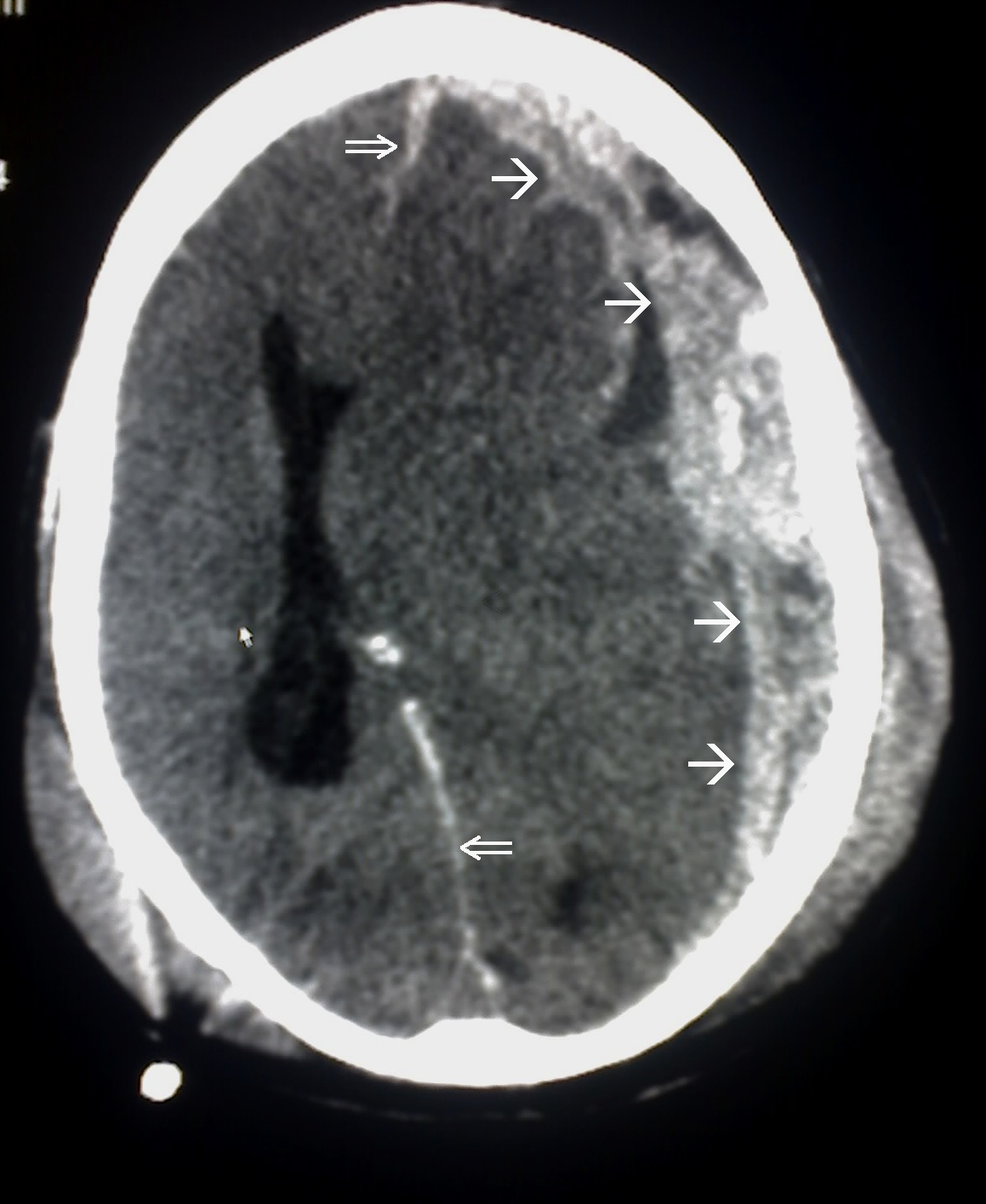
In these cases, we look for a proxy. A legally designated healthcare proxy may provide informed consent for a client lacking decision-making capacity. This is a person the client chose, ahead of time, to speak for them when their own voice fades.
But what if they never appointed a proxy? We don't just guess. State laws designate a hierarchy of family members to make healthcare decisions for an incapacitated client lacking a designated proxy. (Usually, this hierarchy flows from spouse, to adult children, to parents, to adult siblings).
The Ultimate Exception: Emergencies
Now, let's look at the ultimate exception to the rule. A client is rushed through the ambulance bay doors. They are unconscious, profusely bleeding from a ruptured spleen, and there is no family in sight. We don't have time to find a proxy, and we certainly don't have time to go to court. Do we just let them die because we don't have a signed piece of paper?
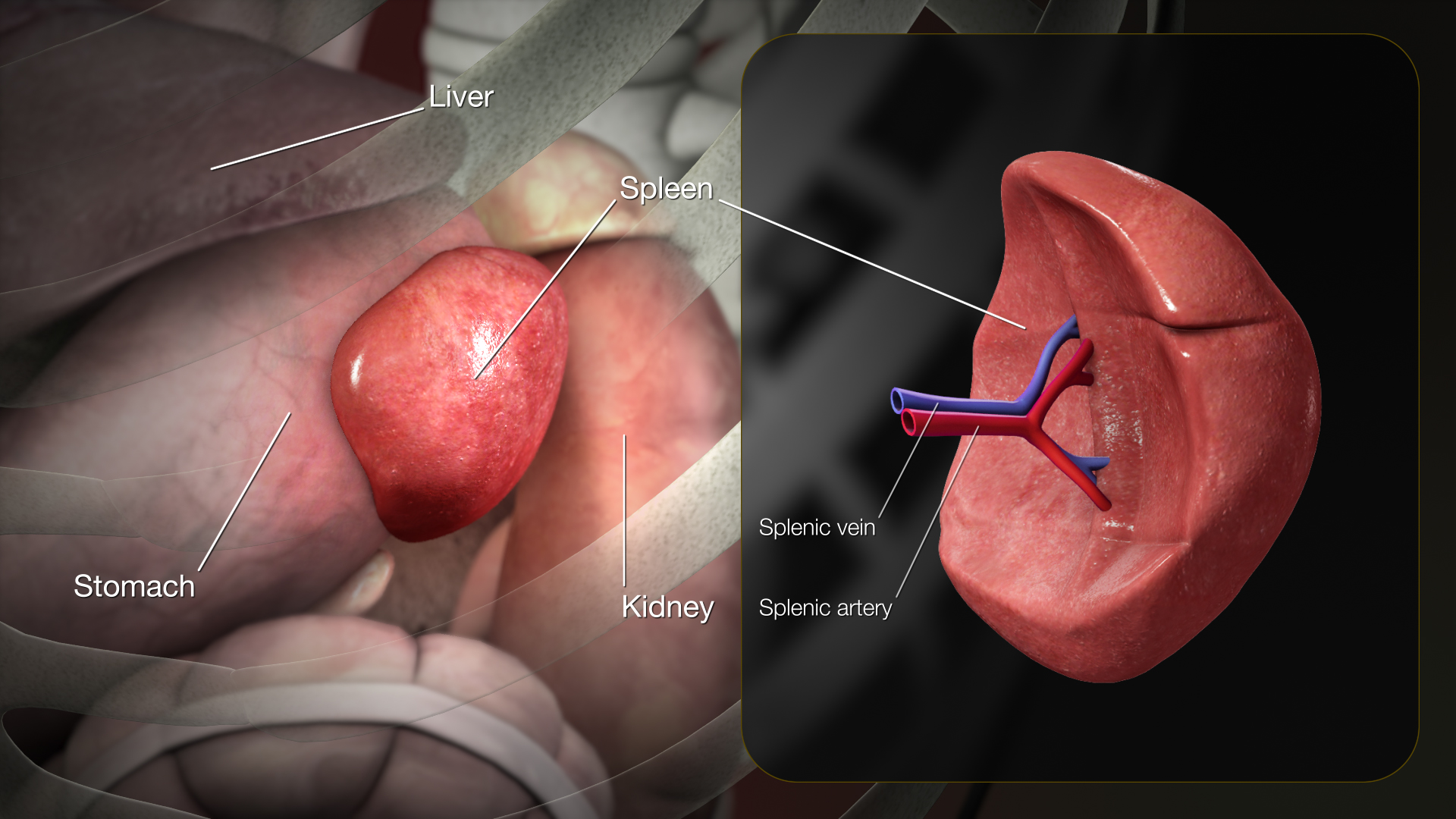
Absolutely not. The law is designed to protect life.
Medical emergencies threatening a client's life allow for implied consent.
In these dire moments, the law assumes that any reasonable human being would want to be saved. Implied consent is legally assumed when an unconscious client requires immediate life-saving surgery.
To cement this for your exam, let's look at a stark comparison of roles during the informed consent process. Memorize this boundary, and you will navigate NCLEX scenarios with ease.
| The Healthcare Provider (HCP) | The Practical Nurse (PN) |
|---|---|
| Legally responsible for obtaining the consent. | Serves solely as a witness to the signature. |
| Explains the physiological purpose of the procedure. | Verifies the correct client signed voluntarily. |
| Explains the potential health benefits. | Verifies the client is cognitively competent (no opioids/CNS depressants). |
| Explains the potential medical risks. | Cannot legally explain the medical risks. |
| Explains alternative treatment options. | Notifies the HCP if the client has questions prior to signing. |
| Explains the specific risks of refusing the procedure. | Ensures the signed form is in the chart before the procedure begins. |
Client rights and informed consent are not just bureaucratic red tape. They are the structural beams of medical ethics. They ensure that science serves the patient, rather than the patient serving science. When you ensure a client is competent, voluntary, and fully informed, you are not just pushing papers—you are fiercely advocating for their fundamental human dignity.
Keep that logic in mind, and you won't just pass the NCLEX—you'll be an outstanding, trustworthy nurse.