Collaboration and Management Concepts
Not sure you’re ready?
Take the ~3-minute readiness diagnostic and see where you stand.
The Symphony of Care: Collaboration, Delegation, and the Practical Nurse
Hello there! Welcome. Let’s talk about something truly fascinating. When you look at a modern healthcare setting, what do you see? Some people see chaos—a blur of scrubs, beeping machines, and endless charts. But if you look closely, if you really pay attention to the underlying mechanics of it all, you’ll see that it’s actually a brilliant, complex ecosystem. It’s like a symphony orchestra.
You can have the greatest violinist in the world, but if they don’t know when the cellist is coming in, or if the conductor is waving their arms at the wrong tempo, the result isn't music. It’s noise. In healthcare, that "noise" translates directly to poor client outcomes.
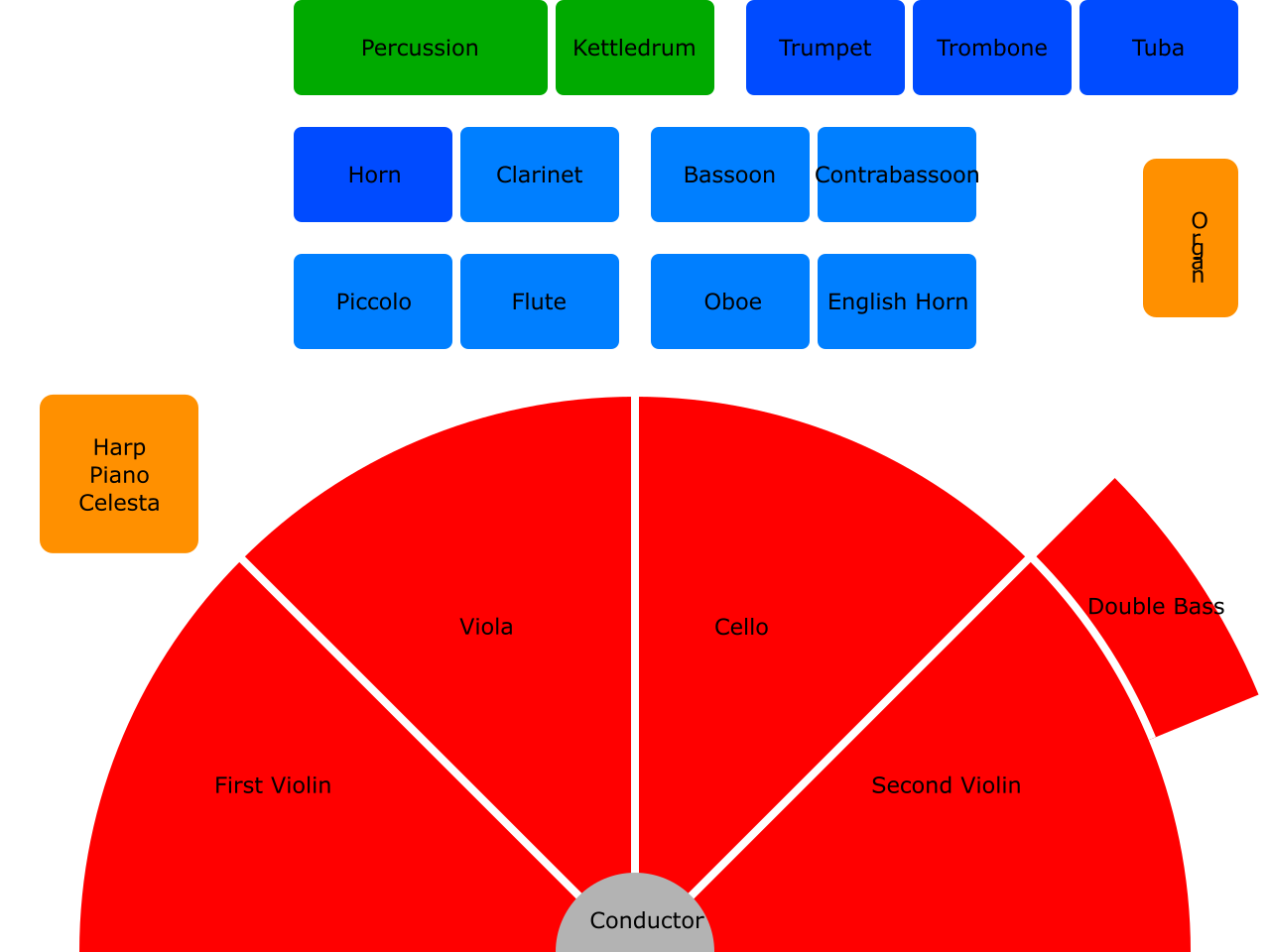
Today, we are going to break down the "physics" of this healthcare symphony. We'll explore who plays what instrument, how we write the sheet music (the care plan), and how you—the Practical Nurse (PN)—keep the tempo steady through brilliant delegation and management. Let's dive in!
To collaborate effectively, you have to know exactly what every person in the room is designed to do. Think of each profession as having a specific "bandwidth" of expertise. When we stack all these bandwidths together, we get the entire spectrum of human care.
Let's meet the experts you will be collaborating with:
The Rehabilitation Masters
Students often get confused between physical therapists and occupational therapists. Let's make it intuitive. Think of physical therapy as "the gross mechanics of movement" and occupational therapy as "the fine mechanics of living."
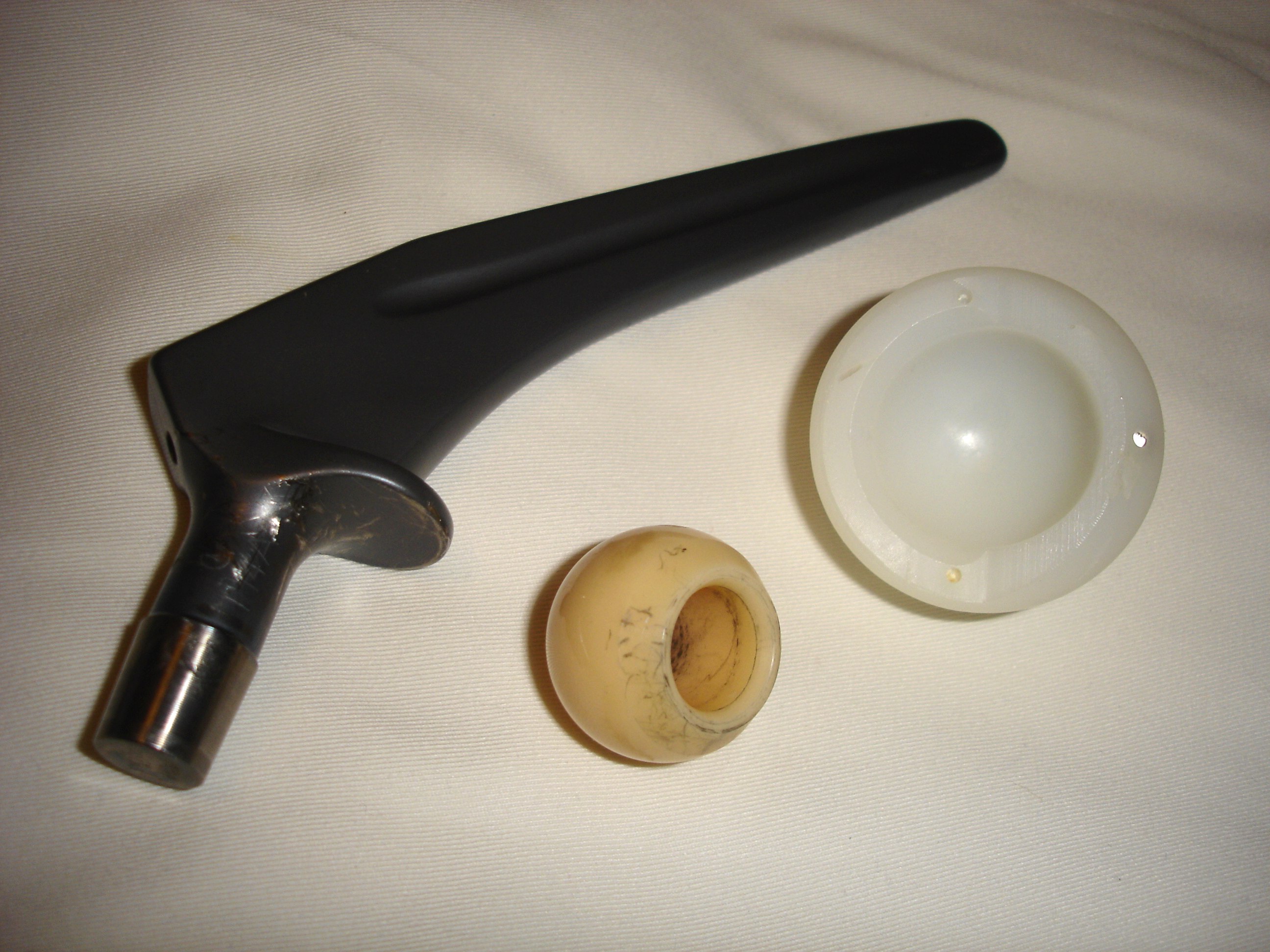
- Physical Therapist (PT): A physical therapist focuses on restoring a client's mobility and preventing physical disability. Think of the big movements: walking, transferring out of bed, building lower body strength after a hip replacement. They are the mechanics of the human chassis.
- Occupational Therapist (OT): Conversely, an occupational therapist helps clients regain the fine motor skills needed for activities of daily living (ADLs). If a stroke patient needs to relearn how to button a shirt, hold a fork, or brush their teeth, the OT is the expert you call.
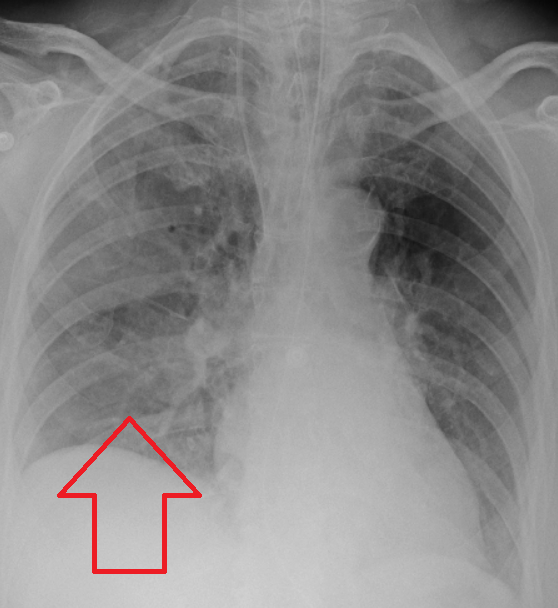
- Speech-Language Pathologist (SLP): This title is almost a bit misleading because they do much more than just speech! Yes, they help with aphasia, but critically, a speech-language pathologist assists clients with swallowing disorders and communication difficulties. If your client is coughing while drinking water, the SLP performs the swallow study to prevent aspiration pneumonia.
The System Specialists
- Registered Dietitian (RD): Food is fuel, and in a hospital, food is medicine. A registered dietitian assesses the nutritional needs of clients and then uses that assessment to design specific dietary plans for clients. Whether it's a low-sodium diet for heart failure or a high-protein diet for wound healing, they engineer the fuel mixture.

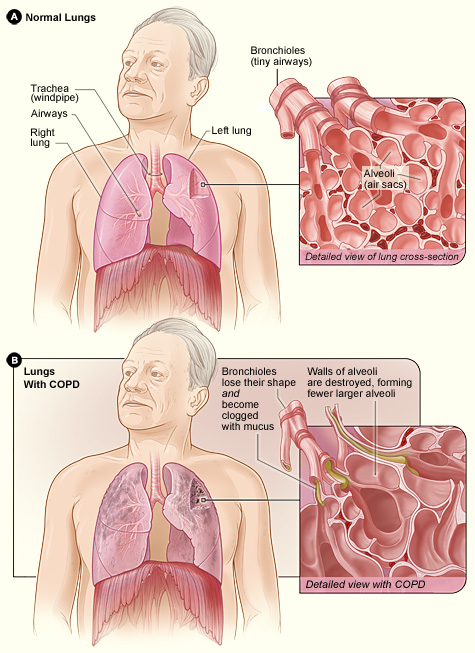
- Respiratory Therapist (RT): The breath of life! A respiratory therapist administers pulmonary treatments and manages mechanical ventilation. When your client needs a breathing treatment for COPD, or adjustments to their life-support ventilator, the RT is your go-to expert.
The Real-World Navigators
- Medical Social Worker: What happens when the client leaves the hospital? The medical social worker bridges the gap between the clinical bubble and the real world. A medical social worker helps clients find community resources (like Meals on Wheels or support groups) and assists clients with discharge planning and financial concerns. They ensure the client doesn't fall off a cliff the moment they walk out the hospital doors.
Feynman’s Checkpoint: How do you fit into this as a Practical Nurse? By being the ultimate communicator. The practical nurse reports the client's current status during interdisciplinary care conferences. You are the one at the bedside, observing the client every day. When the team gathers, your real-time data is the glue that binds all these specialties together.
Now that we know the players, how do we agree on what to do? We use a Care Plan. But a Care Plan isn’t just a static piece of paper; it’s a living, breathing blueprint.
To understand how this blueprint works, we have to look at the beautiful, symbiotic dance between the Registered Nurse (RN) and the Practical Nurse (PN). Let's be highly precise here, because the NCLEX loves to test the boundaries of these roles.
1. The Genesis of the Plan
Everything starts with data, but someone has to synthesize that data into a master strategy.
- The registered nurse is responsible for the initial comprehensive assessment of a client. The RN is the architect laying the foundation.
- Following this, the registered nurse is responsible for formulating the primary nursing diagnosis and care plan.
2. The Execution and Feedback Loop
So, where does the Practical Nurse come in? You are the engine that drives this plan forward, and the scout that gathers the vital intel.
- Data Collection: Even though the RN does the initial comprehensive assessment, the practical nurse collects data to contribute to the comprehensive client assessment. You are constantly gathering the vital signs, listening to the lungs, and checking the wounds.
- Action: Once the plan is written, the practical nurse implements interventions outlined in the established client care plan. You are administering the medications, performing the dressing changes, and providing the direct care.
- Observation: Science is all about observing the results of an experiment. In nursing, the practical nurse observes client responses to implemented nursing interventions. Did the pain medication work? Is the wound healing or getting worse?
- Evolution: The care plan must adapt to reality. Therefore, the practical nurse communicates client responses to the registered nurse to help update the care plan. Furthermore, the practical nurse suggests modifications to the care plan based on changes in the client's condition.
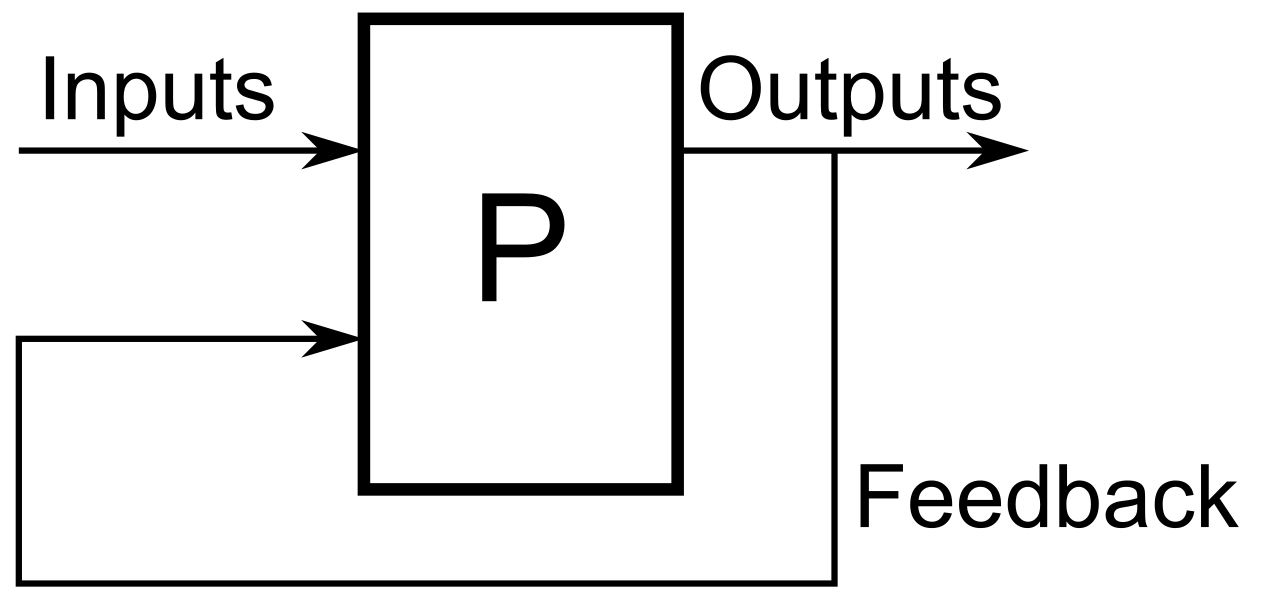
Think of it as a feedback loop in physics: The RN sets the trajectory, the PN drives the ship, measures the turbulence, and tells the RN how they need to adjust the coordinates. It’s a brilliant partnership.
Now we arrive at one of the most vital skills you will learn: Delegation and Assignment. You cannot do everything yourself. You must rely on Unlicensed Assistive Personnel (UAP), like nursing assistants or patient care technicians.
But passing off a task isn't just throwing it over the fence and forgetting about it. It’s a highly regulated transfer of energy.
The Rules of the Universe: Scope and Job Descriptions
Before you ask anyone to do anything, you need to understand their boundaries.
- First, we have the law: A staff member's scope of practice defines the tasks that the staff member is legally permitted to perform. You can't ask a UAP to administer IV medications; it defies the laws of their legal scope.
- Second, we have the facility policy: An assigning nurse must confirm that a specific task falls within the official job description of the person receiving the assignment. Even if something is legally allowed in a certain state, the hospital's specific job description might prohibit it. You must check both boxes!
The UAP's Sweet Spot
What can UAPs do? Keep this phrase in your head: Routine care for stable clients.
- Unlicensed assistive personnel provide basic hygiene care to stable clients. (Bathing, grooming, toileting).
- Unlicensed assistive personnel assist stable clients with routine ambulation. (Walking down the hall, transferring from bed to chair).
- Unlicensed assistive personnel measure routine vital signs on stable clients.
Notice the word stable repeating? If a client is actively hemorrhaging, crashing, or wildly unstable, taking their vital signs is no longer "routine"—it requires clinical nursing judgment. You do not delegate that.
The Delegation Formula
When you are ready to assign a task, you must run it through the universal algorithm known as the Five Rights of Delegation.
The five rights of delegation include the right task, right circumstance, right person, right direction, and right supervision.
Let’s break down how you actually apply these in the real world:
- Right Person & Competency: You don't just hand a task to a uniform; you hand it to a human with specific skills. The practical nurse must verify the competency of a staff member before assigning a task. How? By checking the record! The practical nurse must match a delegated task to the documented skill level of the receiving staff member. If a UAP has never been trained on emptying a specific type of surgical drain, you cannot delegate it to them until they are trained and checked off.
- Right Direction (Communication): Imagine telling a computer to "make it warm." The computer will crash; it needs a specific temperature. Humans are the same. The practical nurse must provide clear and specific instructions when assigning a task to unlicensed assistive personnel. Don't say, "Keep an eye on Mr. Smith's blood pressure." Say, "Take Mr. Smith's blood pressure every 2 hours and notify me immediately if the systolic drops below 100."
- Right Supervision & Accountability: Here is the golden rule of nursing management. Memorize it. Burn it into your brain: The practical nurse retains accountability for the outcome of tasks assigned to unlicensed assistive personnel. You can delegate the activity, but you cannot delegate the responsibility. Therefore, the practical nurse must follow up to ensure an assigned task was completed correctly and on time. If the UAP forgets to take the vitals, you are the one held responsible. You must verify!
In any system with moving parts, you get friction. In healthcare, human friction is a given. People get tired, stressed, and miscommunications happen. But we cannot just brush it under the rug, because in our world, friction causes harm.
The Danger of Conflict
Let's get straight to the point: Conflict among healthcare staff can compromise client safety and the quality of care.
Why? Because safe care relies entirely on open, honest communication. If a UAP is angry at a nurse and avoids talking to them, they might delay reporting a critical change in a client's condition. The client suffers because the team’s communication channels broke down.
Therefore, you cannot let things fester. If you try to resolve an issue with a colleague and it hits a brick wall, you must escalate it. The practical nurse must report unresolved staff conflict to the charge nurse or nursing supervisor. It is not "tattling"—it is maintaining the structural integrity of the healthcare team to protect the patient.
Guarding the Patient (Intervention and Reporting)
Your ultimate allegiance is to the safety of the client in the bed. This means you must be observant and courageous.
- Immediate Danger: What happens if you are walking down the hall and you see a UAP trying to transfer a heavy patient alone, using terrible body mechanics that are about to drop the patient? You don't take notes and write an email later. The practical nurse must intervene immediately if an assigned staff member performs a task in an unsafe manner. You step in, stop the action, and secure the client's safety right then and there.
- Systemic Inability: What if you assigned a task, verified their competency on paper, but in practice, the staff member simply cannot do it safely? Maybe they are overwhelmed, maybe they forgot their training. The practical nurse must report a staff member's inability to safely perform an assigned task to the nursing supervisor. This allows the system to retrain the staff member and reassign the work before a catastrophe occurs.
Being an incredible Practical Nurse isn't just about knowing your medications or how to insert a catheter perfectly. It is about understanding the macroscopic picture.
You are a crucial gear in a massive, life-saving machine. You rely on the PT to get the patient moving, the RD to feed them, and the RN to architect the master plan. In turn, you collect the critical bedside data, fine-tune the care plan, and brilliantly direct the UAPs through precise, clear, and perfectly supervised delegation.
When you see conflict, you extinguish it. When you see unsafe practices, you stop them. You are the guardian of the bedside, and when you master these concepts of collaboration and management, you don't just pass the NCLEX—you become a true master of your craft.
Now, go out there and make some beautiful music!