Health Promotion, Disease Prevention, and Data Collection
Not sure you’re ready?
Take the ~3-minute readiness diagnostic and see where you stand.
Here is something fascinating about the human body: it is the most complex, brilliant machine in the known universe, but it doesn't come with an owner's manual. When a patient walks into your clinic, you aren't just looking at a biological entity; you are looking at a living, breathing mystery.
As a Practical Nurse (PN), your job is to solve that mystery. You don't just fix what's broken; you figure out why it broke, how to keep it from breaking again, and how to spot the cracks before the foundation crumbles.
Let’s dive into the profound, deeply rewarding science of health promotion, disease prevention, and data collection.
Imagine you are trying to map an uncharted territory. You can't just guess where the rivers and mountains are; you have to measure them. In nursing, this map is your client's health history.
Before we get into the weeds, let's get our roles straight. Imagine building a house. The registered nurse is responsible for the initial comprehensive health assessment—they pour the foundation. But you? The practical nurse contributes to the client assessment by collecting baseline health data. You are the one inspecting the walls, checking the wiring, and gathering the crucial, minute-by-minute information that keeps the structure sound.
Why do we care so much about gathering a baseline health history? Because it establishes a reference point for future health assessments. If you don't know where the patient started, you have absolutely no way to measure if they are getting better or worse!
Decoding the Clues: Subjective vs. Objective Data
When you collect data, information will come to you in two distinct flavors:
- Subjective data consists of symptoms verbally reported by the client. This is their story. It’s the nausea, the throbbing headache, the anxiety. You cannot put subjective data on a scale or view it under a microscope.
- Objective data consists of measurable signs observed by the healthcare provider. You can see it, touch it, and measure it. A heart rate of 98 beats per minute? A rash on the left arm? That is objective.
Building the Comprehensive History
When you sit down with a patient, the very first thing you want to pinpoint is the chief complaint. This is the primary reason the client is seeking medical care today. It is the center of gravity for your entire interaction.
But we aren't just treating a biological specimen; we are treating a human being. A beautifully detailed, comprehensive health history identifies cultural preferences regarding healthcare, allowing you to respect their deeply held beliefs. It also identifies language barriers. You could have the greatest medical advice in the world, but if your patient doesn't understand your language, your advice is completely useless!
The Medication and Medical History
Next, you must meticulously catalog their past and present.
Past medical history includes childhood illnesses (like having the mumps at age five) and previous surgical procedures (like getting an appendix removed in 2015).
Then comes the medicine cabinet. The practical nurse reviews the current medication list during data collection. You must be a perfectionist here. Why? Because molecules interact in wildly unpredictable ways. Therefore, a complete medication history cannot just be a list of doctor's scripts.
- A complete medication history includes prescription medications.
- A complete medication history includes over-the-counter supplements. (Yes, that daily Vitamin D matters!)
- A complete medication history includes herbal remedies. (St. John's Wort can aggressively interfere with antidepressants and birth control).

CRITICAL SAFETY RULE: The practical nurse must verify allergy history before administering any medication. Every single time. No exceptions. Administering a drug without checking for allergies is like playing Russian roulette with your patient's immune system.
Mapping the Genes and the Lifestyle
Your patient didn't just appear out of nowhere; they are the product of genetics and their environment.
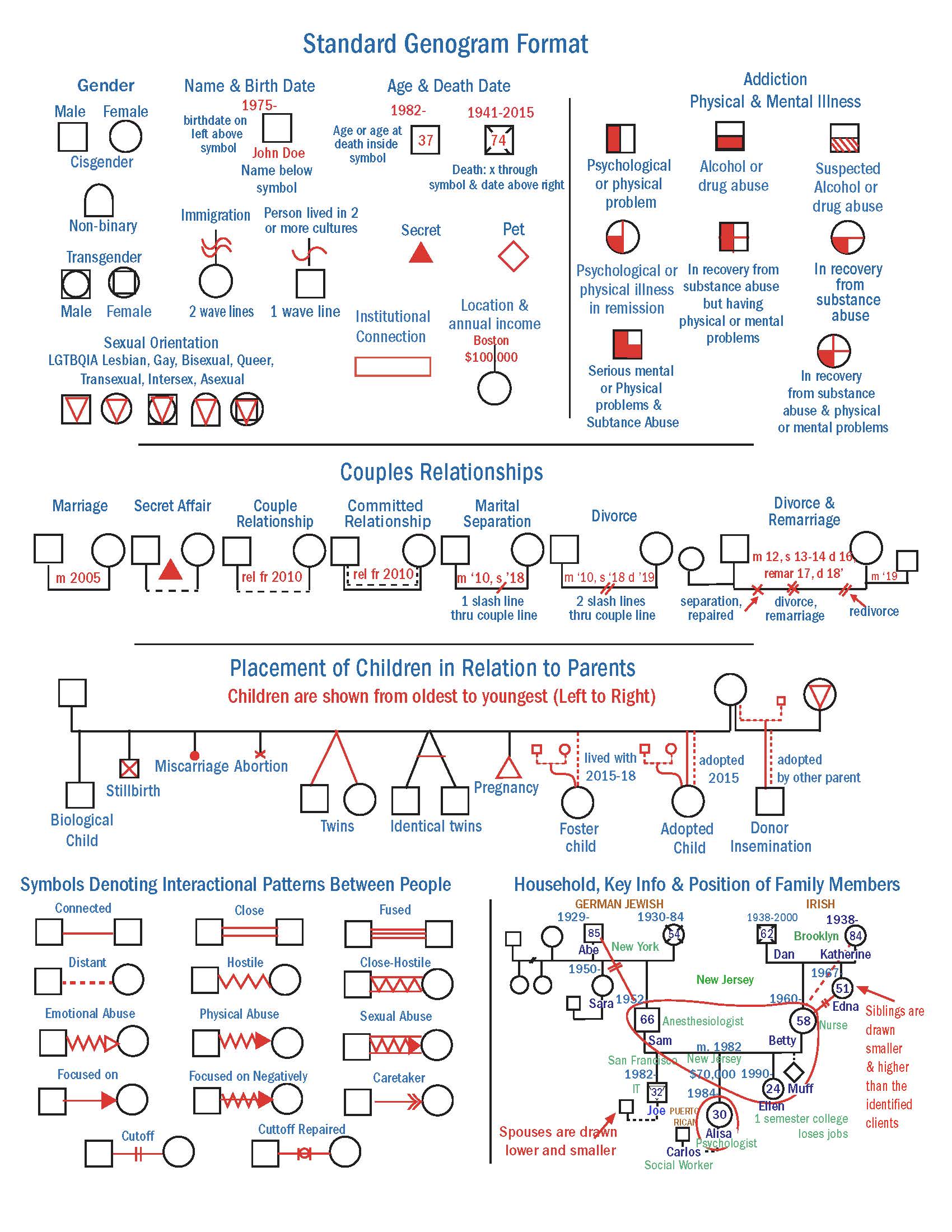
- Family Medical History: This identifies genetic predispositions to specific diseases. If a patient's mother and sister both had breast cancer, the patient's risk profile skyrockets. To track this, we use a genogram, which is a visual tool used to document family medical history. Think of a genogram as a literal circuit diagram for human genetics!
- Social History: This is how the patient lives day-to-day. Social history includes information regarding tobacco use, alcohol consumption, and illicit drug use. Be direct, be non-judgmental, and get the facts.
Now that we know the patient's history, how do we protect them? In healthcare, we think of protection in three distinct layers of armor: Primary, Secondary, and Tertiary prevention.
The Three Levels of Prevention
- Primary prevention aims to prevent disease before disease occurrence. This is stopping the bullet before the gun is even fired. (Example: Vaccinations, wearing a helmet).
- Secondary prevention focuses on early detection of disease through screening. The disease process might have started, but you catch it so early that you can easily defeat it.
- Tertiary prevention aims to reduce the impact of an ongoing illness. The disease is already here. Now, you are doing damage control and rehabilitation to maximize quality of life.
Let's talk about the ultimate form of primary prevention: teaching the body's immune system how to fight. Immunizations are a form of primary prevention. But how do they actually work?
Immunity comes in two distinct types:
- Active immunity involves the body producing antibodies in response to an antigen. Your body does the hard work. It sees the invader, studies it, and builds a custom weapon (an antibody) to destroy it.
- Passive immunity involves the transfer of preformed antibodies to an individual. You didn't build the weapons; they were handed to you. (Like a mother passing antibodies to her baby through breast milk).
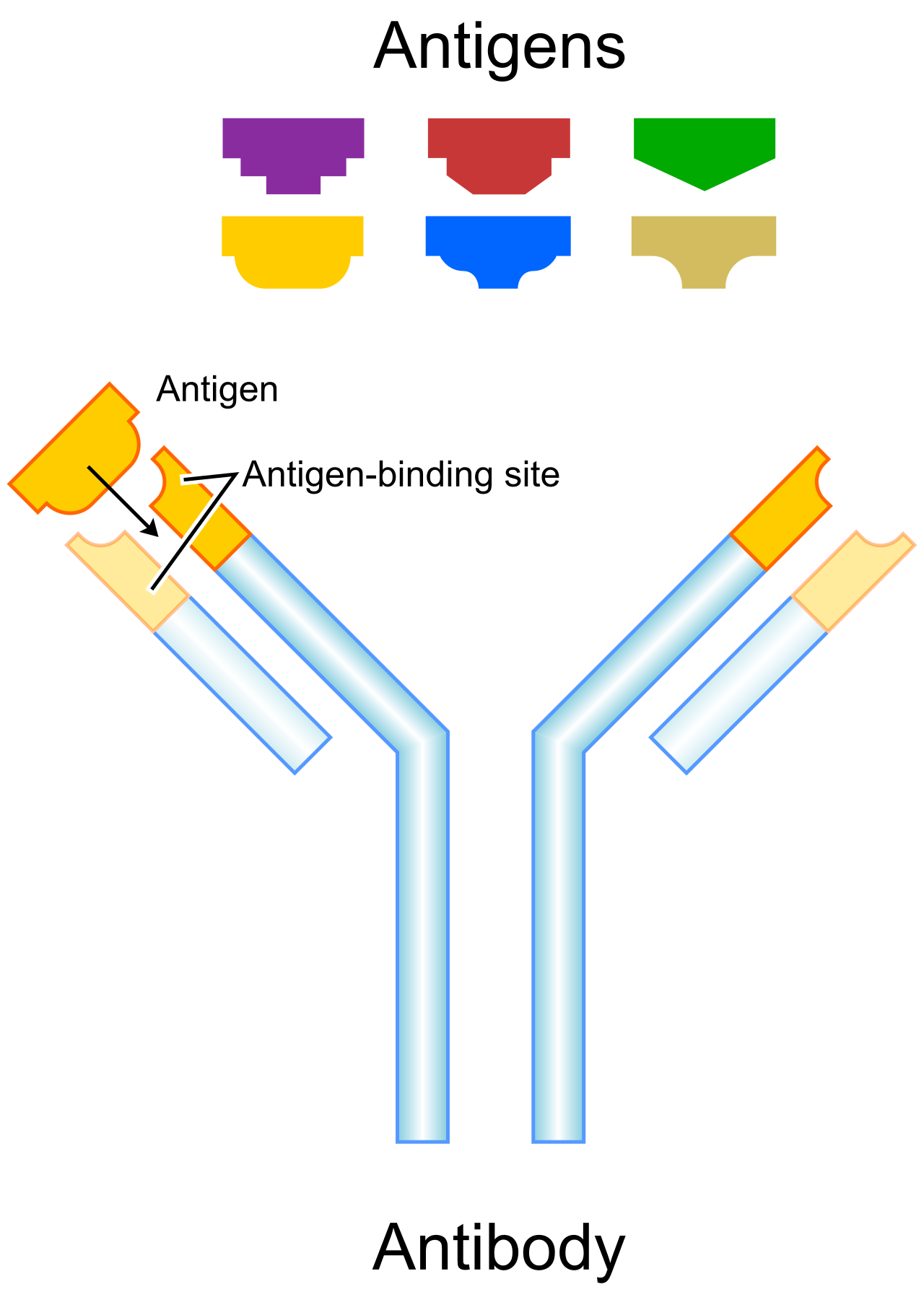
Vaccines provide artificially acquired active immunity. We trick the body! We introduce a harmless version of a virus so the body builds antibodies without ever actually getting sick.
The Arsenal: Live vs. Inactivated Vaccines
Not all vaccines are built the same. Understanding the difference between a "live" vaccine and an "inactivated" vaccine is a core competency for any elite nurse.
| Vaccine Type | The Science | Exam Examples | Critical Contraindications / Rules |
|---|---|---|---|
| Live Attenuated | Uses a weakened, living form of the virus. It creates a robust immune response. | The measles, mumps, and rubella (MMR) vaccine <br> The varicella (chickenpox) vaccine <br> The intranasal influenza vaccine | Live attenuated vaccines are contraindicated in severely immunocompromised clients. (Their weak immune systems can't fight even the weakened virus). <br> Live attenuated vaccines are contraindicated in pregnant clients. (Danger of crossing the placenta to the fetus). |
| Inactivated | Uses a dead version of the virus. It cannot replicate. | The injected influenza vaccine | Because the virus is dead, inactivated vaccines are safe for administration during pregnancy. |
The Standard Maintenance Schedule
Think of these immunizations as routine software updates for your patient's immune system:
- The influenza vaccine is recommended annually for all individuals older than six months. (Notice the difference: the injected flu shot is inactivated; the intranasal spray is live).
- Hepatitis B vaccination is administered in a three-dose series.
- The rotavirus vaccine is administered orally. (No needles here!)
- The tetanus, diphtheria, and pertussis (Tdap) vaccine requires a booster every ten years.
- The human papillomavirus (HPV) vaccine prevents infections that can lead to cervical cancer. (We are literally vaccinating against cancer!).
- The pneumococcal vaccine is recommended for adults aged 65 and older to protect their aging lungs from severe pneumonia.
Reading the Body's Reaction
When you stimulate the immune system, it responds. You must know what is normal and what is a red-alert emergency.
Expected Responses:
- Mild localized pain at the injection site.
- A low-grade fever. (This just means the immune system is waking up and going to work!).
Unexpected Responses (Red Alerts):
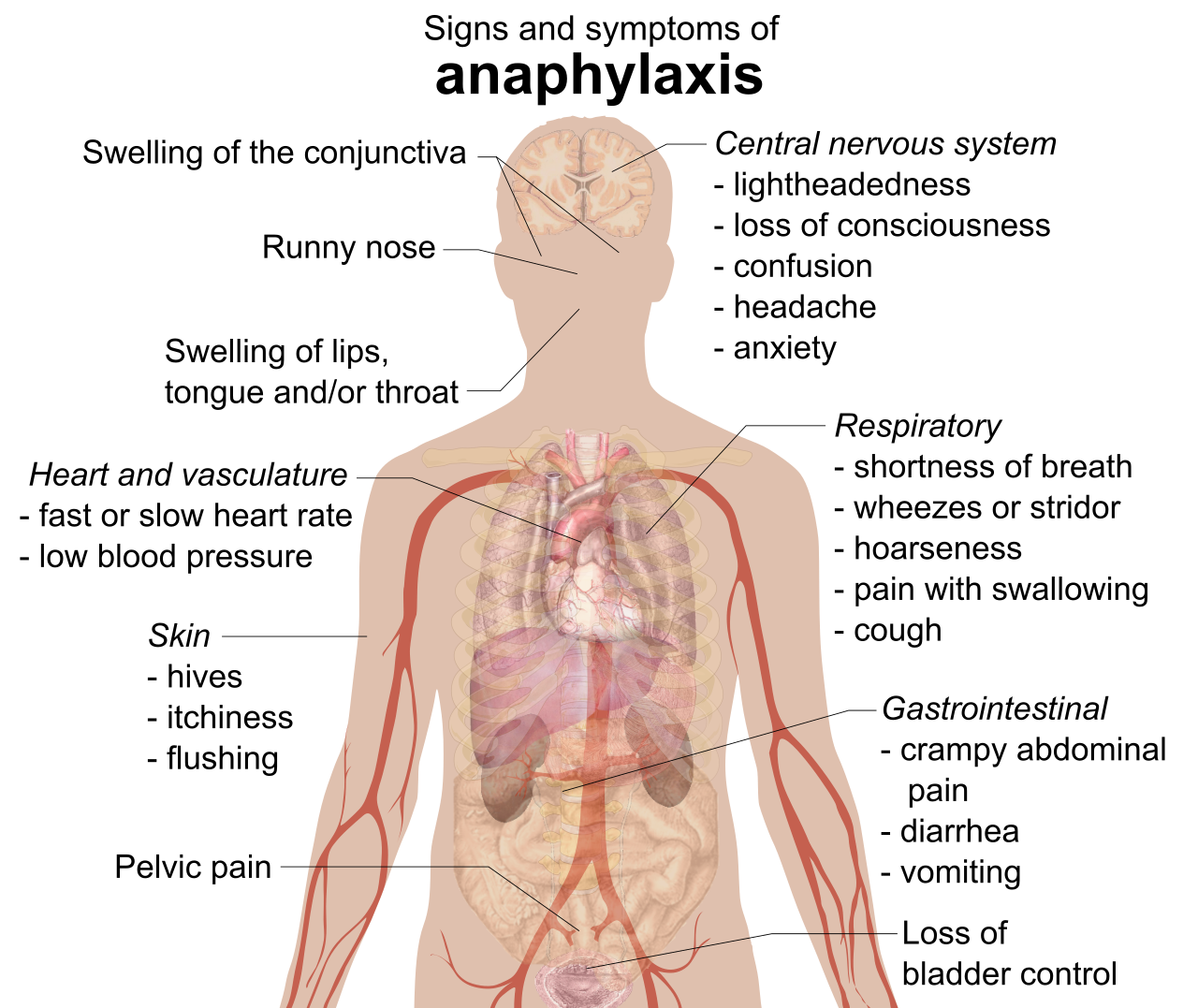
- Anaphylaxis is a life-threatening unexpected response to a vaccination. If their throat swells and their blood pressure plummets, anaphylaxis following vaccination requires immediate medical intervention. You need epinephrine, fast.
- A high fever above 103 degrees Fahrenheit is an unexpected response to a vaccination.
- Seizures following vaccination are an unexpected neurological response requiring medical evaluation.
- Guillain-Barre syndrome is a rare unexpected neurological response to certain vaccinations where the immune system temporarily attacks the peripheral nerves, leading to ascending muscle weakness.
If primary prevention is a shield, secondary prevention is your radar. You are constantly scanning the horizon for invisible threats.
Blood pressure monitoring is a form of secondary prevention. High blood pressure doesn't hurt until it bursts a vessel in your brain. You screen for it to catch it early!
We use specific bodily fluids to hunt for metabolic dangers:
- Fasting blood glucose screening helps identify clients at risk for diabetes mellitus. The magic number? A normal fasting blood glucose level is less than 100 milligrams per deciliter (mg/dL). Anything higher means the sugar is piling up in the bloodstream.
- Lipid panel screening helps identify clients at risk for cardiovascular disease. We check their cholesterol to make sure their pipes (arteries) aren't getting clogged with plaque.
Catching Cancer and Bone Decay Early
Every age and demographic has specific radar sweeps they need to undergo. Commit these milestones to memory:
- Cervical cancer screening via Papanicolaou (Pap) test is recommended starting at age 21.
- Routine breast cancer screening via mammography is recommended for women of average risk starting at age 40.
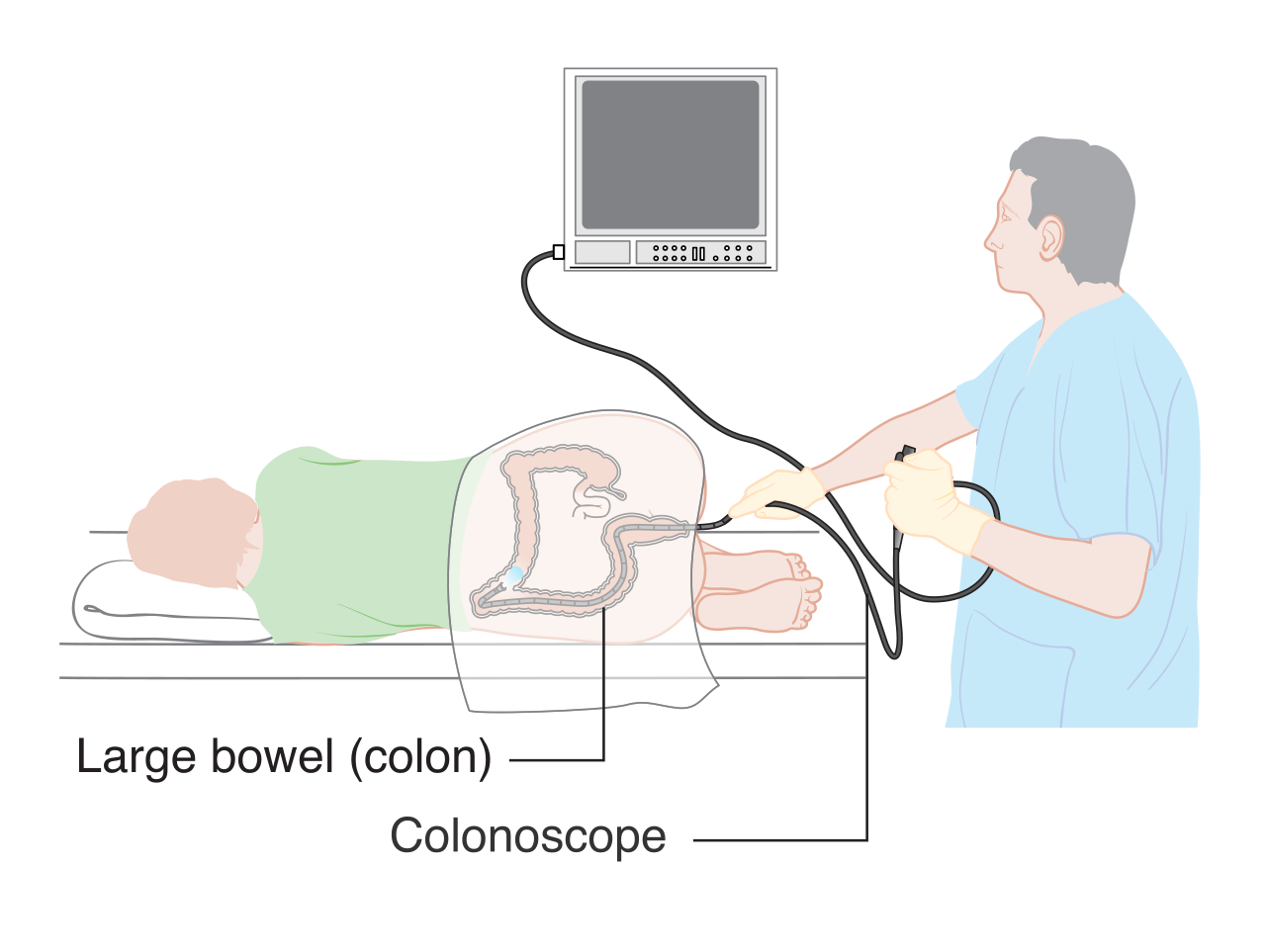
- Routine colorectal cancer screening via colonoscopy is recommended beginning at age 45.
- Prostate-specific antigen (PSA) screening is used for the early detection of prostate cancer in men.
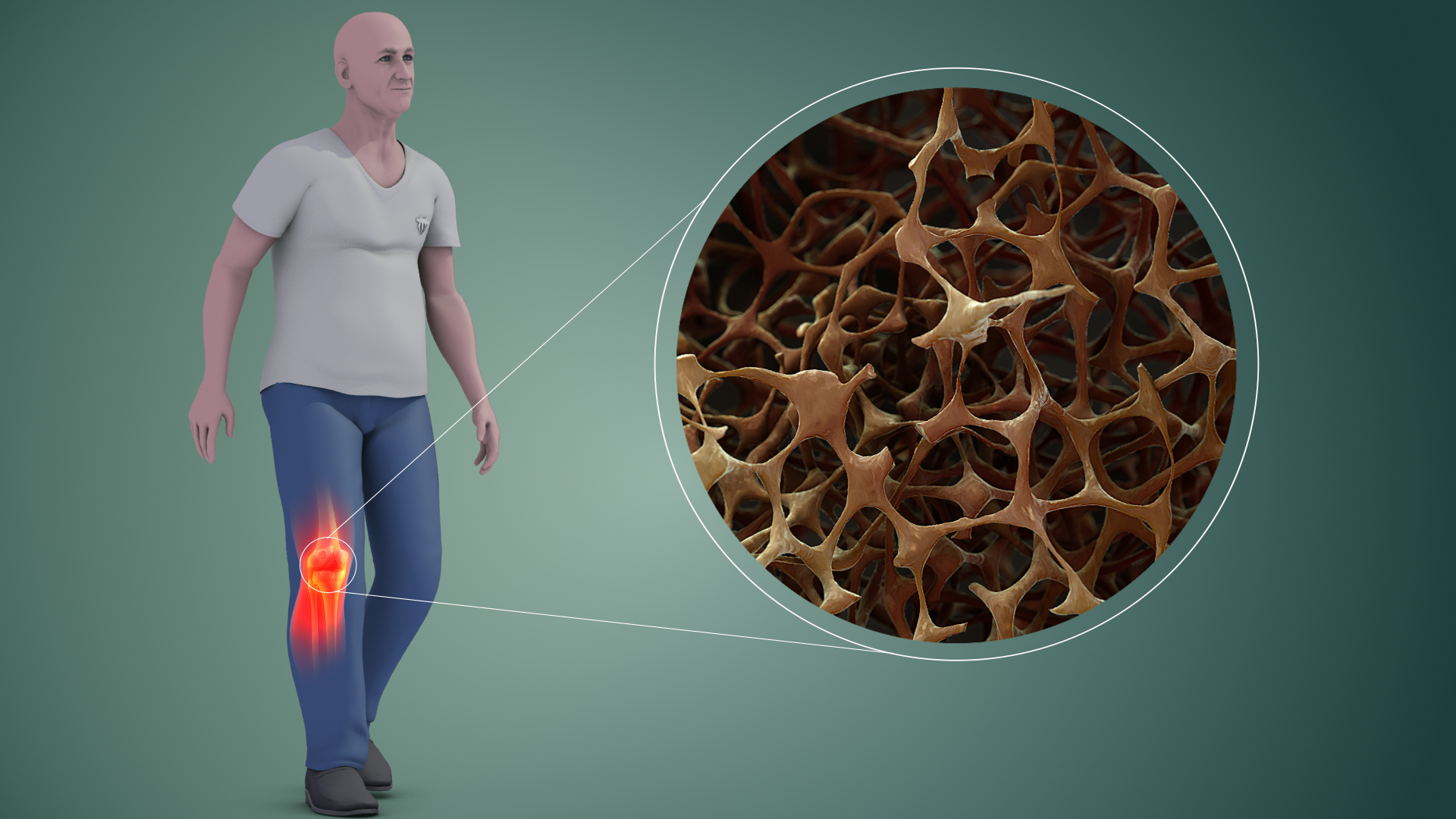
- As we age, our bones can turn to brittle honeycomb. Bone density screening is used for the early detection of osteoporosis, and specifically, women aged 65 and older should receive routine bone density screening for osteoporosis.
We’ve talked about what we do to the patient. Now, let’s talk about what the patient does to themselves. Certain lifestyle choices are like driving down the highway at 100 miles per hour with the headlights off.
The Gravity of Weight and Movement
Physics and biology collide when we talk about weight. A body mass index (BMI) of 30 or higher indicates obesity. Obesity isn't just an aesthetic metric; it is a profound metabolic stressor.
- Obesity is a risk factor for developing type 2 diabetes mellitus. The body's cells get buried in adipose tissue and stop responding to insulin.
- Obesity is a risk factor for developing cardiovascular disease. The heart has to pump exponentially harder to push blood through miles of extra tissue.
- Even without obesity, sedentary lifestyles increase the risk of developing cardiovascular disease. The heart is a muscle; if you don't use it, you lose it.
The Behavioral Toxins
Then we have the direct poisons and risky environmental exposures:
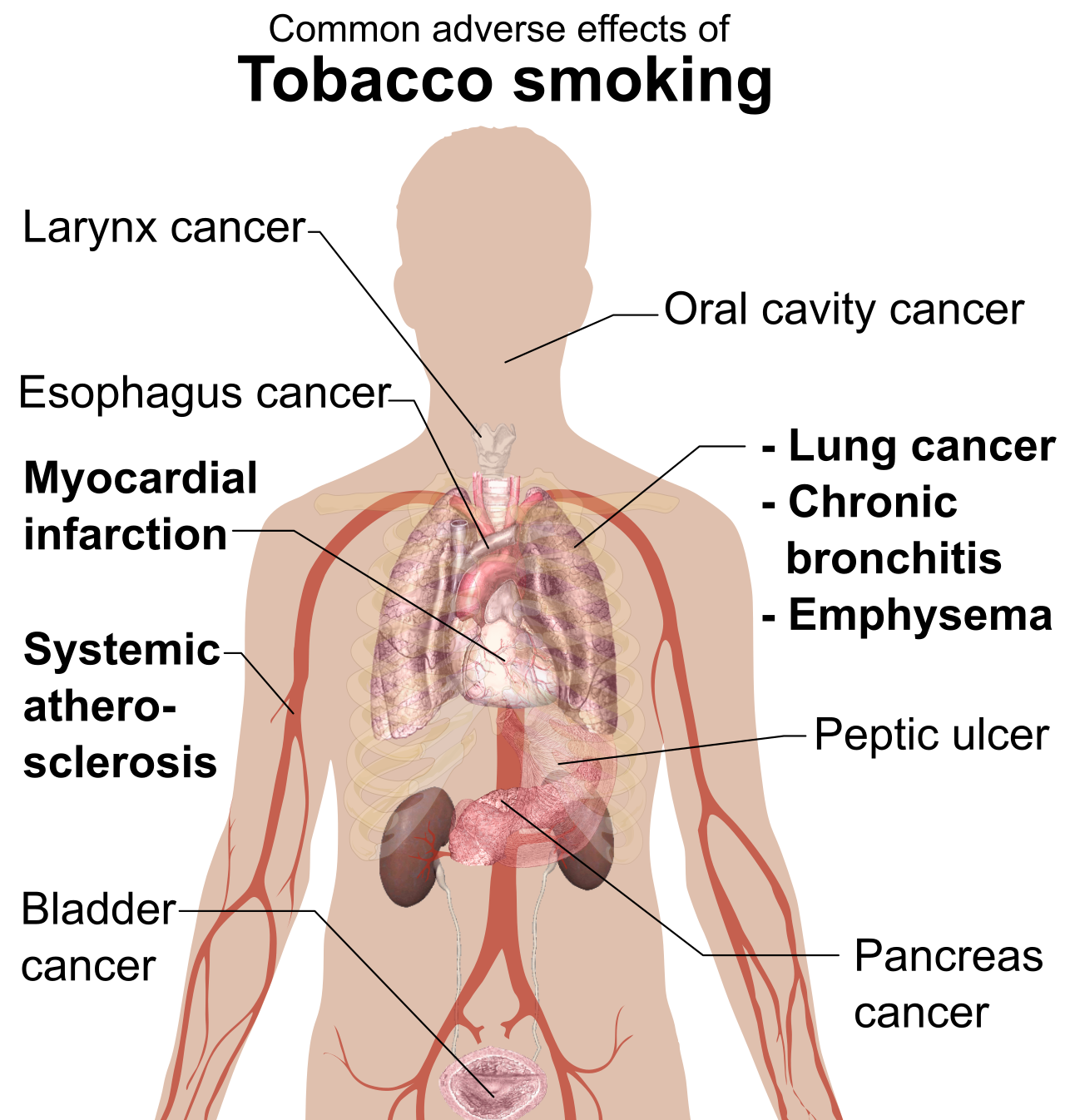
- High-risk behaviors include tobacco use. Tobacco shreds lung tissue and constricts blood vessels. The practical nurse reinforces education regarding smoking cessation programs. You must be their cheerleader and educator here.
- Excessive alcohol consumption increases the risk of developing liver cirrhosis. The liver is the body's filtration plant. Pour enough alcohol on it, and the filter turns into useless scar tissue.
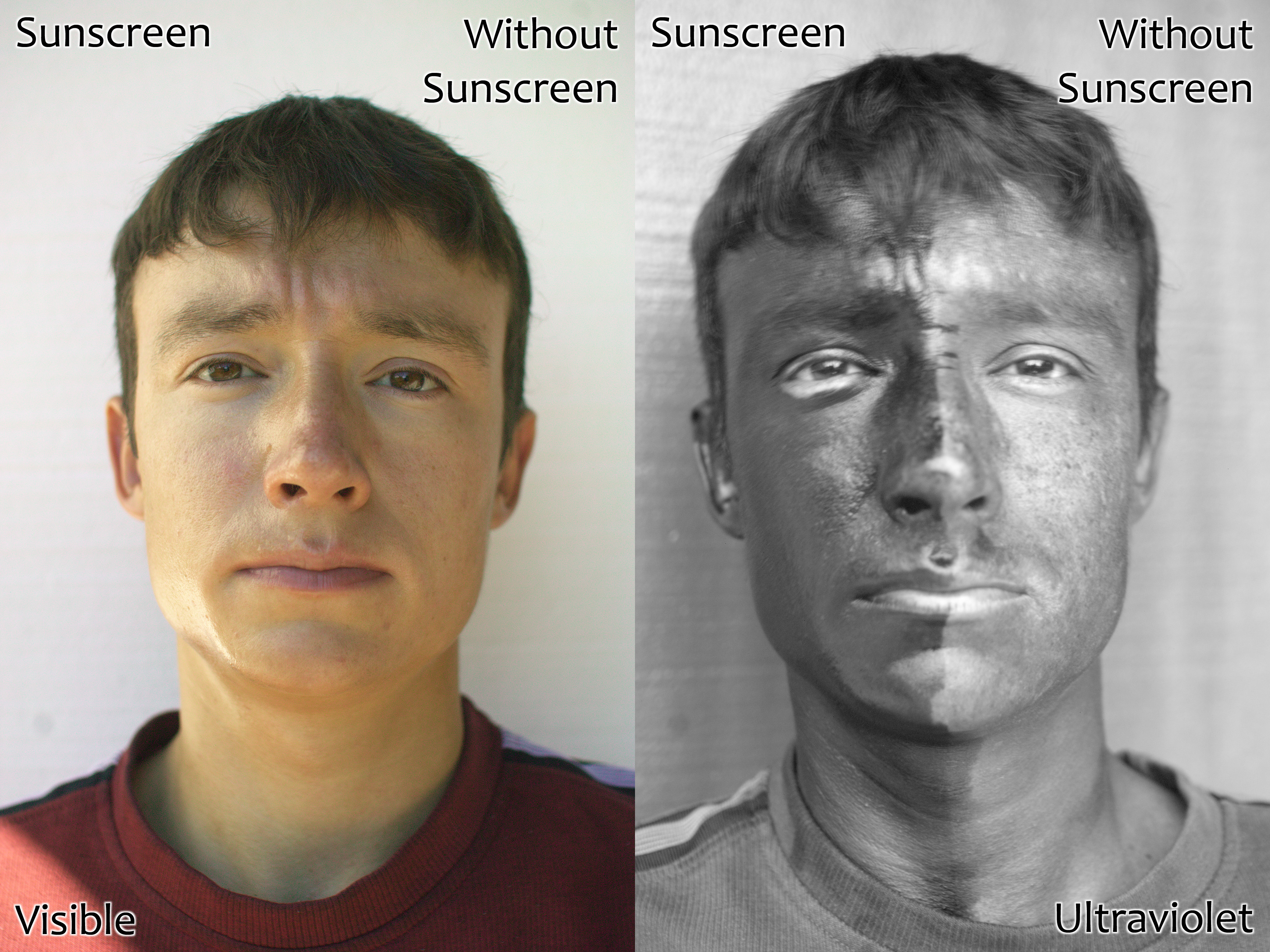
- Excessive sun exposure increases the risk of developing skin cancer. Radiation from that giant star in our sky mutates the DNA in skin cells. The fix? Sunscreen application is a form of primary prevention against skin cancer. (Notice that! Sunscreen stops the radiation before it damages the cell—classic primary prevention).
- Finally, high-risk behaviors include unprotected sexual intercourse. Here, the practical nurse reinforces education regarding safe sex practices to prevent sexually transmitted infections.
The Professor's Final Thought
As you study for the NCLEX-PN, step back and look at the whole picture. Data collection isn't just checking boxes; it is writing the story of the patient's baseline. Immunizations and lifestyle changes aren't just chores; they are the primary shields against catastrophic system failure. And our screenings? They are the early warning radars that save lives every single day.
Master these concepts not just to pass a test, but because one day, knowing the difference between a live and inactivated vaccine, or knowing exactly when to screen for a fasting blood glucose, is going to make you the hero in your patient's story. Now get back to studying, and be brilliant!