Developmental Stages, Transitions, and Aging
Not sure you’re ready?
Take the ~3-minute readiness diagnostic and see where you stand.
The Grand Arc of the Human Machine: Development, Transitions, and Aging
Welcome, my fellow students of human nature! Let’s talk about the most magnificent, complex machinery in the known universe: the human being. As an aspiring Practical Nurse preparing for the NCLEX-PN, your job is to understand how this machine is built, how it adapts to the passage of time, and how to spot when the gears aren't turning quite right.
Human development isn't just a list of random dates and sizes to memorize. It is a logical, beautiful progression. We build the foundation first, then we add the complex wiring, and eventually, the machine undergoes expected wear and tear. If you understand why these changes happen, you will never have to simply guess on your exam.
Let’s dive right in.
When a human is born, they are unfinished. The nervous system is still downloading its operating system, and the physical chassis is soft and pliable. Let's look at the numbers.
The Mathematics of Infant Weight
Right out of the gate, babies undergo a surprising change. A newborn's birth weight typically decreases by 5 to 10 percent during the first week of life. Why? They are shedding excess fluid and adapting to drinking milk rather than relying on the placenta. Don't panic; this is normal. The engine is just recalibrating. A newborn typically regains the initial lost birth weight by 10 to 14 days of age.
From there, growth is exponential:
- An infant's birth weight typically doubles by 6 months of age.
- An infant's birth weight typically triples by 12 months of age.
Professor's Tip: If a baby is born at 7 pounds, expect them to be about 14 pounds at half a year, and a solid 21 pounds at their first birthday! Simple, elegant math.
Fontanels: Windows to the Brain
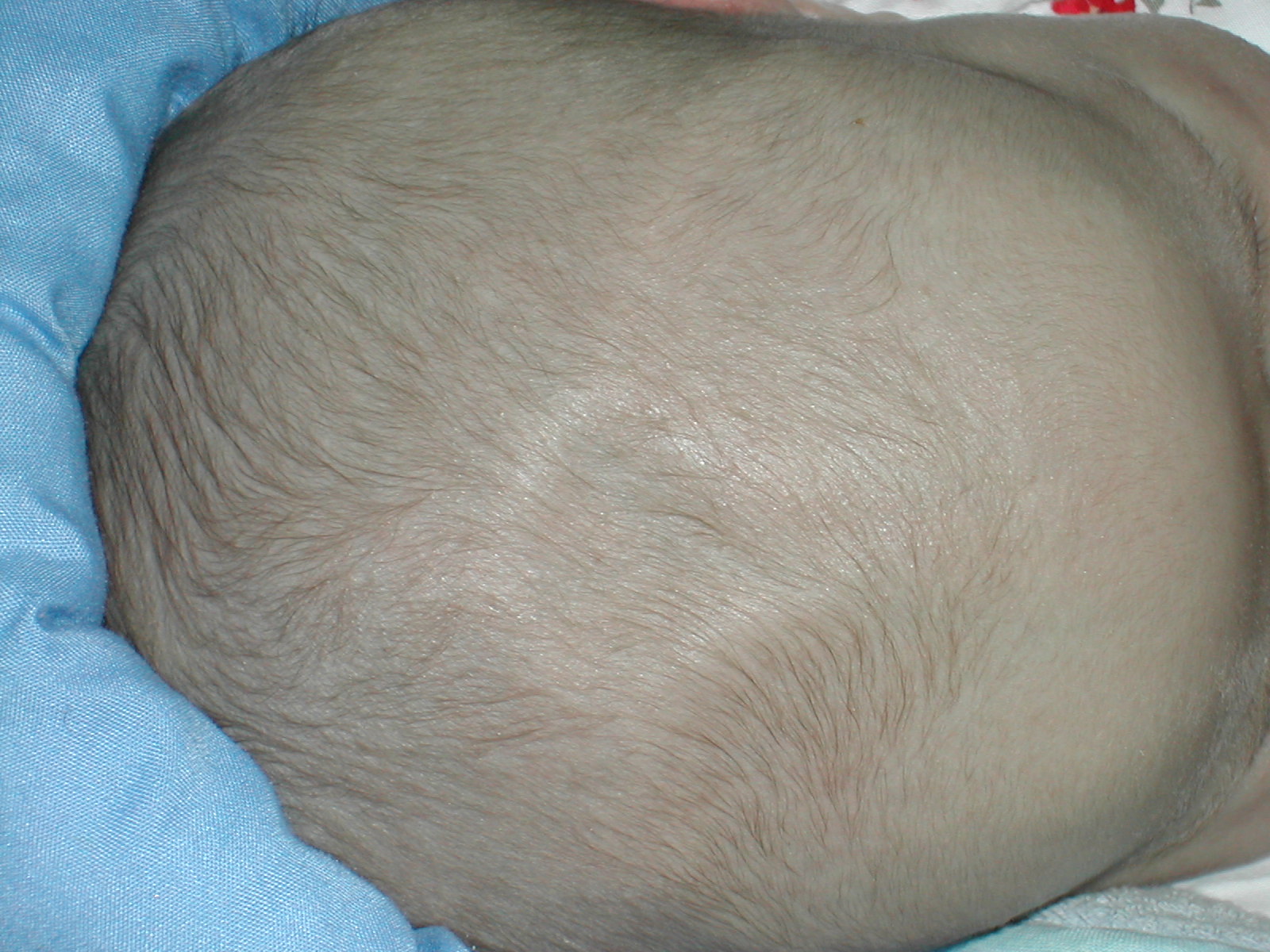
To fit through the birth canal, a baby’s skull is made of puzzle pieces that haven't fused yet. The gaps are called fontanels.
- The posterior fontanel typically closes between 2 and 3 months of age. It's small, shaped like a triangle, and closes quickly.
- The anterior fontanel typically closes between 12 and 18 months of age. It's the big, diamond-shaped one on top. It stays open longer to allow for the massive explosion of frontal lobe brain growth during the first year.
Reflexes: The Primitive Circuitry
When a baby is born, their higher brain (the cortex) isn't fully in charge yet. Instead, primitive lower-brain reflexes run the show. As the higher brain matures, it suppresses these primitive reflexes.
- The Moro reflex in infants typically disappears by 3 to 4 months of age. This is the "startle" reflex where they throw their arms out.
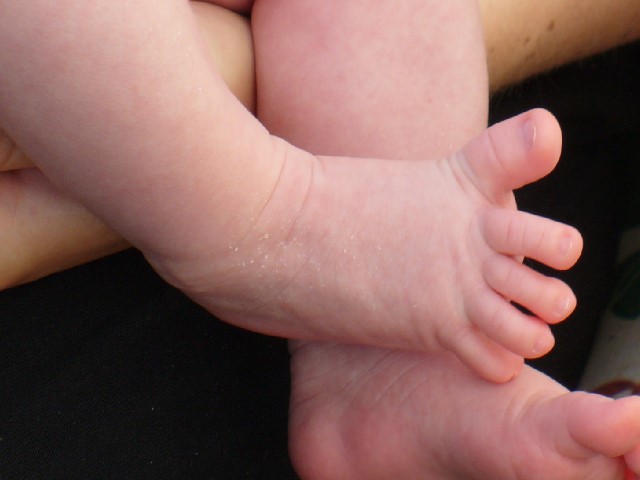
- The Babinski reflex typically disappears by 12 to 24 months of age. When you stroke the bottom of a baby's foot, their toes fan out. This is perfectly fine for a baby. However, the presence of a positive Babinski reflex in a neurologically mature adult is a deviation from expected neurological findings. If an adult's toes fan out, it means the higher brain has lost control (often due to a stroke or spinal cord injury).
Motor Milestones: Building Coordination
Watch how a baby develops: it happens top-to-bottom and center-to-edges.
- Infants typically begin to sit without support at 8 months of age. Core strength comes first.
- Infants typically begin to crawl at 9 months of age. Now they have a method of transportation!
- Infants typically develop a pincer grasp by 10 months of age. This is huge! They can pick up a Cheerio using their thumb and index finger. Fine motor skills have arrived.
- Toddlers typically walk independently by 15 months of age.
- Toddlers typically build a tower of 3 to 4 blocks by 18 months of age. Their hand-eye coordination is sharpening.
- Preschoolers typically ride a tricycle by 3 years of age. Notice the number: Tricycle at Three years.
- Preschoolers typically use scissors by 4 years of age.
🚨 Red Flags: Recognizing Developmental Deviations
As nurses, you are the front-line inspectors. You must know what a broken circuit looks like.
- Failure to make eye contact by 6 months of age is a deviation from expected infant development. It may indicate sensory or neurodevelopmental issues, such as autism spectrum disorder.
- The absence of babbling by 12 months of age is a deviation from expected infant development. Hearing and speech circuits should be firing by now.
- The inability to walk independently by 18 months of age is a developmental delay requiring medical evaluation. While 15 months is the average, 18 months is the hard deadline for independent walking.
- Most importantly: The loss of previously acquired language or social skills at any age is a developmental deviation requiring reporting to a healthcare provider. Regression is a major red flag. If a child knew 50 words and suddenly speaks none, ring the alarm.
We’ve built the body. Now, let’s build the software. We rely on two great architects to explain this: Jean Piaget for cognition (how we think) and Erik Erikson for psychosocial development (how we relate).
Piaget's Theory of Cognitive Development
Piaget realized that children are not just "dumb adults." Their brains operate on entirely different logical frameworks depending on their age.
- According to Piaget, the sensorimotor stage of cognitive development occurs from birth to 2 years of age. The baby learns about the universe by putting it in their mouth, touching it, and throwing it.
- During this stage, they unlock a massive cognitive achievement: The development of object permanence means a child understands that objects continue to exist even when out of sight. If you hide a toy under a blanket, a 4-month-old thinks the toy vanished from the universe. An 8-month-old will pull the blanket away to find it.

Once they hit the toddler and preschool years, they enter the next phase:
- According to Piaget, the preoperational stage is characterized by egocentric thinking. The child literally cannot comprehend that other people have different perspectives. If they cover their own eyes, they think you can't see them!
- In this stage, you will see magical thinking, which is a cognitive characteristic of preschoolers where children believe personal thoughts can cause real-world events. (e.g., "I was mad at my brother, and then he got sick, so I made him sick.")
- You will also see animism, which is a cognitive characteristic of preschoolers where children attribute lifelike qualities to inanimate objects. (e.g., "The sidewalk tripped me because it was mad at me.")
The Evolution of Play
How children play reveals how their brains are networking:
- Parallel play is a developmental stage where toddlers play alongside each other without interacting directly. Imagine two two-year-olds playing with separate blocks in the same room, completely ignoring each other. That's parallel play.

- As they grow, social circuits mature. Cooperative play is a developmental stage where school-age children play together to achieve a common goal. They form teams, invent rules, and collaborate.
Erikson’s 8 Stages of Psychosocial Development
Erikson believed life is a series of conflicts. If you resolve the conflict, you level up. If you fail, you carry the baggage into the next stage. Know these cold:
| Age Group | Erikson’s Psychosocial Task | What it means in the real world |
|---|---|---|
| Infant | Developing trust versus mistrust | If I cry, does someone feed me? If yes, the world is safe. |
| Toddler | Developing autonomy versus shame and doubt | "I do it myself!" Let them pick their own clothes, even if they mismatch. |
| Preschooler | Developing initiative versus guilt | They want to start projects. Encourage their finger-painting! |
| School-Age | Developing industry versus inferiority | They want to be competent. They love gold stars, grades, and mastering skills. |
| Adolescent | Developing identity versus role confusion | "Who am I?" They try on different social groups and styles. |
| Young Adult | Developing intimacy versus isolation | Finding a life partner or deep, lasting friendships. |
| Middle Adult | Developing generativity versus stagnation | Leaving a legacy. Mentoring, building a career, raising the next generation. |
| Older Adult | Developing ego integrity versus despair | Looking back on life. "Did my life matter, or do I have regrets?" |
Life is never static; it is a series of rolling transitions. As a nurse, you are the guide who helps families navigate these tricky waters.
Attachment and the New Family
When a newborn arrives, the bonding process begins immediately.
- Maternal attachment behaviors include maintaining face-to-face eye contact with the newborn. We call this the en face position.
- Maternal attachment behaviors include speaking in a high-pitched voice to the newborn. Babies are biologically tuned to higher frequencies!
- Conversely, a deviation in newborn attachment is demonstrated by a caregiver expressing apathy or disgust toward the infant. This is an emergency requiring immediate intervention, as it threatens the infant's safety and points to severe postpartum depression or psychosis.
And what about the older siblings?
- Sibling rivalry is an expected transition phase when a new baby is introduced into a family dynamic. The older child might regress, start wetting the bed, or demand a bottle. This is normal. Validate their feelings and include them in baby care.
The Styles of Parenting
How do parents lay down the law? Research gives us three main buckets:
- Authoritarian parenting is characterized by strict rules and a demand for unquestioning obedience. ("Because I said so!")
- Permissive parenting is characterized by few rules, minimal discipline, and high responsiveness. (The parent acts more like a friend).
- Authoritative parenting is characterized by setting clear rules while encouraging open communication and flexibility. This is the gold standard! It raises resilient, well-adjusted kids.
Transitions in Adulthood
Eventually, the kids grow up and the house gets quiet.
- Empty nest syndrome is a psychological condition affecting parents who experience sadness and loss when children leave the home.
At the same time, the biological machinery begins to shift gears.
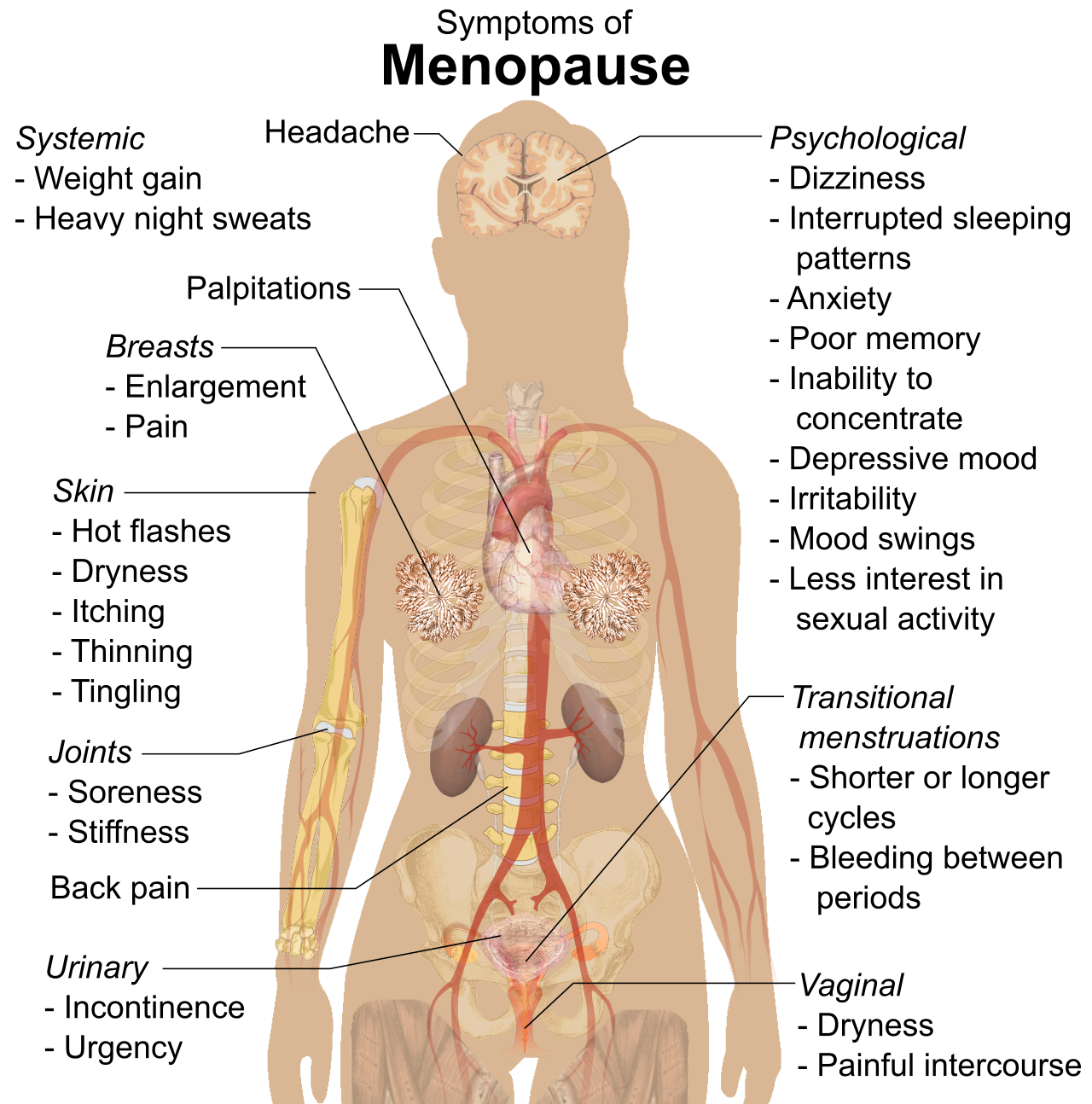
- Menopause is a transitional phase marking the end of a woman's reproductive capacity. The ovaries stop producing estrogen and progesterone.
- Menopause typically occurs between the ages of 45 and 55.
Later in life, work comes to an end.
- Retirement represents a significant life transition that often requires adjusting to a fixed income. Financial anxiety is a massive psychosocial stressor.
- Beyond money, retirement requires psychological adjustment to a sudden increase in unstructured time. If your identity was entirely wrapped up in being a factory worker or an executive, who are you now? (Remember Erikson: Ego Integrity vs. Despair).
Think of an older adult like a classic, vintage car. It's beautiful, it has immense character, but the belts are a little loose, the suspension is stiff, and the fuel pump doesn't work quite as fast. We must distinguish between disease and expected physiological aging.
The Slowing of the Systems
Virtually everything in the body decreases in speed, elasticity, or efficiency:
- Integumentary: Expected physiological changes in older adults include decreased skin turgor and elasticity. The skin becomes thin, fragile, and prone to tearing.
- Fluid Balance: There is a decrease in total body water. Because of this, older adults are incredibly vulnerable to dehydration.
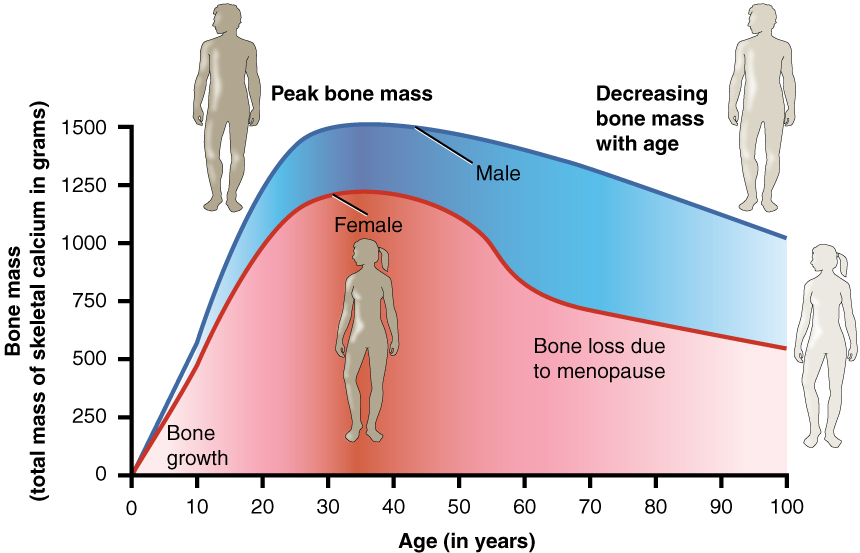
- Musculoskeletal: There is an expected decrease in lean muscle mass. Furthermore, bone mass typically begins to decline progressively after 30 years of age. (Yes, thirty! We peak early, which is why weight-bearing exercise is critical).
- Gastrointestinal: Expected physiological changes in older adults include decreased gastrointestinal motility. Things move slower. Constipation is a constant battle.
- Cardiovascular: An expected cardiovascular change in aging is decreased cardiac output. The heart muscle gets stiffer and doesn't pump out quite as much blood per beat.
- Respiratory: An expected respiratory change in aging is decreased vital capacity. The chest wall stiffens, and the lungs lose their elastic recoil, making it harder to take a massive, deep breath.
- Renal: An expected renal change in aging is a decreased glomerular filtration rate. The kidneys filter blood slower. Why does this matter? See the section on Polypharmacy below!
The Fading Senses
How an older adult perceives the world changes:
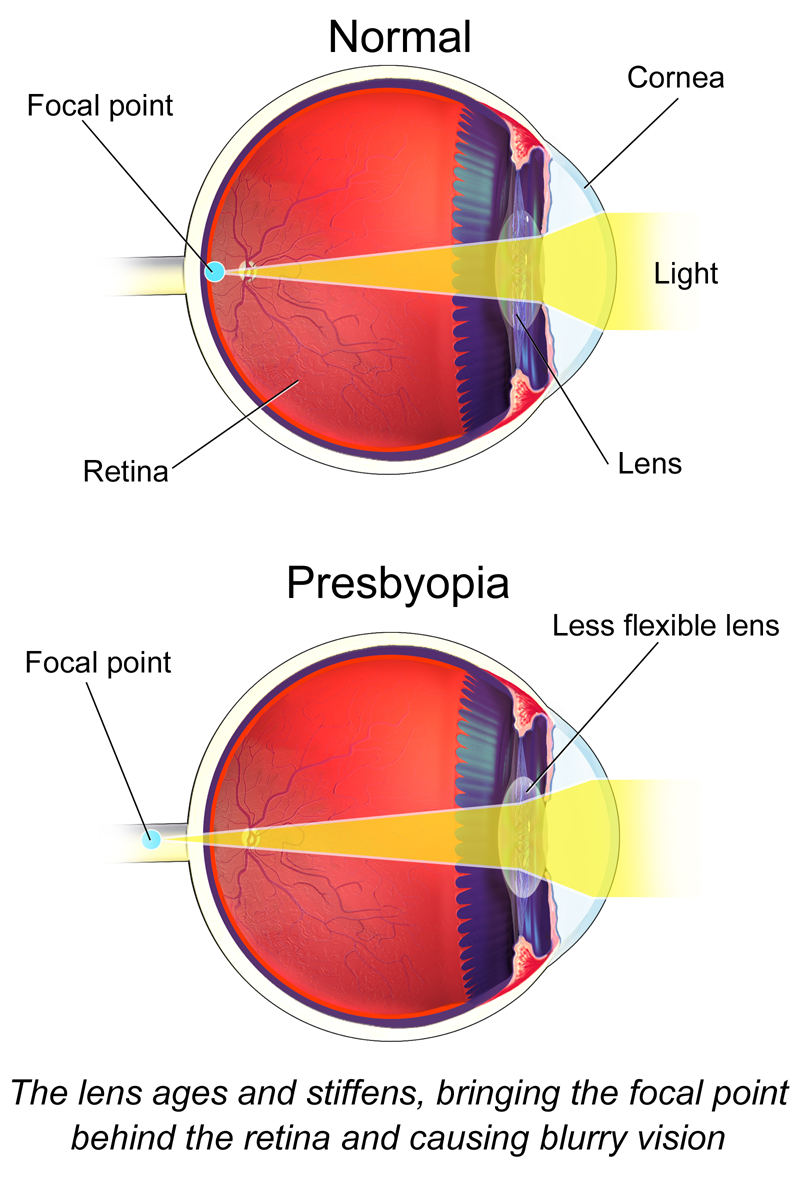
- Presbyopia is an expected sensory change in older adults characterized by the age-related loss of the eye's ability to focus on close objects. This is why everyone eventually needs reading glasses! The lens of the eye loses its flexibility.
- Presbycusis is an expected sensory change in older adults characterized by age-related sensorineural hearing loss of high-frequency sounds. If you want an older adult to hear you, do not shout in a high pitch. Drop the pitch of your voice and speak clearly.
The Danger of Polypharmacy
Older adults often have multiple chronic conditions, meaning they are taking a massive handful of pills every morning.
- Polypharmacy increases the risk of adverse drug reactions in older adults due to age-related changes in hepatic and renal drug metabolism.
Think about it logically: If the liver (hepatic) is shrinking and slowing down, it can't metabolize drugs quickly. If the kidneys (renal) have a decreased glomerular filtration rate, they can't excrete the drugs efficiently. What happens? The drugs stay in the bloodstream much longer, building up to toxic levels. This is why we always say in geriatrics: "Start low and go slow."
In Conclusion...
Human development is an unbroken chain from the first rapid weight gain of an infant to the quiet reflections of an older adult adjusting to a fixed income. As a practical nurse, you are the custodian of this machine. If a six-month-old isn't making eye contact, you ring the alarm. If a new mother speaks in a high-pitched voice, you smile because the wiring is working perfectly. And when a 75-year-old complains they can't focus on their newspaper, you calmly explain the mechanics of presbyopia.
Study these mechanisms. Understand the why. When you sit for that NCLEX-PN, you won't just be recalling facts—you'll be reading the beautiful, logical blueprint of human life itself. Now get out there and be brilliant!