Medication Administration and Dosage Calculations
Not sure you’re ready?
Take the ~3-minute readiness diagnostic and see where you stand.
Welcome to the fascinating, high-stakes world of medication administration. Look, anybody can just follow orders and hand a pill to a patient. But to be an elite nurse—to truly master the craft—you have to understand why we do what we do. You have to understand the physics of a syringe, the chemistry of the digestive tract, and the simple, profound logic of keeping your patients safe.
When you administer a medication, you are introducing a powerful chemical variable into the magnificent, complex system of the human body. There is no room for guessing.
So, let's roll up our sleeves, figure out how this works, and get you ready to crush the NCLEX-PN.
To safely administer drugs, you have to speak the language of dosages. Math scares some people, but it shouldn't! It’s really just translating what the doctor wants into what you hold in your hands.
To figure out how much of a drug to give, you just need the universal engine of nursing math. The basic dosage calculation formula divides the desired dose by the available dose and multiplies the result by the available quantity. It looks like this:
The Universal Dosage Formula (Desired Dose ÷ Available Dose) × Available Quantity = Amount to Administer
But wait, the formula only works if the Desired and Available units match! If the doctor orders grams but you only have milligrams, you have to translate. Here are the fundamental conversion facts of the universe you must memorize:
The Essential Conversions
| Measurement Type | Conversion Fact |
|---|---|
| Micro (mcg) | One milligram is equal to one thousand micrograms. |
| Milli (mg) | One gram is equal to one thousand milligrams. |
| Weight | One kilogram is equal to 2.2 pounds. |
| Spoons | One teaspoon is equal to 5 milliliters. |
| Spoons | One tablespoon is equal to 15 milliliters. |
| Fluid Ounce | One fluid ounce is equal to 30 milliliters. |
If you know these, you can calculate anything. You just convert the units to match, plug them into the formula, and boom—you have the exact volume or number of tablets to hand to your patient.
Now, even if your math is flawless, humans make mistakes. Our brains take shortcuts. In nursing, shortcuts can be fatal. To combat human error, we follow stringent rules known as the "Rights" of medication administration.
Identifying the Target
First, we need the Right Patient. You can't just walk into a room and say, "Hey, Bob?" because the guy in the next bed might also be named Bob and simply nod. The Right Patient requires verification using two distinct patient identifiers. Acceptable patient identifiers include the patient's full legal name, their date of birth, and their medical record number.
Notice what isn't on that list? Patient room numbers are invalid identifiers for medication administration. People move rooms all the time! Never rely on geography to identify biology.
Verification and Timing
Next is the Right Medication. This involves verifying the medication label against the Medication Administration Record (MAR) three separate times. Once when you pull it, once when you prepare it, and once right at the bedside before you give it.
We also have the Right Time. The rule here is that the Right Time requires administering time-critical medications within 30 minutes of the scheduled administration time. Give it too early or too late, and the chemical levels in the blood get completely out of whack.
Finally, the Right Documentation. The strict rule is that the Right Documentation requires charting medication administration immediately after the patient receives the drug. Not before! If you chart it before, and the patient drops the pill on the floor and refuses a new one, your medical record is now a lie.
The Danger Zone: High-Alert Medications and Zeros
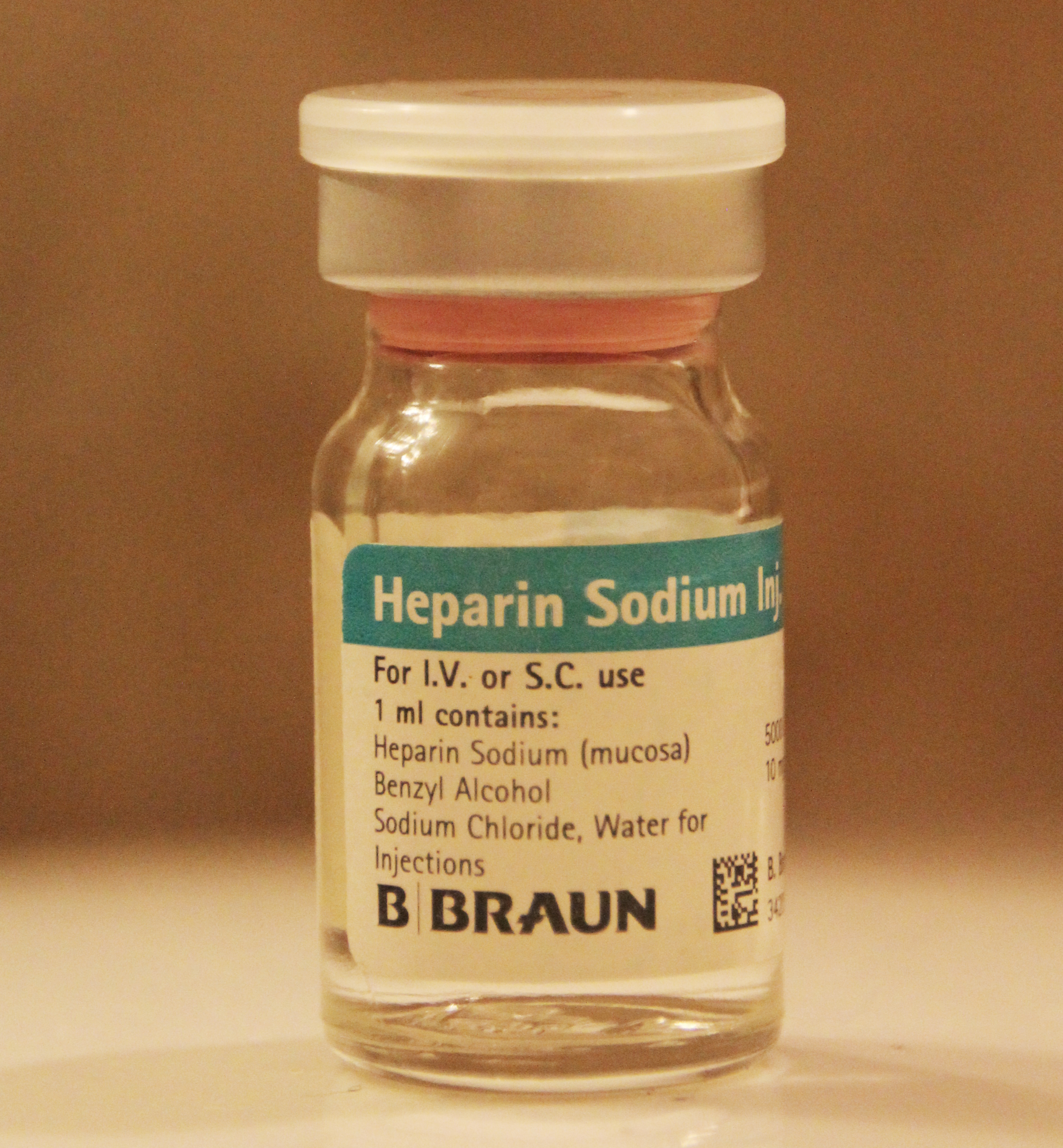
Some drugs are so potent that a tiny mistake causes a catastrophe. We call these high-alert medications. Insulin is classified as a high-alert medication because it radically alters blood sugar. Heparin is classified as a high-alert medication because it alters blood clotting. Because the stakes are so high, high-alert medications require independent double-verification by a second licensed nurse prior to administration. Two brains, two sets of eyes, zero assumptions.
Speaking of zero—how we write numbers matters immensely.
- Trailing zeros in medication orders increase the risk of tenfold dosing errors. If you write "5.0 mg", someone rushing might read it as "50 mg". Therefore, a trailing zero must never be used in medication dosage documentation.
- Conversely, leading zeros before a decimal point reduce the risk of missed decimal points in dosing. If you write ".5 mg", someone might read it as "5 mg". Therefore, a leading zero must always be used before a decimal dose of less than one (write "0.5 mg").
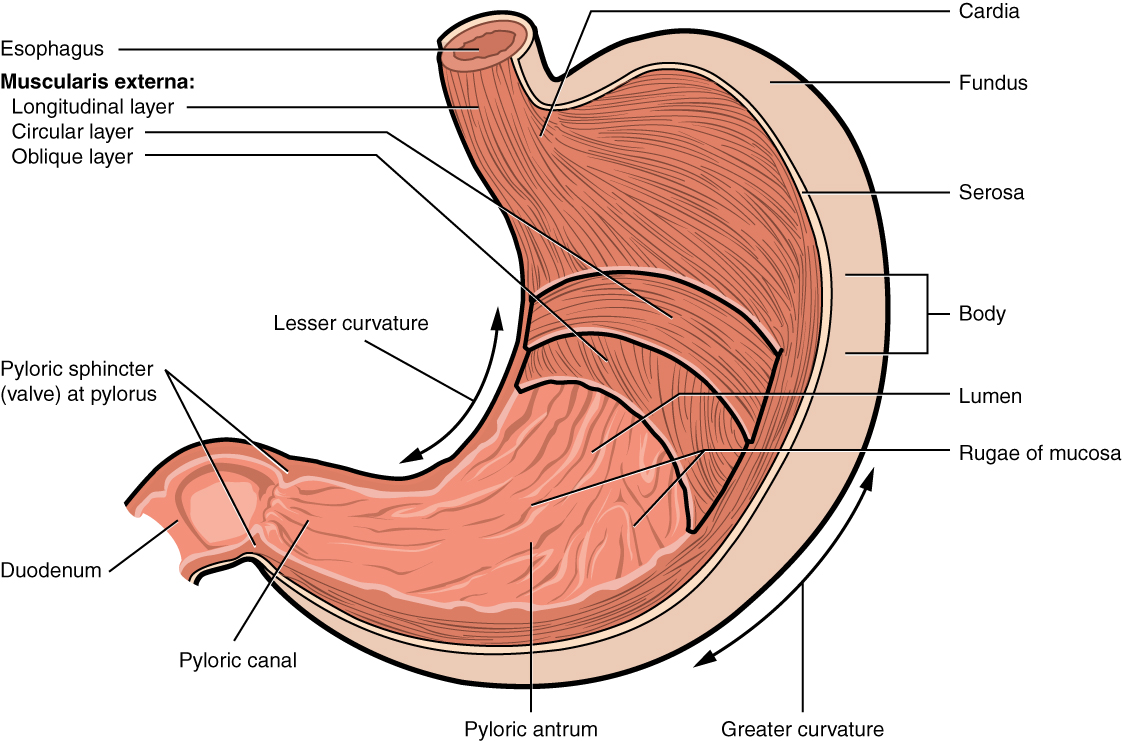
When a patient swallows a pill, it goes into a vat of hydrofluoric and hydrochloric acid—the stomach. Pharmaceutical companies are smart; they design medications to navigate this environment.
The Architecture of a Pill
Some medications are destroyed by stomach acid, or they severely irritate the stomach lining. To fix this, we use an enteric coating. Enteric-coated medications are designed to bypass the acidic stomach environment. Instead, enteric-coated medications are designed to dissolve in the alkaline environment of the small intestine. What happens if you crush it? Crushing an enteric-coated tablet destroys the protective coating of the medication, rendering it either useless or dangerous.
Similarly, we have extended-release capsules. Extended-release capsules deliver medication slowly over a prolonged period. It’s like a slow-burning log on a fire. Crushing an extended-release medication is like turning that log into explosive kindling—it causes immediate absorption of a potentially toxic dose.
The Enteral Tube Challenge
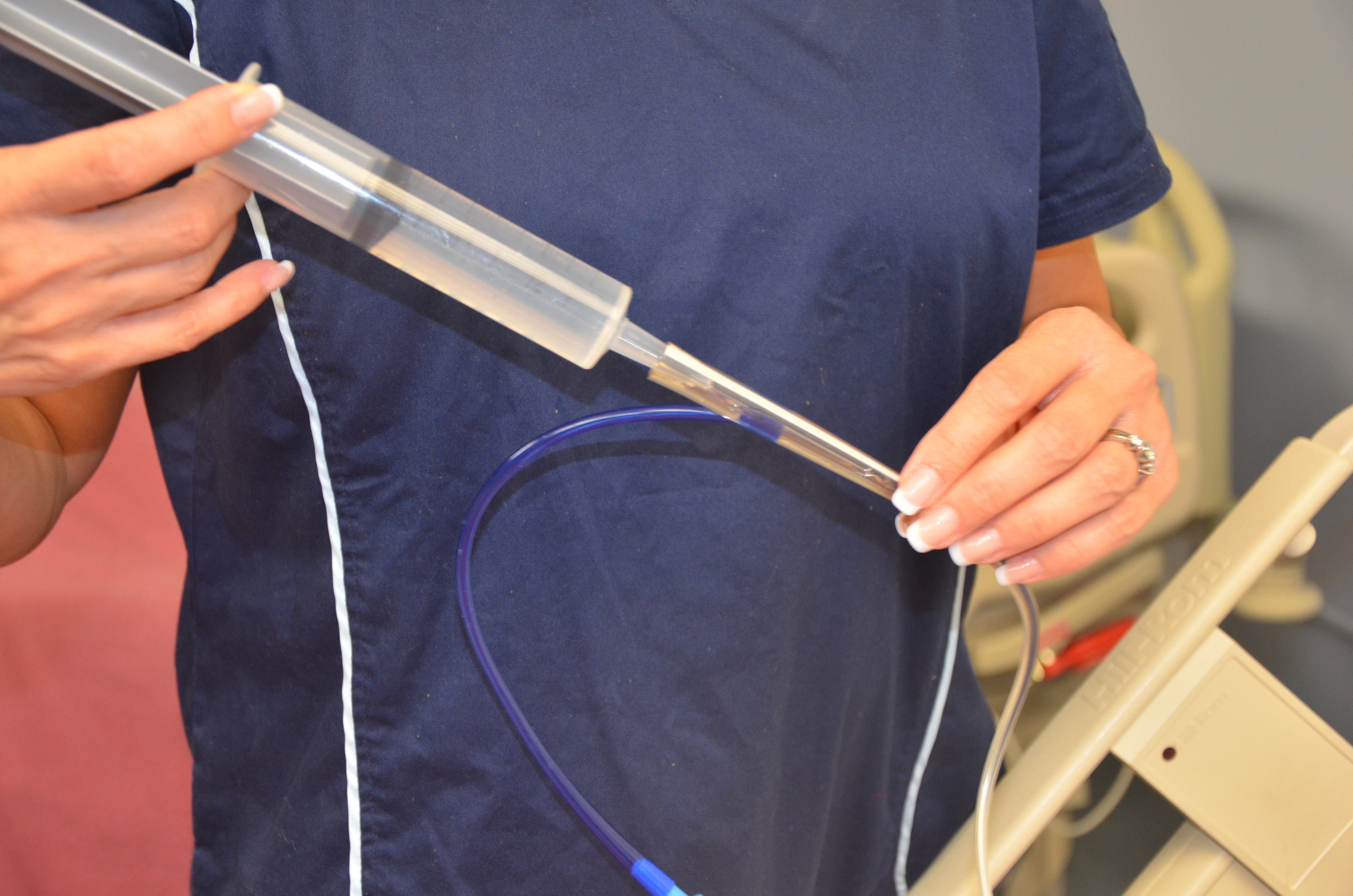
But what if the patient can't swallow and has an enteral feeding tube? You can't just shove a pill down a plastic tube. Solid enteral medications must be crushed to a fine powder before feeding tube administration (provided they aren't enteric-coated or extended-release, of course!).
Once crushed, crushed enteral medications must be dissolved in 15 to 30 milliliters of sterile water prior to administration.
To keep the patient safe from breathing in their own stomach contents, elevating the head of the bed to at least 30 degrees during enteral medication administration reduces aspiration risk.
Think of the tube like a plumbing system. It needs to be primed and cleaned. Enteral tubes must be flushed with 15 to 30 milliliters of water before medication administration to check patency, and flushed with 15 to 30 milliliters of water after medication administration to ensure the whole dose reaches the stomach. Crucially, flushing enteral tubes with water between different medications prevents chemical incompatibilities. You don't want two different drugs reacting inside the plastic tube and turning into concrete!
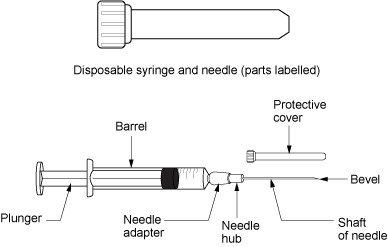
When we bypass the digestive system entirely, we use needles. The depth of the tissue dictates the technique.
Subcutaneous (SQ) Injections
Subcutaneous injections are deposited into the adipose (fat) tissue layer beneath the skin. Fat doesn't have a massive blood supply, so absorption here is steady and slow. Because space in this layer is limited, the maximum medication volume for a single subcutaneous injection is one milliliter.
Common subcutaneous injection sites include the outer aspect of the upper arms, the anterior thighs, and the abdomen. If you use the abdomen, remember: the abdomen subcutaneous injection site must be located at least two inches away from the umbilicus to avoid major blood vessels.
The angle of your needle depends on the patient's anatomy. Subcutaneous injections are administered at a 90-degree angle for patients with adequate adipose tissue. But for very thin patients, subcutaneous injections are administered at a 45-degree angle for patients with minimal adipose tissue so you don't accidentally plunge into the muscle!
The Heparin Rules When giving subcutaneous heparin (our high-alert blood thinner), you have two special rules:
Intramuscular (IM) Injections
Muscles have a rich blood supply, so IM injections act faster. Intramuscular injections are administered at a 90-degree angle, straight in!
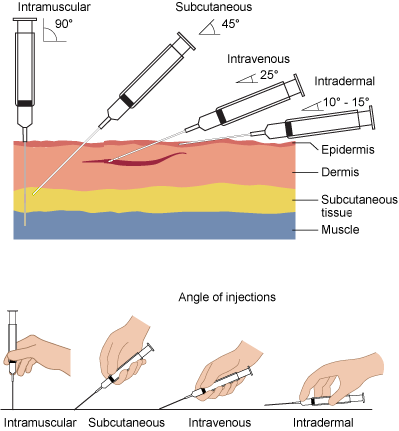
Adult intramuscular needles are typically one to one and a half inches in length, and adult intramuscular needles are typically 20 to 25 gauge in diameter.
Where do we stick them?
- For standard, small doses, we use the shoulder. The deltoid muscle can accommodate a maximum injection volume of one milliliter.
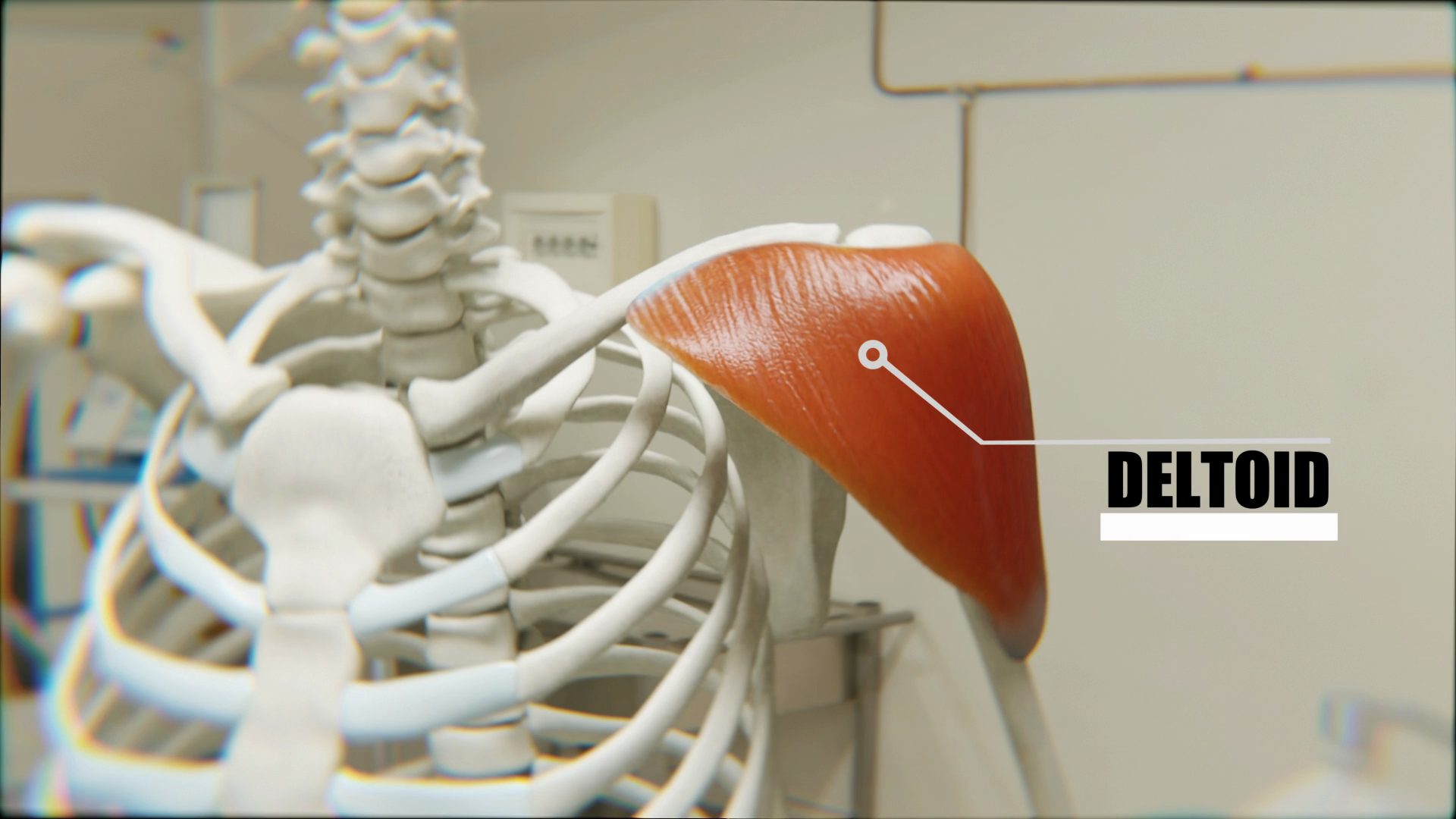
- For larger volumes, we need a bigger muscle. The ventrogluteal site is the preferred location for large volume intramuscular injections in adults.
- What about babies? Infants don't have developed gluteal muscles because they don't walk yet! Therefore, the vastus lateralis (the outer thigh) is the preferred intramuscular injection site for infants.
Sometimes, IM medications can be highly irritating if they leak back up the needle track into the subcutaneous fat. To stop this, we use a neat physical trick. The Z-track method involves pulling the skin laterally before inserting an intramuscular needle. Once you inject and pull the needle out, you let the skin slide back into place. The Z-track method prevents intramuscular medication from leaking back into the subcutaneous tissue by basically closing the sliding door behind it. Brilliant!
Drugs don't just go into the body; sometimes they go on the body.
Topical & Transdermal
When applying an ointment or a patch, remember that you are a biological organism too! A nurse must wear clean gloves when applying topical medications. Wearing clean gloves during topical medication application prevents the nurse from absorbing the active drug. You don't want your patient's blood pressure medication dropping your blood pressure halfway through your shift.
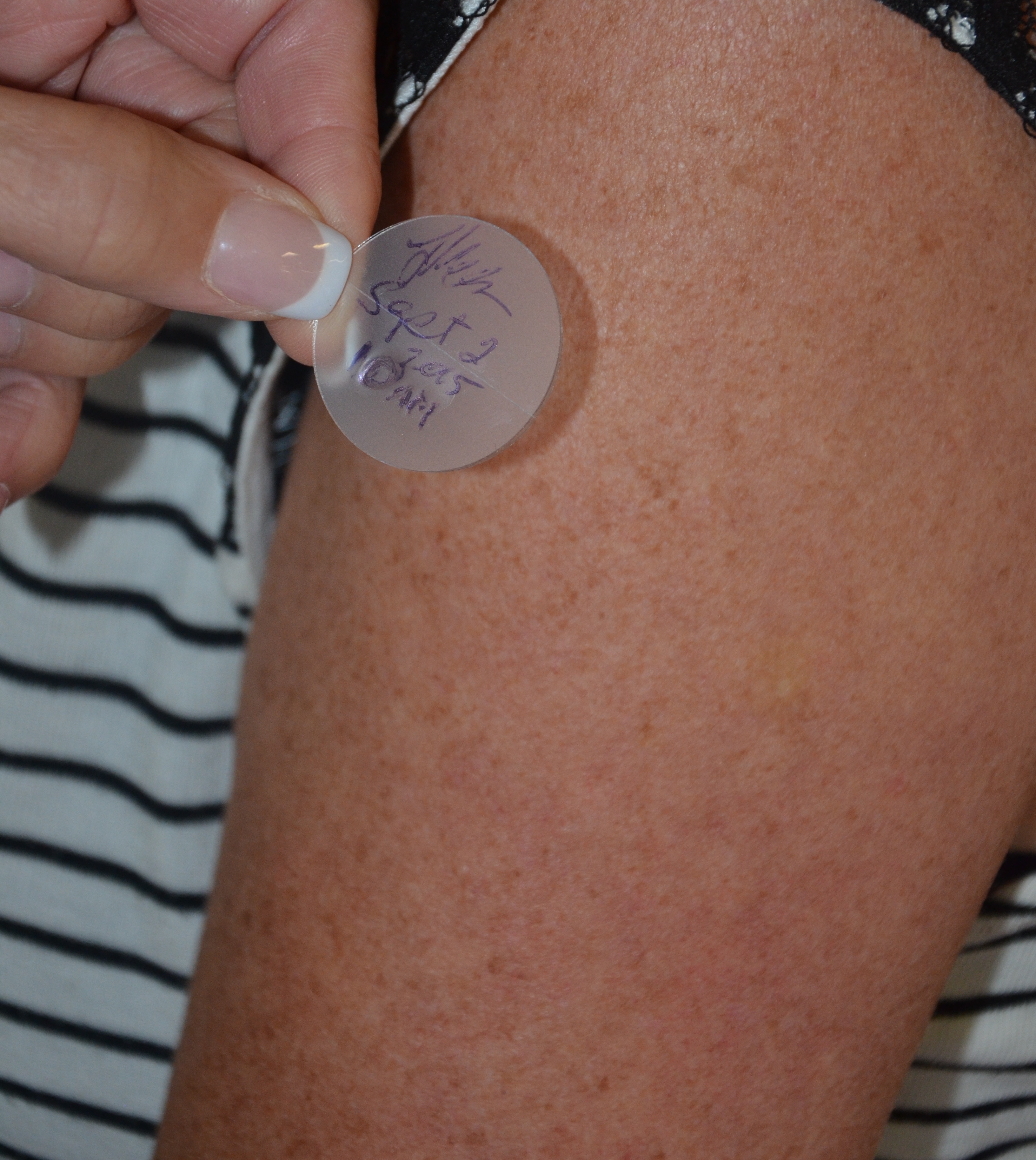
For patches, a nurse must remove an old transdermal patch before applying a new transdermal patch. Leaving multiple patches on stacks the doses. Furthermore, rotating transdermal patch application sites prevents local skin irritation.
The Eyes (Ophthalmic)
Your eyes are incredibly sensitive, particularly the clear dome called the cornea. Because of this, ophthalmic drops are instilled directly into the lower conjunctival sac (that little pink pocket you create when you gently pull down the lower eyelid). Instilling ophthalmic drops into the lower conjunctival sac prevents direct injury to the cornea.
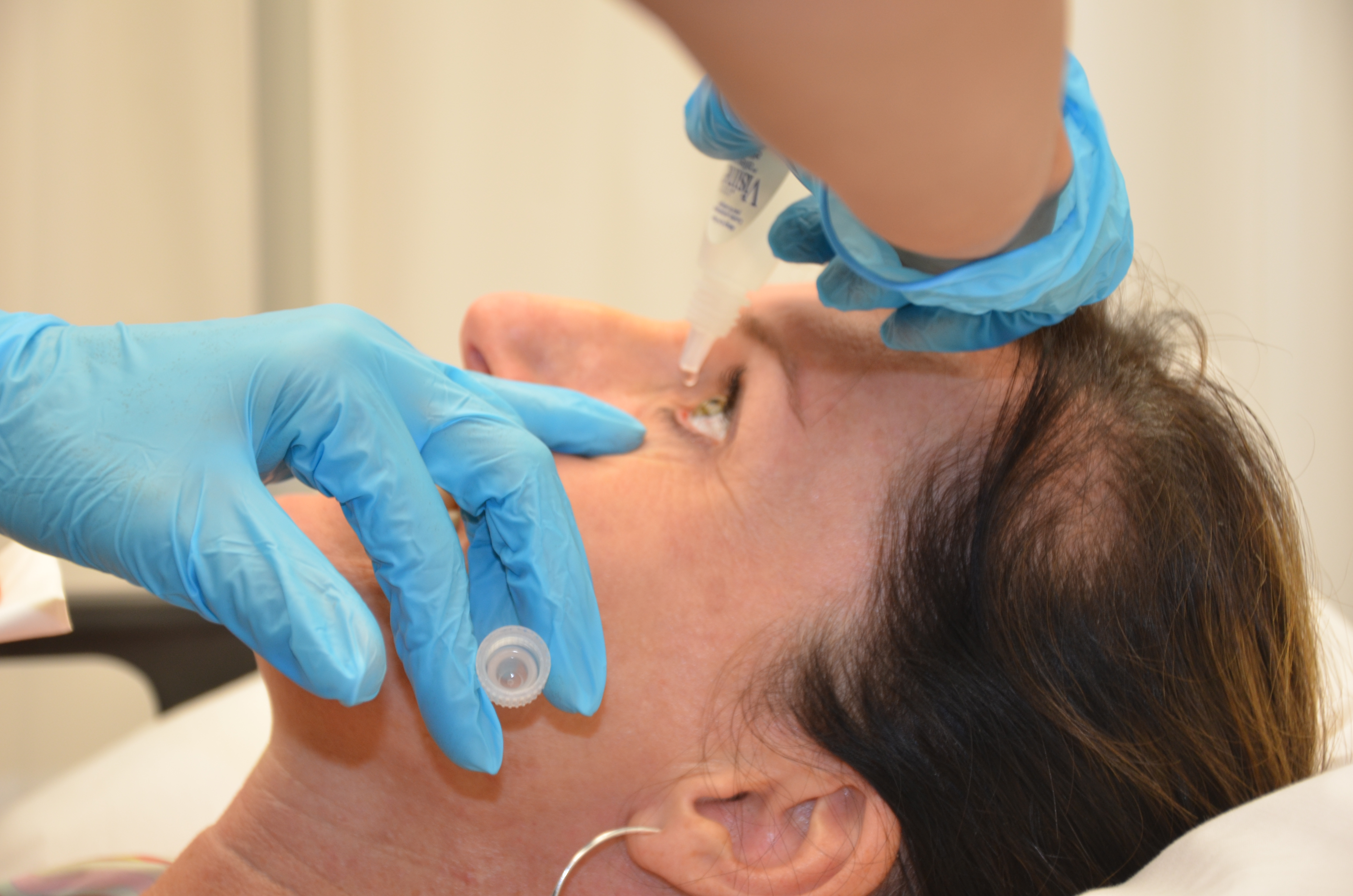
Once the drop is in, the tear ducts want to drain that liquid down into the nose and throat, where it can enter the bloodstream. To stop this, applying gentle pressure to the nasolacrimal duct after eye drop instillation prevents systemic absorption of the drug. We want the drug in the eye, not the heart!
The Ears (Otic)
The ear canal is a tunnel, but it changes shape as we grow. To get ear drops to flow all the way to the eardrum, we have to straighten the tunnel.
- For a child under three years old, the ear pinna is pulled down and back during otic medication administration.
- For individuals three years and older, the ear pinna is pulled up and back during otic medication administration.
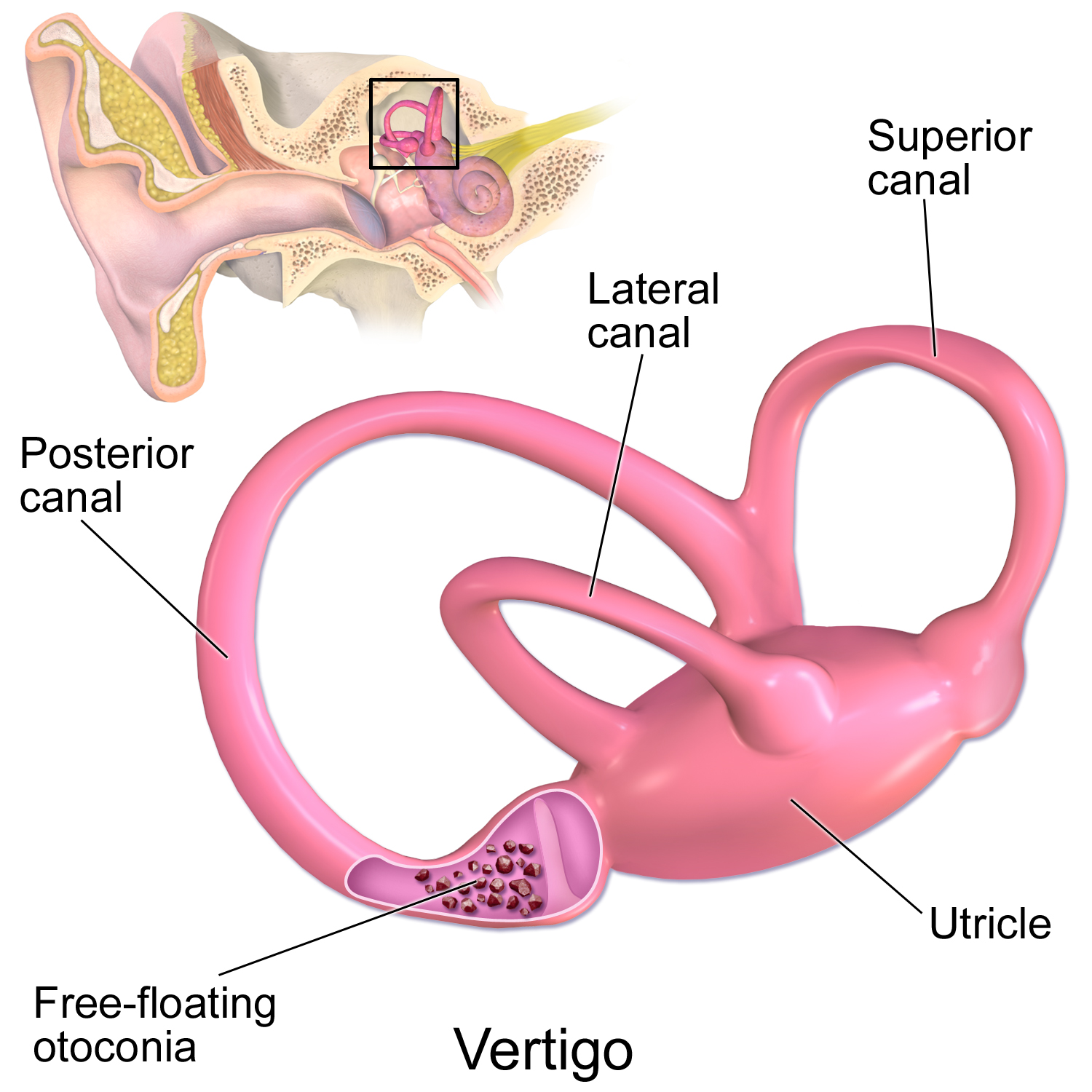
And here is a beautiful, if uncomfortable, fact about human physiology: the ear's balance center is incredibly sensitive to temperature changes. Administering cold otic drops can cause severe dizziness in the patient, triggering vertigo and nausea. To prevent sending your patient on a miserable biological roller-coaster, otic drops should be warmed to room temperature prior to administration.
Final Thoughts
Look at what we've covered. It’s not just rules to memorize; it’s an entire system of physical logic designed to deliver healing chemicals perfectly to a biological machine.
Know your conversions. Respect the zeros. Check your identifiers. Protect the stomach, respect the tissues, and always, always think about the why before you push the plunger. Master this, and you won't just pass the NCLEX—you'll be the kind of nurse everyone trusts. Now get out there and study!