Nonpharmacological Comfort, Hygiene, and Rest
Not sure you’re ready?
Take the ~3-minute readiness diagnostic and see where you stand.
The Architecture of Healing: Nonpharmacological Comfort, Hygiene, and Rest
Welcome to one of the most profoundly important chapters in nursing. When we think of modern medicine, we usually picture glowing monitors, complex IV drips, and cutting-edge pharmaceuticals. But let me tell you a secret: the human body is an engine that simply cannot heal if it is in distress, covered in bacteria, or exhausted.
As a practical nurse, you are the engineer of the patient’s environment. You hold the power to turn down the body's alarm systems, protect its outer barriers, and rebuild its cellular energy. Today, we’re going to look at the fascinating mechanics of comfort, hygiene, and rest.
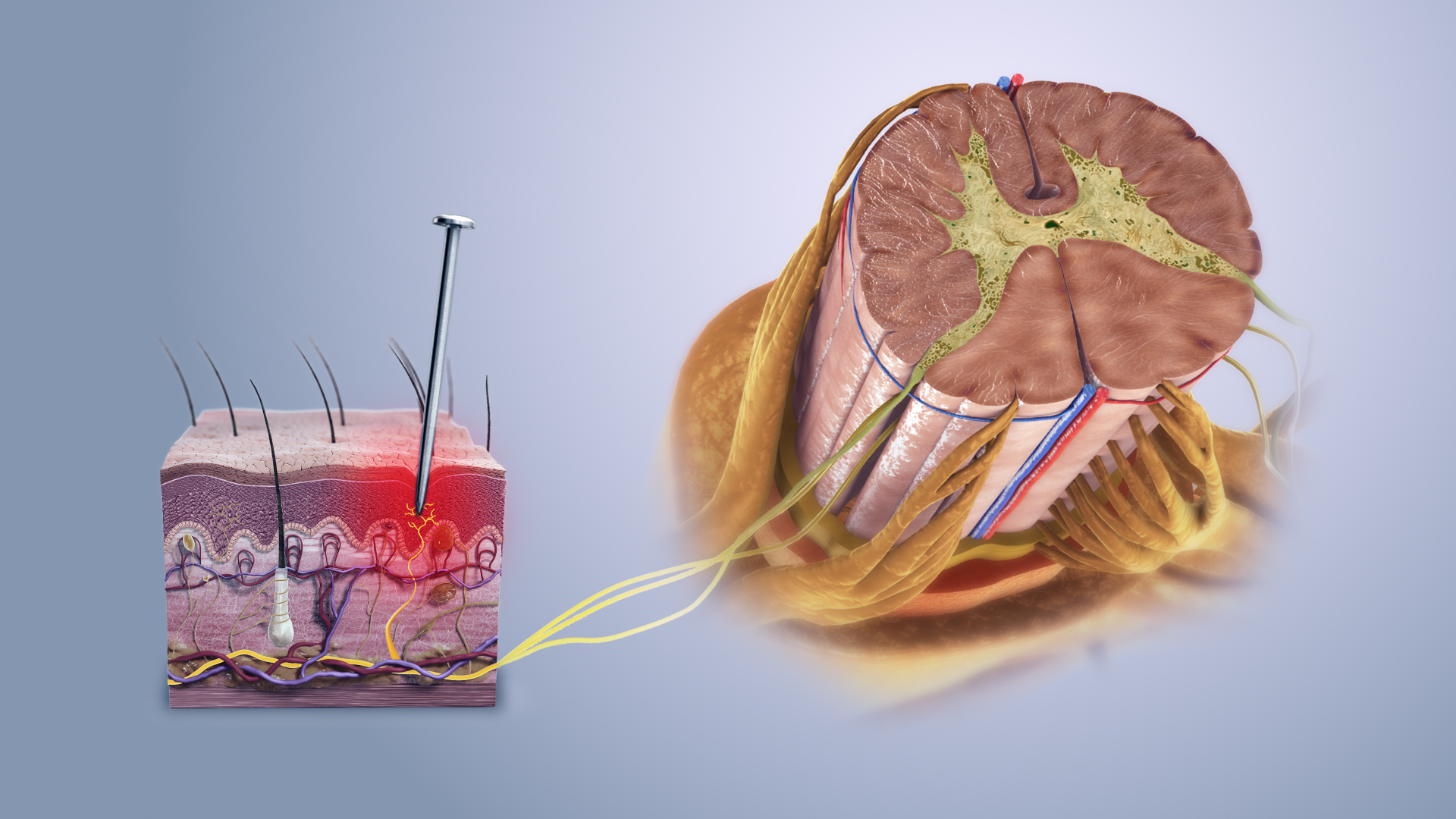
Pain isn’t just an "ouch." It’s a neurological alarm system that spikes heart rates, depletes oxygen, and delays healing. Before we can silence the alarm, we have to measure it. And since pain is entirely subjective—we can't draw blood to see how much "pain" is in the body—we have to be clever about how we assess it.
1. Measuring the Invisible: Pain Scales
Different brains need different tools to communicate pain. We must choose our measurement instrument based on the patient's age and cognitive ability.
| Pain Scale | Who it is for | How it works |
|---|---|---|
| Numeric Rating Scale | Verbally and cognitively intact adults/older children | Asks the client to rate pain intensity from zero to ten. A pain score of zero represents no pain, while a pain score of ten represents the worst possible pain. |
| Wong-Baker FACES | Children and specific adults | Uses line drawings of faces to assess pain. This is brilliant because it is appropriate for children as young as three years old, and also appropriate for clients with cognitive impairments. |
| FLACC Scale | Infants and those who cannot speak | An observational tool. The FLACC behavioral pain assessment scale evaluates client facial expressions, leg movements, physical activity, crying, and consolability. It is heavily used to assess pain in infants and nonverbal clients. |
| PAINAD Scale | Severe cognitive decline | Specifically evaluates pain in clients with advanced dementia who have lost the ability to articulate discomfort. |
| CRIES Scale | The absolute youngest | A pain assessment tool specifically designed for neonates. |
2. Thermal Physics: The Power of Heat and Cold
Once we know the pain level, how do we treat it without a pill? We use physics.
Heat therapy is all about expansion and flow. Applying heat increases local blood flow to the application area and promotes muscle relaxation to relieve pain.
Cold therapy, on the other hand, is about restriction and numbing. Cold causes vasoconstriction to reduce tissue edema (swelling) and numbs the local area to decrease pain perception.
Crucial Thermal Safety Rules:
- Both heat therapy applications must be limited to twenty minutes per session AND cold therapy applications must be limited to twenty minutes per session.
- Why limit cold? Because prolonged application of cold therapy can cause tissue ischemia (starving the cells of oxygen).
- Never put ice directly on the skin. Ice packs must be wrapped in a protective cloth before skin application.
3. Neurological Trickery: Hacking the Pain Pathways
Pain has to travel from the tissue, up the spinal cord, into the brain. We can intercept these signals!
- Cutaneous stimulation: This involves skin massage to block pain pathways (think of rubbing your elbow right after you bump it; the rubbing sensation beats the pain sensation to the brain!).
- Transcutaneous electrical nerve stimulation (TENS): A fascinating device that delivers mild electrical currents to the skin to relieve pain.
- Guided imagery: A mental hack that uses directed mental images to shift client attention away from pain.
- Distraction: Simply involves engaging the client in an alternate activity to reduce pain awareness.
What makes us human? Our independence. When illness steals that independence, we step in to assist with activities of daily living (ADLs). Remember the big four: bathing, dressing, toileting, and feeding are considered an activity of daily living.
Before you touch a washcloth, you must ask questions. Assessing usual hygiene habits ensures nursing care aligns with client cultural preferences and ensures it aligns with client personal routines. We aren't here to force a hospital schedule on a patient; we are here to integrate their life into their healing.
The Mechanics of Bathing
Not all baths are created equal. You must match the bath to the energy level of the patient:
- Complete bed bath: Involves washing the entire body of a dependent client in bed.
- Partial bed bath: For clients who easily fatigue. It involves washing only areas that cause discomfort or areas that cause odor if left unwashed (usually the face, hands, axillae, and perineum).
- Sitz bath: A therapeutic bath that immerses the pelvic region in warm water to soothe perineal tissues (excellent post-childbirth or after hemorrhoid surgery).
Perineal Care: The High-Stakes Geography
Perineal care is not just about cleanliness; it is an active defense against severe infection.
For females, proper female perineal care requires wiping from the pubic area toward the anal area. Why are we so strict about this front-to-back rule? Because wiping from front to back during female perineal care prevents the introduction of intestinal bacteria into the urethra, which would cause a painful urinary tract infection.
For males, specifically those who are uncircumcised, male perineal care requires retracting the foreskin to wash the glans.
🚨 DANGER: THE FORESKIN RULE 🚨 The foreskin of an uncircumcised male must be returned to the natural position immediately after cleaning. Why? Because failure to return the foreskin to the natural position after cleaning can cause tissue necrosis. It acts like a tourniquet, cutting off the blood supply to the glans. Never forget this!
Oral Care: Defending the Airway and Mucosa
If a patient is unconscious, they lose the ability to swallow saliva safely. Therefore, oral hygiene for an unconscious client requires positioning the client on the side. This is simple gravity at work—positioning an unconscious client on the side during oral care prevents the aspiration of fluids into the lungs. Furthermore, because they breathe through their mouths, unconscious clients require oral care at least every two hours to maintain mucosal integrity.
Got artificial teeth? Treat them with respect. Dentures must be brushed with a soft toothbrush and a proper denture cleanser. When out of the patient's mouth, dentures must be stored in water when not in the mouth to prevent warping.
Diabetic Foot Care: Preventing Catastrophe
Diabetes alters blood vessels and destroys nerve endings (neuropathy). A tiny pebble in a shoe can cause an amputation if left unnoticed.
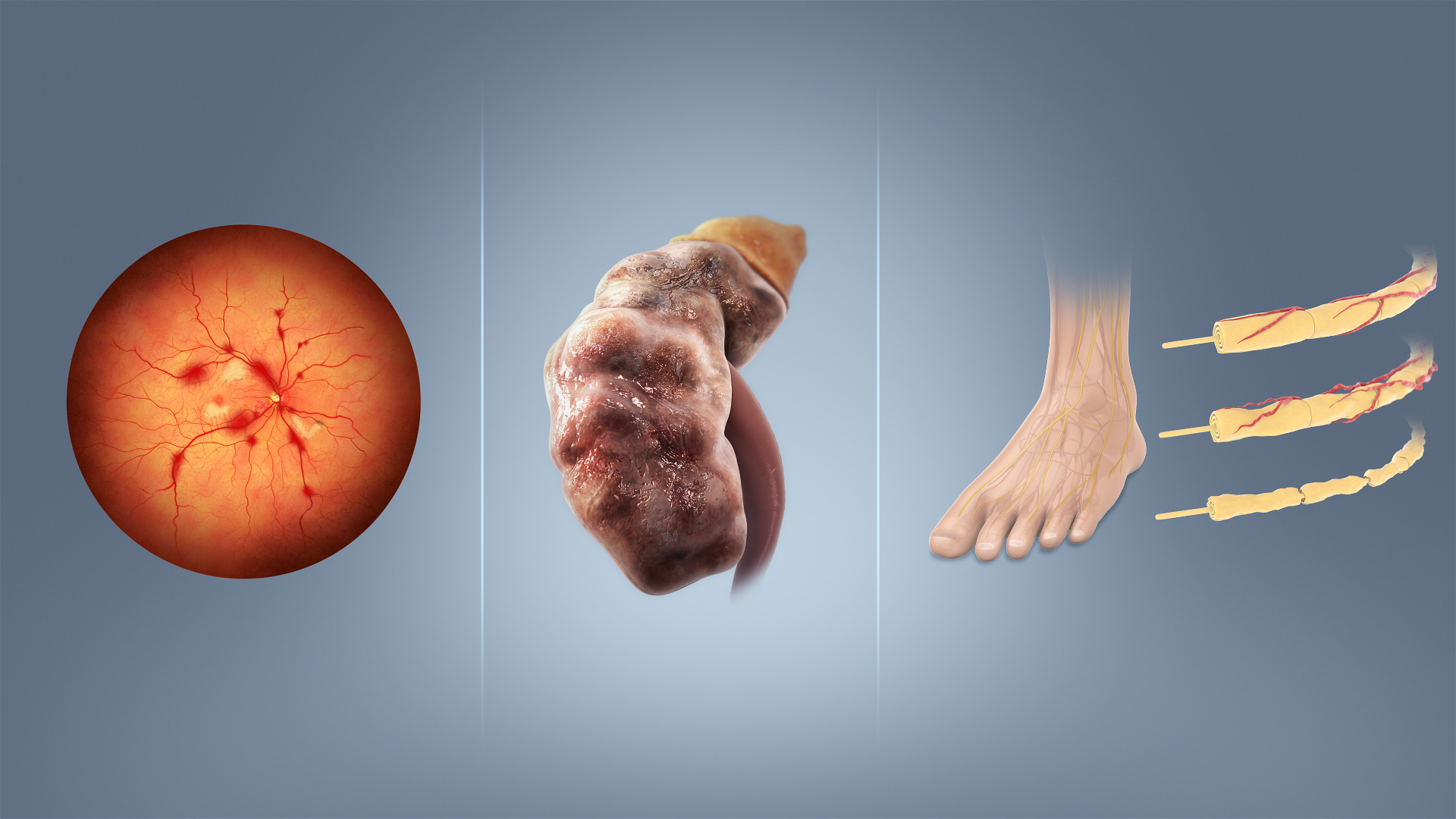
- Diabetic foot care requires daily inspection of the feet for cuts, blisters, and redness.
- Moisture is the enemy. Clients with diabetes mellitus must dry the areas between the toes completely to prevent fungal infections.
- Because they cannot feel burns, clients with diabetes mellitus must avoid using heating pads on the feet due to decreased sensation.
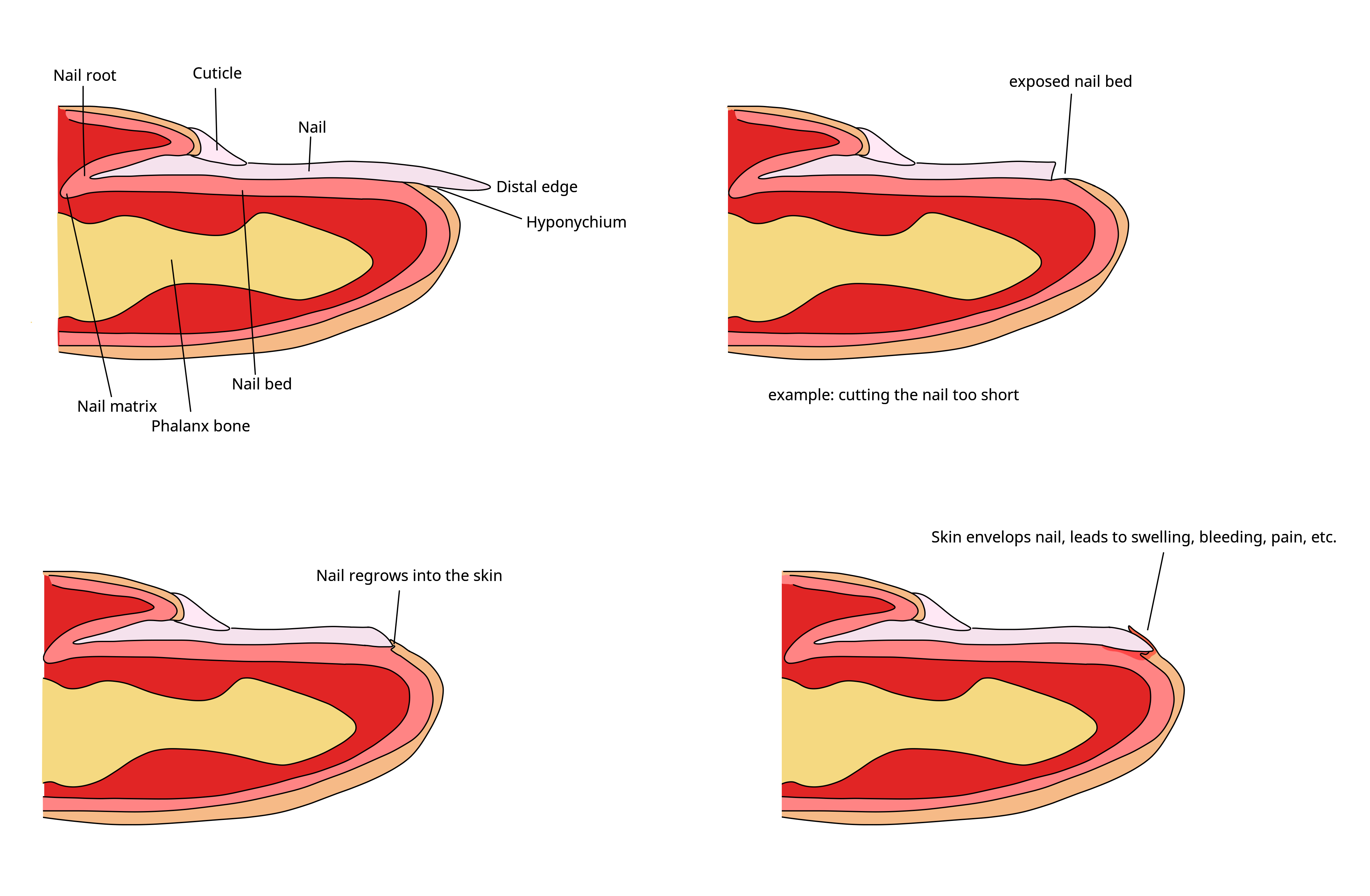
- To prevent ingrown nails, toenails of clients with diabetes mellitus must be filed straight across.
You can do everything else right, but if the patient doesn't sleep, their brain and body will fail. The circadian rhythm regulates the human sleep-wake cycle over a twenty-four-hour period.
Normal human sleep cycles alternate between two vital phases:
- Non-rapid eye movement (NREM) sleep: This is the mechanic fixing the engine. It is primarily responsible for physical restoration.
- Rapid eye movement (REM) sleep: This is the computer saving the data. It is primarily responsible for cognitive restoration and memory consolidation.
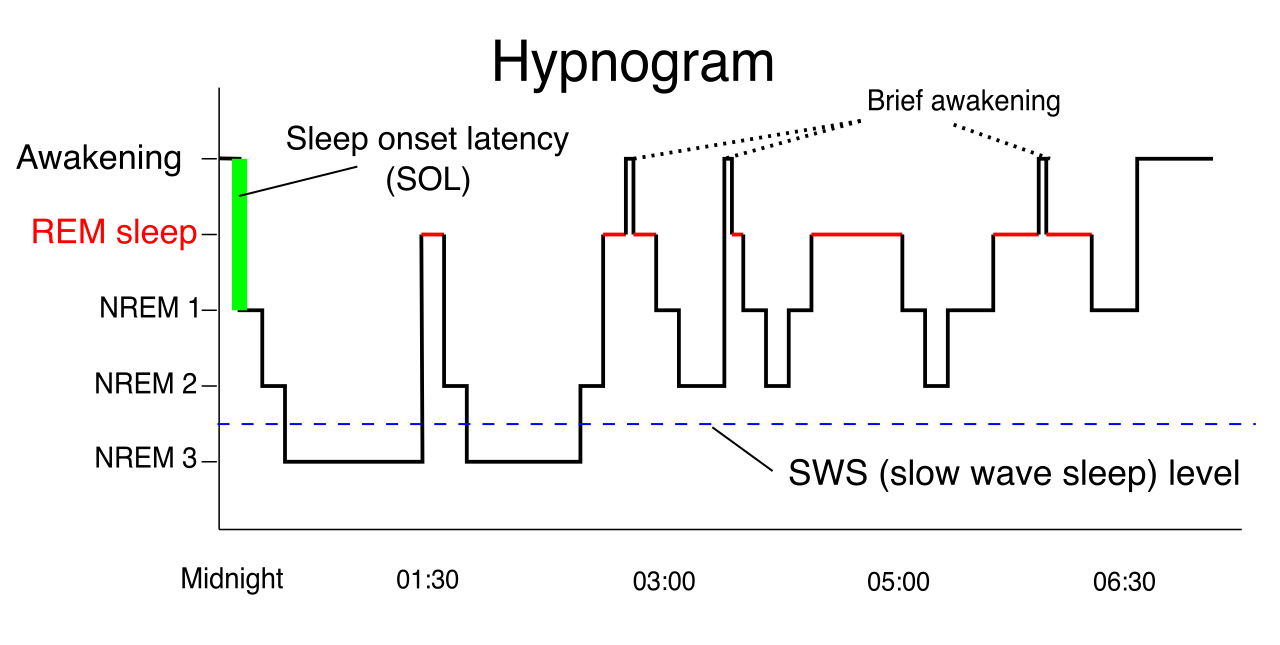
Healthy adults typically require seven to nine hours of sleep per night. However, biology changes as we age; older adults frequently experience a decrease in deep sleep stages, making them wake more easily.
The Chemistry of Sleep: Melatonin and the Modern World
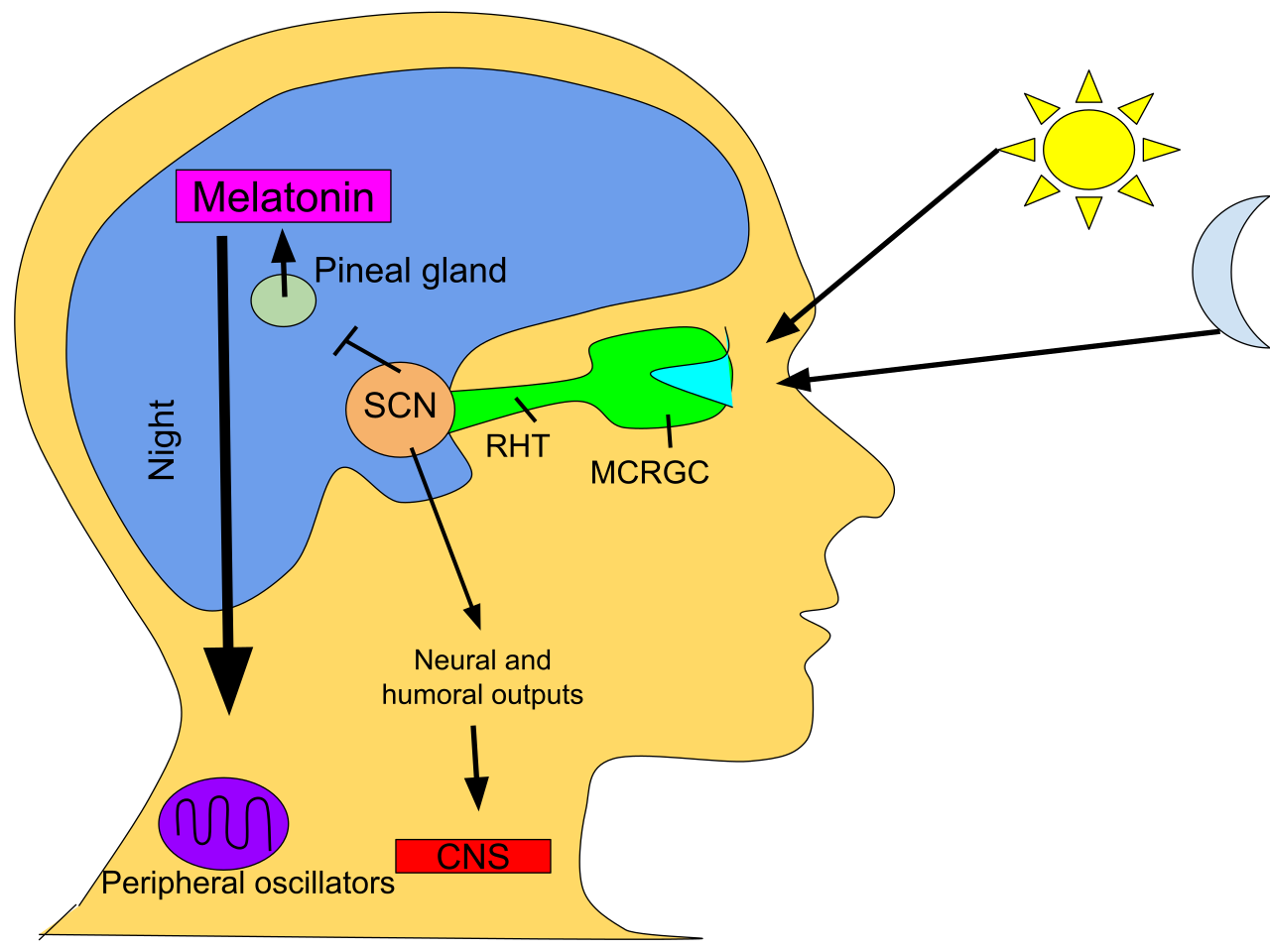
Melatonin is a naturally occurring hormone that regulates sleep-wake cycles. When it gets dark, melatonin floods the brain. But we live in a world of glowing screens. Exposure to blue light from electronic devices suppresses melatonin production, and as a direct result, suppressed melatonin production delays sleep onset.
Engineering the Perfect Sleep Environment
Good sleep hygiene is a behavioral science. It includes maintaining a consistent bedtime every night and maintaining a consistent wake time every morning.
We must also control what goes into the body:
- Caffeine consumption must be avoided for at least four hours before bedtime.
- While alcohol might make you feel drowsy initially, alcohol consumption before bedtime disrupts sleep continuity during the second half of the night.
Finally, let's optimize the patient's room. Lowering the room temperature is an environmental modification that promotes sleep. You should minimize environmental noise because it promotes continuous sleep, and dimming bedroom lights helps facilitate sleep onset. To tie it all together, creating a relaxing pre-sleep routine decreases physiological arousal to facilitate sleep onset.
Professor's Summary
The NCLEX wants to know if you are a safe, highly observant nurse. They will test you on the limits of heat and cold, the positioning of the unconscious patient, the direction of wiping in perineal care, and the physiology of sleep. Don't memorize these as random facts; understand the mechanisms behind them. When you understand why a diabetic shouldn't use a heating pad (sensory loss), or why REM sleep matters (cognitive restoration), the right answer becomes brilliantly obvious. Keep observing, keep questioning, and keep protecting your patients' ability to heal!