Mental Health Concepts and Coping Mechanisms
Not sure you’re ready?
Take the ~3-minute readiness diagnostic and see where you stand.
Imagine the human mind as the most complex, exquisite symphony orchestra ever assembled. When all the instruments are in tune, the music is a masterpiece. But what happens when the brass section goes rogue, or the strings suddenly slow down to a crawl? The entire piece changes.
As a practical nurse, your job isn't necessarily to jump on stage and rewire the instruments—your job is to listen closely. You must know exactly what "out of tune" sounds like, feels like, and looks like. We are going to explore the art of assessing psychosocial functioning, recognizing the symptoms of profound mental health conditions, and decoding the fascinating, sometimes bizarre mechanisms the human brain uses to protect itself.
Let’s dive into the symphony of the mind.
Before a patient ever tells you what's wrong, their body and behavior are broadcasting signals. Assessment begins the second you lay eyes on them.
Client appearance assessment includes observing personal hygiene and grooming. Why do we care if a patient brushed their hair or changed their clothes? Because a sudden deterioration in personal hygiene can indicate a worsening mental health condition. It is the mind’s "check engine" light. When the brain is overwhelmed by depression or psychosis, the basic executive functions required to maintain self-care are often the first to go offline.
The Emotional Weather: Mood vs. Affect
If you ask a patient how they feel, and they say, "I'm incredibly sad," that is their mood. Mood is a self-reported subjective emotional state. But as you watch them, you might notice they are smiling and laughing. That observation is their affect. Affect is the objective observation of an emotional expression.
When mood and affect don't match, or when affect becomes disrupted, pay attention:
- A blunted affect involves a significant reduction in the intensity of emotional expression. They might speak about a tragic event with only the faintest hint of sadness.
- A labile affect involves rapid and abrupt changes in emotional expression. They are laughing one minute, sobbing hysterically the next, and enraged a moment later.
The Physics of the Mind: Psychomotor Behaviors
Mental distress leaks into physical movement. Sometimes the mind is stuck in overdrive, leading to psychomotor agitation, which involves excessive motor activity associated with internal tension. How does this manifest on the floor? Pacing is a behavioral indicator of psychomotor agitation, as is hand-wringing. The patient literally cannot burn off the anxious energy trapped inside them.
Conversely, the mind can slam on the brakes. Psychomotor retardation involves a visible slowing of physical movements and speech. The patient looks as though they are moving and talking through thick molasses.
Then we have the strange, mirror-like behaviors often seen in severe psychiatric states:
- Echolalia is a psychomotor behavior involving the meaningless repetition of another person's spoken words. (You ask, "How are you?" and they reply, "How are you, how are you.")
- Echopraxia is a psychomotor behavior involving the meaningless imitation of another person's movements.
Mood disorders dictate the gravity of a patient's world. They either pull the patient down into the earth or fling them out into the stratosphere.
Major Depressive Disorder (MDD)
Major depressive disorder is characterized by a persistently depressed mood lasting at least two weeks. It is not just "feeling sad." It is a systemic physiological and psychological shutdown.
⚠️ Critical Concept: Suicidal ideation is a critical symptom of major depressive disorder requiring immediate assessment. Never gloss over this. Ask directly: "Are you having thoughts of harming yourself?"
The symptoms touch every part of life. Symptoms of major depressive disorder include changes in appetite, massive changes in sleep patterns (sleeping all day or severe insomnia), and a diminished ability to concentrate.
One of the most tragic symptoms is anhedonia. Anhedonia is the inability to experience pleasure from normally enjoyable activities. The things that used to bring joy—a favorite meal, playing with a pet, listening to music—suddenly feel utterly dull and lifeless.
Now, listen to me carefully, because this next fact saves lives: A sudden improvement in the mood of a severely depressed client can indicate a decision to commit suicide. Why? Because the agonizing internal conflict is over. They have formulated a plan. The decision brings them a false, terrifying sense of peace. When the dark clouds suddenly part for a severely depressed patient, your nursing radar should immediately go to high alert.
Bipolar Disorder
Bipolar disorder includes depressive episodes in addition to manic episodes. These patients swing the pendulum from the crushing gravity of depression to the blinding, antigravity heights of mania.
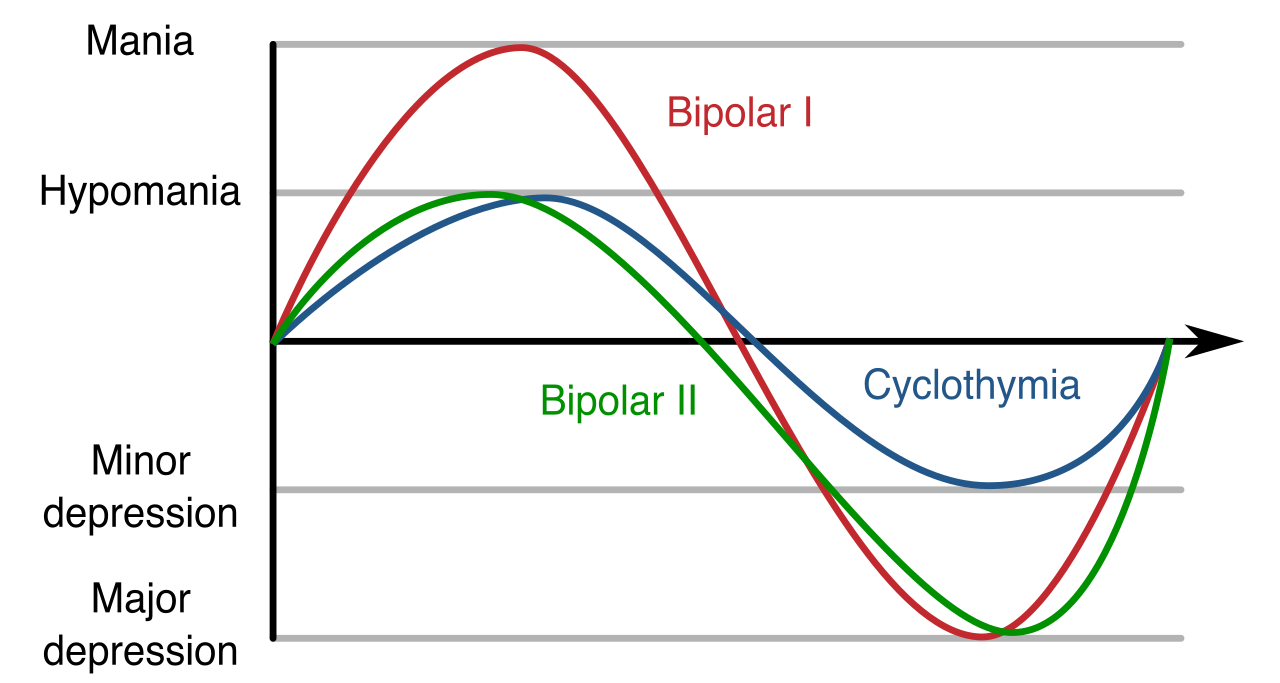
Mania is characterized by a persistently elevated or irritable mood lasting at least one week. (Or less if hospitalization is required). During a manic phase, the brain is running a marathon at a sprinter's pace.
Symptoms of mania include:
- A decreased need for sleep. (They might sleep two hours and wake up feeling ready to conquer the world).
- Grandiosity or inflated self-esteem. (They might believe they have a direct line to God, or that they are about to become a billionaire overnight).
- Rapid and pressured speech. (They talk so fast and forcefully that you cannot interrupt them).
Because their brain is firing so rapidly, their thoughts derail. This leads to what we call "flight of ideas." Flight of ideas is a symptom of mania involving rapid shifting between unrelated topics.
If mood disorders alter gravity, thought disorders alter reality itself. Schizophrenia is a chronic mental disorder characterized by psychotic symptoms.
To understand schizophrenia, you must divide the symptoms into two distinct buckets: Positive (things that are added to reality) and Negative (normal things that are taken away from reality).
Positive vs. Negative Symptoms
| Symptom Category | Definition & Examples |
|---|---|
| Positive Symptoms | Positive symptoms of schizophrenia involve the presence of abnormal behaviors.<br>• Hallucinations are a positive symptom of schizophrenia. (Hearing voices or seeing things that do not exist).<br>• Delusions are a positive symptom of schizophrenia. (Fixed, unshakeable false beliefs). |
| Negative Symptoms | Negative symptoms of schizophrenia involve the absence of normal behaviors.<br>• Alogia is a negative symptom of schizophrenia characterized by reduced speech output.<br>• Avolition is a negative symptom of schizophrenia characterized by a lack of motivation.<br>• Flat affect is a negative symptom of schizophrenia involving reduced emotional expression. |
Decoding Psychosis
Delusions come in many flavors. Delusions of persecution involve a false belief of being harmed or harassed (e.g., "The FBI has bugged my teeth"). Delusions of grandeur involve an exaggerated sense of power or importance (e.g., "I am the secret King of Europe").
Do not confuse a hallucination with an illusion. Illusions are misperceptions of real external stimuli. If a patient sees a shadow in the corner and thinks it's a demon, that's an illusion (the shadow is real; the brain misinterpreted it). If there is no shadow at all and they see a demon, that's a hallucination.
Language in psychosis completely breaks down into a fascinating, chaotic poetry. You will hear:
- Neologisms are made-up words that have meaning only to the person using them.
- Clang associations are groupings of words based on rhyming sounds ("I caught the train, into the rain, feeling the pain").
- Word salad is a disorganized mix of words with no logical connection ("Carrot blue sky running toaster forever").

Life is stressful. The human brain, in all its evolutionary brilliance, has developed psychological shields to handle anxiety. We categorize these shields into conscious coping mechanisms and unconscious defense mechanisms.
Coping Mechanisms: The Conscious Strategies
Coping mechanisms are conscious strategies used to manage internal and external stressful situations. You know you are stressed, and you make a choice about what to do next.
Effective coping mechanisms reduce stress without creating new problems.
- Seeking social support is an example of an effective coping mechanism. (Calling a friend to vent).
- Problem-solving is an example of an effective coping mechanism. (Making a study schedule when overwhelmed by an exam).
On the other hand, ineffective coping mechanisms provide temporary stress reduction, but ultimately, ineffective coping mechanisms create long-term negative consequences.
- Substance abuse is an example of an ineffective coping mechanism.
- Avoidance is an example of an ineffective coping mechanism. (Ignoring the unpaid bills piling up on the table).
Defense Mechanisms: The Unconscious Shields
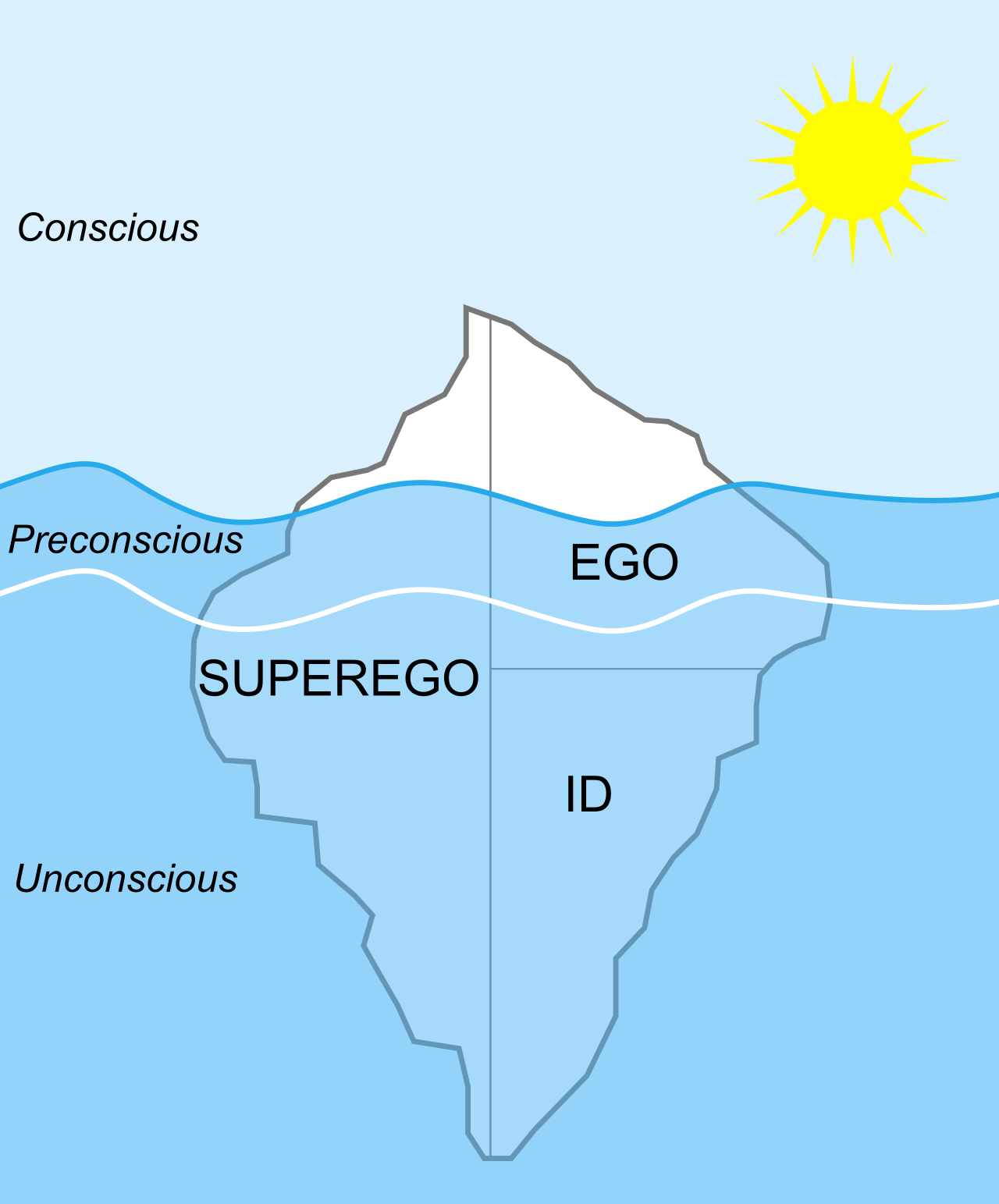
Defense mechanisms are mostly unconscious psychological strategies used to protect individuals from anxiety. The brain hides the truth from itself because reality is too painful. You must be able to recognize these on the floor!
- Denial is a defense mechanism involving the refusal to accept reality. (A patient diagnosed with terminal cancer insists the lab mixed up the bloodwork).
- Projection is a defense mechanism involving attributing unacceptable internal feelings to another person. (A husband secretly wants to cheat, so he constantly accuses his wife of being unfaithful).
- Displacement is a defense mechanism involving redirecting emotions from a threatening target to a safer target. (A nurse gets yelled at by a doctor, so she goes into the breakroom and snaps at a nursing assistant).
- Rationalization is a defense mechanism involving the creation of logical excuses for unacceptable behavior. ("I only drank the whole bottle of wine because my boss was mean to me today").
- Regression is a defense mechanism involving reverting to an earlier stage of development under stress. (A fully toilet-trained 4-year-old begins wetting the bed when a new baby sibling is brought home).
- Repression is a defense mechanism involving unconsciously blocking unwanted memories from conscious awareness. (An adult has no memory of a severe childhood trauma).
- Sublimation is a defense mechanism involving channeling unacceptable impulses into socially acceptable activities. (A person with high aggression becomes a star rugby player—this is highly adaptive!).
- Reaction formation is a defense mechanism involving expressing the opposite of an internal true feeling. (You deeply resent your mother-in-law, but when she visits, you shower her with over-the-top praise and affection).
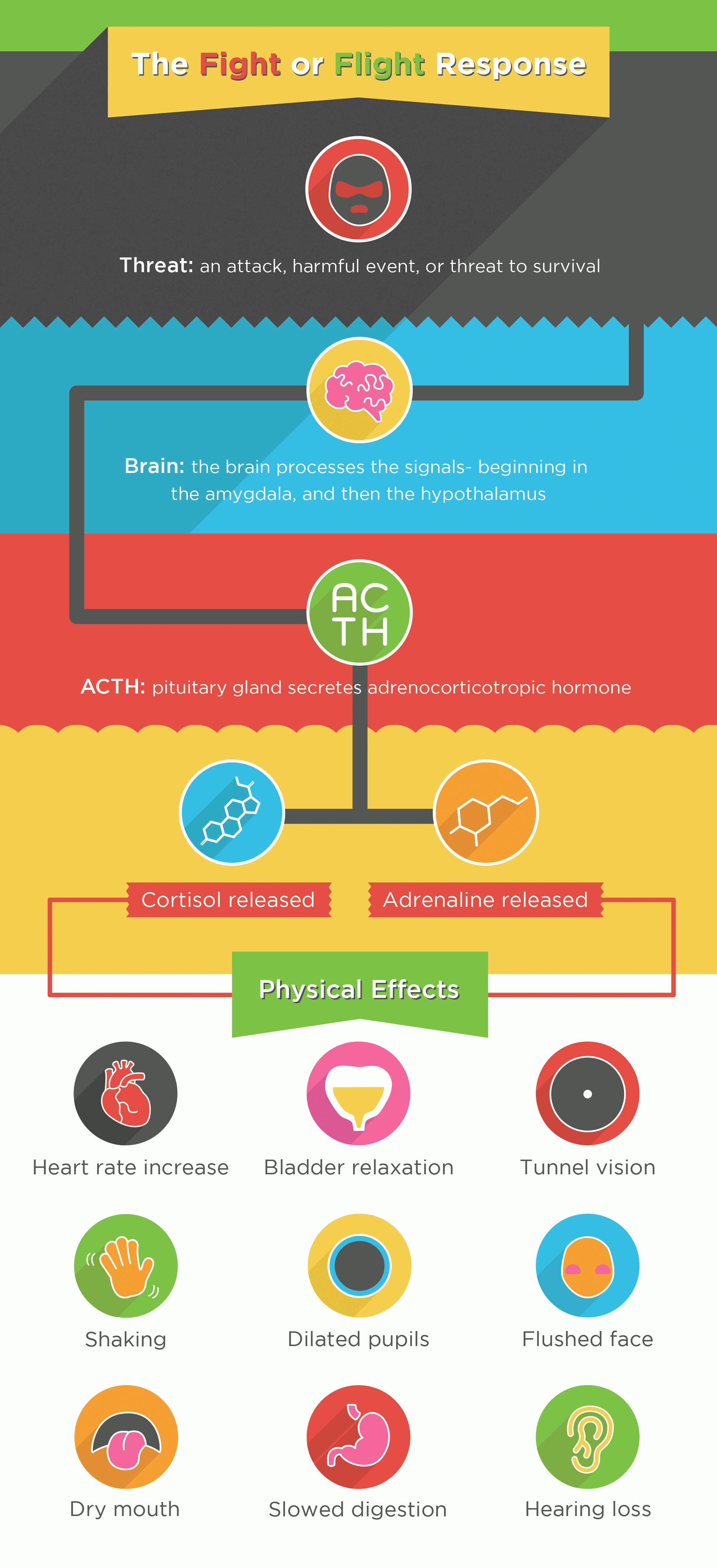
Sometimes the brain's threat-detection system malfunctions, seeing tigers where there are only house cats.
The Spectrum of Anxiety and Trauma
Generalized anxiety disorder involves excessive and uncontrollable worry lasting at least six months. It is chronic and exhausting.
Sometimes, the anxiety peaks in explosive spikes. Panic attacks are sudden episodes of intense fear accompanied by physical symptoms. Patients often think they are having a heart attack because the physical symptoms of a panic attack include palpitations and shortness of breath.
Anxiety can also tether a patient to specific places. Agoraphobia is an intense fear of places or situations where escape might be difficult. These clients might eventually refuse to leave their homes entirely.
In Obsessive-Compulsive Disorder (OCD), anxiety takes the form of a vicious loop. Obsessions are recurrent and persistent thoughts that cause anxiety. To make the horrible thoughts stop, the brain demands action: Compulsions are repetitive behaviors performed in response to an obsession. (Obsession: "My hands are covered in deadly germs." Compulsion: Washing hands exactly 14 times).

Trauma can literally re-wire the brain's timeline. Post-traumatic stress disorder develops after exposure to a traumatic event. The brain fails to file the memory into the "past" category. Therefore, flashbacks are a symptom of post-traumatic stress disorder involving reliving the traumatic event in the present moment, accompanied by all the raw, original terror.
The Unstable Foundation: Personality Disorders
Personality disorders represent deeply ingrained, inflexible patterns of thinking and behaving.
Borderline personality disorder involves a pattern of instability in interpersonal relationships and self-image. Emotional burns are third-degree for these clients; they fear abandonment intensely. To cope, they frequently use a specific defense mechanism. Splitting is a defense mechanism commonly used by individuals with borderline personality disorder. How does it work? Splitting involves viewing people or situations in all-or-nothing terms. You are either an angel sent from heaven to save them, or a devil trying to destroy them. There is no middle ground.

Contrasting this is Antisocial Personality Disorder. Antisocial personality disorder involves a persistent disregard for the rights of others. These clients lack empathy and remorse, often manipulating those around them for personal gain.
We give psychiatric medications to bring the symphony back into tune, but these powerful chemical interventions sometimes trigger severe physical side effects. Two vital medication-induced movement disorders you must monitor for are:
- Tardive dyskinesia is a medication-induced movement disorder involving involuntary facial and jaw movements. You will see lip-smacking, tongue-thrusting, or excessive blinking. This is often permanent if not caught early!
- Akathisia is a medication-induced movement disorder characterized by an intense feeling of inner restlessness. The patient feels like their skin is crawling and they physically cannot stop pacing or shifting. Do not mistake akathisia for worsening psychiatric agitation—it is a neurological side effect of their meds!
Final Thoughts for the NCLEX-PN
Look, the human brain is an extraordinary machine. When it falters, the symptoms can look confusing, terrifying, or just plain weird. But as a nurse, you are not confused. You look at a patient pacing the halls, washing their hands repetitively, or speaking in a word salad, and you see the underlying mechanisms at play.
You recognize that a flat affect is a negative symptom. You know that displacement means kicking the dog when you're mad at the boss. And most importantly, you know that a sudden, mysterious improvement in a depressed patient's mood is a massive red flag.
Master these concepts, not just as vocabulary words, but as the fundamental physics of the human mind. Keep your eyes open, listen to the symphony, and you will do brilliantly on your exam.