Cultural/Spiritual Influences and End-of-Life Care
Not sure you’re ready?
Take the ~3-minute readiness diagnostic and see where you stand.
Welcome, nursing scholars! Let’s explore one of the most profoundly human aspects of medicine. What does it actually mean to heal someone? In the practical nursing world, we aren't just treating a diagnosis scribbled on a chart; we are treating a complex, beautiful, entirely unique human being. A patient's culture, their spiritual beliefs, and how they confront the end of their life—these aren't just "extra" details. They are the very lens through which the patient experiences illness and healing.
If you want to be a spectacular nurse—and crush the NCLEX-PN in the process—you have to understand how to merge clinical science with profound cultural competence and spiritual competence. Let's break it down!
Imagine trying to explain the color blue to someone who has never seen it. That is what it's like trying to care for a patient without understanding their cultural framework.
A culturally competent practical nurse is one who deliberately adjusts the plan of care to accommodate a client's specific cultural practices. But how do we know what those practices are?
The Golden Rule of Cultural Assessment: Cultural assessments in nursing practice must be based on the client's self-reported cultural identity.
You cannot guess! Never look at a patient and assume you know their story. Doing so leads to cultural stereotyping, which involves making assumptions about a client based on their racial or ethnic background. Why is this so dangerous in nursing? Because cultural stereotyping prevents individualized nursing care.
Furthermore, as healthcare providers, we must rigorously avoid ethnocentrism. Ethnocentrism is the belief that one's own cultural beliefs and practices are superior to those of other cultures. Healthcare providers must avoid ethnocentrism to provide genuinely unbiased client care. You have to leave your own worldview at the door and step into your patient's shoes.
The Mechanics of a Cultural Assessment
When you sit down to perform a cultural assessment, you are essentially asking, "How do you navigate the world, and how can I support that?"
- Dietary Needs: A cultural assessment includes asking clients about their preferences for dietary modifications. Food is medicine, but it is also identity.
- Language: A cultural assessment involves identifying the client's preferred language for medical communication.
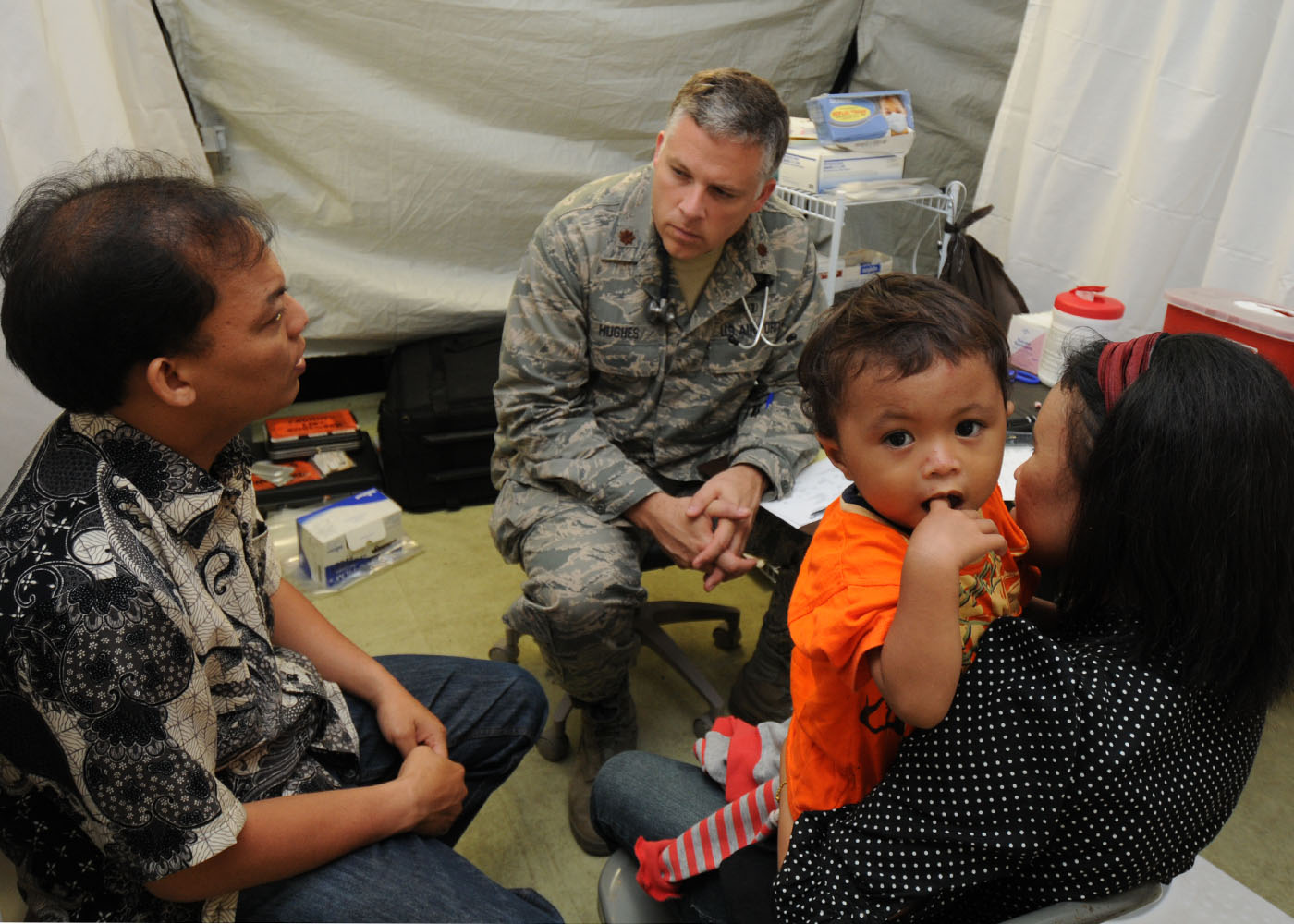
Wait, what if they don't speak English well? Here is a strict NCLEX-PN rule: The use of professional medical interpreters is required for clients with limited English proficiency. Never cut corners here. Family members should not be used as medical interpreters for clients due to potential translation inaccuracies. A well-meaning son might alter the doctor's prognosis to "protect" his mother. We need objective, precise medical translation.
Physical Boundaries: Modesty and Eye Contact
Human bodies are our workspace, but for the patient, their body is sacred. Modesty requirements differ significantly among various cultures. For instance, certain cultures require same-sex healthcare providers for physical assessments due to modesty beliefs. Always ask, and always accommodate.
Even the way we look at each other changes across the globe! Eye contact norms vary significantly across different cultural groups. In Western cultures, we're taught to look people in the eye to show honesty. However, direct eye contact is considered a sign of disrespect in some Native American and Asian cultures. If a patient is looking down while you explain their medications, they might not be ignoring you—they might be showing you deep respect.
The Culture of Pain
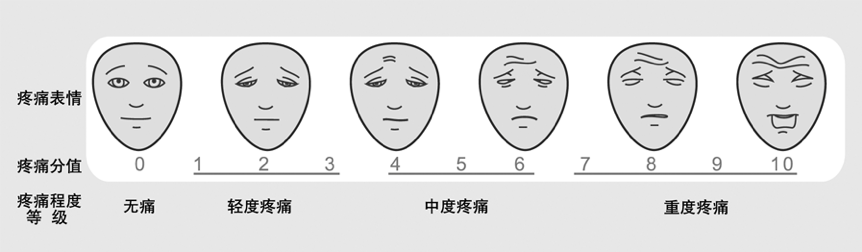
Pain isn't just a neurological signal; it’s an experience interpreted through culture. Understanding cultural beliefs about pain is necessary for effective pain management.
- The Silent Warriors: Some cultures view stoicism during pain as a sign of inner strength. They might be at an 8/10 on the pain scale but sit perfectly still with a neutral face.
- The Vocal Expressers: Conversely, some cultures encourage the open and vocal expression of pain. Moaning or crying out is their culturally accepted way of processing the physical distress.
You must rely on your nursing assessment skills, not just the volume of their reaction!
When illness strikes, it shakes the foundation of a person's life. This often leads to spiritual distress, which occurs when a client's belief system is challenged by illness or suffering. They might ask, "Why is God doing this to me?"
To identify this, you perform a spiritual assessment. A spiritual assessment involves asking the client if faith plays a role in their healthcare decisions. If the answer is yes, you adapt!
For the NCLEX-PN, you must be intimately familiar with specific religious constraints and practices. Let's look at the fascinating ways faith intersects with clinical care:
Fasting and Medical Treatments
A beautifully practical concept: Medical treatments must be adapted to align with a client's religious fasting practices when safely possible. If a patient is fasting from sunrise to sunset, can we shift their once-a-day oral medication to the evening? If it’s safe, absolutely!
Quick-Reference Religious Dietary and Medical Needs
| Belief System | Key Medical & Dietary Practices |
|---|---|
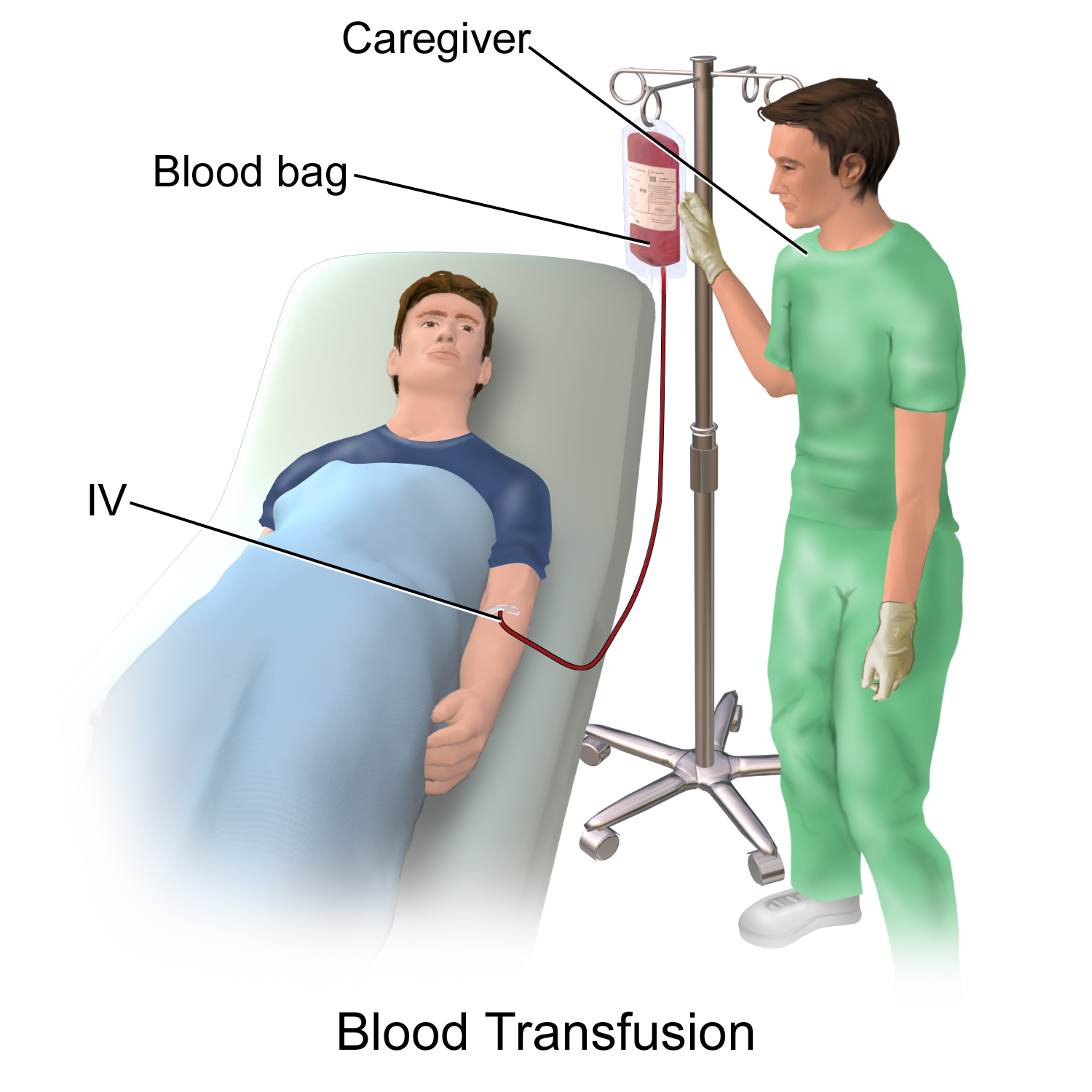
| Jehovah's Witnesses | Jehovah's Witnesses generally refuse the transfusion of whole blood or primary blood components. This is a critical safety and ethical point. Alternate volume expanders must be used. |
| Orthodox Judaism | Many Orthodox Jewish clients adhere to a strict kosher diet. What does this mean clinically? A kosher diet prohibits the mixing of dairy and meat at the same meal. Do not serve a cheeseburger or beef stew with a glass of milk. |
| Islam (Muslim) | Many Muslim clients require a halal diet. Furthermore, Islamic faith practices may require a client to face Mecca during daily prayers. |
| Seventh-Day Adventists | Time matters here. Seventh-Day Adventists typically observe the Sabbath from Friday sunset to Saturday sunset. Keep elective procedures and non-essential interruptions to a minimum during this window. |
| Roman Catholicism | Some Roman Catholic clients may request the Sacrament of the Sick during serious illness. (Historically known as Last Rites). Call the priest if the patient or family requests it! |
Now we turn to one of the greatest privileges in nursing: caring for a patient at the end of their life.
Often, mourning doesn't start at death. Anticipatory grieving is the process of mourning a loss before the loss actually occurs. This is a heavy emotional burden, and remember: anticipatory grieving can be experienced by both the dying client and the client's family members.
Palliative vs. Hospice Care: Know the Difference
These two terms are frequently confused, but they are conceptually distinct on the NCLEX-PN.
- Palliative Care: Palliative care focuses on relieving symptoms and improving the quality of life for clients with serious illnesses. The key concept? Palliative care can be provided concurrently with curative medical treatments. You can receive chemotherapy to cure your cancer and receive palliative care for the nausea.
- Hospice Care: Hospice care is specifically designed for clients with a terminal diagnosis and a life expectancy of six months or less. At this stage, the goals shift. Hospice care prioritizes comfort over curative medical interventions. We stop trying to cure the disease and start focusing entirely on a peaceful transition.
Navigating the Human Mind: The Kübler-Ross Model
Psychiatrist Elisabeth Kübler-Ross mapped out how humans process terminal news. The Kubler-Ross model identifies five stages of grief.
The Five Stages of Grief: The five stages of grief in the Kubler-Ross model are denial, anger, bargaining, depression, and acceptance.
But here is the trick, and it's vital you understand this: Clients do not necessarily experience the five stages of grief in a linear sequence. Think of it like a pinball machine, not a staircase. A patient might find acceptance, and the next day bounce back to anger.
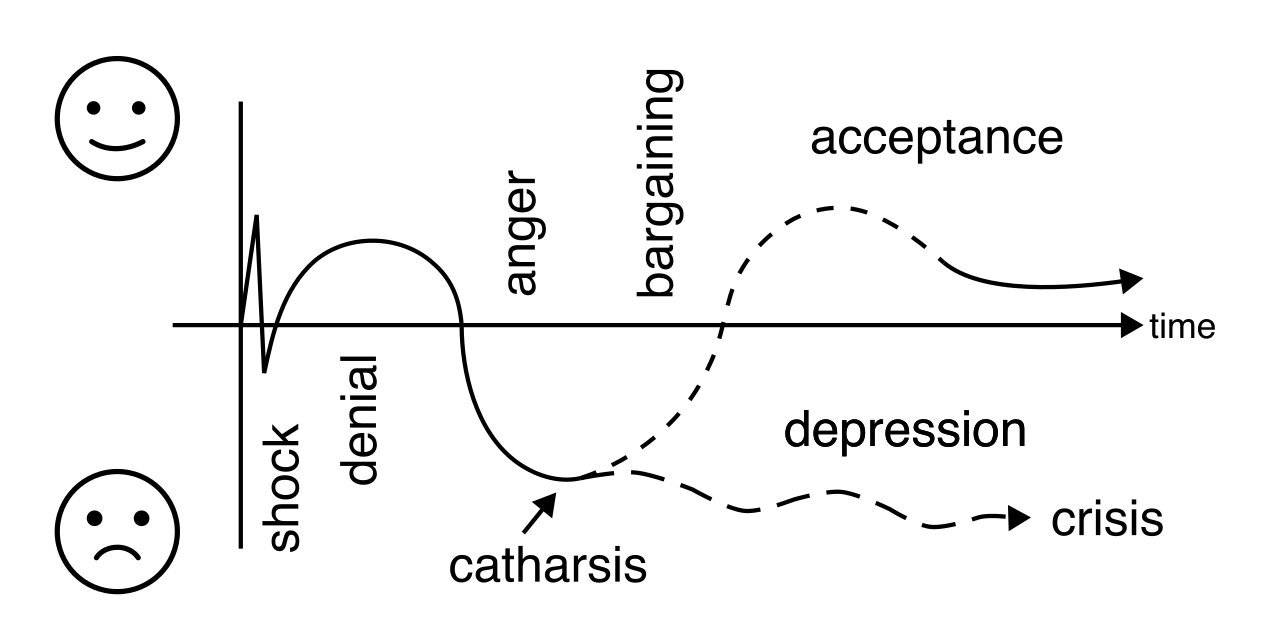
Let's define what these stages actually look like on the hospital floor:
- Denial: Denial involves the client rejecting the reality of a terminal diagnosis. ("The lab must have mixed up my results.")
- Anger: Anger during the grief process may be directed at healthcare providers or family members. (Do not take it personally when a grieving patient lashes out at you; it's the grief talking.)
- Bargaining: Bargaining involves the client attempting to negotiate for more time or a cure. ("If I can just live to see my grandson's graduation, I'll donate all my money to charity.")
- Depression: Depression during the grief process involves deep sadness over the impending loss.
- Acceptance: Acceptance involves the client acknowledging the reality of the impending death and finding peace.
The Nurse's Role in Emotional Support
When a patient is dying, you don't need a magic script. Often, you just need your presence.
- Active listening is a therapeutic communication technique used to support grieving clients. Let them talk. Do not try to "fix" their sadness with false reassurances.
- Providing presence involves sitting quietly with a dying client to offer emotional support. Sometimes, holding a hand in silence is the most powerful nursing intervention of all.
While we provide immense emotional support, we are still clinicians. The practical nurse must assess a dying client's physical comfort continuously.
What are the main enemies of comfort at the end of life?
- Pain management is a primary physiological need during end-of-life care. In hospice, we do not worry about opioid addiction; we worry about suffering. Give the pain medication.
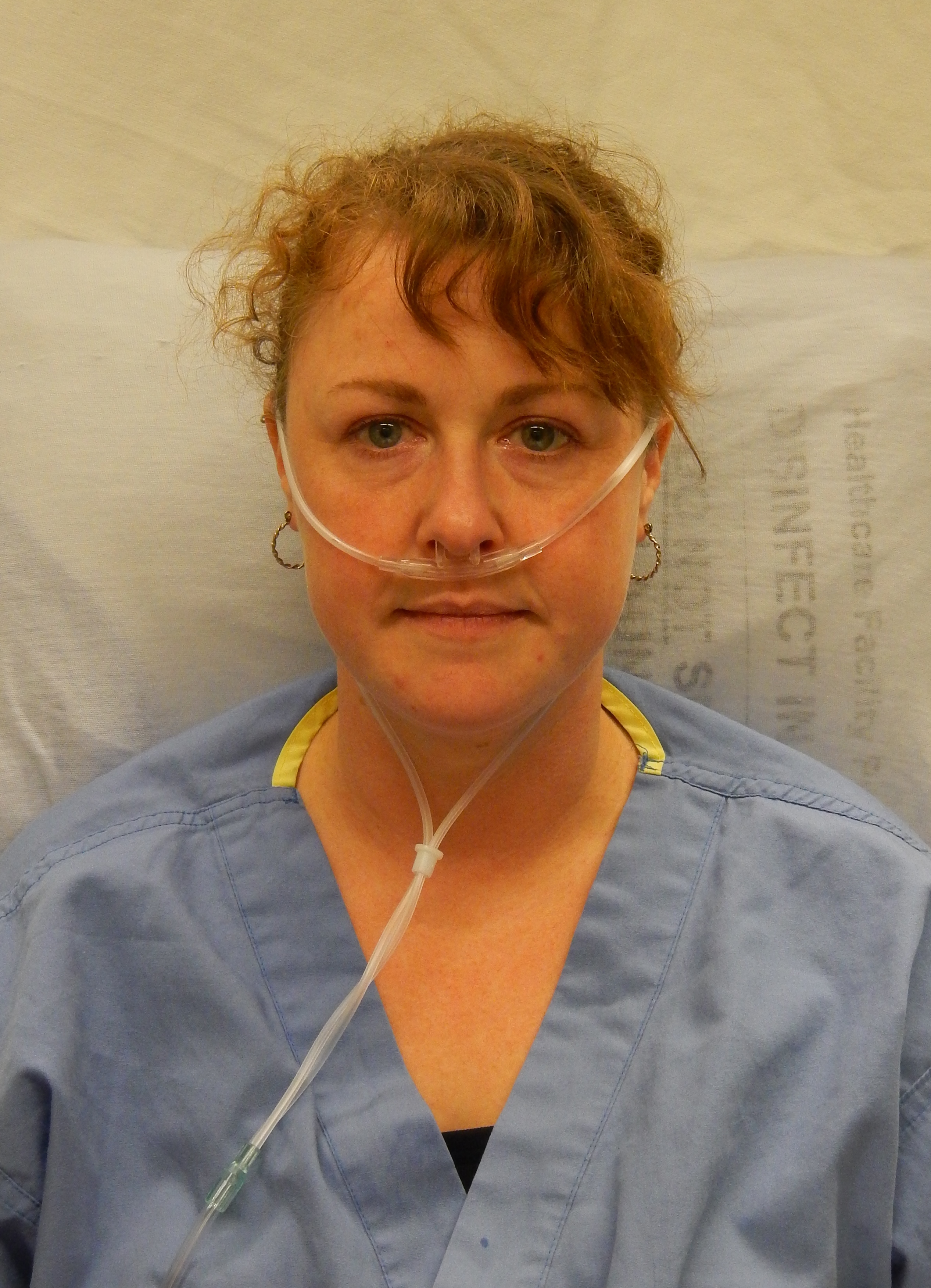
- Dyspnea is a common physical symptom experienced by clients at the end of life. (Air hunger). We treat this with positioning, oxygen, and often low-dose morphine to ease the sensation of breathlessness.
The Rules of Engagement: Advance Directives
How do we know what the patient wants when they can no longer speak for themselves? An advance directive is a legal document outlining a client's end-of-life medical preferences.
This is not a suggestion; it is a mandate. The healthcare team must honor the specifications detailed in a client's advance directive. A common component of this is a DNR. A Do Not Resuscitate (DNR) order prohibits cardiopulmonary resuscitation in the event of cardiac or respiratory arrest. If a patient's heart stops and they have a DNR, you do not call a code. You allow natural death to occur.
When the patient’s life ends, your duty as a nurse continues. Your care simply shifts focus—from the patient's survival to the profound dignity of their body, and the emotional survival of their family.
The practical nurse provides emotional support to the family immediately following a client's death. Give them time. Give them space. Offer tissues and a quiet environment.
Then, you must prepare the body. Postmortem care includes cleaning the deceased client's body according to facility policy and cultural practices.
Here is where our cultural competence loops right back into the picture! Even in death, culture dictates our actions:
- Islamic Traditions: Some Islamic traditions require the deceased body to be washed only by individuals of the same sex.
- Orthodox Jewish Traditions: Orthodox Jewish traditions may require that the deceased body not be left alone until burial. A family member or designated person (a shomer) will sit vigil with the body.

Summary for the Scholar
There you have it! To master this topic for the NCLEX-PN, you must remember that exceptional nursing requires you to view your client as a whole entity—biology, culture, mind, and spirit. Assess them by asking directly, accommodate their beliefs without judgment, control their physiological symptoms with precision, and guide them (and their families) through the transition of life with unwavering dignity.
Study these principles, understand why they matter, and you won't just pass the test—you will become a phenomenal nurse. Happy studying!