Abuse or Neglect
Not sure you’re ready?
Take the ~3-minute readiness diagnostic and see where you stand.
Welcome to the clinic! Take a seat. Today, we are going to talk about something incredibly heavy, but utterly vital. We’re talking about Abuse and Neglect.
When you strip away the monitors, the medications, and the charting, nursing is fundamentally about human observation. People come to us when their biological machinery breaks down, sure. But they also come to us when their lives are broken. As a nurse, you are the ultimate safety net. You are the one who looks at a bruised arm, listens to a story that doesn’t quite add up, and thinks, "Wait a minute. Something here defies the laws of common sense."
Today, we are going to learn how to spot those discrepancies, how to protect the vulnerable, and how to intervene without blowing up a fragile situation. Let's break it down.
Before we dive into the specific populations—children, elders, intimate partners—we need to understand the underlying physics of abuse. Why does it happen? How does it sustain itself?
First, let’s shatter a myth: Intimate partner violence affects individuals across all socioeconomic boundaries. It doesn't care about the balance in a bank account, the neighborhood, or the level of education. It is everywhere.
However, there are systemic accelerators—fuel for the fire. Social isolation is a significant risk factor for both child abuse and elder abuse. When doors close and nobody is watching, terrible things are allowed to bloom. Furthermore, household substance abuse increases the risk for intimate partner violence, acting as a chemical accelerant to pre-existing tensions. We also know that trauma tends to replicate itself: a history of experiencing childhood violence increases the risk of perpetrating abuse in adulthood.
The Engine: The Cycle of Violence
Abuse is rarely a steady, continuous hum. It operates like a predictable, cyclical engine. You must recognize this engine, because if you don't, you won't understand why a victim stays.
- The Tension-Building Phase: The environment feels like walking on eggshells. Minor frictions occur. Emotional abuse runs rampant here, which includes verbal assaults and threats of physical harm, as well as the intentional isolation of the victim from family members.
- The Acute Battering Episode: The tension snaps. This is the explosion of physical, sexual, or severe emotional violence.
- The Honeymoon Phase: This is the phase that confuses everyone on the outside. The cycle of violence concludes with a honeymoon phase characterized by the abuser's apologies. During this time, the honeymoon phase often involves the abuser promising to change. They might buy gifts and act like the perfect partner.

The Crucial Warning: Do not be fooled by the honeymoon. The cycle of violence typically repeats with increasing severity over time. The apologies get shorter; the violence gets harder.
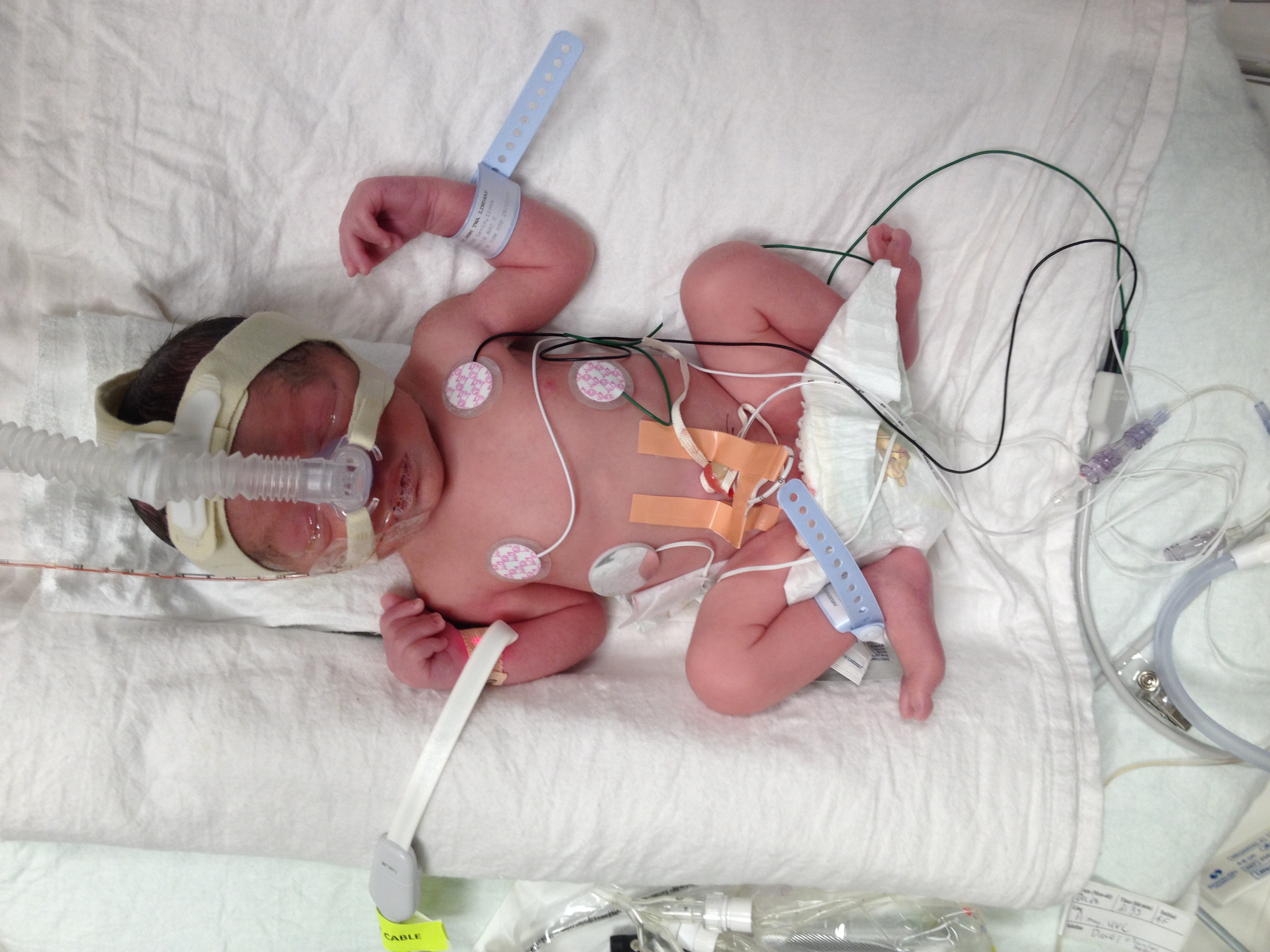
Children cannot advocate for themselves, which makes your assessment skills paramount. Certain children are inherently at higher risk. A history of premature birth is a risk factor for child abuse, as are a child's physical disability, both of which require high levels of caregiving energy. Combine this with a caregiver's lack of understanding about normal child development—like expecting a two-month-old to stop crying on command—and you have a recipe for disaster. Additionally, severe financial stress increases the likelihood of child neglect.
Reading the Clues: Physical Abuse vs. Neglect
When assessing a child, you are a detective. You are looking for the moment when the physics of an injury don't match the story. Discrepancies between the clinical findings and the caregiver's explanation suggest potential abuse.
Let's look at the objective evidence:
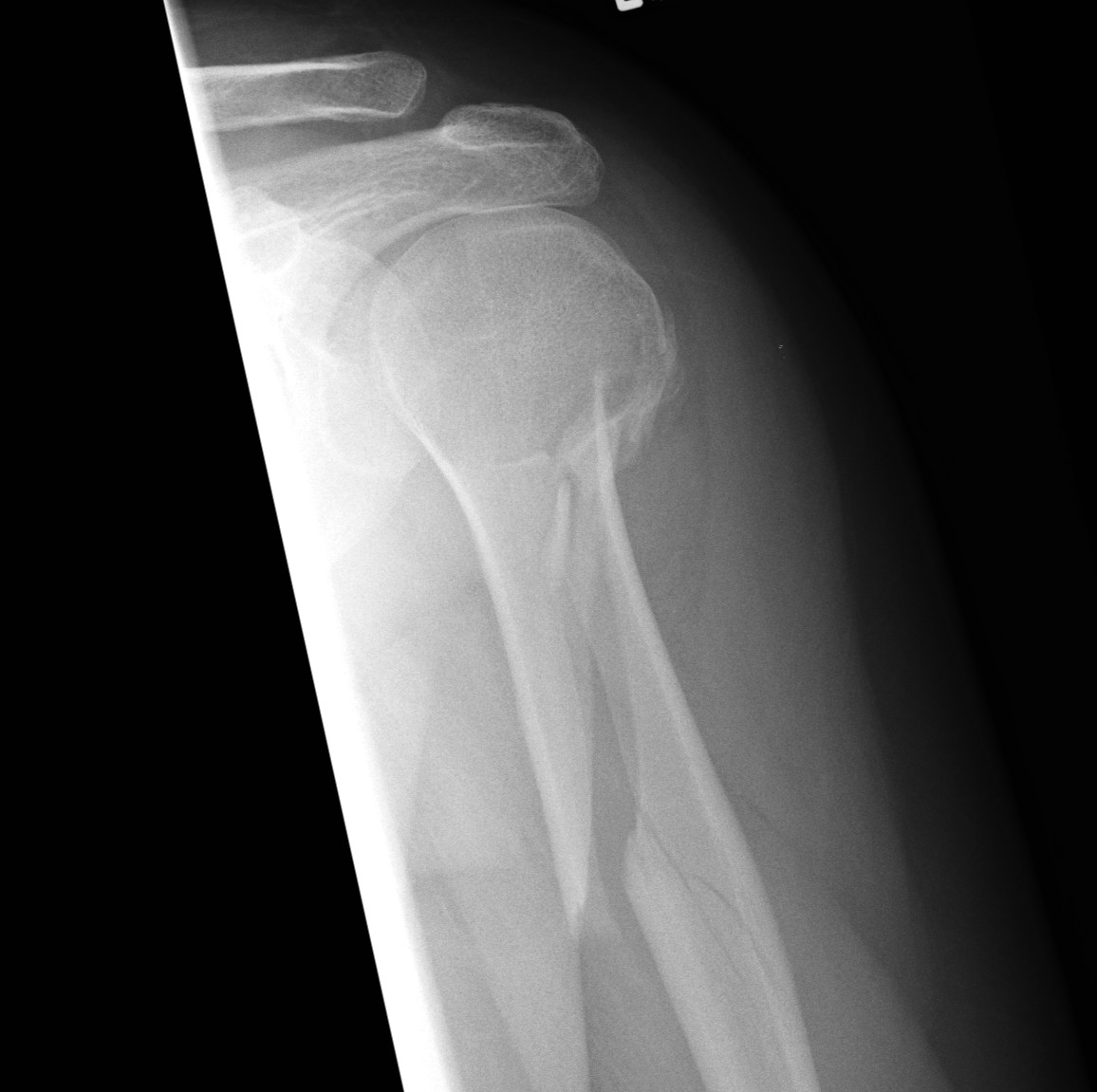
- The Bones: A caregiver says, "My three-month-old rolled off the bed and broke his leg." Wait. Stop. A three-month-old can't walk, and rolling off a low bed doesn't generate torque. Spiral fractures in non-ambulatory infants are clinical indicators of physical abuse. A spiral fracture requires a twisting motion. Babies don't twist their own limbs until they snap.
- The Skin: Kids play, kids fall. Bruises on the shins? Normal. But bruises in various stages of healing indicate repeated episodes of physical trauma. It means injuries are happening on a schedule, not as isolated accidents.
- The Brain: Retinal hemorrhages in an infant are classic signs of shaken baby syndrome. When a baby is violently shaken, the fragile blood vessels in the back of the eye rupture due to the brain sloshing inside the skull.
- The Behaviors: Sudden changes in a child's behavior (like sudden bed-wetting or extreme withdrawal) are clinical indicators of potential abuse. Furthermore, a delay in seeking medical care for an injury is a warning sign of potential child abuse.
What about sexual abuse and neglect?
- Genital trauma in a pediatric client is a primary indicator of sexual abuse.
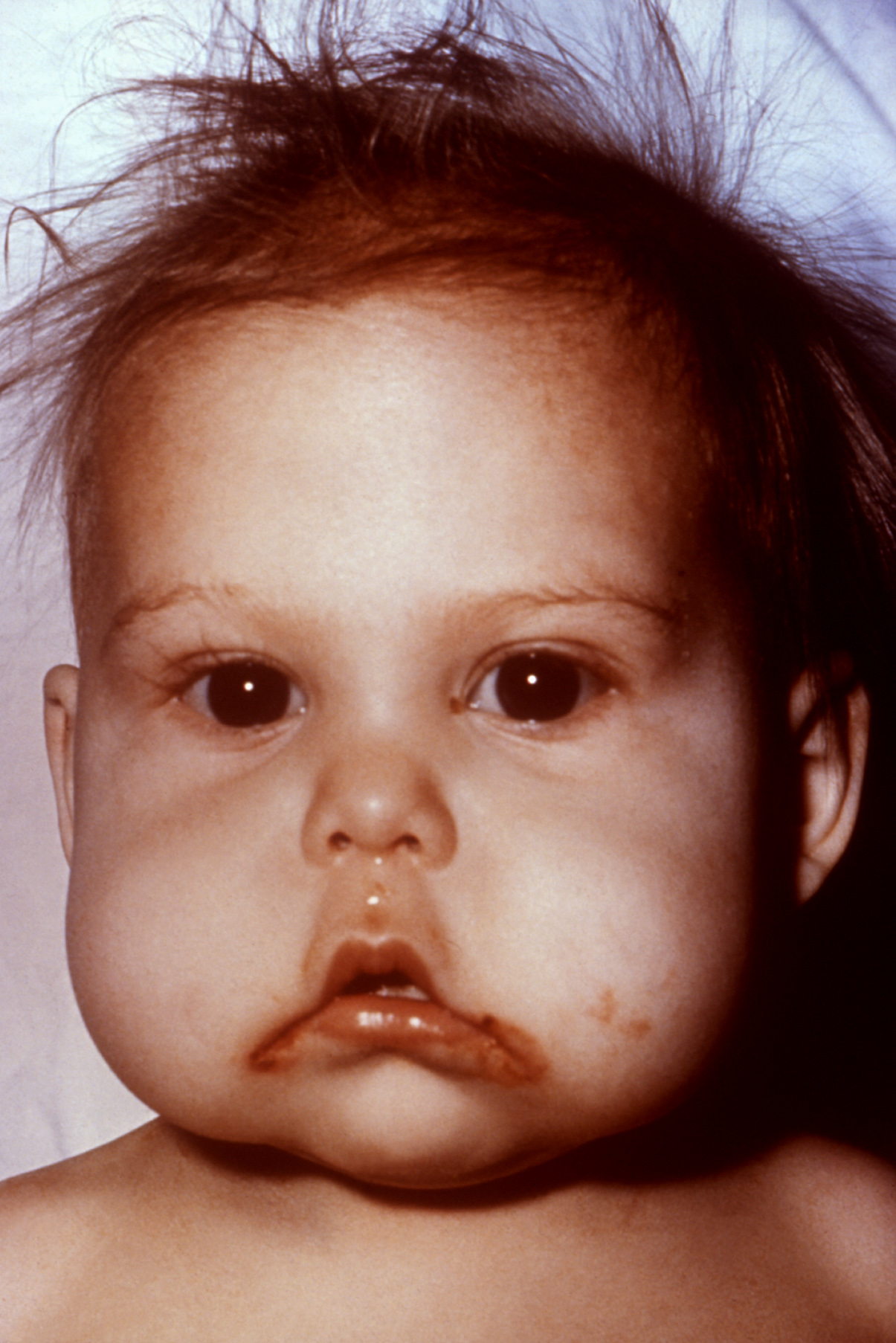
- Neglect is quieter but just as deadly. Poor hygiene is a clinical indicator of child neglect. Similarly, malnutrition without a medical cause is a clinical indicator of child neglect. If a child is wasting away and there's no metabolic or physical reason for it, they aren't being fed.
The Nursing Action for Children
If you suspect something, how do you proceed? First, nurses must interview a suspected abused child separately from the child's caregivers. The child will never speak the truth with their abuser standing over their shoulder.
The Absolute Rule of Child Protection: Registered nurses are legally mandated to report suspected child abuse to child protective services (CPS). Notice the word suspected. Absolute proof of child abuse is not required to file a report with protective services. It is not your job to play judge and jury. It is your job to report the smoke so the experts can look for the fire.
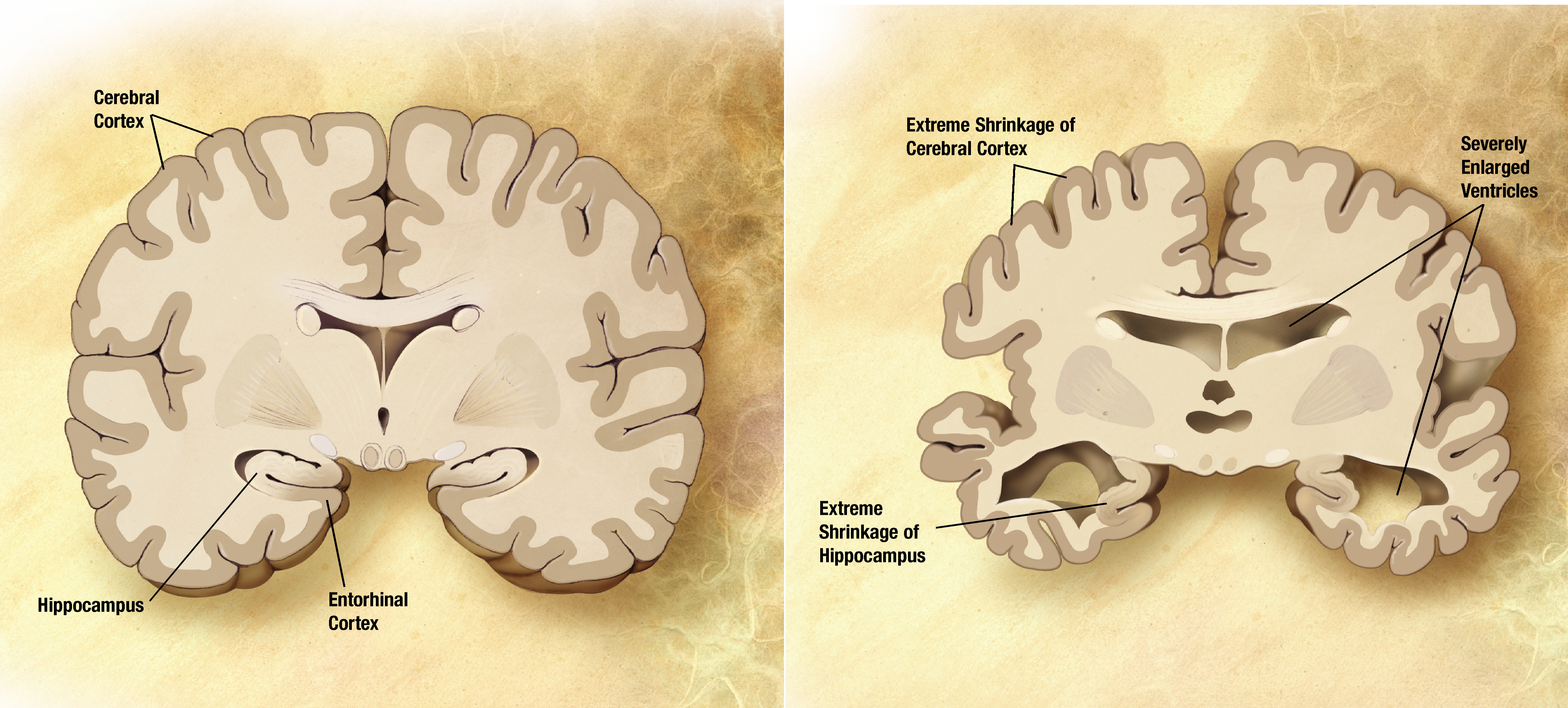
At the other end of the lifespan, we have our older adults. They suffer from different vulnerabilities. Clients diagnosed with dementia are at an increased risk for elder abuse because they may lack the cognitive ability to report it, or they may exhibit challenging behaviors that frustrate caregivers. In fact, caregiver strain is a significant risk factor for elder abuse.
Recognizing Elder Abuse
The signs here often masquerade as the normal aging process if you aren't paying close attention.
| Type of Elder Abuse | Clinical Indicators & Nursing Assessment |
|---|---|
| Physical Abuse | Bilateral bruising on the upper arms of an older adult suggests physical abuse. Think about the mechanics: someone grabbing the elder by both arms and aggressively shaking or moving them. |
| Physical Neglect | Unexplained weight loss is a potential clinical sign of elder neglect. Furthermore, an older adult's lack of access to basic necessities indicates potential elder neglect. Look closely at their skin: pressure ulcers in dependent older adults often indicate physical neglect, as it means they are being left in one position for hours or days. |
| Financial Abuse | Elder financial abuse involves the unauthorized use of an older adult's property. Watch for unpaid bills despite adequate income, or sudden changes in wills and power of attorney. |
The Nursing Action for Elders
Just as with children, registered nurses are legally mandated to report suspected elder abuse to adult protective services (APS). You are their voice when cognitive decline or fear takes theirs away.
IPV is incredibly complex. You might ask, "Why don't they just leave?" To understand that, you must understand the terror they live in.
There are massive escalation triggers in IPV. Most notably, pregnancy is a period of increased risk for the escalation of intimate partner violence. The abuser often feels a loss of control or jealousy toward the unborn child, shifting the dynamic violently.
Screening and The Mechanics of Escape
Because abusers are incredibly controlling, nurses must conduct intimate partner violence screenings in a private environment. Never ask a patient if they feel safe at home while their partner is sitting in the visitor's chair. You will get a lie, and you will put the patient in danger.
Now, here is the most terrifying statistic you need to memorize: Victims of intimate partner violence face the highest risk for homicide when attempting to leave the abusive relationship. Leaving is not an event; it is a highly dangerous extraction.
The Nursing Action for IPV: Safety Planning
Because leaving is so lethal, safety planning is the primary nursing intervention for a client experiencing intimate partner violence. You must help them build a parachute before they jump.
A proper safety plan involves concrete, actionable steps:
- The Go-Bag: A domestic violence safety plan includes preparing a bag of essentials hidden in a secure location. (Keys, cash, birth certificates, medications).
- The Signal: A domestic violence safety plan includes establishing a code word to signal friends for immediate help.
- The Escape Route: You must ensure they know where to go. Providing a list of local domestic violence shelters is a standard nursing intervention.
The Autonomy Check: What if they admit to being beaten, but they refuse to let you call the cops? This is a tough pill to swallow, but legally and ethically: Competent adult victims of intimate partner violence have the right to decline police involvement. Unlike children and elders, competent adults have autonomy. You cannot force an intervention that might escalate their risk of being murdered that night. You offer resources, you plan for safety, but you respect their choice.
How you act, speak, and type in these situations dictates the legal and emotional outcome of the case.
The Art of Therapeutic Communication
When a patient finally admits they are being abused, they are handing you something incredibly fragile. They expect judgment. Give them validation instead.
- Therapeutic communication with an abused client involves validating the client's personal experiences. Say, "I believe you. That sounds terrifying."
- They will carry immense guilt. The nurse must reassure the abused client that the abuse is not the client's fault.
- Do not focus purely on the victimization. Counseling an abused client includes focusing on the client's positive coping mechanisms. Say, "It took incredible courage to tell me this today."
What about the abuser? You will treat perpetrators. You will clean their wounds and check their vitals. Nurses must maintain a nonjudgmental attitude when caring for the perpetrator of abuse. Your job is not to punish; your job is to provide objective medical care. Leave the justice to the courts.
Ironclad Documentation
If this goes to court, your chart will be exhibit A. It must be scientifically and objectively flawless.
- Nurses must document objective findings of abuse using direct quotes from the client. If the client says, "My husband hit me with a toaster," you write: Client states, "My husband hit me with a toaster." Do not write: Client alleges domestic dispute.
- Documentation of physical abuse must include the exact size and color of all client injuries. Measure it. Be specific. “3 cm x 4 cm purple contusion on left lateral forearm.”
- A picture is worth a thousand words, but only if you have permission. Photographing an abused client's injuries requires obtaining the client's informed consent. You cannot just whip out a camera. Explain why the photos are needed (for their medical and legal record), and get their explicit consent.
Final Thoughts from the Professor
When it comes to abuse and neglect on the NCLEX—and in real life—remember your dual role. You are a scientist collecting objective data (measuring bruises, noticing spiral fractures, tracking weight loss). But you are also an advocate fiercely protecting human dignity. You look for the discrepancies. You ask the hard questions in private. You plan for safety. And when the law demands it, you report.
You don't need absolute proof. You just need to care enough to see what is right in front of you. Now, study this material, know your risk factors, and go be the safety net your patients desperately need!