Behavioral Interventions
Not sure you’re ready?
Take the ~3-minute readiness diagnostic and see where you stand.
The Mechanics of the Mind: A Masterclass in Behavioral Interventions
Welcome! Take a seat. Today, we’re going to look at something absolutely spectacular—the human mind. And more specifically, what happens when the magnificent machinery of the mind starts to misfire, and how you, as a nurse, step in to help steady the gears.
When you study behavioral interventions for the NCLEX, you shouldn’t just memorize a list of sterile rules. You need to understand the physics of human behavior. Why do people act the way they do? How does anxiety physically alter cognition? How do you use your own body, your voice, and your boundaries as therapeutic instruments?
We are going to break down how to assess a client’s baseline, how to dial down the overwhelming frequency of anxiety, and how to safely de-escalate a system that is spiraling out of control. Let’s figure out how this all works.
Before you can intervene, you have to observe. You must look at the patient the way a physicist looks at a pendulum—watching the swing, the momentum, the friction.
The Baseline of Daily Living
When you walk into a client's room, what is the first piece of data you gather? It’s not their blood pressure. It is their appearance. You see, evaluating a client's personal hygiene provides insight into the client's current baseline functional status. If a client who normally takes great pride in their appearance suddenly stops showering or changing their clothes, nature is giving you a massive clue. The executive function required to sequence the tasks of self-care has been compromised.
Decoding Affect, Speech, and Thought
Next, you look at their emotional resonance. We call this affect. Sometimes you'll observe a flat affect, which is a severe reduction in emotional expressiveness. You tell a joke, you tell a tragedy, and the face remains a blank slate.
Then you listen to the engine of their thoughts. How are they speaking?
- Are they experiencing a flight of ideas? This is a continuous flow of accelerated speech with abrupt changes between unrelated topics. The brain is firing so fast that the mouth can barely keep up, jumping from the weather, to a dog they saw in 1998, to the concept of gravity.
- Or perhaps they are exhibiting echolalia, which is the unsolicited repetition of vocalizations made by another person. You say, "It's time for meds," and they echo back, "Time for meds, time for meds." They are acting as a vocal mirror.
Motor and Neurological Glitches
Now, let's watch how they move, because the mind dictates the body. Sometimes you will see psychomotor agitation, which manifests as excessive motor activity associated with a feeling of inner tension. They are pacing, wringing their hands, pulling at their clothes. It’s a physical manifestation of an overloaded circuit.
On the complete opposite end of the spectrum is a fascinating and strange phenomenon called waxy flexibility. This is a psychomotor symptom of catatonia involving the maintenance of an imposed posture. If you lift the client's arm above their head to take their pulse, and then let go, their arm just stays there, suspended in the air like a wax figure.
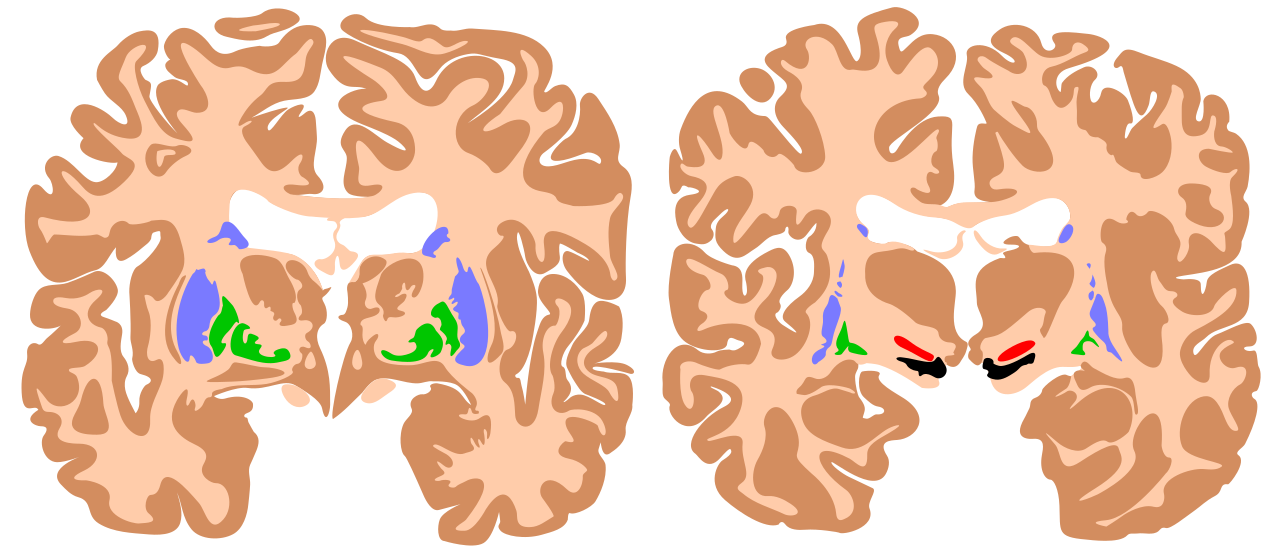
You must also be a detective distinguishing between psychiatric symptoms and medication side effects. Long-term use of certain psychiatric drugs (neuroleptics) can rewrite the motor pathways.
- You might see tardive dyskinesia, which involves involuntary repetitive body movements linked to long-term neuroleptic medication use—like lip-smacking or grimacing.
- Or you might see akathisia. This is an extrapyramidal symptom characterized by a subjective feeling of inner restlessness. It is agonizing for the client because akathisia presents with a constant physiological need for a client to move the body. They literally cannot sit still.
When the Brain's Software Fails: Agnosia vs. Apraxia
Sometimes the hardware is perfectly fine, but the software is scrambled. Let's look at two neurological deficits that sound similar but operate differently:
| Concept | The Mechanism | The Real-World Example |
|---|---|---|
| Agnosia | Agnosia is the neurological inability to process sensory information and recognize objects. | The client's eyes work perfectly, but when you hand them a toothbrush, their brain cannot process what it is. |
| Apraxia | Apraxia is the inability to execute purposeful motor movements despite intact motor function. | The client's muscles are strong, but when you ask them to brush their teeth, the brain cannot organize the motor command to do it. |
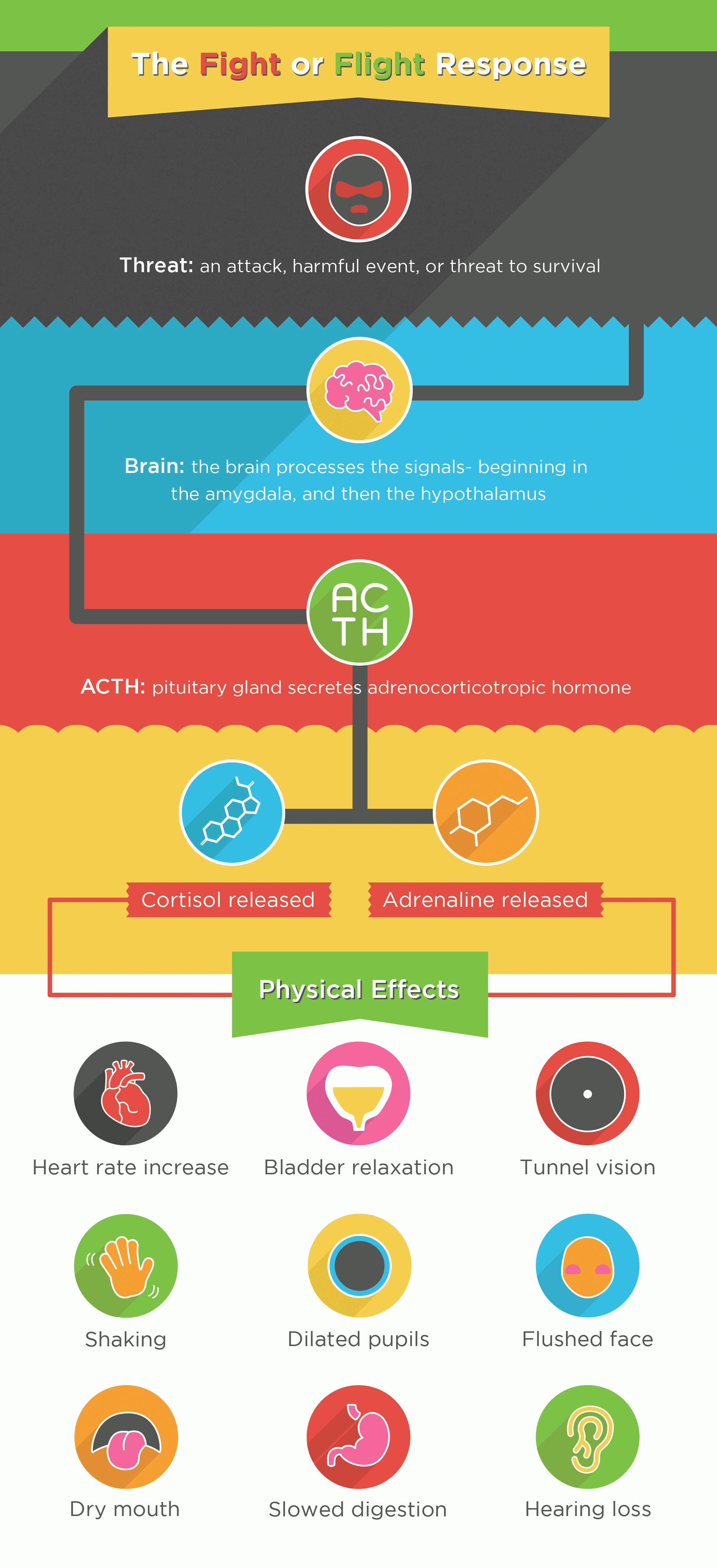
Anxiety is an incredible survival mechanism. It is the body’s alarm system. But like any alarm, if it rings too loud or too long, it causes chaos.
The Anxiety Curve: From Helpful to Catastrophic
Nature didn't design anxiety to be entirely bad! At the lowest level, anxiety is just biological arousal. Mild anxiety enhances a client's cognitive perception, and because of this heightened alertness, mild anxiety enhances a client's learning abilities. Think about the slight nervousness you feel before a big exam—it focuses your mind!
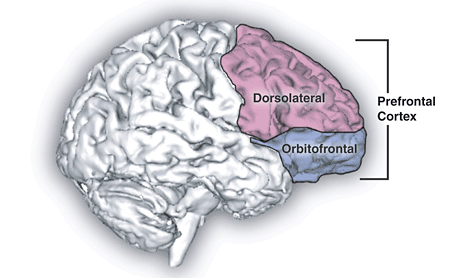
But as the dial turns up, cognitive function collapses. When a client reaches the top of the curve, panic-level anxiety causes a complete loss of rational thought. The prefrontal cortex—the logical, thinking part of the brain—is essentially disconnected.
The Golden Rule of Severe Anxiety: Do not try to teach or rationalize with a client in severe or panic-level anxiety. The learning centers of the brain are offline.
Intervening in the Midst of Panic
When someone is in a severe or panic state, you become their external regulator. How?
- Presence: Simply staying physically present with a severely anxious client promotes a sense of safety. You become a stable anchor in their turbulent sea.
- Communication: You must strip your language down to the bare essentials. Speaking in short sentences improves comprehension for a client experiencing severe anxiety. Complex paragraphs are just noise to a panicking brain.
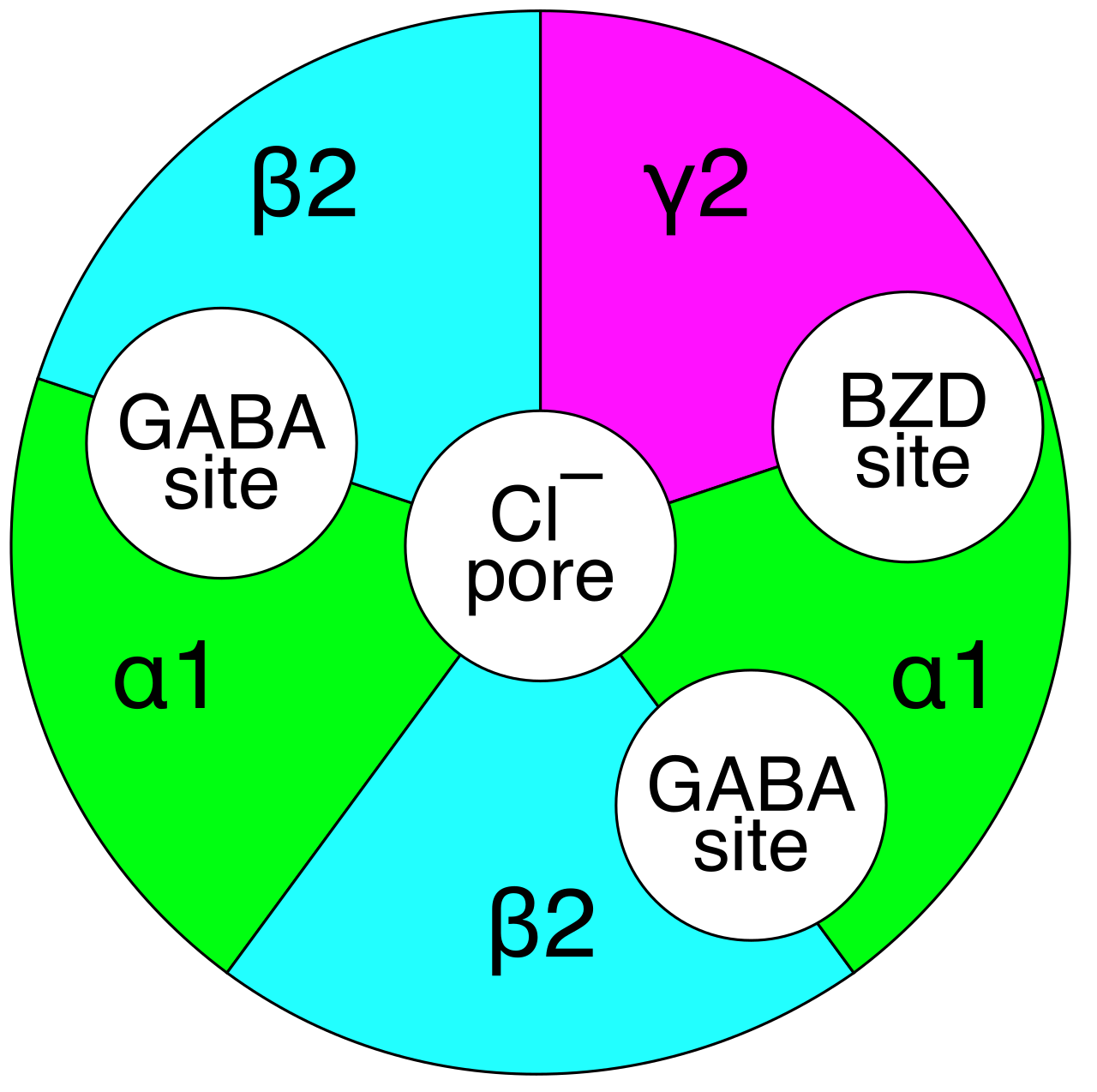
- Pharmacology: When the nervous system is running dangerously hot and non-pharmacological methods aren't enough, chemistry can help. Benzodiazepines are pharmacological agents used for the short-term relief of severe anxiety symptoms.
Rewiring the System: Coping and Desensitization
Once the acute panic subsides, how do we help clients build long-term self-control? We teach them how to manually override their own autonomic nervous system.
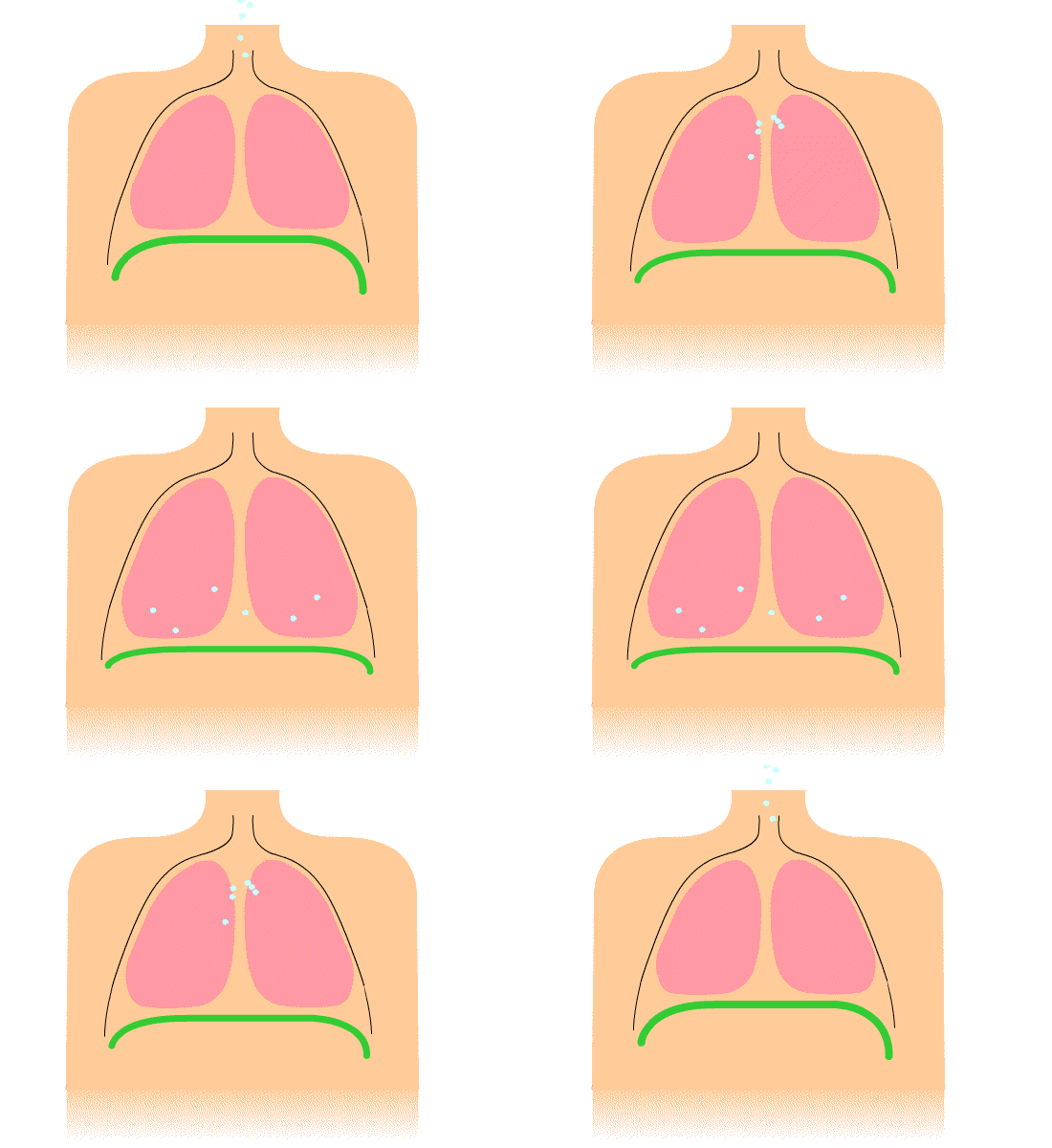
- Physiological Overrides: We know that deep breathing exercises activate the parasympathetic nervous system to reduce anxiety. It’s a physiological hack to slow the heart rate. We also teach progressive muscle relaxation, which involves systematically tensing and relaxing muscle groups to alleviate physical tension.
- Anchoring to the Present: When a client's mind is trapped in a traumatic past or a terrifying future, we use grounding techniques. These help detach a client from emotional pain by focusing on the present physical environment.
- The Classic Example: The 5-4-3-2-1 coping technique requires the client to identify specific sensory elements in the immediate environment (e.g., name 5 things you can see, 4 you can touch, 3 you can hear...). It forces the brain to process concrete sensory data instead of abstract fear.
- Cognitive Shifts: We use distraction techniques, which disrupt rumination by engaging the client in an unrelated cognitive task (like counting backwards from 100 by 7s). Furthermore, cognitive reframing assists clients in identifying and challenging negative thought patterns. It helps them test their thoughts like hypotheses.
- Practice: Once they learn these tools, role-playing allows a client to practice newly learned coping mechanisms in a safe environment.
If the client has a specific, intense phobia, we have two behavioral strategies to rewrite the fear response:
- Systematic desensitization gradually exposes a client to a feared stimulus while employing relaxation techniques. It's like slowly walking into a cold pool step by step.
- Flooding, on the other hand, exposes a client to a maximum level of a feared stimulus until the anxiety response extinguishes. It’s throwing them into the deep end until the brain realizes, "Hey, I didn't die. I must be safe."
Let’s talk about agitation. An agitated client is a high-energy system looking for a place to discharge. Your goal is to ground that energy safely.
The Mechanics of De-escalation
De-escalation is deeply physical. It’s about how you position yourself in space and time.
- Posture: De-escalation requires the nurse to maintain a non-threatening posture. Keep your hands visible, uncrossed, and relaxed.
- Space: You must be maintaining a personal space of at least two arm lengths, which prevents an agitated client from feeling cornered. If they feel trapped, their fight-or-flight response will choose "fight."
- Voice: Sound waves matter! Using a low-pitched voice conveys calmness to an agitated client. High-pitched, rapid speech triggers alarm; low, steady tones signal safety.
Building Architecture for the Mind
Chaos breeds anxiety. To combat this, we create structure.
- Providing a structured daily routine reduces anxiety by minimizing unexpected environmental changes. A predictable world feels like a safe world.
- When a client feels powerless, they lash out. Providing clear choices between two acceptable options increases an agitated client's sense of control. ("Would you like to take your medication with water or apple juice?" You aren't giving them the choice to refuse the med, but you are giving them agency in how they take it).
- If a client focuses on a destructive behavior, redirection shifts a client's attention from a maladaptive focus to a constructive activity.
- If they cannot be redirected and the environment is too chaotic, time-out interventions remove a client from an overstimulating environment to facilitate self-regulation.
Setting Limits and Reinforcing the Good
You have to teach clients the boundaries of reality. Setting clear boundaries establishes predictable expectations for client behavior. When a client begins crossing a line, you must use limit setting.
- Limit setting requires nurses to communicate behavioral expectations to a client in a direct manner. Be unambiguous.
- Limit setting requires nurses to explicitly communicate the consequences of violating behavioral expectations. "If you continue to yell, we will have to leave the dayroom."
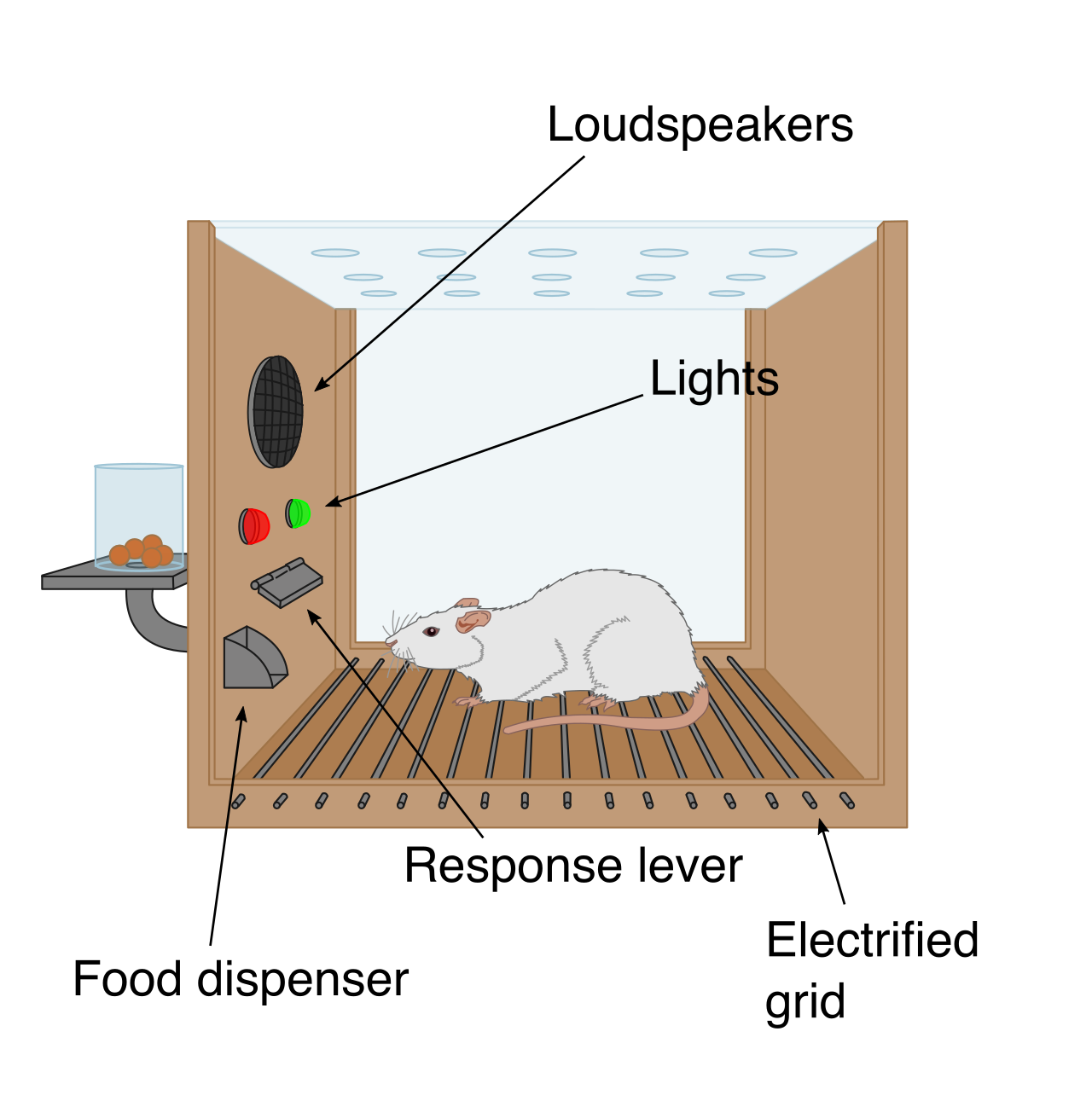
Conversely, when they do the right thing, we reinforce it! Positive reinforcement increases the likelihood of a desired behavior by presenting a rewarding stimulus. In structured environments, we use token economies, which use secondary reinforcers to promote positive behaviors in inpatient psychiatric settings. (They earn a token for attending group therapy, which can be traded for a privilege).
The Intervention of Last Resort
When all verbal and environmental controls fail, and there is an imminent threat to life or safety, we use physical restraints. But listen carefully: Physical restraints must be the intervention of last resort when all other behavioral management techniques fail. Because restraints strip a human of their fundamental autonomy, the legal and ethical guardrails are massive. Because of this severity, a physician must evaluate an adult client within one hour of the initiation of physical behavioral restraints.
Finally, let's talk about perception. What happens when a client's brain is painting a picture of the world that is factually incorrect?
First, understand the difference between a misperception and a complete fabrication:
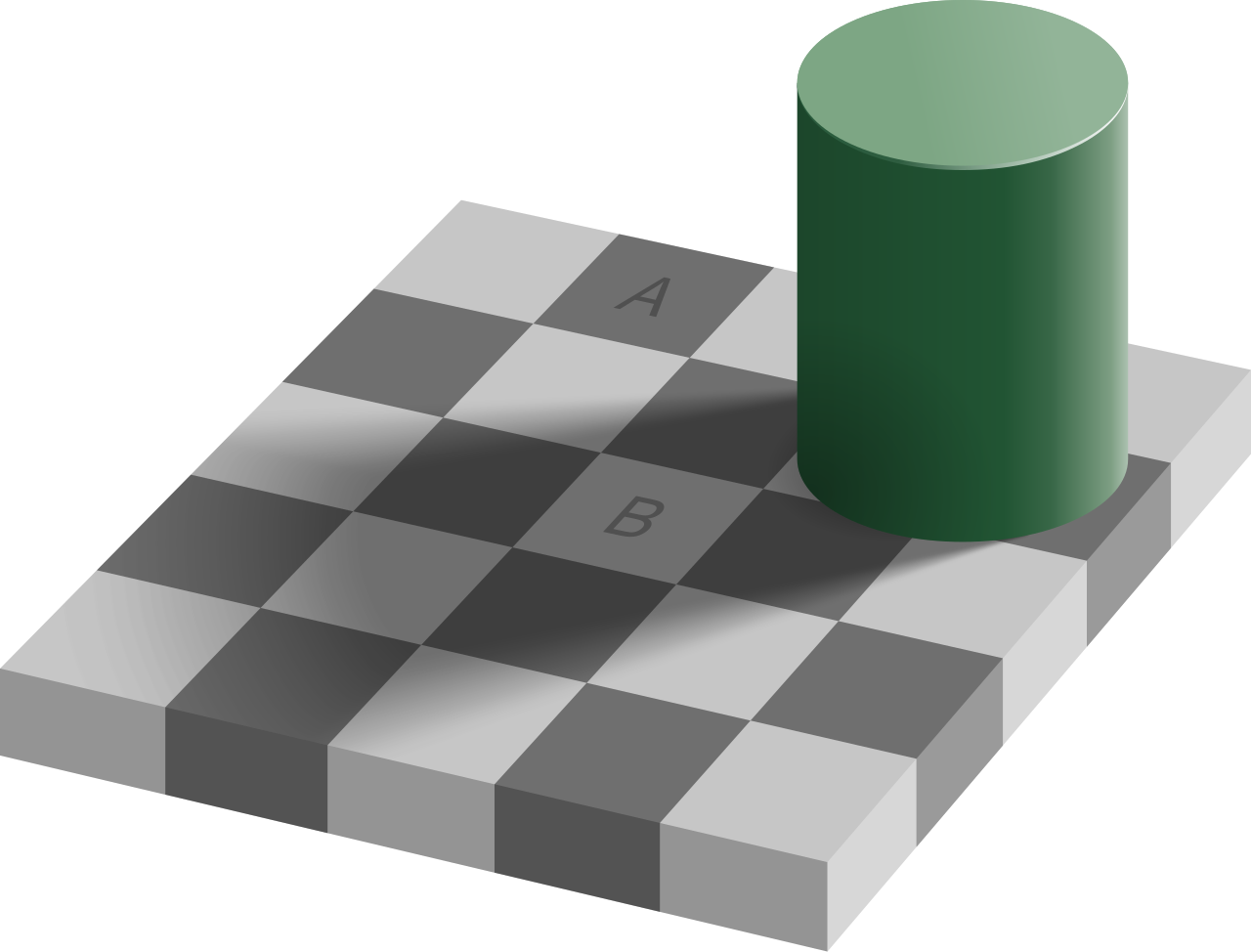
- An illusion is a misperception of an actual external sensory stimulus. There is a real shadow on the wall, but the brain misinterprets it as a demon.
- A hallucination is a sensory perception occurring in the absence of an external stimulus. There is no shadow, there is no sound, but the client sees and hears a demon anyway.
How to Speak to the Unreal
When a client is deeply delusional or hallucinating, your instinct might be to argue with them. "There's nobody there!" But arguing with a delusion is like arguing with gravity—you will lose, and the client will only become agitated.
Instead, we use a technique called presenting reality, which involves stating the facts of a situation without arguing with a client's false beliefs. You simply say, "I know you hear voices, but I do not hear anyone else in this room." You are acknowledging a client's delusion without agreeing with the delusion, which prevents behavioral escalation while maintaining your clinical integrity.
For clients suffering from acute psychiatric episodes, we use reality orientation. This involves continuously reminding a client of the current time, physical location, and personal identity. It helps rebuild the scaffolding of their reality.
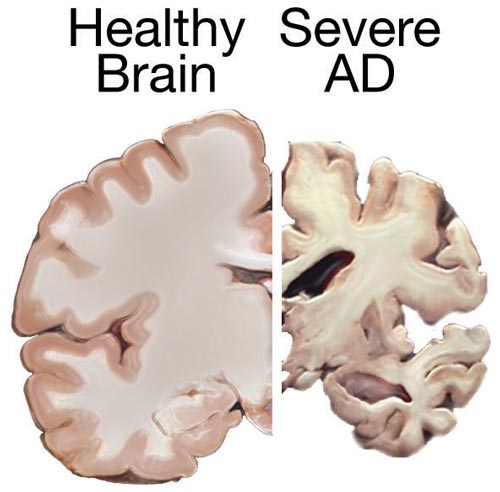
The Dementia Exception: Validation Therapy There is a crucial exception to reality orientation. If you have a client with advanced dementia who is crying because they cannot find their mother (who passed away 40 years ago), reality orientation is cruel. Telling them their mother is dead forces them to relive acute grief.
Instead, we use validation therapy, which focuses on the emotional truth of a client's statements rather than the factual accuracy of those statements. You ask, "You miss your mother? Tell me what she was like." You validate the emotion without correcting the timeline.
Summary
The human mind is a complex, beautiful, and sometimes fragile system. By assessing the mechanics of their behavior (from their hygiene to their psychomotor movements), understanding the exact frequency of their anxiety, utilizing the physical laws of de-escalation, and knowing exactly how to anchor them to reality, you become a master of behavioral intervention.
Now, go out there and observe the universe of the mind.