Accident, Error, and Injury Prevention
Not sure you’re ready?
Take the ~3-minute readiness diagnostic and see where you stand.
Welcome to the clinic, the ward, the intensive care unit. Take a look around. What do you see? You probably see marvels of modern medicine: life-saving medications, advanced diagnostic imaging, and brilliant professionals. But I want you to look closer. I want you to put on a different pair of glasses today.
When you look at a hospital through the lens of physics, biology, and human behavior, you don’t just see a place of healing. You see an obstacle course of immense kinetic, chemical, and biological energy. Our job as nurses isn’t just to administer care; it is to master this environment. We are the architects of safety. We are the ones who predict the unpredictable.
Today, we are going to learn how to outsmart accidents, errors, and injuries before they even happen. Let’s dive in.
Imagine the human immune system as a highly trained, albeit slightly paranoid, security guard. Most of the time, it does a brilliant job keeping pathogens out. But occasionally, it fundamentally misunderstands an innocent protein and triggers a catastrophic alarm.
To prevent this, we must perform a comprehensive nursing allergy assessment. You cannot simply ask, "Are you allergic to anything?" That is far too vague! You must systematically ask the client about three distinct domains: environmental allergens (like pollen or dust), medication allergens (like penicillin), and food allergens (like peanuts or shellfish).
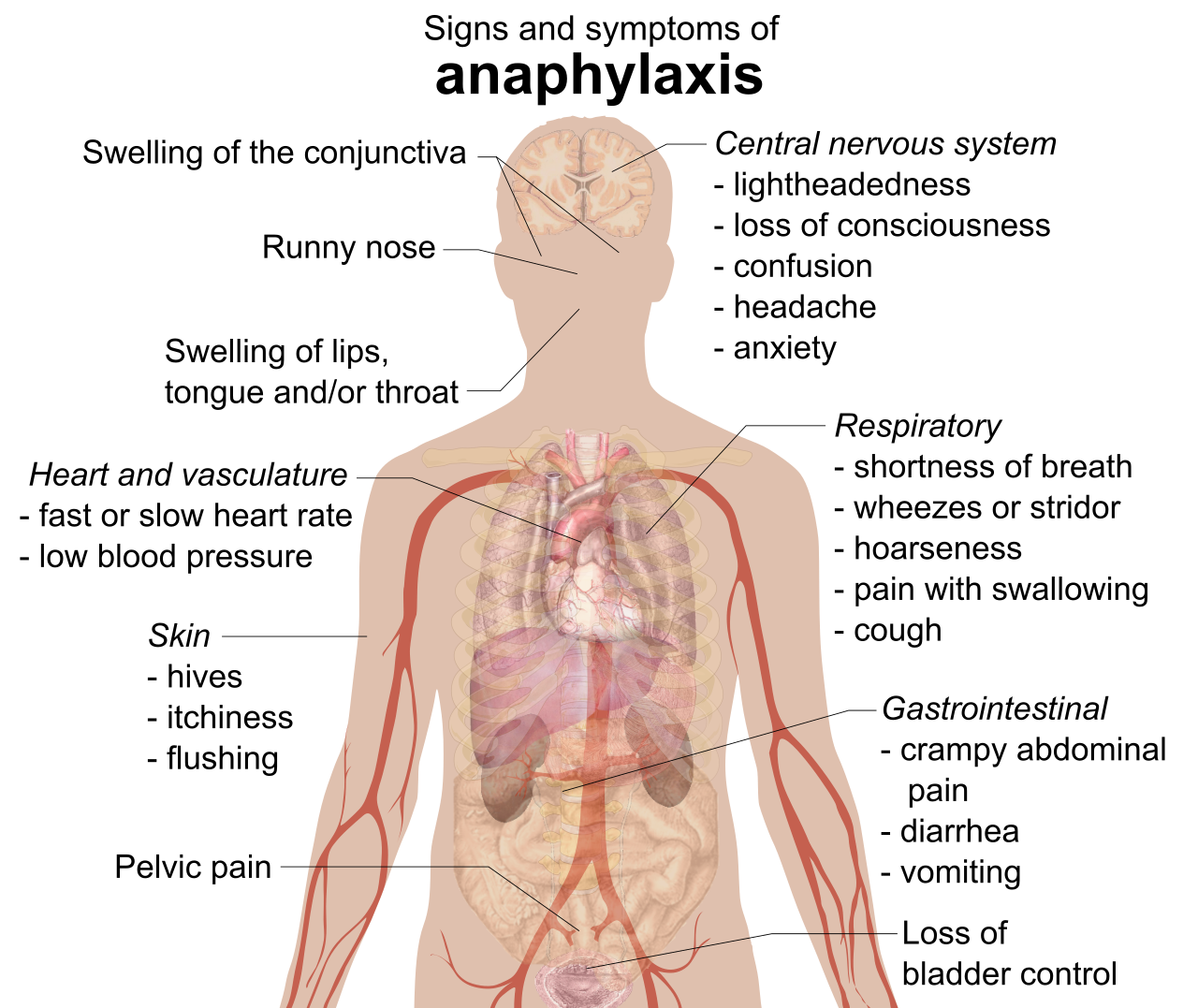
But here is where the science gets truly fascinating. You must act as a medical detective and document the specific physiological reaction caused by a client's identified allergen. Why? Because a patient telling you they get an upset stomach from taking codeine is describing an expected side effect. A patient telling you their throat closes up when they take codeine is describing a life-threatening anaphylactic reaction. We need to know exactly how the body responds.
The Red Stoplight: Once an allergy is identified, healthcare facilities use red allergy wristbands to visually communicate these client allergies to the entire care team. It is a universal stop sign.
Now, before you hand that patient a pill, you have a crucial checkpoint. Nurses must independently verify all documented client allergies prior to administering any new medication. You do not trust the chart blindly; you trust your own verification.
The Strange Physics of Molecular Mimicry: Latex Allergies
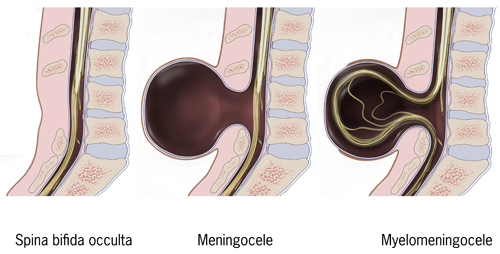
Let's talk about latex. You might think latex is just rubber, but biologically, it contains proteins. And certain populations are uniquely vulnerable. Latex allergy risk is significantly higher in clients diagnosed with spina bifida. Why? Because these individuals undergo multiple surgeries and require frequent urinary catheterizations from a very young age. This repeated, early exposure to latex medical products hyper-sensitizes their immune system.
But wait, it gets stranger! Nature is a master of recycling molecular shapes. The proteins found in latex are structurally homologous—meaning they look incredibly similar—to the proteins found in certain fruits. Because of this, individuals with a latex allergy often experience cross-reactivity when consuming bananas, avocados, and kiwis. Their immune system looks at a banana and literally sees a latex glove.
Safety isn't a static concept; it changes drastically depending on the developmental and cognitive state of the human being in front of you.
Let’s look at the beginning of life. Toddlers face a high risk of accidental poisoning. Why? Because toddlers are little empirical scientists! They learn about their universe through developmentally normal exploratory behaviors—specifically, by putting absolutely everything into their mouths. They don't know that the brightly colored liquid under the sink is bleach; they think it's fruit juice.
Fast forward to the later stages of life. Older adults face an elevated risk of accidental falls. This is a simple problem of physical degradation. They suffer from age-related decreases in visual acuity (their sensory input is compromised) and age-related decreases in muscle strength (their motor output is weakened). When you can't clearly see the obstacle and lack the leg strength to catch your balance, gravity wins.
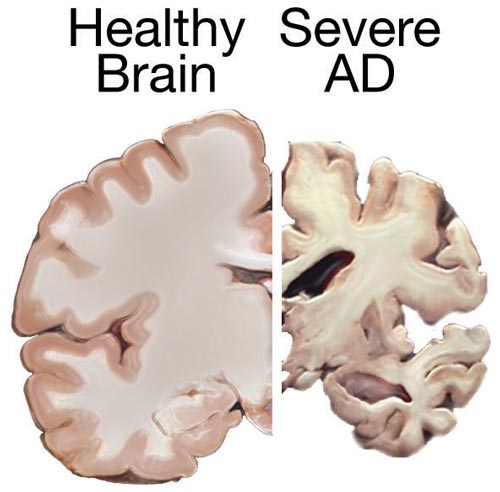
Then, we introduce the brain itself. Cognitive impairment significantly increases a client's risk for dangerous wandering behaviors. If the brain's internal map and logical reasoning are damaged—say, by dementia—the patient may attempt to leave the hospital to "go to work" at a job they retired from thirty years ago. Furthermore, this same cognitive impairment significantly increases a client's risk for accidental self-harm, as they lose the ability to accurately evaluate danger.
Gravity is a constant acceleration of 9.8m/s2 pulling your patients toward the floor. To defeat it, we must first measure the risk of it happening. We don't guess; we calculate.
We utilize standardized clinical tools to calculate a client's specific risk for falls. Two of the most prominent are the Morse Fall Scale and the Hendrich II Fall Risk Model. These are elegant, evidence-based tools that assign numerical values to historical and physical variables, giving us a precise picture of vulnerability.
Chemical Culprits
Sometimes, the medications we give disrupt a patient's equilibrium.
- Sedating medications directly increase a client's risk for falls by dulling central nervous system reflexes. You are quite literally slowing their reaction time.
- Antihypertensive medications increase a client's risk for falls due to potential orthostatic hypotension. Think of the cardiovascular system as a series of pressurized pipes. When a patient stands up quickly, gravity pulls the blood down. If the antihypertensives prevent the blood vessels from constricting fast enough to push blood back up to the brain, the patient gets dizzy and goes down.
Engineering the Environment
How do we alter the environment to protect them?
- Reduce Potential Energy: By maintaining a hospital bed in the lowest possible position, we minimize the physical impact if a client falls out of the bed. It’s simple physics—a shorter distance means less kinetic energy upon impact.
- The Lifeline: Nurses must ensure the call bell remains within the client's immediate reach at all times. If they can't reach the bell, they will try to reach the bathroom on their own.
- Illumination and Clear Paths: Adequate room lighting is required to prevent accidental tripping hazards. Furthermore, a clutter-free client room environment directly reduces the incidence of tripping accidents among clients and staff. To maintain this, we perform routine environmental rounds to proactively identify and remove potential injury hazards.
- Traction: Friction is our friend. Applying non-slip footwear is a mandatory intervention for ambulatory clients identified as a high fall risk.
- Early Warning Systems: We use bed alarms to alert nursing staff when a client with a high fall risk attempts to exit the bed unassisted.
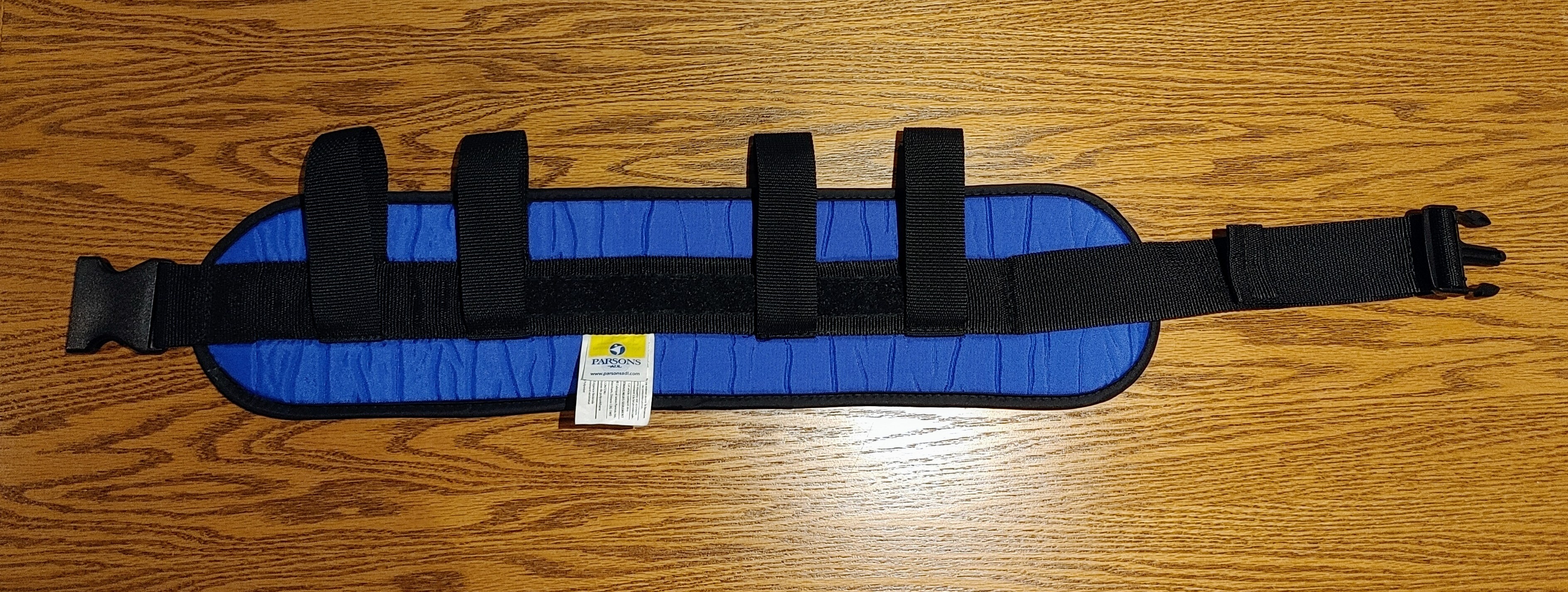
- Secure Handling: When a patient is unsteady, you do not just grab their arm—you might dislocate their shoulder! Instead, using a gait belt provides a secure handhold for the nurse, wrapping safely around the patient's center of mass when assisting with ambulation.
A seizure is essentially an uncoordinated electrical storm in the brain. During a tonic-clonic seizure, the body becomes rigid and begins to thrash violently. We cannot instantly stop the electrical storm, so our primary job is to protect the vessel—the body—from traumatic injury and asphyxiation.
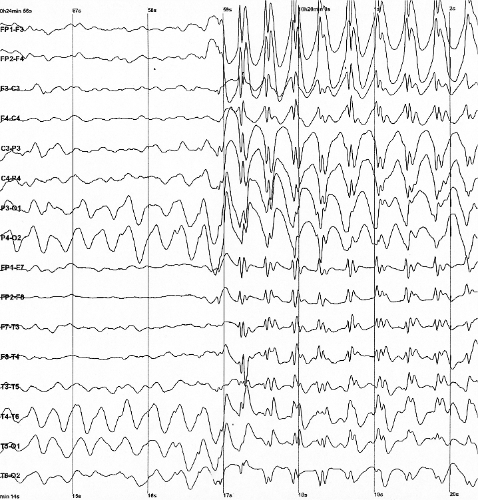
If you know a patient is at risk, you must implement standard seizure precautions:
- Physical Protection: You must place thick padding on all raised side rails of the client's bed. During the thrashing phase, this prevents bone fractures and head trauma.
- Airway Preparation: You must have functional suction equipment and functional oxygen delivery equipment immediately available at the bedside. When the storm hits, you do not have time to run down the hall to find a mask.
CRITICAL SEIZURE RULES:
- A client actively experiencing a seizure must be rolled onto their side to prevent pulmonary aspiration of saliva or vomitus. Gravity will pull fluids out of the mouth rather than down into the lungs.
- Healthcare providers are strictly prohibited from placing any objects into the mouth of a client actively experiencing a seizure. Forget the old myths about people swallowing their tongues! If you force a bite block or a spoon into a seizing patient's mouth, you will break their teeth or cause severe airway obstruction. Hands off the mouth!
Listen to me carefully on this: restraining a human being against their will is a profound deprivation of their civil liberties. Therefore, physical restraints represent an intervention of absolute last resort in client care. You only use them when every other alternative—reorientation, bed alarms, sitters, moving them closer to the nurses' station—has spectacularly failed, and the patient poses an imminent danger to themselves or others.
Because of the severe ethical and physiological implications, the law is strict. A direct physical examination and a new medical prescription are legally required from a healthcare provider prior to the application of physical restraints. You cannot just use a "standing order" from yesterday.
The Mechanics and Monitoring of Restraints
If you must apply them, you must understand the mechanics. Physical restraint straps must be securely tied directly to the immovable bed frame.
Physical restraint straps must NEVER be tied to the movable side rails of a hospital bed. Imagine the horror: you tie a patient's wrist to the side rail, and then another nurse, not realizing it, suddenly drops the side rail down. You will snap or dislocate the patient's arm!
Once applied, the clock starts ticking. The body is not designed to be tied down.
- Nursing staff must assess the skin integrity of a physically restrained client at least every two hours.
- Nursing staff must assess the neurovascular status (color, motion, sensation, capillary refill, and pulses) of a physically restrained client at least every two hours. If the restraint is too tight, you act as a tourniquet, and tissue death will follow.
You cannot help the sick if you break your own back, poison yourself, or catch on fire. Let's talk about keeping you safe.
The Biomechanics of Lifting
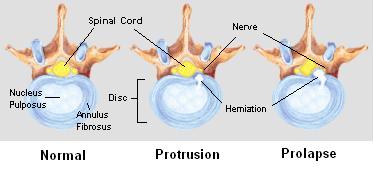
The human spine is a marvelous biological suspension bridge, but it is not a crane. Proper body mechanics require nurses to maintain a wide base of support when lifting heavy objects, lowering your center of gravity. Furthermore, you must bend at the knees rather than the waist when lifting. Let the massive muscles of your quadriceps and glutes do the work; if you use your lumbar spine as a fulcrum, you will destroy your intervertebral discs.
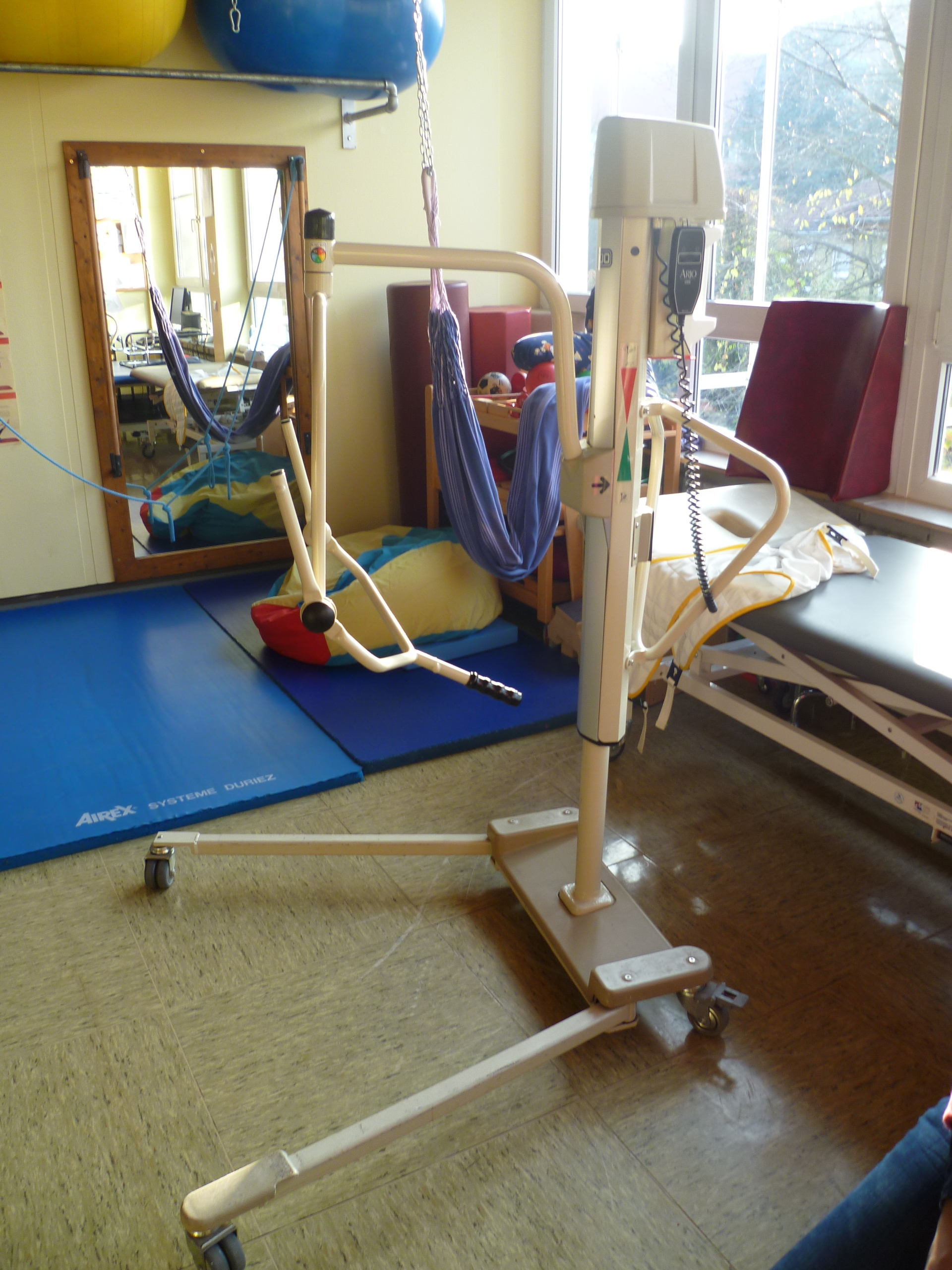
But even with perfect form, some weight is too much. Safe client handling protocols dictate the use of friction-reducing devices (like slide boards or slick sheets) when repositioning a heavy client in bed. If a client is entirely flaccid, healthcare workers must utilize mechanical lifting devices (like a Hoyer lift) when transferring clients who cannot physically assist. Don't be a hero; use the levers and pulleys engineering gave you!
Sharps and Needles
Bloodborne pathogens are merciless. Used needles must never be recapped using a two-handed technique. If you hold a cap in one hand and a contaminated needle in the other, a slight tremor will result in a needle-stick injury. Instead, used needles go straight into the disposal.
If you absolutely must recap a sterile needle (for example, after drawing up a medication before carrying it to the patient), the one-handed scoop technique is the only approved manual method. You leave the cap on the table, scoop it up with the needle one-handed, and press it against a hard surface to secure it.
Finally, do not cram things into a full box! Sharps disposal containers require immediate replacement when the container reaches three-quarters full. If you push a needle into a completely full box, a different needle will push right back out through your glove.
Chemicals and Fire
Hospitals are filled with toxic disinfectants and reagents. Safety Data Sheets (SDS) provide legally required, detailed handling instructions, spill protocols, and first aid for hazardous workplace chemicals. If you spill a gallon of industrial glutaraldehyde, you don't grab a mop—you read the SDS.
If a fire breaks out, you must act with robotic precision. We use two universal acronyms:
| Acronym | Purpose | Action Steps |
|---|---|---|
| RACE | Fire Safety Response Order | Rescue (move patients in immediate danger)<br>Alarm (pull the fire alarm)<br>Contain (close doors to cut off oxygen to the fire)<br>Extinguish (if small enough) or Evacuate. |
| PASS | Proper Fire Extinguisher Operation | Pull the pin.<br>Aim at the base of the fire.<br>Squeeze the handle.<br>Sweep from side to side. |
The Physics of Radiation Safety
Finally, let's talk about ionizing radiation—X-rays, CT scans, and implanted radioactive isotopes. Radiation is invisible kinetic energy that shreds cellular DNA. To protect yourself, rely on three foundational laws of physics: Time, Distance, and Shielding.
- Maximize Distance: Radiation follows the inverse-square law. If you double your distance from the source, your exposure drops to one-quarter! Radiation safety principles require healthcare workers to maximize their physical distance from the radiation source. Step out of the room or stand as far back as possible.
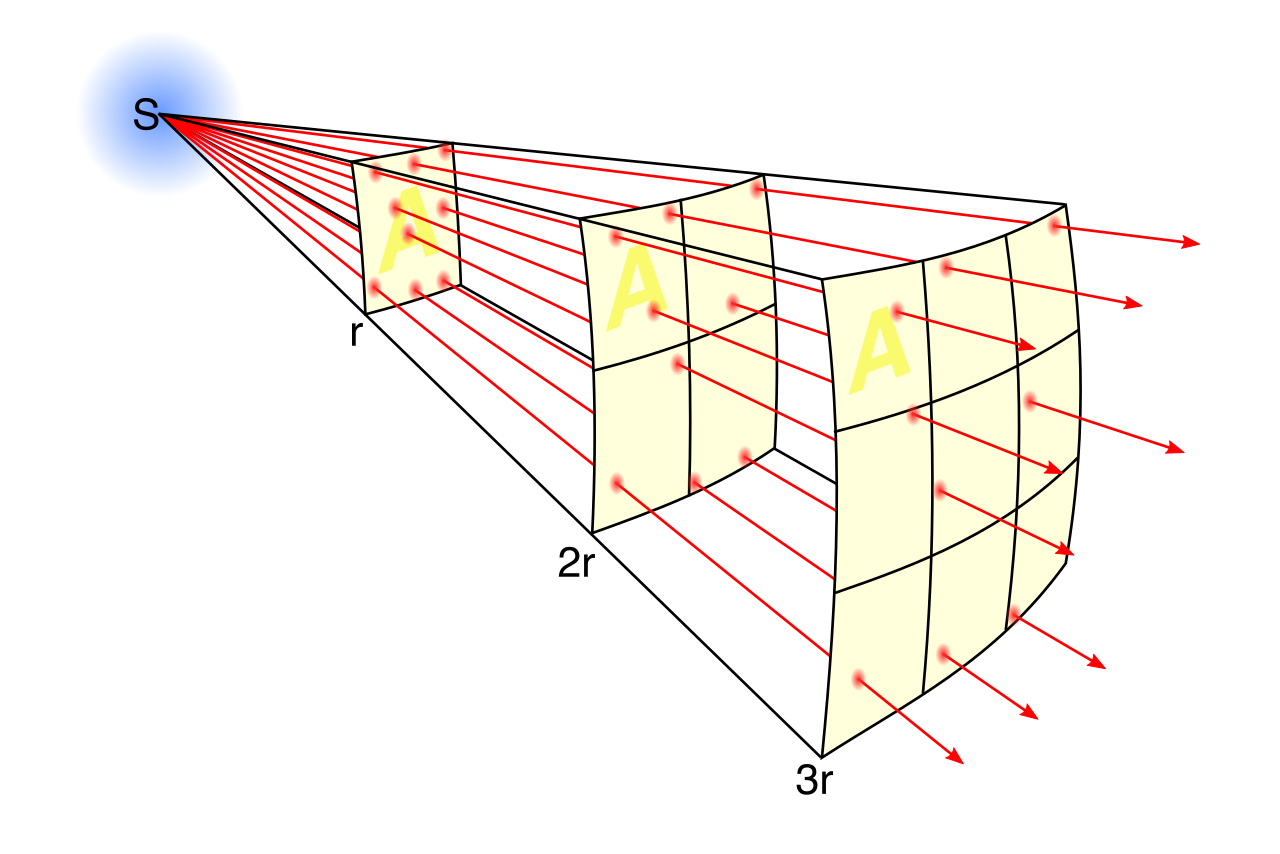
- Minimize Time: Radiation safety principles require healthcare workers to minimize the total time spent near a radiation source. Do your nursing care quickly and efficiently, then leave the proximity of the radioactive field.
- Use Shielding: Because radiation consists of high-energy waves and particles, dense matter stops it. Radiation safety principles require the use of lead shielding (like lead aprons and thyroid collars) to protect healthcare workers from exposure.
Conclusion
Safety is not just a checklist; it is an active, ongoing application of physics, anatomy, and situational awareness. Whether it's tracing the molecular mimicry of a latex allergy, understanding the altered gravity dynamics of an older adult on antihypertensives, or using the inverse-square law to dodge radiation, you are the final barrier between your patient and catastrophe. Learn these principles, apply them ruthlessly, and you will be a truly exceptional nurse.