Referrals
Not sure you’re ready?
Take the ~3-minute readiness diagnostic and see where you stand.
The Symphony of Care: Mastering Referrals and Community Resources
Welcome! Let’s talk about one of the most profoundly important things you will do as a registered nurse. We spend so much time in nursing school talking about what you do at the bedside—how you start the IV, how you assess the lung sounds, how you push the medications. But reality is much bigger than your shift.
Think of healthcare as a grand, complex symphony. You, the registered nurse, are often the conductor. You can’t play the cello, the flute, and the timpani all by yourself. You have to know exactly when to point your baton at the brass section and bring them into the music.
In healthcare, "bringing in the brass section" is called a referral.
A referral is a formal request for a special healthcare service by another care provider.
Your job isn't to fix everything. Your job is to recognize the gaps and build the bridge. The registered nurse assesses client needs to determine the necessity of a healthcare referral. You are the one looking at the whole picture—the patient's physical state, their emotional state, and the world they are returning to. For instance, before a patient ever leaves the hospital, the registered nurse evaluates the client's home environment to determine the need for durable medical equipment referrals, like oxygen tanks, hospital beds, or bedside commodes.
_(5601381776).jpg)
But how do we make these referrals? Who do we call? Let’s break it down intuitively.
Before we start handing out referrals like candy, we need to understand the legal and regulatory framework. In healthcare, there is a hard line between what requires a provider’s signature and what you can do independently.
The "Permission Slip" (Provider Order Required)
You cannot simply decide to send a physical therapist to a patient’s house. The registered nurse must obtain a provider order for skilled therapy referrals. It is legally required to have a provider order to initiate:
- Home health nursing services
- Physical therapy services
- Occupational therapy services
- Speech-language pathology services
Why? Because these are skilled, specialized, and billable medical interventions. They carry risks, and they carry costs.
The "Open Door" (No Provider Order Required)
Conversely, community resources designed for emotional, social, or peer support do not require a doctor's signature. Referrals to community support groups do not require a provider order.
If you have a client experiencing grief over the loss of a spouse, they require a referral to a community bereavement support group, and you can facilitate that directly! Likewise, if you identify a client with a substance use disorder, they require a referral to a specialized addiction treatment program. You are empowered to make these connections immediately.
To make the right referral, you must deeply understand what each specialist actually does. The NCLEX loves to test if you know the difference between highly similar roles. Let's look at the classic mix-ups.
Physical Therapy (PT) vs. Occupational Therapy (OT)
If a patient has a stroke, do they need PT or OT? Usually, both! But they do very different things.
- Physical therapy focuses on improving client mobility, strength, and gross motor skills. Think big movements. Walking, standing, balancing. For example, a client unable to ambulate stairs following a hip replacement requires a referral to a physical therapist.
- Occupational therapy focuses on helping clients perform activities of daily living (ADLs) and improving client fine motor skills. Think small, precise movements required for independence. For example, a client unable to grasp a toothbrush following a stroke requires a referral to an occupational therapist.
Feynman Rule of Thumb: If the goal is getting to the bathroom safely, call PT. If the goal is unzipping pants and holding the toothbrush once they are in the bathroom, call OT.
The Speech-Language Pathologist (SLP)
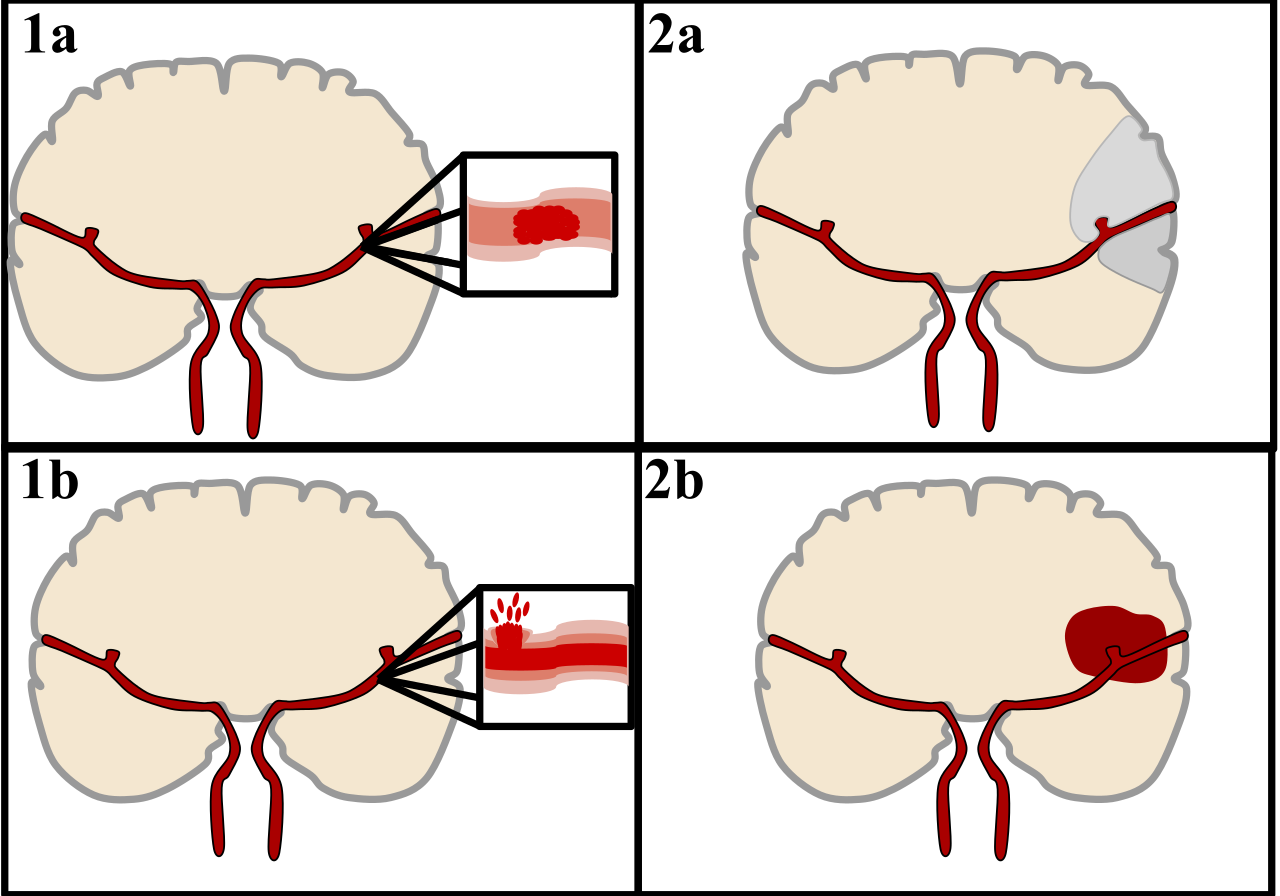
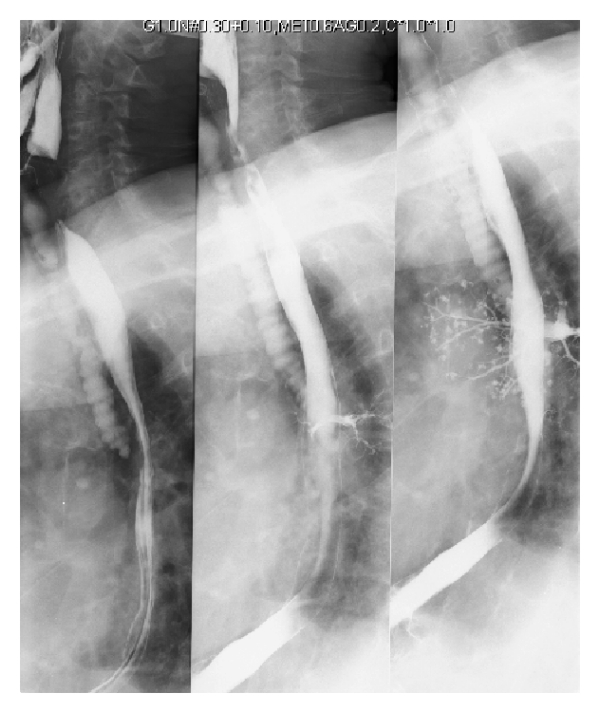
Don't let the word "speech" fool you. Yes, speech-language pathology evaluates and treats clients with speech and language deficits (like expressive aphasia after a stroke). But their arguably more critical role in the hospital is airway protection. They are the masters of the throat. Speech-language pathology evaluates and treats clients with swallowing disorders (dysphagia).
- Clinical trigger: If you observe a client exhibiting coughing during meals, they require an immediate referral to a speech-language pathologist. Coughing means aspiration risk, and aspiration leads to pneumonia.
The Dietitian vs. The WOCN
- Registered dietitians assess nutritional needs and design specialized client diets. Nutrition is the fuel for healing. If you have a client exhibiting sudden weight loss or a client exhibiting poor wound healing, their body lacks the metabolic fuel to repair tissue. They require a referral to a registered dietitian.
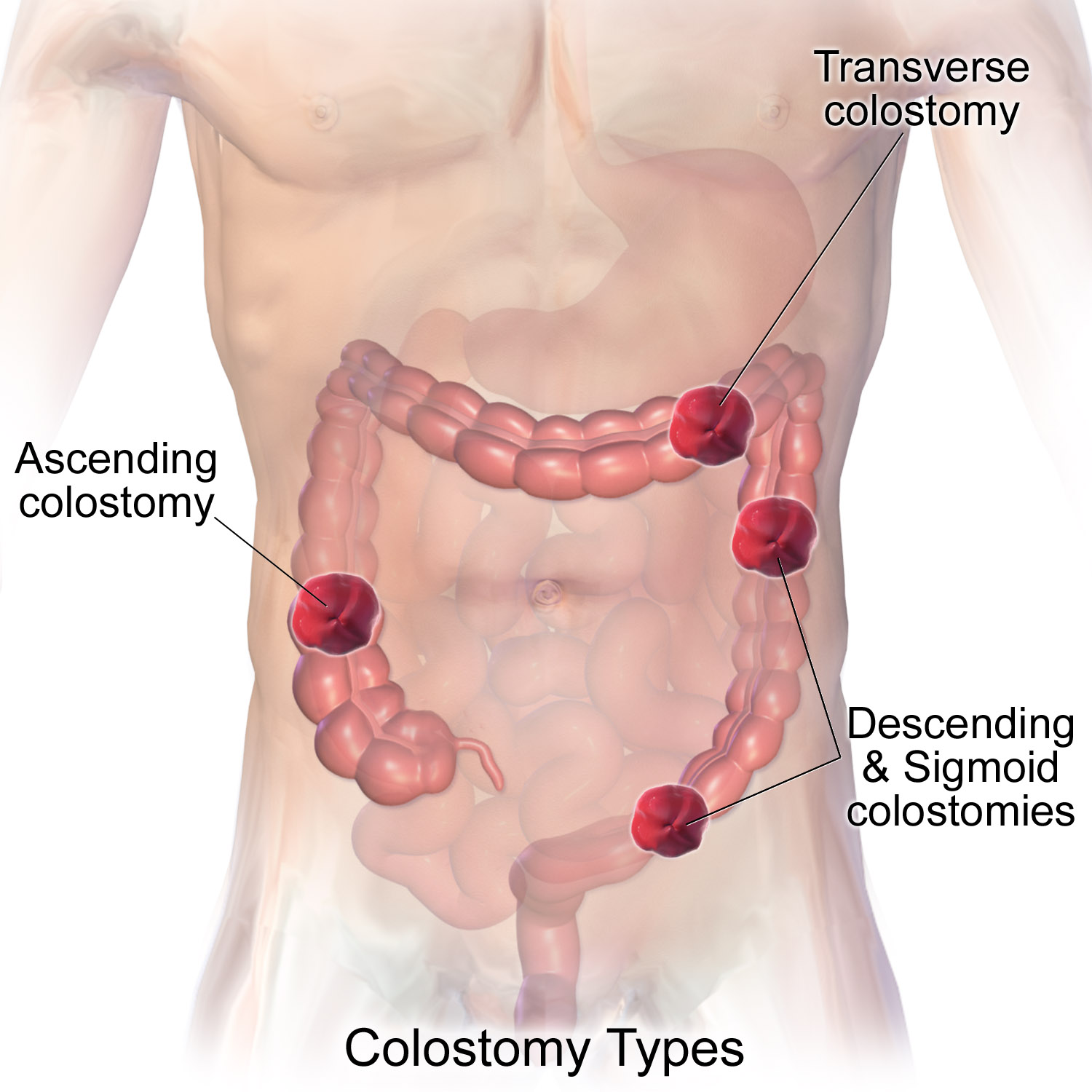
- What about the wound itself? Enter the WOCN (Wound, Ostomy, and Continence Nurse). This is a highly specialized RN. For example, a client with a new colostomy requires a referral to a wound, ostomy, and continence nurse to learn how to manage the stoma, size the appliance, and protect the peristomal skin.
Social Workers vs. Case Managers
These two roles are the unsung heroes of the hospital, but students constantly confuse them. Let's make it perfectly clear:
| Role | Focus | Classic NCLEX Scenario |
|---|---|---|
| Medical Social Worker | Resources & Money. They assist clients with financial concerns related to healthcare and finding appropriate community living placements. | A client lacking insurance coverage for necessary medications requires a referral to a medical social worker. |
| Case Manager | Coordination & Logistics. They coordinate comprehensive care to facilitate client discharge and prevent hospital readmissions. | A client with complex comorbidities needs their primary care, specialists, and home services aligned so they don't bounce right back to the ER next week. |
The hospital is just a pitstop. Real life happens in the community. When assessing the need to refer clients for assistance, you must know what community resources are appropriate for the client's specific situation.
Home Care Dynamics
- Home health nurses provide skilled nursing care within the client's residence. Notice the word skilled. We don't send home health nurses just to check in and say hello. We send them for nursing interventions. For example, a client requiring intravenous (IV) antibiotic administration at home needs a referral for home health nursing.
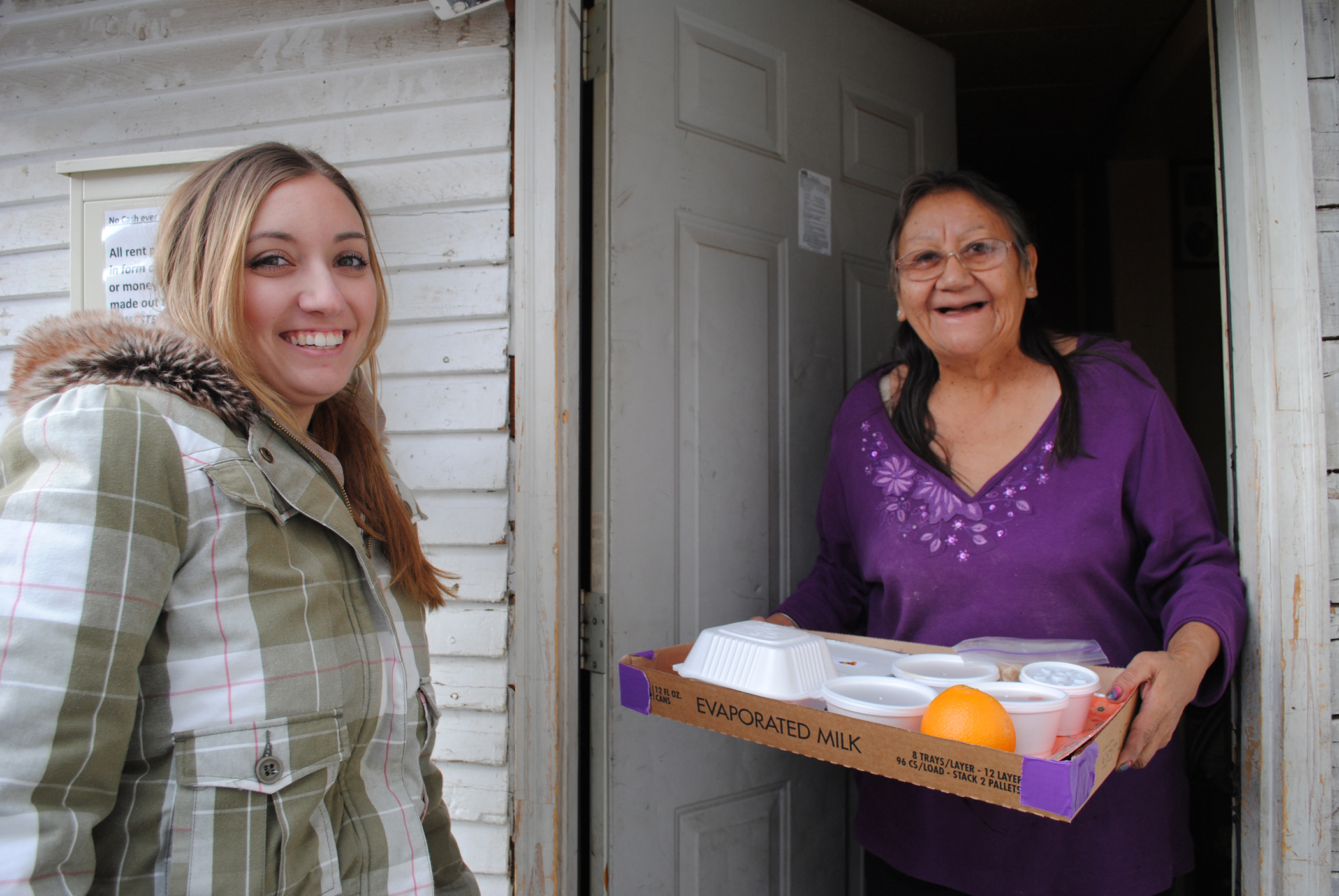
- Meals on Wheels provides nutritional meal delivery to homebound individuals. If your patient is safe to be at home but physically unable to grocery shop or cook, this service is an absolute lifeline.
Caregiver Support
Nature doesn't care about our limits, and chronic illness exhausts families. We have resources to prevent caregiver burnout.
- Adult day care provides supervised activities and socialization for older adults during daytime hours. This allows family members to go to work or manage their own lives while knowing their loved one with dementia or physical limitations is safe and engaged.
- Respite care provides temporary relief for primary caregivers of dependent clients. Think of respite care as the caregiver's oxygen mask. The caregiver drops the client off for a weekend, or a nurse comes to the home for a few days, so the caregiver can rest, sleep, and recharge.
The End of the Journey: Hospice vs. Palliative Care
This is one of the most beautiful transitions in medicine, but it is deeply misunderstood by the public. You must know the strict clinical difference.
Palliative care provides symptom management for clients with serious chronic illnesses regardless of life expectancy. You can receive curative treatments (like chemotherapy) while receiving palliative care to manage the nausea and pain.
Hospice care is a specific branch of palliative care that completely shifts the focus away from curative treatment and entirely toward comfort. It carries a strict legal requirement: it requires a documented life expectancy of six months or less.
So, you've identified the need, you've obtained the order, and you know who you are referring the patient to. Now you have to send the paperwork.
Imagine you are running a relay race. The referral package is the baton. If you drop it, the next runner doesn't know where to go.

However, we also have to protect the patient's privacy. The Health Insurance Portability and Accountability Act (HIPAA) requires that only minimum necessary client information is shared during a referral. You don't send their entire lifetime medical record—just what the next team needs to do their job safely.
What goes in the Medical Referral Package?
The registered nurse must include a comprehensive but highly relevant snapshot of the patient. Let's group them logically so you don't have to rote-memorize a list:
1. Who is the patient?
- Client demographic information (Name, contact info, DOB, emergency contacts).
2. What are the legal parameters?
- The provider's referral order (The legal "permission slip" we discussed).
- The client's advance directives, if available (Does the next facility know their code status? Do they have a living will?).
3. What is their clinical baseline?
- The recent history and physical (H&P) examination document (How did they present? What are their baseline body system functions?).
- Recent laboratory and diagnostic results (The hard data).
4. What are their chemical risks?
- A current medication list (To prevent deadly polypharmacy or missed doses).
- An updated allergy list (A non-negotiable safety fundamental).
5. What is the active plan?
- The current nursing care plan (What are the active nursing diagnoses and interventions?).
- The hospital discharge summary in a post-discharge referral package (The story of what actually happened during this admission and how it was resolved).
When you sit down for the NCLEX, look at every referral question as a puzzle of matching deficits to specialties, while obeying the rules of law.
- Can they not lift a fork? OT.
- Are they coughing on water? SLP.
- Do they need IV meds at home? Order -> Home Health.
- Are they grieving? No Order -> Support Group.
- Are they lacking insurance for meds? Social Worker.
- Are they bouncing back to the hospital every week? Case Manager.
You are the conductor of the orchestra. Know your musicians, know the sheet music (the referral package), and make sure the patient hears a beautiful symphony of care.