Assignment, Delegation and Supervision
Not sure you’re ready?
Take the ~3-minute readiness diagnostic and see where you stand.
The Symphony of Care: A Masterclass in Assignment, Delegation, and Supervision
Welcome to the big leagues. Until now, your nursing education has focused intensely on what you do at the bedside—how you start the IV, how you assess the lung sounds, how you push the medications. But the moment you pass the NCLEX and step onto the floor as a Registered Nurse, the game changes profoundly.
You are no longer just playing a solo instrument; you are conducting the entire orchestra.
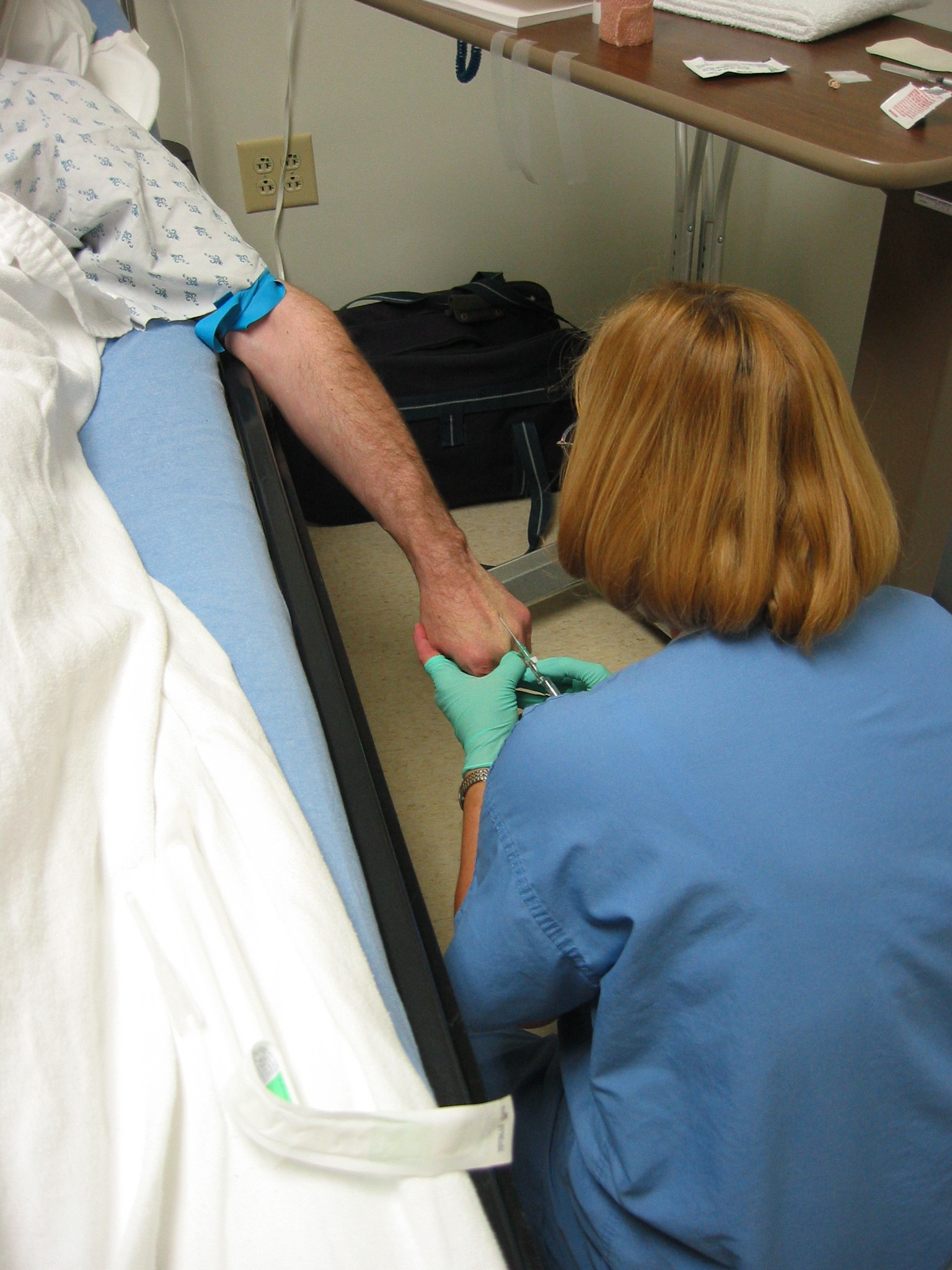
You simply cannot do it all yourself. You must multiply your impact by utilizing your team—Licensed Practical/Vocational Nurses (LPN/VNs) and Unlicensed Assistive Personnel (UAP). But how do you do this safely? How do you ensure the music stays beautiful and the patient stays safe? That is the art and science of delegation.
Let's break down the rules of the game.
Before we talk about how to delegate, we must understand the fundamental difference between handing out tasks and giving away your license. Let's get our terms perfectly straight.
Assignment is simply the routine distribution of client care responsibilities among staff members for a specific work period. Think of this as the morning huddle. "Sarah, you have rooms 1 through 4." It is the baseline division of labor.
Delegation, on the other hand, is highly specific. Delegation is the process of transferring the authority to perform a specific task to another team member. You are saying, "I have the authority to do X, and I am empowering you to do X on my behalf."
But here is the most critical concept you will ever learn about nursing leadership, and you must burn it into your brain:
The registered nurse retains ultimate accountability for the outcome of any delegated nursing task.
You can delegate the authority to perform the task, but you can never, ever delegate the accountability for the outcome. The buck stops with you. If you delegate a blood pressure check to an assistant, and they do it wrong, resulting in patient harm, you are accountable.
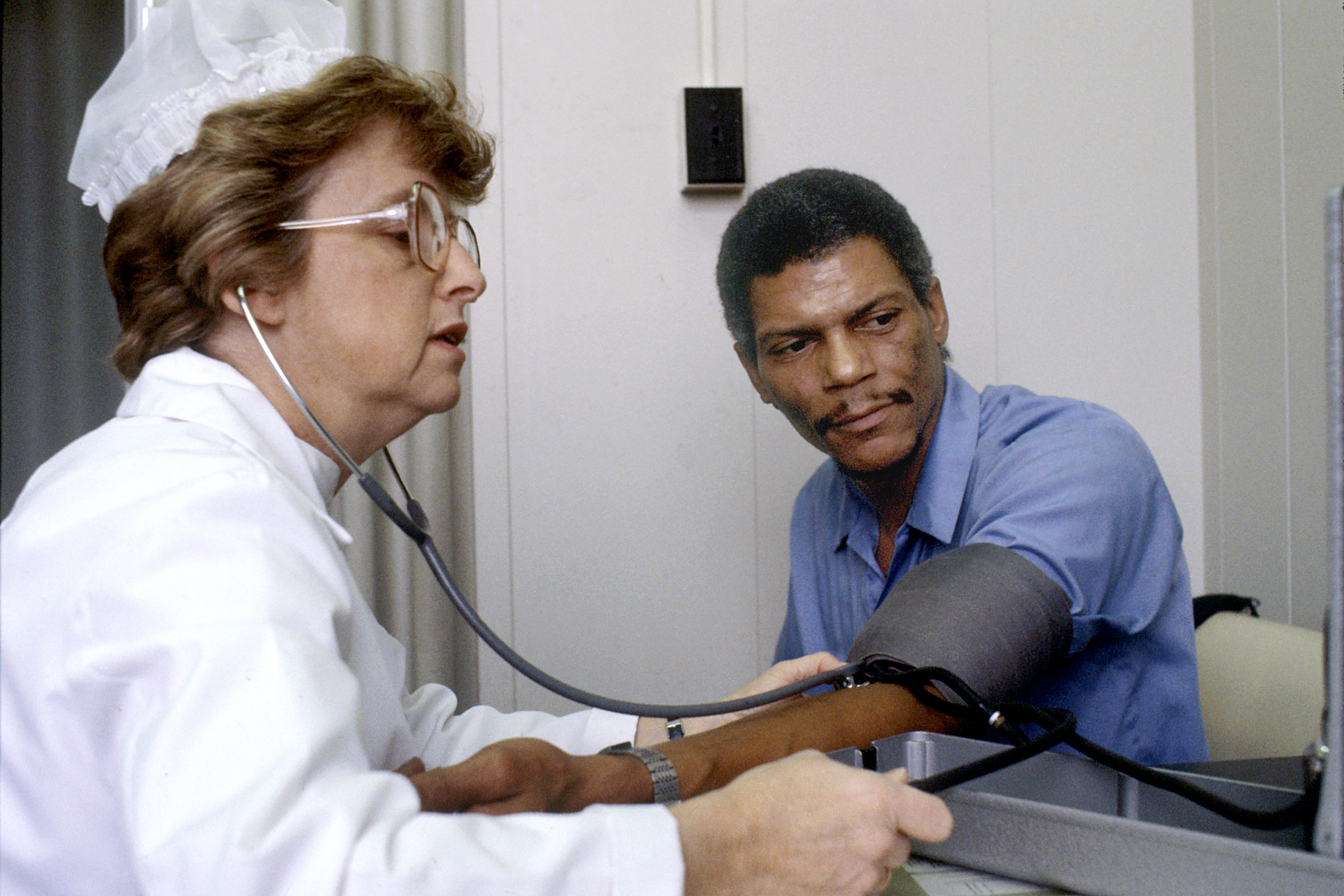
Because you are accountable, you must engage in Supervision. Supervision is a two-part process. It involves providing guidance to a nursing team member during the performance of a delegated task, and it strictly requires the registered nurse to evaluate the outcome of a task after completion by a team member. You do not just fire and forget.
How do you know if a task is safe to delegate? We don't just guess. We use an elegant, foolproof algorithm known as The Five Rights of Delegation. The Five Rights of Delegation include Right Task, Right Circumstances, Right Person, Right Direction, and Right Supervision.
Let's look at the "why" behind each one.
Right Task
First, we ask: Is this even legal, and is it safe? Right Task ensures the delegated activity falls within the legal scope of practice for the delegatee. It also requires the delegated activity to involve minimal risk of harm to the client. You wouldn't ask a UAP to administer a high-alert medication, because the risk of harm is immense and it violates their legal scope.
Right Circumstances
Right Circumstances requires the client's medical condition to be stable before a task is delegated. We only delegate in the realm of the predictable. If a patient's blood pressure is crashing, or if they are wildly fluctuating, you do not delegate anything. For example, a registered nurse must assess a new client returning from a surgical procedure before delegating care. Why? Because a fresh post-op client is inherently unpredictable until you, the RN, establish a stable baseline.
Right Person
Right Person requires matching the complexity of client care to the demonstrated competency of the delegatee. It is not enough that a task is generally within an LPN's scope; is this specific LPN competent to do it on this specific patient? The registered nurse must directly verify the competency of a delegatee before assigning a specialized task.
Right Direction
If a task fails, it is often because of a failure in communication. Right Direction requires the registered nurse to provide clear instructions regarding the task. Furthermore, it requires the registered nurse to clearly communicate the expected timeline for task completion. Saying "Get Mr. Smith's vital signs" is poor direction. Saying, "Please get Mr. Smith's vital signs in the next 15 minutes and let me know immediately if his systolic blood pressure is below 100," is excellent direction.
Right Supervision
Finally, Right Supervision requires the registered nurse to monitor the performance of the delegated task. Once it's done, Right Supervision requires the registered nurse to provide corrective feedback upon task completion. Finally, the registered nurse must evaluate the correct completion of any delegated task. Did it achieve the desired goal?
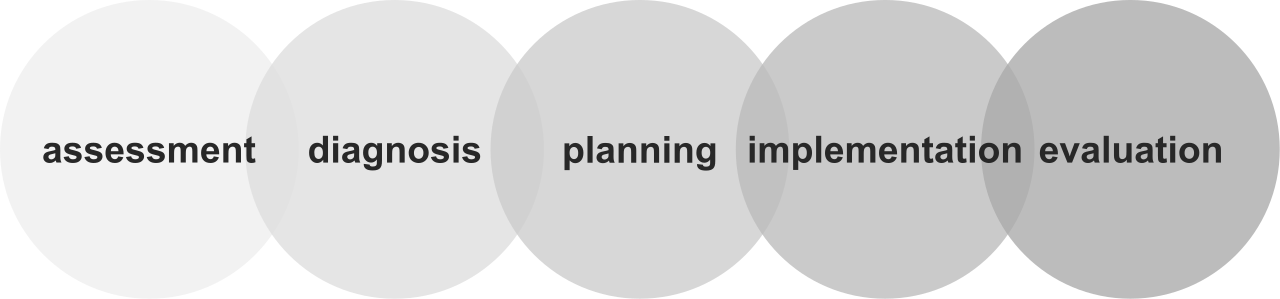
There is a wall of separation between what an RN does and what the rest of the team does. It comes down to nursing judgment. Any task requiring the "brain work" of the Nursing Process (ADPIE: Assessment, Diagnosis, Planning, Implementation of teaching, Evaluation) stays with you.
Here are the absolute, non-negotiable limitations on delegation.
A registered nurse CANNOT delegate:
- Initial nursing assessments to a licensed practical nurse OR an unlicensed assistive person.
- The creation of nursing diagnoses to any other team member.
- The establishment of a nursing care plan.
- The evaluation of client care goals.
- Initial client education. (Teaching requires assessing the patient's baseline knowledge and learning barriers—that's RN work).
- Tasks requiring independent clinical judgment.
- The care of physiologically unstable clients to a licensed practical nurse.
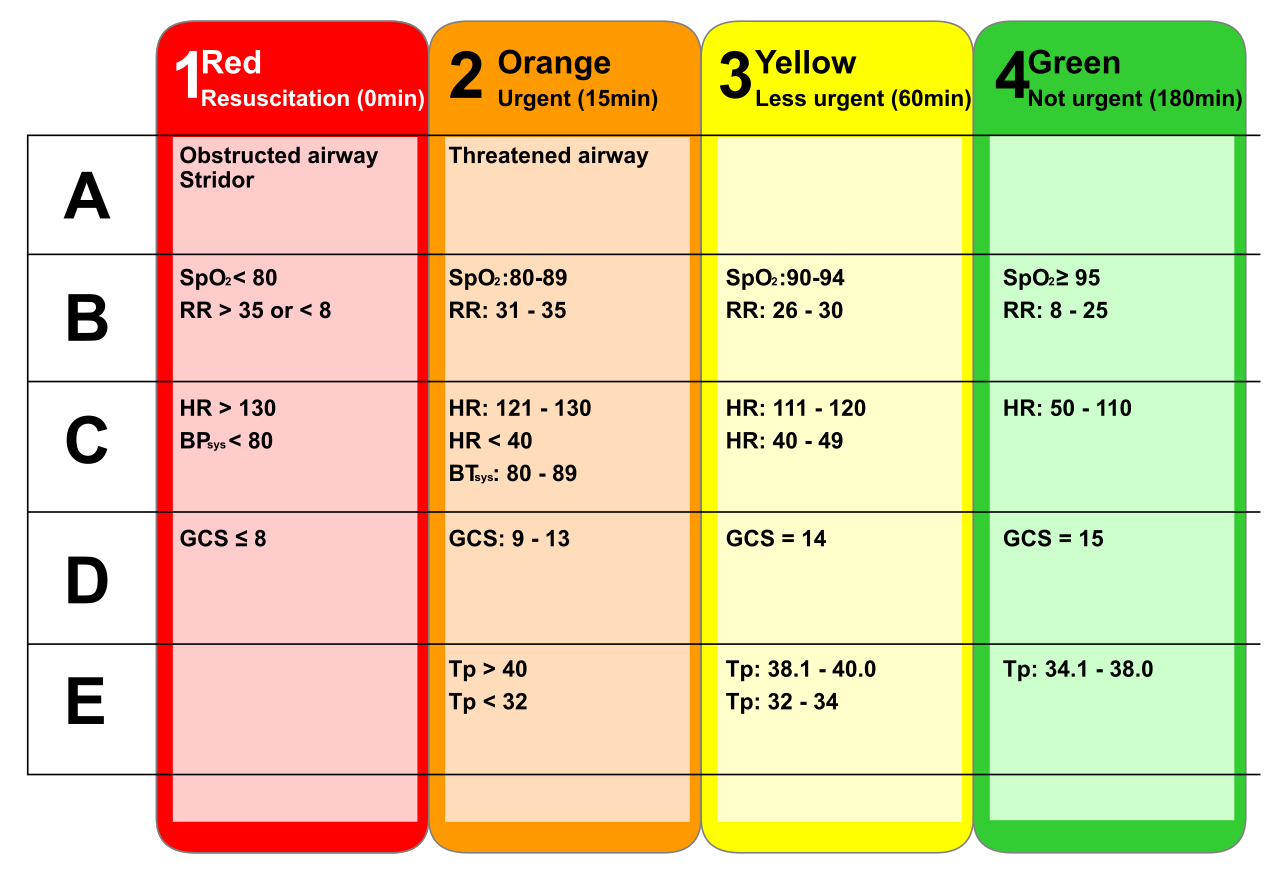
- Triage activities in an emergency setting. (A registered nurse must personally perform triage activities because triage is the ultimate act of rapid, independent clinical judgment).
To delegate effectively, you need to understand the toolkit of your team members.
The Licensed Practical/Vocational Nurse (LPN/VN)
Think of the LPN as your highly trained right hand for stable, predictable scenarios. A licensed practical nurse can care for clients with predictable health outcomes. They can handle complex technical tasks, but they do not formulate the overarching care plan or handle unstable surprises.
| What an LPN CAN do: | What an LPN CANNOT do: |
|---|---|
| Administer oral medications to stable clients. | Administer intravenous (IV) push medications. |
| Perform sterile dressing changes. | Initiate blood product transfusions. |
| Insert urinary catheters. | Care for physiologically unstable clients. |
| Administer enteral tube feedings. | Perform initial client education. |
| Reinforce client education previously provided by a registered nurse. | Perform initial nursing assessments. |
| Collect specific physiological data for an established client. | Formulate nursing diagnoses or care plans. |
Notice the nuance: An RN does the initial teaching; the LPN can reinforce it. An RN does the initial assessment; an LPN can collect specific physiological data for a client whose baseline is already established.
The Unlicensed Assistive Personnel (UAP)
UAPs (often called CNAs, techs, or nursing assistants) are the foundation of basic care. They deal in the realm of routine, non-invasive tasks. The registered nurse must consider the potential for client harm before assigning a task to an assistive personnel member.
| What a UAP CAN do: | What a UAP CANNOT do: |
|---|---|
| Perform routine activities of daily living (ADLs) for stable clients. | Administer routine medications. |
| Assist stable clients with bathing. | Perform sterile medical procedures. |
| Assist stable clients with routine ambulation. | Feed clients with diagnosed swallowing precautions. |
| Measure vital signs on stable clients. | Perform nursing assessments or evaluations. |
| Record client fluid intake and output. | Provide client education. |
| Perform routine client positioning in bed. | Care for unstable clients. |
A critical safety note: While a UAP can feed a stable client, unlicensed assistive personnel cannot feed clients with diagnosed swallowing precautions. Why? Because a patient with swallowing precautions (like dysphagia after a stroke) has a high risk of aspiration, which violates the "minimal risk of harm" rule. Feeding that specific patient requires clinical observation and judgment.
Delegation doesn't happen in a vacuum. It happens within a strict legal and organizational framework.
The Legal Parameters: The state Nurse Practice Act dictates the legal parameters of nursing delegation for a specific geographic jurisdiction. What an LPN can do in New York might differ slightly from what they can do in Texas. The Nurse Practice Act is the supreme law of your practice.
Hospital Policy: Hospitals have their own rulebooks. A healthcare organization's internal policies can restrict delegation limits beyond the state Nurse Practice Act. For example, if your state allows LPNs to draw blood, but your specific hospital policy says only RNs and phlebotomists can draw blood, you must follow the hospital policy. However, a healthcare organization's internal policies cannot expand delegation limits beyond the state Nurse Practice Act. A hospital cannot grant a UAP permission to pass medications if the state law forbids it.
Refusal and Intervention: What happens if you delegate a task, and the UAP says, "I don't know how to do that"? Listen to them! A delegatee can legally refuse a delegated task if the delegatee lacks the necessary training to perform the task safely. This is actually a feature of a healthy safety culture, not a bug.
Finally, what happens if you walk into a room and see an LPN or UAP performing a task incorrectly or dangerously? You do not wait to evaluate it later. A registered nurse must intervene immediately if a delegated task is being performed unsafely by a team member. You protect the patient first, and provide the corrective feedback second.
Being a Registered Nurse means stepping into the role of a leader. It means looking at a floor full of patients, understanding their exact level of acuity, understanding the exact legal scope and competency of your team, and elegantly distributing the work.
You delegate the tasks—the routine ambulation, the oral meds for the stable patient, the data collection, the bed positioning.
But you closely guard the judgment—the initial assessments, the evaluations, the triage, the complex teaching, and the care of the unstable.
Mastering this doesn't just help you pass the NCLEX. It protects your license, empowers your team, and most importantly, keeps your patients safe while the beautiful symphony of healthcare plays on.