Aging Process
Not sure you’re ready?
Take the ~3-minute readiness diagnostic and see where you stand.
Let’s talk about the human lifespan. It is an absolute marvel. You see, the human body doesn’t just randomly change as the calendar pages turn; expected age-related changes across the lifespan follow predictable physiological patterns and predictable psychological patterns. Nature has a rhythm.
As a nurse, your job is not just to memorize this rhythm, but to understand how your patient dances to it. Assessing a client's reaction to age-related changes requires evaluating the client's psychosocial adaptation. Are they adjusting well, or are they struggling? The absolute best way to check this is through their daily routine. Assessing a client's ability to perform activities of daily living (ADLs) is essential for evaluating the impact of age-related changes. If you see a decline in the ability to perform activities of daily living, it often indicates an inability to adapt to age-related physiological changes.
Let's walk through the lifespan, from the very beginning to the golden years, and look at exactly what is happening under the hood.
In the beginning, the human machine is growing at an astonishing rate. We track this growth through very specific, predictable milestones.
Infants
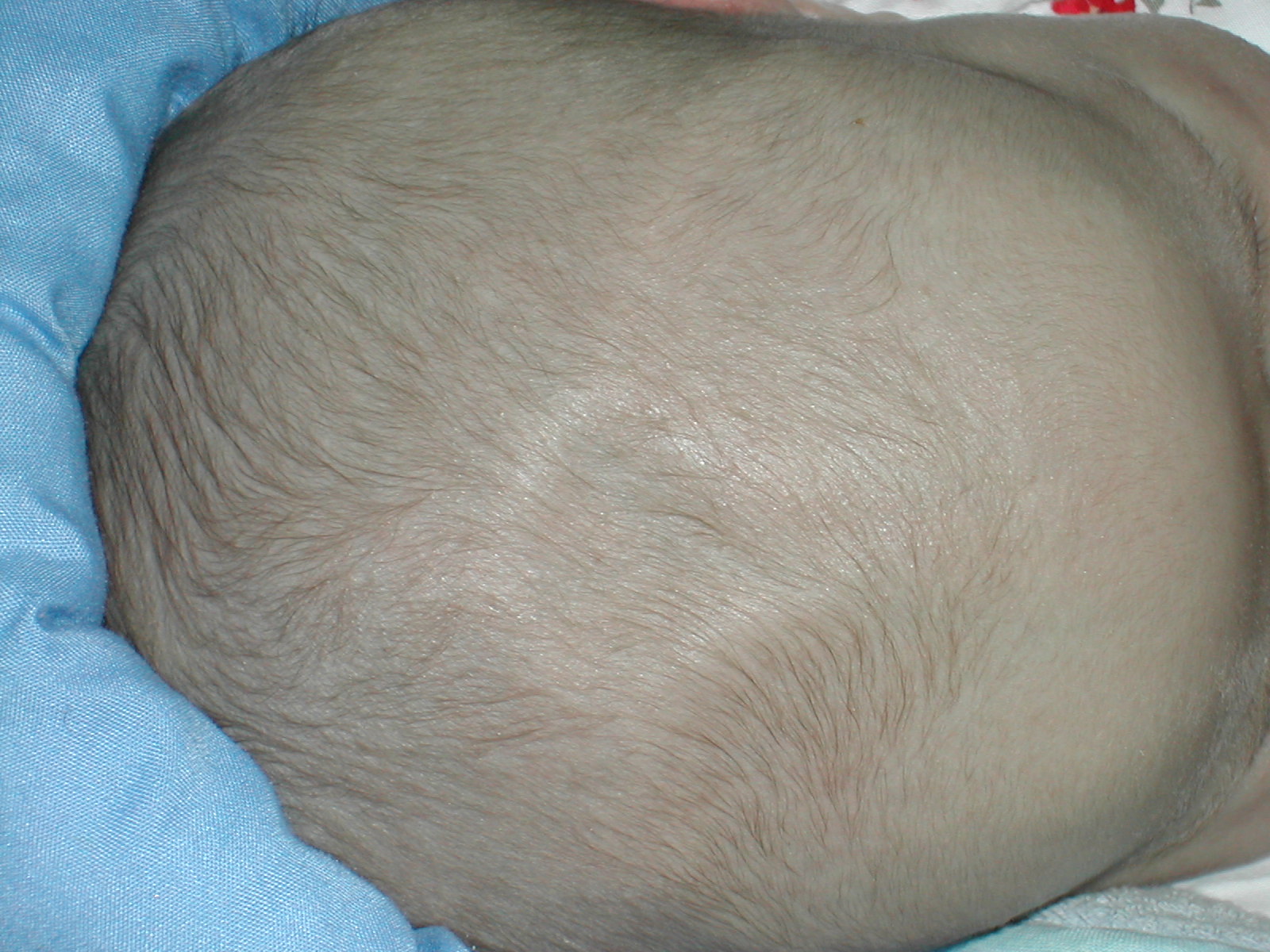
Think about an infant's head. The skull isn't a solid helmet yet; it has gaps called fontanels to allow for brain growth.
- The posterior fontanel typically closes between 2 and 3 months of age.
- The anterior fontanel typically closes between 12 and 18 months of age.
And their mass? It skyrockets. An infant's birth weight typically doubles by 6 months of age and triples by 12 months of age.
Toddlers to Adolescents: The Psychosocial Ascent
As the body grows, so does the mind. The psychologist Erik Erikson mapped this beautifully.
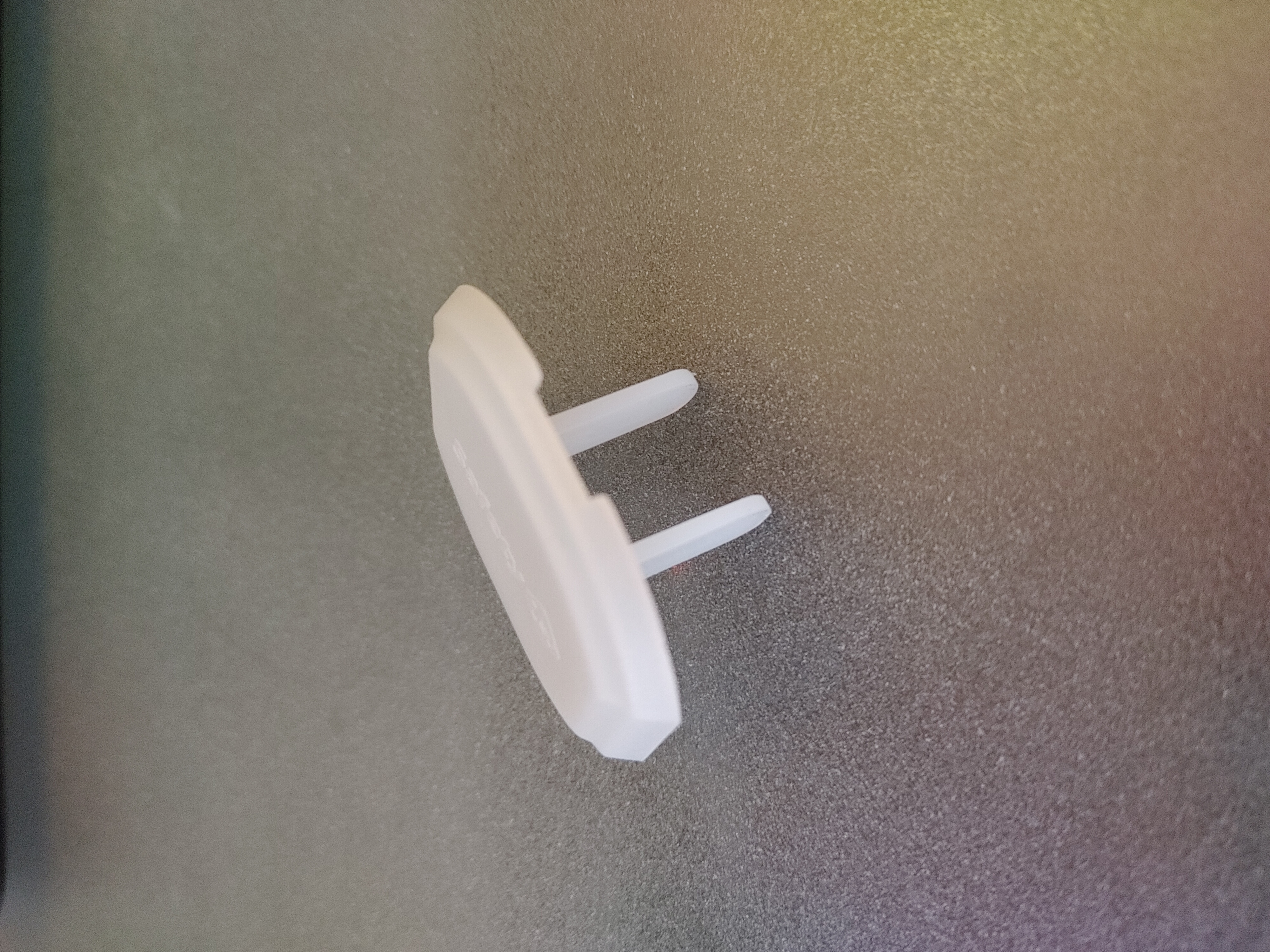
- Toddlers are navigating the psychosocial developmental stage of autonomy versus shame and doubt. They want to explore! Because of this, toddlers require education directed at parents regarding environmental childproofing.
- Preschool-aged children typically experience a psychosocial developmental stage of initiative versus guilt. They are starting to plan and act.
- School-aged children typically navigate the psychosocial developmental stage of industry versus inferiority. They are learning to build, create, and succeed in a structured world.
- Adolescents navigate the psychosocial developmental stage of identity versus role confusion. They are figuring out who they are apart from their parents. Because of this intense focus on the self and bodily changes, adolescents require privacy during healthcare assessments to facilitate open communication.
Young Adults
By the time they reach early adulthood, the physical machine is largely built, and young adults typically experience the psychosocial developmental stage of intimacy versus isolation.
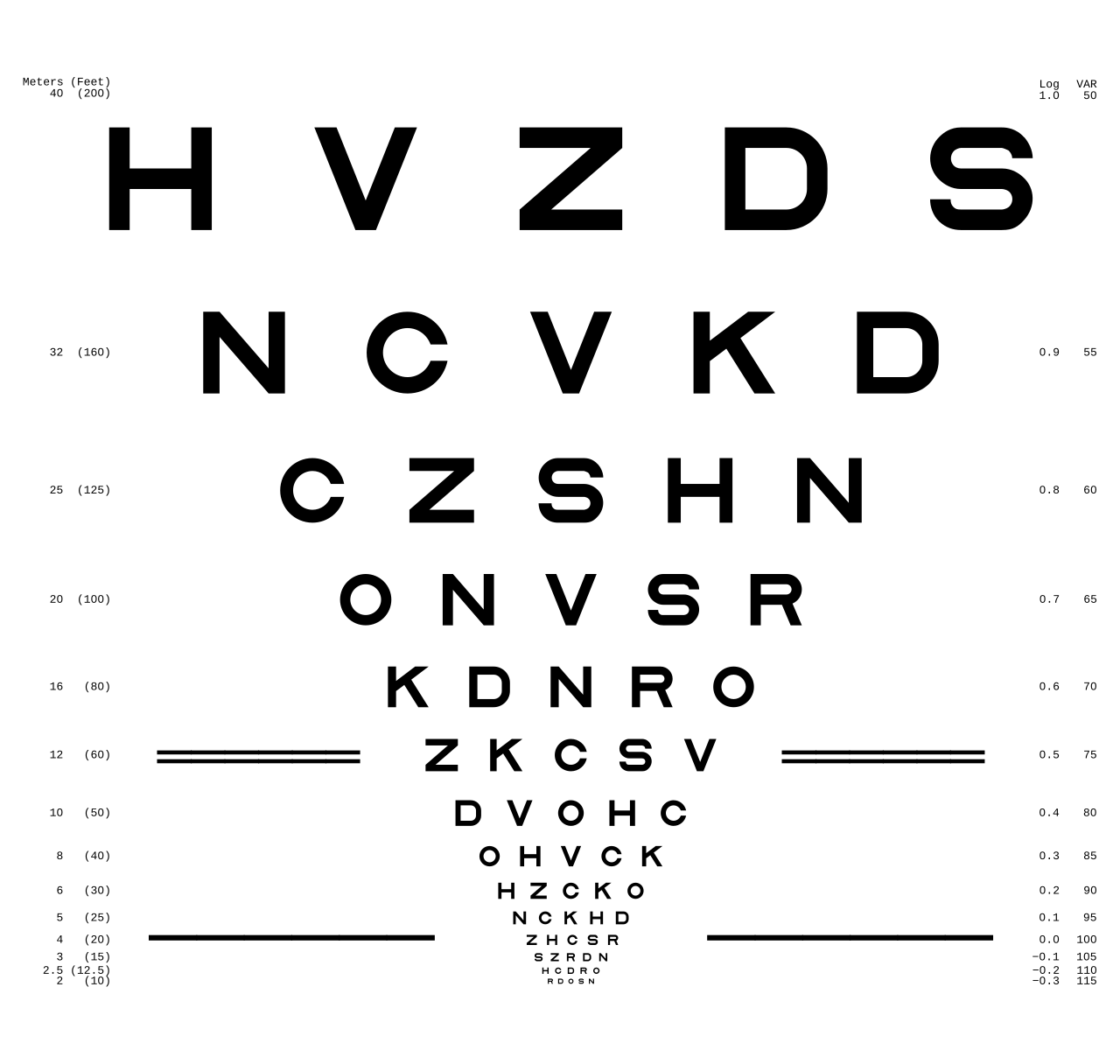
Clinical Pearl: No matter what stage of adulthood a patient is in, remember this: Visual acuity assessments are a critical part of age-appropriate care for all adults. Vision drives independence, so check it early and often!
As we enter middle age, the body begins a subtle shift. The focus moves from building to maintaining.
- Psychosocially: Middle-aged adults typically navigate the psychosocial developmental stage of generativity versus stagnation. They want to leave a legacy, mentor others, and contribute to society.
- Reproductive: For females, the hormonal symphony changes dramatically. Menopause is an expected age-related change in middle-aged adult females.
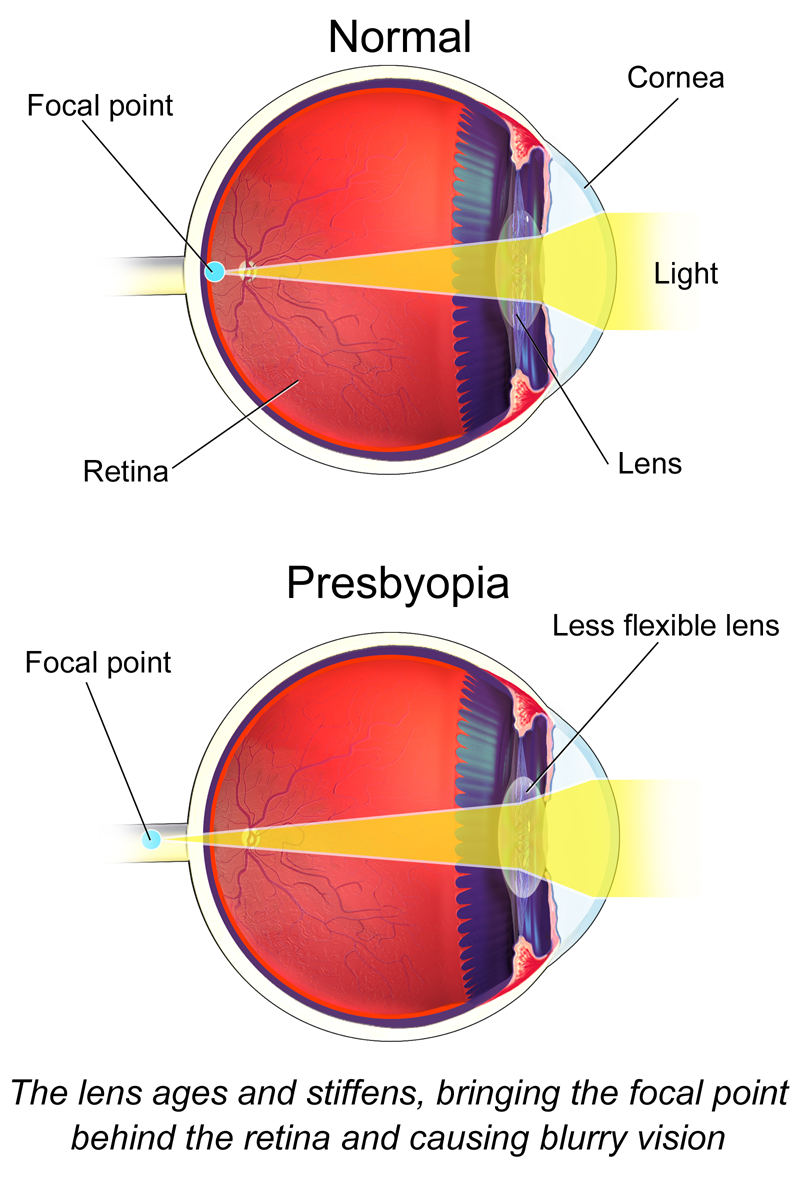
- Sensory: Have you ever noticed people in their 40s suddenly holding the restaurant menu at arm's length? This is presbyopia, which is an expected age-related decline in near vision. And it commonly begins in middle adulthood.
This is where the nursing care gets incredibly specialized. Providing age-appropriate care requires you to look past the wrinkles and avoid prejudice. Providing age-appropriate care requires the nurse to avoid ageist assumptions regarding a client's cognitive abilities.
The Mind and Spirit
Adults aged 65 years and older typically experience the psychosocial developmental stage of ego integrity versus despair. They are looking back on their lives. However, this stage comes with heavy emotional lifting.
- Older adults often face emotional challenges related to retirement.
- They may experience grief related to the loss of physical independence and grief related to the loss of sensory function.
- As friends pass away and mobility decreases, watch out: Social isolation is a significant risk factor for depression in older adults.
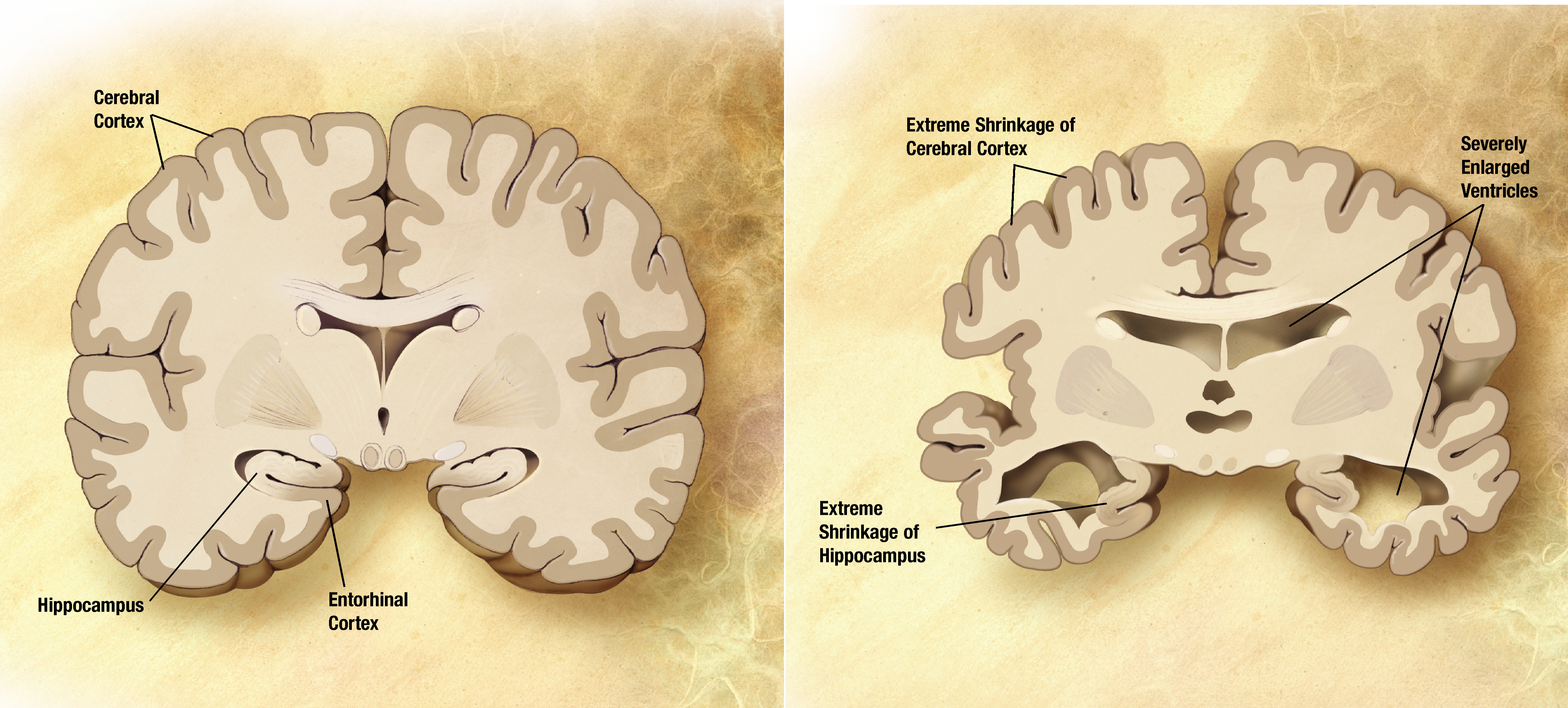
What about cognition? The physical brain changes. The number of functioning neurons decreases as part of the normal aging process. Consequently, expected cognitive changes in older adults include a slightly slower processing speed, and reaction time typically slows as an expected age-related neurological change.
CRITICAL WARNING: Severe memory loss is NOT an expected age-related change. Do not normalize it! Dementia is a pathological condition rather than an expected age-related change, and delirium is a pathological condition rather than an expected age-related change.
Neurology and Senses
The body's wiring and sensors start to dull.
- Sleep: Deep sleep stages decrease in duration for adults aged 65 years and older. They spend more time in light sleep.
- Pain: Pain perception may be diminished as an expected age-related neurological change. They might have a severe injury but not report severe pain!
- Hearing: Presbycusis is an expected age-related decline in hearing acuity. Interestingly, presbycusis typically affects the ability to hear high-frequency sounds first. (Speak in a lower, clear pitch—don't just shout!)
- Vision: The lens of the eye becomes less flexible as an expected age-related change, which contributes to the development of presbyopia. Furthermore, the pupil diameter typically decreases as an expected age-related change. A smaller pupil lets in less light, meaning a decreased pupil diameter increases the need for brighter lighting in older adults, and they typically require more time to adapt to changes in environmental lighting (like walking from a sunny street into a dark theater).
- Color Vision: The lens of the eye frequently yellows as part of the expected aging process. Looking through a yellow filter changes how you see the world; a yellowing lens impairs color perception in older adults, and it primarily impairs the perception of blue and green colors.
- Taste & Smell: The joy of eating changes because the number of taste buds decreases and olfactory nerve fibers degenerate as a normal age-related change. Because food tastes bland, this decreased taste and smell acuity can negatively impact the nutritional status of older adults.
The Integumentary System and Thermoregulation
The body's envelope undergoes drastic modifications. First, epidermal thinning is an expected age-related change in older adults. Because of decreased skin elasticity, there is an increased risk of skin tears in older adults.
But the loss of fat and changes in glands disrupt the body's thermostat:
- The Cold: Subcutaneous fat loss increases the risk of hypothermia in older adults. Compounding this, older adults face an increased risk of hypothermia due to a less effective shivering response.
- The Heat: On the flip side, decreased sweat gland activity reduces thermoregulatory efficiency, which means older adults have an increased risk of hyperthermia due to diminished sweating capabilities.
- Pressure: That same subcutaneous tissue loss causes older adults to experience more prominent bony prominences. Without that cushioning, prominent bony prominences increase the risk of pressure injury development in older adults.
The Engine Room: Cardiovascular and Respiratory
- The Heart and Pipes: The pump slows down; cardiac output naturally decreases as part of the expected aging process. The pipes also get stiff. Arterial stiffening in older adults contributes to an isolated increase in systolic blood pressure. Furthermore, baroreceptor sensitivity decreases as part of the expected aging process. Baroreceptors are your blood pressure sensors. Because they are less sensitive, there is delayed cardiovascular compensation, meaning older adults have an increased risk of orthostatic hypotension. (Teach them to stand up slowly!)
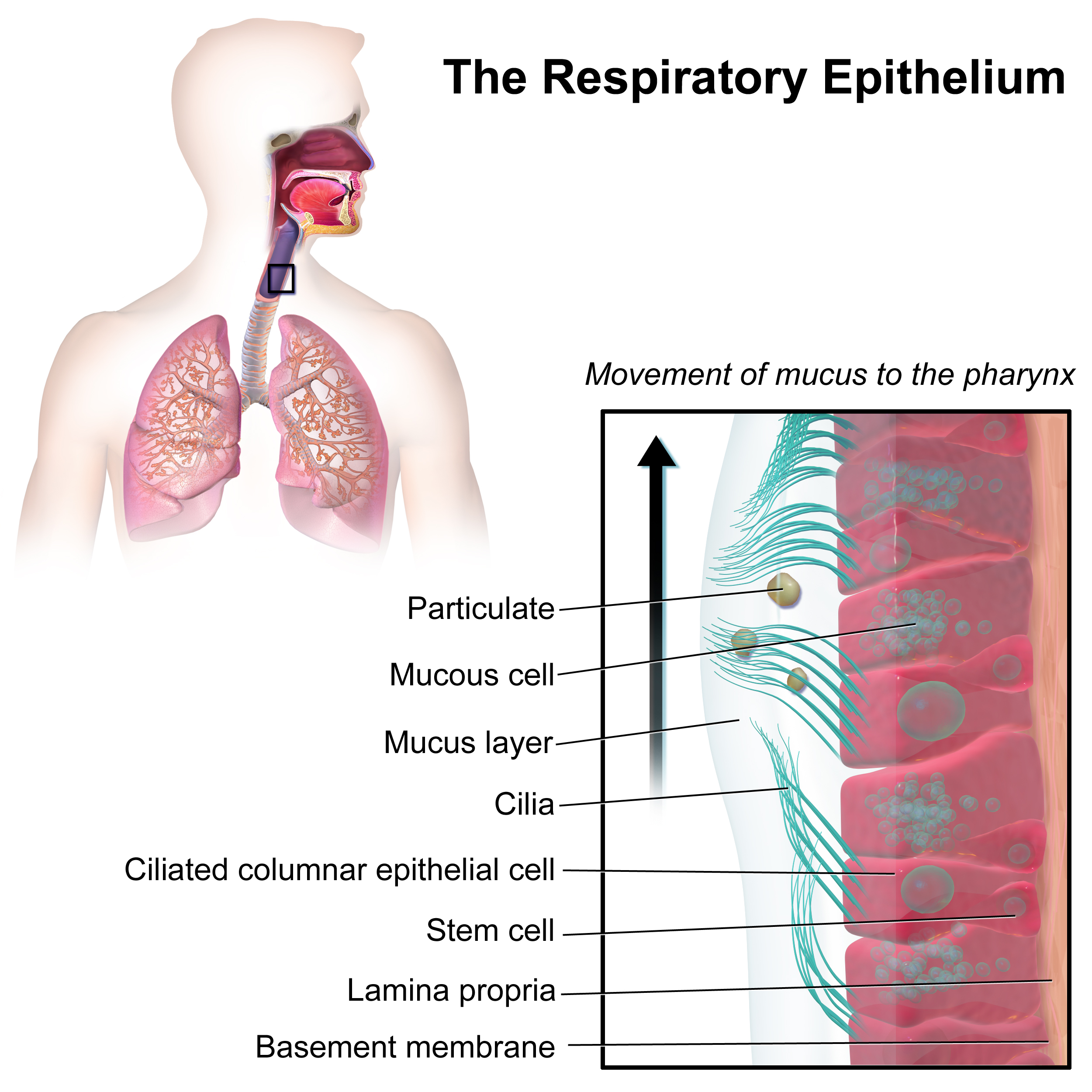
- The Lungs: Lung compliance decreases as part of the expected aging process. The lungs are stiffer. Ciliary action in the respiratory tract decreases, and this decreased ciliary action increases the susceptibility of older adults to respiratory infections. To make matters worse, the cough reflex weakens as a normal age-related change, and a weakened cough reflex increases the risk of aspiration in older adults.
The Processing Plant: GI, Renal, and Hepatic Systems
Everything from the mouth to the kidneys slows down. Let's trace it:
- Mouth: Saliva production decreases as an expected age-related change. Because saliva protects teeth, decreased saliva production increases the risk of dental caries in older adults.
- Stomach: Gastric emptying time increases. Food sits there longer.
- Intestines: Gastrointestinal peristalsis slows as a normal physiological change of aging. This slowed gastrointestinal peristalsis increases the risk of constipation. Therefore, older adults need education on increasing dietary fiber to manage decreased gastrointestinal motility.
- Hydration: The thirst mechanism becomes less sensitive as an expected age-related change. If they don't feel thirsty, they won't drink. Therefore, older adults require education regarding adequate daily fluid intake to prevent dehydration.
The Filtration and Detox Systems (Crucial for Pharmacology):
- Liver: Hepatic blood flow decreases as an expected age-related change. This means the liver clears drugs slower, so older adults require dosage adjustments for medications metabolized by the liver.
- Kidneys: Renal blood flow decreases and the glomerular filtration rate (GFR) decreases as an expected age-related change. A decreased glomerular filtration rate prolongs medication clearance in older adults, meaning they require dosage adjustments for medications cleared by the kidneys.
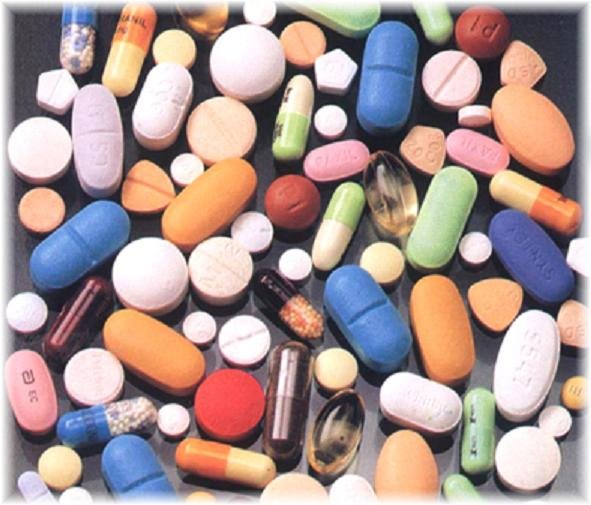
- The Danger: Because of these metabolic changes, and because older adults often take multiple medications, polypharmacy increases the risk of adverse drug events in older adults.
The Plumbing: Genitourinary and Reproductive
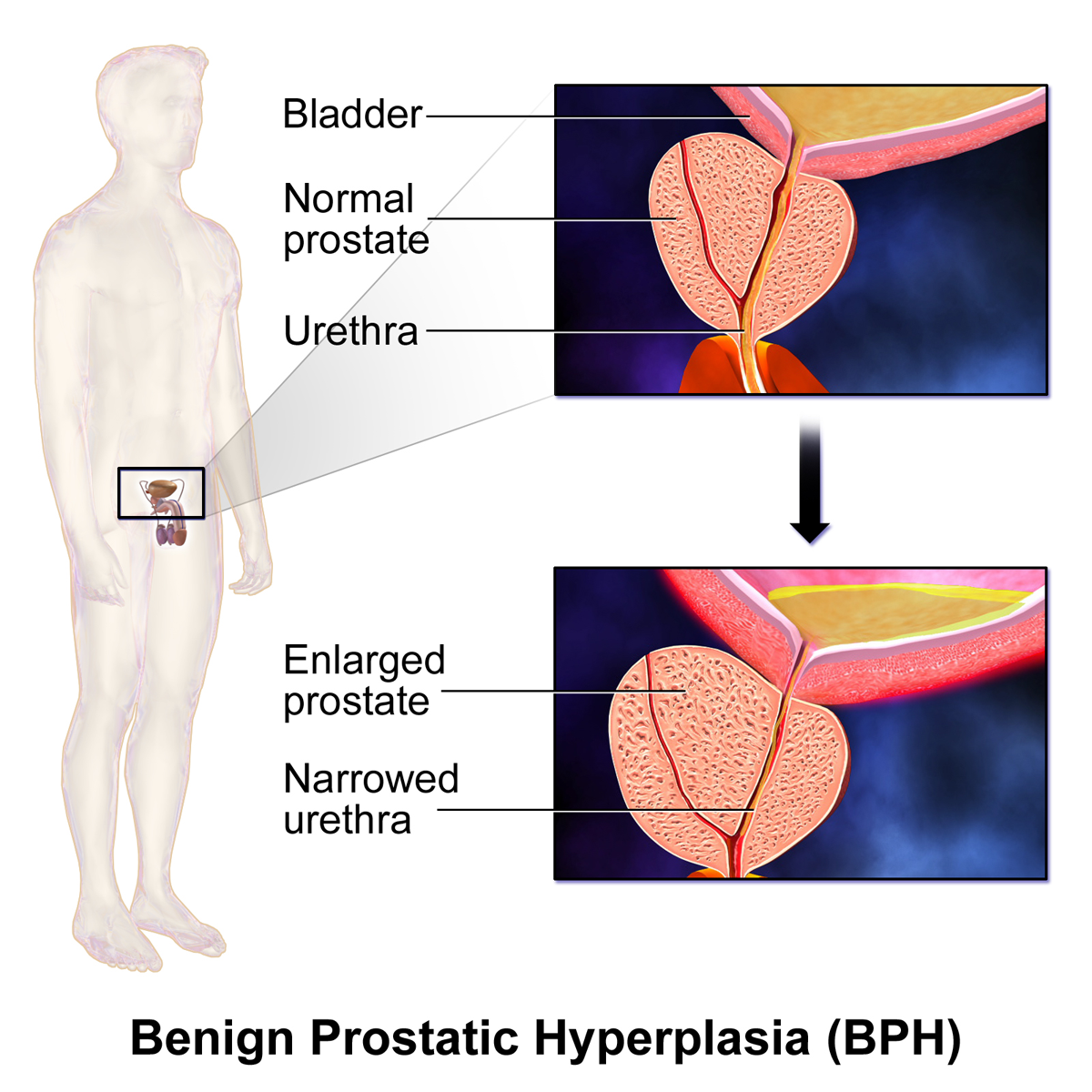
- Urinary: Bladder capacity typically decreases in older adults, which directly contributes to increased urinary frequency. In males specifically, benign prostatic hyperplasia (BPH) is a common age-related change.
- Female Reproductive: With the estrogen drop post-menopause, expected age-related changes in the female reproductive system include vaginal dryness and vaginal tissue atrophy.
- Male Reproductive: The production of testosterone gradually decreases as part of the male aging process, and expected age-related changes in the male reproductive system include a prolonged sexual refractory period.
The Framework: Musculoskeletal System
Gravity and time take their toll on the bones and joints.
- Bone demineralization occurs as a normal physiological change of aging.
- Joint cartilage deterioration is a common age-related change in older adults.
- Muscle mass naturally decreases as an expected part of the aging process. The natural age-related loss of muscle mass is called sarcopenia.
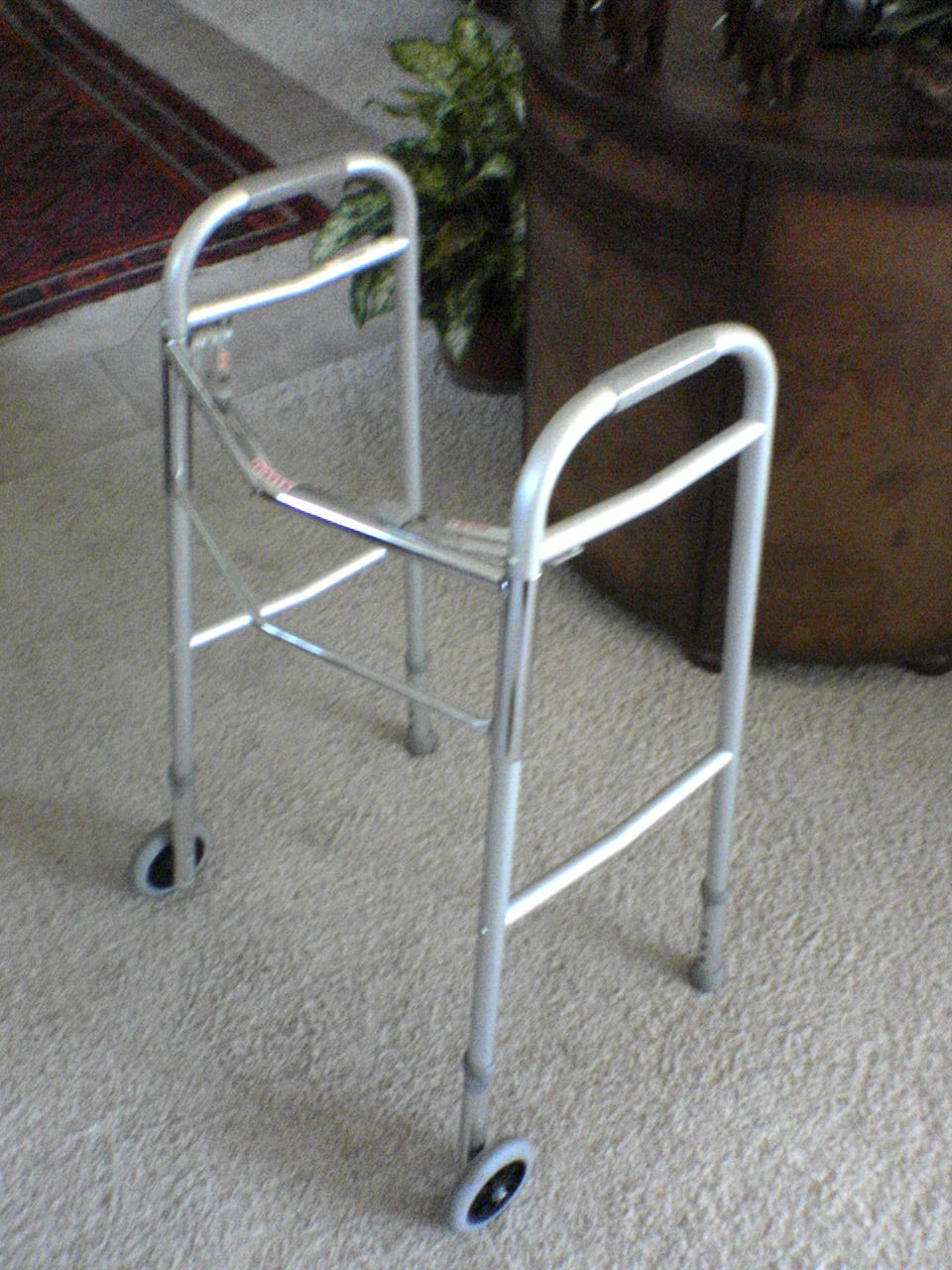
Because of these skeletal and muscular changes, plus the delayed reaction times we discussed earlier, fall prevention education is a necessary component of care for adults aged 65 years and older. When mobility falters, older adults require education regarding safe use of assistive devices.
The Defense System: Immunity
Finally, let's look at the immune system. The cellular immune response naturally declines as part of the expected aging process.
Because the immune system is sluggish, it doesn't always raise the alarm bells we expect. Older adults may not exhibit a typical fever response during an active infection. Instead of a high temperature, the brain takes the hit. Acute confusion is frequently an atypical presentation of infection in older adults. If an older adult suddenly acts confused, don't assume dementia—check for an infection, like a UTI!
By understanding these physiological and psychosocial shifts, we stop fighting the aging process and start supporting it. We adapt the environment, adjust the medications, and protect the human machine so it can run beautifully, all the way to the end of the line.