Ante-, Intra-, Postpartum and Newborn Care
Not sure you’re ready?
Take the ~3-minute readiness diagnostic and see where you stand.
The Miracle and the Mechanics: Mastering Ante-, Intra-, and Postpartum Care
Welcome to the most fascinating engineering problem in biology: human reproduction. Imagine a system that can build a completely new life support network, double its blood volume, sustain two distinct nervous systems, and then systematically reverse the whole process—all while keeping the host alive and well. As nurses, you are the mechanics, the guardians, and the guides of this incredible system.
In this guide, we aren't just going to memorize facts. We are going to understand how the machine works, why it does what it does, and exactly what to look for when the gears start grinding. Let’s dive in.
Pregnancy is an architectural and physiological marvel. During these 40 weeks, the maternal body undergoes radical shifts to accommodate a growing human.
The Psychology of Early Pregnancy
First, let's look at the mind. You might expect a mother to be immediately overjoyed upon discovering she is pregnant. But scientifically and psychologically, maternal ambivalence is a normal psychological response during the first trimester of pregnancy. It is a massive life shift! Conflicting feelings are completely expected as she processes the reality of the coming changes.
Dating the Blueprint: Naegele's Rule
To understand where we are in the timeline, we need to know the Estimated Date of Delivery (EDD). We use Naegele's rule, which is a standardized mathematical formula used to calculate the estimated date of delivery.
Naegele's Rule: Subtract three months and add seven days to the first day of the Last Menstrual Period (LMP).
Taking the History: Gravida, Parity, and GTPAL
When assessing your patient, you need a precise shorthand to understand her obstetric history.
- Gravida refers to the total number of times a woman has been pregnant, regardless of the outcome.
- Parity refers to the number of pregnancies that have reached 20 weeks of gestation.
For a more granular look, we use the GTPAL system:
| Letter | Stands For | Definition |
|---|---|---|
| G | Gravida | Total number of pregnancies. |
| T | Term | Term births occurring at 37 weeks of gestation or later. |
| P | Preterm | Preterm births occurring between 20 and 36 weeks of gestation. |
| A | Abortions | Abortions or miscarriages occurring before 20 weeks of gestation. |
| L | Living | The number of currently living children. |
Mapping the Expansion: The Uterus and Weight
The uterus is a highly predictable organ. The pregnant uterus reaches the anatomical level of the umbilicus at 20 weeks of gestation. After that, mother nature gives us a neat measuring trick: fundal height in centimeters approximately equals the weeks of gestation between 20 and 36 weeks.

To fuel this growth, a pregnant client with a normal pre-pregnancy body mass index (BMI) should have a normal maternal weight gain of 25 to 35 pounds. Part of that weight? Blood. Maternal blood volume increases by 40 to 50 percent during a normal pregnancy to perfuse the placenta.
Because her body is rapidly adding fluid, you will see physiologic anemia of pregnancy. Why? It occurs due to a greater increase in maternal plasma volume compared to red blood cell mass. Think of it like making tea: if you add an extra cup of water without adding another tea bag, the tea gets weaker. The red blood cells are there, they are just diluted!
Prenatal Nutrition and Screening
Early cellular development is highly sensitive. Folic acid supplementation during pregnancy minimizes the risk of fetal neural tube defects.
We monitor fetal development using maternal serum markers. Pay close attention to maternal serum alpha-fetoprotein (AFP):
- Elevated levels indicate an increased risk for fetal neural tube defects.
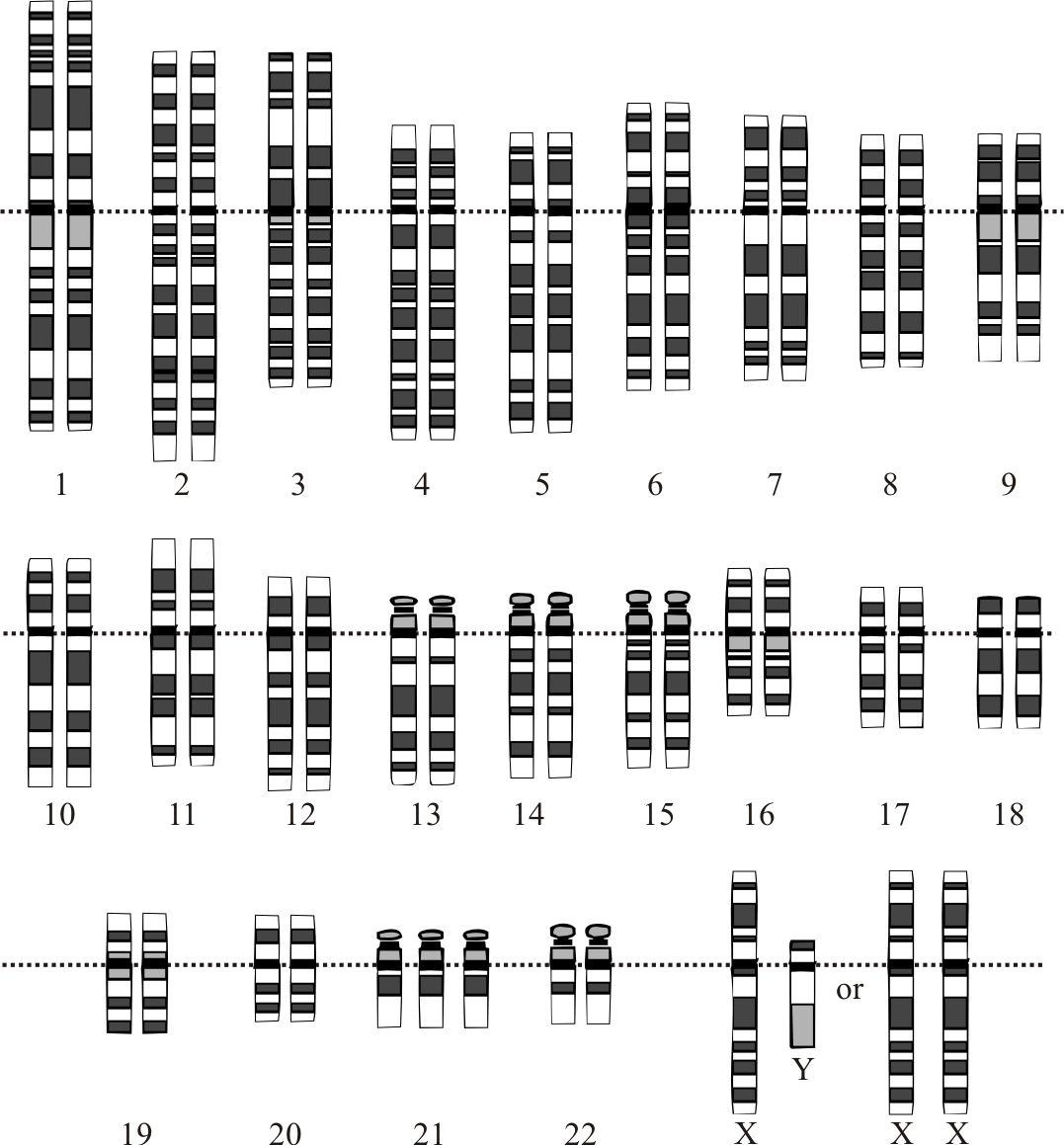
- Decreased levels indicate an increased risk for fetal Down syndrome.
Preeclampsia: The High-Pressure Danger
Sometimes, the vascular system struggles to adapt, leading to Preeclampsia, defined by new-onset maternal hypertension and proteinuria developing after 20 weeks of gestation. If maternal blood pressure readings hit 160 over 110 millimeters of mercury or higher, this is classified as severe preeclampsia.
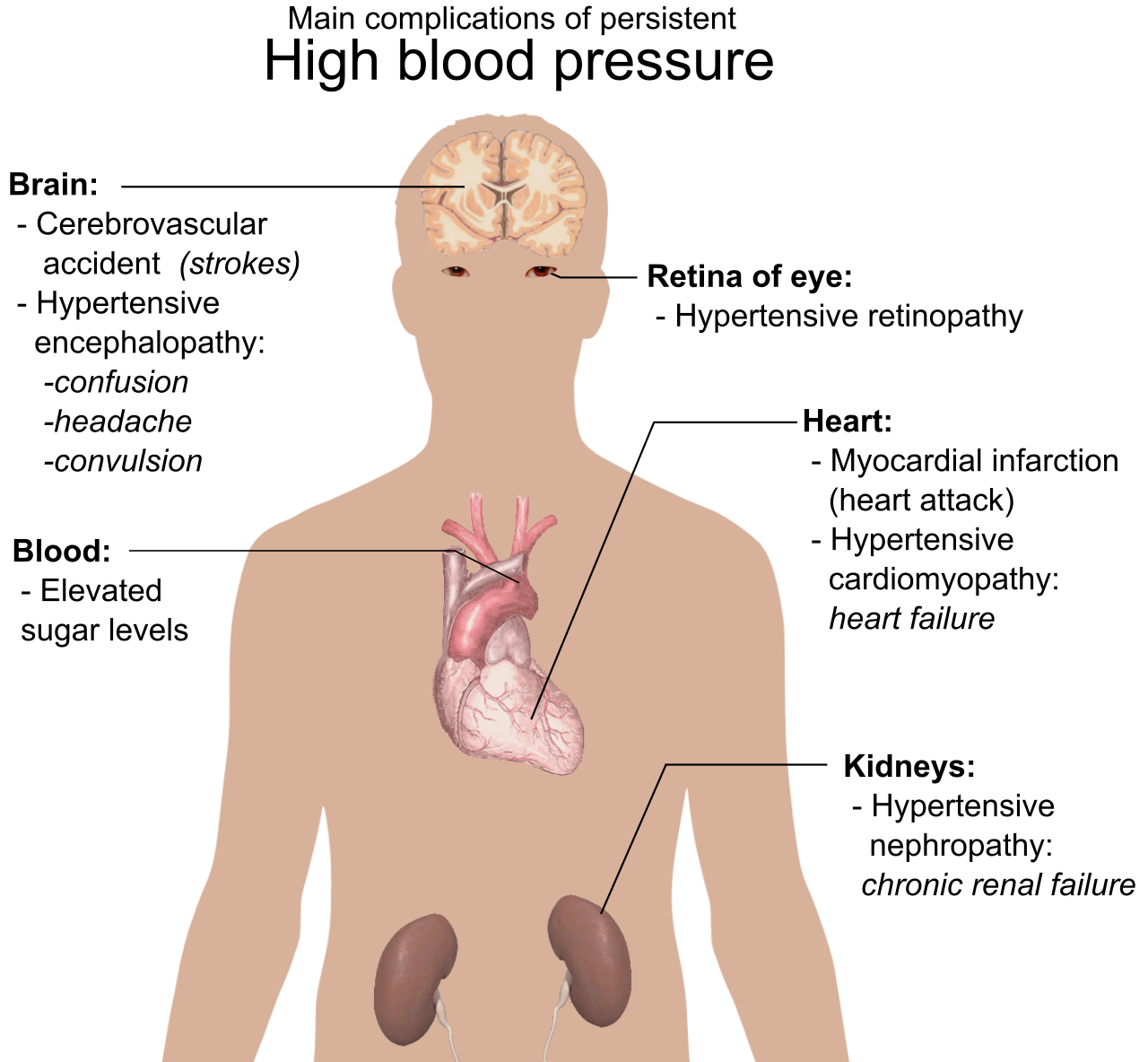
The greatest danger here is that high blood pressure will trigger brain irritability and seizures. To stop this, magnesium sulfate is administered intravenously to clients with preeclampsia to prevent eclamptic seizures. It’s a powerful central nervous system depressant.
But you must watch the patient closely for magnesium sulfate toxicity. How do you know if you've given too much?
- Early sign: Loss of deep tendon reflexes (the system is too relaxed).
- Clinical manifestation: Maternal oliguria (kidneys shut down).
- Life-threatening manifestation: Maternal respiratory depression.
The Antidote: If toxicity occurs, calcium gluconate is the specific medical antidote for magnesium sulfate toxicity.
How do you know the main event has begun? True labor contractions cause progressive cervical dilation and progressive cervical effacement. If it's just painful squeezing, but the cervix doesn't change? That's false labor. False labor contractions do not result in progressive cervical changes.
The Four Stages of Labor
- First Stage: Encompasses cervical dilation from 0 to 10 centimeters. The active phase of the first stage involves cervical dilation progressing from 6 to 10 centimeters.
- Second Stage: Spans from full cervical dilation to the complete birth of the neonate.
- Third Stage: Involves the complete delivery of the placenta.
- Fourth Stage: Encompasses the first one to four hours immediately following placental delivery (the crucial stabilization period).
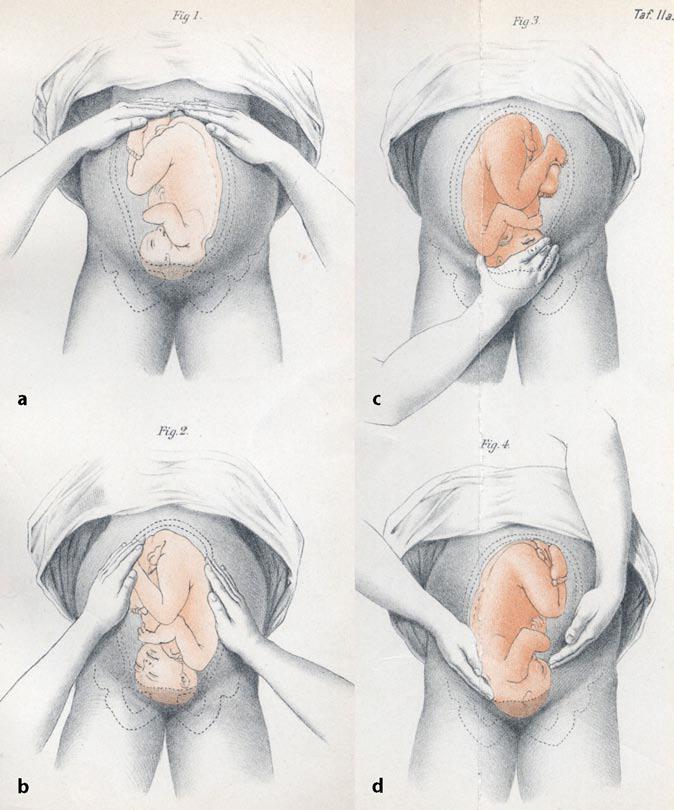
Before the baby comes out, you need to know exactly how it is positioned. We use Leopold maneuvers, which are systematic abdominal palpation techniques used to determine fetal presentation and position.
Fetal Heart Rate (FHR): The Baby's Dashboard
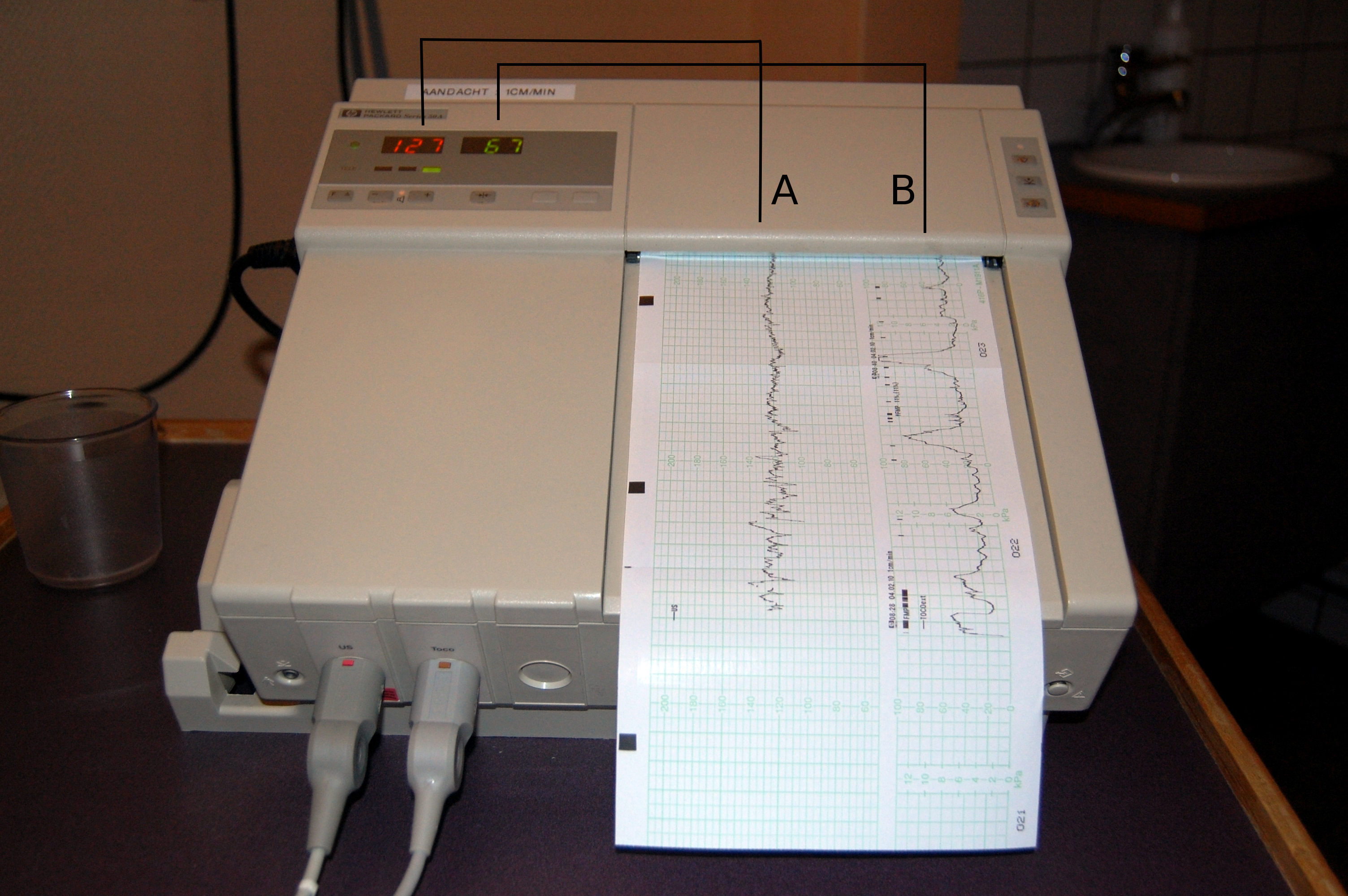
While the mother does the work, we monitor the baby's tolerance using the FHR monitor.
- Normal baseline: Between 110 and 160 beats per minute.
- Fetal bradycardia: A baseline FHR below 110 bpm lasting for at least 10 minutes.
- Fetal tachycardia: A baseline FHR above 160 bpm lasting for at least 10 minutes.
We want to see the line on the monitor bouncing around a bit. This is called variability. Moderate fetal heart rate variability is defined as amplitude fluctuations between 6 and 25 beats per minute. If you see this, breathe a sigh of relief! Moderate variability indicates an adequately oxygenated fetal central nervous system. The brain is humming along beautifully.
Decelerations (The Dips in the Heart Rate)
When the heart rate drops (decelerates), the shape and timing tell us exactly what is physically happening to the baby inside the womb.
- Early decelerations are caused by fetal head compression (a normal part of descent).
- Variable decelerations are caused by umbilical cord compression.
- Late decelerations are caused by uteroplacental insufficiency (the placenta isn't delivering enough oxygen during contractions).
CRITICAL ACTION: Late fetal heart rate decelerations require immediate nursing interventions to improve maternal-fetal oxygenation. You must instantly take action! Placing the pregnant client in a left lateral position improves uteroplacental blood flow by taking the heavy uterus off the mother's inferior vena cava.
We can also test for these phenomena before active labor:
- Nonstress Test (NST): A healthy baby accelerates its heart rate when it moves. A reactive nonstress test requires two distinct fetal heart rate accelerations within a 20-minute period. These accelerations must be at least 15 beats per minute above baseline and last for at least 15 seconds.
- Contraction Stress Test (CST): We induce contractions to see how the baby handles stress. A positive contraction stress test indicates late decelerations occurring with at least half of the uterine contractions. This is a dangerous finding!
Finally, if her water breaks, look at the fluid. Meconium-stained amniotic fluid indicates potential intrapartum fetal distress, as the baby has passed its first bowel movement in utero.
Once the placenta is delivered, the body initiates a massive shutdown and reversal of the pregnant state.
The Uterus and Postpartum Hemorrhage (PPH)
The uterus—a giant muscle—must clamp down to stop the bleeding where the placenta detached. The uterine fundus normally descends approximately one centimeter per day and is typically no longer palpable in the abdomen by the tenth postpartum day.
If the muscle fails to clamp down, you get uterine atony, the most common cause of early postpartum hemorrhage. How does it feel to your touch? A boggy uterine fundus indicates uterine atony.
Immediate Action: Fundal massage is the initial nursing intervention for a boggy postpartum uterus. You must manually stimulate the muscle to contract!
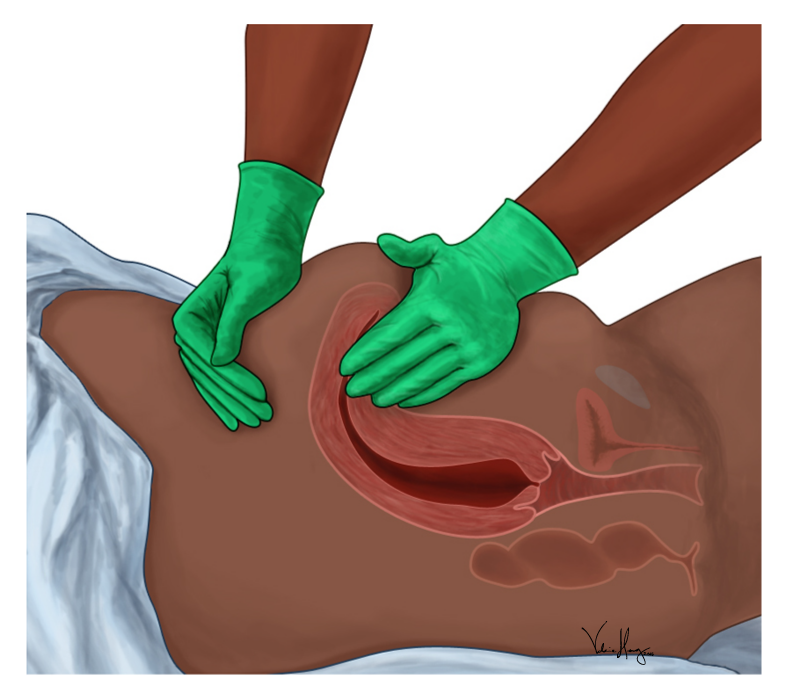
Wait, what if the fundus is firm but shifted out of place? A full maternal urinary bladder displaces the postpartum uterus upwards and to the right. Empty the bladder to let the uterus contract properly.
Watch the bleeding closely. Postpartum hemorrhage is defined as blood loss exceeding 500 milliliters after a vaginal delivery, or exceeding 1000 milliliters after a cesarean delivery. Warning signs:
- Unexplained maternal tachycardia can be an early physiological sign of postpartum hemorrhage as the heart pumps faster to compensate for volume loss.
- A saturated perineal pad in less than 15 minutes indicates excessive and dangerous postpartum vaginal bleeding.
Postpartum Vitals, Fluids, and Infections
Don't panic if the mother runs a slight fever immediately after the marathon of birth. A maternal temperature up to 100.4 degrees Fahrenheit is considered normal within the first 24 hours postpartum due to exertion and dehydration.
As the uterus heals, it sheds its lining, called Lochia. Know the progression:
- Lochia rubra: Dark red vaginal discharge typically occurring on postpartum days 1 through 3.
- Lochia serosa: Pinkish-brown vaginal discharge typically occurring on postpartum days 4 through 10.
- Lochia alba: Yellowish-white vaginal discharge occurring from postpartum day 11 up to 6 weeks.
If it smells bad, you have a problem. Foul-smelling lochia is a primary indicator of postpartum endometrial infection. In fact, endometritis is the most common form of postpartum maternal infection.
Immunology and Psychology
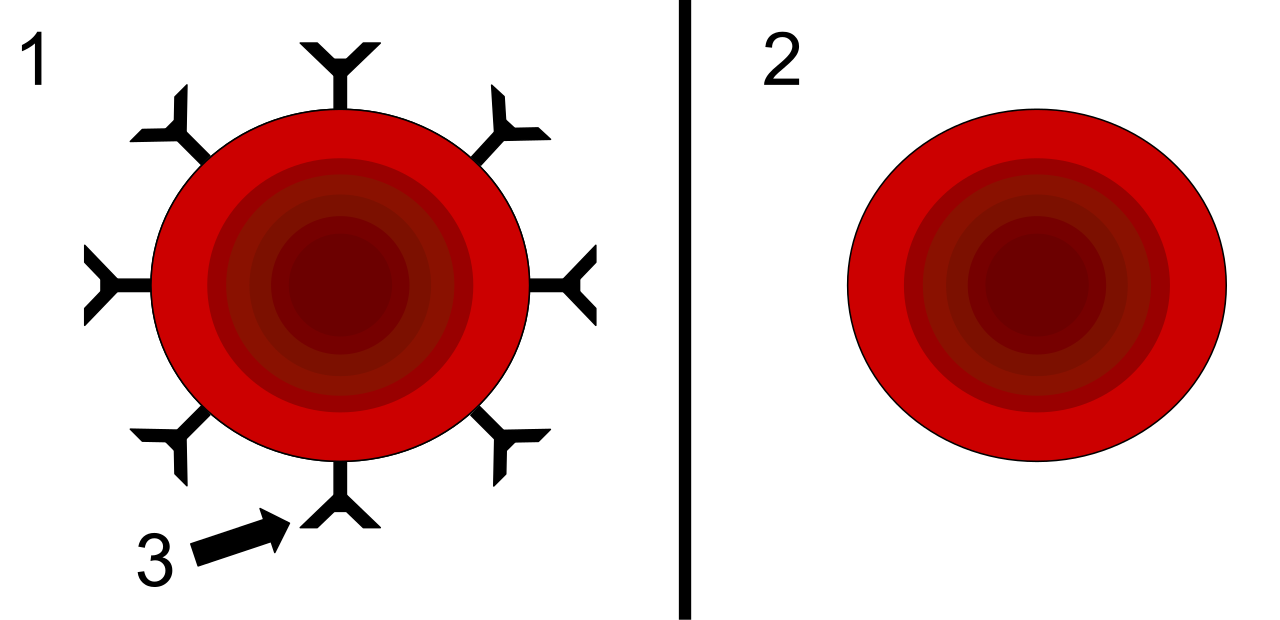
If the mother's blood type is Rh-negative and her baby is Rh-positive, her immune system might attack future pregnancies. To stop this, Rh immune globulin is administered to an Rh-negative mother within 72 hours of delivering an Rh-positive infant.
We must also monitor the mother's mind. The sudden drop in hormones can cause immense emotional turbulence.
- Postpartum blues are common and typically resolve within two weeks after delivery.
- Postpartum depression involves persistent sadness lasting longer than two weeks. A key indicator? A persistent lack of interest in the newborn.
- Postpartum psychosis is a psychiatric emergency characterized by maternal hallucinations. Protect the mother and infant immediately!
The First Five Minutes: The APGAR Score
When the neonate emerges, they must suddenly transition to extrauterine life—breathing air and rerouting their own blood. We assess this transition using the Apgar score at exactly 1 minute and 5 minutes after birth. The Apgar evaluates five specific things:
- Heart rate
- Respiratory effort
- Muscle tone
- Reflex irritability
- Skin color
Newborn Vitals and Assessment
What does a normal baby look and act like?
- Respirations: A normal newborn respiratory rate ranges from 30 to 60 breaths per minute. Because their nervous systems are immature, normal newborn respirations are typically irregular in rhythm and are primarily diaphragmatic (belly breathers).
- Temperature: Normal newborn axillary temperature ranges from 97.7 to 99.5 degrees Fahrenheit.
- Color: Expect the trunk to be pink, but acrocyanosis is a normal physiological finding of bluish hands and feet in the first 24 hours of neonatal life. However, central cyanosis (blue lips/chest) is a red flag that indicates underlying severe hypoxia.

If you feel the newborn's head, you'll notice the cranial bones haven't fused, leaving soft spots called fontanelles to allow for rapid brain growth:
- The anterior fontanelle is diamond-shaped and normally closes between 12 and 18 months of age.
- The posterior fontanelle is triangle-shaped and normally closes much faster, between 2 and 3 months of age.
Innate Wiring: Newborn Reflexes
Nature pre-programmed the newborn with survival reflexes:
- Moro reflex: Elicited by a sudden loud noise or simulating a sudden drop of the newborn (they will startle and extend their arms out).
- Rooting reflex: Elicited by gently stroking the side of the newborn's cheek. A normal newborn turns the head toward the stimulated side to find the breast.
- Babinski reflex: Elicited by stroking the lateral sole of the newborn's foot upward. A positive Babinski reflex in a normal newborn involves the fanning out of the toes (note: this is normal in babies, but pathological in adults!).

Prophylactic Care and Jaundice
Right after birth, we give the baby two essential medications:
- Vitamin K is administered intramuscularly to newborns to prevent neonatal hemorrhagic disease. (They don't have the gut flora to synthesize it yet).
- Erythromycin ophthalmic ointment is administered to newborns to prevent gonococcal ophthalmia neonatorum (protecting their eyes from bacteria in the birth canal).
Watch their skin color over the next few days. The baby has to break down excess red blood cells, which creates bilirubin.
- Physiologic jaundice typically appears after the first 24 hours of life as the immature liver slowly processes the bilirubin.
- Pathologic jaundice presents within the first 24 hours of life and signals an underlying disease process (like blood group incompatibility).
Finally, teach the parents about the umbilical cord. The newborn umbilical cord stump typically dries and falls off within 10 to 14 days after birth. Tell them to keep it clean and dry!
Remember, the NCLEX doesn't just want you to memorize these facts. It wants you to know what to do with them. When you understand why variable decelerations mean cord compression, or why a boggy uterus causes hemorrhage, you stop guessing—and you start acting like the elite nurse you are training to be.