Use of Restraints and Safety Devices
Not sure you’re ready?
Take the ~3-minute readiness diagnostic and see where you stand.
Welcome, future nurses! Pull up a chair. Today, we’re going to talk about a topic that sits right at the fascinating intersection of human rights, medical physics, and clinical safety: Restraints and Safety Devices.
Now, why do we care so deeply about this? Think about it! Taking away another human being’s freedom of movement is a massive, profound intervention. It goes against every instinct we have to let people be free. That is exactly why the use of physical restraints is a last resort intervention in nursing care. We only do it when the scales tip completely over to the side of imminent harm.
Let’s strip away the memorization for a moment and look at the underlying mechanics, the rules, and the why behind how we safely manage restraints.
Before we can regulate something, we have to define it. A restraint isn’t just a leather strap; it’s a concept.
- Physical Restraints: Simply put, physical restraints restrict client movement using manual methods or mechanical devices. But here’s where it gets tricky. Sometimes, we disguise restraints as "safety devices." Here is the golden rule: A safety device becomes a physical restraint if the client cannot independently remove the safety device. If you put a snug lap belt on a wheelchair to keep a patient upright, but their hands are too weak to unbuckle it themselves? Boom. It's a restraint.
- The "Four Rails" Trap: If you raise two side rails to help a patient turn, that’s an assist device. But four full side rails raised simultaneously on a client bed are classified as a physical restraint. Why? Because you’ve just turned a bed into a crib. They cannot get out.
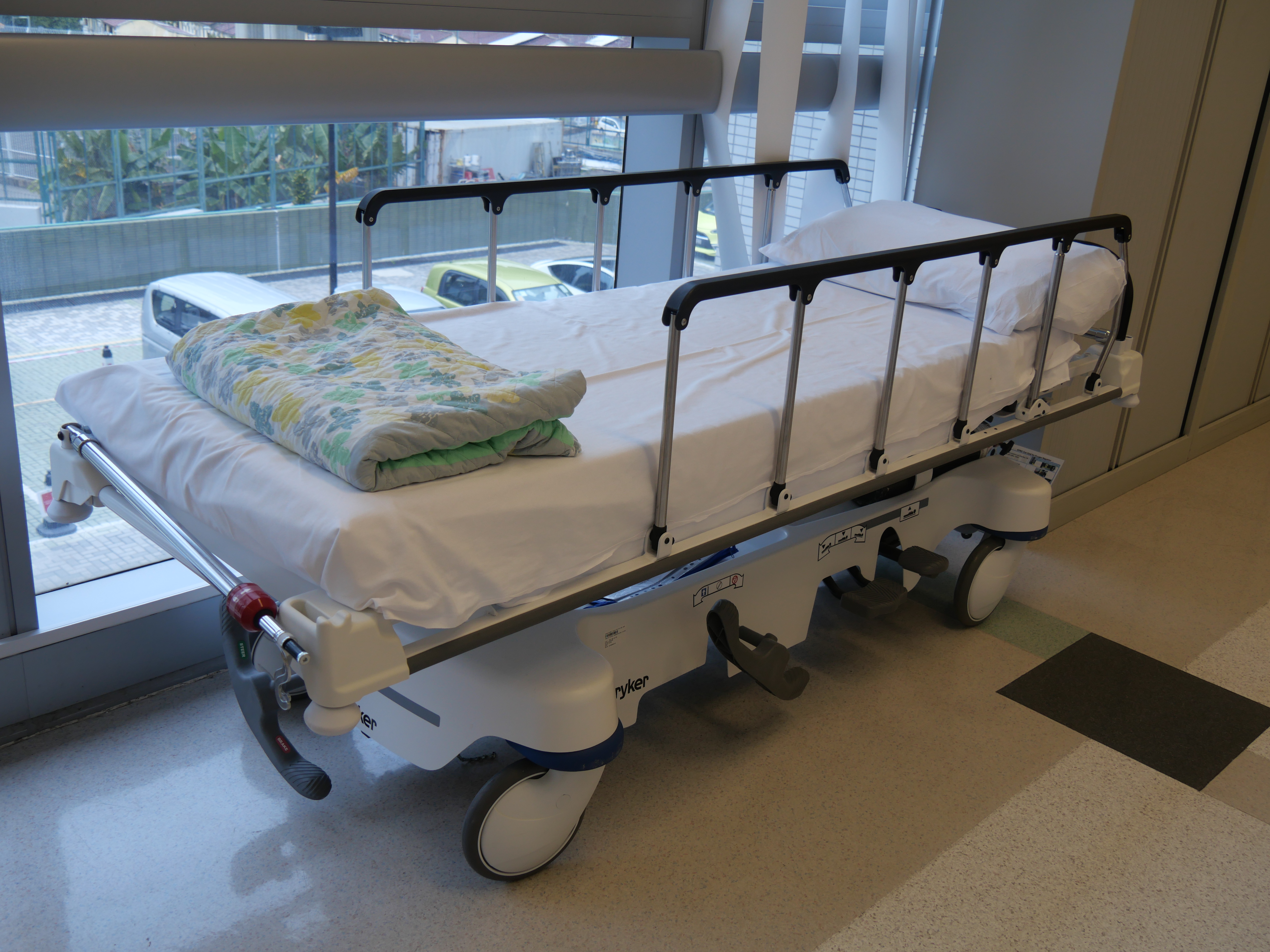
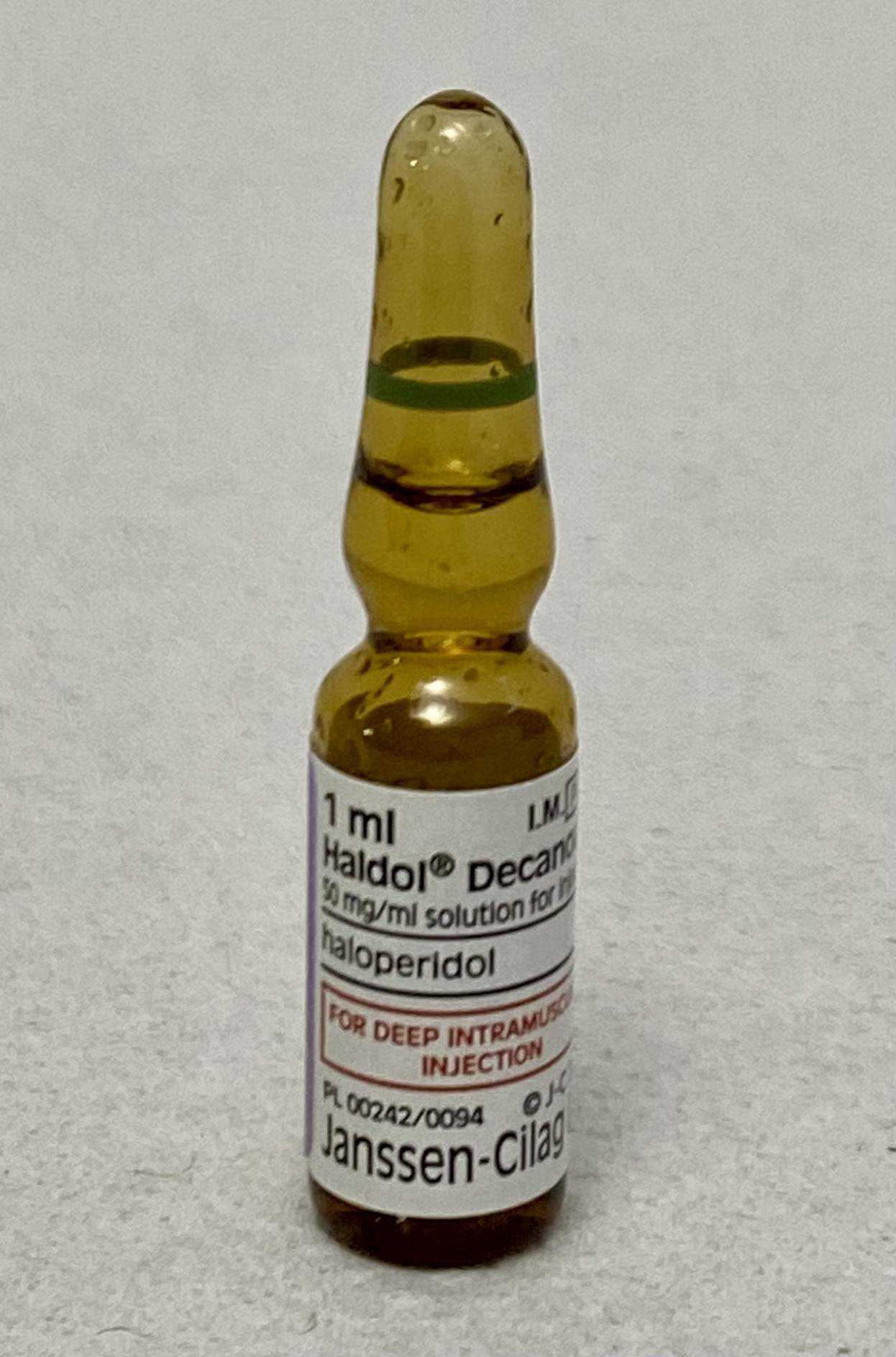
- Chemical Restraints: These are insidious because you can't see them. Chemical restraints are medications used to control client behavior or restrict client freedom of movement. The crucial distinction here is that chemical restraints are not a standard treatment for the client's primary medical or psychiatric condition. Giving Haldol to a patient with acute schizophrenia? That's treatment. Giving Haldol to a restless dementia patient so they stop pacing and you can chart in peace? That is a chemical restraint, and it is strictly regulated.
Because taking away freedom is our absolute last resort, nurses must attempt and document alternative non-restrictive interventions before applying physical restraints. You have a whole toolkit of alternatives to try before you ever reach for a strap. Let's look at the physics of distraction and environmental engineering:
- Technology: Use bed or chair alarms. Let the alarm do the monitoring so you can intervene exactly when they try to get up.
- Cognitive Reset: Try frequent client reorientation to the environment. A patient pulling at an IV often just doesn't know where they are!
- Geography: Use distance to your advantage by moving the client's room closer to the nurses' station.
- Human Connection: Provide a one-on-one trained sitter for the client. Sometimes, human presence is the ultimate safety device.
- Basic Needs: Think logically—why do people try to get out of bed? They usually have to pee! Offering the client frequent toileting assistance is a highly effective alternative.
You cannot just decide to restrain a patient on your own. It requires a doctor's order, and the rules are incredibly strict because they protect the patient's civil liberties.
The General Rule vs. The Emergency Rule
In a normal, non-emergency situation, the nurse must obtain a written provider prescription before applying a restraint.
But what if a patient suddenly rips out a central line and starts attacking the staff? You don’t have time to call the doctor! In this scenario, a nurse may apply a physical restraint without a provider prescription in an emergency situation to protect the client or staff. However, the clock starts ticking instantly: The nurse must obtain a written provider prescription within one hour of applying a restraint in an emergency situation.
What the Prescription Must Say
A valid restraint order cannot just say "Restrain patient." It requires extreme precision. A provider prescription for physical restraints must specify:
- The clinical reason for the restraint.
- The exact type of restraint to be used.
- The anatomical location of the restraint.
- The duration of the restraint application.
CRITICAL WARNING: PRN (as needed) prescriptions for physical restraints are legally prohibited. You cannot have a standing order to "restrain if confused." Every single application requires a fresh, deliberate clinical judgment and a specific order!
The Countdown Clocks (Time Limits)
Because being restrained is traumatic, prescriptions expire rapidly. Notice how the time limits shrink depending on how vulnerable the brain is:
| Patient Age / Condition | Maximum Validity of Prescription |
|---|---|
| Violent Behavior: Adult (18+) | Maximum of four hours |
| Violent Behavior: 9 to 17 years | Maximum of two hours |
| Violent Behavior: Under 9 years | Maximum of one hour |
If a patient requires seclusion (putting them alone in a room) for violent or self-destructive behavior, the stakes are even higher. The nurse must constantly monitor a client placed in seclusion for violent or self-destructive behavior.
What about someone who isn't violent, but keeps sleepily pulling out their breathing tube? A provider prescription for non-violent medical-surgical restraints must be renewed every 24 hours. Furthermore, to ensure the patient isn't forgotten, the provider must conduct an in-person evaluation of the client within 24 hours of initiating physical restraints.
If you must use a restraint, you must use it perfectly. Let's talk about the physical mechanics of application.
Where and How to Tie
Never tie a restraint to a moving part! The nurse must secure physical restraints to the immovable bed frame. Why? Because beds articulate. Rails move. Securing physical restraints to bed rails causes injury when the bed rails are raised or lowered. Imagine tying a patient's wrist to a rail, and then someone drops the rail—you’ve just created a medieval rack that could dislocate a shoulder!
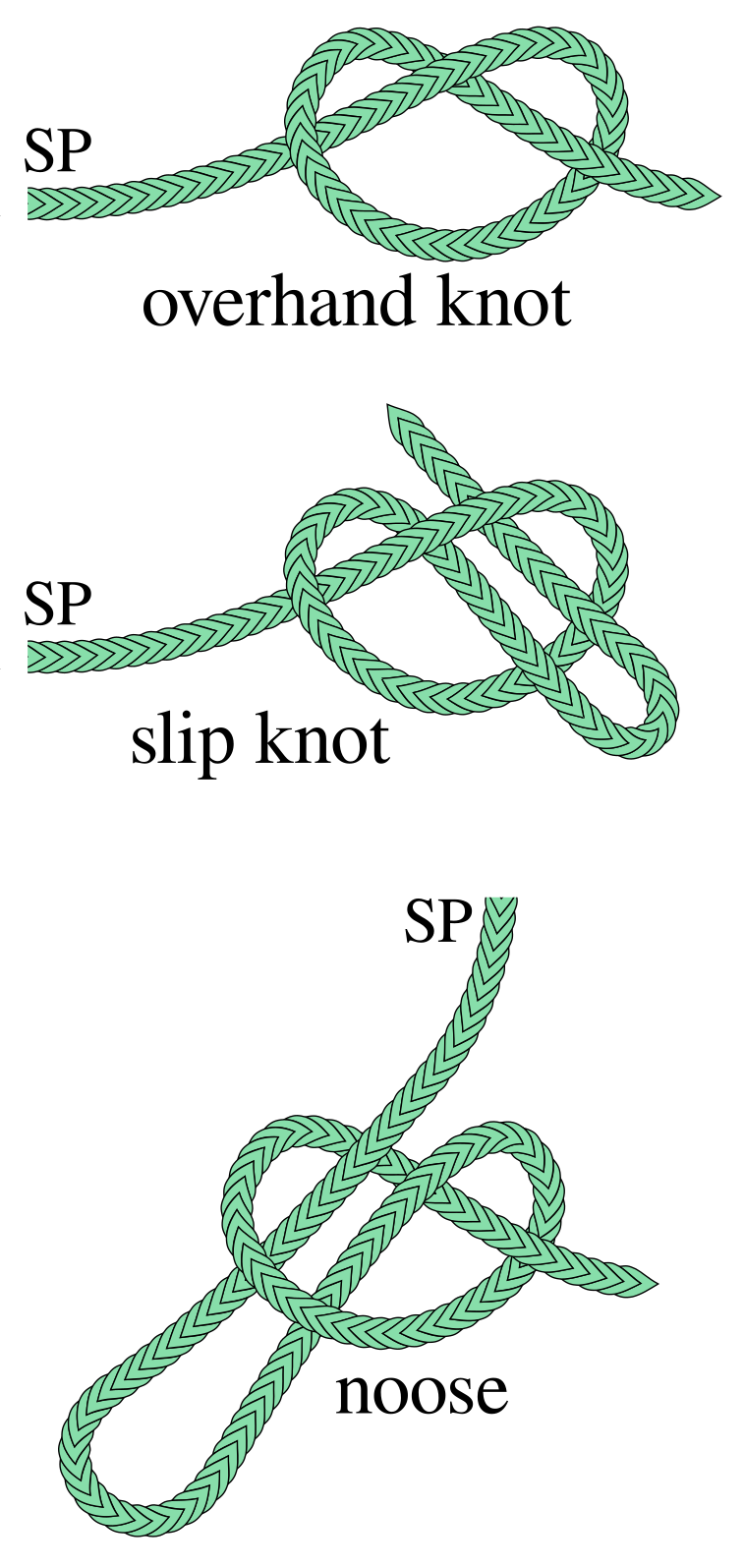
When you tie the knot, the nurse must use a quick-release knot to secure physical restraints to the bed frame. Specifically, a quick-release slip knot allows for rapid removal of physical restraints during a clinical emergency. If the patient starts vomiting and aspirating, a quick tug frees them instantly. No fumbling with double knots!
The "Two Finger" Rule
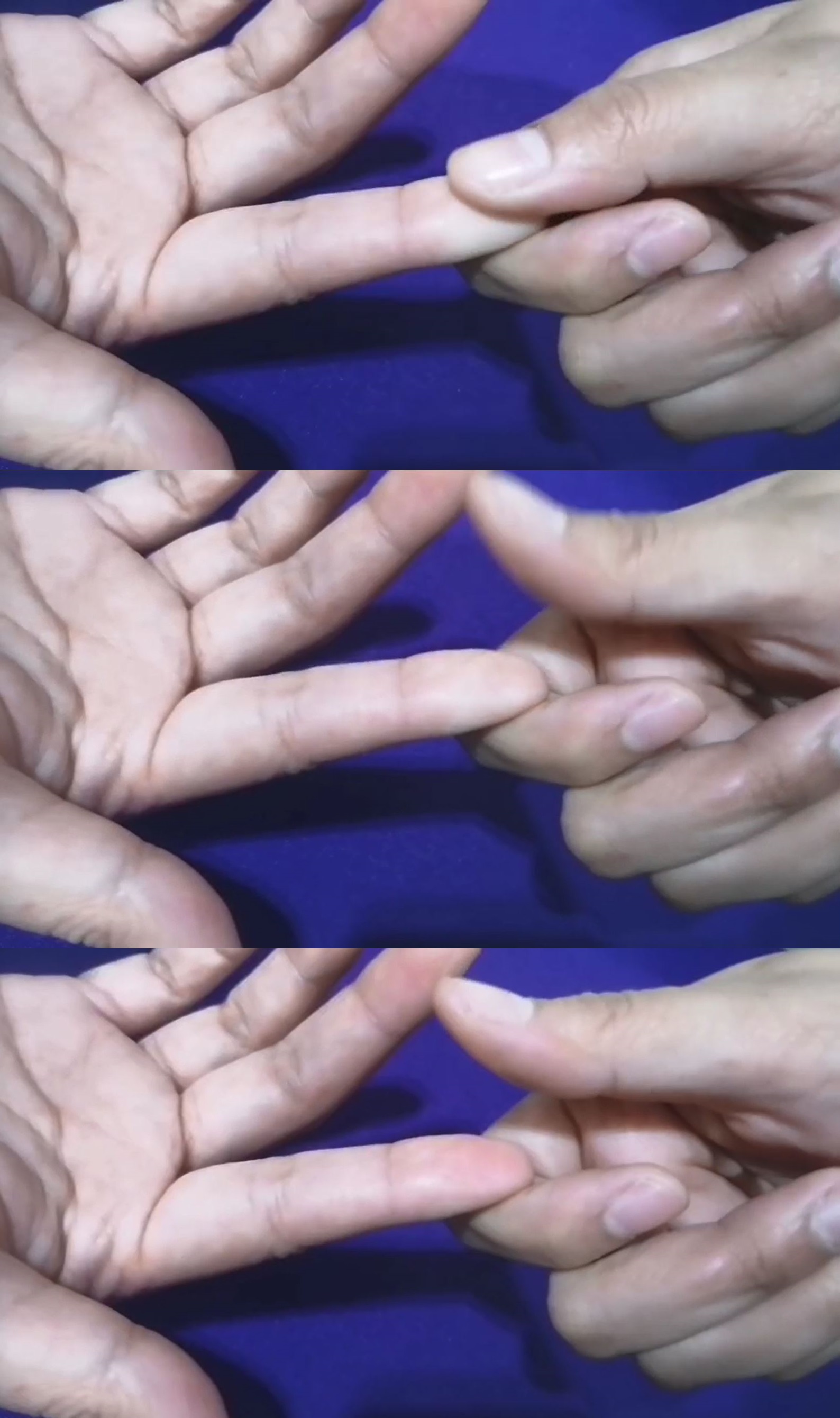
How tight is too tight? The nurse must be able to insert exactly two fingers between the physical restraint and the client's skin. This specific measurement is beautiful in its simplicity: A clearance of two fingers ensures the physical restraint does not impair client circulation, but prevents them from slipping out.
Choosing the Right Tool
We always want the least restrictive option.
- The Mitten Restraint: Think of this as putting a giant oven mitt on the patient. A mitten restraint prevents the client from dislodging medical tubes without completely restricting arm movement. They can still move their arms, they just lose the fine motor grip needed to pull a catheter.

- The Vest Restraint: Be incredibly careful here. A vest restraint poses a high risk for client strangulation if they slide down in the bed. Therefore, the nurse must apply a vest restraint with the crisscross pattern placed strictly on the client's anterior chest. If you put it on backwards, the straight neckline acts like a noose if they slide.
Once a patient is restrained, they become entirely dependent on you for survival. Therefore, we run a strict cycle at least every two hours.
1. Release and Rebuild
The nurse must release physical restraints at least every two hours. Why? Because joints get stiff and muscles cramp. Releasing physical restraints allows the nurse to perform passive or active range-of-motion exercises for the client.
2. The Plumbing and Wiring (Neurovascular Status)
When you tie something around a limb, you risk crushing the blood vessels (plumbing) and the nerves (wiring). Therefore, the nurse must assess the client's neurovascular status at least every two hours during physical restraint use. This is a highly specific four-part check:
- Check capillary refill below the site of the physical restraint.
- Check skin color and temperature below the site of the physical restraint.
- Check for peripheral pulses below the site of the physical restraint.
- Evaluate sensation and movement below the site of the physical restraint.
3. Basic Human Needs
Every two hours, you step in to provide what they cannot do for themselves:
- The nurse must assess client skin integrity beneath the physical restraint at least every two hours. Look for redness, chafing, or shearing.
- The nurse must offer toileting to the physically restrained client at least every two hours.
- The nurse must offer food and fluids to the physically restrained client at least every two hours.
In nursing, if it wasn't documented, it wasn't done. And when we are dealing with taking away someone's freedom, the legal record must be flawless.
You must paint a complete picture of the event. First, the nurse must document the alternative interventions attempted prior to applying the physical restraint. Prove that you tried everything else first!
Next, focus on the timeline. The nurse must document the exact time the physical restraint was applied to the client, and later, the exact time the physical restraint was removed from the client.
During the restraint period, the nurse must document the client's behavioral and physical response to the physical restraint. Are they calming down? Are they fighting it? Are they crying? Record it.
Which brings us to our ultimate, most important goal. We do not wait for the prescription to expire to remove the restraint. The absolute second the danger has passed, we act: The nurse must remove the physical restraint immediately once the client no longer exhibits the specific unsafe behavior.
That is the true art of nursing. We protect them when they cannot protect themselves, and we give them their freedom back the very millisecond it is safe to do so. Now go out there and practice with both brilliant minds and compassionate hearts!