Developmental Stages and Transitions
Not sure you’re ready?
Take the ~3-minute readiness diagnostic and see where you stand.
The Magnificent Symphony of Human Development: A Nurse’s Guide to Stages and Transitions
Imagine a human being not as a static object, but as a dynamic, moving system. From the moment we take our first breath to our twilight years, we are constantly transforming—physically, mentally, and socially. As nurses, if we want to figure out what’s wrong with a patient, we first have to understand what it means to be "right" at any given point in time.
Why do we study development? Because knowing the expected trajectory allows us to spot the deviations. Furthermore, we help clients cope with life’s massive shifts by providing anticipatory guidance—giving them a roadmap regarding expected developmental milestones before they even reach them.
To make sense of this continuous transformation, scientists built grand frameworks. Sigmund Freud's psychosexual theory describes development driven by primal drives through the oral, anal, phallic, latency, and genital stages. Erik Erikson's psychosocial theory describes development as a series of eight sequential stages, each characterized by specific psychosocial crises we must resolve. Meanwhile, Jean Piaget's cognitive development theory outlines four distinct stages of intellectual development from birth through adulthood, essentially showing us how our brain's "operating system" upgrades over time.
Let’s walk through this incredible human journey, stage by stage.

Think about what an infant has to accomplish in just one year. It is a biological miracle.
Psychosocial & Cognitive Discoveries
According to Erikson, the psychosocial crisis of infancy is Trust versus Mistrust. The infant is asking the universe, "Are you reliable?" When they cry, do they get fed? If yes, trust forms.
Cognitively, infants are in Piaget’s Sensorimotor stage (which spans from birth to approximately two years of age). They are scientists testing the world entirely through their senses and motor actions. A major breakthrough here is object permanence, the understanding that objects continue to exist even when they cannot be seen. Before this develops during the Sensorimotor stage, if you hide a toy behind your back, the infant thinks it simply ceased to exist!

Physical & Motor Milestones
The physical growth is explosive. An infant's birth weight typically doubles by six months of age and triples by twelve months. Their skull is designed to accommodate a rapidly growing brain. The posterior fontanelle typically closes early, between six to eight weeks of age, while the larger anterior fontanelle typically closes between twelve to eighteen months of age.
Let's look at how they conquer gravity:
| Age | Expected Gross & Fine Motor Milestone |
|---|---|
| 5 months | Typically begin rolling from abdomen to their back. |
| 6 months | Typically begin rolling from their back to their abdomen (requires more strength). |
| 8 months | Sit unsupported. |
| 9 months | Begin crawling, pull themselves up to a standing position, and develop a crude pincer grasp. |
| 11 months | Walk while holding onto furniture and develop a neat pincer grasp. |
| 12 months | Take their first independent steps. |
Babies are also born with primitive reflexes that must fade to make way for voluntary control. The startle-like Moro reflex typically disappears by three to four months of age. The Babinski reflex (fanning of the toes) is unique; while it's pathological in adults, in an infant, it typically disappears later, by twelve to twenty-four months of age.

⚠️ NCLEX Clinical Deviations in Infancy:
- Motor Deviation: Failure to achieve head control by four months of age requires further assessment.
- Psychosocial Deviation: Failing to smile socially by three months of age requires evaluation for developmental delay.
- Sensory Deviation: Failure to react to loud noises by three months of age is a red flag requiring a hearing evaluation.
Psychosocial & Cognitive Discoveries
Welcome to Erikson’s crisis of Autonomy versus Shame and Doubt. Toddlers have discovered they have a will of their own. They want to do things themselves, hence the favorite word: "No!"
Cognitively, they enter Piaget’s Preoperational stage, which spans from two to seven years of age. The brain is upgrading, but it has quirks. Two defining characteristics are egocentrism—the inability of a child to view a situation from another person's perspective—and magical thinking, where children actually believe their thoughts can cause events to happen. (If they get mad at a sibling and the sibling falls down, the toddler thinks they caused it with their mind!)
Physical & Motor Milestones
- 18 months: Toddlers typically begin to run awkwardly and can build a tower of three to four blocks.
- 24 months: They can usually walk up and down stairs while holding on.
- Vocabulary: Expect a vocabulary of approximately three hundred words by twenty-four months.
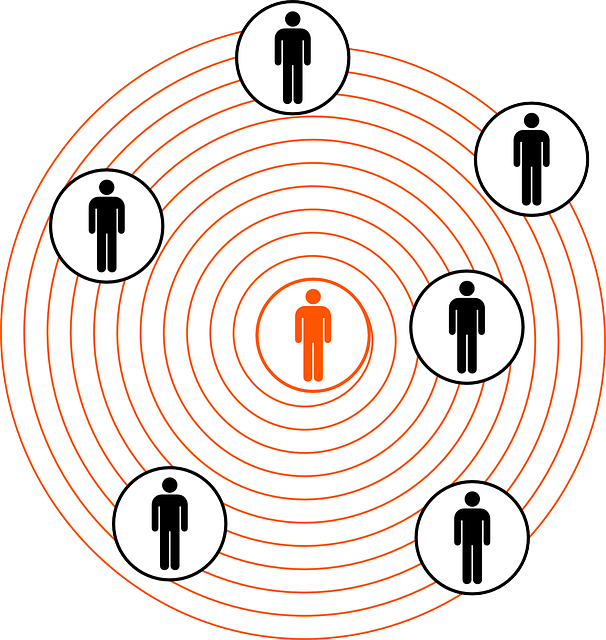
Socially, this is the era of parallel play. It’s a common behavior where toddlers play adjacent to each other without interacting directly. They are happy to sit next to another child, both playing with blocks, living in their own parallel universes.
Major Transitions & Deviations
A major life transition typically initiated during the toddler stage is toilet training. When teaching parents, remind them that bowel control is generally achieved before daytime bladder control.
⚠️ NCLEX Clinical Deviations in Toddlerhood:
- A toddler failing to speak any meaningful words by eighteen months of age requires developmental evaluation.
- An inability to walk independently by eighteen months of age is a physical deviation requiring assessment.
Psychosocial & Play
Erikson’s psychosocial crisis of the preschool age is Initiative versus Guilt. They are energetic, eager learners who want to plan activities and make up games. The parallel play of toddlerhood evolves into associative play, where preschoolers play together without a rigid organization or strict rules. They might all be playing "kitchen," but nobody is strictly enforcing who the chef is.
Clinical Pearl: Preschoolers commonly experience an intense fear of bodily harm during medical procedures. Because of their lingering magical thinking, a simple bandage isn't just a covering; it's holding their insides together!
Physical Milestones
- 3 years: Typically learn to ride a tricycle.
- 4 years: Can typically use scissors to cut out basic shapes.
- 5 years: Can typically tie their own shoelaces.
⚠️ NCLEX Clinical Deviation in Preschoolers: Persistent tip-toe walking is a physical deviation that requires further neuromuscular assessment (it can be a sign of underlying spasticity or conditions like cerebral palsy).
Psychosocial & Social Growth
Now we arrive at Erikson’s crisis of Industry versus Inferiority. School-age children want to master real-world skills and be productive. A fundamental shift happens here: peer relationships become increasingly important. They want to fit in, make friends, and be part of the team.
Consequently, play matures into cooperative play, which involves playing in groups with organized rules (think board games or organized sports).
Cognitive Upgrades & Physical Rest
Cognitively, they enter Piaget’s Concrete Operational stage (seven to eleven years of age). They can now apply logic to concrete objects. A major hallmark here is mastering the concept of conservation—the understanding that a substance's quantity remains the same despite changes in its physical shape. (Pouring water from a short, wide glass into a tall, skinny glass doesn't fool them anymore; they know it's the same amount of water). Furthermore, school-age children develop the ability to classify objects based on multiple physical characteristics.

Physically, compared to earlier developmental stages, school-age children typically experience a slowing of physical growth. The body is resting up, storing energy for the explosion that is about to come.
The Biological Storm: Puberty
Puberty is a biological transition characterized by the development of secondary sex characteristics. The timeline differs by biological sex:
- Females: Typically experience a rapid growth spurt between the ages of ten and fourteen years. Menarche (the first occurrence of menstruation) typically occurs during early adolescence.
- Males: Typically experience a rapid growth spurt slightly later, between the ages of twelve and sixteen years.
Nurses play a massive role here. We assist adolescent clients transitioning through puberty simply by providing factual, non-judgmental information about expected bodily changes. Normalizing the process removes the fear.
Psychosocial & Cognitive Milestones
Erikson defines the crisis of adolescence as Identity versus Role Confusion. Adolescents focus heavily on establishing a personal identity completely independent of their parents. Naturally, this means they look outward; peer group conformity peaks during this developmental stage.
Cognitively, Piaget’s final upgrade occurs: the Formal Operational stage, beginning around age eleven and continuing into adulthood. The primary characteristic here is abstract reasoning. They can think about hypothetical situations, ethics, and the distant future.
⚠️ NCLEX Clinical Deviations in Adolescence:
- Physical (Female): A lack of breast bud development by age thirteen requires medical evaluation.
- Physical (Male): The absence of testicular enlargement by age fourteen requires medical evaluation.
- Psychosocial: Extreme withdrawal from peer relationships is not just "teen angst"—it is a psychosocial deviation requiring mental health screening.
In Erikson's framework, the psychosocial crisis of young adulthood is Intimacy versus Isolation. Having established who they are in adolescence, young adults typically transition into new social roles involving long-term partnerships and careers.
Physically, this is the prime of life. Young adults generally reach their peak physical capacity and physiological efficiency.
The Transition to Parenthood
One of the most monumental shifts in this era is having children. The transition to parenthood is a major psychosocial stressor requiring profound role adaptation. When nurses assist parents with this transition, we must be practical. Our role involves educating them on the realities of infant sleep patterns and, crucially, parental self-care strategies to prevent burnout.
Psychosocial & Physical Shifts
Middle adulthood brings Erikson’s crisis of Generativity versus Stagnation. Middle adults want to build things that will outlast them—raising children, mentoring younger generations, or contributing to society.
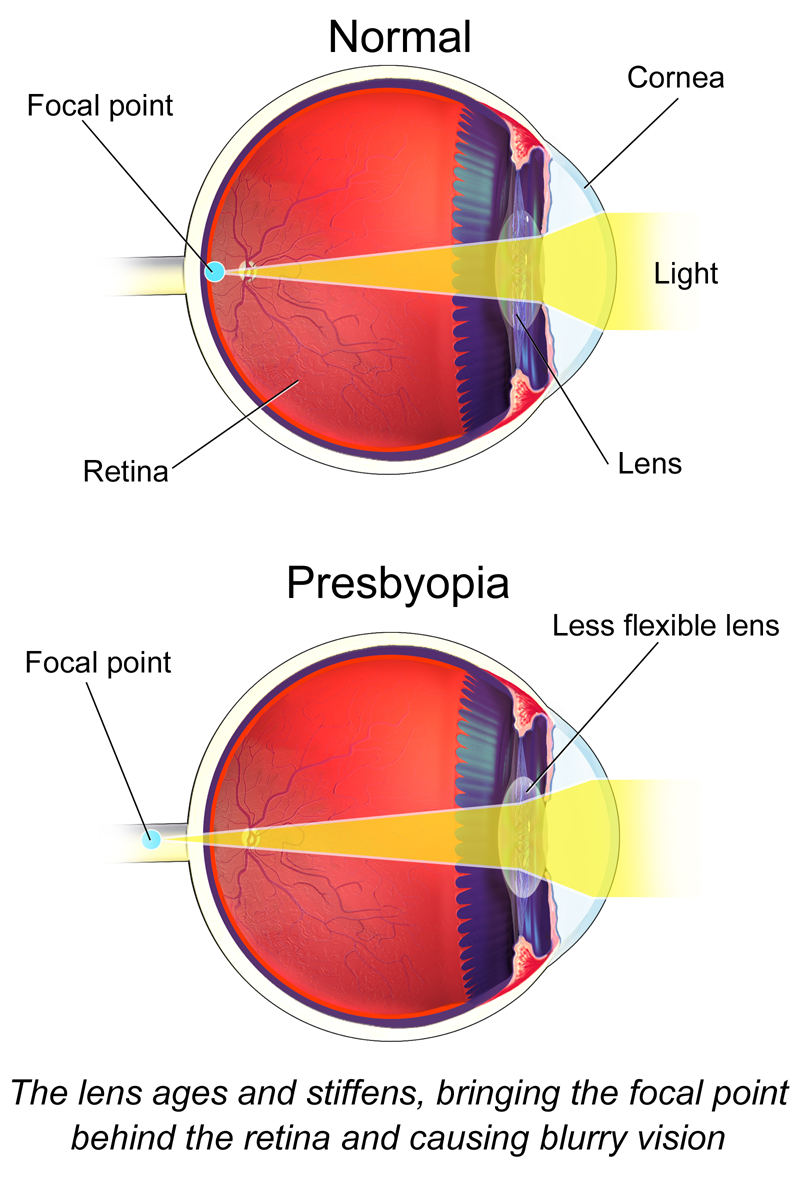
Physiologically, the machinery starts to slow down. Middle adulthood is characterized by a gradual decline in basal metabolic rate (hello, middle-age spread). We also see the onset of presbyopia, a normal age-related decrease in near vision accommodation (suddenly, the restaurant menu needs to be held at arm's length).
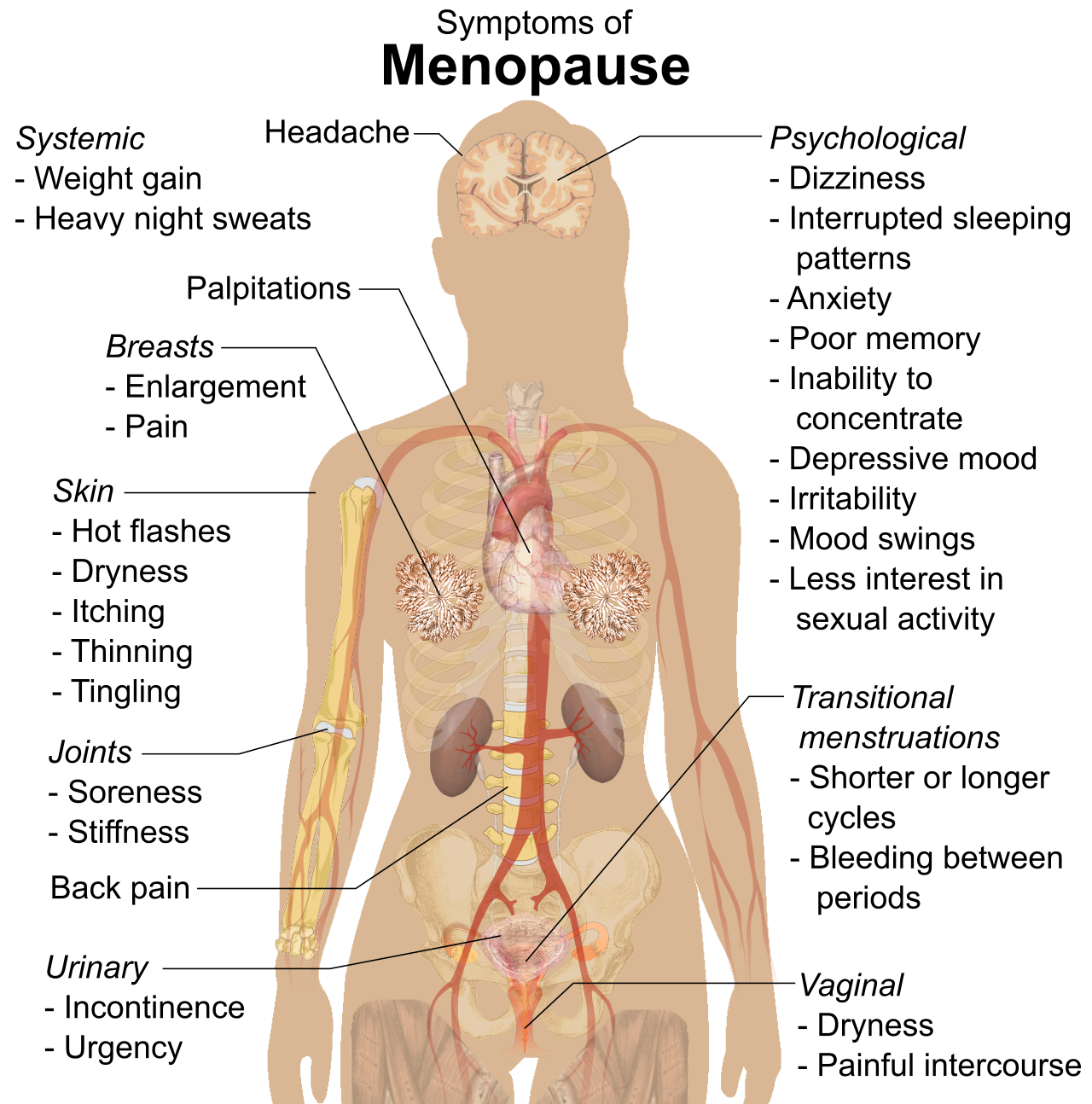
For middle-aged females, this stage includes menopause, a biological transition characterized by the permanent cessation of menstruation.
Complex Psychosocial Transitions
Middle adults face unique emotional challenges. They often experience the empty nest syndrome, a psychosocial transition occurring when children finally leave the family home. Simultaneously, they frequently assume the role of caregivers for both their maturing children and their aging parents—earning them the title of the "sandwich generation."
Finally, we arrive at the culmination of Erikson’s theory: the psychosocial crisis of older adulthood is Ego Integrity versus Despair. It is a time for looking back, reflecting on one's life, and finding meaning and peace, rather than regret.
Expected Physiological Changes
Let's talk about what is normal in an aging body.
- Skin: Older adults typically experience a decrease in skin turgor due to the loss of subcutaneous fat.
- Fluid Balance: They typically undergo a reduction in total body water content, altering how medications are metabolized and increasing dehydration risks.
- Immunity: They experience a decline in immune system function, making them highly susceptible to infections.
- Cognition: A mild decline in short-term memory is a common physiological change.
Navigating Late-Life Transitions
Aging comes with a wave of profound life transitions that require enormous psychosocial adjustment:
- Retirement: This is a major life transition requiring adjustment to the loss of a primary occupational role. How do we help? Assisting an older adult with retirement involves exploring new volunteer opportunities to maintain a sense of purpose.
- Bereavement: Older adults frequently face the devastating psychosocial challenge of adjusting to the death of a spouse.
- Relocation: Declining physical mobility means older adults may transition from independent living to assisted living facilities. This isn't just a physical move; it can trigger Relocation stress syndrome, a recognized physiological or psychosocial disturbance resulting from transfer to a new environment.
What is NOT Normal Aging?
This is arguably the most critical distinction you must make as a nurse:
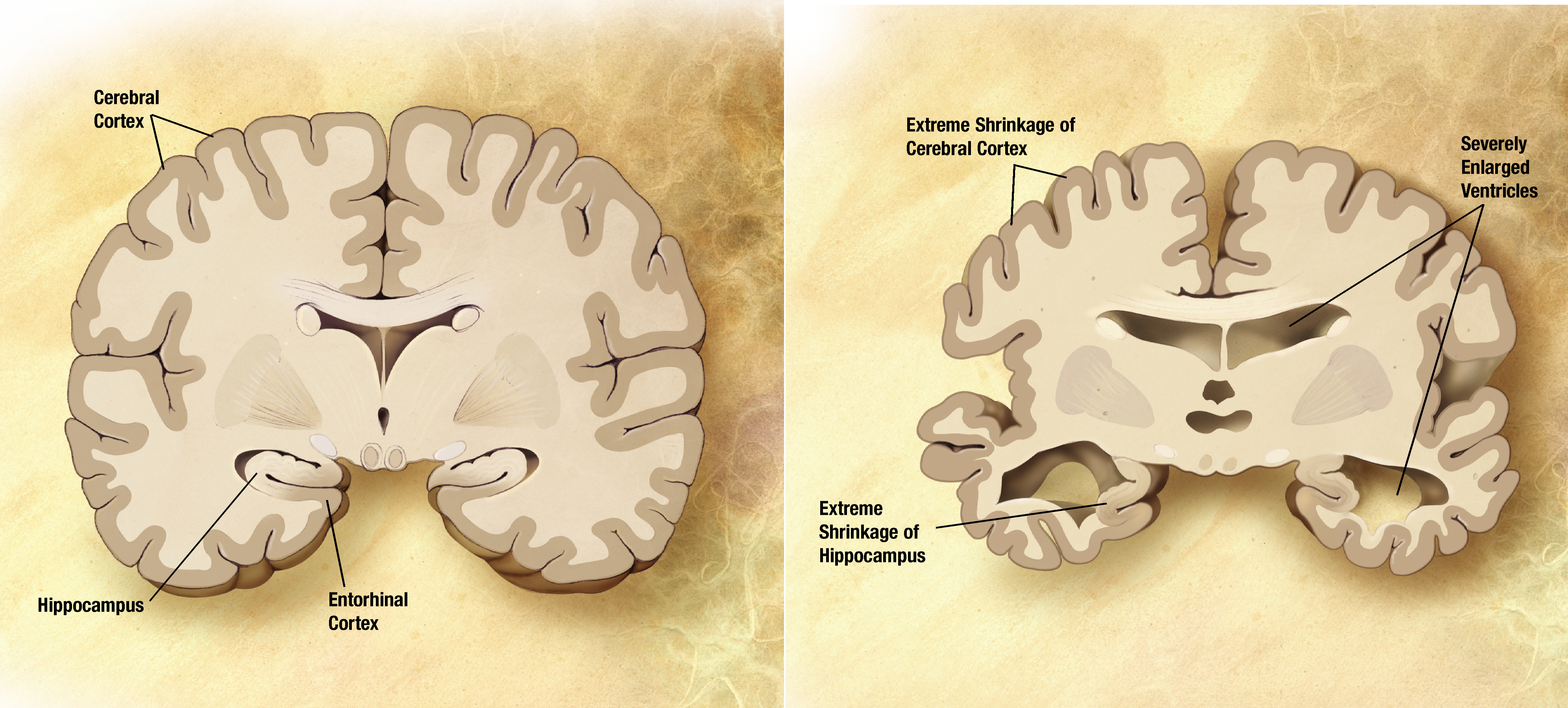
- Severe cognitive impairment or dementia is NOT a normal part of the physiological aging process. It is a disease pathology.
- The onset of sudden confusion in an older adult is a massive deviation from normal aging. It almost always indicates an acute medical issue, such as a urinary tract infection, hypoxia, or an adverse medication reaction.
Conclusion
Human development isn't just a list of facts to memorize; it is the fascinating, relentless physics of growing up and growing old. By deeply understanding Freud's stages, Piaget's cognitive leaps, and Erikson's psychosocial crises, intertwined with expected physical milestones, you aren't just passing an exam. You are learning to read the human being in front of you. You learn to spot the deviations early, ease their life transitions, and provide the absolute highest standard of nursing care. Keep observing, keep questioning, and marvel at the incredible machine that is the human lifespan.