Case Management
Not sure you’re ready?
Take the ~3-minute readiness diagnostic and see where you stand.
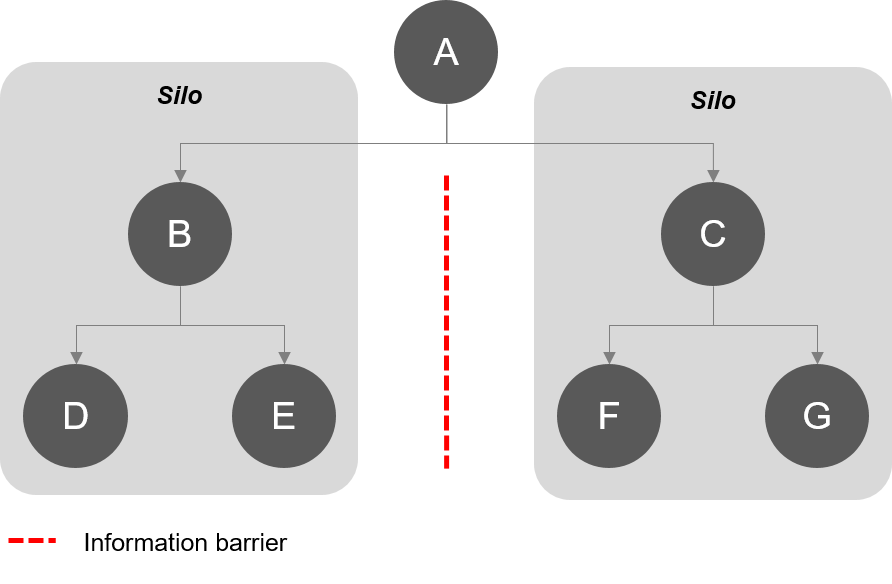
Here is a fascinating truth about modern medicine: we have the most brilliant specialists, the most advanced machines, and the most miraculous drugs in human history. But if you have a patient who needs a cardiologist, a pulmonologist, a physical therapist, and a special diet, who ensures these pieces actually fit together? Without someone orchestrating the process, the healthcare system is just a collection of incredibly smart people operating in silos.
Enter Case Management.
If you want to understand what a case manager does, think of them as the ultimate conductor of a highly complex healthcare orchestra. Their job isn’t to play every instrument; their job is to make sure everyone is playing the same sheet of music.
Let's dive into how you, as a registered nurse, will use case management to guide your clients out of the hospital, back into their lives, and—most importantly—how you will help them stay there.
At its core, case management coordinates patient care across the entire healthcare continuum. The continuum isn't just the hospital ward; it stretches from the ICU, to the rehab center, all the way to the client’s living room.
_to_ensure_a_quick.jpg)
Why do we do this? The primary goal of case management is to optimize clinical outcomes for the client. We want them to get better and stay better. And closely tied to that goal is this beautiful, foundational objective: a primary objective of case management is to promote client independence. We don't want clients tethered to the hospital. We want them living their lives.
To achieve this, the case manager acts as a central liaison between the client and the complex healthcare system. When a patient has five different doctors, the case manager steps in to ensure that no duplication of medical services occurs among different specialized healthcare providers. You are the one looking at the big picture, preventing the client from getting the same expensive blood test drawn twice by two different specialists. Throughout all of this noise, a case manager strongly advocates for the client's preferences when coordinating care among multiple healthcare providers.
When do you think discharge planning begins? On the day the client is leaving? The day before? Absolutely not!
Feynman's Golden Rule of Discharge: A registered nurse initiates the case management process immediately upon a client's admission to a healthcare facility. Furthermore, case managers begin coordinating the discharge planning process at the time of a client's initial admission.
Why start so early? Because moving a patient safely from one environment to another takes time, coordination, and resources. A registered nurse acting as a case manager ensures continuity of care during transitions between different healthcare settings. These care transitions include the process of moving a client from an acute care hospital to a rehabilitation facility, and eventually back to their home. If you drop the baton during one of these handoffs, the patient falls right back into the hospital.
The Blueprint: Critical Pathways
To make this process as smooth as possible, we use a map. We call these maps critical pathways.
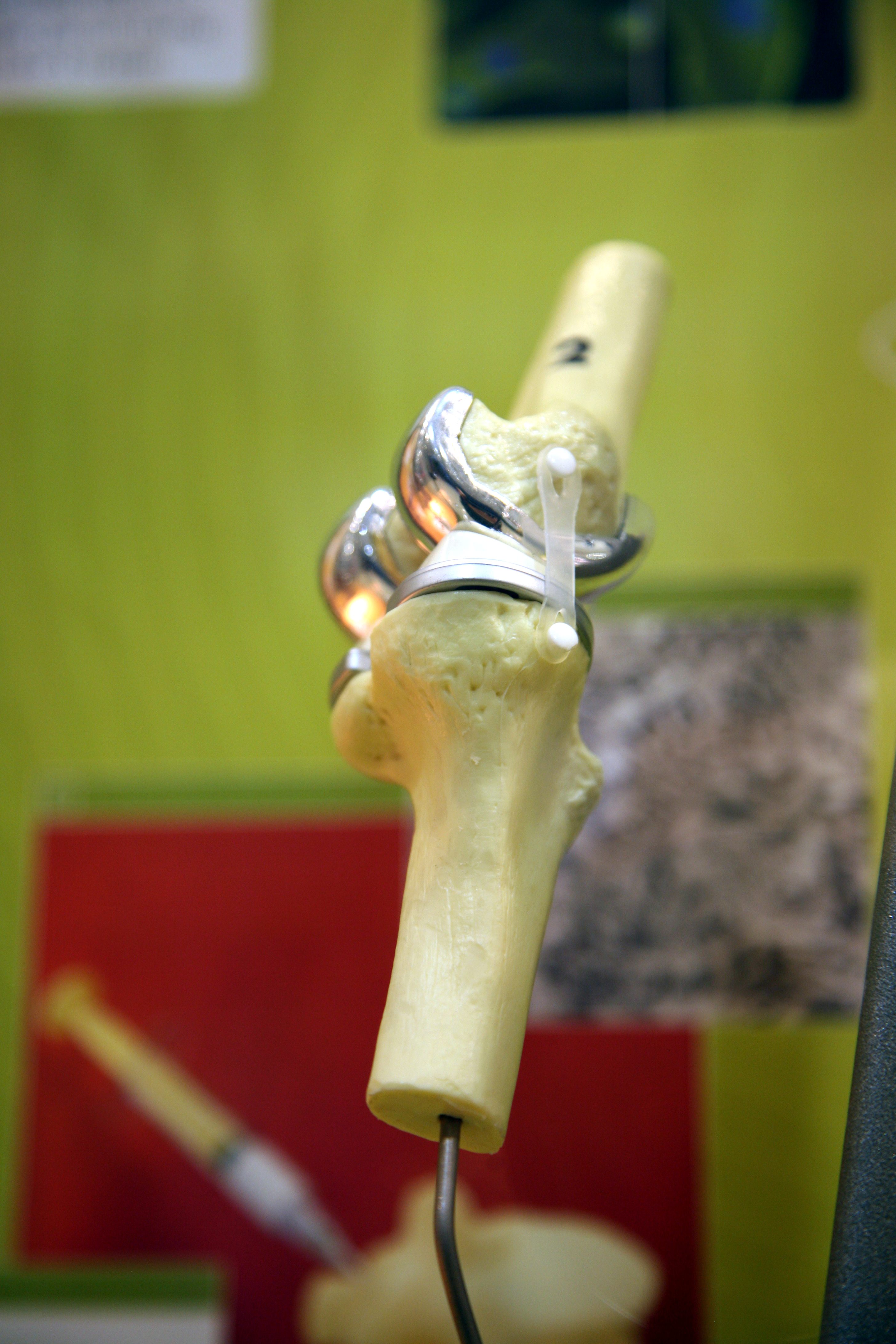
Critical pathways are clinical management tools used in case management to standardize client care. Think of them as evidence-based timelines. If a patient comes in for a total knee replacement, the critical pathway tells us exactly where they should be on Day 1, Day 2, and Day 3.
What is the point of this?
- Critical pathways reduce unnecessary variations in standard clinical practice. We don't want five different doctors treating the exact same routine condition five completely different ways.
- Critical pathways help control healthcare costs by standardizing the use of medical resources.
When Nature Disagrees: Dealing with Variances
But let me tell you a secret: human beings aren't machines. Sometimes, nature doesn't read our textbooks.
We continuously monitor a client's progress against established clinical milestones. But what happens when the patient doesn't hit the milestone? What if they spike a fever on Day 2 of the pathway, or their blood pressure drops?
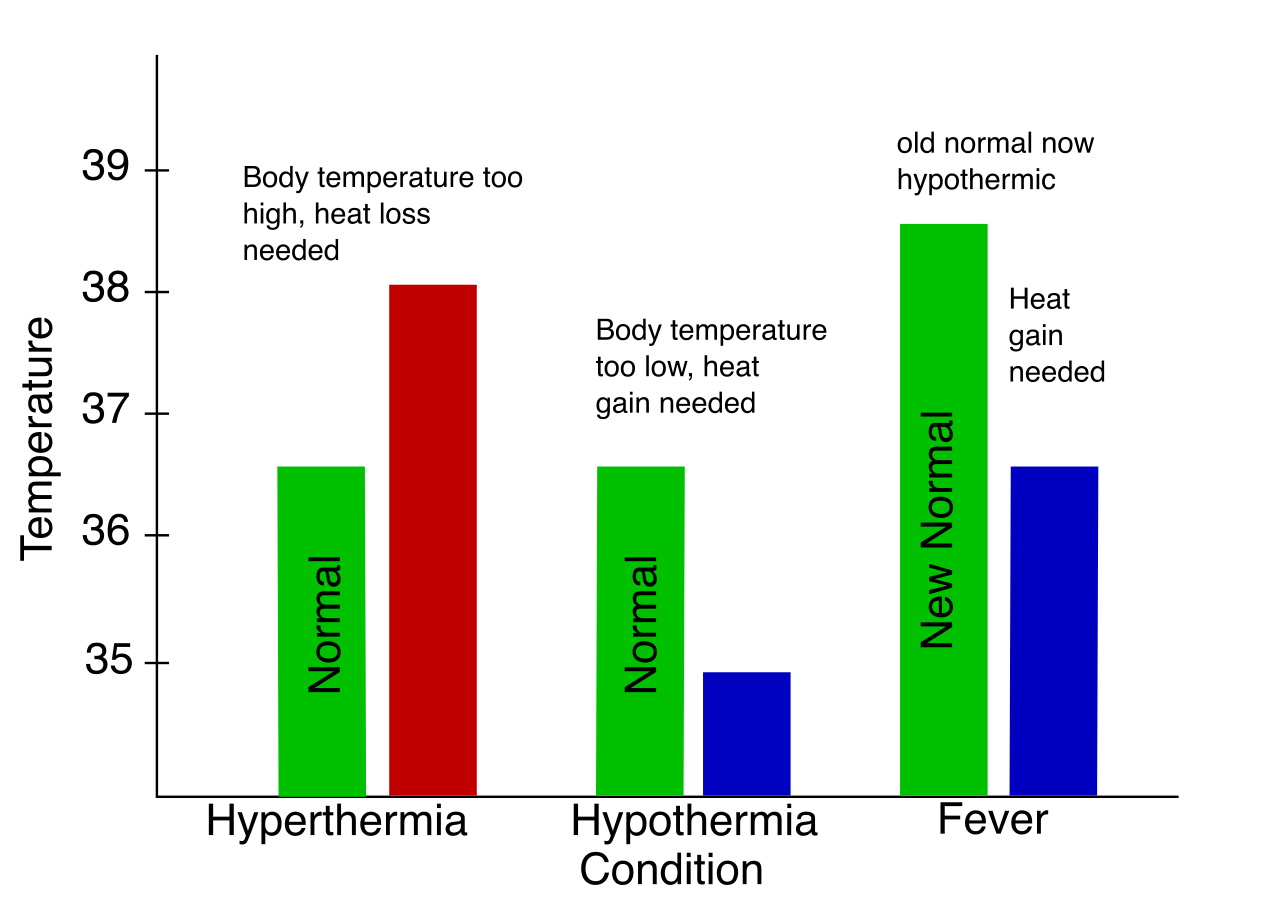
We call this a variance. A variance occurs when a client's clinical progress deviates from the expected timeline of a critical pathway. When this happens, you don't just shrug and hope for the best. A case manager must formally document any clinical variances from the expected critical pathway, and crucially, a case manager must promptly update the individualized care plan whenever a clinical variance occurs. The map has changed, so you must redraw the route!
While the critical pathway is the standard template, the individualized care plan is the custom suit tailored perfectly to the patient.
To make this plan work, it cannot be written in a vacuum. An individualized care plan must explicitly reflect a client's specific health goals and must explicitly reflect a client's specific cultural preferences. If your dietary plan violates a patient's cultural or religious beliefs, they won't eat the food, and your plan is useless.
Furthermore, a registered nurse involves the client directly in the ongoing development of the individualized care plan, and involves the client's family in the ongoing development. You are building a team.
Because medicine is dynamic, an individualized care plan requires periodic reassessment to ensure clinical interventions remain relevant to the client's current condition. How do we do this? Through a meeting of the minds. Interdisciplinary care conferences are structured meetings held to thoroughly evaluate a client's clinical progress, and these conferences are actively utilized to update a client's individualized care plan. The doctor, the nurse, the therapist, and the social worker all sit down at the same table and figure out the next best step.
To promote independence, you have to build a safety net under the patient before they go home. You cannot do this alone. Case managers collaborate with social workers to identify appropriate community resources for clients.
1. Community Resources and Referrals
We look at exactly what the patient needs to survive and thrive outside the hospital walls:
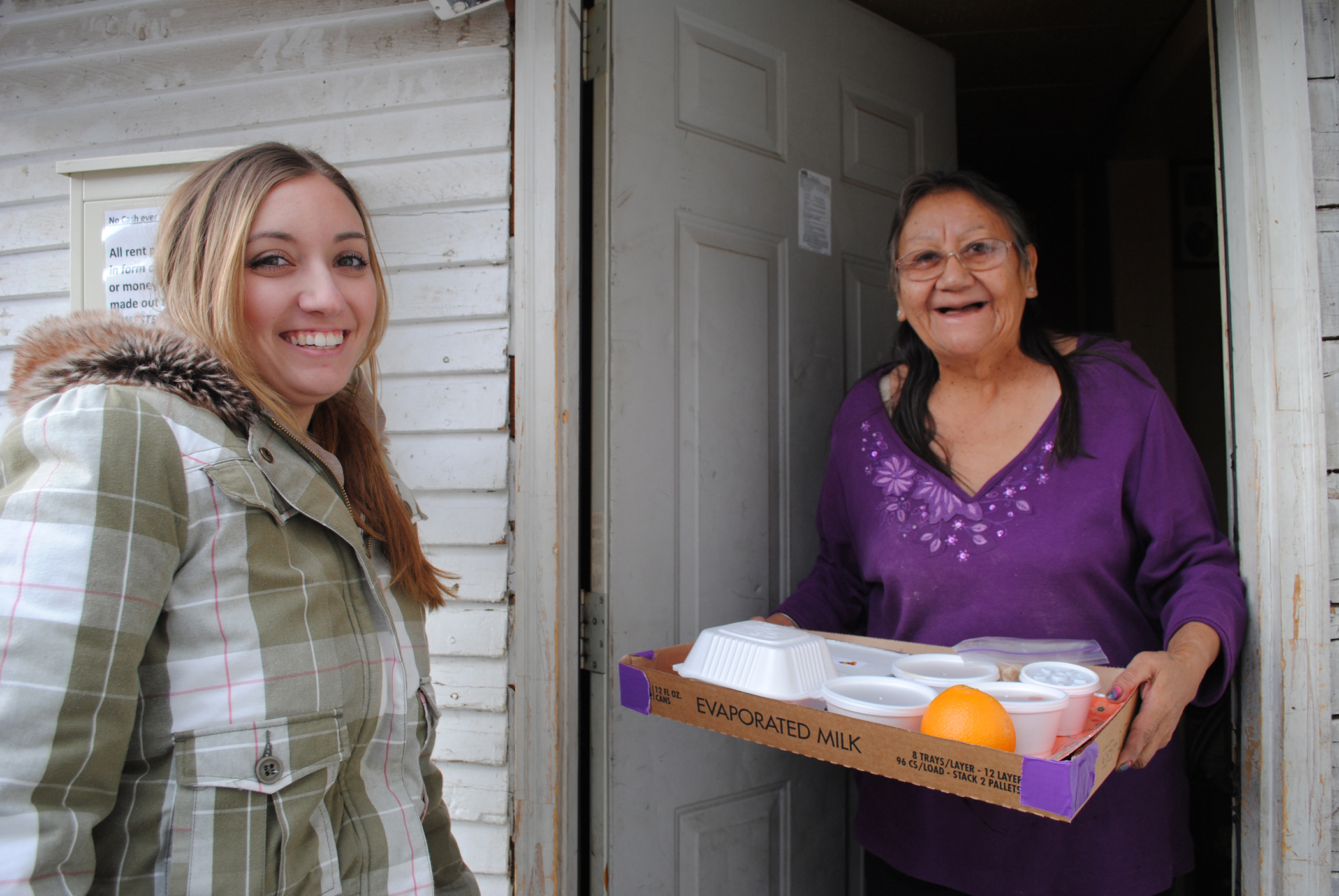
- Nutrition: Meals on Wheels is a community resource providing nutritional support for homebound clients. If they can't cook, we bring the food to them.
- Clinical Care at Home: Home health agencies are community resources that provide skilled nursing care at a client's private residence.
- Education & Emotional Support: Case managers provide clients with detailed contact information for local disease-specific support groups (e.g., the American Heart Association or Alzheimer's support groups).
We also leverage our therapy colleagues. Know the difference between these two, because it is vital:
| Therapy Discipline | Clinical Focus | Case Management Referral Goal |
|---|---|---|
| Physical Therapy (PT) | Lower body, gross motor skills, gait. | Case managers facilitate referrals to physical therapy to improve a client's physical mobility. (Walking, climbing stairs). |
| Occupational Therapy (OT) | Upper body, fine motor skills, daily tasks. | Case managers facilitate referrals to occupational therapy to enhance a client's ability to perform activities of daily living. (Feeding, dressing, brushing teeth). |
2. Durable Medical Equipment (DME)
You can't send a patient home if their house isn't equipped for them. Case managers assess the client's home environment to determine the need for necessary durable medical equipment.
What counts as DME? It's the heavy-duty, reusable gear that sustains life and movement at home. This includes:
- Hospital beds designed specifically for home use.
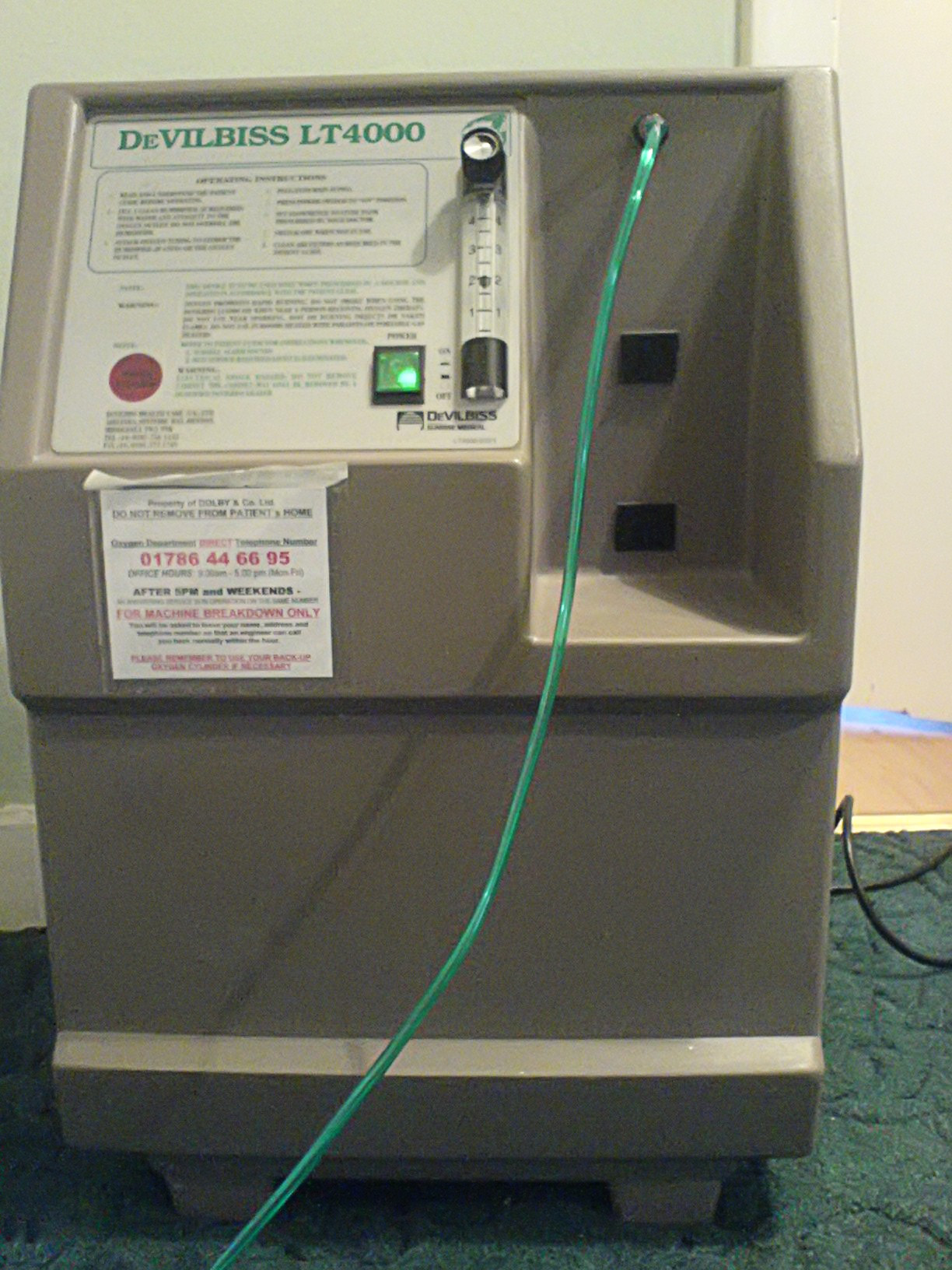
- Home oxygen delivery systems (for our COPD or severe heart failure patients).
- Personal mobility aids such as walkers.
- Personal mobility aids such as wheelchairs.
Now, let's talk about the elephant in the room: money. Healthcare is expensive. You can design the most magnificent care plan in the world, but if the patient can't afford it, it’s just a piece of paper.
A sharp case manager lives in the real world. Case management continuously evaluates the cost-effectiveness of proposed clinical treatment plans. We have to ask: Is there a way to achieve this clinical goal that won't bankrupt the patient?
You will constantly be assessing financial realities:
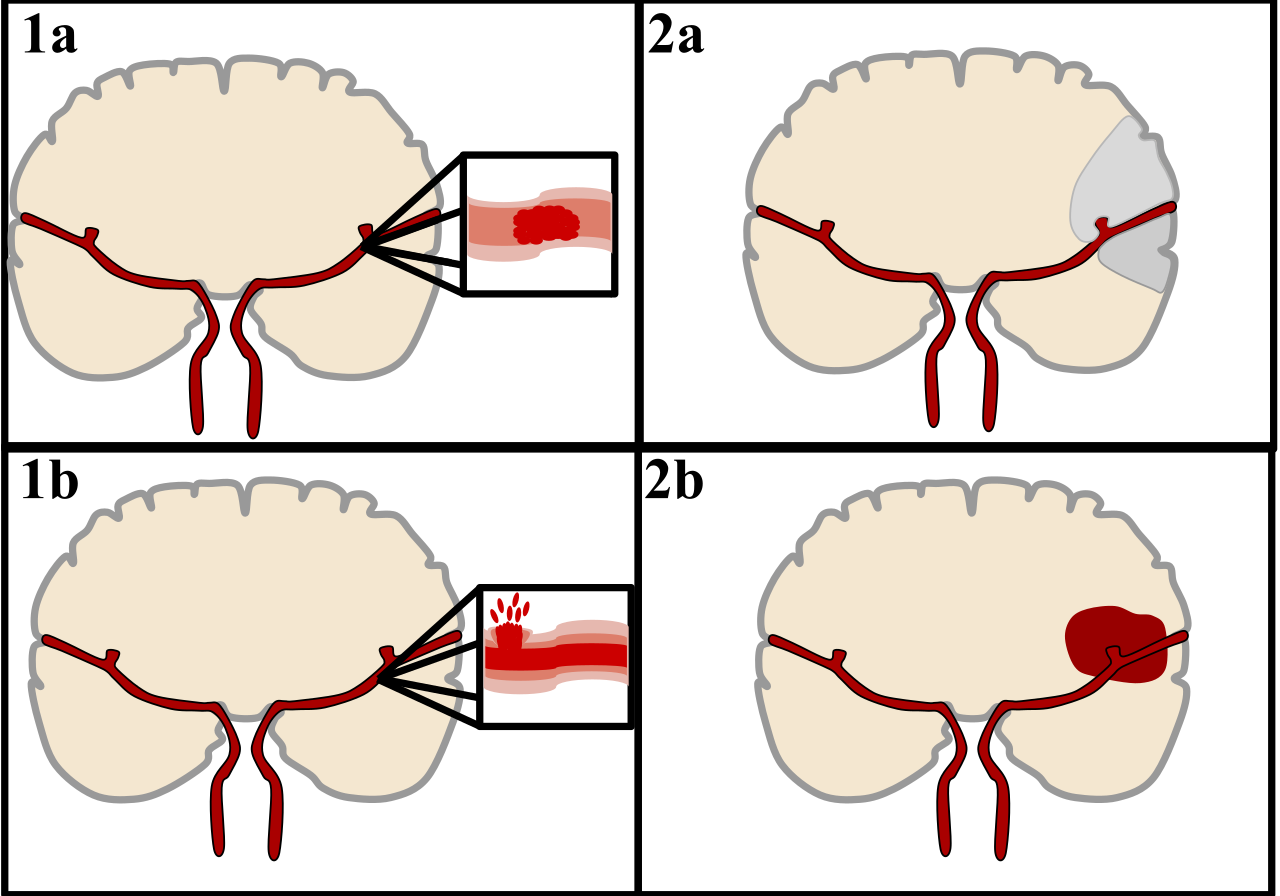
- A registered nurse assesses a client's financial barriers to obtaining newly prescribed medications. (If they can't afford the new blood thinner, they won't take it, and they'll end up right back in the ER with a stroke).
- Case managers collaborate with health insurance providers to determine financial coverage for home care services.
- Case managers collaborate with health insurance providers to determine financial coverage for durable medical equipment. (Will Medicare pay for this wheelchair?)
- And when the insurance falls short, a case manager identifies alternative funding resources for uninsured or underinsured clients, digging into grants, community funds, and pharmaceutical assistance programs.
Summary for the NCLEX
When you look at a Case Management question on the NCLEX, remember the big picture. You are the conductor. You start on Day 1 (Admission). You use critical pathways to standardize care and control costs, but you pivot and update the individualized care plan the moment a variance occurs. You collaborate. You check the patient's wallet, their home environment, and their cultural preferences. You get them the DME, the PT/OT, and the community resources they need.
Why? Because your ultimate triumph as a nurse isn't just keeping a patient alive in the hospital. It's giving them the tools, the resources, and the coordination to walk out of your doors and safely reclaim their independence.