Client Rights
Not sure you’re ready?
Take the ~3-minute readiness diagnostic and see where you stand.
The Architecture of Autonomy: Client Rights and the Power of "No"
Welcome! Pull up a chair. Let’s talk about one of the most magnificent, deeply human concepts you will ever encounter in nursing: Autonomy.
In the physical sciences, we study how particles are bound by the laws of nature—gravity pulls, electromagnetism repels, and atoms have no choice in the matter. But humans? Humans have a choice. When a person puts on a hospital gown, they do not check their civil liberties at the admission desk. They are the supreme commanders of their own biology.
As a nurse, you are not just a purveyor of medications and a master of pathophysiology. You are the fiercely loyal guardian of your client's rights. For the NCLEX-RN, you must understand the mechanics of these rights—how they are granted, how they are protected, and what you must do when a client looks you in the eye and says, "No."
Let’s dismantle this topic and see how all the beautiful gears work together.
Where do these rights come from? They aren't just polite suggestions; they are woven into the very fabric of healthcare law.
The Patient Self-Determination Act (PSDA)
If you want to understand the rules of the game, you look at the rulebook. In 1990, the United States passed a profoundly important federal law called the Patient Self-Determination Act.
This federal United States law dictates a fundamental rule: The Patient Self-Determination Act requires healthcare facilities to provide written information about healthcare rights to every single adult receiving care. It’s not enough to casually mention their rights in passing. It must be in writing.
The Admission Ritual: Because of the PSDA, healthcare facilities must provide clients with a physical copy of the client rights document upon admission. You hand them the paper. You establish the ground rules immediately.
The Patient Care Partnership
Once upon a time, we called this the "Patient's Bill of Rights." Today, the American Hospital Association uses a much better framework: The Patient Care Partnership. Why a partnership? Because a partnership goes two ways. The Patient Care Partnership document outlines the specific rights of individuals receiving medical care, but it also outlines the specific responsibilities of individuals receiving medical care.
Let’s look at the physics of this relationship. What are the forces pulling in each direction?
The Client's Rights (What we owe them)
- The Right to Respect: A client possesses the right to respectful care from all healthcare personnel. You treat the CEO and the unhoused client with the exact same dignity.
- The Right to Safety: A client possesses the right to receive medical care within a safe environment. (No tripping hazards, no reckless infection risks, no abusive staff).
- The Right to Information: A client possesses the right to review the personal medical record belonging to that specific client. It’s their body; it’s their data.
- The Right to Representation: A client possesses the right to designate a surrogate medical decision-maker—someone who can speak for them if the lights go out and they cannot speak for themselves.
- The Right to Personnel Choice: Not vibing with the doctor? A client possesses the right to request a change in the assigned primary healthcare provider.
- The Right to Grievance: If we mess up, they can tell on us. A client possesses the right to file a formal grievance regarding received healthcare services. Even more importantly, a client possesses the right to file a grievance without fear of retaliation from healthcare staff. You cannot treat a patient poorly just because they reported your facility!
The Client's Responsibilities (What they owe the process)
Medicine is a complex equation, and if the client feeds us bad variables, we get bad results. Therefore:
- A client holds the responsibility to provide accurate information regarding past medical history. (If they hide their daily alcohol intake, they might seize on day three, and that breaks the whole equation!)
- A client holds the responsibility to inform healthcare providers regarding any changes in current health status.
Your NCLEX Duty: As the nurse, you must document all client rights education provided to the client. If it isn't in the electronic health record, in the eyes of the law, it never happened.
Now, the client is in the bed, and they have a problem. We have a proposed solution—a treatment, a surgery, a medication. How do we navigate this?
We have a clear division of labor between the Primary Healthcare Provider (HCP) and the Nurse. Think of the HCP as the architect who designs the bridge, and the Nurse as the safety inspector who makes sure the client actually understands what it means to cross it.
The Provider's Legal Duty
The primary healthcare provider holds the legal responsibility for explaining the risks of a proposed medical procedure. Equally, the primary healthcare provider holds the legal responsibility for explaining the benefits of a proposed medical procedure.
NCLEX Trap Warning! If a client says, "Nurse, what are the risks of this open-heart surgery?" you do NOT say, "Well, you might bleed out." You say, "Let me page the surgeon to come explain the risks to you." The initial explanation belongs solely to the provider.
The Nurse's Duty
So, what do you do? The nurse acts as a client advocate during discussions concerning medical treatment options.
Once the provider explains the risks and benefits and leaves the room, the client usually looks at you, bewildered, and says, "What did he just say?"
- Clarify: The nurse must clarify medical information after the primary healthcare provider explains the available treatment options.
- Evaluate: The nurse must actively evaluate client comprehension regarding the proposed medical treatment options. You ask them to teach it back to you. "Tell me in your own words what we are doing today."
Here is where the rubber meets the road. What if we do everything right, explain the risks, explain the benefits, and the client says, "No thanks"?
The Rule of Competency
Here is a golden rule of nursing and medical ethics: Every competent adult client possesses the legal right to refuse medical treatment.
It does not matter how brilliant the treatment is. It does not matter how foolish you think their refusal is. A competent adult client can refuse medical treatment even in life-threatening situations. If a client with a massive myocardial infarction wants to refuse a life-saving cardiac catheterization, they can.

But wait! Who decides if they are "competent"? A healthcare provider determines client medical capacity to make healthcare decisions. Capacity means the client understands the reality of their situation, understands the consequences of their choice, and can rationally communicate their decision.
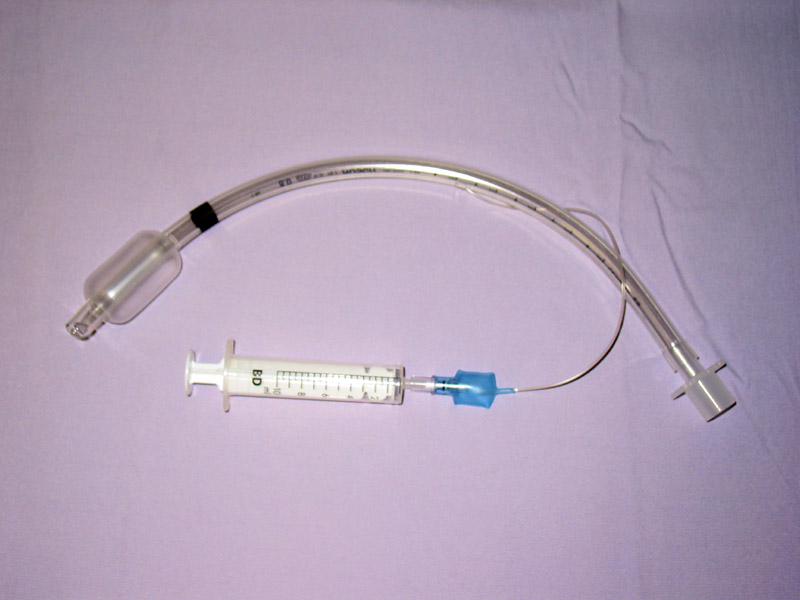
If the HCP determines the client lacks capacity (e.g., they are delirious, severely demented, or intoxicated), the rules change entirely. A client lacking medical decision-making capacity cannot legally refuse life-saving medical treatment. If a man with a traumatic brain injury tries to pull out his breathing tube, we stop him. He does not have the capacity to refuse.
What about kids? Generally, minors cannot refuse life-saving treatment. But there is a fascinating exception in the law: Emancipated minors possess the legal right to refuse medical treatment. If a 16-year-old is legally emancipated (e.g., legally married, serving in the armed forces, or declared emancipated by a judge), they have the exact same rights as a 40-year-old adult.
The Mechanics of Refusal
When a client says "No," you don't just say "Okay" and walk away. You have a very specific set of actions to perform.
- Verify Consequences: The nurse must verify client comprehension regarding the specific consequences of refusing medical treatment. You must look them in the eye and say, "If you refuse this antibiotic, the infection could spread to your blood, and you could die. Do you understand this?"
- Notify the Provider: The nurse must notify the primary healthcare provider immediately upon a client refusal of treatment. The HCP needs to know the plan has changed so they can adjust course or come speak with the client.
- Document: The nurse must document a client refusal of treatment in the electronic health record. Document exactly what you taught them about the consequences and that the HCP was notified.
Sometimes, refusing a single medication isn't enough. Sometimes, the client wants to walk out the front door entirely.
If a provider writes a "discharge" order, everything is fine. But a client leaving a healthcare facility without a provider discharge order is classified as leaving Against Medical Advice (AMA).
How do we handle this? Imagine you are caring for a competent 50-year-old who is halfway through a blood transfusion, and he suddenly rips out his IV, puts on his jeans, and says, "I'm going home."
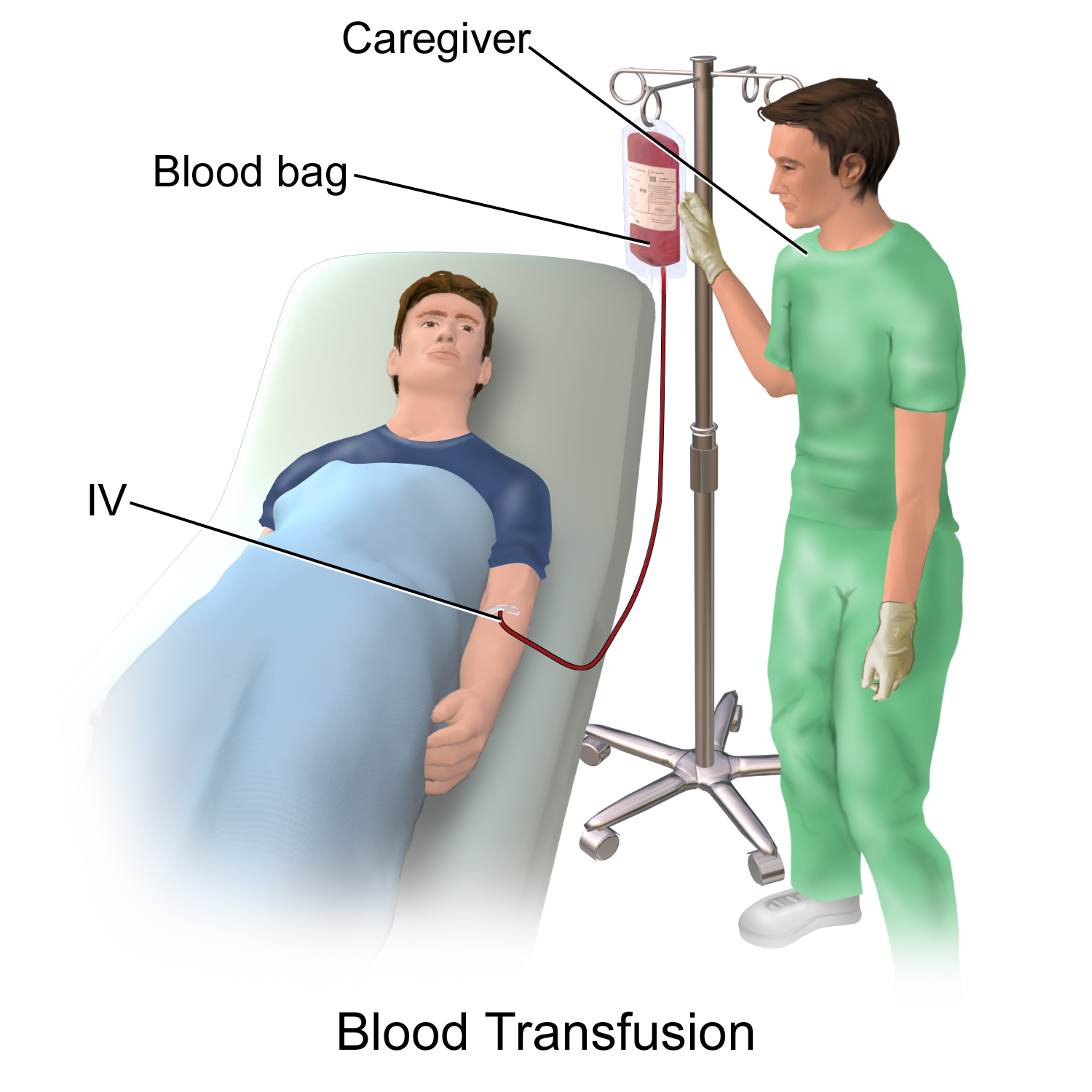
The Ultimate Boundary: Healthcare staff cannot physically prevent a competent client from leaving a facility Against Medical Advice.
You cannot block the door. You cannot hide their clothes. You cannot tackle them. Doing so is the legal definition of false imprisonment.
Instead, you handle it with the same clinical precision you handle a refusal of treatment:
- Educate on the Risks: Tell them exactly what might happen if they leave (e.g., "Your blood count is critically low; you could pass out and die on your drive home.").
- Ask for a Signature: The nurse must ask a client leaving Against Medical Advice to sign an official Against Medical Advice form. This form proves that the facility warned them of the dangers, legally protecting the hospital and the provider.
- What if they refuse to sign? If they won't sign the form, you let them leave! You simply document in their chart: "Client left AMA, risks explained, client refused to sign AMA form."
- Notify: Immediately inform the primary healthcare provider.
To truly respect a client's autonomy, we must ensure the playing field is entirely level. Let's look at two specific variables the NCLEX loves to test.
Language: The Medium of Understanding
You cannot consent to or refuse what you do not understand. If a client speaks a different language than you, their autonomy is in danger.
Therefore, the nurse must assess client primary language before educating the client on healthcare rights. Do not assume that because they nod and smile, they comprehend complex medical legalese.
If they do not speak English fluently, you cannot use their 12-year-old daughter to translate. You cannot use the bilingual janitor. The nurse must use a certified medical interpreter when educating a non-English speaking client about client rights. Only a certified medical interpreter is trained to convey exact medical nuances objectively.
Medical Research Studies: The Guinea Pig Principle
Academic hospitals run on research. Without clinical trials, medicine would never advance. But participation in these trials is strictly voluntary.
A client possesses the right to refuse participation in medical research studies. Even if they initially agreed to participate, they can withdraw their consent at any time, for any reason.
Here is the critical caveat you must guarantee as their advocate: A client refusal to participate in medical research must not affect the quality of standard medical care provided to that client. If a client backs out of a cutting-edge oncology trial, their oncologist cannot abandon them. The facility must immediately pivot to providing the highest standard of conventional, approved medical therapy. There is absolutely no penalty for saying no to research.
To succeed on the NCLEX—and more importantly, to be a spectacular nurse—memorize this dynamic flow:
| Client Action / Situation | The Nurse's Required Action |
|---|---|
| Admission | Hand them the physical Patient Care Partnership (rights/responsibilities). Assess primary language. Use certified medical interpreters if needed. |
| Provider explaining surgery | Stand by. Evaluate client comprehension afterward. Clarify the provider's information. |
| Client refuses a medication | Verify they understand the exact consequences of refusal. Notify the HCP immediately. Document the refusal in the EHR. |
| Client decides to walk out | Explain risks. Ask them to sign the AMA form. Do not physically stop a competent client. Notify the HCP. |
| Client is confused/delirious | Recognize they lack medical capacity. Know they cannot refuse life-saving treatment. Look for their designated surrogate decision-maker. |
Autonomy is messy. It means watching people make decisions you vehemently disagree with. But as nurses, we do not dictate; we educate, we advocate, and we respect the magnificent, undeniable right of the human being to choose their own path.
Go out there and protect those rights!