Central Venous Access Devices
Not sure you’re ready?
Take the ~3-minute readiness diagnostic and see where you stand.
The Superhighway of the Human Body: Central Venous Access Devices
Welcome! Grab a seat. Today, we are going to talk about plumbing. But not just any plumbing—we are going to talk about the most extraordinary, high-stakes plumbing system in the known universe: the human circulatory system.
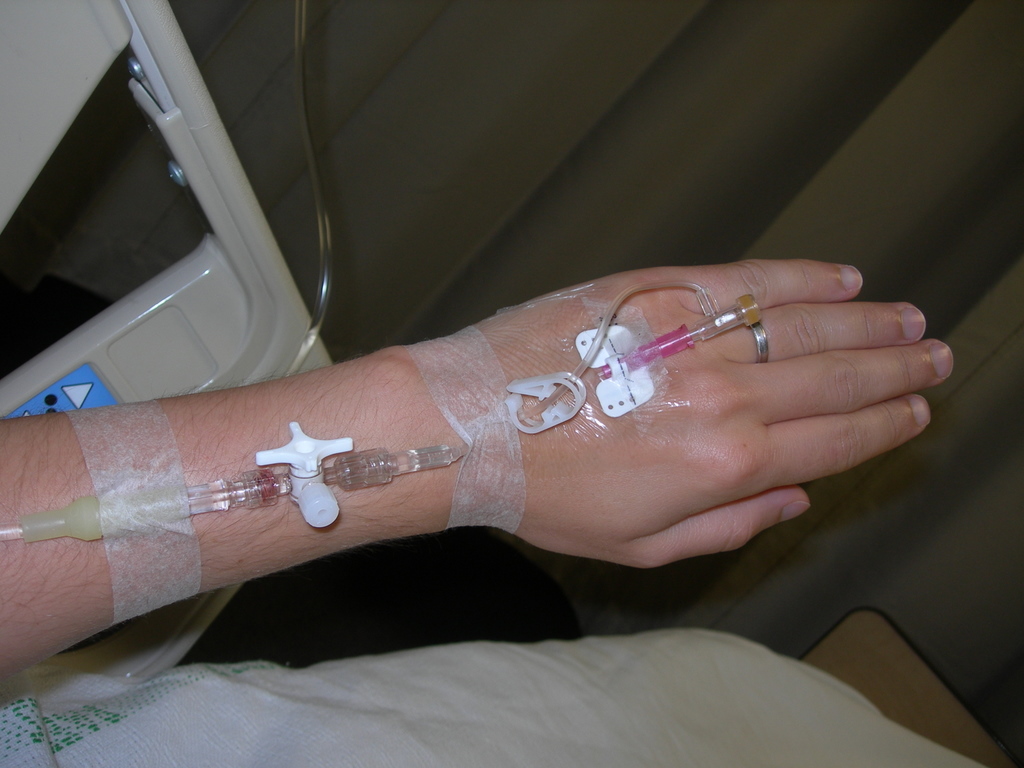
Specifically, we’re looking at what happens when the standard peripheral IV—that little dirt road of a vein in the hand or arm—just isn’t robust enough for the heavy cargo we need to transport. When a patient needs the heavy-duty infrastructure, we bypass the backroads and go straight to the superhighway. We use a Central Venous Access Device (CVAD).
Our goal today is to understand not just what these devices are, but why they behave the way they do, how to maintain them flawlessly, and how to teach your patients to live with them safely. Let’s dive in.
Imagine you need to administer Total Parenteral Nutrition (TPN). TPN is essentially a thick, nutrient-dense soup. Because of the extremely high osmolarity of this fluid, pushing it through a tiny peripheral vein would severely irritate the vessel walls. We also frequently give vesicant intravenous medications—like potent chemotherapy agents. If a vesicant leaks out of a small vein into surrounding tissue, it causes disastrous tissue necrosis.
To safely deliver these fluids, we need a massive vessel where the sheer volume of roaring blood instantly dilutes the medication. That’s why the internal tip of a central venous access device rests in the lower third of the superior vena cava.
But that's not all they do! By tapping directly into this central vessel, central venous access devices allow for frequent venous blood sampling without repeated peripheral venipunctures. (Just remember: central venous access device blood sampling requires discarding the first few milliliters of drawn blood to prevent sample contamination.) Furthermore, tapping into the superior vena cava means central venous access devices are utilized to measure central venous pressure for hemodynamic monitoring.
Ultimately, the client must understand that the central venous access device provides a reliable route for long-term intravenous therapy.
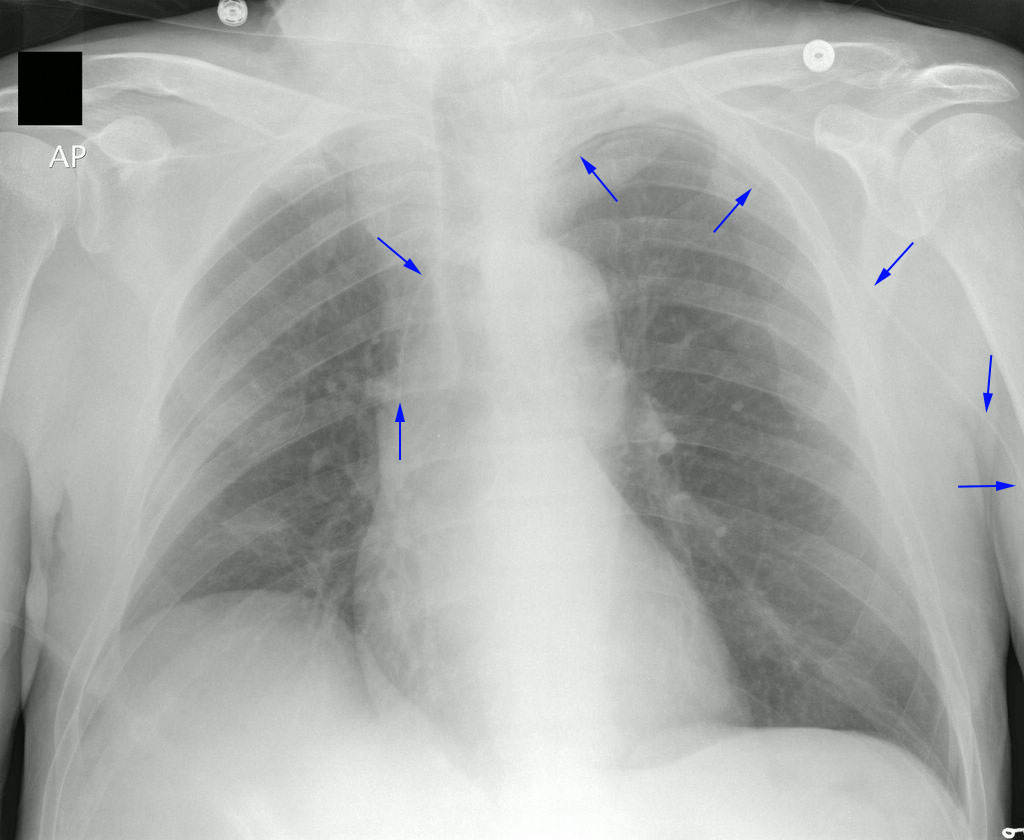
CRITICAL RULE: Because we are flying blind when threading a catheter toward the heart, placement of a newly inserted central venous access device must be verified by a chest x-ray prior to initial use. You do not push a single drop of fluid until you have photographic proof of where that tip lives!
Not all central lines enter the body the same way. The journey to the superior vena cava can take a few different routes:
| Type of CVAD | How It Gets There | Key Unique Feature |
|---|---|---|
| Peripherally Inserted Central Catheter (PICC) | A central venous access device inserted into a peripheral vein (usually the basilic or cephalic vein in the arm), threaded all the way to the heart. | Because the line is in the arm, blood pressure cuffs must not be applied to an arm containing a peripherally inserted central catheter, and peripheral venipunctures must be avoided on an arm containing a PICC. |
| Tunneled Central Venous Catheter | Tunneled central venous catheters are surgically placed under the skin tissue before entering the central vein. | The subcutaneous tunnel creates distance between the outside world and the bloodstream, dramatically reducing infection risk for long-term use. |
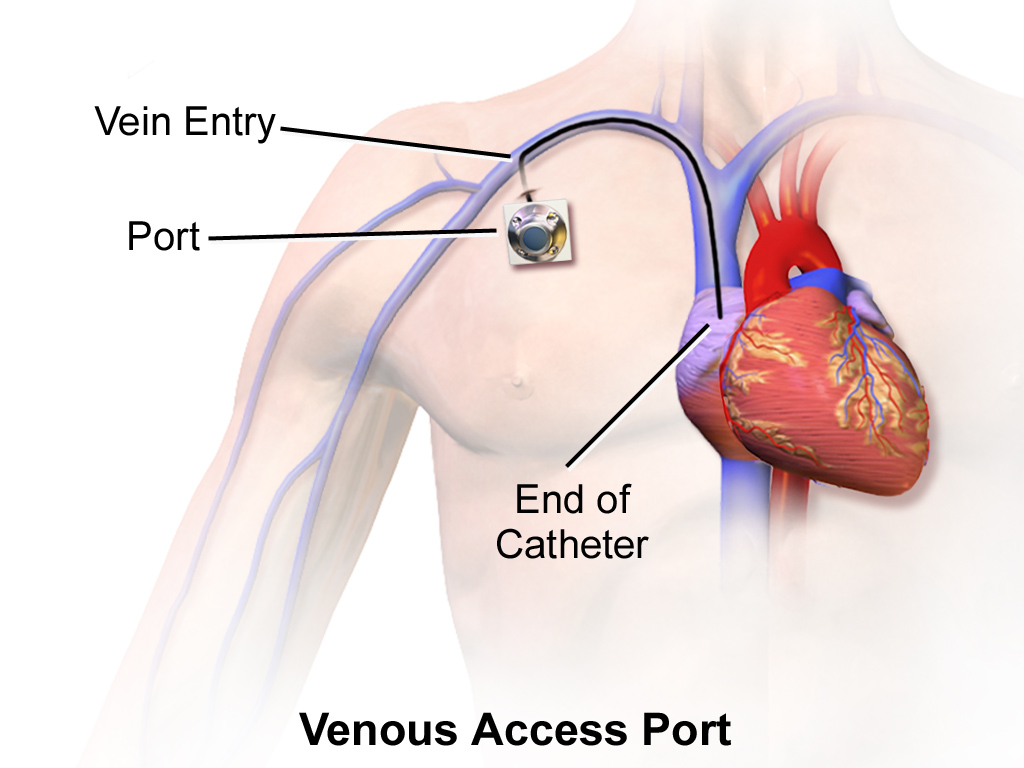
| Implanted Vascular Access Port | Implanted vascular access ports are surgically placed completely under the skin. You’ll feel a small, hard bump on the chest. | To use this port, you must puncture the skin. A non-coring Huber needle is required to access an implanted vascular access port. Why? The non-coring Huber needle prevents damage to the self-sealing septum of an implanted vascular access port. A standard needle would carve out a tiny chunk of silicone, ruining the seal! |
Now, let's talk physics. If you want to be a brilliant nurse, you need to understand pressure.
When you flush a CVAD, a syringe size of 10 milliliters or larger is used to flush a central venous access device to prevent excessive intraluminal pressure. Wait, what? Doesn't a bigger syringe mean more pressure?
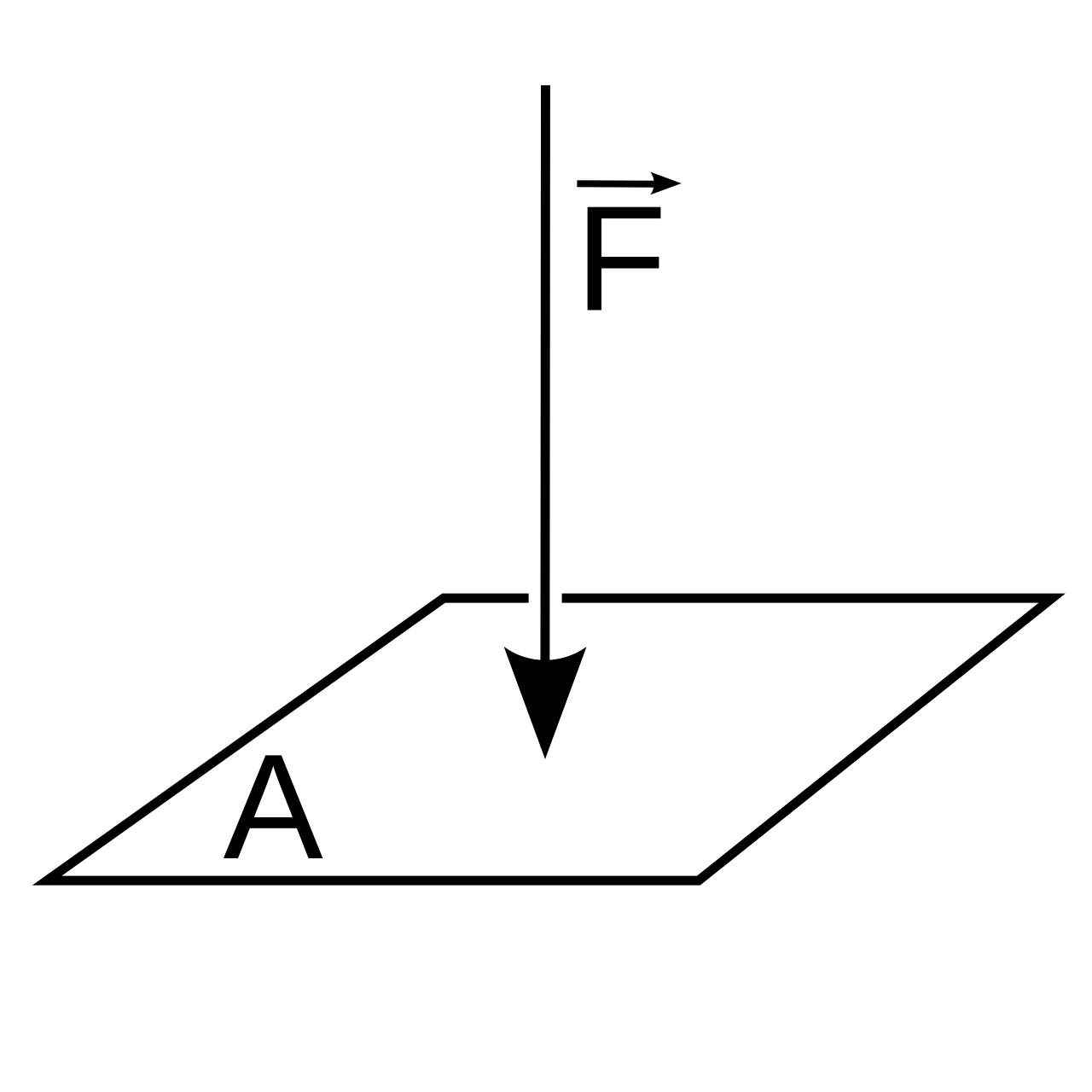
NO! Remember your high school physics: Pressure = Force / Area. Because a smaller syringe has a smaller plunger area, the force your thumb applies is concentrated into a tiny space. Therefore, smaller syringes generate higher intraluminal pressure than larger syringes when flushing a central venous access device. If you use a tiny 3 mL syringe, you become a high-pressure hydraulic pump! Excessive pressure from a syringe smaller than 10 milliliters can rupture a central venous access catheter, leaving pieces of plastic floating in your patient’s bloodstream.
The Push-Pause Technique
When you flush, you don't just shove the fluid in smoothly. The push-pause method is used to flush a central venous access device to create fluid turbulence. By stopping and starting, you create swirling eddies inside the line. Fluid turbulence from the push-pause flushing method clears medication residue from the central venous catheter lumen, ensuring the walls stay clean. Routine flushing of a central venous access device maintains catheter patency.
What do we flush with?
- Valved central venous catheters require only normal saline for routine flushing. The mechanical valve keeps blood from backing up.
- Open-ended central venous access devices require a heparin flush solution to prevent thrombosis. Because the end is wide open to the bloodstream, heparin is needed to stop a clot from forming at the tip.
- A word of warning: Heparin-induced thrombocytopenia is a potential systemic complication of using heparin flush solutions in central venous access devices. Always monitor your patient's platelet counts!
Occlusions: When the Plumbing Backs Up
What if you try to flush, and you can't? Or what if you try to draw blood, and nothing comes back? The inability to aspirate blood from a central venous access device indicates potential catheter occlusion, and resistance met during flushing of a central venous access device indicates a possible internal occlusion.
Never, ever force it. Let me repeat that: Forcing fluid against resistance in a central venous access device can mechanically rupture the catheter, or worse, forcing fluid against resistance in a central venous access device can dislodge a thrombus into the bloodstream, sending a clot directly to the lungs. Instead, specialized thrombolytic agents are administered into a central venous access device to dissolve a blood clot within the catheter lumen.
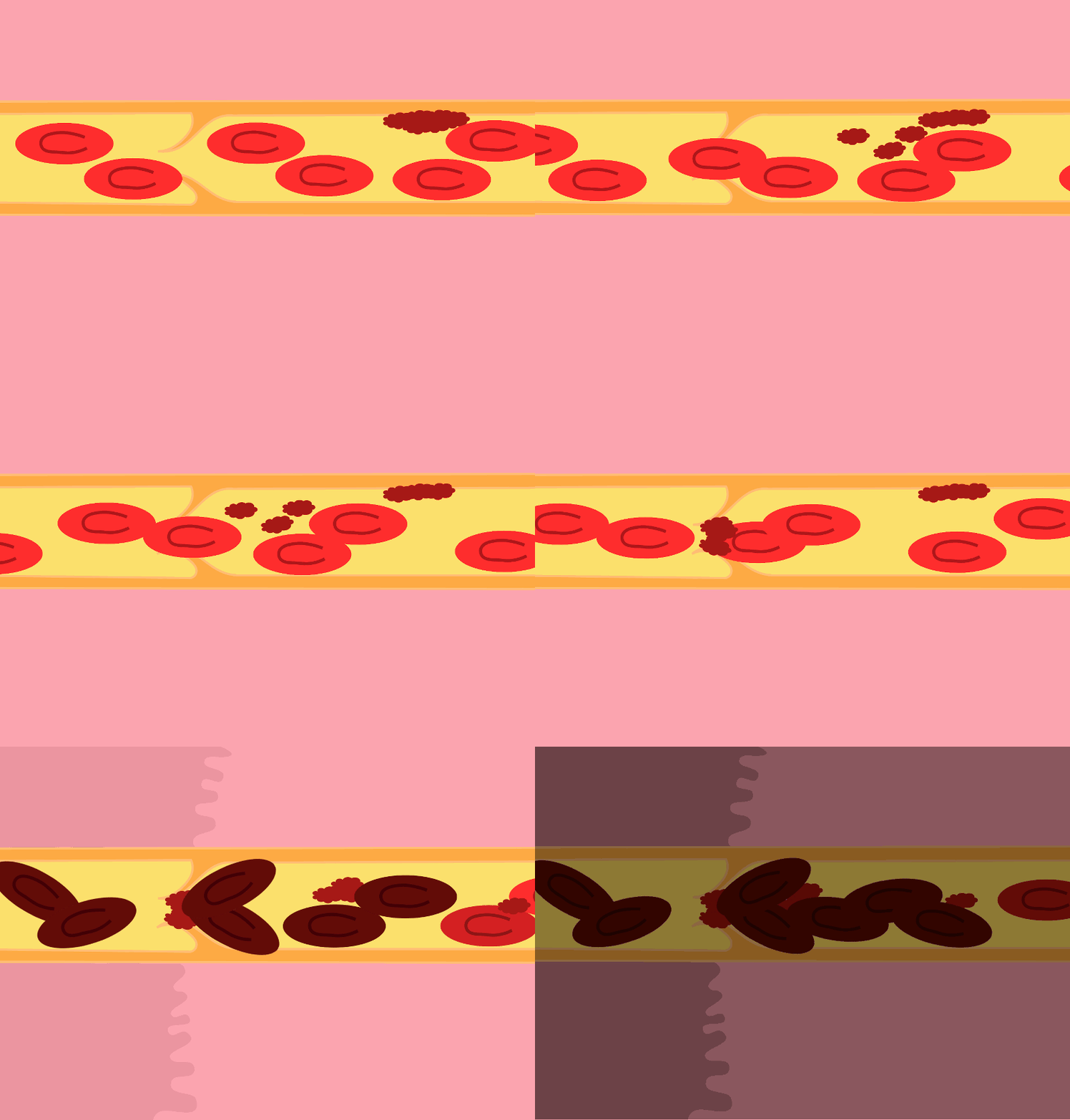
A central line is a direct, unprotected superhighway for bacteria to travel straight to the heart. Infection control here isn't just policy; it is life and death.
When performing site care, aseptic technique using a chlorhexidine-based preparation is required for central venous access device skin cleansing. To further protect the site, an antimicrobial patch is often placed around the central venous access device insertion site to reduce infection risk.
The Timetable for Changes
- Transparent semipermeable dressings over a central venous access device site are routinely changed every 5 to 7 days.
- Gauze dressings over a central venous access device site must be routinely changed every 48 hours.
- Exceptions to the rule: You don't wait for the calendar if the integrity of the dressing fails. A central venous access device dressing must be changed immediately if the dressing becomes damp, if the dressing becomes loose, or if the dressing becomes visibly soiled.
The Choreography of the Sterile Field
During a dressing change, everyone in the room has a job:
- The clinician must wear a mask during a central venous access device dressing change.
- The client must wear a mask during a central venous access device dressing change.
- Instructing the client to turn the head away from the insertion site during a central venous access device dressing change prevents site contamination (nobody wants respiratory droplets on a direct line to the heart!).
- Sterile gloves must be worn by the clinician during a central venous access device dressing change.
Maintaining the Hardware
The caps on the end of the line are high-touch areas. Needleless connectors on central venous access devices are typically changed every 72 to 96 hours. However, needleless connectors on central venous access devices are changed immediately if blood is present within the connector (blood is a prime breeding ground for bacteria).
Whenever you access the line, the injection cap of a central venous access device must be scrubbed with an antiseptic for at least 15 seconds before access. Friction is your friend here! Scrub the hub!
You must act like a detective at the bedside. Central lines can cause catastrophic complications, and you need to spot them instantly.
1. The Air Embolism
If air gets into the line, it travels to the right ventricle and blocks blood flow to the lungs. This is a profound emergency.
- Prevention: Placing the client in the Trendelenburg position during central venous catheter insertion increases venous pressure to prevent air embolism.
- During Tubing Changes: The client is instructed to perform the Valsalva maneuver during tubing changes on a central venous access device. Why? Because the Valsalva maneuver increases intrathoracic pressure to prevent air from entering the central venous access device. Also, clamping the central venous catheter extension tubing prevents air from entering the circulatory system when the end cap is removed.
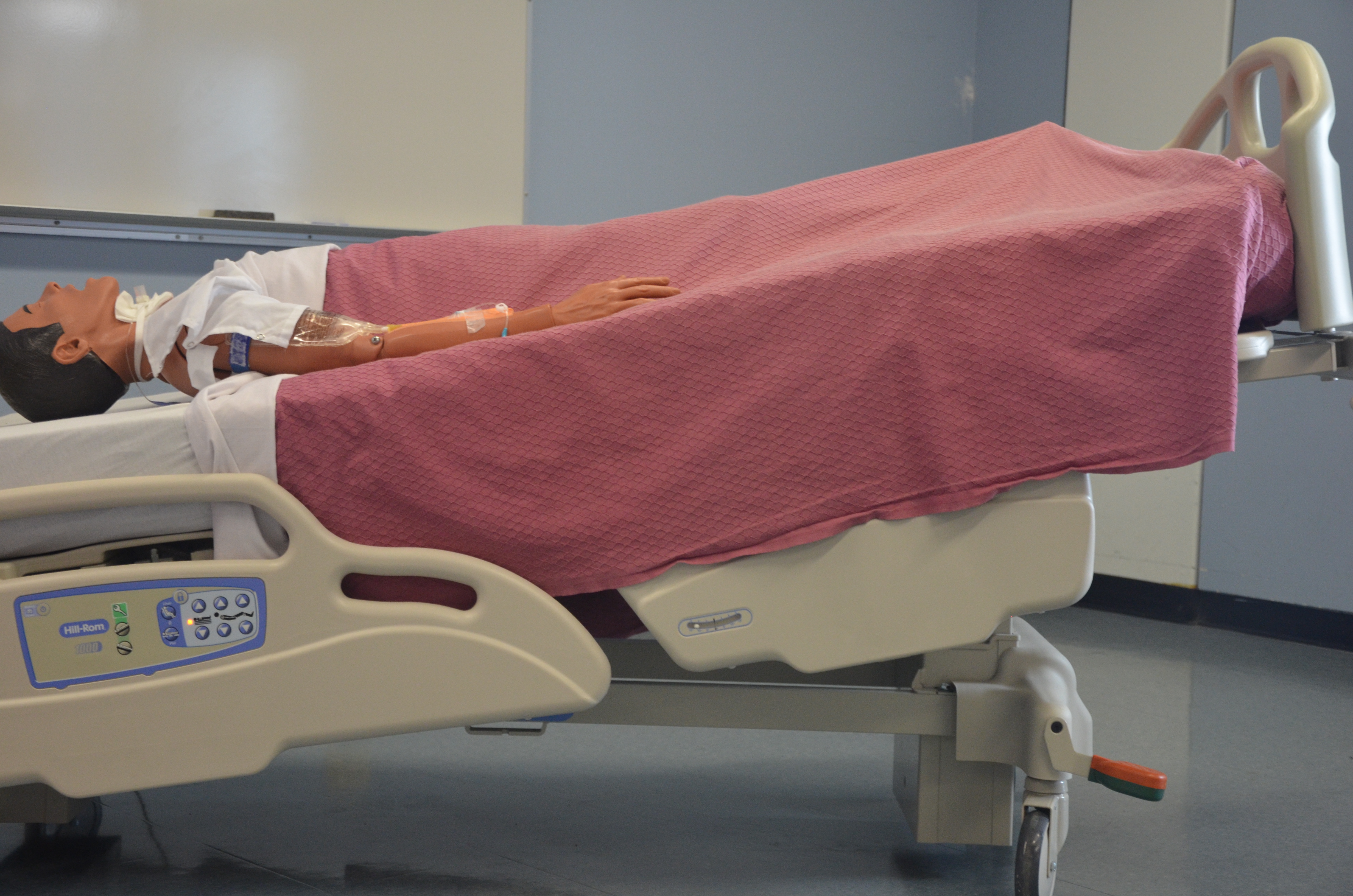
- Emergency Response: If an air embolism occurs, you must rely on gravity. A suspected air embolism requires immediately placing the client in the left lateral Trendelenburg position. Why left lateral? The left lateral Trendelenburg position traps an air embolism in the apex of the right ventricle, keeping it away from the pulmonary valve until it can be absorbed or removed!
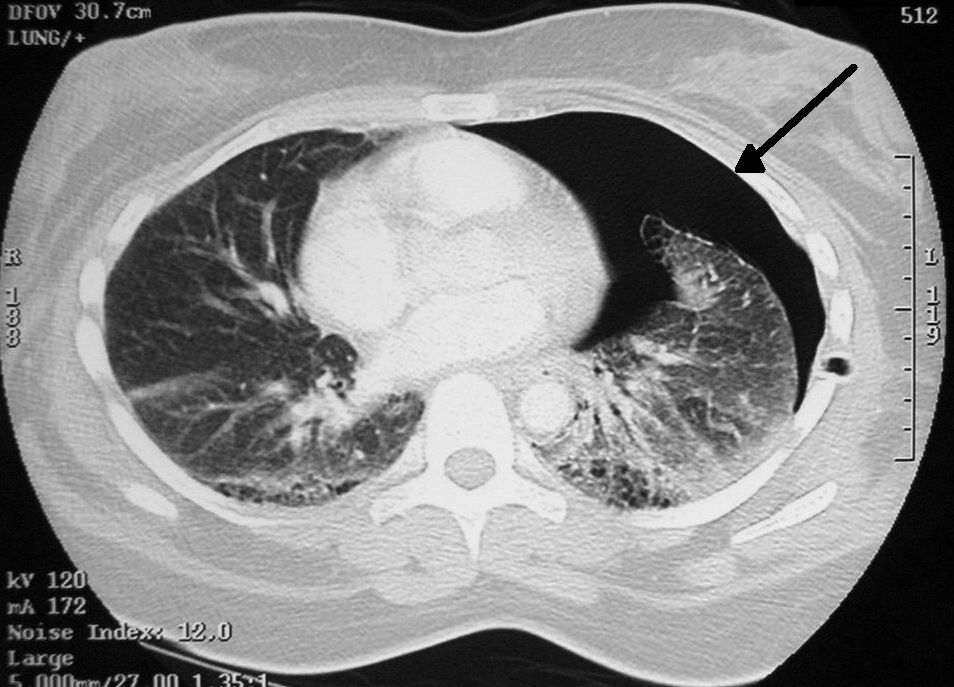
Pneumothorax Alert: The apex of the lung sits right under the collarbone. Therefore, shortness of breath following insertion of a subclavian central venous catheter indicates a potential pneumothorax, and a sudden drop in oxygen saturation following subclavian central venous catheter insertion suggests a pneumothorax complication. Check those lung sounds!
2. Infections (Local vs. Systemic)
You and the patient must watch the insertion site like a hawk. The central venous access device insertion site must be assessed daily for signs of redness and assessed daily for signs of swelling.
- Purulent drainage at the insertion site indicates a localized infection of the central venous access device.
- If the bacteria hit the bloodstream, it's systemic. Fever in a client with a central venous access device indicates a potential central line-associated bloodstream infection (CLABSI). Similarly, chills in a client with a central venous access device indicate a potential central line-associated bloodstream infection.
3. Catheter Migration
Catheters are flexible; sometimes, they take a wrong turn or back out.
- Neck pain during infusion through a peripherally inserted central catheter indicates potential upward catheter migration into the jugular vein.
- Likewise, ear pain during infusion through a peripherally inserted central catheter indicates potential upward catheter migration.
- If you suspect the line has moved, STOP. A displaced central venous catheter tip requires immediate notification of the healthcare provider before any fluids are infused.
Many clients go home with these devices. It is your job to turn them into experts on their own bodies.
You must sit down with them and explain the ground rules:
- Waterproof the line: Clients must be taught to completely cover the central venous access device dressing with a waterproof material during showering. No baths or swimming!
- Anchor the line: Clients must be educated to secure central venous access device extension tubing to clothing to prevent accidental dislodgement. A simple safety pin or tape loop saves a trip to the emergency room.
- When to ring the alarm: They need to know what abnormal feels like. Clients must be instructed to report immediate pain at the central venous access device insertion site to a healthcare provider. They also must be instructed to report swelling at the central venous access device insertion site, and must be instructed to report a loose central venous access device dressing to a healthcare provider.
Central Venous Access Devices are miracles of modern medicine. They provide a safe harbor for the harshest medications and the gentlest continuous therapies. By respecting the physics, fiercely guarding the aseptic field, and educating your patients, you keep that vital superhighway open, safe, and flowing perfectly.