Dosage Calculations
Not sure you’re ready?
Take the ~3-minute readiness diagnostic and see where you stand.
Welcome to the beautiful, absolutely vital world of dosage calculations.
If you are a nursing student preparing for the NCLEX-RN, I want you to completely change how you think about this topic. Too often, we treat medication math like a dry chore—just arbitrary numbers to punch into a calculator. But it’s not! Dosage calculations are the invisible shield protecting your patient. You see, the physics and chemistry of the human body don't care about our intentions; they only respond to exact quantities. We have to speak the body's language.
In this guide, we are going to look at how to translate the doctor’s orders into the exact volume of fluid your patient needs. We'll understand the machinery, the logic of the math, and most importantly, the clinical decisions that make you an incredibly safe, effective nurse. Let's dive in.
Before we can calculate anything, we have to make sure we are speaking the same language. The metric system is a thing of absolute beauty because it is perfectly organized by thousands. We also have to translate household measurements into the metric system, because a patient won't tell you they drank 240 milliliters of juice—they'll say they drank an 8-ounce cup.
Memorize these fundamental truths of conversion:
The Metric Foundations
- 1 kilogram (kg) equals 1,000 grams (g).
- 1 gram (g) equals 1,000 milligrams (mg).
- 1 milligram (mg) equals 1,000 micrograms (mcg).
- 1 liter (L) equals 1,000 milliliters (mL).

Weight & Household Volumes
- 1 kilogram (kg) equals 2.2 pounds (lb). (This is the bridge between American scales and global medicine).
- 1 teaspoon (tsp) equals 5 milliliters (mL).
- 1 tablespoon (tbsp) equals 15 milliliters (mL).
- 1 fluid ounce (oz) equals 30 milliliters (mL).
Clinical Insight: Calculating Total Fluid Intake You must frequently determine a patient's fluid balance. Calculating total fluid intake requires summing all enteral, oral, and intravenous fluids administered over a specified time period. To do this accurately, you will convert every ounce of broth, every tablespoon of liquid medication, and every IV drip into a single unit: the milliliter.
How do we take what the pharmacy sent us and extract what the patient actually needs? You have three distinct tools to solve any dosage problem. Use the one that makes the most logical sense to your brain.
A. Dimensional Analysis
I absolutely love dimensional analysis. Why? Because it’s foolproof. Dimensional analysis uses a series of fractions to convert the given unit of measurement into the desired unit of measurement. You simply line up your fractions so that the units you don't want cancel each other out (top and bottom), leaving you only with the unit you do want. If you let the units guide you, the math practically does itself.
B. Ratio and Proportion
If you prefer algebra, this is for you. Ratio and proportion methods set up two mathematically equal fractions to solve for an unknown medication dose.
Example: Have Dose / Have Volume = Desired Dose / X Volume. You cross-multiply to find X. It’s a beautifully balanced equation.
C. The Basic Formula
If you want the simplest route, we use what we call the "Desired over Have" method. The basic dosage calculation formula is the desired dose divided by the available dose, multiplied by the available quantity.
- (Desired / Available) × Quantity = X
Now, let's talk about the danger of the decimal point. A misplaced decimal doesn't just mean you are off by a little bit; it means you are off by a factor of ten. Ten times too much insulin or heart medication is a lethal error. Therefore, we have absolute rules for writing numbers.

- Leading Zeros: Medication doses expressed as a decimal less than 1.0 require a leading zero to prevent medication administration errors. You write 0.5 mg, never .5 mg. Without the zero, the tiny dot can be missed, and someone might administer 5 mg.
- Trailing Zeros: Conversely, trailing zeros are never used in medication charting or dosage calculation answers. You write 5 mg, never 5.0 mg. If the decimal gets lost to the eye, 5.0 becomes 50. Nature doesn't forgive a fifty-fold overdose!
When do we round? Imagine navigating a ship and rounding your heading by a few degrees at every single mile mark. By the end of the journey, you'd be on the wrong continent! The same applies to math: Rounding of medication dosages must only occur at the final step of the calculation to maintain mathematical accuracy. Keep your long decimals in your calculator until the very end.
A tiny neonate and a massive linebacker do not get the same dose of medication. We must scale the medicine to the machine.
Weight-Based Dosing
Weight-based medication calculations require converting the client's weight into kilograms before multiplying by the prescribed dose per kilogram. Always do the weight conversion (dividing pounds by 2.2) first.
- Pediatric Precision: Children are uniquely vulnerable. Therefore, pediatric weight-based calculations often require rounding the final dose to the nearest hundredth to ensure precision. (e.g., 2.34 mL, not 2.3 mL).
Body Surface Area (BSA)
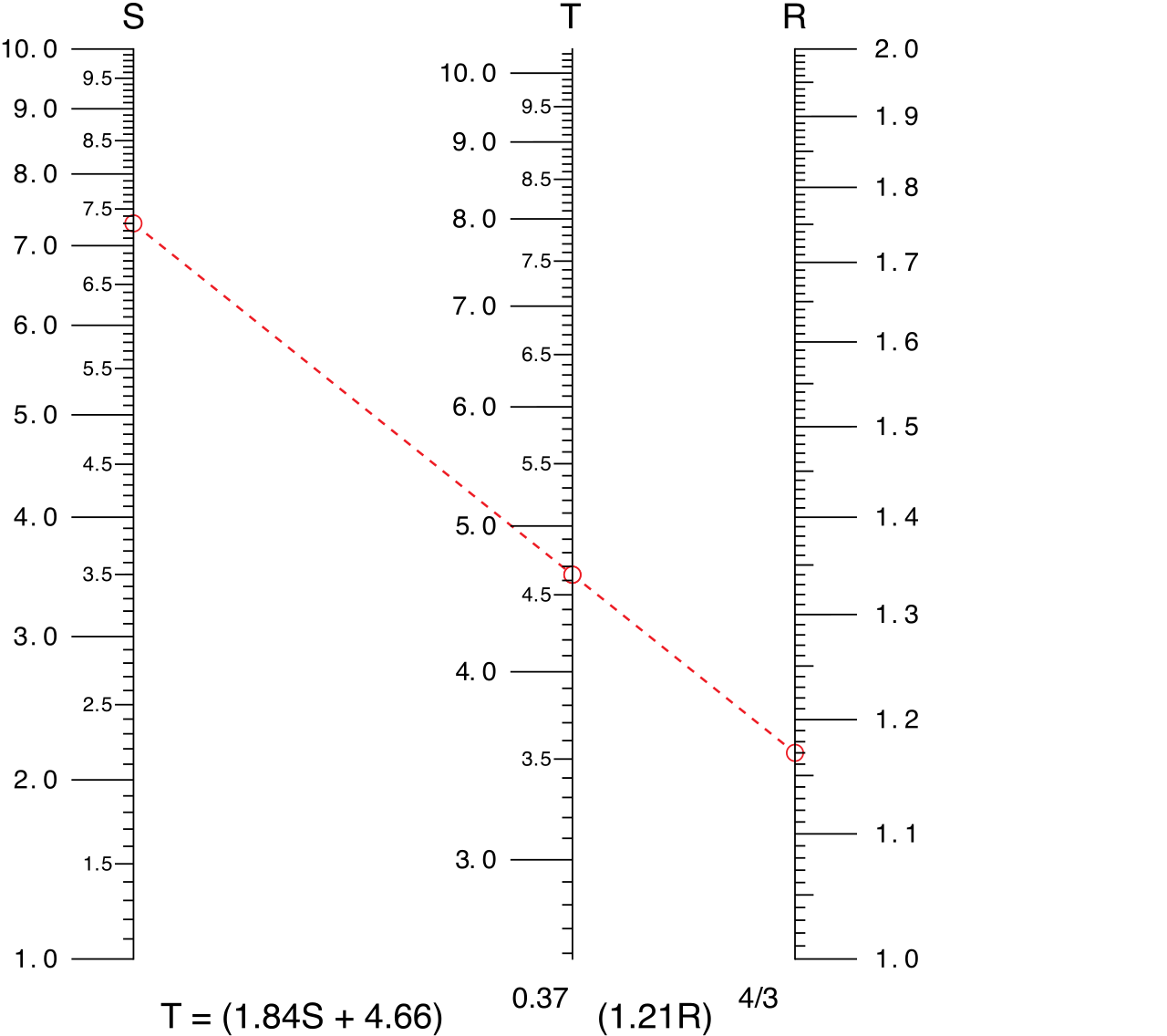
For standard medications, weight is enough. But for highly toxic medications—like chemotherapy—we need a more sophisticated measurement of the human body's metabolic engine. Body Surface Area (BSA) calculations use the client's height and weight to determine accurate dosing for highly toxic medications. To figure this out quickly in the clinic, we use nomograms. Nomograms provide a standardized graphical representation to determine a client's Body Surface Area (BSA) based on height and weight. You just draw a straight line between the patient's height on one axis and their weight on the other, and where the line crosses the middle axis is their BSA!
Administering fluids directly into the venous system is powerful. We do this in two primary ways: via electronic pumps, or by gravity using specialized tubing. Let's look at the mechanics of both.
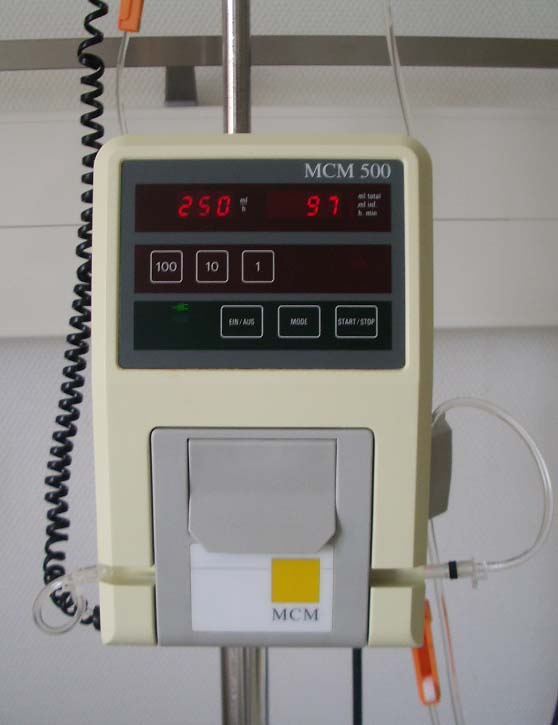
Electronic Infusion Pumps (mL/hr)
When we use a pump, we are thinking in bulk volumes over hours.
Formula: The intravenous flow rate formula in milliliters per hour is the total volume in milliliters divided by the total time in hours.
- Time Conversion: Infusion times given in minutes must be converted to fractions of an hour when calculating an infusion pump rate in milliliters per hour. (e.g., 30 minutes is 0.5 hours).
- Rounding: Adult intravenous flow rates in milliliters per hour are typically rounded to the nearest whole number unless an electronic infusion pump allows for decimals.
- High-Precision Need: An electronic infusion pump is required to safely deliver intravenous medications specified in fractions of a milliliter per hour (like a highly potent continuous drip at 2.5 mL/hr). Gravity tubing simply cannot do this.
Gravity Drips (gtt/min)
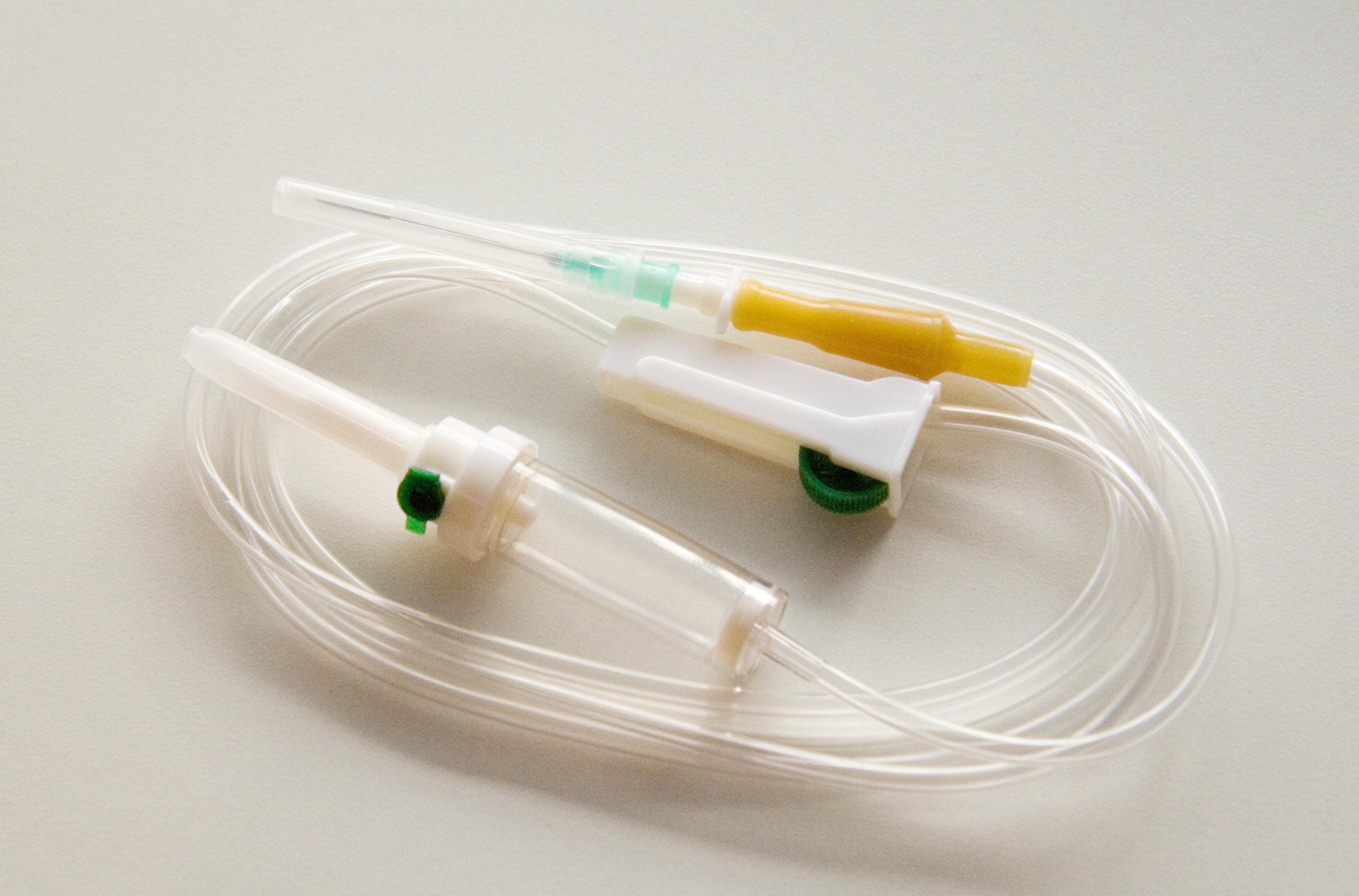
What if the power goes out, or you don't have a pump? We use gravity, and we count the physical drops falling in the drip chamber. To calculate this, you must know your tubing's drop factor. The drop factor represents the number of drops (gtt) required to deliver 1 milliliter (mL) of intravenous fluid.
There are two main types of tubing:
- Microdrip tubing: Always has a drop factor of 60 drops per milliliter (gtt/mL). It produces tiny, precise drops, perfect for pediatrics or sensitive medications.
- Macrodrip tubing: Typically has a drop factor of 10, 15, or 20 drops per milliliter (gtt/mL). It produces big, fat drops for fast fluid resuscitation.
Formula: The intravenous drip rate formula is the total volume in milliliters multiplied by the drop factor, divided by the total time in minutes.
Sometimes, a medication arrives on your unit in a form that isn't ready for the patient. You must act as the final chemist.
Reconstitution
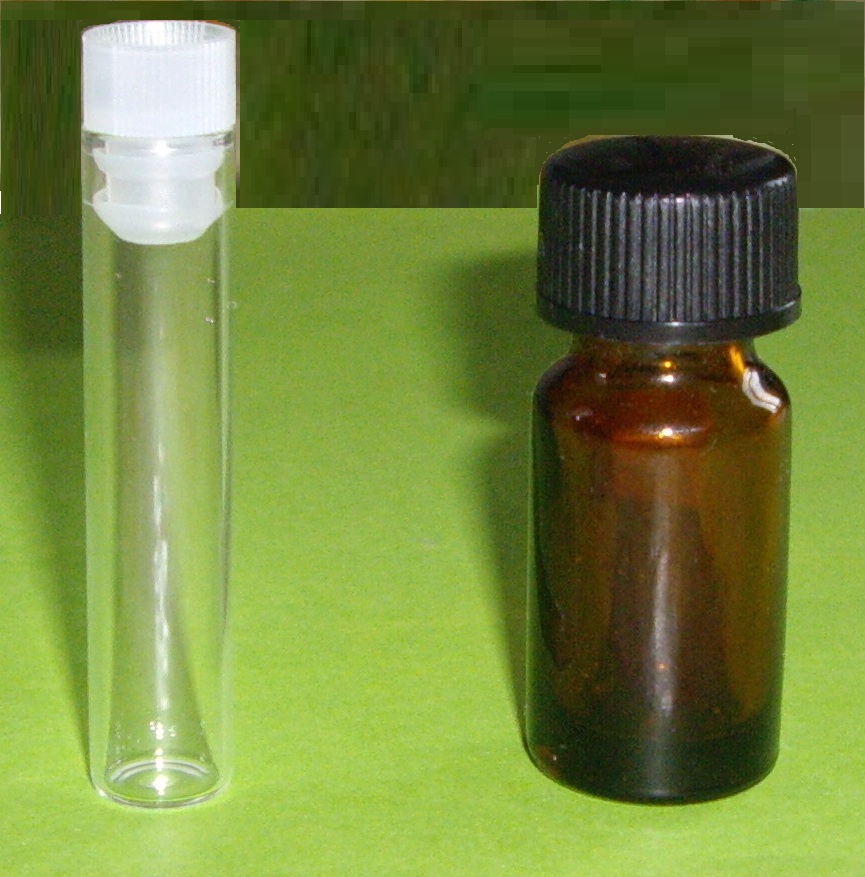
Many medications degrade quickly in liquid, so the pharmacy sends them as a dry, stable powder in a vial. You must add a liquid diluent (like sterile water) to "reconstitute" it. Reconstitution calculations require identifying the final concentration of the medication after adding the specified liquid diluent to a powder. Remember: The powder itself takes up physical space! Once you inject 5 mL of diluent into a vial of powder, your total volume might expand to 5.6 mL. You must read the vial label to find out what the final concentration yields (e.g., "yields 250 mg / 1 mL").
Titration
Sometimes we don't just set a pump and walk away. Titration calculations involve adjusting the rate of an intravenous medication based on a specific physiological parameter or client response. If you are running a norepinephrine drip to keep a patient's blood pressure up, you calculate adjustments on the fly, increasing the drip rate if the blood pressure drops, or decreasing it if the blood pressure spikes too high.
We have covered the math. But a calculator is just a tool; you are the nurse. Your critical thinking is the final defense mechanism between a prescription pad and the patient's bloodstream.
1. Verifying Safe Dosage Ranges: Before you administer anything, you must ask: Is this dose safe? Safe dosage ranges establish the minimum and maximum therapeutic doses for a specific medication based on literature guidelines. A calculated medication dose must be compared against the established safe dosage range to ensure client safety before administration.
2. Stopping the Line: What happens if the math says the doctor ordered too much? You stop. The nurse must withhold the medication and contact the prescribing provider if a calculated dose falls outside the safe therapeutic range. You do not blindly follow orders; you advocate for the physics of your patient's body.
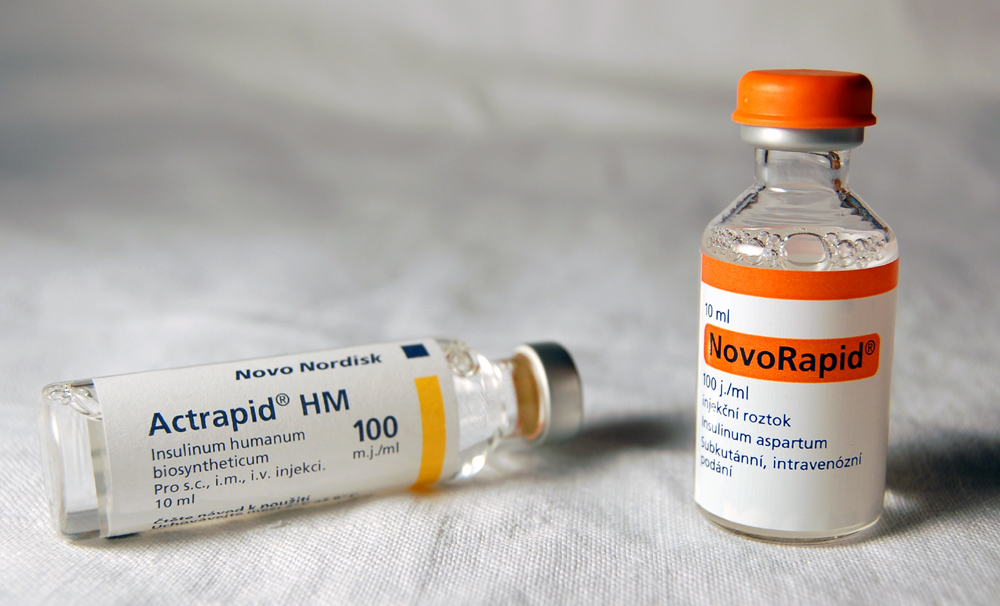
3. The Buddy System for High-Alert Meds: Some drugs are so dangerous (like heparin or insulin) that the margin for error is functionally zero. Therefore, high-alert medication dose calculations require independent double-checking by a second licensed nurse. Two brains are infinitely better than one.
4. When Errors Happen: Finally, let's talk about reality. Humans make mistakes. If a medication calculation error occurs and a patient receives the wrong dose, what is your immediate, most crucial priority? Is it calling the doctor? Filling out an incident report? No. Medication calculation errors require the nurse to prioritize assessing the client for adverse effects before notifying the provider.
Look at the patient. Assess the patient. Treat the patient. The paperwork and the phone calls come second. You are there to protect the life in front of you.
Master the conversions, respect the zeroes, cancel your units diligently, and always verify your math against reality. When you do that, dosage calculation transforms from a source of test anxiety into your greatest superpower as a clinician!