Collaboration with Multidisciplinary Team
Not sure you’re ready?
Take the ~3-minute readiness diagnostic and see where you stand.
NCLEX-RN Mastery: The Art of Multidisciplinary Collaboration
Let me ask you a question: When you walk into a hospital room, who is actually healing the patient? Is it the surgeon who operated? The physical therapist getting them out of bed? The pharmacist who verified the antibiotics?
The truth is, modern healthcare is not a solo act. It is a massive, complex, highly interdependent symphony. If everyone just plays their own instrument without listening to the others, you don’t get music—you get chaos.
As the Registered Nurse (RN), you are the conductor of this orchestra. The registered nurse serves as the coordinator of client care within the multidisciplinary healthcare team. You don't have to know how to perform a swallow evaluation better than the speech pathologist, but you absolutely must know when to call them, what they do, and how to weave their expertise into the patient's daily life.
Let's dive into the fascinating mechanics of how we collaborate, communicate, and keep our patients safe.
To conduct the orchestra, you have to understand the music from everyone's perspective. Your role isn't just taking vital signs and passing medications; it is fundamentally about holding the big picture together.
Because you are at the bedside 24/7, the registered nurse acts as a client advocate during multidisciplinary team planning sessions. You are the voice of the patient. When the team makes a plan, the registered nurse integrates the treatment recommendations of other healthcare disciplines into the primary nursing care plan. You are the central hub. For example, if the physical therapist recommends a specific transfer technique, you weave that into the patient's daily routine.
Furthermore, communication goes both ways. The registered nurse educates other healthcare disciplines about the client's specific daily nursing care needs. If a patient tires easily during morning baths, you tell the occupational therapist so they can schedule their session for the afternoon. Within your own nursing team, the registered nurse serves as the primary clinical resource person for questions from unlicensed assistive personnel (UAP). When a UAP isn't sure how to position a patient, they look to you.
You cannot coordinate a team if you don't know what the team members do. Effective multidisciplinary collaboration requires the registered nurse to recognize the specific scope of practice of each team member. On the NCLEX, you will be tested on your ability to consult the right professional for the right problem.
Here is your master cheat sheet for the healthcare orchestra:
The Psychosocial & Transition Experts
Many students confuse the Social Worker and the Case Manager. Let's make it intuitive:
- Social Workers: They are your experts in human connection and societal support. Social workers evaluate the psychosocial needs of clients and connect clients with community resources for post-discharge support (like finding a support group, setting up Meals on Wheels, or navigating housing insecurity).
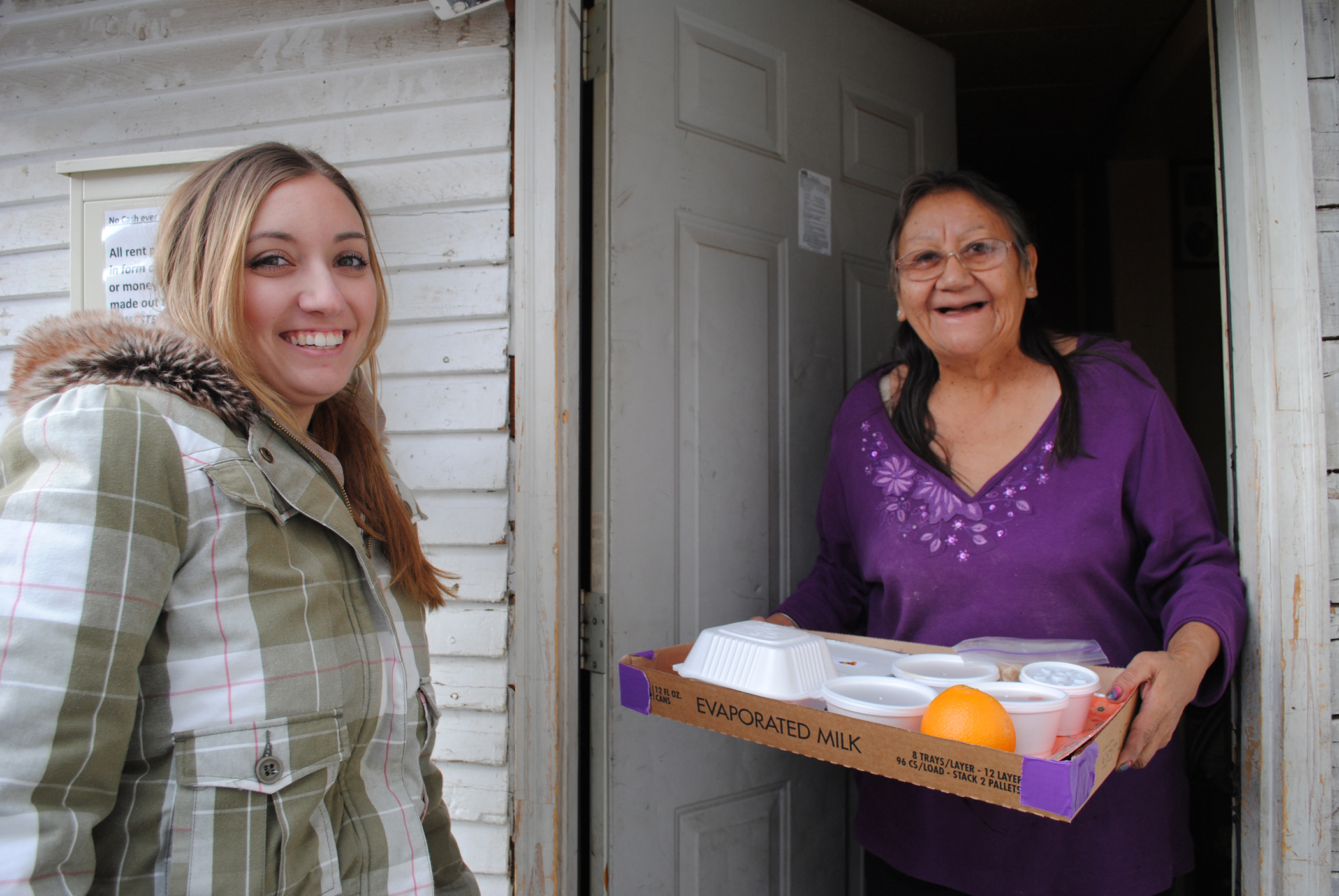
- Case Managers: Think of Case Managers as the logistics and finance directors of the patient's journey. Case managers coordinate the transition of clients between different healthcare settings (like moving from acute care to a rehab facility) and monitor the cost-effectiveness of a client's prescribed care pathway.
The Rehabilitation Therapists
- Physical Therapists (PT): PTs focus on the lower body, strength, and moving through space. Physical therapists evaluate a client's mobility limitations and provide specialized exercises to improve client ambulation.
- Occupational Therapists (OT): OTs focus on the upper body and fine motor skills necessary for daily living. Occupational therapists assist clients with regaining independence in motor skills and design interventions focused on the client's activities of daily living (ADLs, like brushing teeth, feeding, or buttoning a shirt).
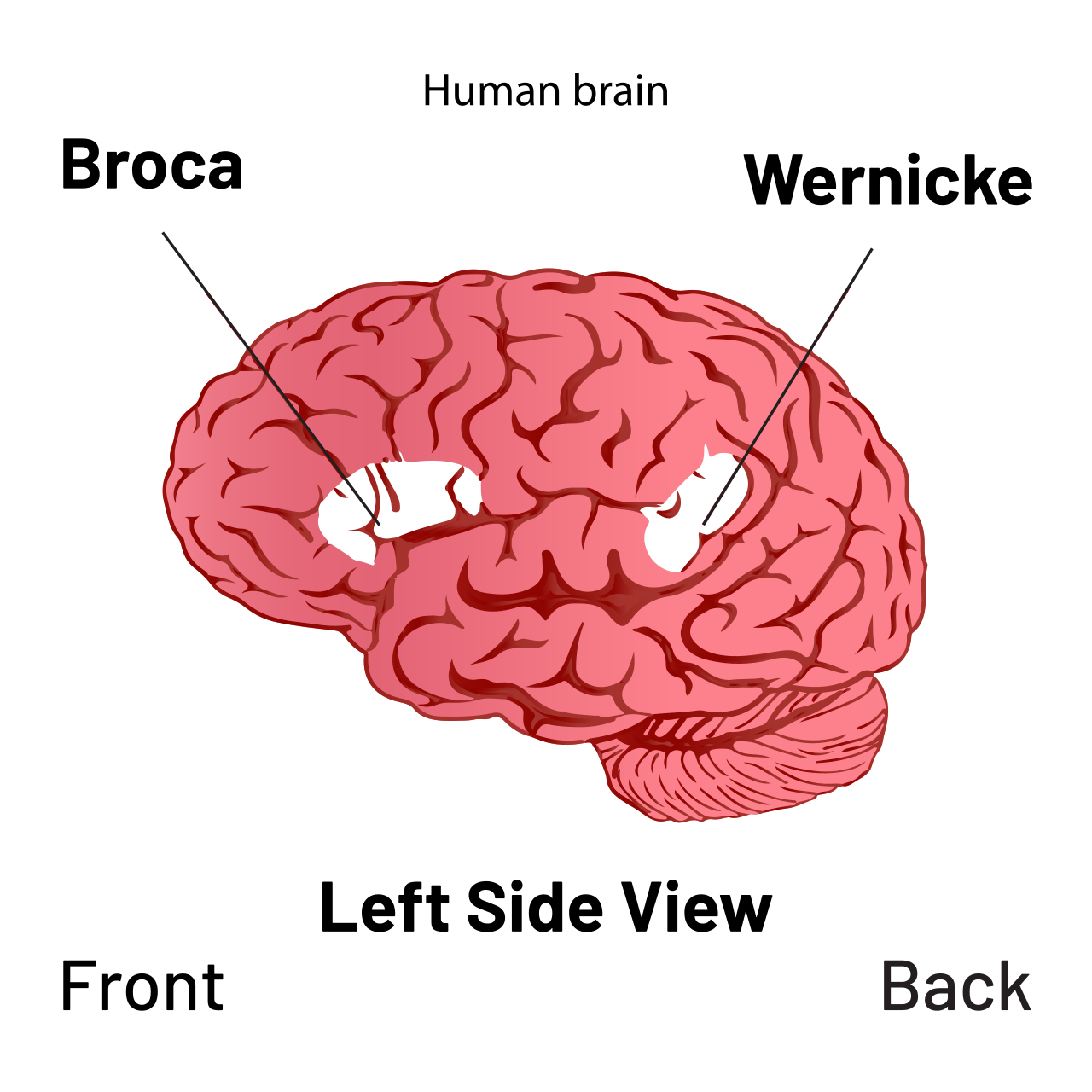
- Speech-Language Pathologists (SLP): SLPs manage everything from the neck up regarding communication and swallowing. Speech-language pathologists assess clients for swallowing disorders (dysphagia) and design interventions for clients experiencing aphasia (language impairment after a stroke).
The Cardiopulmonary & Nutritional Experts
- Respiratory Therapists (RT): RTs are the masters of the airway and lungs. Respiratory therapists evaluate a client's oxygenation status and administer inhaled breathing treatments.
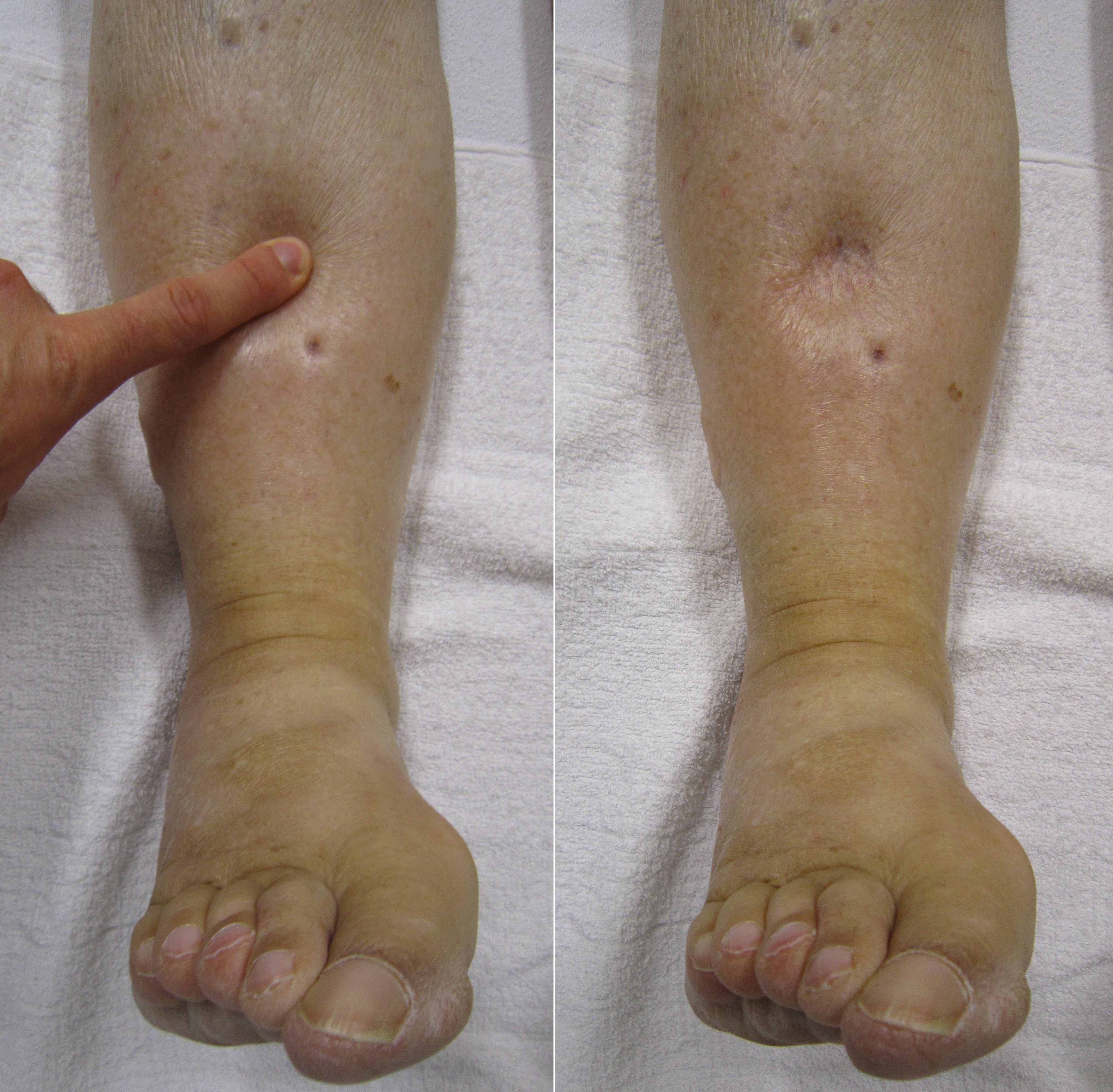
- Registered Dietitians (RD): RDs go far beyond just telling a patient to eat their vegetables. Registered dietitians assess the complex nutritional needs of clients and design specialized therapeutic diets for clients with specific disease processes (like creating a low-sodium, fluid-restricted diet for heart failure).
The Pharmacological Expert
- Pharmacists: The safety net for all medical therapies. Pharmacists dispense medications prescribed by authorized healthcare providers and, crucially, they evaluate prescribed medication regimens for potential adverse drug interactions.
_white_bg.jpg)
Sometimes, standard care isn't enough. When a patient's symptoms exceed routine management, the RN must recognize the need for specialized intervention:
- Tissue Integrity: The registered nurse consults wound care specialists for clients presenting with non-healing pressure injuries.
- Analgesia: The registered nurse consults pain management specialists for clients experiencing uncontrolled acute pain that isn't responding to the standard ordered regimen.
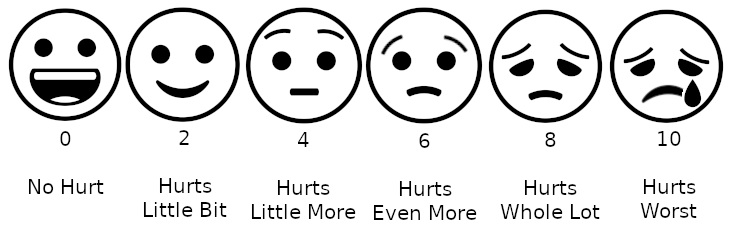
- End-of-Life & Severe Illness: The registered nurse consults palliative care specialists for clients requiring advanced symptom management for terminal illnesses. (Remember: Palliative care is about optimizing quality of life and comfort).
- Emotional & Belief Support: The registered nurse consults a spiritual care provider to offer emotional support for a grieving client. You don't have to share the client's religion to recognize they need spiritual comfort.
If everyone is updating the chart, why do we actually need to sit down in a room together?
An interdisciplinary care conference involves multiple healthcare disciplines gathering to discuss a specific client's care plan. We don't do this for every patient—we do it when the music stops making sense, when the plan isn't working, or when the situation is incredibly complex.
Feynman's Rule of Conferences: We gather the multidisciplinary team when a problem cannot be solved by a single discipline acting alone.
You must know the four primary triggers for an interdisciplinary care conference:
- Stagnation: A lack of client progress toward expected health outcomes is a primary indication for an interdisciplinary care conference. If the patient was supposed to go home in 3 days, and it's day 10, everyone needs to get in a room and figure out why.
- Logistical Complexity: Complex discharge planning needs require an interdisciplinary care conference to coordinate ongoing services. (e.g., a patient going home on a ventilator who needs home health, PT, and specialized medical equipment).
- Moral Friction: Ethical dilemmas regarding client treatment options necessitate an interdisciplinary care conference.
- Family Gridlock: Conflicts between family members regarding life-sustaining treatment decisions require an interdisciplinary care conference. We need the physician, the social worker, the RN, and the palliative team to provide a unified front and support the family through the crisis.
You can have the best team in the world, but if they don't communicate effectively, the patient suffers. In healthcare, information is as critical as oxygen.
SBAR: The Universal Language
Have you ever tried to tell a story, and the person listening says, "Get to the point!"? In nursing, we don't have time for rambling stories. We use a structured formula. The Situation Background Assessment Recommendation (SBAR) format standardizes communication among different healthcare disciplines.
- S - Situation: The Situation component of the standardized reporting format includes the client's current problem. (e.g., "Dr. Smith, I am calling about Mr. Jones; his oxygen saturation just dropped to 85%.")
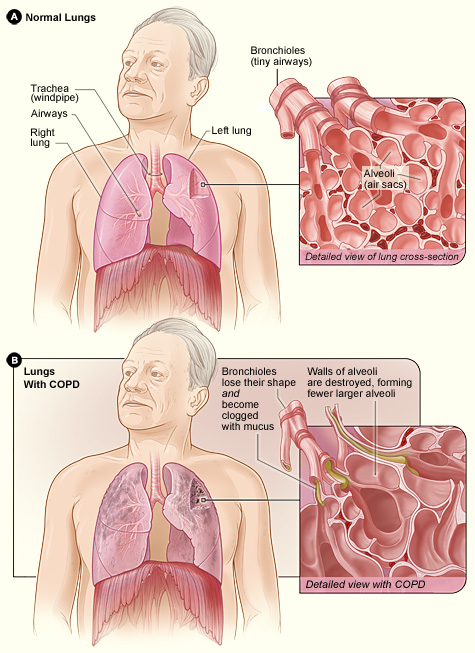
- B - Background: The Background component of the standardized reporting format includes the client's relevant medical history. (e.g., "He was admitted yesterday with COPD exacerbation.")
- A - Assessment: The Assessment component of the standardized reporting format includes the nurse's current clinical findings. (e.g., "I hear diminished breath sounds bilaterally, and he is using accessory muscles to breathe.")
- R - Recommendation: The Recommendation component of the standardized reporting format includes the nurse's suggested action for the client. (e.g., "I recommend we order a STAT chest X-ray and consult Respiratory Therapy for a breathing treatment.")
Protecting the Transfer of Care
When a patient moves, their information must move perfectly with them. Standardized handoff reports prevent critical information loss during client transfers between hospital departments (like moving from the ER to the ICU). Similarly, at 7:00 AM and 7:00 PM, standardized handoff reports ensure the continuity of client care across different nursing shifts.
Emergency Alerts: Who Do You Call?
You are the frontline radar. When things go wrong, you must act instantly:
- The Lab Crisis: The registered nurse must report critical laboratory values directly to the prescribing healthcare provider immediately. You don't wait for morning rounds. A potassium of 6.5 mEq/L is a ticking time bomb for cardiac arrest. You call the provider now.
- The Bedside Crisis: The registered nurse communicates sudden physiological deterioration in a client to the rapid response team. If your patient's blood pressure plummets or they suddenly become unresponsive, you don't just call the doctor and leave a voicemail. You pull the alarm and bring the rapid response team to the bedside to stabilize the patient instantly.
Final Thoughts for the NCLEX
Remember, the NCLEX tests your ability to be a safe, competent, entry-level nurse. Safe nurses know they are part of a team. They know how to speak the language of SBAR, they know exactly which therapist or specialist to call to solve a problem, and they know how to advocate for the patient when the multidisciplinary team gathers to map out the future.
Study the scopes of practice. Master the triggers for an interdisciplinary conference. Protect your communication. You are the conductor. Make it a masterpiece.