Confidentiality and Information Security
Not sure you’re ready?
Take the ~3-minute readiness diagnostic and see where you stand.
The Architecture of Secrecy: Mastering Confidentiality and Information Security
Imagine for a second that you are handed a highly sensitive, classified dossier. But instead of state secrets or launch codes, it contains something far more fragile: the complete biological, psychological, and social blueprint of another human being.
When you become a nurse, you are entrusted with people’s most vulnerable moments. If they do not trust you, they will withhold the truth. And in medicine, a withheld truth can be fatal. This is why confidentiality is an ethical obligation of healthcare providers to protect client information. It is the very bedrock of the therapeutic relationship.
But nature doesn't just rely on our good intentions, and neither does the government. Confidentiality is a legal obligation of healthcare providers to protect client information. In the United States, we codify this through a towering piece of legislation. The Health Insurance Portability and Accountability Act (HIPAA) establishes national standards to protect individuals' medical records.
If you want to dominate the NCLEX-RN exam—and more importantly, keep your nursing license intact—you need to understand the mechanics of privacy not just as a set of rules, but as an absolute law of nursing physics. Let’s break it down.
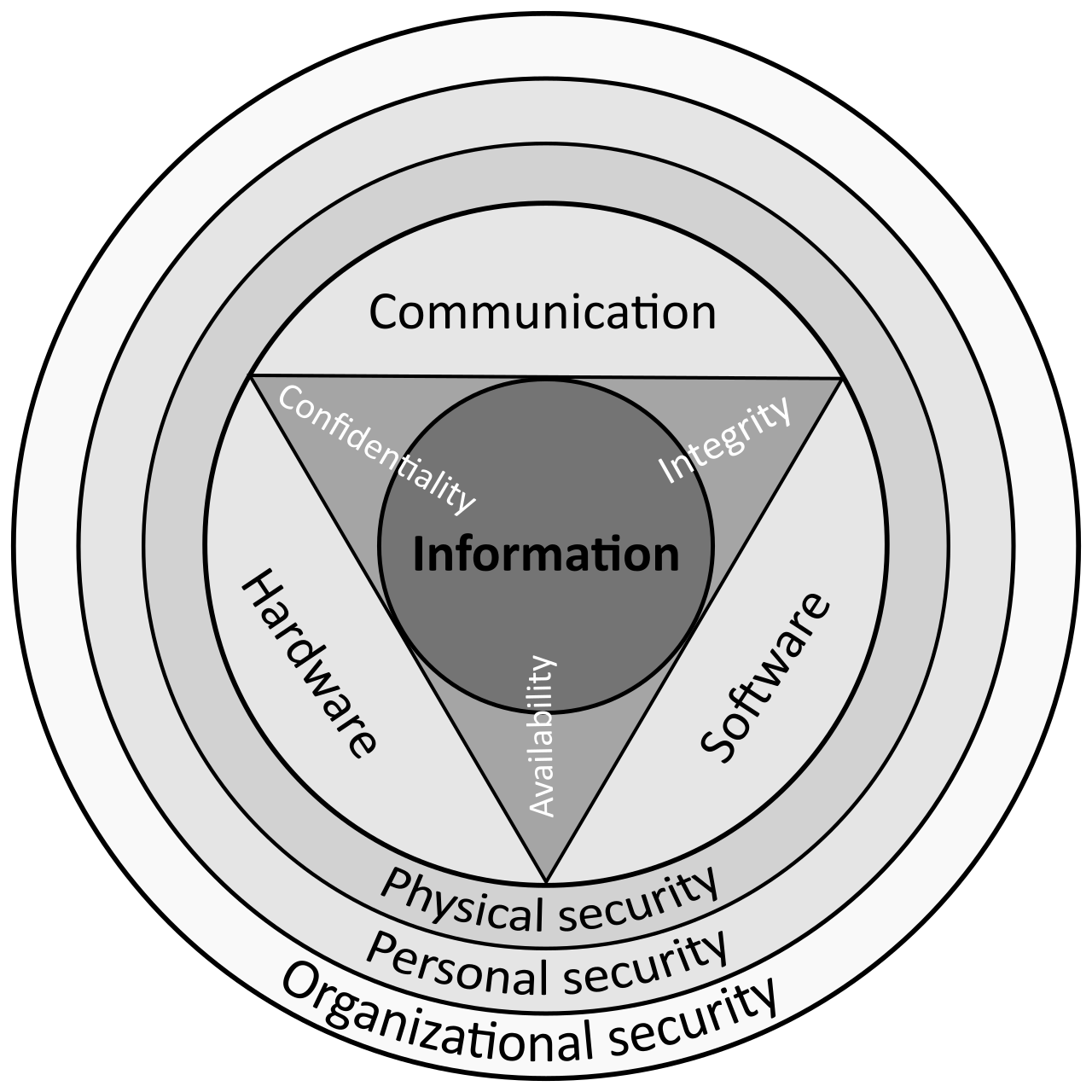
Before we can protect the vault, we need to know what’s inside. Under HIPAA, we deal with Protected Health Information (PHI).
The Golden Rule of PHI: Protected Health Information includes any individually identifiable health data. If a piece of data can be traced back to a specific living (or deceased) person, it is radioactive. Treat it with the utmost care.
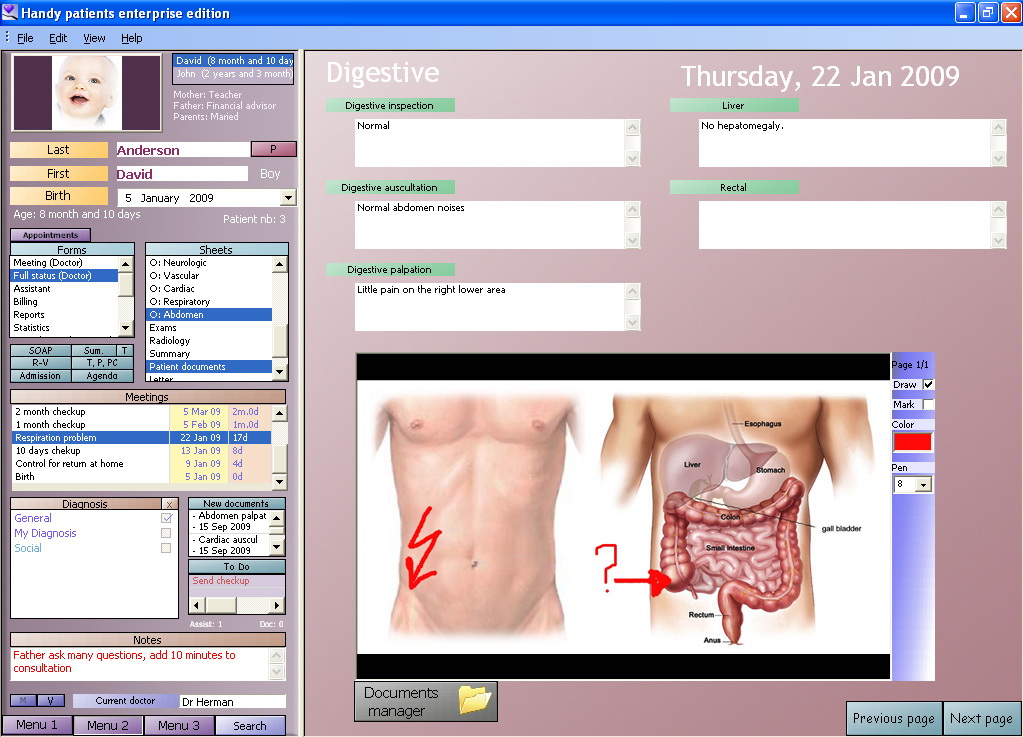
What does this include? The obvious things, certainly. Client names are considered Protected Health Information, as are their unique identifiers; client social security numbers are considered Protected Health Information. But it also includes their timeline in the world—client birth dates are considered Protected Health Information.
Even room numbers, specific physical descriptions, or ZIP codes become PHI when attached to health status.
Who owns this information? The facility owns the physical or electronic chart, but the information belongs squarely to the patient.
When a client walks through the doors of your hospital, the education starts immediately. Nurses are responsible for assessing a client's understanding of their privacy rights upon facility admission. You hand them a packet of rights, and a client must sign an acknowledgment form confirming receipt of the facility's notice of privacy practices.
From that moment on, they hold the keys. Consider their powers:
- The Right to Inspect: Clients have the legal right to review their own medical records.
- The Right to Possess: Clients have the legal right to request a physical or electronic copy of their own medical records.
- The Right to Disappear: If a patient does not want anyone to know they are admitted, clients have the right to be listed as an anonymous patient in the hospital directory.
- The Right to Exclude: Clients have the right to restrict specific individuals from receiving information about their health status. If they don't want their estranged sibling to know they are in the ICU, that is their absolute right.
The Flow of Information to Others
Because the patient controls the data, you cannot just hand it out to anyone who asks nicely.
-
Third Parties: If an insurance company or an outside specialist needs the chart, a facility must obtain written consent from the client prior to releasing health information to third parties.
-
Family Members: This trips up many new nurses. A worried mother or husband demands to know what the lab results show. Listen to me carefully: Nurses cannot share client information with a client's family members without explicit permission from the client.
-
The Telephone Test: What happens when someone calls the unit desk? Nurses must confirm the identity of individuals calling for patient updates prior to releasing any information. How do we do this efficiently? Facilities often use a designated verbal password to verify the identity of individuals calling for updates on a client. No password, no update. Period.
Here is a brilliant concept that governs all healthcare access: The "Need-to-Know" principle.
The Need-to-Know Principle restricts client information access to individuals requiring the data to perform their job duties.
Think of the hospital’s Electronic Health Record (EHR) as a giant bank vault containing thousands of safety deposit boxes. Having an employee badge gets you into the lobby, but it does not give you a master key to every box.
You, as a healthcare provider, must only access a client's medical record if involved in the direct care of that specific client.
Let's look at a classic NCLEX scenario: A famous celebrity—or even just a fellow nurse you know—is admitted to the emergency department. You are assigned to the cardiac floor. Can you just "peek" at their chart to see how they are doing? Absolutely not. Doing so is a direct violation of federal law. If you catch someone else doing this, a nurse must report a colleague who accesses the medical record of a high-profile patient without authorization.
We live in a digital world, which means information travels at the speed of light—and so do privacy breaches. The electronic health record is highly secure, but the human using it is often the weak link.
The Workstation
- Passwords: Nurses must never share personal login passwords for electronic health records with any other individual. Not with a doctor, not with a nursing student, not with your charge nurse.
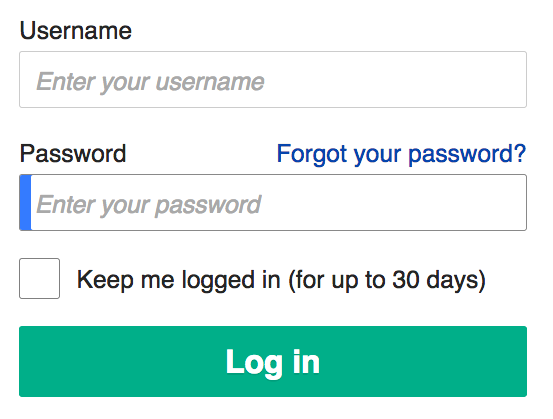
- Logging Off: The second your hand leaves the mouse to go answer a call light, nurses must log off the computer system immediately after documenting in an electronic health record. Why the urgency? Because an unauthorized individual viewing an unattended computer screen constitutes a privacy breach.
- Screen Placement: Physics helps us here. Ensure that computer monitors displaying client information must be positioned away from public view. Angle them away from doorways and hallways.
Communicating Electronically
- Texting: We text constantly in our personal lives, but in the hospital, using a personal cell phone to send text messages about a client's condition violates standard security protocols. When you must text a doctor, text messages containing Protected Health Information must only be sent using encrypted facility-approved platforms.
- Email: If you are sending an email containing PHI, it must be secure. Sending unencrypted emails containing Protected Health Information over public networks is a major security risk.
The physical world is just as dangerous for confidentiality as the digital one. Let's talk about how information leaks into the wild.
Hallway Conversations
Sound waves bounce. When you are chatting with a colleague, remember that discussing client information in public areas like elevators violates confidentiality regulations. The same goes for the lunch line; discussing client information in public areas like cafeterias violates confidentiality regulations.
When it is time to shift gears and hand over care, nurses must conduct client hand-off reports in private areas to maintain confidentiality. A dedicated report room or at the bedside with the door closed is appropriate.
Paper and Whiteboards
- Shift Brains: We all use printed sheets to keep track of our shift. But nurses must not leave printed shift report sheets unattended on nursing station counters.
- Medical Charts: If your facility still uses physical binders or downtime forms, nurses must physically secure unattended medical charts to prevent unauthorized access.
- Whiteboards: Those dry-erase boards in the hallways or patient rooms are visible to anyone walking by. Therefore, publicly visible patient whiteboards must only display minimal non-sensitive information (like the nurse's name or a dietary fluid restriction). Displaying a client's specific medical diagnosis on a hallway whiteboard violates privacy laws.
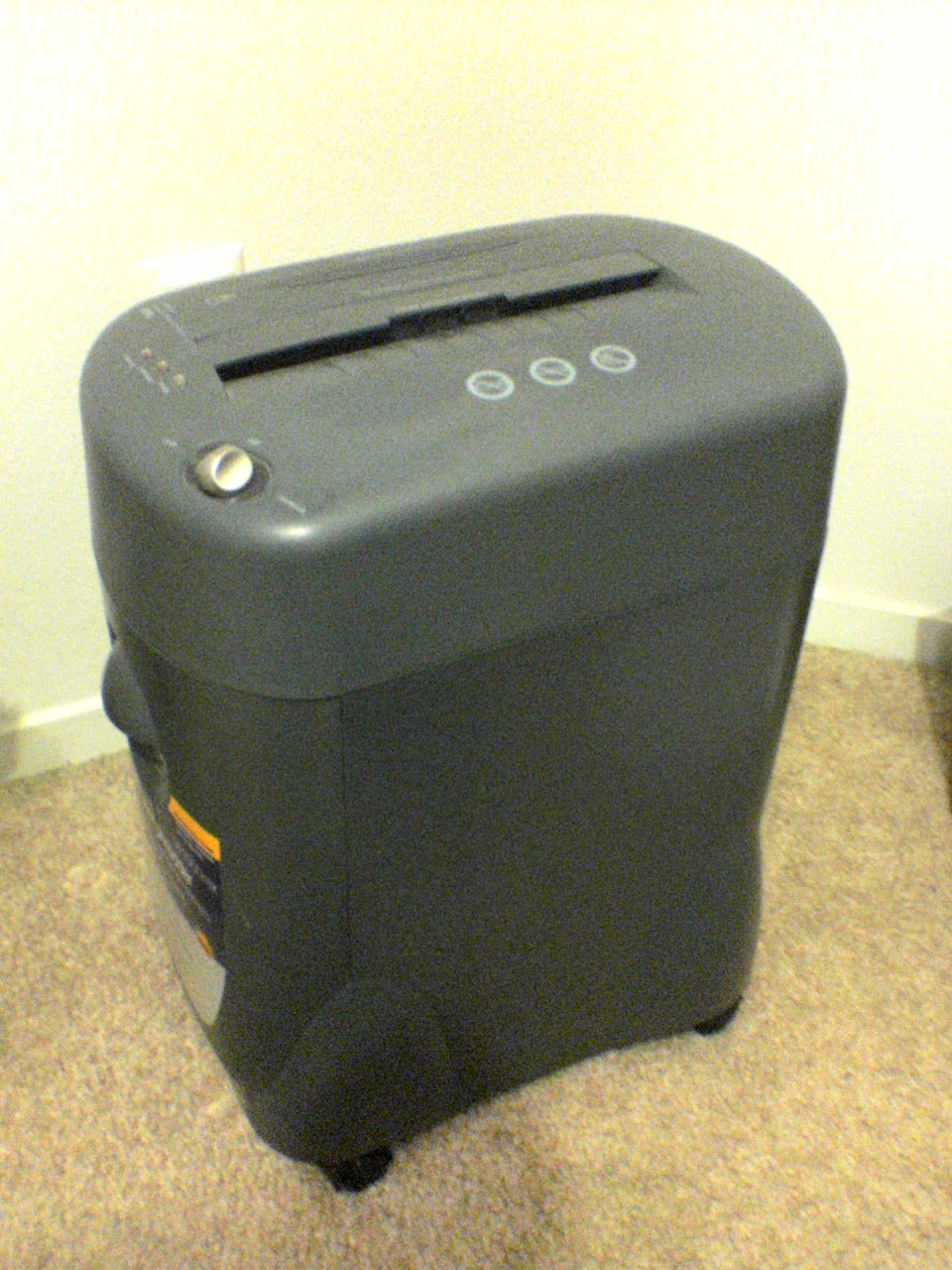
- Disposal: What happens when your shift ends and you don't need your notes anymore? Printed documents containing Protected Health Information must be destroyed using a secure shredder. Never toss them in the garbage. Disposing of client documents in standard trash bins is a direct violation of federal privacy regulations.
| Action | Secure Practice (NCLEX Approved) | Privacy Breach |
|---|---|---|
| Handoff Report | Inside an enclosed report room | In the elevator or cafeteria |
| Shift Notes | Placed in a locked shredder bin at end of shift | Thrown into the standard trash can |
| Hallway Whiteboards | "Patient: Smith / Nurse: Jones / NPO" | "Patient: Smith / Diagnosis: HIV" |
| Leaving the Desk | Logging out or locking the computer screen | Leaving the chart open and walking away |
Let me be incredibly clear: Social media and nursing do not mix. A staggering number of nurses face disciplinary action every year because they simply didn't respect the boundary between their smartphone and their patient.
- The Blanket Rule: Posting any client-related information on personal social media accounts violates privacy regulations.
- The "Anonymity" Illusion: Nurses often think, "I didn't use their name, so it's fine!" Wrong. Omitting a client's name in a social media post does not guarantee anonymity. If you post, "Had the craziest shift! A 22-year-old came in with a lawn-dart stuck in his foot," people can cross-reference local news, times, and ages to figure out exactly who you are talking about. Therefore, describing a unique client case on social media violates privacy regulations.
- Photography: Do not point your camera at a patient. Taking photographs of clients using personal mobile devices is prohibited in healthcare settings. Furthermore, posting photographs of clients on social media is a severe breach of confidentiality. Even an innocent selfie where a patient's arm is visible in the background can ruin your career.
On the NCLEX, you are tested on your ability to act as a leader and an advocate. You are not just responsible for your own behavior; you are the guardian of the unit's culture.
- Delegation & Education: You work with a team. Nurses must ensure that assistive personnel understand the legal limits of sharing client information. If a CNA doesn't know the rules, it is your job to teach them.
- Immediate Intervention: If you are in the cafeteria and you hear two nurses talking about the GI bleed in Room 4, what do you do? You don't wait. The nurse must intervene immediately to stop the conversation if another staff member is overheard discussing a client in public.
- Reporting: Once the immediate threat is stopped, you must escalate. A nurse must report any observed breach of confidentiality to the nursing supervisor. Furthermore, for formal investigation, you must report suspected privacy violations to the facility's designated privacy officer.
- The Cost of Silence: Do not cover for your friends. Failure to report a known breach of client confidentiality is a violation of professional nursing standards. If you know about a breach and say nothing, you are complicit.
Why does the NCLEX hammer this topic so hard? Because the consequences of failure are catastrophic, both for the patient whose life is exposed, and for the professionals responsible.
The government does not view HIPAA violations as simple mistakes.
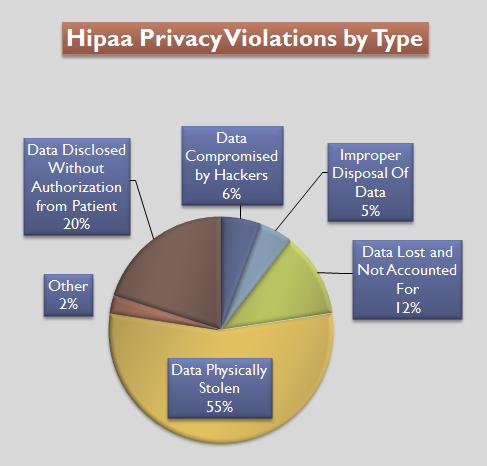
- Financial Ruin: Federal penalties for medical privacy violations include significant financial fines against the healthcare facility. But it doesn't stop at the hospital's deep pockets. The law pierces the corporate veil: Federal penalties for medical privacy violations include significant financial fines against the individual healthcare worker.
- Professional Destruction: You worked too hard in nursing school to lose your license over gossip. Breaching client confidentiality can lead to disciplinary action by the state board of nursing, ranging from formal reprimands to license revocation.
- Employment: Facilities have zero tolerance. Intentional breaches of client confidentiality can result in immediate termination of employment.
Final Thoughts for the Exam
When you look at an NCLEX question about confidentiality, ask yourself: Is this information necessary for the direct care of the patient? Is it being transmitted through a secure, approved channel? Has the patient consented to this person knowing?
If the answer to any of those is no, lock down the data. Be the vault. Protect your patients' secrets as fiercely as you protect their physical health.