Health Promotion and Disease Prevention
Not sure you’re ready?
Take the ~3-minute readiness diagnostic and see where you stand.
Imagine you are standing beside a raging river. Suddenly, you hear a cry for help. Someone is drowning! You dive in, pull them to shore, and perform CPR. You save their life. But just as you catch your breath, you hear another cry. You dive in again. Then another. And another.
Eventually, if you want to stop exhausting yourself pulling people out of the river, you have to ask a very simple, fundamental question: Who is throwing these people in upstream, and how do we build a fence to stop it?
Welcome to Health Promotion and Disease Prevention.
In nursing, we spend a massive amount of time at the bedside doing the heroic work of pulling people out of the river. But true mastery of healthcare—the kind of mastery expected of an elite RN—happens upstream. It is the art of anticipating the danger, modifying the risk, and educating the patient so they never fall in to begin with.
Let's break down exactly how we do this.
To understand prevention, you have to think about disease as a timeline. Where are we on the timeline of the illness? Are we trying to stop the spark, catch the smoke, or rebuild after the fire?
1. Primary Prevention: Stopping the Spark
Primary prevention aims to prevent disease or injury before the specific disease or injury occurs. We are building the fence upstream. The patient is currently healthy, and we intend to keep them that way.
Think about the physical barriers and biological shields we construct:
- Administering immunizations is a classic example of primary prevention. We are giving the immune system the cheat codes to a virus before the virus ever enters the body.
- Physical barriers matter just as much. Simply wearing a seatbelt while driving is an example of primary injury prevention. We are preventing the trauma before the crash happens.
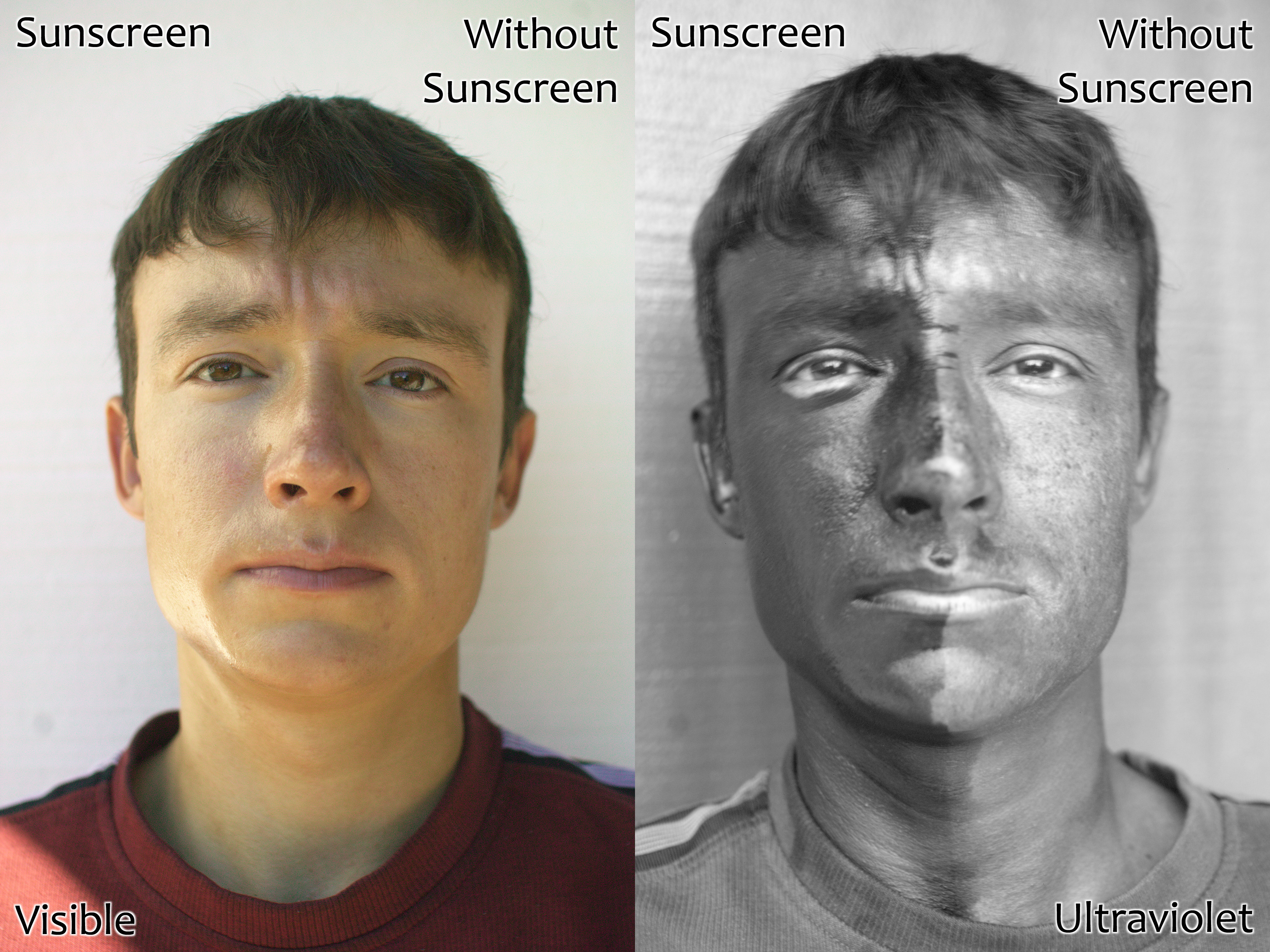
- We can also block radiation! Topical sunscreen application is a primary prevention measure to reduce the risk of melanoma.
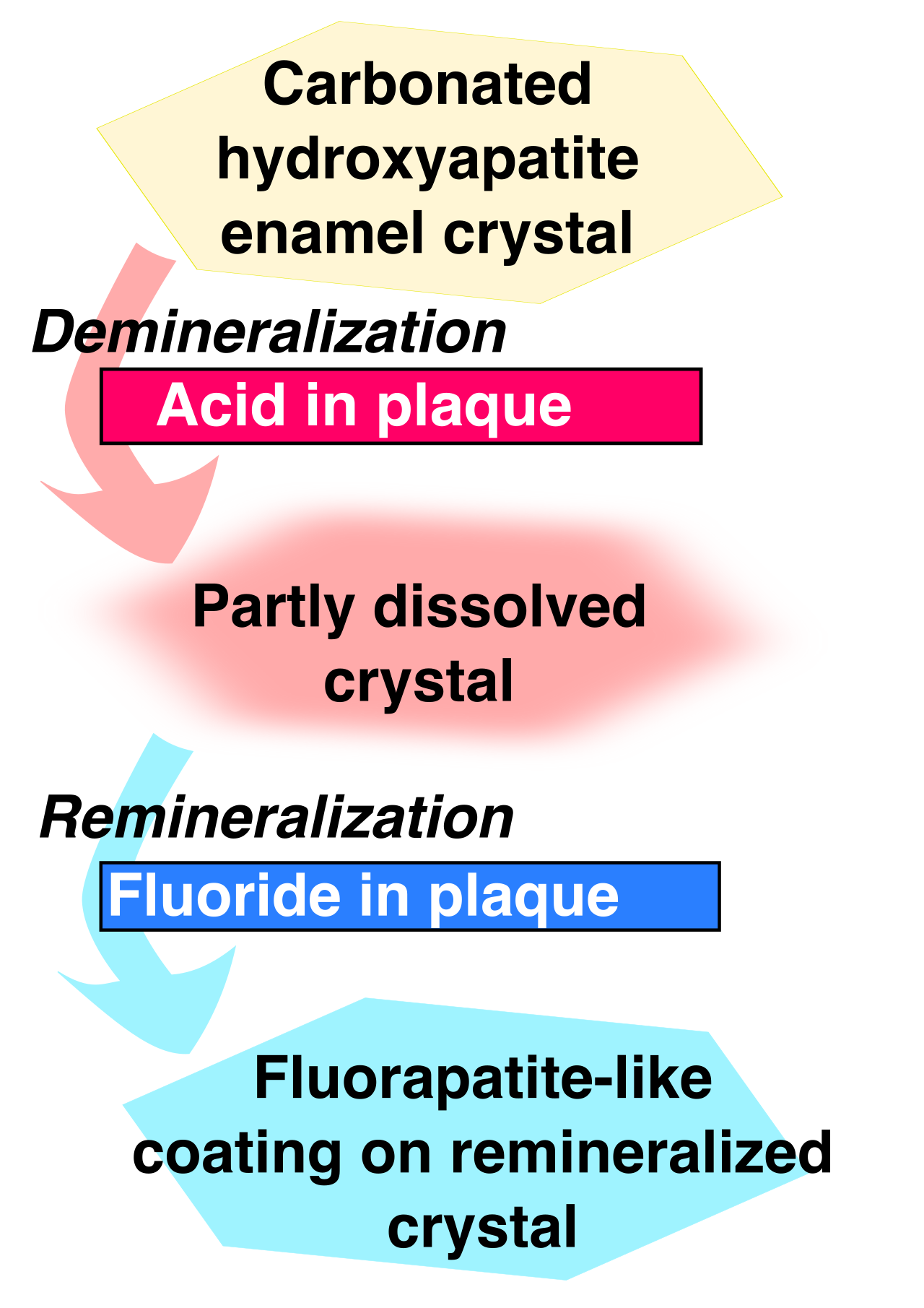
Primary prevention doesn't just happen at the individual level; it happens at the population level, too. For instance, community water fluoridation is a population-level primary prevention strategy against dental caries. We are protecting millions of teeth before a cavity ever has a chance to form.
2. Secondary Prevention: Catching the Smoke
What if the spark has already happened, but the fire hasn't spread? Secondary prevention aims to reduce the impact of a disease or injury that has already occurred.
Think of secondary prevention as screening and early detection. The patient might feel perfectly fine, but an underlying pathological process has begun. Our job is to find it before it destroys the house.
- Routine blood pressure screening is an example of secondary prevention. High blood pressure is the "silent killer". By catching it early, we prevent the stroke.
- Similarly, routine cholesterol screening helps identify hyperlipidemia before cardiovascular symptoms develop.
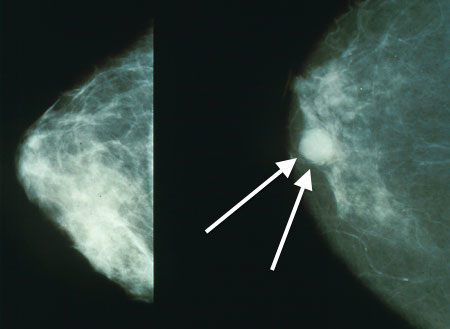
- In the world of oncology, secondary prevention is our best weapon. Breast cancer screening with mammography is a form of secondary disease prevention. So is a Pap smear, which is recommended as a secondary prevention measure to detect cervical dysplasia early before it progresses to cervical cancer.
- We also screen for colorectal cancer. Colorectal cancer screening is recommended to begin at age 45 for average-risk adults, and tools like fecal occult blood testing are perfect examples of a secondary prevention screening tool for this.
- Bone health is critical as we age. Osteoporosis screening via a dual-energy x-ray absorptiometry (DEXA) scan is a secondary prevention measure to catch bone density loss before a catastrophic hip fracture.
- Even routine dental exams represent secondary prevention for dental caries—the dentist is looking for the tiny decay before it reaches the nerve.
3. Tertiary Prevention: Rebuilding After the Fire
Sometimes, the disease has already done its damage. Tertiary prevention aims to soften the impact of an ongoing illness or injury that has lasting effects. The goal here is rehabilitation, restoring function, and preventing further complications.
If a patient suffers a heart attack, the tissue damage is done. But cardiac rehabilitation after a myocardial infarction is an example of tertiary prevention because it strengthens the remaining heart muscle and prevents a second attack. Likewise, teaching a client how to properly use a walker after a stroke is an example of tertiary prevention. We are mitigating the long-term effects of the neurological deficit to prevent a secondary injury, like a fall.
Before we can prevent a disease, we have to know what risks our patient carries. Optimal health maintenance requires personalized education based on a client's specific genetic and lifestyle risk profile.
We categorize these risks into two distinct buckets: the cards you are dealt, and how you play your hand.
Non-Modifiable Risk Factors (The Cards You're Dealt)
Non-modifiable risk factors are inherent personal characteristics that cannot be changed by the client. You can't change your genetics, and you can't stop time.
- Chronological age is a non-modifiable risk factor for chronic diseases. As the machine ages, parts wear down.
- Genetics are profoundly influential. A family history of early heart disease is a non-modifiable health risk factor.
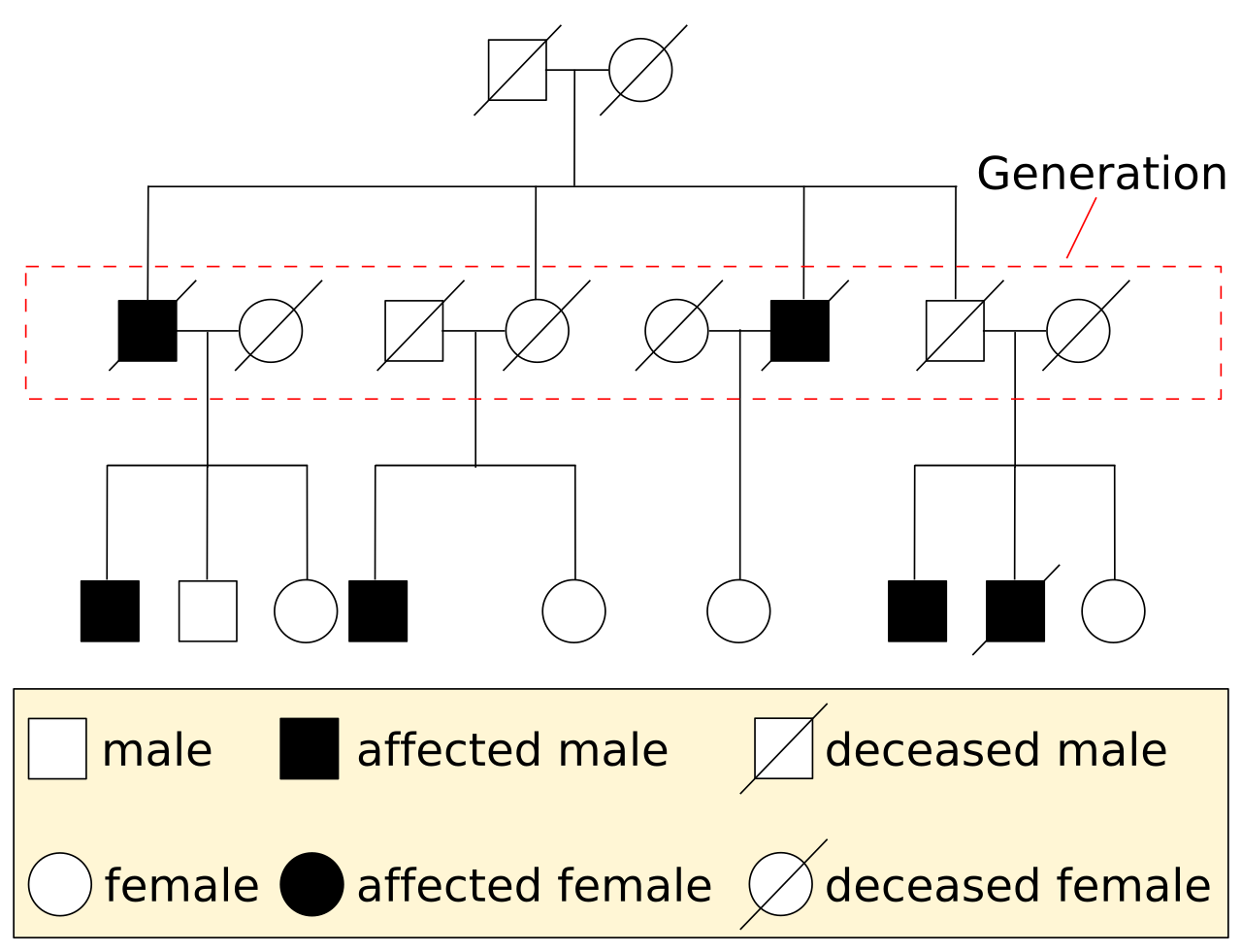
The Professor's Pro-Tip: How do we map out these genetic risks? By drawing a map! Assessing a client's family genogram helps identify genetic predispositions to specific diseases. When you see a genogram dotted with early-onset breast cancer or sudden cardiac deaths, your secondary prevention radar should instantly turn on.
Modifiable Risk Factors (How You Play the Hand)
Modifiable risk factors are behaviors and environmental exposures that can be changed to reduce disease risk. This is where nursing intervention shines.
- Tobacco use is a modifiable risk factor for cardiovascular disease and cancer. It damages the endothelium of blood vessels. But here is the beautiful thing about human biology: it heals. Smoking cessation interventions significantly decrease the risk of lung cancer over time.
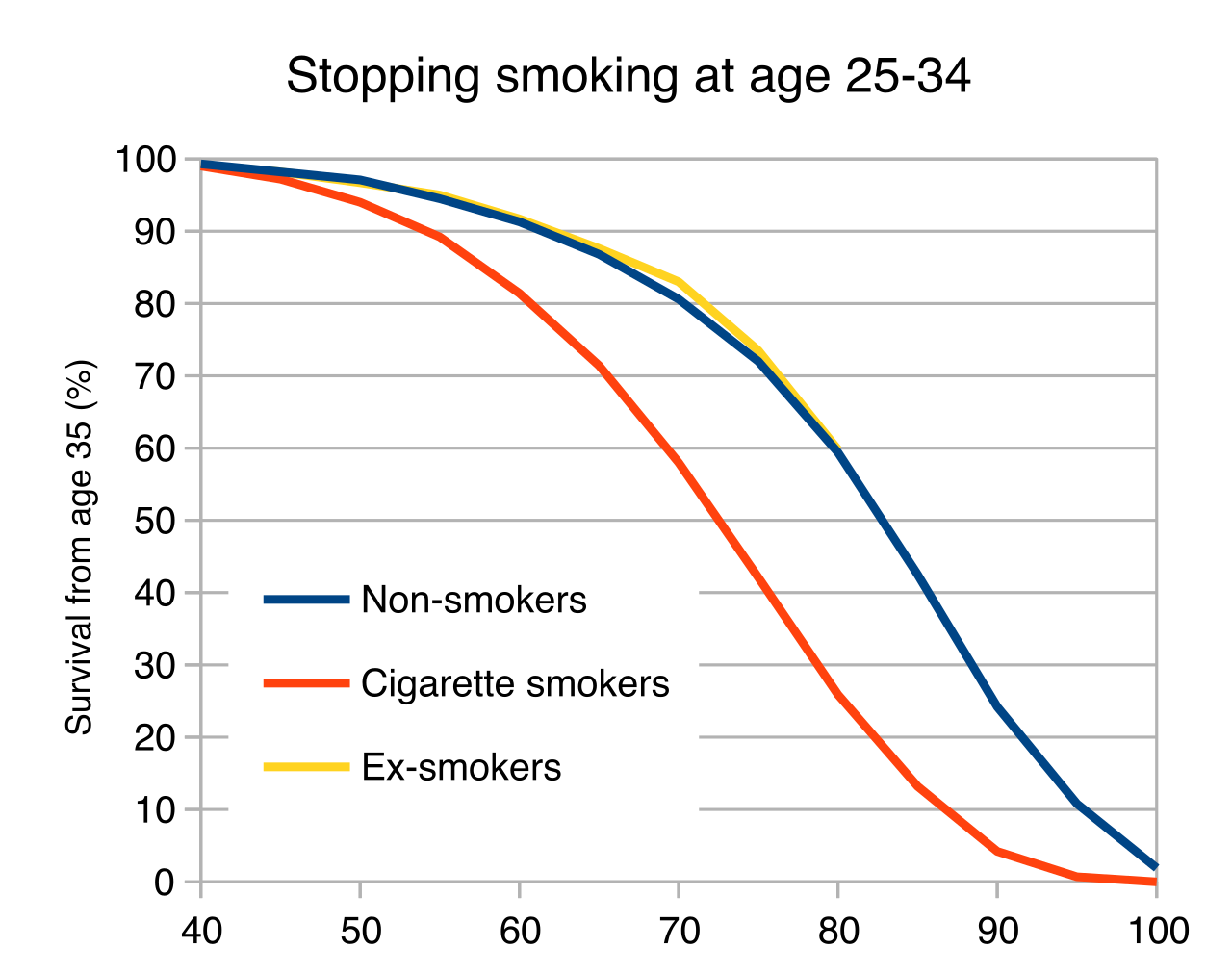
If we want to understand risk, we can't just look at the individual. We have to look at the water they are swimming in.
To figure out what is making an entire town sick, we use epidemiological data, which helps nurses identify the most pressing health education needs of a specific community. We gather this data through community health assessments, which identify prevalent health risks within a specific geographic population.
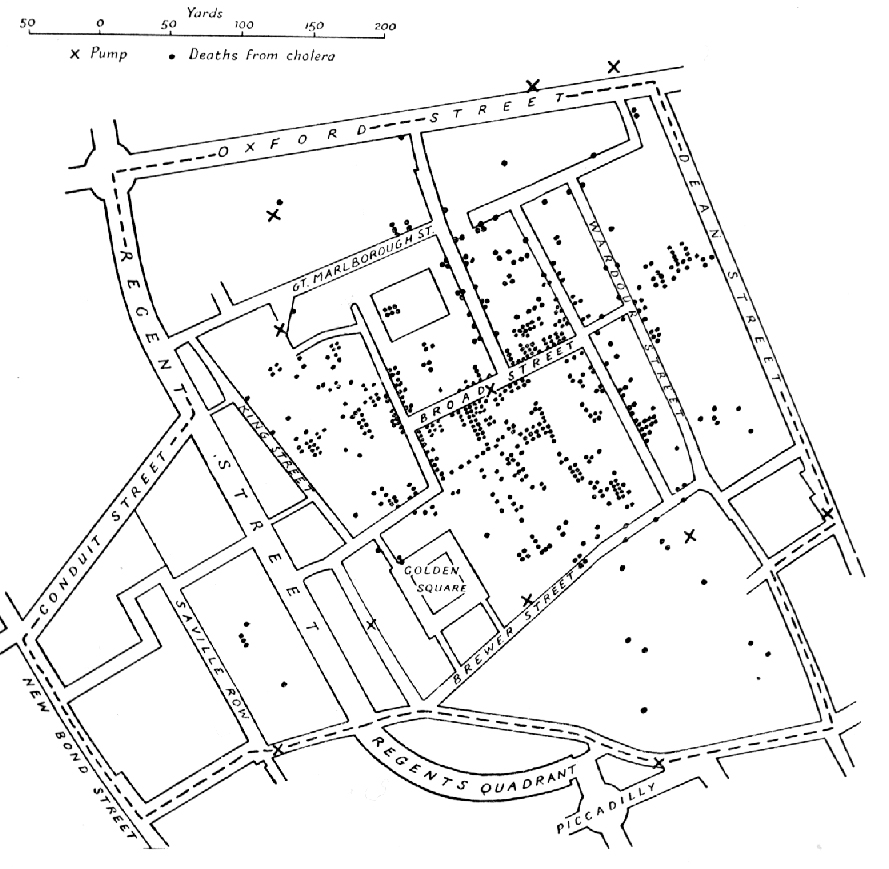
What do we often find when we zoom out? We find that the environment itself is a risk factor.
- Environmental health risks include exposure to community pollutants like airborne particulates, which can trigger massive spikes in asthma exacerbations.
- We also find that vulnerable populations often face higher health risks due to social determinants of health. It is incredibly difficult to tell a patient to "eat a balanced diet" if they live in a food desert. A lack of access to stores selling fresh produce is a community-level health risk factor.
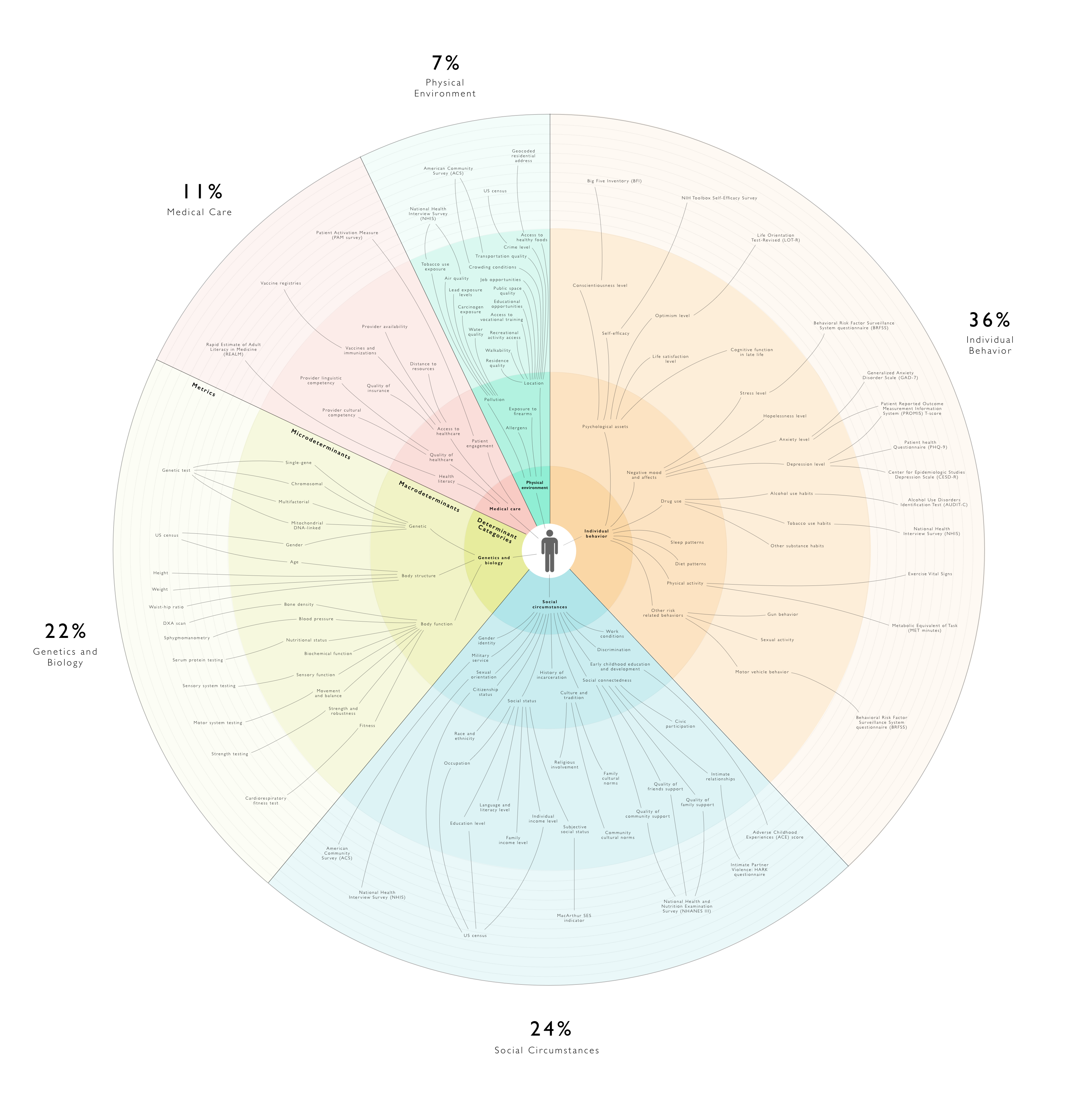
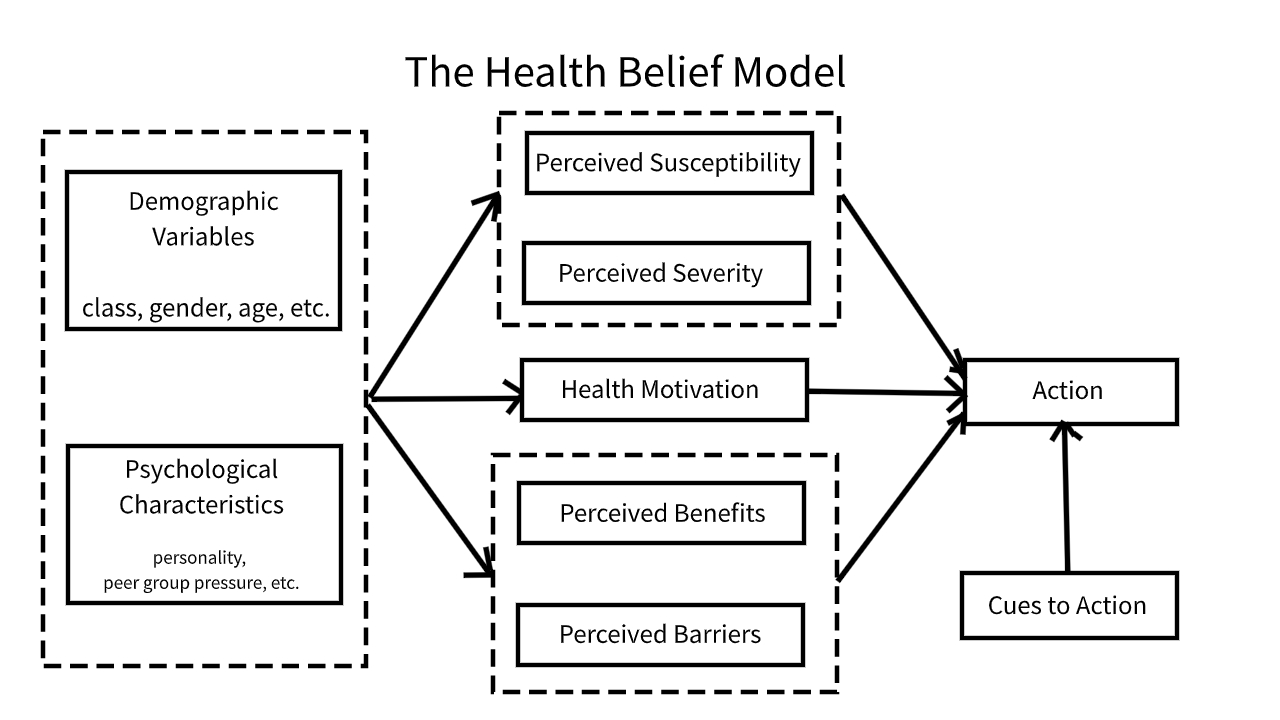
You can give a patient a brilliantly organized pamphlet on diet and exercise, but if they don't care, nothing will change. Why do some people eagerly adopt healthy behaviors while others ignore them?
Enter The Health Belief Model. This psychological framework proposes that a person's willingness to change health behaviors depends heavily on two distinct perceptions:
- Perceived disease severity: Do I think this disease is actually dangerous?
- Perceived personal susceptibility: Do I think this disease will actually happen to me?
If a 20-year-old doesn't think COVID-19 is severe, or doesn't think they are personally susceptible to catching it, they will not wear a mask. Education must target both of these perceptions to trigger a behavioral change.
Meeting Them Where They Are
Sometimes, eliminating a risk entirely is impossible right now. In these cases, we use harm reduction strategies, which focus on minimizing the negative health consequences of high-risk behaviors rather than demanding total abstinence. A classic example? Needle exchange programs are an example of a harm reduction strategy to prevent bloodborne infections (like HIV and Hepatitis C). We aren't stopping the addiction in that moment, but we are stopping a fatal secondary infection.
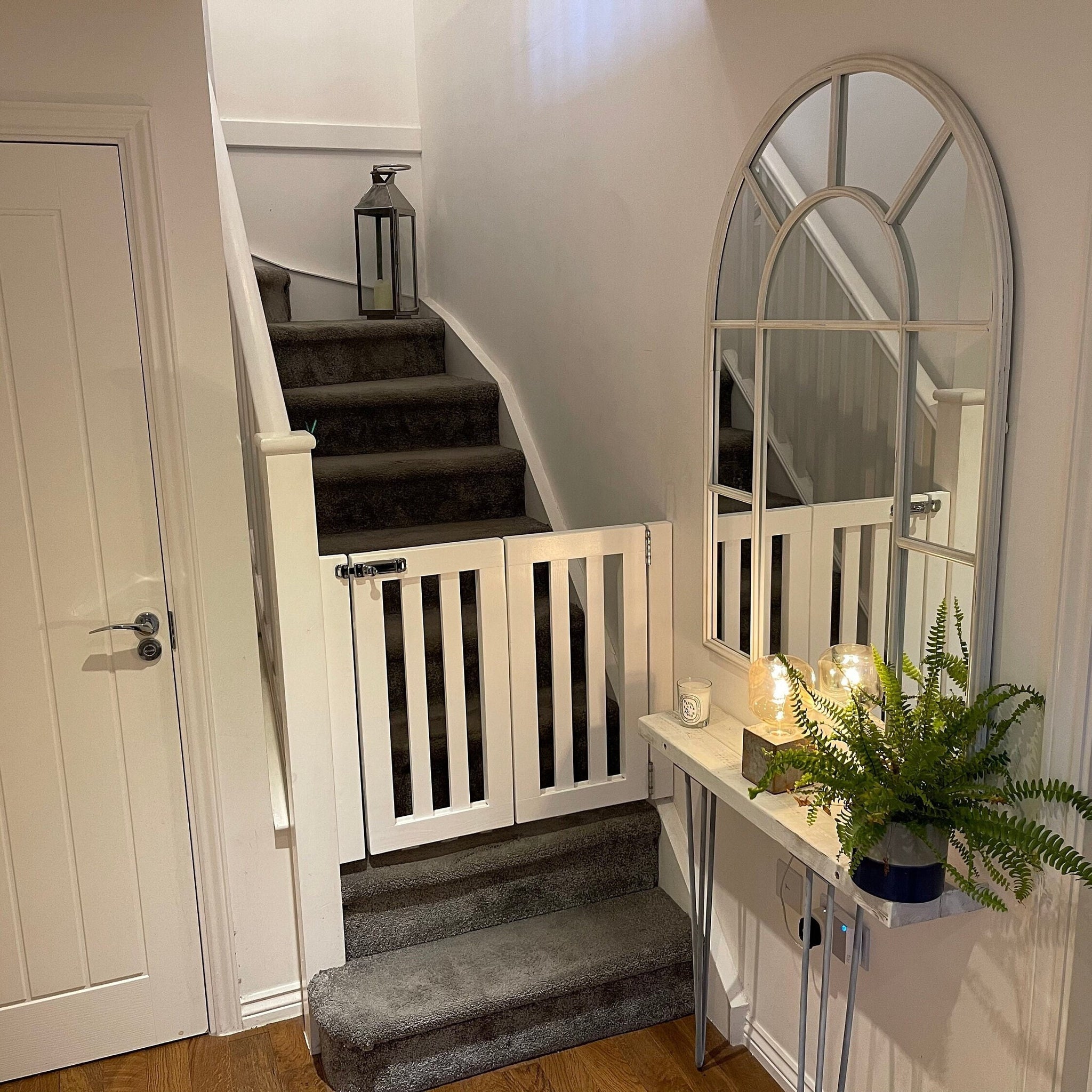
We also use anticipatory guidance, which involves educating clients about expected future physical and psychological developmental changes. Think of this as giving the patient a roadmap. If we tell parents of a toddler that their child will soon start climbing, they can install safety gates before the child falls down the stairs.
As a nurse, you are expected to know the hard numbers—the canonical, evidence-based guidelines for keeping a human body functioning optimally. Memorize these:
| System / Goal | Organization | The Guideline |
|---|---|---|
| Cardiovascular (Activity) | CDC | Recommends a minimum of 150 minutes of moderate-intensity aerobic activity per week for adults. |
| Cardiovascular (Diet) | AHA | Recommends keeping dietary sodium intake below 2300 milligrams per day for general adult cardiovascular health. |
| Immunity (Influenza) | CDC | Annual influenza vaccinations are recommended for all individuals aged six months and older. |
| Immunity (Pneumonia) | CDC | The pneumococcal vaccine is routinely recommended for all adults aged 65 years and older. |
You have assessed the risks. You know the guidelines. Now, you have to transfer that knowledge into the patient's brain.
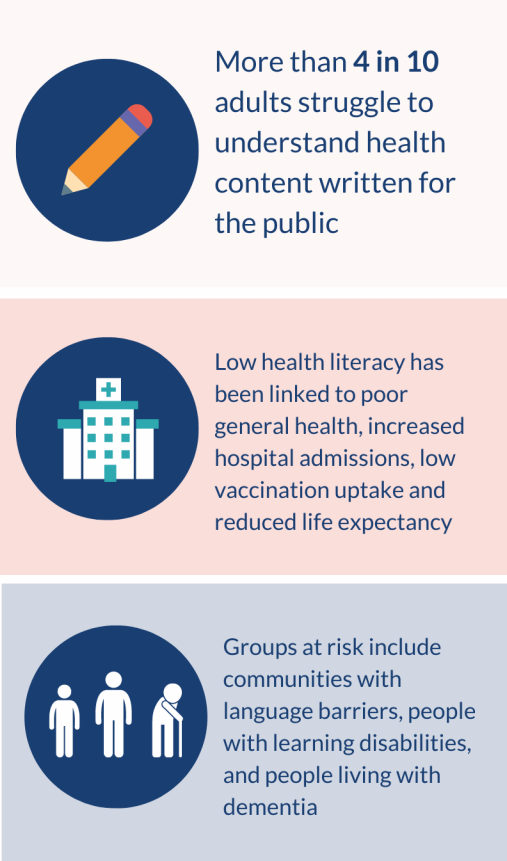
First, you must assess health literacy, which heavily influences a client's ability to comprehend and apply health promotion education. Using complex medical jargon with a patient who has low health literacy is like speaking Greek to someone who only speaks Spanish. It's useless.
Similarly, cultural competence ensures that health promotion materials align with a client's specific cultural health beliefs and practices. If a dietary plan explicitly violates a patient's religious dietary laws, they aren't going to follow it. You must adapt your teaching to fit the reality of the patient's life.
Did They Actually Learn It? Evaluating Understanding
Never assume your teaching was effective just because the patient nodded. Nodding is often just a polite way of saying, "I want to go home now." You must actively evaluate their understanding.
The gold standard for verbal instruction is the teach-back method. This is a technique used to rigorously evaluate client understanding. It is NOT asking, "Do you have any questions?" The teach-back method requires the client to restate the provided instructions in the client's own words.
- Example: "Just to make sure I explained your new blood pressure medication clearly, can you tell me how and when you are going to take it at home?"
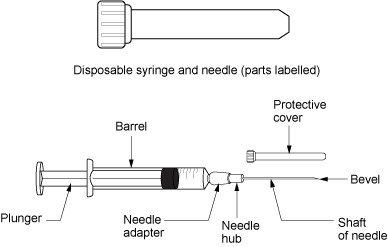
If you are teaching a physical action rather than a concept, talking isn't enough. Evaluating client understanding can be achieved by observing a return demonstration of a taught physical skill. If you just taught a newly diagnosed diabetic how to inject insulin, you hand them the syringe (or a practice pen) and say, "Now, show me how you're going to do this tomorrow morning."
Final Thoughts
To be a truly exceptional nurse on the NCLEX and in practice, you must view every patient interaction as an opportunity to prevent future suffering. Assess their inherent risks (non-modifiable), help them change what they can (modifiable), understand the community they live in, and teach them with such clarity and cultural respect that they internalize the lesson.
Stop pulling people out of the river. Build the fence upstream.