Expected Actions and Outcomes
Not sure you’re ready?
Take the ~3-minute readiness diagnostic and see where you stand.
The Symphony of Pharmacology: Actions, Outcomes, and the Human Element
Welcome to the fascinating intersection of human biology and chemical engineering! When you hand a patient a pill, push a syringe, or apply a patch, you aren’t just performing a task—you are initiating a cascade of complex biological events. To be a phenomenal nurse, you can't just memorize the rules of medication administration; you have to understand the mechanics of the machine.
Why does a crushed pill cause a lethal overdose? Why does a patch work for days? Why does a patient stop taking a lifesaving drug?
In this guide, we are going to look under the hood of pharmacokinetics, clinical decision-making, and human behavior. We’ll explore how drugs enter the body, how we measure their success, and how we navigate the beautifully complex reality of patient adherence. Let’s dive in.
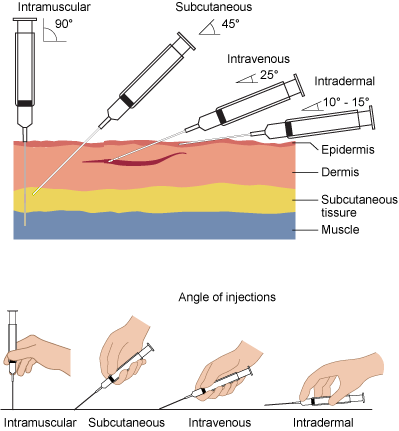
If you want to understand how quickly a drug works, you just need to look at how it travels. The route of administration determines the onset time of medication action. Why? Because different routes have different barriers to entry.
The Fast Lane: Intravenous (IV) Therapy
Think of the bloodstream as a high-speed interstate. Intravenous medications have an immediate onset of action because you are dropping the drug right into the traffic flow. By injecting directly into the vein, intravenous medications bypass the absorption phase of pharmacokinetics entirely.
Because IV medications act so rapidly, they leave no room for error. The nurse must verify intravenous medication compatibility using a formulary reference before mixing drugs in the same syringe. If two drugs precipitate (crystallize) in a syringe, you aren't just ruining the medication; you are injecting microscopic glass-like shards directly into the patient's bloodstream.
The Backroads: Intramuscular (IM) and Subcutaneous (SubQ)
When you inject a drug into tissue, it has to find its way into the capillaries. Therefore, intramuscular medication absorption rates depend directly on the blood flow to the injection site. Muscles are highly vascular, so absorption is relatively quick.
Now, let's look at the fatty tissue just under the skin. Subcutaneous tissue has fewer blood vessels than muscle tissue. Because of this structural reality, subcutaneous medication injections absorb more slowly than intramuscular injections. This slow, steady absorption is exactly why we administer insulin subcutaneously—we want a sustained, manageable release, not a rapid dump into the system.
The Customs Border: Oral Administration and The First-Pass Effect
When a patient swallows a pill, it enters the stomach, moves to the intestines, and gets absorbed into the portal vein. But before this blood reaches the rest of the body, it must pass through the liver.
The First-Pass Effect: This describes the initial metabolism of an oral drug by the liver before it reaches systemic circulation. Think of the liver as a strict customs agent, confiscating a massive percentage of the drug before it can enter the country.
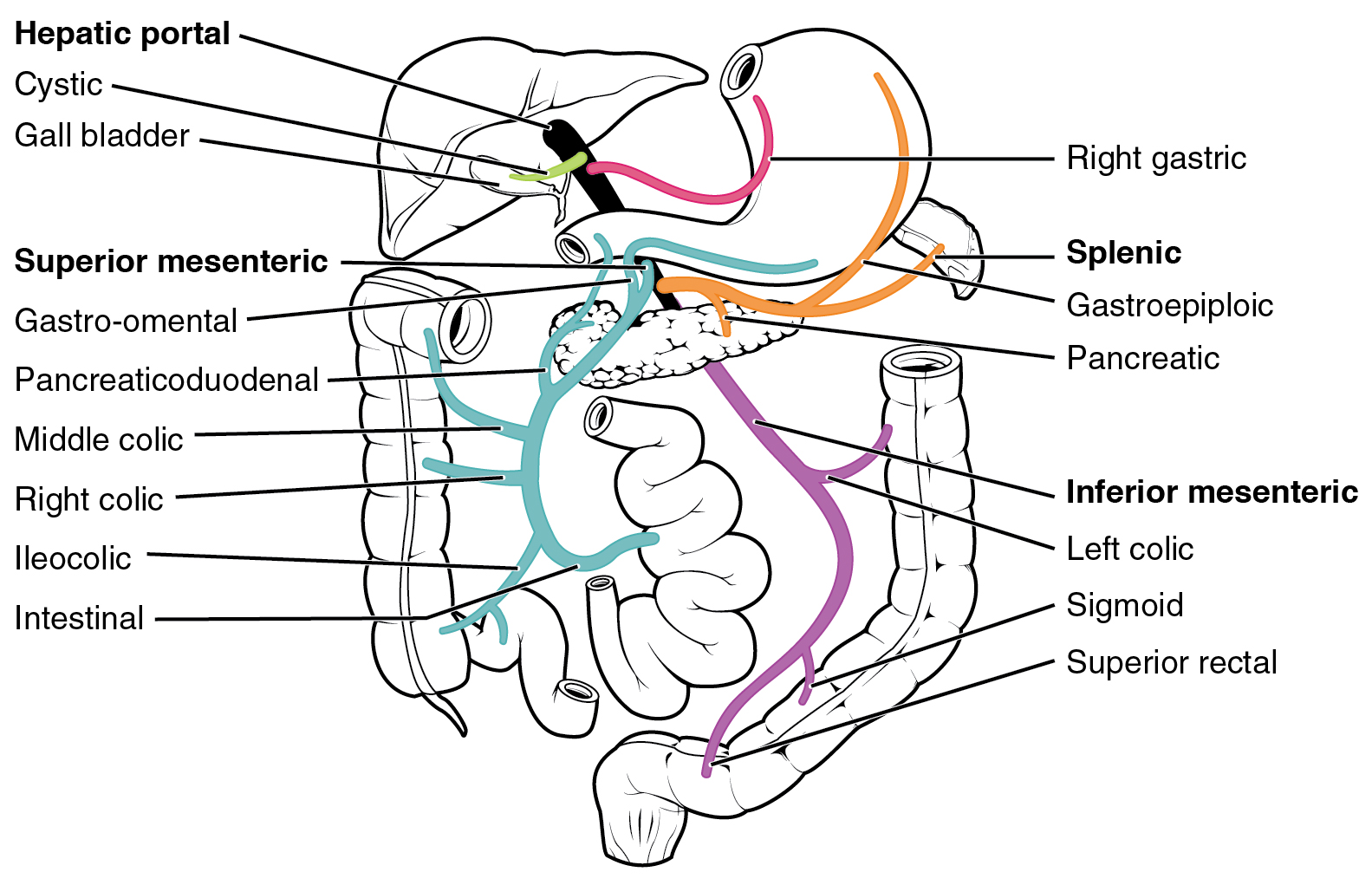
So, how do we outsmart the liver when we need an immediate effect? We use a secret tunnel. Sublingual medications enter the systemic circulation directly through the oral mucosa. By dissolving a pill under the tongue, sublingual administration bypasses the first-pass metabolic effect of the liver.
A classic example? Sublingual nitroglycerin relies on rich oral mucosal vasculature for rapid expected outcomes during angina episodes. When a patient's heart is starving for oxygen, we don't have time for liver metabolism; we need vasodilation now.
The Time Capsules: Enteric-Coated and Extended-Release
Pharmaceutical engineers are brilliant. They design specific oral pills to survive hostile environments or release over time. Enteric-coated oral medications resist dissolution in the highly acidic environment of the stomach, waiting instead to break down in the alkaline intestines. Crushing enteric-coated tablets destroys the mechanism designed to prevent gastric irritation, leading to severe stomach ulcers or nausea.
Similarly, extended-release capsules deliver a gradual medication dose over a specified extended timeframe. These pills are like time-release chemical vaults. Crushing extended-release pills causes a rapid release of a potentially fatal drug dose. Never, ever crush an "ER," "XR," or "SR" medication.
The Surface Level: Topical vs. Transdermal
Don't confuse these two!
- Topical medications primarily provide a localized therapeutic effect on the skin or mucous membranes (like hydrocortisone cream on a rash).
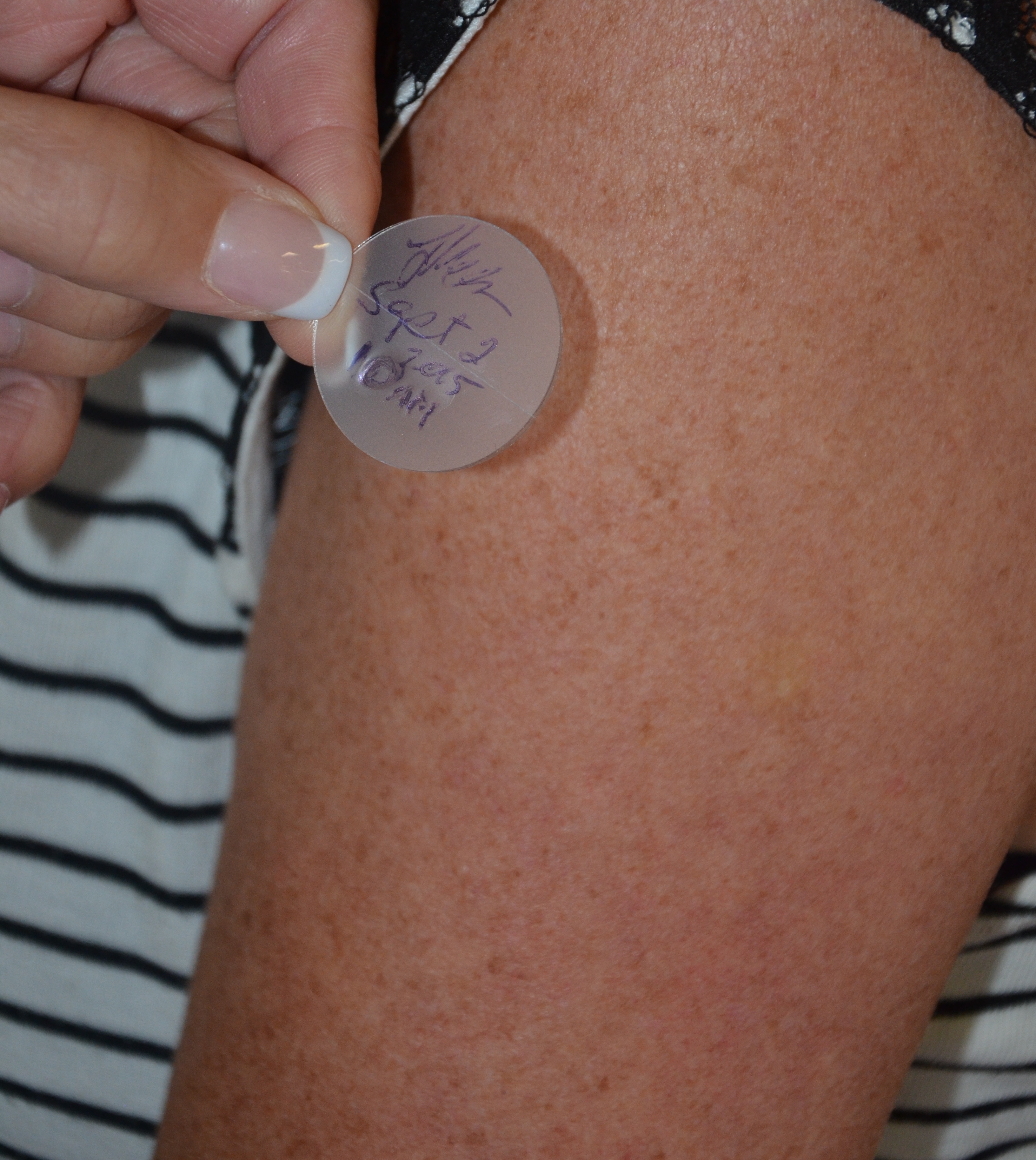
- Transdermal patches deliver systemic medication slowly and continuously through the skin (like a fentanyl or nicotine patch). The patch is just the delivery door; the target is the entire body.
You do not have to memorize every drug on the planet, but you do have to know how to use your resources. Nurses consult institutional formularies to verify safe medication dosage ranges prior to administration.
Drug formularies are much more than a list of available pills. They are comprehensive safety blueprints.
- Drug formularies list evidence-based contraindications for prescribing specific medications.
- Formularies provide details on the required laboratory monitoring parameters for high-risk medications. (For example, telling you to check a platelet count before administering heparin).
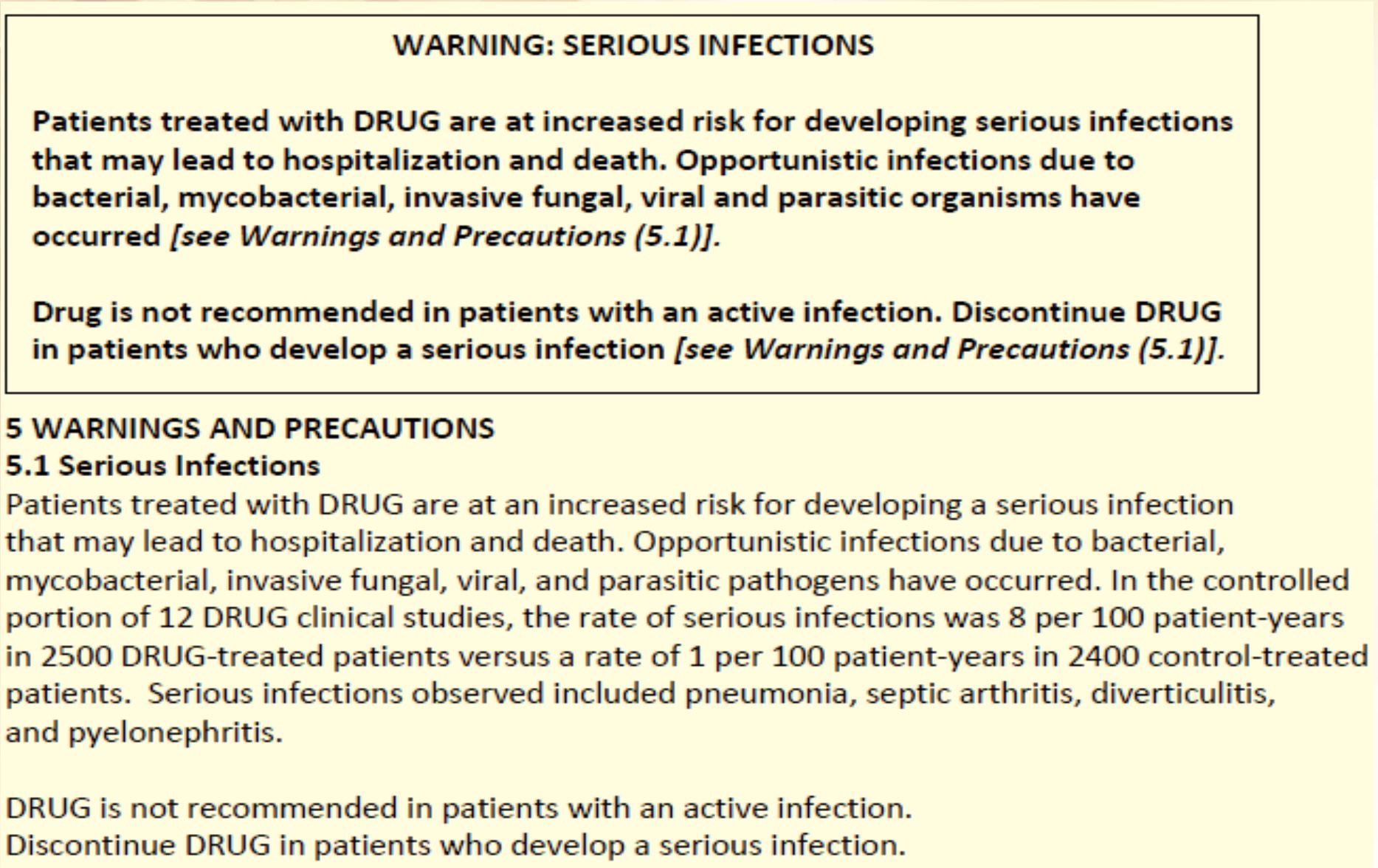
Sometimes, the FDA identifies severe, life-threatening risks associated with a drug. When this happens, they issue a Black Box Warning, which is the strictest warning issued by the FDA for medications possessing serious safety risks. If you see a Black Box warning in your formulary, pay absolute attention.
Chaos Control: Medication Reconciliation and Polypharmacy
Imagine a patient who sees a cardiologist, a rheumatologist, and a primary care doctor. Each writes prescriptions. The result? Polypharmacy, which is the concurrent use of multiple medications by a single patient.
Why does this matter? Because polypharmacy exponentially increases the statistical risk of adverse drug interactions in older adults.
To combat this chaos, we use a systemic check. Medication reconciliation involves comparing current medication orders to all medications the patient has been taking at home. The data is clear: completing medication reconciliation at every care transition reduces the incidence of adverse drug events. Do it at admission, transfer, and discharge. Every single time.
Every drug has a window of safety.
The Therapeutic Index: This is the quantitative ratio between the toxic dose and the effective dose of a medication.
If a drug has a wide index (like ibuprofen), it's highly forgiving. But narrow therapeutic index drugs require frequent serum level monitoring to ensure patient safety. (Think digoxin, lithium, or phenytoin). The line between "healing" and "poisoning" is dangerously thin.
To monitor these drugs, we measure Peaks and Troughs:
- A drug peak level represents the highest plasma concentration of a medication after administration. (Drawn shortly after the dose finishes infusing).
- A drug trough level represents the lowest plasma concentration of a medication.
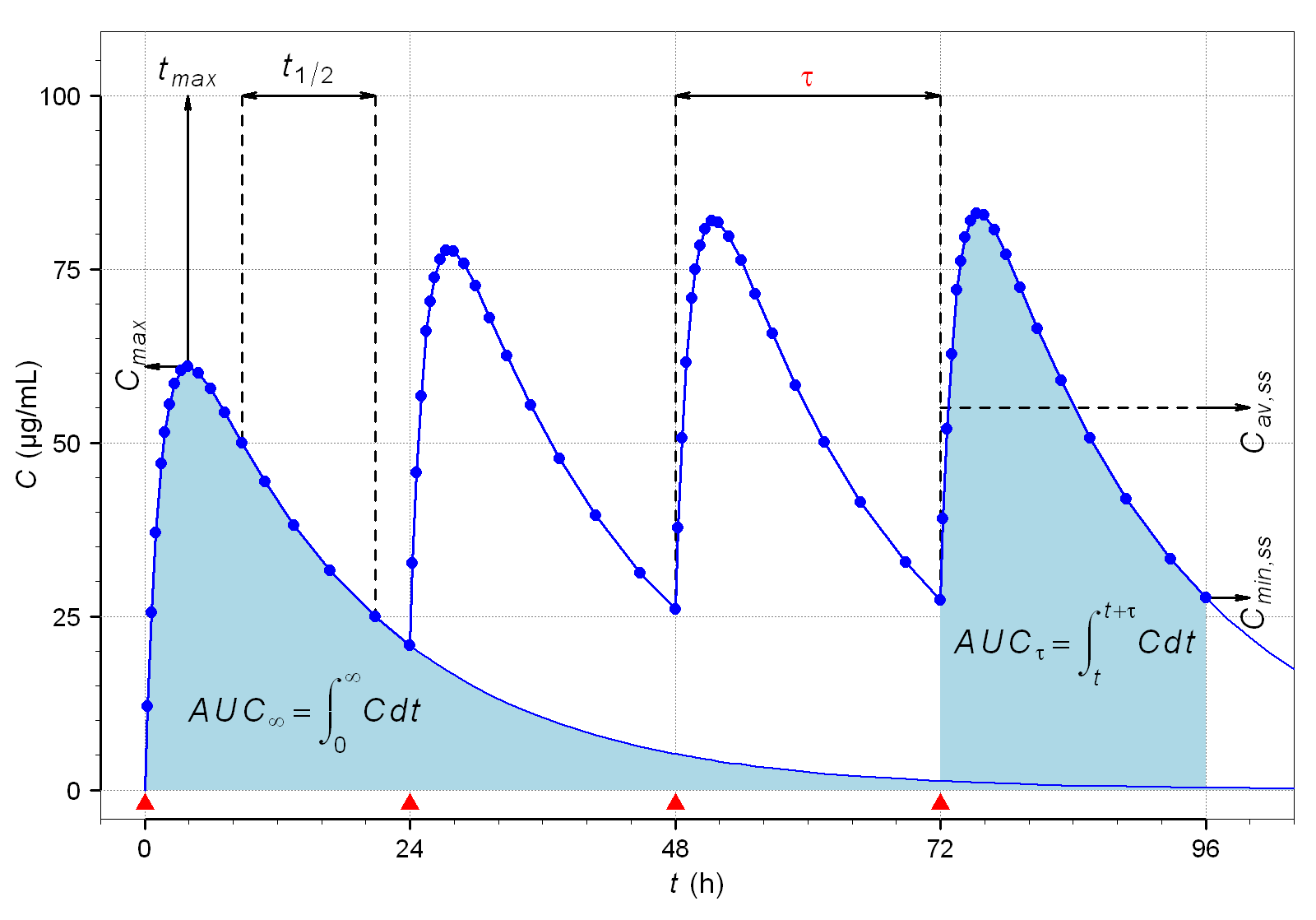
Here is the golden rule of troughs: Nurses draw drug trough levels immediately prior to administering the next scheduled medication dose. This tells us if the patient's kidneys and liver are successfully clearing the drug, or if the drug is dangerously accumulating.
The Clock and The Receptors
How do we know how often to give a drug? The biological half-life of a drug dictates the necessary frequency of medication dosing. If a drug’s half-life is 4 hours, it clears quickly, and we must dose it frequently. If it’s 24 hours, we dose it once a day.
But over time, the body adapts. Pharmacodynamic tolerance occurs when a patient requires progressively higher medication doses to achieve the original therapeutic effect. The cellular receptors essentially become "numb" to the drug, requiring a louder chemical shout to produce the same response.
Administering the medication is only half your job. The other half is evaluating what happens next.
Evaluating expected medication outcomes requires comparing post-administration assessments to baseline patient data. You cannot know if a fever broke if you never took an initial temperature! Furthermore, evaluating a therapeutic response requires the nurse to know the specific clinical indication for the prescribed medication. You have to know why you gave it to know if it worked.
| Clinical Indication | Expected Outcome Example |
|---|---|
| Hypertension | A decrease in blood pressure is an expected outcome of antihypertensive pharmacological therapy. |
| Acute Post-Op Pain | A reported decrease in numeric pain scale ratings indicates an expected outcome of analgesic administration. |
But what if things go wrong? Unexpected or adverse medication outcomes must be documented and promptly reported to the prescribing healthcare provider. We do not sit on adverse reactions; we communicate them immediately.
You can prescribe the most miraculous drug in the world, but it has an effectiveness of precisely zero if the patient doesn't take it.
Medication adherence is the degree to which a patient correctly follows a prescribed medical regimen. Nonadherence is a massive healthcare crisis, and the reasons are deeply human:
- Financial Reality: High out-of-pocket medication costs frequently contribute to intentional medication nonadherence. Patients will cut pills in half or skip days to make a bottle stretch.
- The Suffering of Treatment: Unpleasant medication side effects often lead to premature discontinuation of therapy by the patient. If a blood pressure pill causes severe dizziness or erectile dysfunction, the patient will likely stop taking it.
- Mental Hurdles: Cognitive impairment reduces a patient's ability to independently adhere to complex daily medication schedules. Expecting a patient with early dementia to manage a 12-pill-a-day regimen without help is a setup for failure.
The Power of Patient Education
Many patients abandon their treatments because they simply don't understand how the drug works. Patient education regarding expected medication timelines prevents premature patient-initiated discontinuation of drugs.
A perfect example: Antidepressant medications often require several weeks of continuous daily use to demonstrate expected therapeutic outcomes. If you don't teach the patient this fact, they will take the SSRI for four days, decide "it doesn't work," and throw the bottle away.
Before you start teaching, however, you must know your audience. Assessing a patient's health literacy helps identify potential educational barriers to medication adherence. Speak in plain terms, use the teach-back method, and tailor your approach.
Tracking and Intervening
How do we know if a patient is actually adhering to their regimen? Sometimes we can read the body's historical record. For example, glycosylated hemoglobin (HbA1c) levels indicate a diabetic patient's adherence to therapy over the previous three months. It doesn't matter if they took their insulin this morning; the HbA1c tells you what they've been doing since the last season.
When adherence is a struggle, we implement targeted interventions:
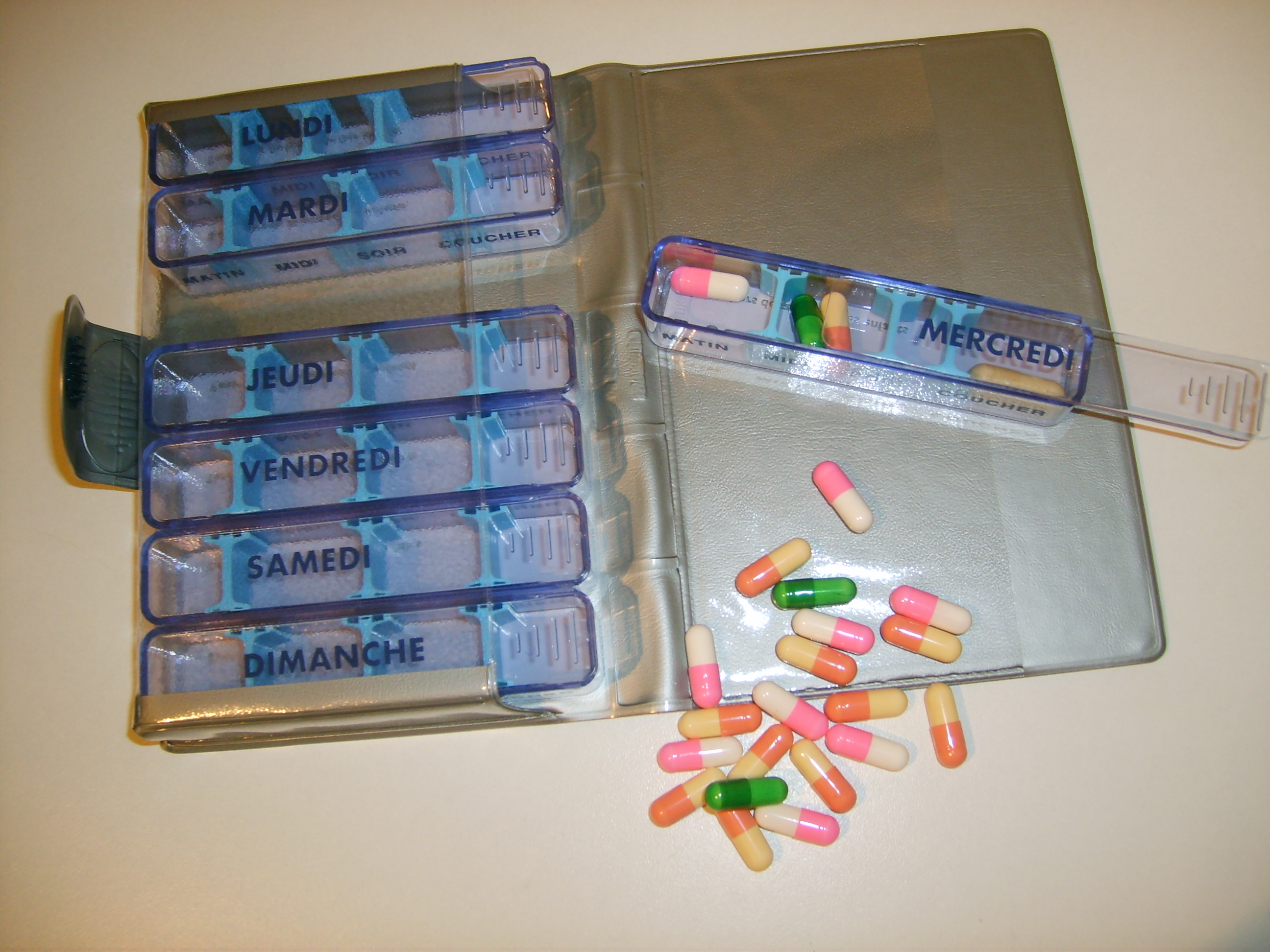
- Pill organizers improve medication adherence for patients taking multiple daily prescriptions. It simplifies the chaos into discrete, manageable daily boxes.
- In severe public health scenarios, we take the responsibility entirely out of the patient's hands. Directly observed therapy (DOT) is an intervention involving a healthcare worker physically watching the patient swallow medication.
- Why use DOT? Because some pathogens are too dangerous to leave to chance. The World Health Organization recommends directly observed therapy for the treatment of active tuberculosis to ensure total eradication and prevent the terrifying rise of multi-drug resistant strains.

Final Thoughts
Pharmacology isn't just a list of names and side effects. It's a continuous, dynamic loop of clinical decision-making. You act, the drug acts, the body reacts, and you evaluate. You are the safeguard standing between a chemical and a human life. Understand the routes. Respect the formulary. Monitor the labs. Educate the patient.
That is how you practice phenomenal, life-saving nursing.