Family Dynamics
Not sure you’re ready?
Take the ~3-minute readiness diagnostic and see where you stand.
Welcome to the beautiful, messy, interconnected world of Family Dynamics!
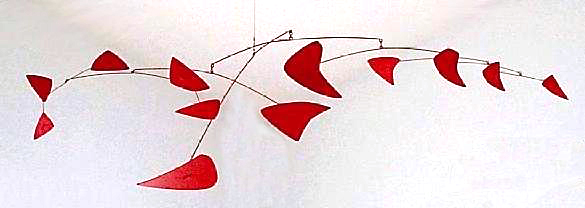
When you study anatomy, you think of the body as a collection of organ systems working together to keep a person alive. But in nursing, our patients don’t exist in a vacuum. A patient is a single particle constantly interacting with a much larger atomic structure: their family. Think of a family like a finely balanced Alexander Calder mobile hanging from the ceiling. If you flick one piece, or add a weight to another, the entire apparatus shifts, sways, and reorganizes itself.
To pass the NCLEX—and more importantly, to be a spectacular nurse—you need to understand how to read the blueprints of these family structures, how to measure the forces pulling them apart, and how to help them find their balance again when a new piece is added to the mobile.
Let's dive in.
Before we can figure out what is going wrong in a family system, we need to know what kind of system we are looking at. What is the baseline?
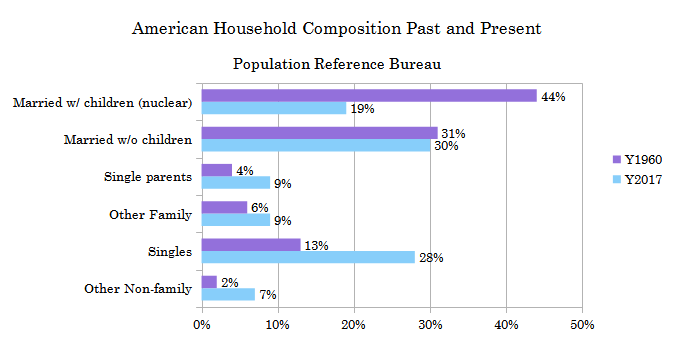
Historically, people thought of the "standard" family as just one thing. But nature loves variety, and human families come in several structurally distinct forms:
- A nuclear family is the classic model: it consists of two parents and their biological or adopted children living in the same household.
- But what if Grandma or Uncle Joe lives down the hall? Then you have an extended family, which includes relatives such as grandparents living in the same household as the primary nuclear family.
- When a family is formed when two adults with children from previous relationships marry or establish a shared household, we call this a blended family. Think of The Brady Bunch—two distinct sub-systems merging into a new, complex whole.
- Finally, there are foster families, which provide temporary care for children whose biological families are unable to provide safe environments.
The Nurse's Toolkit: Mapping the Family
If you were an engineer trying to fix a machine, you’d need a schematic. Nurses have brilliant visual assessment tools to map out a family’s "schematics."
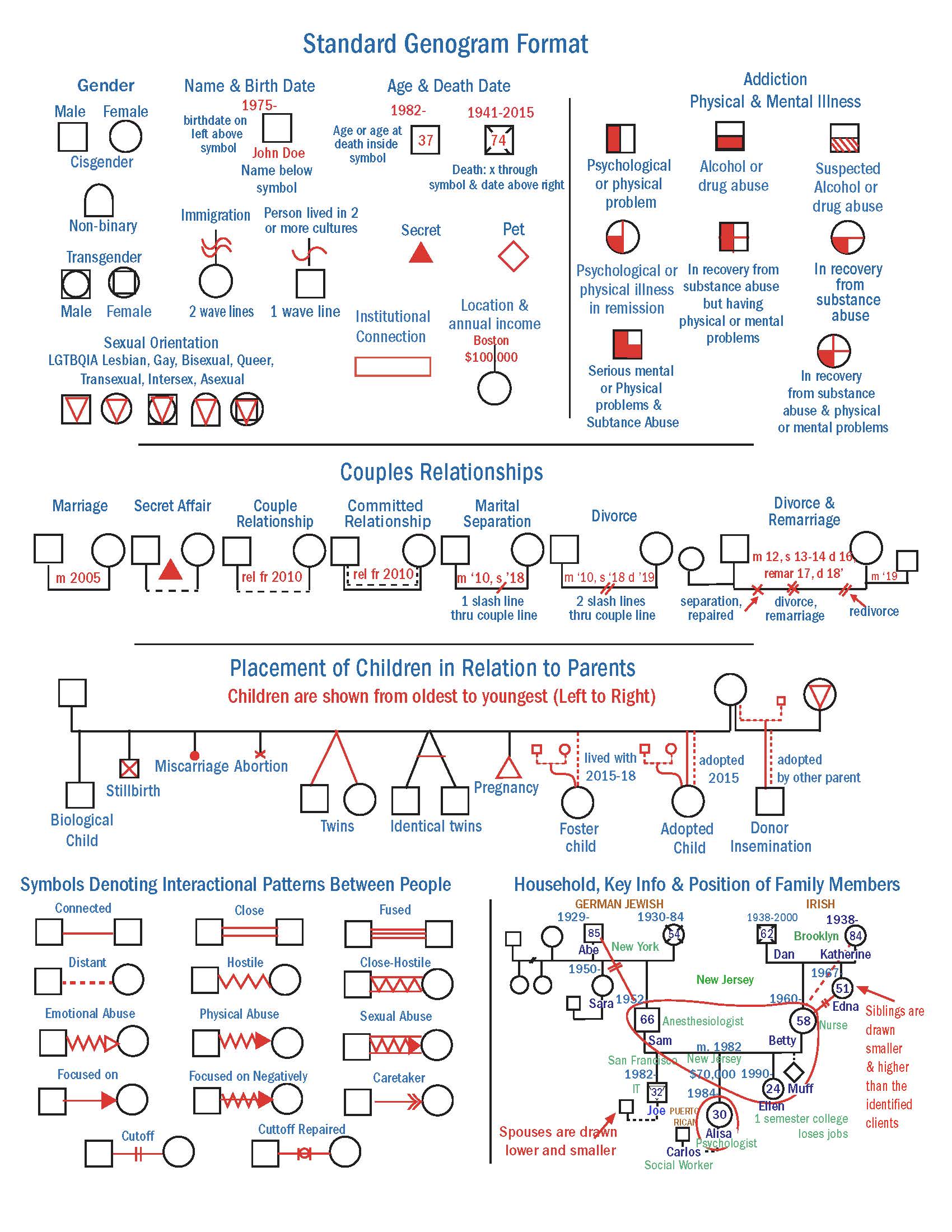
If you want to look at a family across time, you use a genogram. A genogram is a visual assessment tool used to map family structure and health history over multiple generations. It looks like a complex family tree and helps you track genetic risks (like a history of heart disease) and structural patterns across decades.
If you want to look at a family across space—meaning their current environment right now—you use an ecomap. An ecomap is a visual assessment tool used to identify a family's external support systems and stressors. You draw the family in the center, and draw lines connecting them to schools, churches, jobs, and healthcare systems. Thick lines mean strong support; jagged lines mean friction and stress.
But how do we measure the health of these connections? We ask them!
The Family APGAR Just like we assess a newborn's physical vitality, the Family APGAR questionnaire assesses a family's adaptability, partnership, growth, affection, and resolve. It gives you a quick, objective score of how well a family thinks they are functioning and supporting one another.
Now that we have our mobile perfectly balanced, let's introduce some gravity. Stressors are forces that pull on the family structure. Some pulls are small, but others can snap the strings entirely.
For example, financial instability serves as a major psychosocial stressor that negatively impacts overall family functioning. Without money for food, rent, or medication, the fundamental foundation of safety cracks.
Another massive gravitational pull is disease. A chronic illness in a family member acts as a primary stressor by depleting emotional and financial family resources. It changes the rules of the house. Suddenly, someone who used to be a provider is now a patient. This shift often leads to family role strain, which occurs when a family member struggles to meet the expectations of a newly assigned family responsibility. Imagine a teenager suddenly having to cook dinner for her younger siblings every night because dad is on dialysis—that friction is role strain.
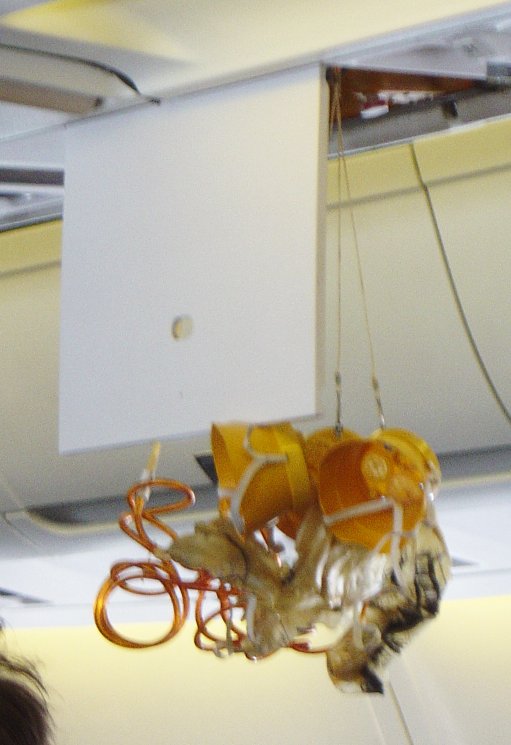
If the strain goes unchecked, we see the system collapse into caregiver burnout, which occurs when the physical and emotional demands of caring for a family member exceed the caregiver's coping resources. They are empty. To prevent this, nurses must advocate for respite care, a crucial support system that provides temporary relief to primary caregivers of clients with chronic illnesses or disabilities. It is the oxygen mask dropping from the ceiling for the caregiver.
The "Dark Matter" of Family Dynamics
Sometimes the barriers to healthy family functioning are actively destructive.
- Substance abuse by a family member disrupts family communication patterns. It replaces honesty and reliability with secrecy and chaos, destroying the trust required for partnership.
- More dangerously, intimate partner violence creates a severe barrier to healthy family functioning. It introduces terror and physical danger into the home, making any healthy adaptation or growth impossible. In these cases, the nurse's priority immediately shifts to safety and crisis intervention.

How a family raises its children dictates the future structure of the family. Psychologists have categorized the "control systems" parents use into four main styles. Let's look at how they operate:
| Parenting Style | The Mechanism | The Resulting Environment |
|---|---|---|
| Authoritative | Pairs clear rules with open communication and child independence. | The "Goldilocks" zone. High warmth, high expectations. Children understand why rules exist. |
| Authoritarian | Relies on strict rules and expects unquestioning obedience without explanation. | "Because I said so." High expectations, low warmth. Leads to rigid, fearful, or rebellious children. |
| Permissive | Combines high emotional warmth with a lack of strict rules or boundaries for the child. | The parent acts as a "friend." High warmth, zero expectations. Children struggle with authority and limits. |
| Uninvolved | Characterized by a lack of emotional involvement and a failure to meet the child's basic needs. | Neglect. Low warmth, zero expectations. The child is left adrift. |
The Mechanics of Discipline
If authoritative parenting is the goal, how do we teach parents to actually steer a child's behavior without resorting to cruelty or chaos? It's all about behavioral physics—stimulus and response.
If a child is doing something great, we want to lock that behavior in. Positive reinforcement encourages desired child behavior by adding a rewarding stimulus. (e.g., "You shared your toy so nicely, here is a sticker!")
If a child is doing something unacceptable, we have better tools than anger.
- Redirection is a highly effective behavioral management strategy that diverts a child's attention from an undesirable activity to an acceptable activity. Instead of yelling "Don't draw on the wall!", you hand them a sketchpad and say, "Let's draw on this paper together!"
- When they need to be completely removed from a situation to cool down, we use a time-out, which is a discipline technique that involves removing a child from a stimulating environment for a specified period.
The Golden Rule of Time-Outs: How long should a time-out last? To prevent it from becoming an emotionally damaging isolation, the recommended duration for a time-out is one minute per year of the child's age. A 4-year-old gets 4 minutes. Beautifully precise, isn't it?
And what about spanking? The science is completely settled here. As an evidence-based nurse, you must know that pediatric health organizations universally discourage corporal punishment as a parental discipline technique. It teaches violence as a conflict-resolution tool and damages the child's cognitive and emotional development.
Let’s go back to our hanging mobile. What happens when you clip a brand-new weight onto one of the delicate wires? The whole thing wobbles violently until it finds a new center of gravity. In family dynamics, this is what happens when we introduce a new member.
The New Baby
Bringing a new infant home is joyous, but to an older sibling, it looks like an invasion. Because of this perceived threat, sibling rivalry often intensifies immediately following the introduction of a new infant into the family structure.
You will often see the older child suddenly start wetting the bed or demanding a pacifier after being potty trained and weaned for a year. Don't panic! Regressive behaviors in an older sibling frequently indicate stress associated with integrating a new infant into the family. They are simply reverting to a time when they felt secure.
How does the nurse help the family fix this wobble?
- Give them a job: Providing an older sibling with small caregiving tasks helps facilitate the older child's acceptance of a new infant. (e.g., "Can you be my special helper and grab the baby's diaper?") It gives them back a sense of control and importance.
- Give them focus: Establishing consistent one-on-one time between a parent and an older sibling reduces jealousy toward a new baby. Fifteen uninterrupted minutes of playing blocks with Dad reminds the toddler they haven't been replaced.
The Adopted Child
When a child is adopted, the integration takes on a different flavor. Adoption introduces unique family dynamics requiring open communication regarding the child's origins at an age-appropriate level. Secrets build walls; age-appropriate honesty builds foundations. A toddler might hear a simple story about being "chosen," while a teenager might need complex discussions about biological families and identity.
The Older Adult
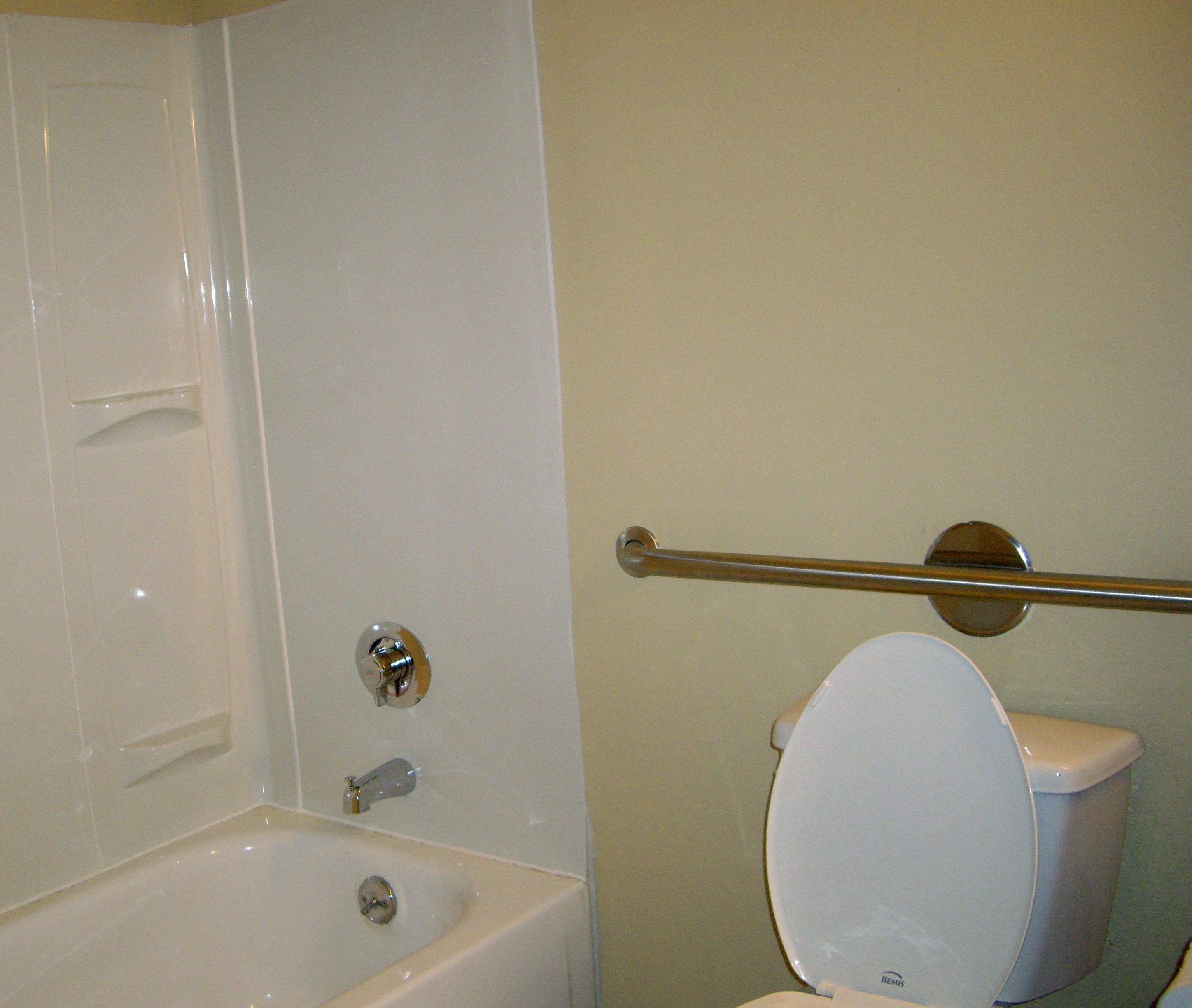
Finally, we don't just add babies to families; sometimes, an aging parent moves in. Integrating an older adult into a household requires structural safety assessments and family boundary readjustments. Structurally, the nurse must think: Are there throw rugs they could trip over? Do we need grab bars in the bathroom? Emotionally, the nurse must think: How do we balance the grandparents' need for autonomy with the nuclear family's established rules?
As a nurse, when you walk into a patient's room, you aren't just looking at a diagnosis in a bed. You are looking at a node in a vast, complex network of human relationships. By understanding how to map the family, how to identify their stressors, how to guide their parenting styles, and how to ease transitions, you aren't just treating the patient—you are healing the entire system. And that is the true art of nursing!