Medication Administration
Not sure you’re ready?
Take the ~3-minute readiness diagnostic and see where you stand.
Welcome, future nurses. Today we are going to explore one of the most profound responsibilities you will ever hold: medication administration.
When you administer a drug, you are not simply handing out a pill or pushing a plunger. You are introducing a potent biochemical agent into a complex, living system. You are altering human physiology. If you do it right, you heal. If you do it wrong, the consequences can be catastrophic.
To master this, we aren't just going to memorize a list of rules. We are going to understand the why behind every angle, every check, and every procedure. Let’s dive into the elegant mechanics of safe medication administration.
Before a medication ever touches a patient, you must build an impenetrable cognitive fortress around your process. We do this through the "Rights" of medication administration and a series of mandatory system checks.
The Rights of Administration
Historically, nursing practice was built on the traditional five rights of medication administration: the right patient, right drug, right dose, right route, and right time. But as healthcare grew more complex, we realized five weren't enough. Today, your practice is also governed by additional rights of medication administration, which include the right documentation, right reason, right response, and the patient's right to refuse.
Identity: Who is the Patient?
How do you know you have the "right patient"? You don't guess. The Joint Commission requires two unique patient identifiers before medication administration.
- Acceptable patient identifiers include the patient's full name, date of birth, and medical record number (MRN).
- What about the room number? A patient's room number is an unacceptable patient identifier for medication administration. Why? Because patients move! You treat the human, not the real estate.
The Three Checks
Human beings make mistakes. To counteract our own fallibility, we use redundancy. A nurse must verify the medication label against the medication administration record (MAR) three times before administration:
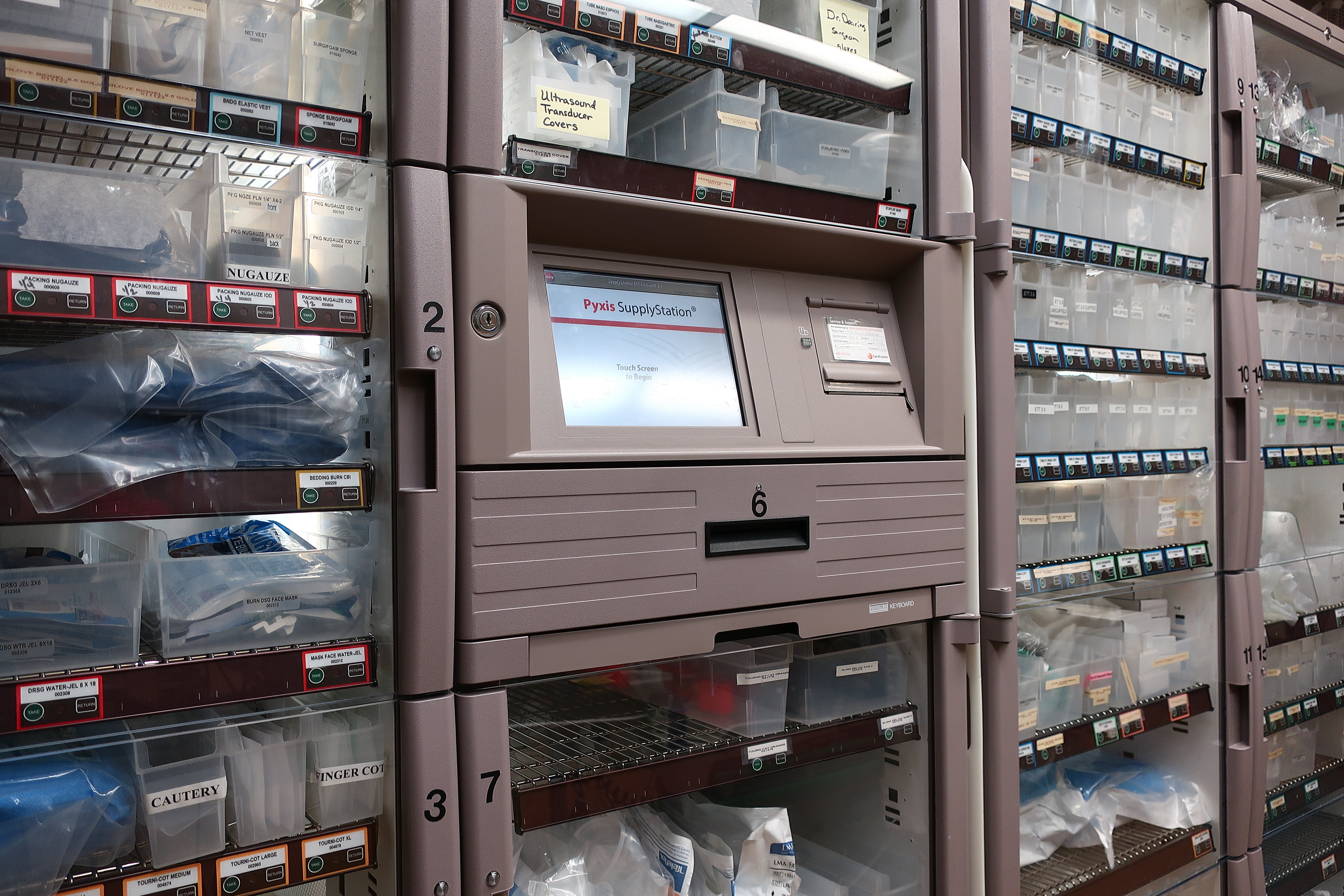
- The first medication check occurs when retrieving the medication from the dispensing system.
- The second medication check occurs when preparing the medication.
- The third medication check occurs at the patient's bedside immediately prior to administration.
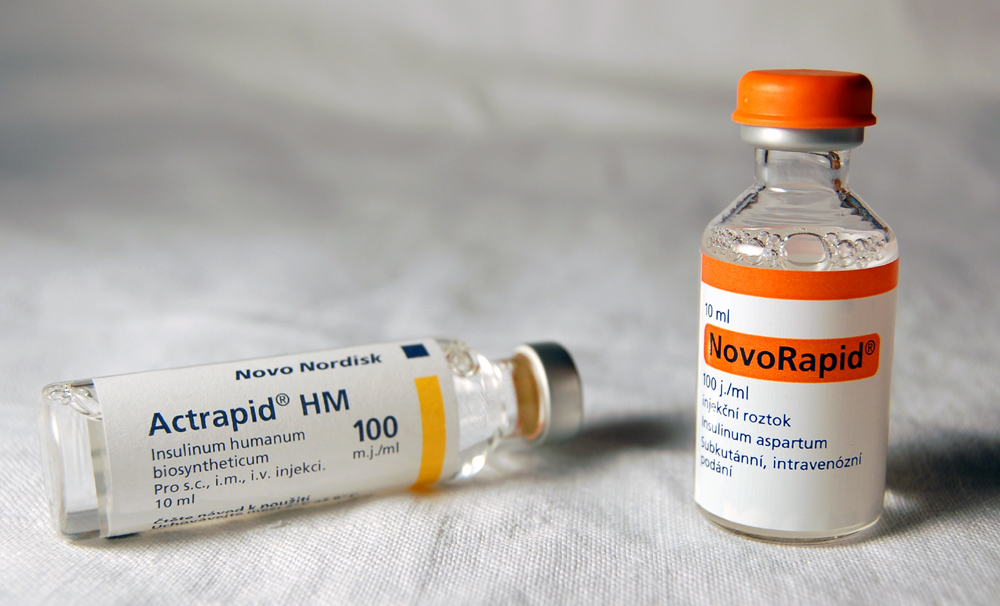
High-Alert Medications: The Buddy System Some drugs have a narrow therapeutic index, meaning the difference between a healing dose and a lethal dose is razor-thin. High-alert medications require independent double-verification by a second registered nurse prior to administration. Two prime examples of this are intravenous insulin and intravenous heparin, both of which are classified as high-alert medications due to their massive systemic impact on blood glucose and coagulation.
Now, let's talk about the physical act of getting the drug into the body. The route you use changes everything about how the drug is prepared and delivered.
Oral and Enteral Mechanics
If a pill goes into the stomach, it meets a vat of hydrochloric acid. Pharmaceutical engineers design pills to survive or exploit this environment.
- Enteric-coated tablets must remain intact to prevent premature dissolution in the stomach. Crushing them destroys the protective shield, destroying the drug.
- Similarly, extended-release capsules must remain intact to prevent an immediate release of a large medication dose, which could cause a sudden, toxic peak in the bloodstream.
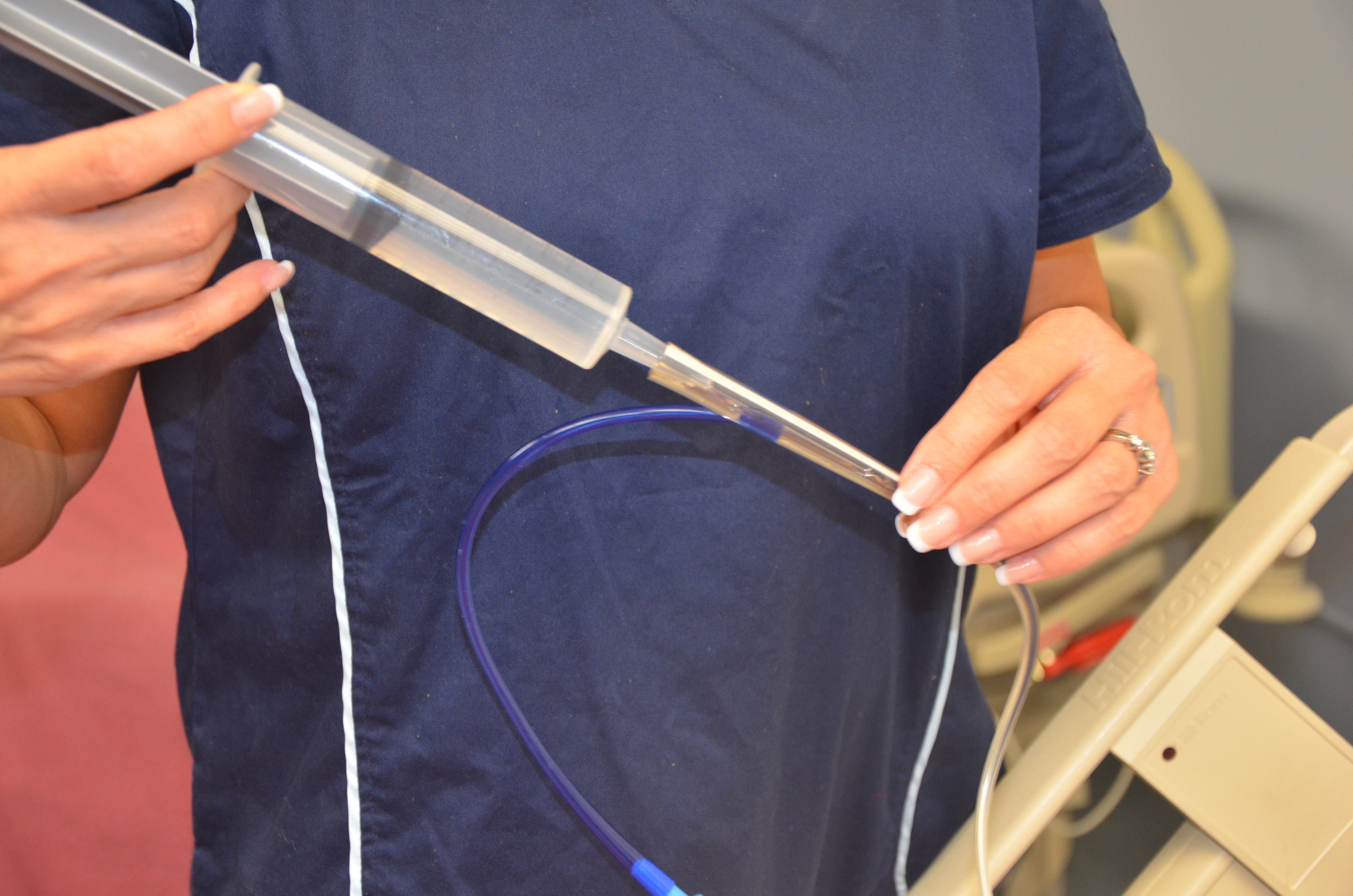
If the patient has an enteral feeding tube, physics changes again. Medications administered via an enteral feeding tube must be crushed to a fine powder, and those crushed enteral medications must be dissolved in sterile water before tube administration. If you don't dissolve it completely, you clog the tube.
What about liquid meds? It's simple gravity and fluid dynamics. Liquid medications should be poured with the medication label facing the palm of the hand. Why? Because pouring liquid medications with the label facing the palm prevents spilled liquid from obscuring the label.
Parenteral Routes: The Angles of Attack
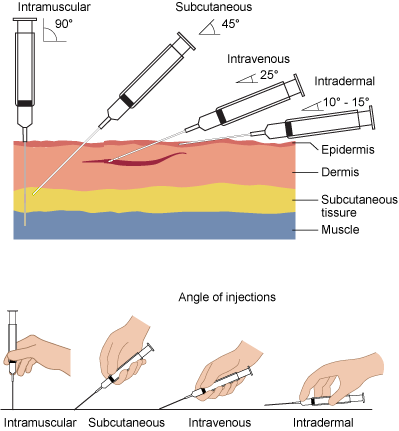
When injecting medications, the depth of the target tissue determines your angle of approach.
| Injection Type | Target Depth | Angle |
|---|---|---|
| Intradermal | Just under the epidermis | 5-degree to 15-degree angle |
| Subcutaneous (SubQ) | Adipose (fat) tissue | 45-degree angle or a 90-degree angle |
| Intramuscular (IM) | Deep muscle | 90-degree angle |
Site Selection: Where you inject is just as critical as how.
- For adults, the ventrogluteal site is the preferred anatomical location for intramuscular injections because it is deep, devoid of major nerves and blood vessels, and securely bound by bone.
- But infants don't have developed gluteal muscles yet! Therefore, the vastus lateralis is the preferred intramuscular injection site for infants.
When doing an IM injection, we use a specific mechanical trick. The Z-track method prevents medication leakage into subcutaneous tissue during intramuscular injections. By pulling the skin taut, injecting, and then releasing, you create a zigzag path that traps the medication deep in the muscle belly.
Intravenous (IV) Administration
The IV route is a direct highway to the heart. It is entirely unforgiving.
- Before anything goes into a vein, the nurse must assess an intravenous insertion site for patency and signs of infiltration.
- When pushing a drug manually, intravenous push medications must be administered at the specific rate recommended by the manufacturer or pharmacy. Push too fast, and you shock the system.
Titration Sometimes, a fixed dose isn't enough. Medication titration involves adjusting a drug dose based on the patient's physiological response or specific target parameters.
- To do this safely, the nurse must obtain baseline vital signs before initiating a titratable medication infusion.
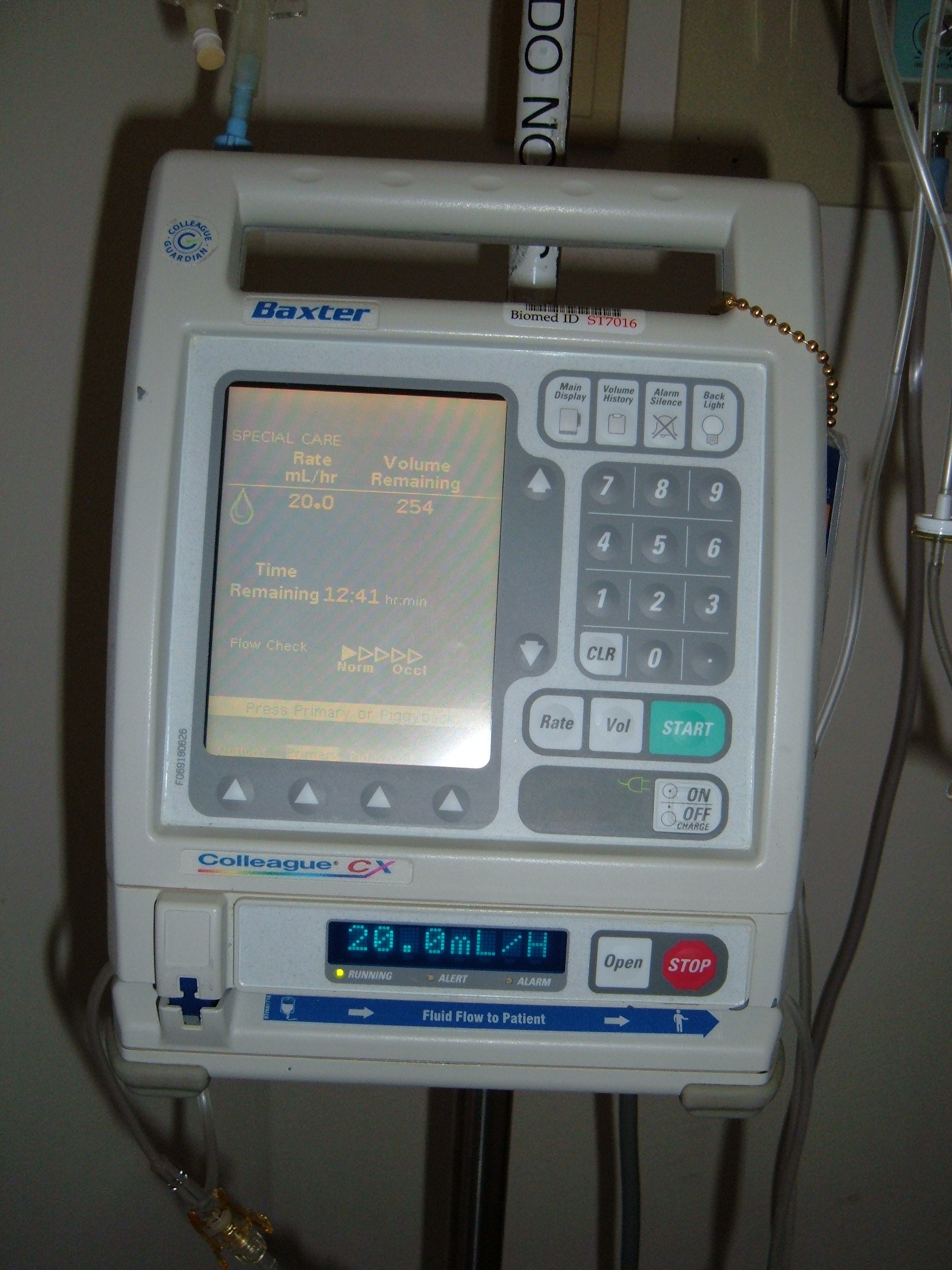
- You cannot eyeball a titrated drip. A continuous intravenous infusion of a titrated medication requires the use of an electronic infusion pump.
- A classic example in the ICU: Vasoactive intravenous medications are frequently titrated to maintain a specific mean arterial pressure (MAP) parameter.
Mucosal and Topical Magic
The body's mucosal membranes and skin provide highly specialized absorption pathways. Let's look at the specific techniques required for each:
- Otic (Ear): The human ear canal is curved. To straighten it out for the medication to reach the tympanic membrane:
- Ophthalmic (Eye): Never drop medication directly onto the sensitive cornea. Ophthalmic medications must be instilled into the lower conjunctival sac. Once instilled, applying gentle pressure to the nasolacrimal duct prevents systemic absorption of ophthalmic medications by stopping the drug from washing down into the nasal mucosa and bloodstream.
- Rectal: Always remember the anatomy of the colon. The patient must be placed in the left lateral Sims position for the administration of a rectal suppository, which aligns with the natural downward curve of the sigmoid colon. And, naturally, rectal suppositories must be lubricated with a water-soluble lubricant before insertion to prevent tissue trauma and ensure the medication can dissolve in the mucosal fluids.
- Transdermal: Patches rely on steady dermal absorption. Transdermal patches must be applied to clean, hairless areas of intact skin. Crucially, a nurse must remove the old transdermal patch before applying a new transdermal patch. Leaving the old patch on is a recipe for an accidental overdose!
- Inhaled: A metered-dose inhaler (MDI) requires precision timing. A patient must exhale completely before activating a metered-dose inhaler to create room for a deep, drawing breath. Better yet, use a spacer. A spacer device attached to a metered-dose inhaler increases the amount of medication delivered to the lungs by suspending the aerosolized particles, bypassing the need for perfect hand-breath coordination.
- A critical warning: Patients using a corticosteroid inhaler must rinse the mouth with water and spit after administration. Why? Because rinsing the mouth after corticosteroid inhaler use prevents the development of oral candidiasis (thrush) by washing away residual immunosuppressive steroids from the oral mucosa.

Medication administration doesn't exist in a vacuum. It is a continuum that follows the patient from home to the hospital and back again.
Medication Reconciliation
Imagine trying to fix a complex machine without knowing what parts were already replaced. That's treating a patient without medication reconciliation, which is the process of comparing a patient's current medication orders to all of the medications the patient previously took.
- This isn't just for prescription drugs. Medication reconciliation includes over-the-counter medications and dietary supplements, as these can interact violently with hospital meds.
- When do we do this? Medication reconciliation must occur at every transition of care. Specifically, hospital admission, transfer between hospital units, and hospital discharge are all transitions of care requiring medication reconciliation.
- To aid in this, patients must be instructed to bring a complete list of current medications to all healthcare appointments.
Educating the Master of the Vessel
Ultimately, the patient must become the master of their own care. How do we ensure they actually understand our instructions? We use science. The teach-back method is an evidence-based communication tool used to verify a patient's understanding of medication instructions. You ask them to explain it back to you in their own words.
When teaching self-administration, you must assess their physical capabilities:
- A nurse must assess a patient's manual dexterity before teaching the self-administration of subcutaneous insulin injections. If they can't pinch the skin or push the plunger, they can't do it safely.
- Likewise, a nurse must assess a patient's visual acuity before teaching the self-administration of insulin from a vial. Drawing up exactly 12 units requires sharp eyes.
- You must also teach anatomical management. Patients self-administering subcutaneous insulin must be taught to rotate injection sites. Why? Because rotating subcutaneous injection sites prevents lipohypertrophy (the buildup of hardened, spongy fat masses that block drug absorption).
The job isn't done until the paperwork is finished and the waste is eliminated.
Documentation and Refusal
Here is a cardinal rule of nursing law and ethics: A nurse must never document the administration of a medication before the patient has actually taken the medication. Pre-charting is a falsification of the medical record.
But what if the patient says no? Patients have autonomy.
- If a patient refuses a medication, the nurse must document the refusal in the medication administration record.
- Furthermore, if a patient refuses a medication, the nurse must notify the prescribing healthcare provider, because that refusal alters the trajectory of the medical plan.
Safe Disposal
Finally, what do we do with the leftovers? Safe medication disposal prevents environmental contamination (we don't want antibiotics and hormones in the water supply) and prevents the diversion of controlled substances (keeping opioids off the streets).
When you have a leftover narcotic, you follow a strict ritual. Wasted controlled substances must be disposed of in a designated receptacle with a second nurse acting as a witness.
And for those highly potent fentanyl patches we discussed earlier? Even after three days of wear, they still contain lethal amounts of opioids. Therefore, used transdermal fentanyl patches must be folded in half with the sticky sides together before disposal, trapping the residual medication inside where it cannot accidentally stick to a child, a pet, or an unsuspecting sanitation worker.

Nursing is applied science. By understanding the rigorous checks, the physical properties of the routes, the crucial transitions of care, and the necessity of precise documentation and disposal, you protect the patient and honor the profound responsibility of your license. Learn the rules, understand the physics, and keep your patients safe.