Grief and Loss
Not sure you’re ready?
Take the ~3-minute readiness diagnostic and see where you stand.
The Anatomy of the Broken Heart: Mastering Grief and Loss for the NCLEX-RN
Welcome! Let’s talk about something incredibly profound. As a nurse, you are not just a mechanic of the human body; you are an anchor for the human spirit. Sooner or later, every single patient you treat will experience loss.
But what is loss, really? We immediately think of death, but the brain processes many types of loss in exactly the same way. The loss of a body part triggers a grieving process fundamentally similar to the death of a loved one! Even a new diagnosis of a chronic illness can instantly trigger a profound grieving process.
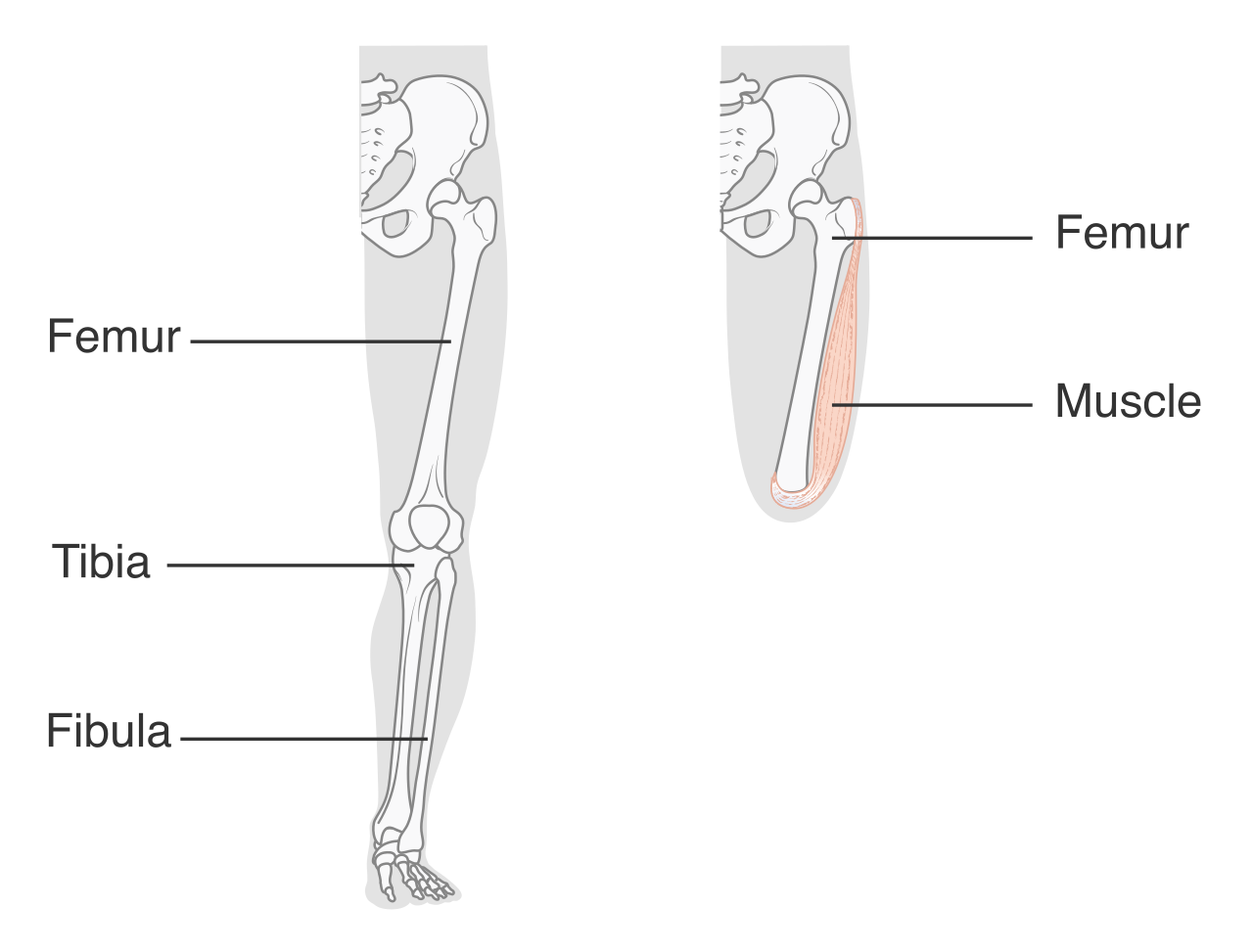
Grief isn’t just sadness. It is a complex, whole-body phenomenon. If you want to care for, support, and educate your clients, you need to understand the architecture of grief. Let’s dive into how the human mind processes the unimaginable.
To understand how people process loss, we rely on two pivotal frameworks. Think of them this way: Kübler-Ross describes how a client feels, while Worden describes the work a client must do.
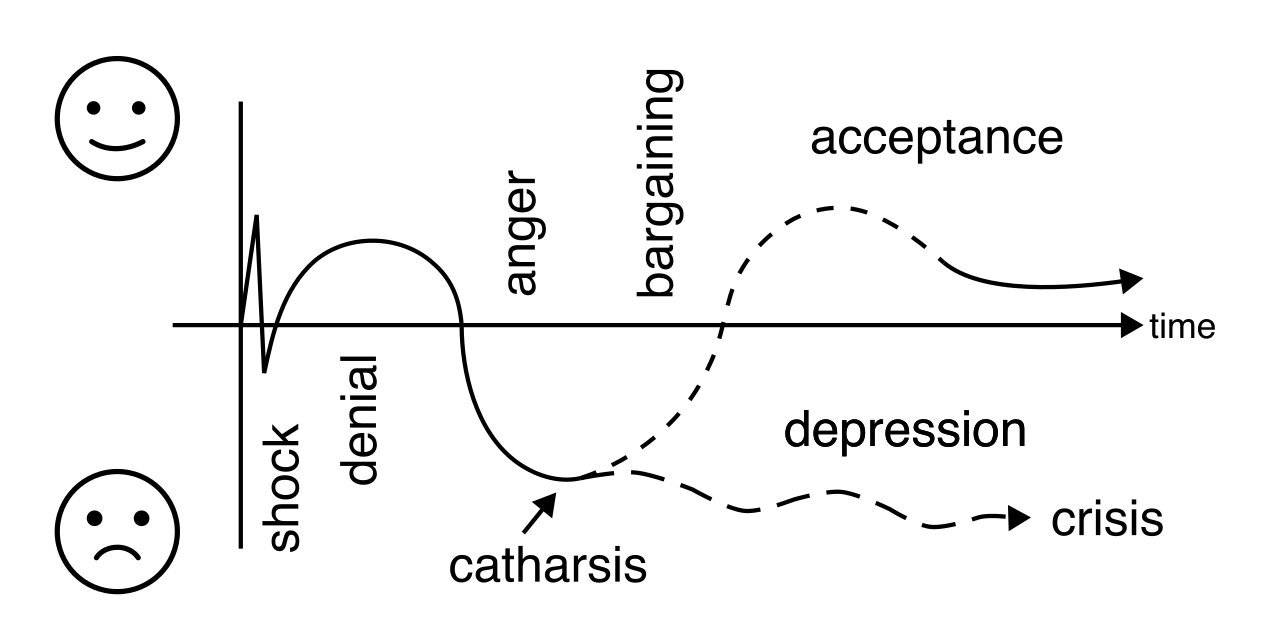
The Kübler-Ross Model: The Five Stages
You’ve likely heard of this one. The Kübler-Ross model describes five stages of grief: denial, anger, bargaining, depression, and acceptance.
Here is the most critical fact for your NCLEX exam: Clients do not necessarily experience the Kübler-Ross stages of grief in a linear sequence. It is not a staircase. It’s an emotional pinball machine. A client might jump from denial to depression, back to anger, and then over to bargaining.
- Denial: The mind’s shock absorber. Denial acts as a temporary defense mechanism for a client processing a loss, giving the psyche time to adjust to the crushing weight of reality.
- Anger: When denial wears off, the pain emerges as fury. Anger during the grieving process may be directed at the self, the deceased, healthcare providers, or a higher power. Never take this personally—it is a symptom of their pain.
- Bargaining: The "If only..." stage. Bargaining involves the client attempting to negotiate for more time or a reversal of the loss, often with a higher power.
- Depression: The realization hits. Depression in the Kübler-Ross model involves profound sadness over the realization of the loss.
- Acceptance: The final equilibrium. Acceptance involves the client acknowledging the reality of the loss and moving forward with life. It doesn't mean they are "happy" about it; it means they are no longer fighting the reality of it.
Worden's Tasks of Mourning
While Kübler-Ross tracks emotions, Worden's Tasks of Mourning theory outlines four psychological tasks an individual must complete to adjust to a loss. Mourning is active. It requires work.
- The first task in Worden's Tasks of Mourning is accepting the reality of the loss. (Bypassing denial).
- The second task is working through the pain of grief. (Allowing oneself to feel the agony rather than avoiding it).
- The third task is adjusting to an environment in which the deceased is missing. (Learning to live in the "new normal").
- The fourth task is emotionally relocating the deceased and moving on with life. (Finding a place for the deceased in one's heart while still living a full life).
Not all grief looks the same. Depending on the timing and societal context, clients will experience different variations of mourning.
Anticipatory Grief: Waiting for the Storm
Anticipatory grief occurs before an actual loss happens. When a client receives a new diagnosis of a chronic illness, or a loved one is placed on hospice, the grieving starts immediately.
Why does this matter clinically? Because anticipatory grief provides the client and family an opportunity to prepare emotionally for the impending loss. By educating clients about normal grief manifestations, you can actually help reduce the anxiety related to anticipatory grief. Knowledge is a lantern in the dark.
Disenfranchised Grief: The Hidden Heartbreak
Sometimes society doesn't give a person "permission" to grieve. Disenfranchised grief occurs when a loss cannot be openly acknowledged or socially supported.
Because society dismisses the loss, the client suffers in silence. Classic examples of disenfranchised grief include the death of a former spouse or the loss of a pet.
Complicated Grief: When the Record Skips
Normal grief eventually integrates into a person's life. However, complicated grief involves a prolonged grief process that prevents normal daily functioning. The client gets "stuck."
Risk Factor: A history of multiple losses increases a client's risk for developing complicated grief. The system simply becomes overwhelmed.
Complicated grief manifests in four distinct ways. Study this table carefully:
| Type of Complicated Grief | Description (How the client presents) |
|---|---|
| Chronic Grief | Characterized by normal grief reactions extending for an unusually long period of time. The intensity never fades. |
| Delayed Grief | Occurs when the initial grief reaction is suppressed and surfaces at a later time, often triggered by a seemingly minor, unrelated loss. |
| Exaggerated Grief | The grief response is toxic. It involves self-destructive behaviors or psychiatric disorders resulting from the loss (e.g., severe phobias, substance abuse). |
| Masked Grief | Occurs when the grieving individual exhibits physical symptoms without recognizing the connection of the symptoms to the loss. (e.g., developing chronic migraines or ulcers without feeling "sad"). |
You have to know what is normal so you can spot what is abnormal. Grief doesn't just make people cry; it literally short-circuits the body and the brain.
- Physical manifestations of normal grief include profound fatigue, nausea, insomnia, and chest tightness. (Always assess chest tightness to rule out cardiac events, but recognize it is a hallmark of normal heartbreak!).

- Cognitive manifestations of normal grief include forgetfulness, confusion, and an inability to concentrate. The brain is using all its processing power to handle the psychological trauma.
Furthermore, recognize that a client's age and developmental stage fundamentally impact the client's understanding of and reaction to loss. A toddler doesn't understand the permanence of death, while a teenager might understand it but lack the emotional regulation to process it. Similarly, religious and spiritual beliefs strongly influence an individual's response to loss. Always ask, never assume!
How do you actually talk to someone whose world has just collapsed? It requires immense skill and intentionality.
Therapeutic Communication
Your presence is your most powerful intervention.
- Use Silence: Therapeutic communication for a grieving client involves the use of silence to allow time for emotional processing. Do not rush to fill the quiet.
- Active Listening: Therapeutic communication also involves active listening to validate the feelings of the client. Let them know they are heard.

- Avoid False Reassurance: Nurses must avoid offering false reassurance to a grieving client (e.g., "Everything will be okay"). It invalidates their current agony.
- Avoid Clichés: Nurses must completely avoid using clichés, such as telling a grieving client that "time heals all wounds." It is dismissive and rarely helpful in the acute phase.
Interventions to Facilitate Mourning
- Encourage Expression: Assisting a grieving client includes encouraging the open expression of emotions related to the loss. Let them cry. Let them be angry.
- Share Memories: Facilitating mourning involves encouraging the client to share memories of the deceased person. This directly aids in Worden's task of emotionally relocating the deceased.
- Accommodate Culture: Nurses must accommodate a grieving client's cultural practices regarding death and mourning. Whether it involves positioning the bed, washing the body, or specific prayers, advocate fiercely for their cultural needs.
Providing Resources
You cannot fix everything during your shift, which is why we connect clients to ongoing support.
- Support Groups: Support groups connect grieving clients with individuals experiencing similar types of loss. Shared pain is lessened pain.
- Grief Counseling: For those stuck in complicated grief, grief counseling provides specialized therapy to help clients process their complex emotions.
- Hospice Care: Hospice care programs provide comprehensive support and palliative care to terminally ill clients and the families of terminally ill clients.
- Bereavement Care: Healing doesn't stop when the patient dies. Bereavement care involves providing emotional support to the family after the death of the client.
Finally, how do we evaluate if our interventions are working? As an elite nurse, you must be a detective for both healing and danger.
- Assess for Safety (Crucial!): The darkest side of grief is despair. Evaluating a grieving client requires continuous assessment for suicidal ideation. You must explicitly ask if they have thoughts of harming themselves.
- Assess for Pathology: Evaluating a grieving client involves assessing for signs of clinical depression, which requires medical intervention beyond standard grief support.
- Identify Maladaptive Defense Mechanisms: Evaluating coping involves identifying the use of maladaptive defense mechanisms, such as substance abuse. Are they drinking to numb the pain instead of working through Worden's tasks?
- The Ultimate Litmus Test for Coping: How do you know they are adjusting? The nurse evaluates a grieving client's coping by assessing the client's ability to resume activities of daily living (ADLs). If they are showering, eating, returning to work, and engaging with friends, they are navigating the arduous, beautiful path back to life.
Professor's Final Note: When you sit for the NCLEX, read questions about grief carefully. Always look for the intervention that promotes expression, maintains safety, and respects the individualized, non-linear nature of human mourning. You've got this!