Mental Health Concepts
Not sure you’re ready?
Take the ~3-minute readiness diagnostic and see where you stand.
The Symphony of the Mind: A Masterclass in Mental Health Concepts
Welcome, everyone! Gather around. Today, we are going to explore the most magnificent, intricate, and deeply mysterious system in the known universe: the human mind.
Imagine the brain as a grand biological orchestra. When every instrument plays perfectly in tune, you get the beautiful symphony of normal human cognition and emotion. But what happens when the instruments fall out of tune? What happens when the sheet music gets scrambled? That is what we call psychopathology.
As nurses, you aren't just mechanics; you are the conductors trying to figure out where the dissonance is coming from. To do that, you need to understand the fundamental difference between a sudden disruption and a slow decay. Let’s start with the basics of timing. Acute mental illness symptoms manifest rapidly over a short duration, like a fire suddenly breaking out in our concert hall. In contrast, chronic mental illness symptoms persist continuously for months or years, like a slow leak in the roof that eventually rots the floorboards.
Let's look at how we measure the music of the mind and how we diagnose the dissonance.
You cannot fix a complex system without first measuring its current state. In psychiatry, our primary diagnostic tool is the Mental Status Examination (MSE).
The Mental Status Examination assesses a client's current cognitive functioning (how they are thinking) and their current emotional functioning (how they are feeling) right here, right now.
To assess emotional functioning, you have to understand the difference between the internal weather and the external weather.
- Mood is the subjective emotional state directly reported by the client. It’s what they tell you they are feeling (e.g., "I feel hopelessly sad").
- Affect is the objective outward expression of a client's emotional state observed by the clinician. It’s what you see on their face.
Sometimes, the affect is profoundly muted. A flat affect involves the complete clinical absence of emotional expression—a blank stare. A blunted affect is slightly less extreme; it involves a severe reduction in the outward intensity of emotional expression. On the opposite end of the spectrum, you might see a labile affect, which involves rapid and extreme pathological shifts in emotional expression. One minute they are laughing joyously, and seconds later, they are weeping inconsolably.
We also use the MSE to assess a client’s higher-level processing:
- Judgment refers to a client's cognitive ability to make safe and socially appropriate decisions. (If you smell smoke, do you leave the building?)
- Insight refers to a client's psychological awareness of possessing a mental illness. Do they realize their mind is playing tricks on them, or do they believe the distortions are real?
When the brain's physical hardware begins to fail, we see severe alterations in cognition. The classic NCLEX trap is confusing delirium with dementia. Let's clear that up right now.
Delirium: The Sudden Storm
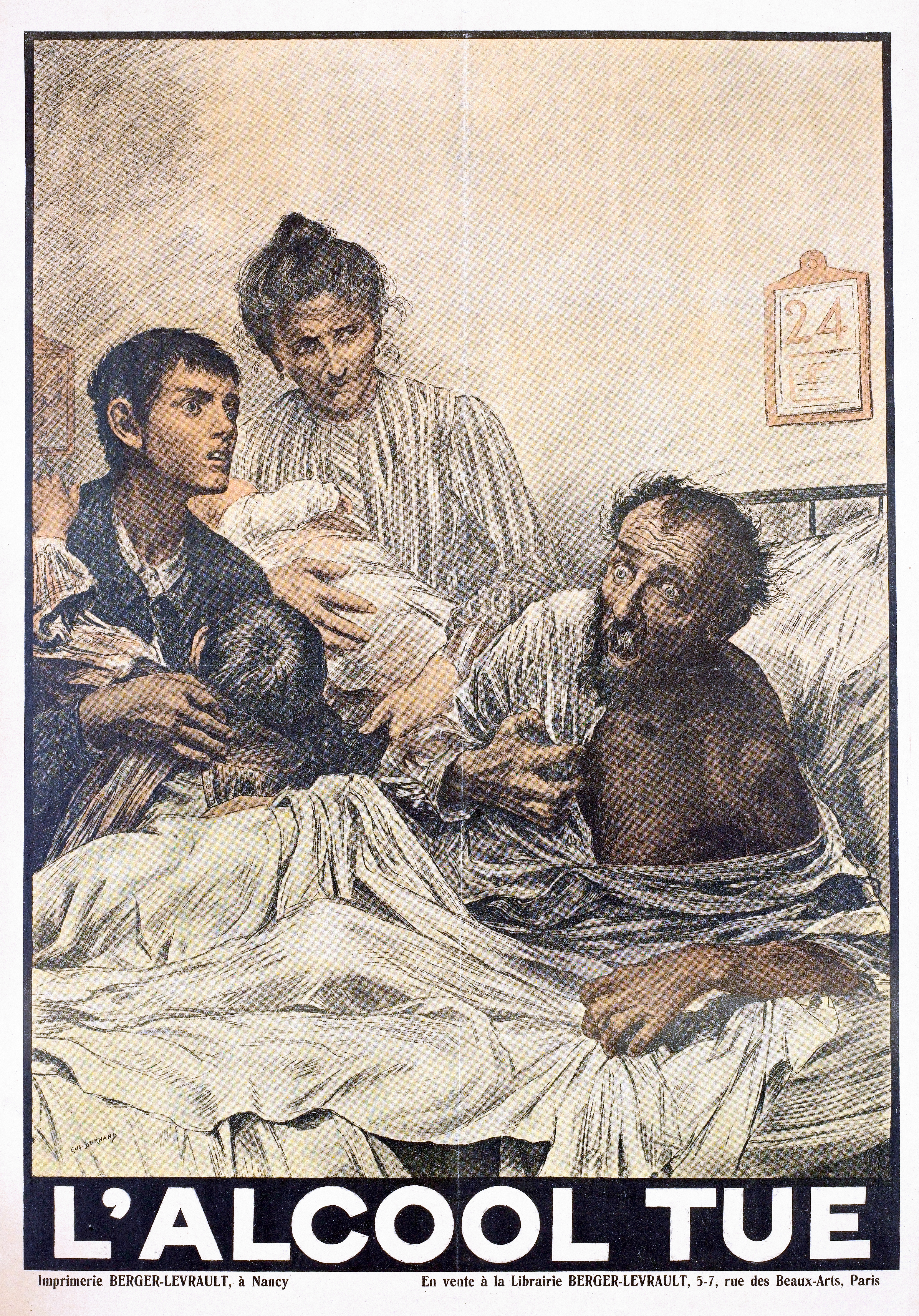
Delirium is an acute state of cognitive confusion. It's an emergency! It typically presents with a sudden onset over hours or days. The hallmark characteristic of delirium is that it involves a fluctuating level of consciousness. The client might be alert and terrified at 10:00 AM, but lethargic and unarousable by 2:00 PM.
Dementia: The Fading Light
Conversely, dementia is a chronic neurocognitive disorder. It typically presents with an insidious and gradual onset. The most common physiological cause of dementia is Alzheimer's disease. The brain doesn't just stop working; it slowly unplugs itself.
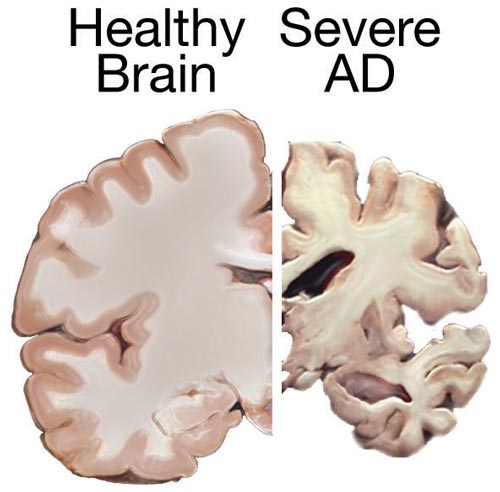
An early clinical sign of dementia is impaired short-term memory. The client can tell you about their childhood in 1965 in vivid detail, but they cannot remember what they ate for breakfast. As the disease reaches advanced stages, the mind tries to protect itself from these terrifying blank spots. We see confabulation, which is the unconscious psychological filling of memory gaps with fabricated information. It is commonly observed in clients diagnosed with severe dementia. They aren't "lying" to you maliciously; their brain is just auto-completing the missing data to make sense of the world.
The "A" Words of Cognitive Decline
As neurocognitive disorders progress, you will see a fascinating—and tragic—breakdown of specific mental sub-systems. Let's look at the specific deficits:
- Aphasia: This is a communication failure. It can be the neurological loss of ability to understand speech (receptive), or the neurological loss of ability to express speech (expressive).
- Apraxia: Imagine the physical muscles work perfectly, but the brain forgot how to send the "action" command. Apraxia is the inability to perform purposeful movements despite entirely intact motor function.
- Agnosia: The eyes work, but the database is gone. Agnosia is the neurological inability to recognize familiar objects or people. (E.g., holding up a pen and not knowing what it is).
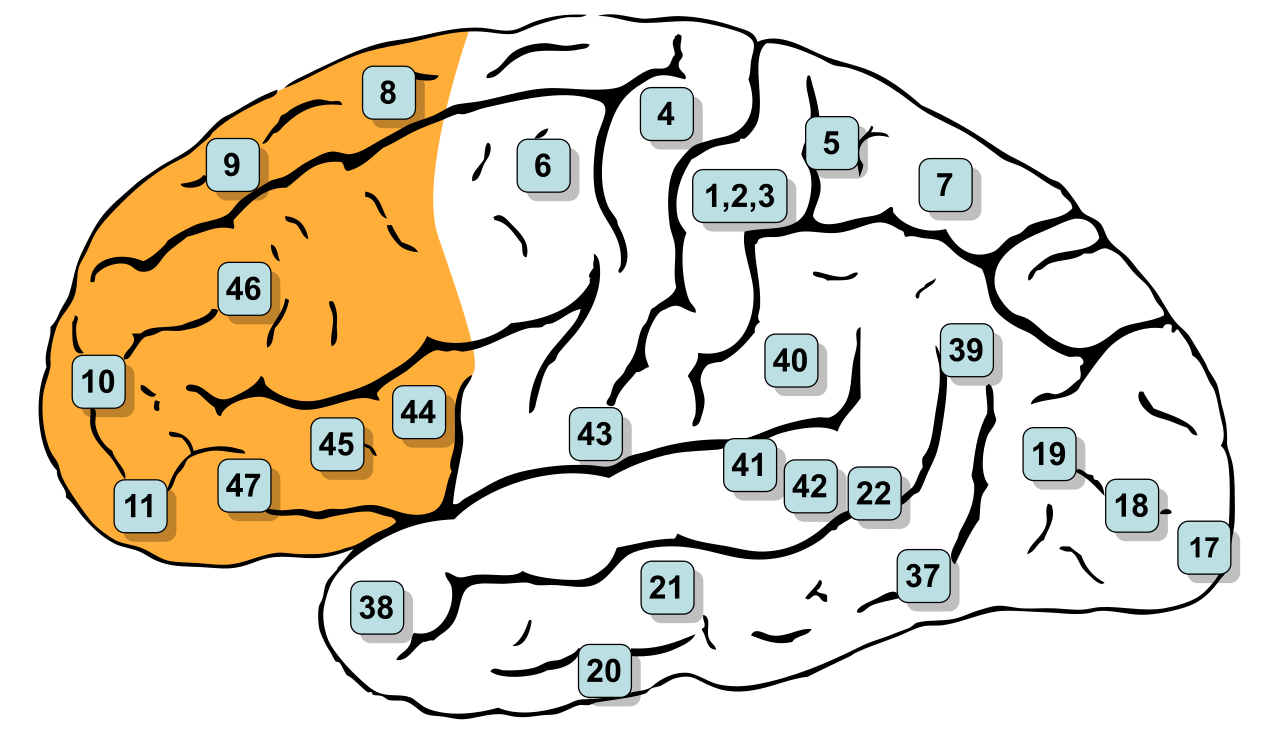
- Executive Dysfunction: The CEO of the brain has left the building. This impairs a client's cognitive ability to plan complex tasks and impairs their ability to organize complex tasks.
| Feature | Delirium | Dementia |
|---|---|---|
| Onset | Sudden (hours to days) | Insidious and gradual |
| Duration | Acute | Chronic |
| Consciousness | Fluctuating level of consciousness | Generally intact until late stages |
| Memory Gap Response | Confusion, agitation | Confabulation (in severe stages) |
Sometimes, the mind completely detaches from the objective world. Acute psychotic episodes involve a sudden psychological break from reality. However, if this break becomes chronic, we enter the realm of schizophrenia. A formal diagnosis of schizophrenia requires the continuous presence of symptoms for at least six months.
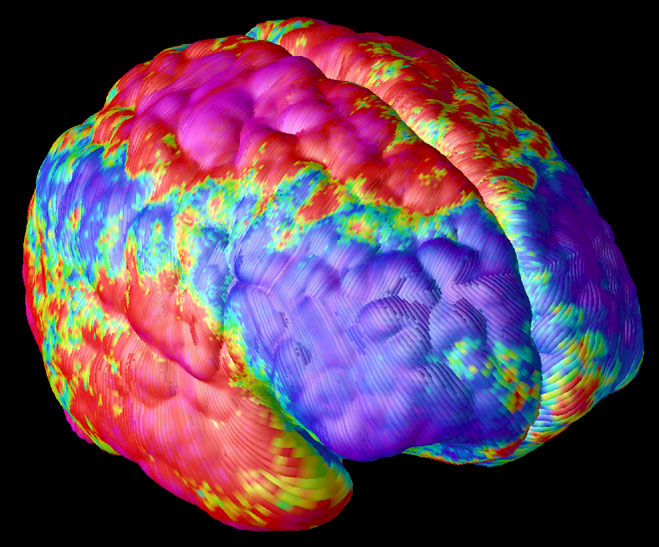
Schizophrenia symptoms are divided into two brilliant conceptual buckets: Positive and Negative.
Positive symptoms of schizophrenia represent pathological psychological additions to normal baseline behavior. Things are there that shouldn't be. Negative symptoms of schizophrenia represent pathological psychological deficits in normal baseline behavior. Things are missing that should be there.
The Positive Symptoms (The Additions)
Delusions, hallucinations, and disorganized speech are all clinically classified as positive symptoms of schizophrenia.
Let's break down the false beliefs, known as delusions.
- Grandiose delusions involve a firmly held exaggerated belief in personal power or importance (e.g., "I am the secret King of Mars").
- Persecutory delusions involve the firmly held false belief that a client is being singled out for harm (e.g., "The FBI is poisoning my tap water").
- Somatic delusions involve a firmly held false belief regarding a physical defect or medical condition (e.g., "My intestines have turned to concrete").
- Erotomanic delusions involve the false belief that another person—often someone famous—is romantically in love with the client.
Next, let's look at perceptual errors. You must know the difference between an illusion and a hallucination!
- Illusions are perceptual misinterpretations of actual external physical stimuli (e.g., seeing a coat on a rack and thinking it's a person in the dark).
- Hallucinations are sensory perceptions experienced in the absolute absence of an external physical stimulus.
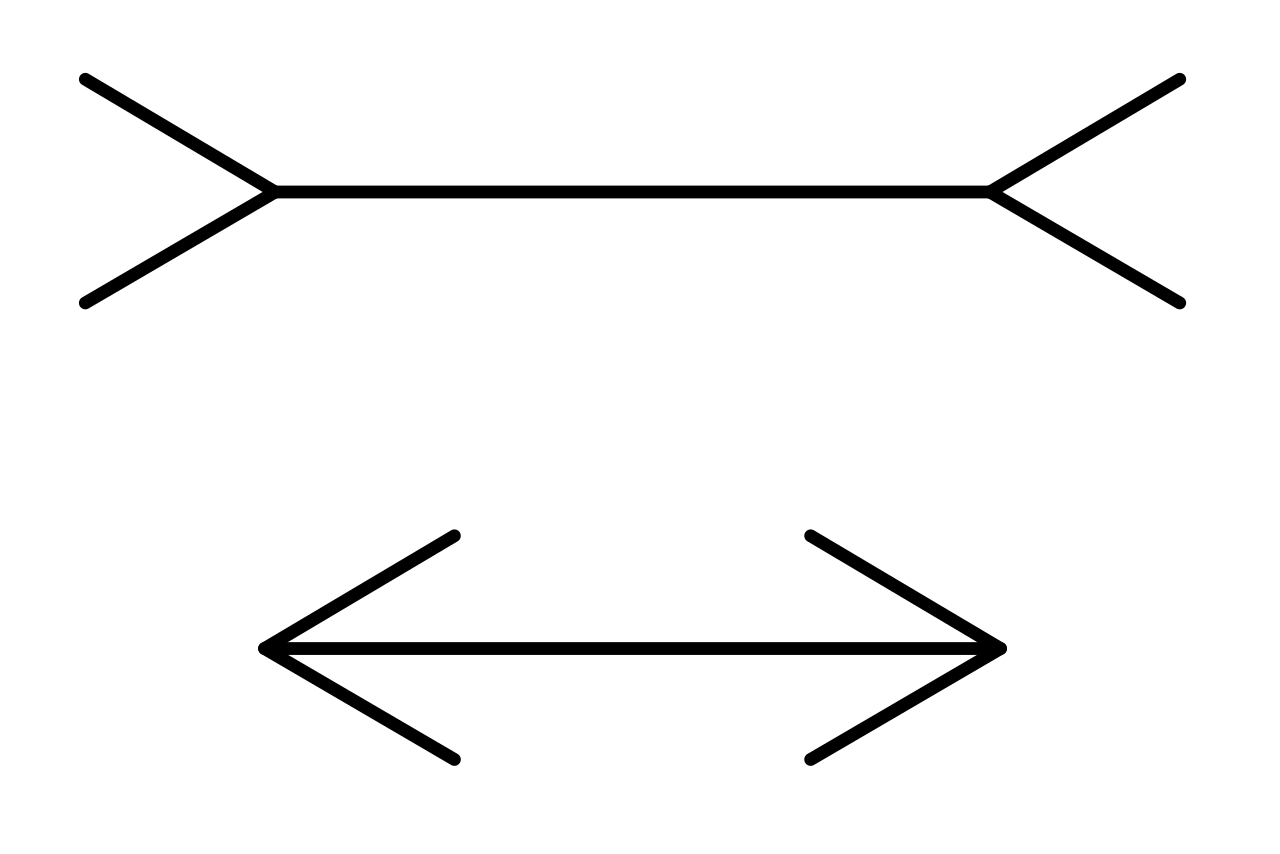
Auditory hallucinations are the most common sensory type of hallucination in schizophrenia. The most dangerous of these are command hallucinations, which explicitly instruct a client to perform a specific physical action (often self-harm or violence).
Finally, the positive symptom of disorganized speech reveals the chaotic wiring of the psychotic mind:
- Flight of ideas: Rapid verbal shifting between entirely unrelated topics.
- Tangentiality: The client wanders off the conversational topic without ever answering the original question. They go on a tangent and never come back.
- Circumstantiality: The client provides excessive, unnecessary detail before eventually answering a question. (They take the scenic route, but arrive at the destination).
- Neologisms: Newly coined nonsensical words created by a client.
- Word salad: A severely disorganized vocal mixture of isolated words lacking any logical meaning.
- Clang associations: The verbal grouping of words based on rhyming sounds rather than logical meaning (e.g., "The boat, the goat, I wear a coat, don't gloat").
- Echolalia: The pathological vocal repeating of another person's words.
- Note on physical mirroring: Though not speech, echopraxia is the pathological physical imitation of another person's movements.

The Negative Symptoms (The Deficits)
Negative symptoms steal the very essence of human vitality:
- Anhedonia: The psychological inability to experience pleasure from normally enjoyable activities. The world goes gray.
- Avolition: A pathological lack of motivation to initiate goal-directed activities. The "starter motor" is broken.
- Alogia: A pathological poverty of speech. They just stop talking.
When the brain's emotional regulator breaks, clients are thrust into agonizing psychological states.
The Lows: Major Depressive Disorder
Major depressive disorder is clinically characterized by a persistent depressed mood. To be diagnosed, it requires mood symptoms to last for a minimum of two consecutive weeks. One of the most critical, prominent life-threatening symptoms of major depressive disorder is suicidal ideation. As a nurse, assessing for this is your highest priority.
The Highs: Bipolar I Disorder
Bipolar I disorder requires a documented clinical history of at least one manic episode. A manic episode is clinically characterized by an abnormally elevated or irritable mood that requires clinical mood symptoms to last for at least one consecutive week.
How do you spot mania? A hallmark symptom of a manic episode is a markedly decreased physiological need for sleep. The brain is flooded with so much excitatory energy that it simply bypasses the biological requirement for rest.
The Alarm Bells: Anxiety, OCD, and PTSD
Anxiety is the body's natural warning system, but in pathology, the alarm never shuts off.
- Generalized anxiety disorder (GAD) involves excessive psychological worrying lasting for at least six consecutive months.
- Panic attacks are abrupt physiological surges of intense fear. Unlike GAD, the intense fear of a panic attack reaches a peak physiological intensity within minutes. It feels like a heart attack.
When anxiety tries to organize itself, we see Obsessive-Compulsive mechanisms:
- Obsessions are recurrent and persistent intrusive psychological thoughts. (The cognitive terror: "My hands are covered in lethal germs.")
- Compulsions are repetitive physical or mental behaviors performed to reduce anxiety associated with an obsession. (The physical fix: Washing hands 50 times in a row).

When the mind is shattered by external horrors, we see trauma disorders. Post-traumatic stress disorder (PTSD) develops following psychological exposure to a traumatic event. What counts as trauma? A qualifying trauma in post-traumatic stress disorder involves actual or threatened death or serious injury.
- A severe dissociative symptom of PTSD is flashbacks, where the mind vividly relives the event.
- Consequently, avoidance of trauma-related stimuli is a core diagnostic symptom of PTSD. The mind builds walls to protect itself from the trigger.
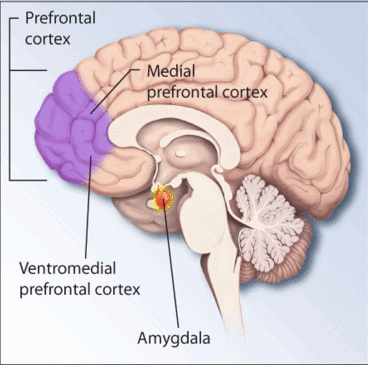
Sometimes, deep psychological distress manifests as a rigid need to control the physical body.
- Anorexia nervosa is an eating disorder characterized by a morbid psychological fear of obesity. Because of this terrifying fear, clients exhibit severe physical restriction of food intake.
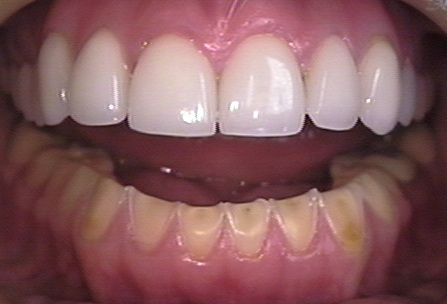
- Bulimia nervosa is different. It is characterized by recurrent episodic periods of excessive binge eating. Because of the overwhelming guilt and fear of weight gain, bulimia nervosa involves compensatory purging behaviors (vomiting, laxatives, extreme exercise) following a binge eating episode.
Sigmund Freud had a brilliant realization: the ego cannot handle unrelenting anxiety, so it deploys invisible shields called defense mechanisms. You must know these intimately:
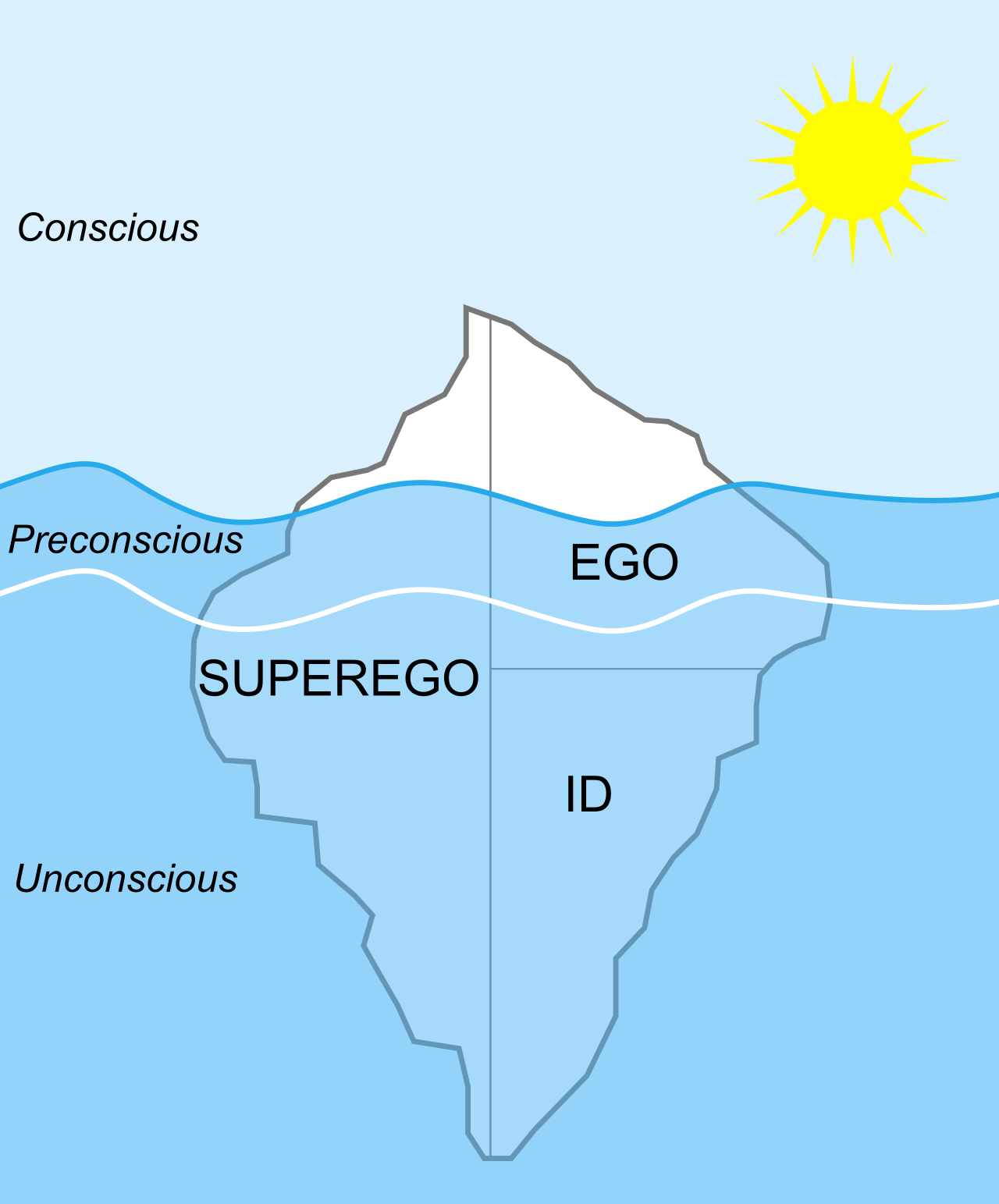
- Denial: The psychological refusal to accept objective reality. (A patient refusing to believe their terminal cancer diagnosis).
- Projection: Attributing unacceptable personal feelings to another external person. (You are secretly furious, so you accuse your spouse of being angry at you).
- Rationalization: Using logical explanations to justify unacceptable psychological behaviors. ("I only cheated on the test because the teacher makes it too hard.")
- Displacement: Redirecting emotions from a threatening target to a safer alternative target. (Your boss yells at you, so you go home and yell at your dog).
- Reaction formation: Expressing an outward attitude opposite to an unacceptable unconscious feeling. (You secretly despise a coworker, but act overly sweet and friendly to them).
- Regression: Involving a return to an earlier developmental psychological stage under severe stress. (A toilet-trained 5-year-old begins wetting the bed when a new baby sibling is born).
- Splitting: Psychologically characterizing people or situations as entirely good or entirely bad. There is no gray area.
When maladaptive behavioral traits become rigidly locked into a person's character, we look at Personality Disorders, which are grouped into three distinct "Clusters":
| Cluster | Core Characteristic |
|---|---|
| Cluster A | Characterized by odd or eccentric interpersonal behaviors. (e.g., Paranoid, Schizoid) |
| Cluster B | Characterized by dramatic or erratic interpersonal behaviors. (e.g., Borderline, Antisocial, Narcissistic) |
| Cluster C | Characterized by anxious or fearful interpersonal behaviors. (e.g., Avoidant, Dependent) |
Let's look closely at the highly tested Cluster B disorders:
- Antisocial personality disorder involves a pervasive lifelong disregard for the fundamental rights of others. These clients routinely exhibit a clinical lack of remorse for destructive personal actions. They break the rules, and they simply do not care who gets hurt.
- Borderline personality disorder (BPD) involves severe emotional instability in interpersonal relationships and is characterized by extreme behavioral impulsivity. Remember our defense mechanisms? Splitting is a hallmark clinical symptom of borderline personality disorder. A client might view a nurse as an "angel" one day, and an "evil monster" the next.
- Narcissistic personality disorder involves a pervasive psychological pattern of grandiosity. Crucially, it involves a profound psychological lack of empathy for others.
Now that we know how the system breaks, how do we fix it? We use targeted therapies.
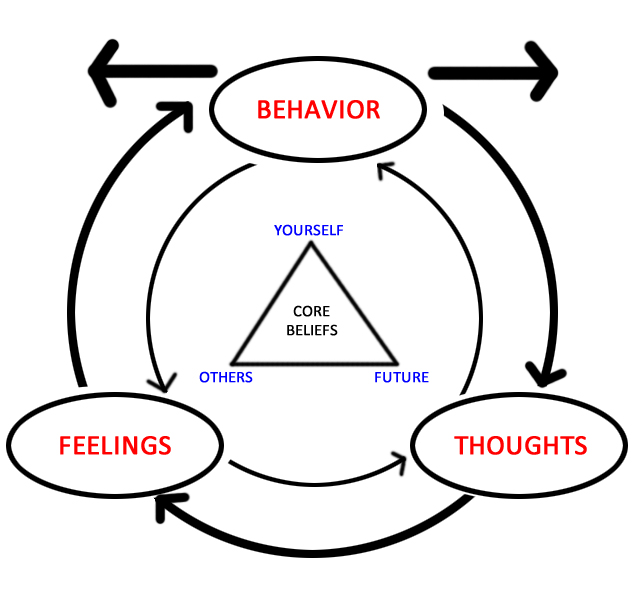
Cognitive Behavioral Therapy (CBT) targets the software of the brain. CBT aims to identify distorted psychological thought patterns and then systematically aims to alter distorted psychological thought patterns. Change the thought, change the feeling, change the behavior.
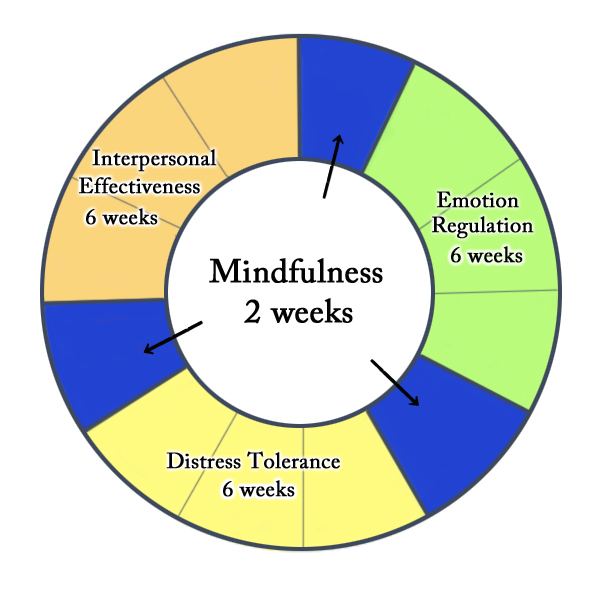
Dialectical Behavior Therapy (DBT) was created specifically to help borderline clients survive their emotional storms. It heavily focuses on improving psychological emotional regulation and heavily focuses on building psychological distress tolerance so clients can ride out negative emotions without acting impulsively.
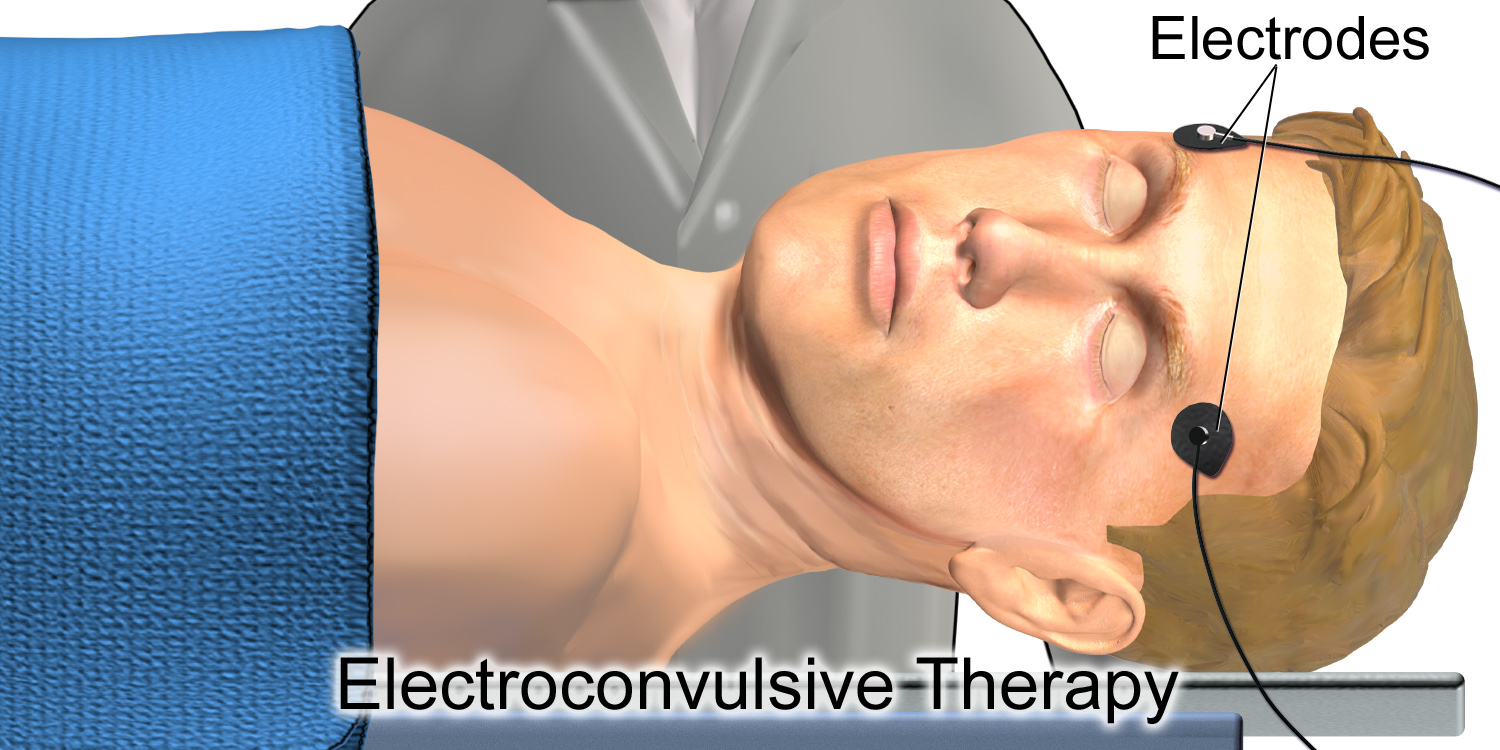
When the psychological software is completely frozen—such as in severe clinical depression unresponsive to pharmacological medication—we reboot the biological hardware. Electroconvulsive therapy (ECT) is utilized for exactly this purpose.
The environment itself can also be the medicine. Milieu therapy uses a safe and structured physical environment to facilitate psychological patient recovery. Every interaction in the unit is therapeutic.
Finally, as a nurse, you are a therapeutic instrument. You must be aware of unconscious relational dynamics:
- Transference occurs when a client unconsciously projects feelings about past figures (like a strict parent) onto a healthcare provider.
- Countertransference occurs when a healthcare provider unconsciously projects personal feelings onto a client. (e.g., The nurse gets inexplicably angry at a patient because the patient reminds them of their stubborn father).
Understanding these concepts is not just about passing the NCLEX; it is about grasping the beautiful, fragile mechanics of human consciousness. When you master psychopathology, you master the art of bringing empathy, science, and healing to a mind in turmoil. Study well, and keep questioning how the machine works!