Health Screening
Not sure you’re ready?
Take the ~3-minute readiness diagnostic and see where you stand.
The Art of Finding Trouble: A Pathophysiological Approach to Health Screening
Hello there! Welcome to what I consider the most fascinating detective work in all of nursing: Health Screening.
Think about how a mechanic listens to a car engine. The mechanic doesn't wait until the engine block cracks in half on the highway. They listen for the tiny, almost imperceptible ping of a misaligned valve while the car is still running fine. In nursing, we do the exact same thing with the human body. We use our knowledge of how things break down—pathophysiology—to catch diseases long before they cause a catastrophe.
Let's dive into how we find these hidden clues, the tools we use, and the incredible art of getting a patient to tell us exactly what we need to know.
If primary prevention is wearing a helmet to stop a head injury, then health screening is a form of secondary prevention designed to detect disease in early, asymptomatic stages.
Why does this even work? It works because secondary prevention relies on the pathophysiological principle that diseases have a detectable preclinical phase. In other words, before a tumor causes pain, or before high blood sugar destroys a kidney, there is a window of time where the disease is silently brewing, but still visible to the right instruments.
To catch these silent threats, we use two very different types of tools:
- Screening tests are designed to be highly sensitive to minimize false negative results. Think of a highly sensitive test like a giant fishing net with tiny holes. You cast it wide, and you catch everything that might be a fish. You don't want any fish (disease) slipping through (false negative).
- Diagnostic confirmation tests are designed to be highly specific to minimize false positive results. Once you pull up the net, you might find some old boots and tin cans in there. The specific diagnostic test acts as your expert sorting mechanism, ensuring you only flag the actual fish and throw the boots back (minimizing false positives).
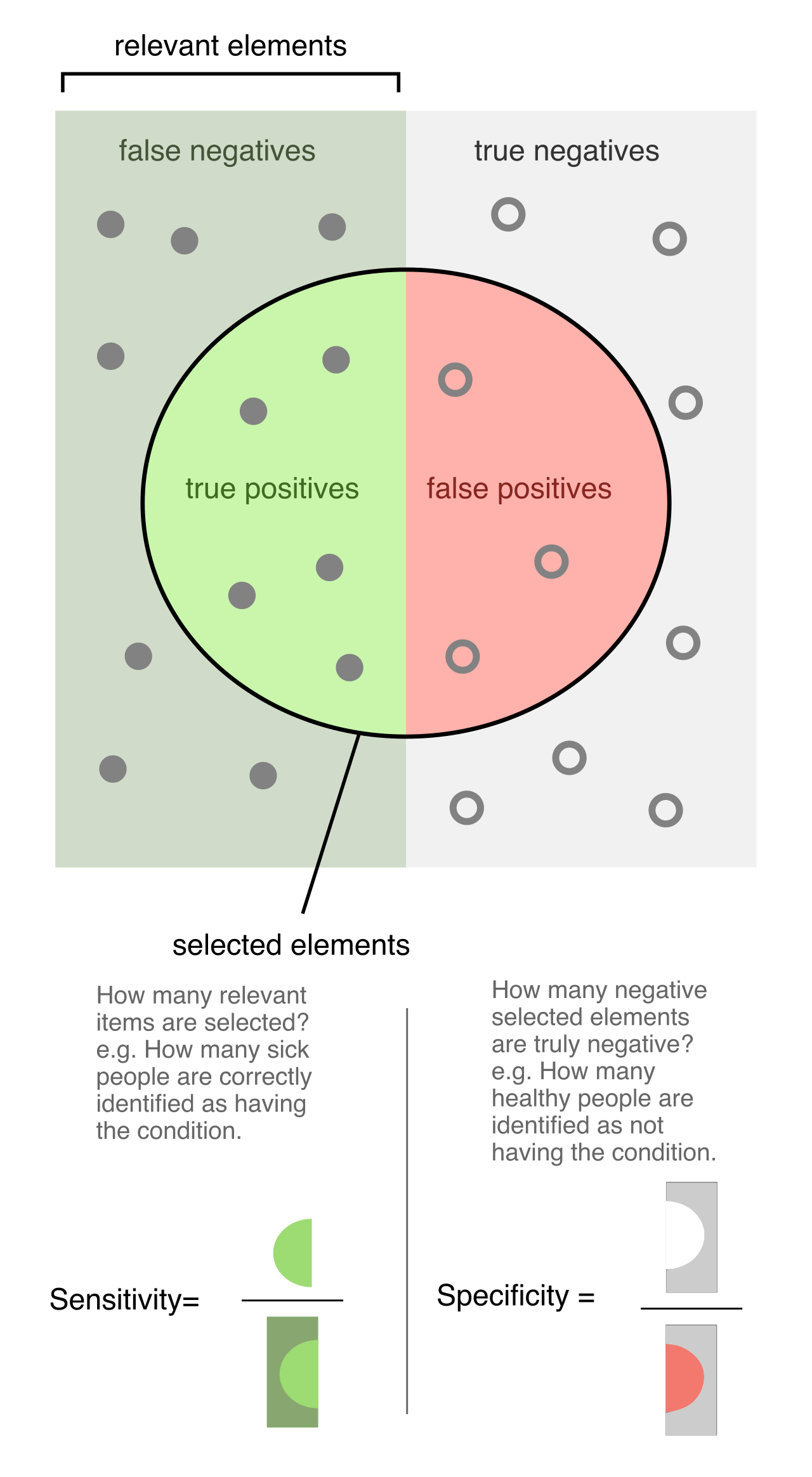
But we don't just throw this giant net blindly at everyone. Knowledge of a disease's pathophysiology allows the nurse to identify appropriate populations for targeted screening. Because we know the mechanics of osteoporosis, we know exactly who needs a bone density scan. Because we understand the genetic links of breast cancer, we know who needs earlier mammograms. Pathophysiology draws the map; screening is how we explore it.
Before you ever touch a stethoscope, you must build an environment where the truth can surface. An accurate health history requires providing a private environment to ensure patient confidentiality. You cannot expect someone to divulge intimate details about their substance use or mental health while sitting in a busy, crowded hallway.
This privacy is absolutely critical for physical safety as well. For example, assessing a patient for signs of domestic violence requires interviewing the patient without family members present. The abuser is often the person sitting right next to them holding their hand; you must separate them to get the truth.
The Art of the Interview
When you sit down to talk, you are gathering baseline data. A comprehensive health history provides baseline data to measure future changes in a patient's status. To get high-quality data, we rely on therapeutic communication, which requires the use of open-ended questions to elicit detailed patient responses.
Why? Because open-ended questions prevent simple yes-or-no answers during a health history interview. If you ask, "Are you in pain?" the patient says, "No." End of story. If you ask, "Tell me how your body feels after you walk up the stairs?" you get a rich, detailed narrative.
⚠️ The Danger of Leading Questions Be incredibly careful of your phrasing! Leading questions risk biasing the patient's answers during a health interview. If you ask, "You don't smoke, do you?" the patient feels pressured to agree with you.
As they speak, practice active listening, which involves providing nonverbal cues to encourage the patient to continue speaking. A simple nod or leaning forward keeps the flow of information going. And when the flow stops? Do not panic. The nurse uses silence during an interview to allow the patient time to organize thoughts. Sometimes, the most profound revelations happen right after five seconds of total silence.
When a patient arrives, we start with the chief complaint, which is the primary reason the patient is seeking healthcare. It's the headline of their story.
If that chief complaint is a specific symptom—like knee pain—we perform a focused assessment, which evaluates the specific body system related to the patient's presenting problem. But if they are here for a general check-up, we use the review of systems, which is a systematic approach to asking subjective questions about each body system. We march from head to toe, asking about headaches, then breathing, then digestion, leaving no stone unturned.
The PQRST of Pain
When a symptom like pain arises, we act like investigative journalists. We use the PQRST mnemonic:
- P stands for provoking or palliating factors. (What makes it worse or better?)
- Q stands for the quality of the symptom. (Is it burning, stabbing, aching?)
- R stands for region or radiation. (Where is it, and does it travel?)
- S stands for the severity of the symptom. (On a scale of 1 to 10?)
- T stands for the timing of the symptom. (When did it start? How long does it last?)
Mapping the Bloodline
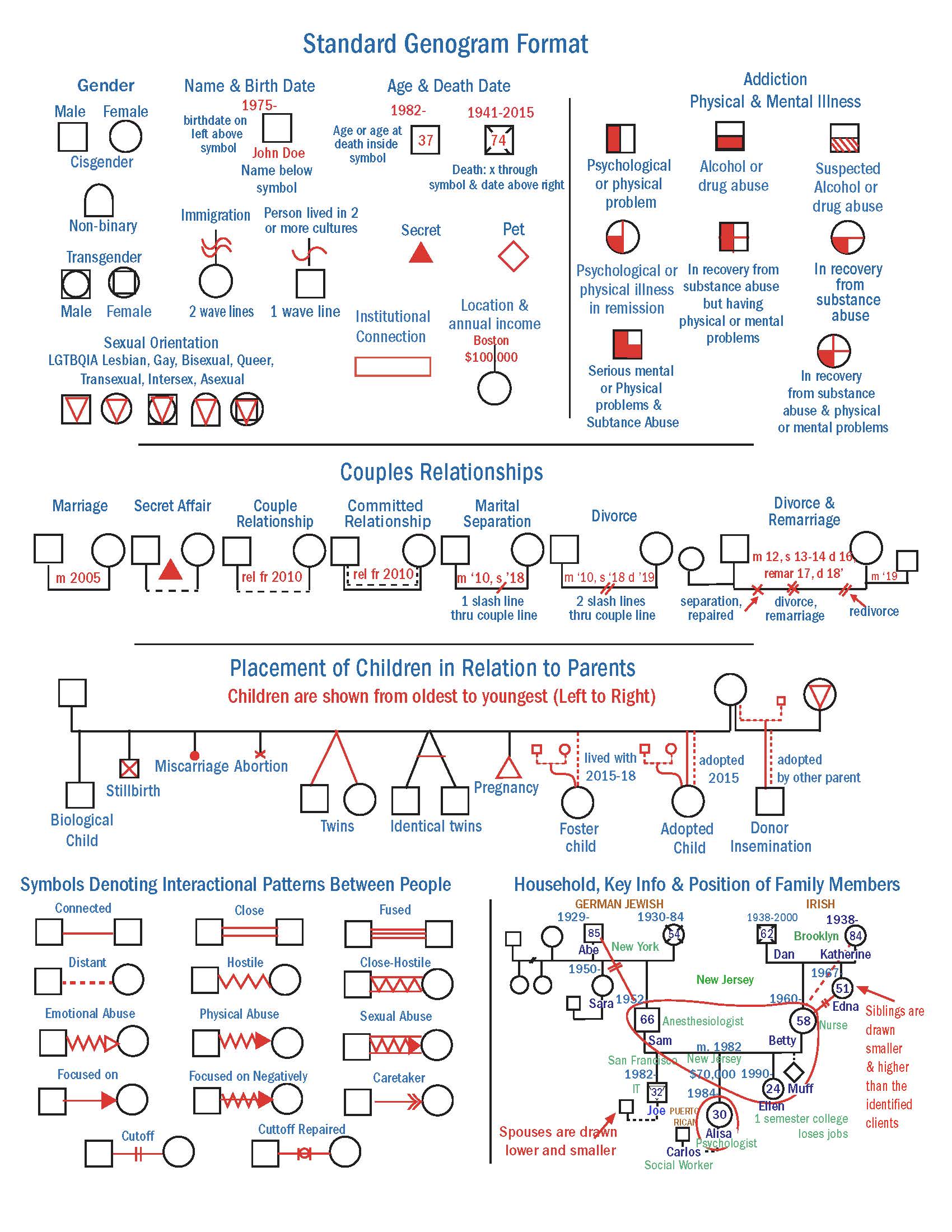
We must also look to the past to predict the future. The family history section of a health assessment identifies genetic predispositions to specific diseases. To visualize this, we use a genogram, which maps a family's medical history over at least three generations. It allows us to look at a piece of paper and instantly see the cluster of cardiac disease on the paternal side, or the breast cancer on the maternal side.
We evaluate the patient's primary input systems: their senses and their nutrition.
Vision & Hearing
| System | Tool | Purpose |
|---|---|---|
| Vision (Distance) | Snellen chart | Evaluates distant visual acuity. (The classic wall chart with big and small letters). |
| Vision (Near) | Jaeger chart | Evaluates near visual acuity. (A small handheld card to check if they need reading glasses). |
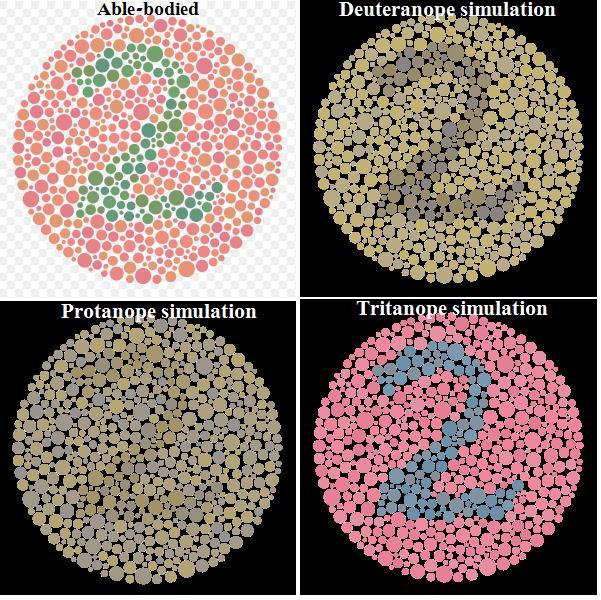
| Vision (Color) | Ishihara test | Screens for red-green color blindness. (Those circles made of colored dots hiding a number). |
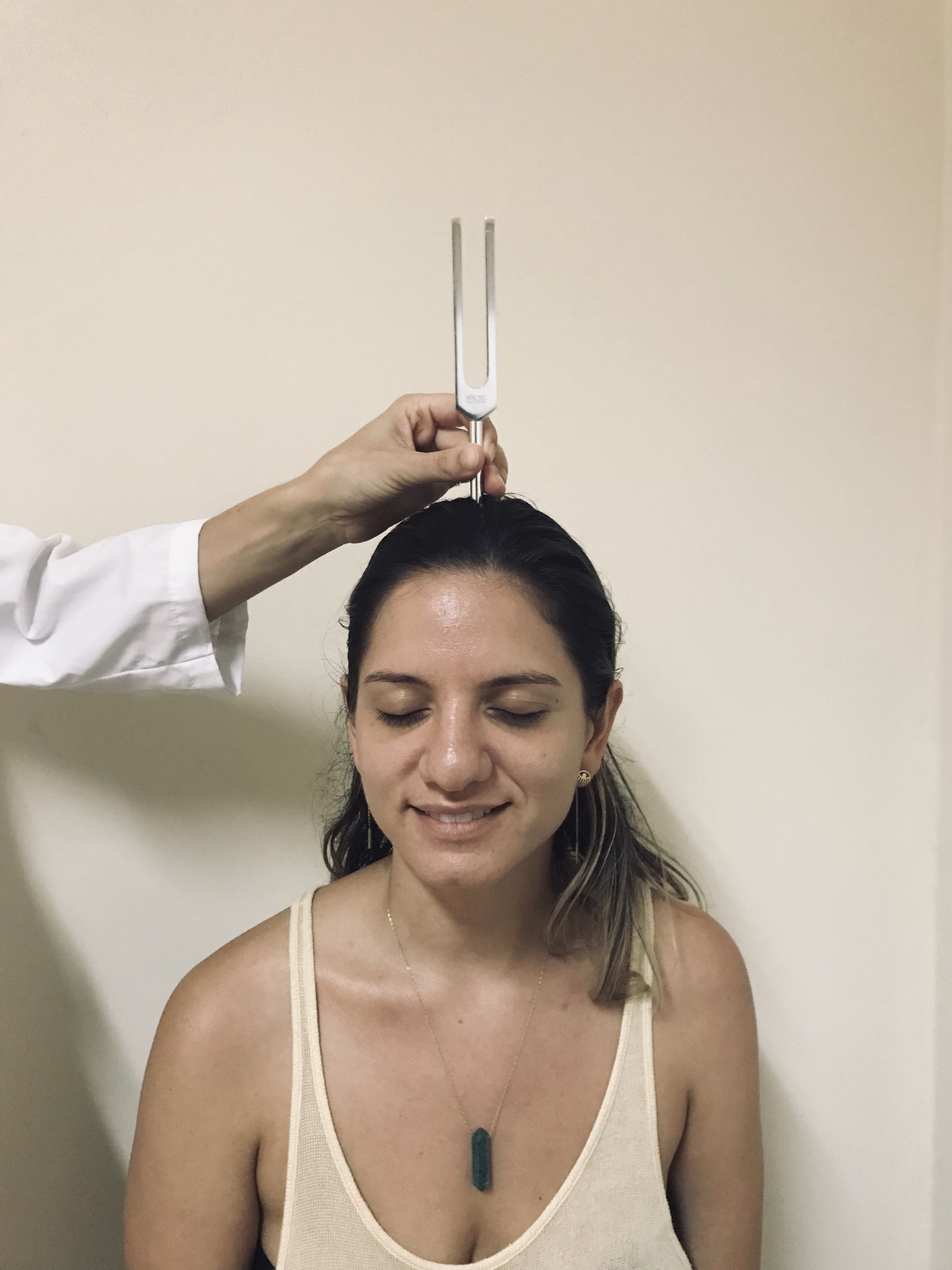
| Hearing (Unilateral) | Weber test | Screens for unilateral hearing loss using a tuning fork placed on the midline of the skull. (If sound shifts to one side, there's a problem). |
| Hearing (Conduction) | Rinne test | Compares bone conduction of sound to air conduction of sound. (Air conduction should always be twice as long as bone!). |
Nutrition and Metabolic Engines
Next, we evaluate their fuel intake. Nutritional screening identifies individuals at risk for malnutrition or metabolic disorders.
To find out what they are actually eating, a 24-hour dietary recall is a targeted screening tool for evaluating a patient's recent nutritional intake. It’s simple: "Walk me through everything you ate and drank yesterday, starting from when you woke up."
We then look at the physical metrics of their nutrition:
- A normal body mass index (BMI) ranges from 18.5 to 24.9.
- A body mass index between 25.0 and 29.9 indicates overweight status.
- A body mass index of 30 or greater indicates obesity.
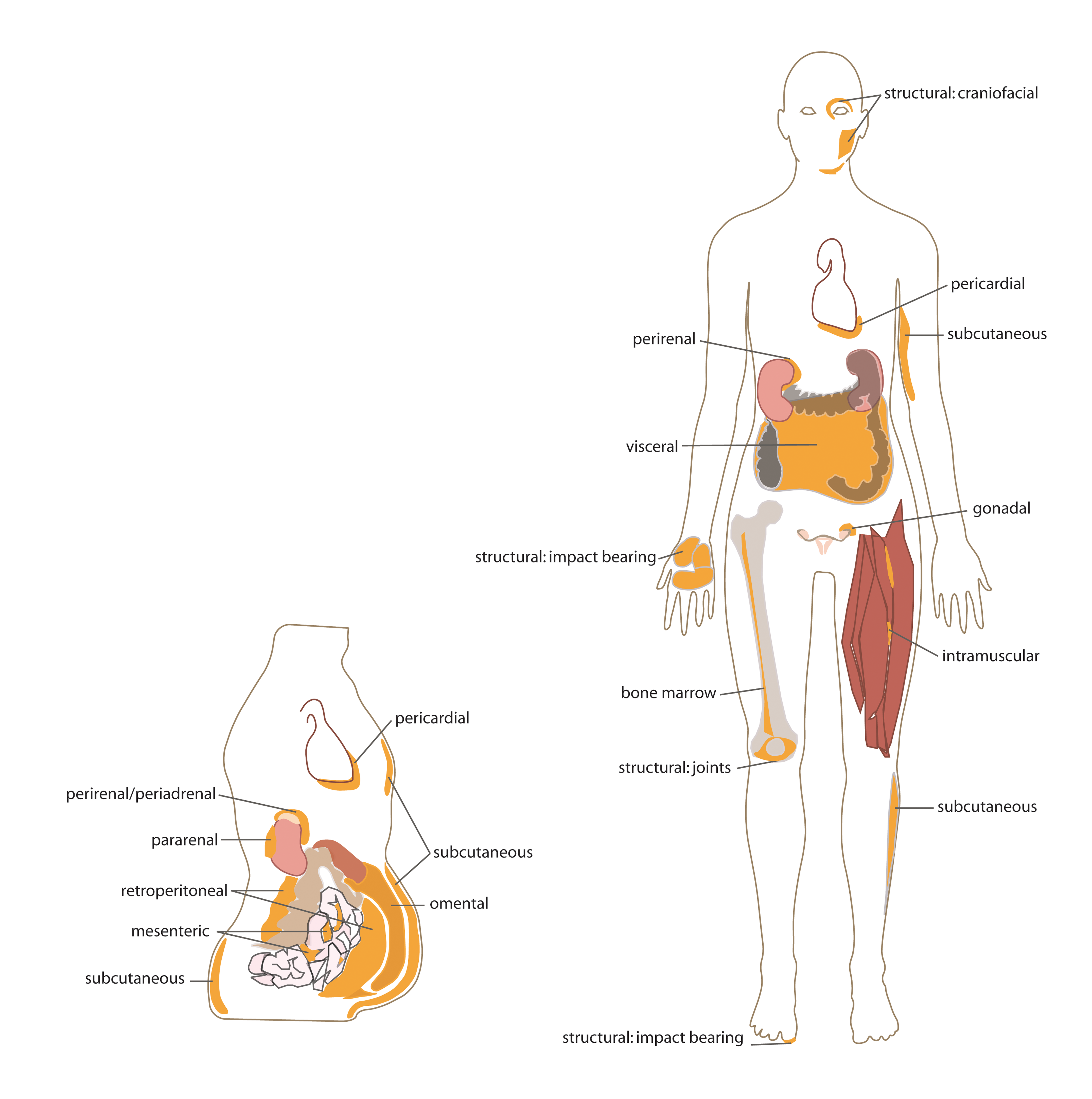
But BMI isn't the whole story; where the body stores fat tells us about pathophysiology. Visceral fat wrapped around internal organs acts like a toxic endocrine gland. Therefore:
- A waist circumference greater than 40 inches in men indicates an increased risk for cardiometabolic disease.
- A waist circumference greater than 35 inches in non-pregnant women indicates an increased risk for cardiometabolic disease.
We don't just guess if a patient is depressed or at risk of falling; we use standardized tools. This gives us objective numbers for subjective experiences.
The Mind & Mood
- Depression (General): The Patient Health Questionnaire-9 (PHQ-9) is a standardized tool used to screen for depression.
- Depression (Older Adults): The Geriatric Depression Scale is a screening tool specifically designed to identify depression in older adults.
- Depression (Postpartum): The Edinburgh Postnatal Depression Scale screens for postpartum depression in new mothers.
- Cognition: The Mini-Mental State Examination screens for cognitive impairment and dementia.
- Substance Use: The CAGE questionnaire is a brief screening tool for alcohol use disorder. (It asks if they've ever felt the need to Cut down, felt Annoyed by criticism, felt Guilty, or needed an Eye-opener).
The Body in Motion & At Rest
- Mobility & Independence: The functional assessment measures a patient's ability to perform activities of daily living (like bathing, dressing, and eating).
- Mobility (Older Adults): The Timed Up and Go (TUG) test screens for mobility impairment in older adults. You literally time them getting out of a chair, walking ten feet, and coming back.
- Fall Risk: The Morse Fall Scale is a targeted screening tool used to assess a patient's risk of falling.
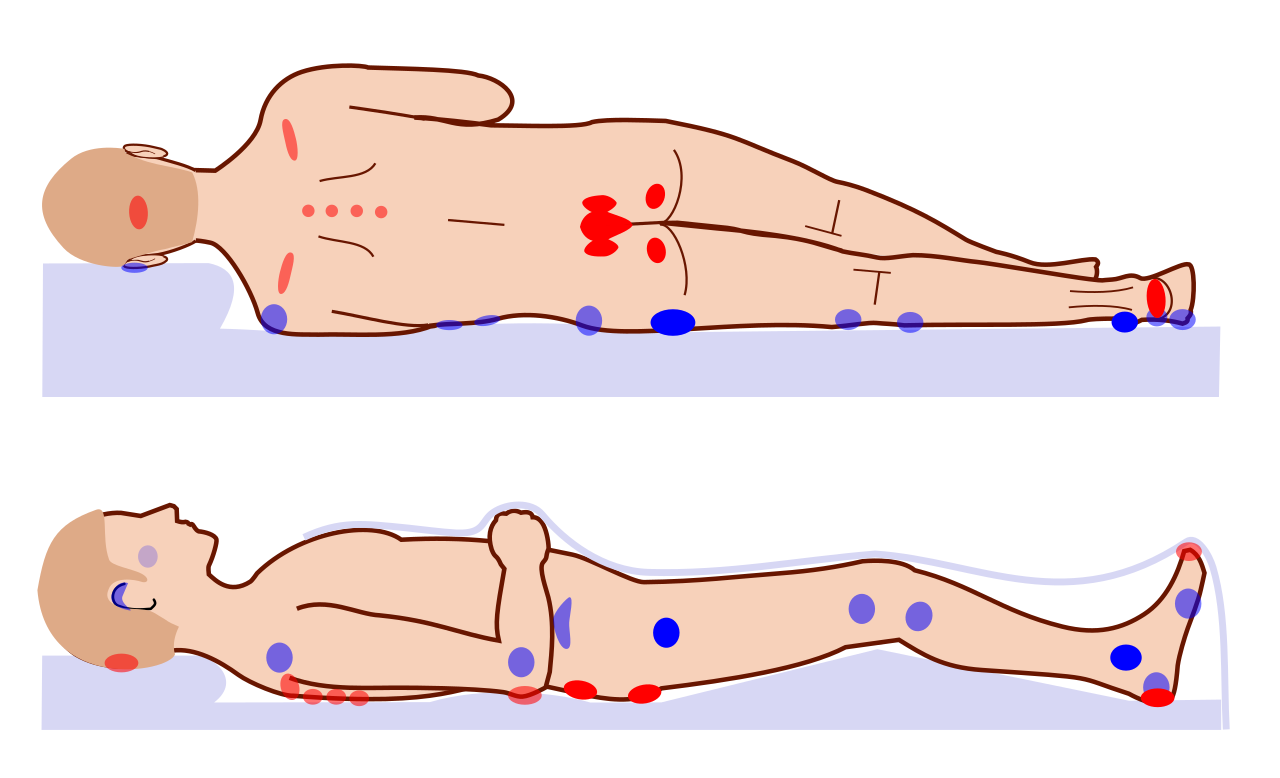
- Skin Integrity: The Braden Scale assesses a patient's risk for developing pressure injuries. It looks at sensory perception, moisture, activity, mobility, nutrition, and friction. Pay close attention to the math: lower scores are worse! A Braden Scale score of 9 or less indicates severe risk for developing a pressure injury.
Finally, we use lab values and imaging to hunt down chronic diseases and oncology risks. This is the ultimate "preclinical phase" detection.
The Oncology & Bone Guidelines
Because we know the natural pathophysiological progression of specific cancers, we follow strict timelines:
- Colon Cancer: The USPSTF recommends starting routine colon cancer screening at age 45 for individuals at average risk.
- Breast Cancer: Routine mammography screening for breast cancer typically begins at age 40 for average-risk women.
- Cervical Cancer: Cervical cancer screening with a Pap smear begins at age 21.
- Prostate Cancer: Prostate-specific antigen (PSA) testing is used to screen for prostate cancer in men.
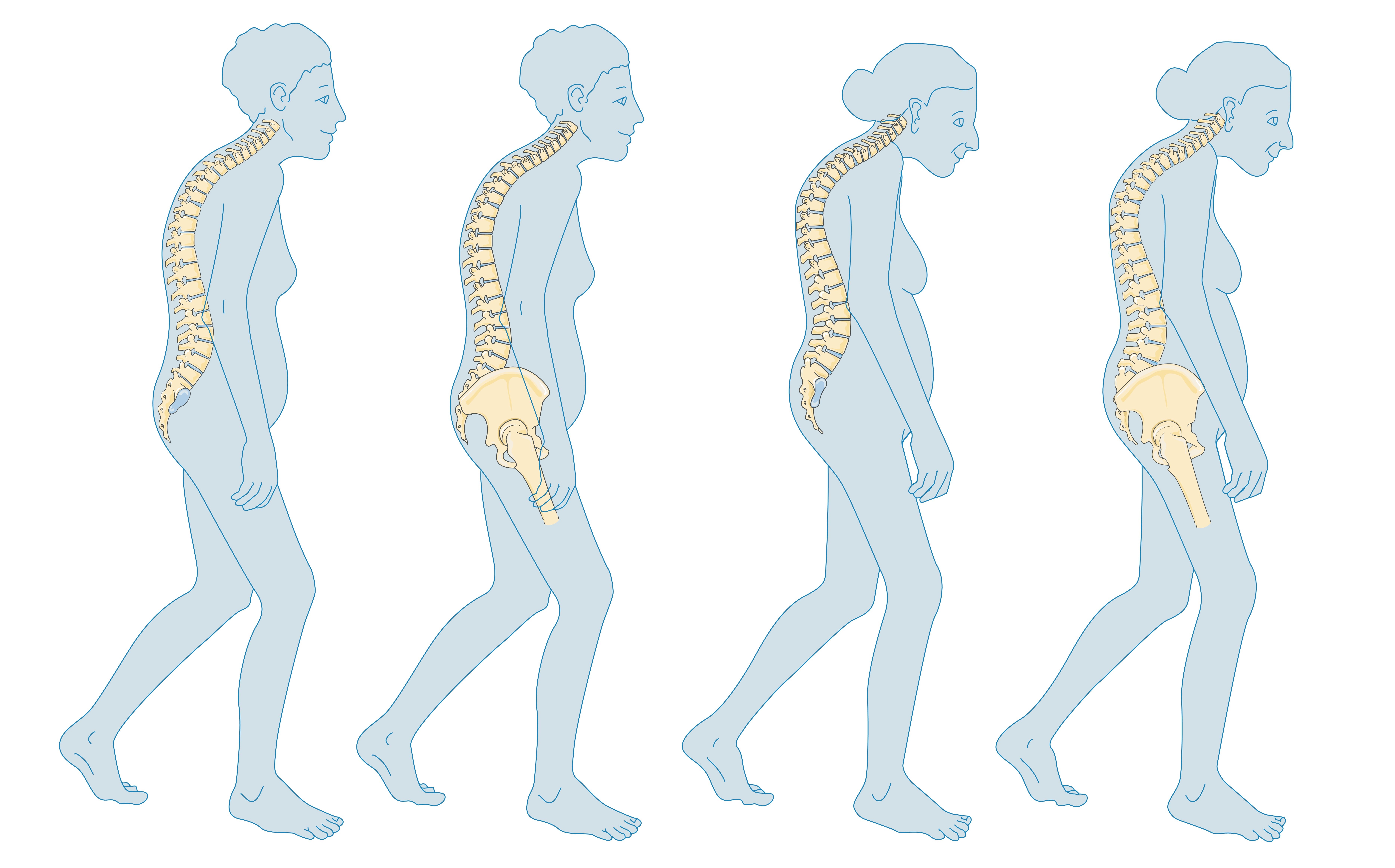
As humans age, the balance of bone building (osteoblasts) and bone breakdown (osteoclasts) shifts. Dual-energy X-ray absorptiometry (DEXA) is the standard screening test for osteoporosis. Because of the sharp drop in protective estrogen after menopause, women aged 65 and older should undergo routine screening for osteoporosis.
The Cardiovascular System & The Sugars
The cardiovascular system operates under immense mechanical pressure. To protect it, blood pressure screening should occur at least annually for adults over age 40.
- Normal adult systolic blood pressure is less than 120 mm Hg.
- Normal adult diastolic blood pressure is less than 80 mm Hg.
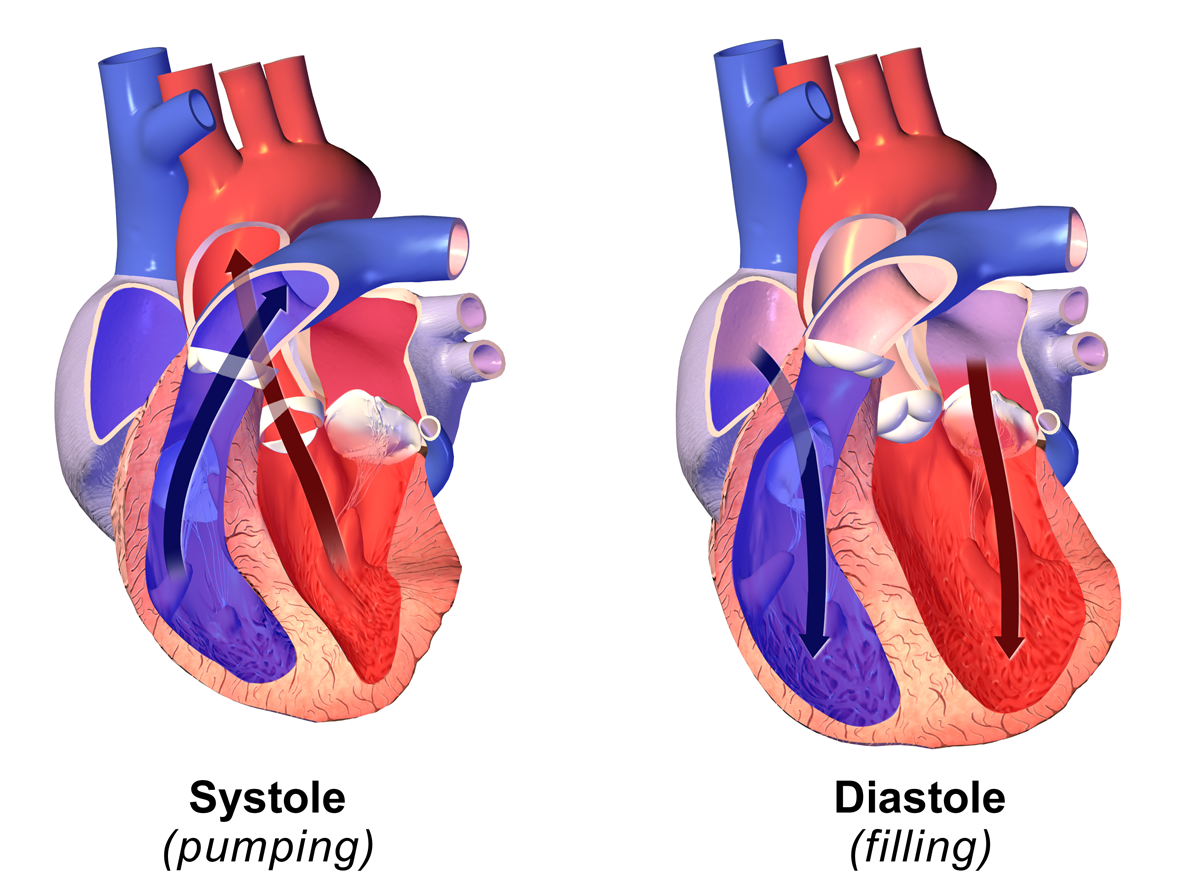
To see the fat traveling through these vessels, we use a standard lipid panel, which measures total cholesterol, high-density lipoproteins (HDL), low-density lipoproteins (LDL), and triglycerides. As a baseline rule, desirable total blood cholesterol levels are maintained below 200 mg/dL.
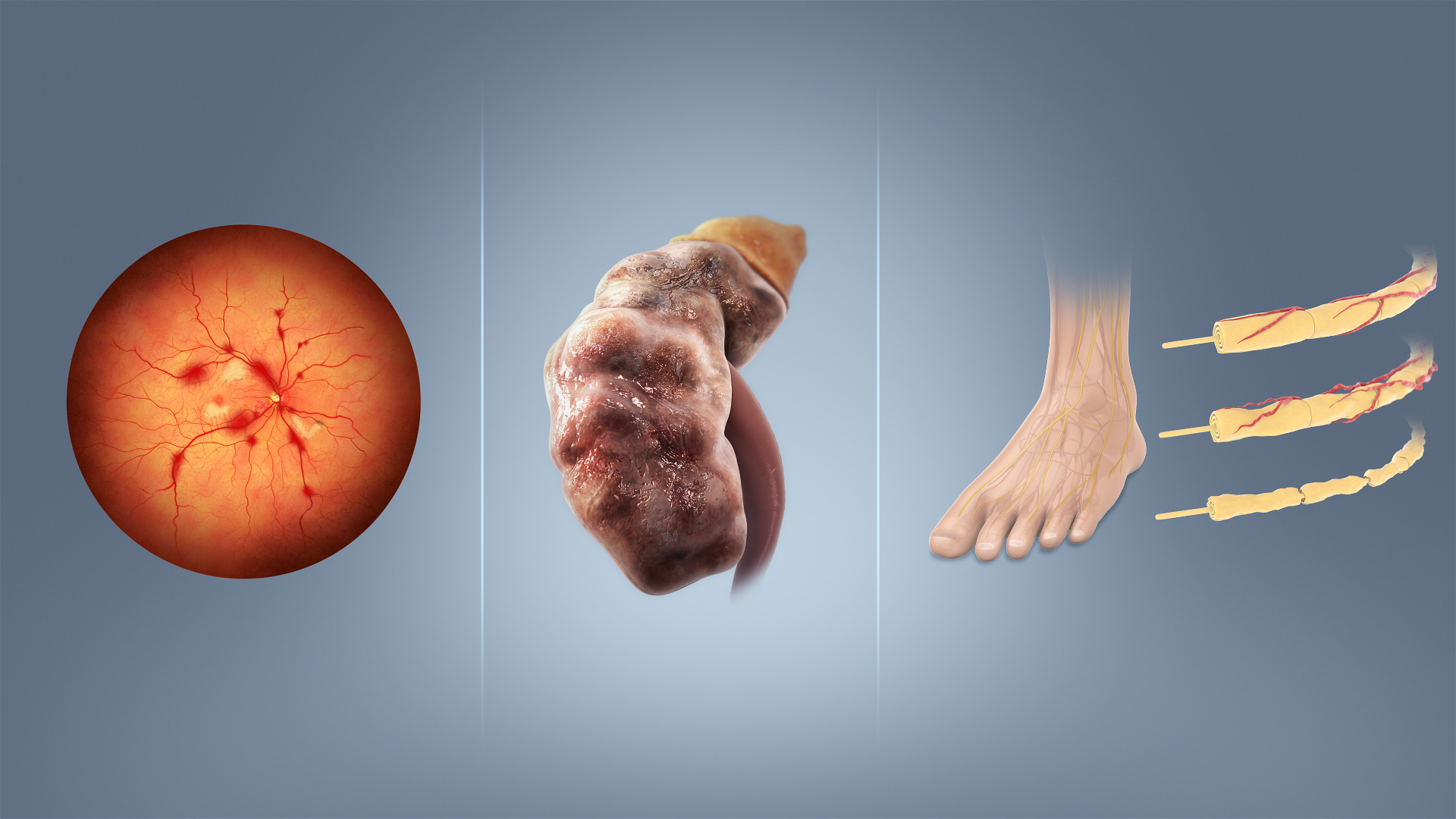
Finally, we look at the sugar in the blood—a notorious destroyer of vessels and nerves if left unchecked. We can look at a snapshot of sugar right now:
- A normal fasting blood glucose level is less than 100 mg/dL.
- A fasting blood glucose level between 100 mg/dL and 125 mg/dL indicates prediabetes.
- A fasting blood glucose level of 126 mg/dL or higher on two separate tests indicates diabetes mellitus.
Or, we can look at the 90-day historical average of blood sugar by measuring how much glucose has permanently stuck to the red blood cells:
- A normal hemoglobin A1c level is less than 5.7 percent.
- Hemoglobin A1c levels between 5.7 percent and 6.4 percent indicate prediabetes.
- A hemoglobin A1c level of 6.5 percent or higher indicates diabetes mellitus.
Bringing It All Together
Health screening isn't just about memorizing ages and lab values. It is the majestic, proactive application of human biology. It is building trust through silence and open questions, mapping out a family tree of genetic ghosts, assessing the way the body moves, feels, and metabolizes, and catching diseases years before they have the chance to cause harm. Master these tools, and you won't just be treating illness—you'll be preventing it entirely.