High-Risk Behaviors
Not sure you’re ready?
Take the ~3-minute readiness diagnostic and see where you stand.
The Physics of Human Habits: Mastering High-Risk Behaviors
Welcome to the fascinating, wonderfully complex, and occasionally maddening world of human behavior! Look, as nurses, we spend an enormous amount of time studying anatomy, physiology, and pharmacology. We learn exactly how the human machine works. But what happens when the operator of that machine is actively engaging in behaviors that tear it apart?
That is the study of high-risk behaviors. Our job is not to stand at the bedside and wag our fingers. Guilt is a terrible teacher. Instead, our job is to be behavioral physicists—to understand the hidden forces driving these habits, and to gently manipulate the environment and the mind to promote health.
Let's break down exactly how we assess lifestyle risks, identify dangerous behaviors, and educate our clients toward a healthier existence for the NCLEX.
Before we can teach a client anything, we must understand the golden rule of behavioral physics: Assessing a client's readiness to learn is essential before initiating education on behavior change. If you try to teach a wall, you'll just get a headache. And to get clients to lower their walls, you must control the climate of the room. Establishing a non-judgmental therapeutic environment encourages clients to disclose high-risk lifestyle habits. You must be a safe harbor, an entirely neutral observer of the data, so they feel safe being honest with you.
The Transtheoretical Model of Change
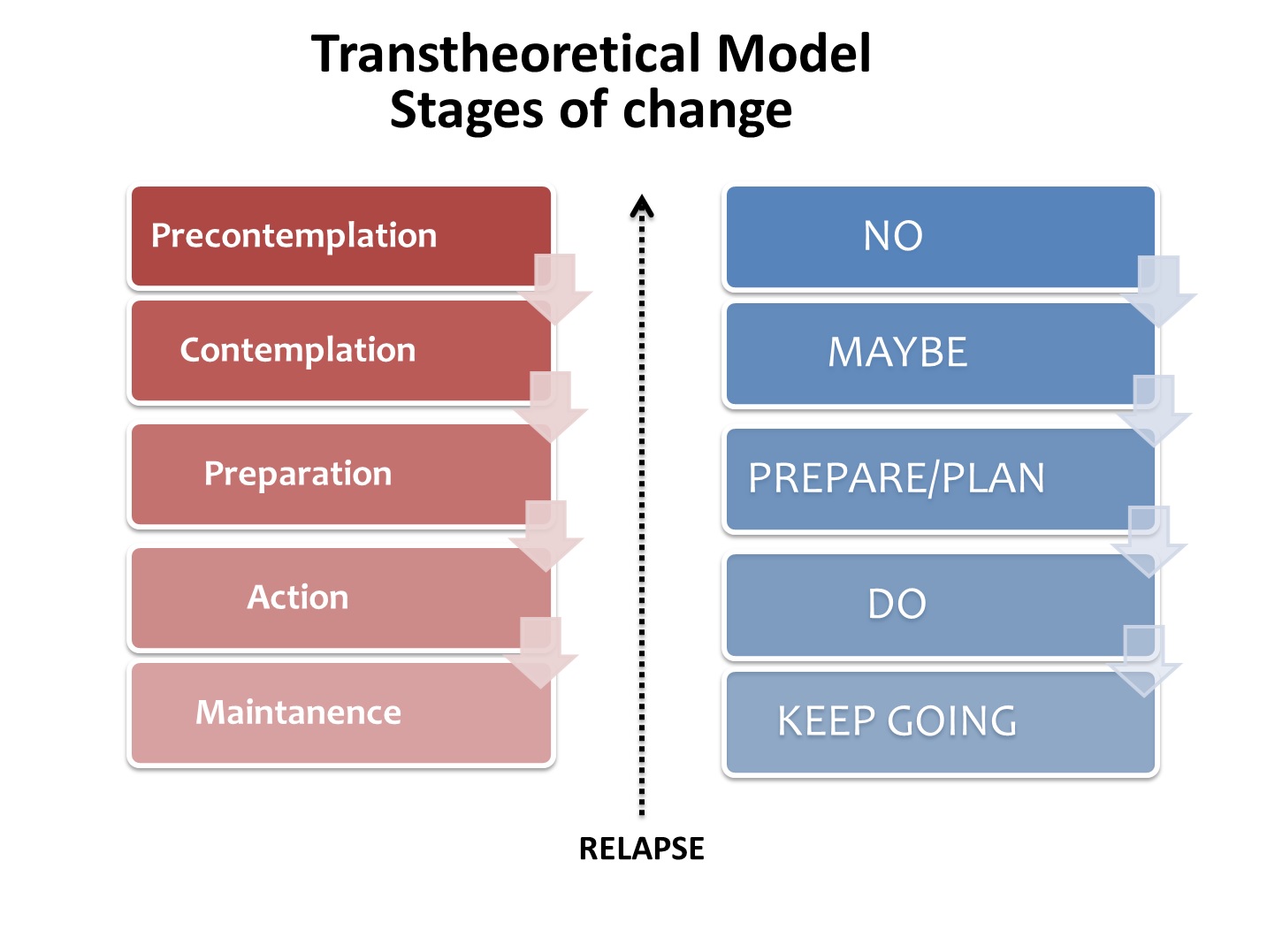
How do human beings actually change? It’s almost never a sudden light switch; it’s a staircase. The Transtheoretical Model of Change outlines stages a client progresses through when modifying high-risk behaviors. You have to know exactly which step of the staircase your client is standing on.
| Stage | The Reality of the Client |
|---|---|
| Precontemplation | The client is sitting at the bottom of the stairs. This stage involves no intention to alter the high-risk behavior in the near future. They simply do not view their behavior as a problem. |
| Contemplation | They look up at the stairs. The Contemplation stage of behavior change is characterized by the client recognizing a behavior problem. Crucially, clients in the Contemplation stage intend to change the high-risk behavior within the next six months. They are thinking about it, but haven't acted yet. |
| Preparation | They put their hand on the railing. The Preparation stage involves the client taking small steps toward behavior change, like looking up a gym membership or buying nicotine patches. |
| Action | They are climbing! The Action stage requires active modification of behavior or environment to overcome a problem. This is the hardest work. |
| Maintenance | They stay at the top. The Maintenance stage involves sustained action to prevent relapse of the high-risk behavior. It's about building long-term resilience. |
The Art of Motivational Interviewing
To help a client move up these stairs, we use a brilliant technique called motivational interviewing. If you tell a client exactly what to do, human nature dictates they will resist. Instead, motivational interviewing relies on open-ended questions to elicit the client's own reasons for change. You hold up a mirror.
By avoiding yes/no questions and letting them talk, motivational interviewing helps clients explore personal ambivalence regarding behavior change. We want them to realize their habits are conflicting with their life goals.
Why do we see so many high-risk behaviors in teenagers? It's all about how the brain is wired. You can think of the adolescent brain as a high-performance sports car with a massive engine but faulty brakes. Biologically, adolescents are more likely to engage in risk-taking behaviors due to ongoing development of the prefrontal cortex (the rational, consequence-weighing part of the brain).
On top of this biological reality, social forces are peaking. Adolescence is a developmental period characterized by increased vulnerability to peer pressure. Because of this unique, high-risk setup, we don't use standard adult screening tools for teenagers. Instead, the CRAFFT questionnaire is specifically designed to screen adolescents for substance-related risks (Car, Relax, Alone, Forget, Friends, Trouble). It perfectly captures the risky environments teenagers navigate.
Let's talk about socially accepted toxins. With alcohol, what exactly constitutes "too much"? It differs based on human biology and metabolism.
Binge Drinking Defined: Binge drinking for men is defined as consuming five or more alcoholic drinks on a single occasion. Binge drinking for women is defined as consuming four or more alcoholic drinks on a single occasion.
How do we catch hidden drinking problems? We have two primary tools:
- The AUDIT tool assesses alcohol consumption patterns to identify harmful drinking behaviors. It looks at the big picture of a client's drinking habits and the harm it causes.
- For a rapid, incisive look into dependence, we use CAGE. The CAGE questionnaire is a widely used screening tool for detecting alcohol dependence.
Let's break down this acronym, because it's brilliantly simple:
- C - Have you ever felt you should Cut down on your drinking?
- A - Have people Annoyed you by criticizing your drinking?
- G - Have you ever felt bad or Guilty about your drinking?
- E - Have you ever had a drink first thing in the morning to steady your nerves (an Eye-opener)?
The letters in the CAGE acronym stand for Cut down, Annoyed, Guilty, and Eye-opener. And remember the threshold: a score of two or more affirmative answers on the CAGE questionnaire indicates clinically significant alcohol abuse.
Tobacco and Vaping
Moving to tobacco, the statistics are staggering. Pure and simple, tobacco use is the leading preventable cause of morbidity and mortality in the United States. When helping clients quit, we systematically use a targeted framework: The Five A's model for smoking cessation includes Ask, Advise, Assess, Assist, and Arrange.
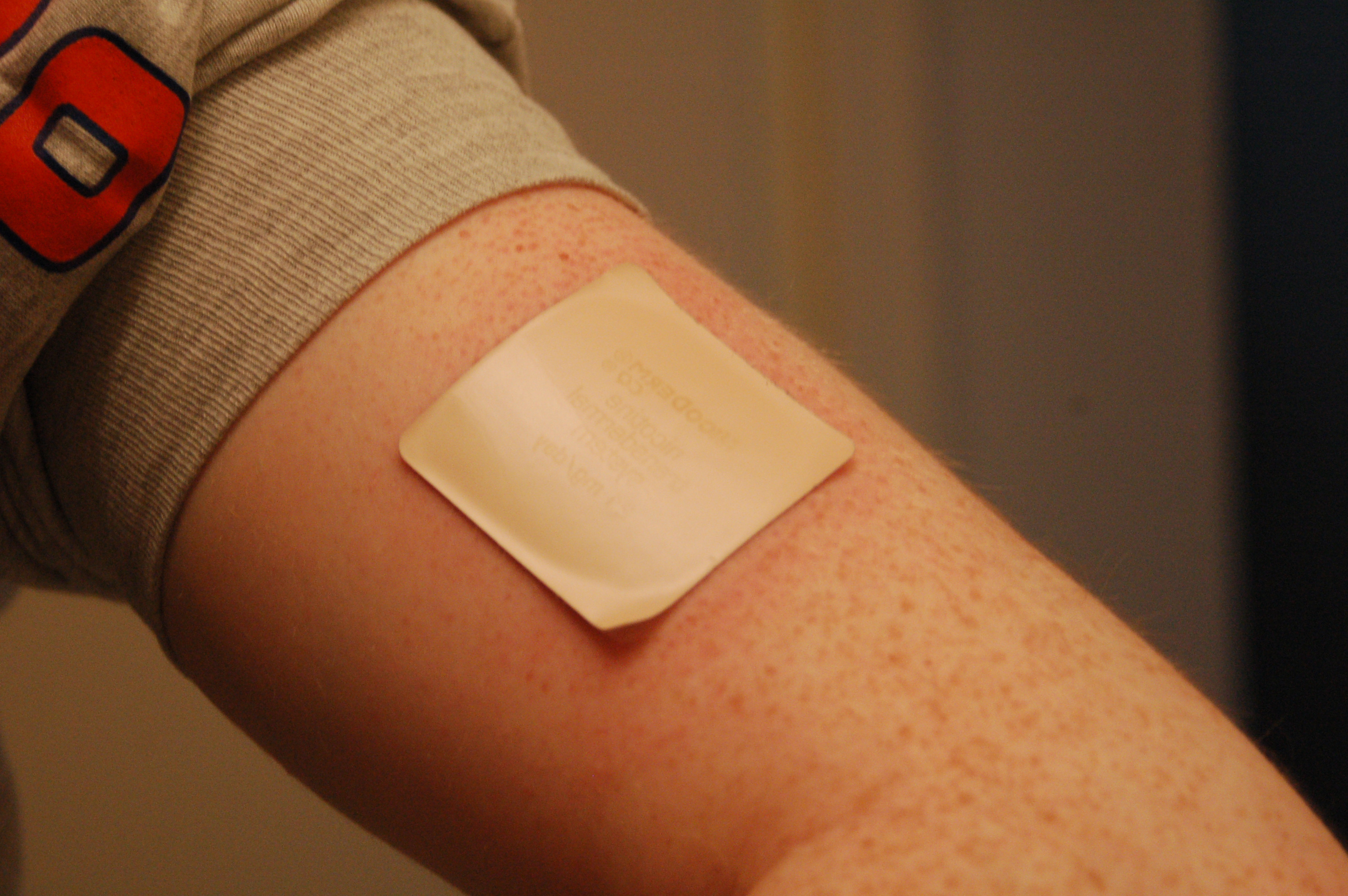
Because nicotine withdrawal is fiercely physical, willpower alone often fails. This is where nicotine replacement therapies help reduce withdrawal symptoms during smoking cessation.
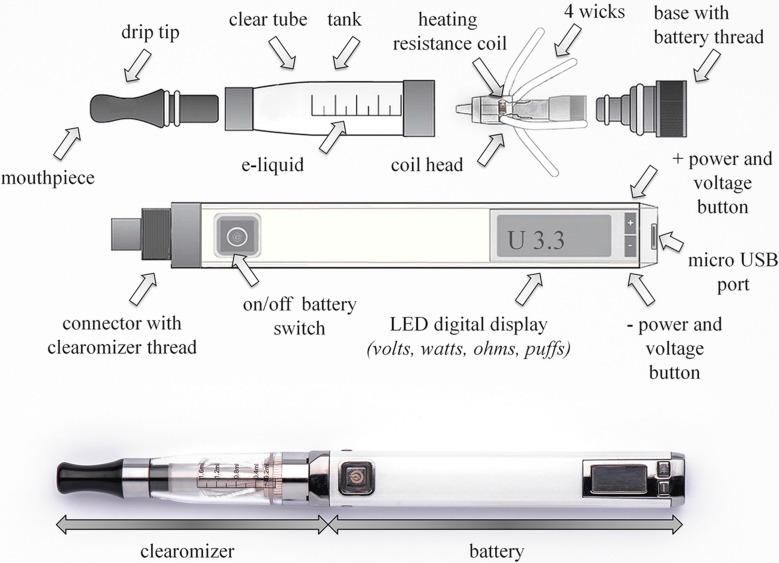
And what about the modern twist—e-cigarettes? Don't let the fruity flavors fool your clients into thinking it's safe. Vaping introduces aerosolized chemicals into the lungs that can cause severe respiratory tissue damage. It is absolutely not "just harmless water vapor."
Sometimes, despite our best efforts, clients are not ready to stop using hard drugs. Does that mean we give up on them? Absolutely not! This is where we pivot our strategy.
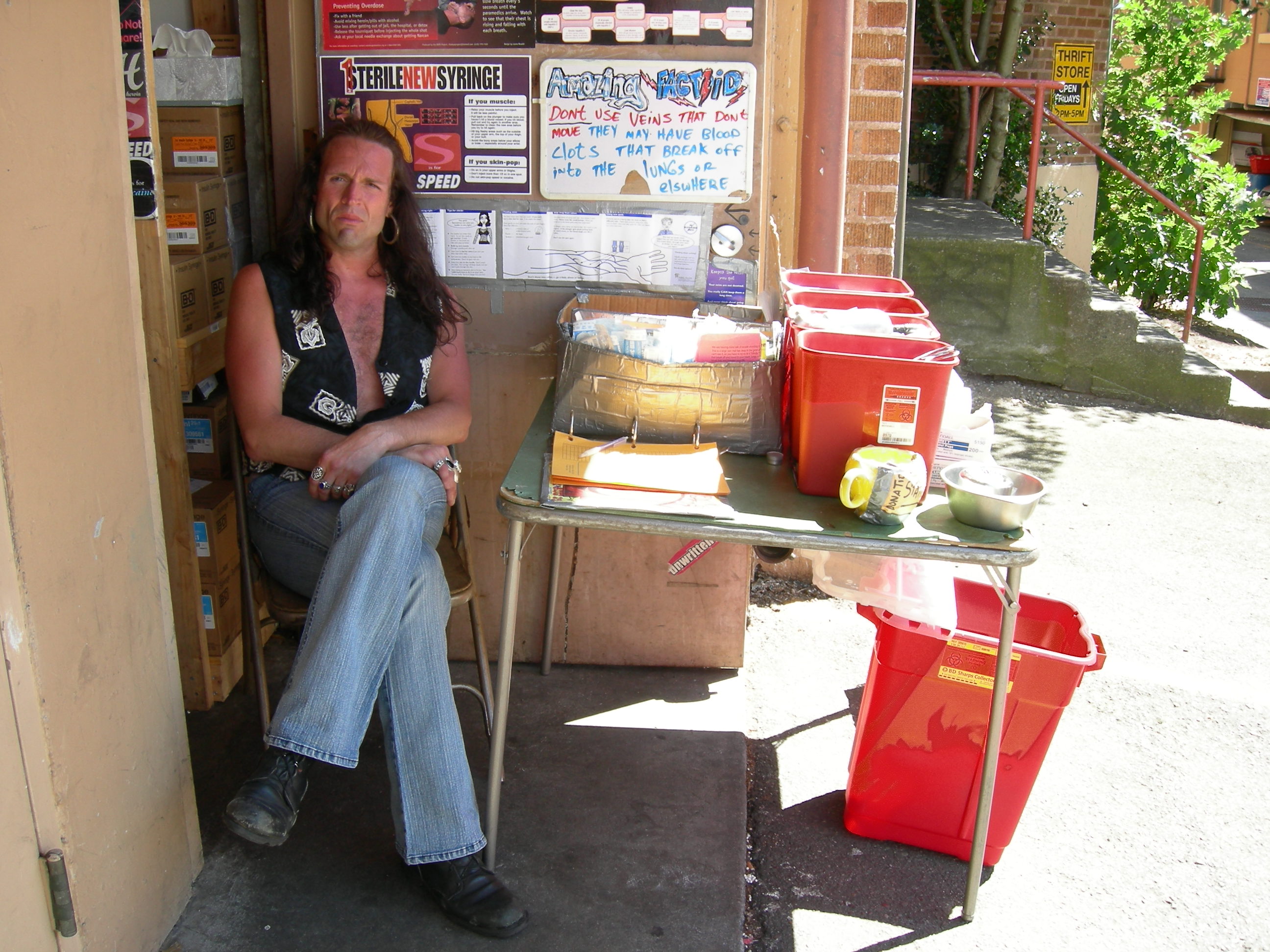
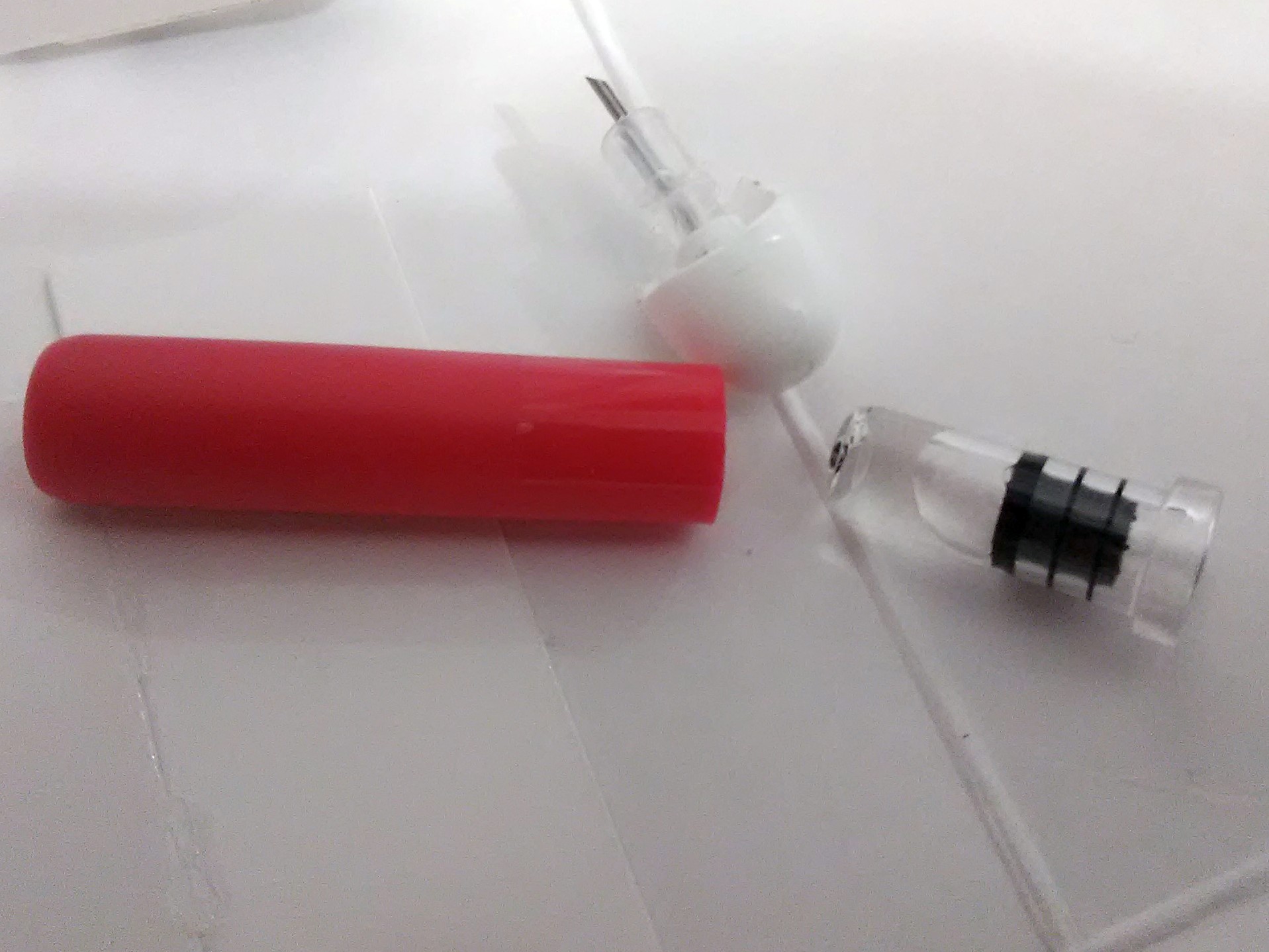
Harm reduction strategies focus on minimizing the negative consequences of risky behaviors rather than demanding immediate abstinence.
It’s the pragmatic, life-saving approach. For example, injection drug use is incredibly dangerous. Physiologically, intravenous drug use significantly increases the risk of acquiring bloodborne infections like Hepatitis C, and it is a primary transmission route for the Human Immunodeficiency Virus.
So, what is the harm reduction move? Needle exchange programs reduce the transmission of bloodborne pathogens among intravenous drug users. We provide clean syringes so a drug addiction doesn't turn into a fatal infectious disease.
With opioids, the margin of error between a high and respiratory arrest is frighteningly thin. Naloxone is an opioid antagonist used to rapidly reverse the effects of an opioid overdose. It literally kicks the opioids off the receptors in the brain. But opioids aren't just a street problem; they are a medicine cabinet problem. We must educate the public that prescription opioid sharing among family members increases the risk of accidental overdose. What is safe for one family member's pain tolerance could be lethal to another.
When a client is ready to walk away from substances, they need a tribe. Peer support groups provide social reinforcement that aids in maintaining sobriety. Humans are social creatures; we heal best in communities.
Let's talk about barriers—both physical and pharmacological.
For sexual health, the physical barrier is straightforward. Consistent and correct condom use significantly reduces the risk of transmitting sexually transmitted infections. But we now live in an era of biological shields, too! For viruses like HPV, Human Papillomavirus vaccines prevent infections that can lead to cervical and oropharyngeal cancers. It's literally a vaccine that prevents cancer! For HIV, we have a pharmacological fortress: Pre-exposure prophylaxis (PrEP) is a daily medication regimen used to prevent HIV infection in high-risk individuals.
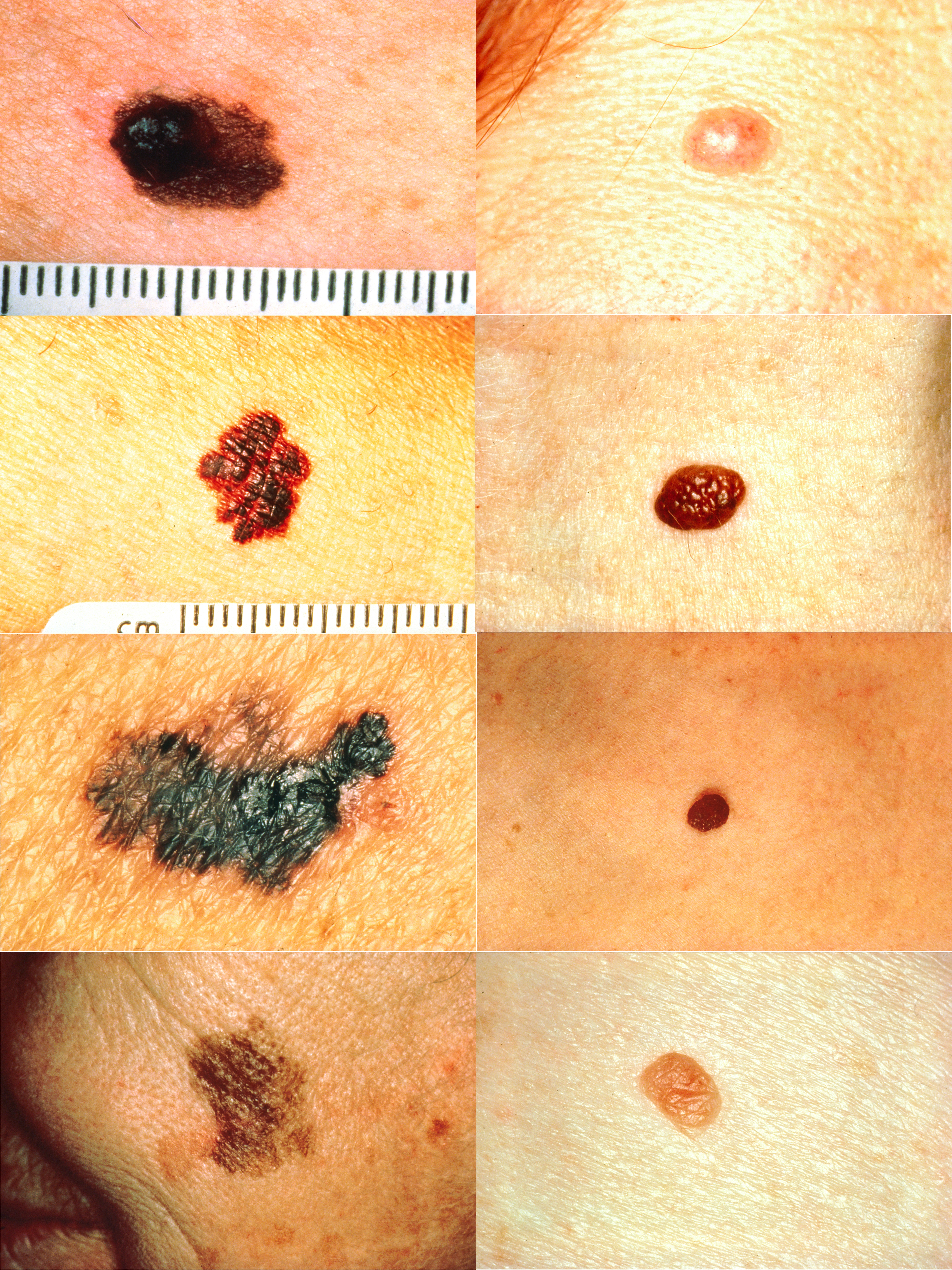
What about shielding our outer layer? Our skin is bombarded by radiation. Tanning bed use significantly increases the risk of developing melanoma. To fight this, sunscreen with a Sun Protection Factor (SPF) of 30 or higher reduces the risk of ultraviolet radiation-induced skin damage. It's basic physics—blocking the photons before they can mutate the cellular DNA.
The human body is an engine built for motion, but modern society glues us to chairs. The consequences are dire. A sedentary lifestyle increases the risk of developing cardiovascular disease. Furthermore, a sedentary lifestyle is an independent risk factor for the development of type 2 diabetes mellitus. You don't even need other risk factors; chronic inactivity alone is enough to break your cellular insulin sensitivity.
So what's the minimum dose of movement to keep the engine running smoothly? The World Health Organization recommends at least 150 minutes of moderate-intensity aerobic physical activity per week for adults.
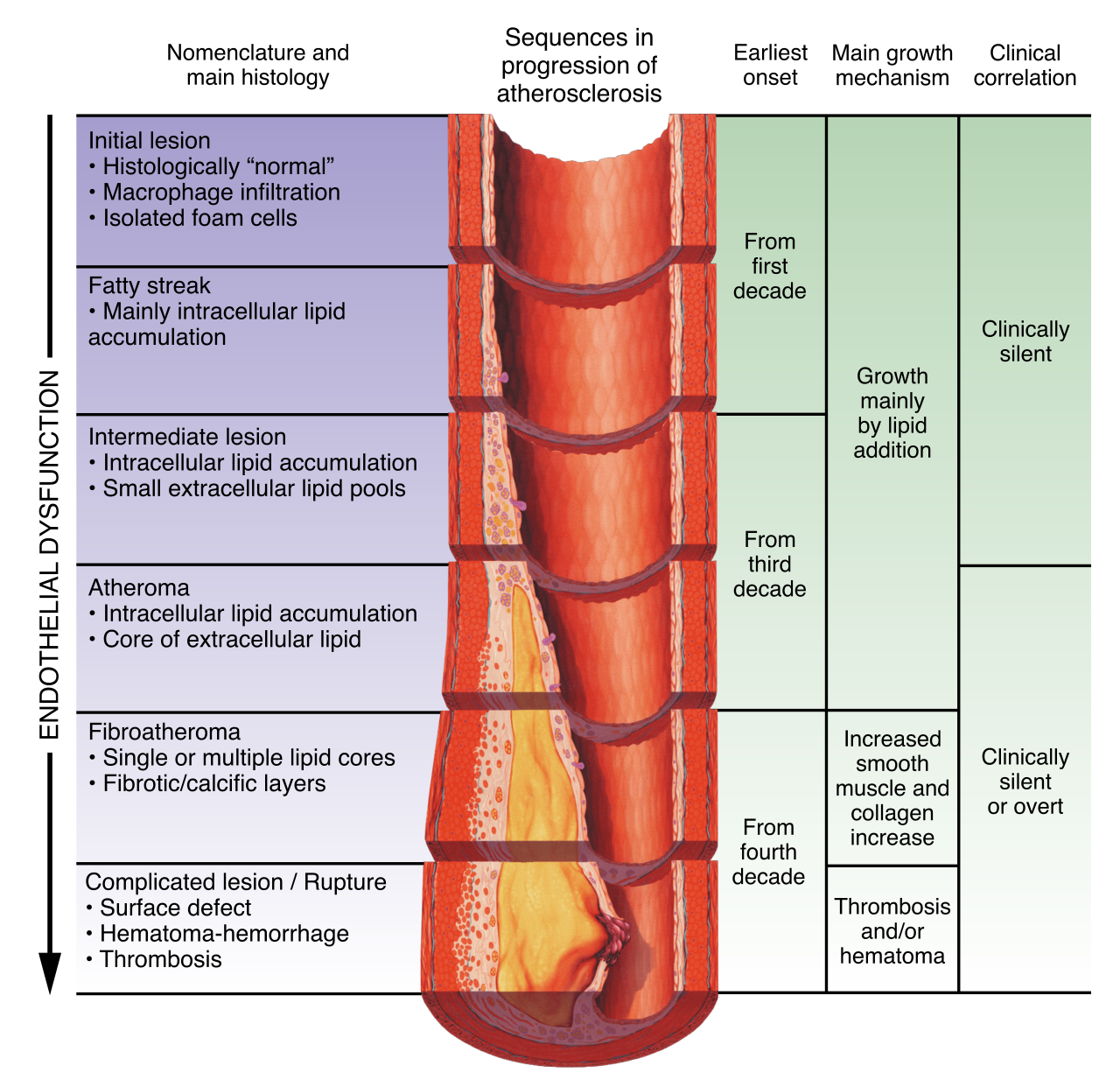
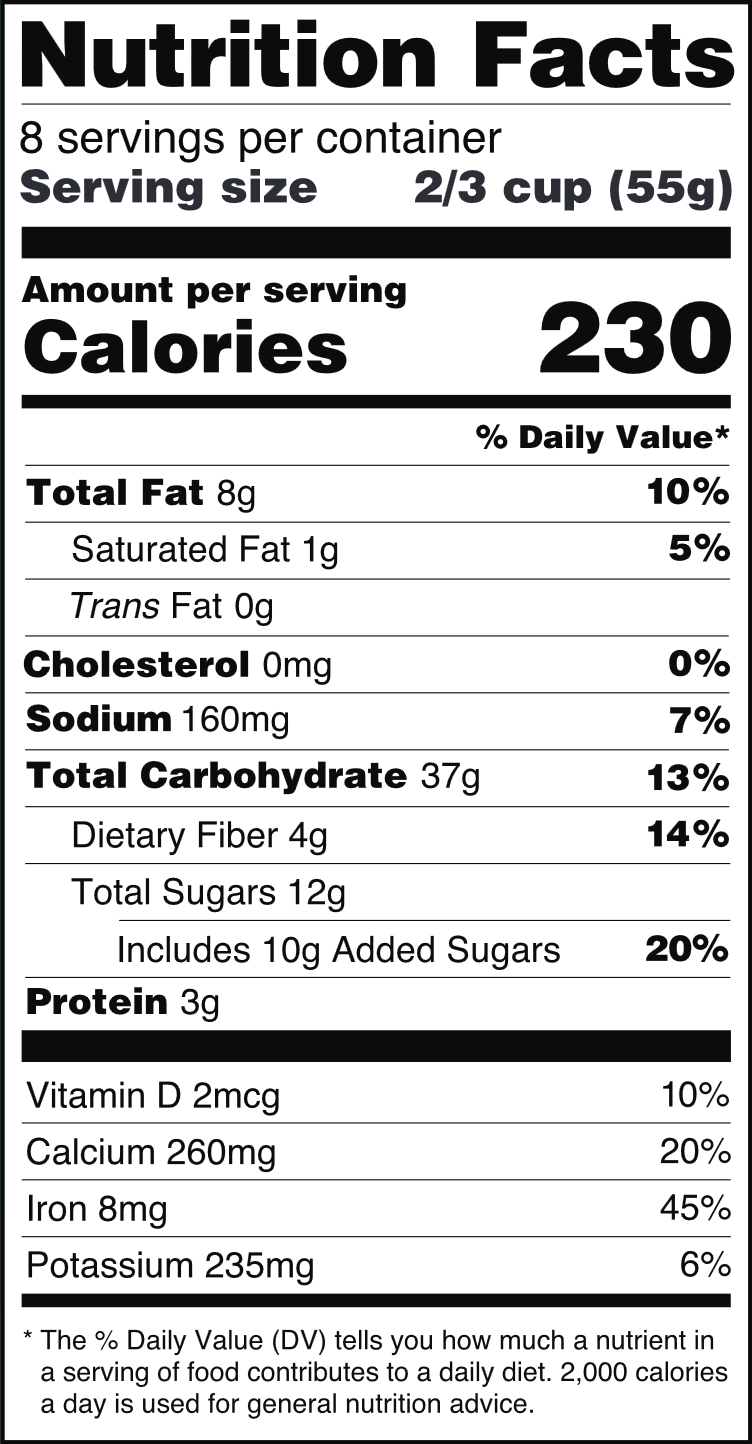
Now, let's look at the fuel we put into the engine. Our modern diets are destroying our plumbing. Excessive sodium intake is directly correlated with the development of primary hypertension—it pulls water into the vessels, drastically cranking up the pressure. Meanwhile, poor dietary habits high in saturated fats contribute to the development of atherosclerosis, clogging the pipes with dangerous plaque. The solution? Knowledge. Educating clients on reading nutritional labels empowers them to make healthier dietary choices.
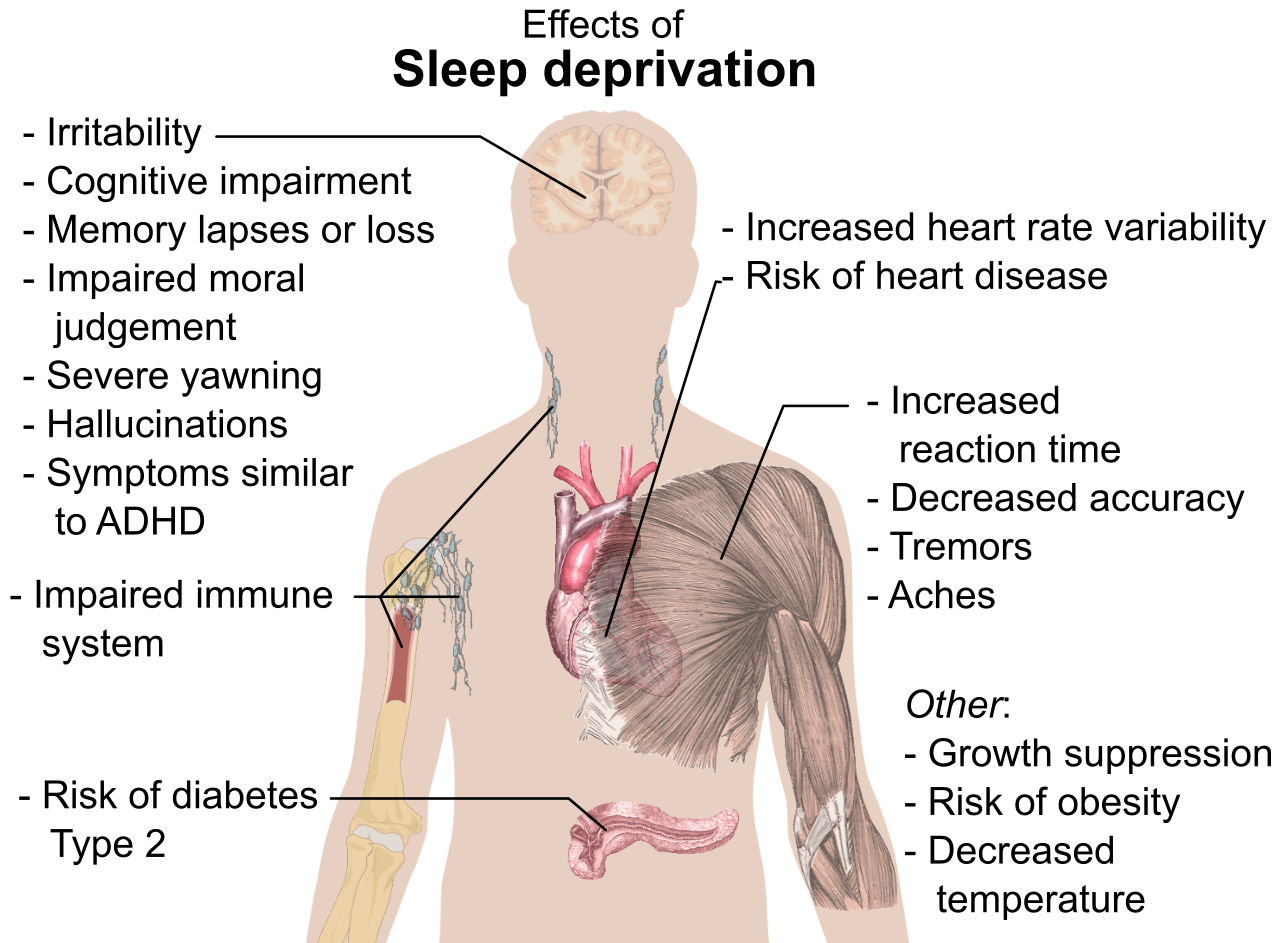
Finally, we must let the engine cool down. Sleep is not a luxury; it is biological maintenance. Chronic sleep deprivation increases the risk of developing metabolic syndrome. Your endocrine system goes entirely haywire. From a safety perspective, a sleepy brain is a dangerous brain. Operating heavy machinery while fatigued poses a safety risk comparable to mild alcohol intoxication.
Finally, we must protect the body from sudden physical trauma. The laws of physics are unforgiving when two objects meet at high speeds.
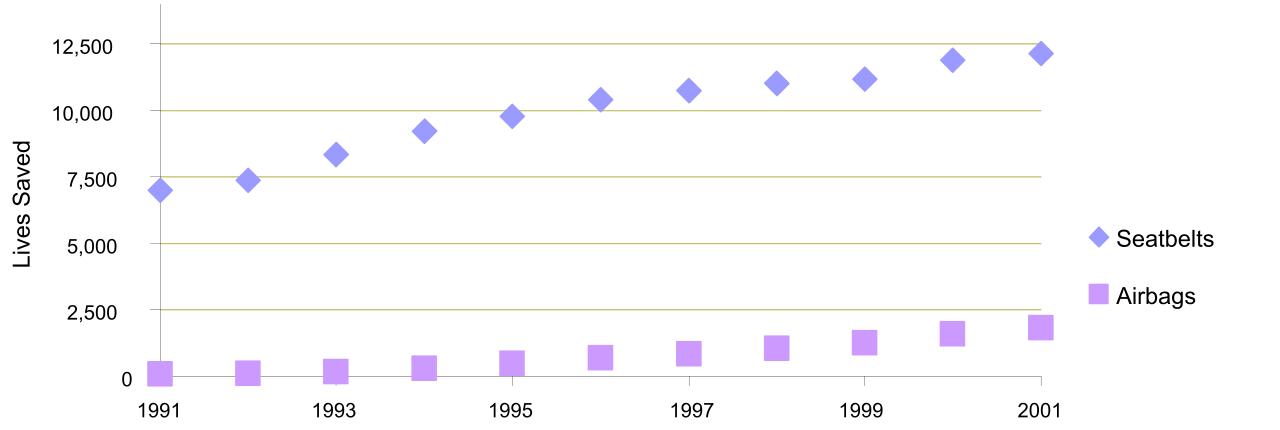
Distraction is deadly: texting while driving impairs cognitive focus and increases motor vehicle collision risk. If a crash does happen, physics demands restraint. The use of safety belts reduces the risk of fatal injury to front-seat passenger car occupants by 45 percent.
Inside the home, a major kinetic danger comes from firearms. The rules here are purely about preventing accidental discharge, especially around children. Storing firearms unloaded in a locked safe reduces the risk of accidental firearm injuries in the home. Furthermore, to completely break the chain of a potential accident, storing firearm ammunition in a separate locked container from the firearm minimizes the risk of accidental injury.
The Bottom Line
When you are taking the NCLEX—and more importantly, when you are standing in front of a patient—remember that high-risk behaviors are not moral failings; they are human puzzles. Assess their readiness, use the right screening tools, apply harm reduction when needed, and empower them with the knowledge to run their human machine beautifully.