Lifestyle Choices
Not sure you’re ready?
Take the ~3-minute readiness diagnostic and see where you stand.
The Mechanics of Human Life: Lifestyle, Sexuality, and Contraception
Welcome to the grand laboratory of the human experience! When we look at nursing, we aren’t just looking at isolated cells or detached physiological systems—we are looking at people. People who make choices, who possess desires, and who interact with the world around them.
To be a truly brilliant nurse, you must understand the machinery of human behavior just as well as you understand the machinery of the heart or the kidneys. We are going to explore how we live, how we love, and how we control the phenomenal biological machinery of reproduction. Let’s dive right in!
Think of the human cardiovascular system as a magnificent engine. What is the fastest way to ruin an engine? Let it sit idle.
A sedentary lifestyle is a major modifiable risk factor for cardiovascular disease. We have the power to change this, and the American Heart Association recommends at least 150 minutes of moderate-intensity aerobic exercise per week to keep the pipes clear and the pump strong.
We also have to look at what we are putting into the fuel tank. When it comes to alcohol, moderation is the strict rule of chemistry. Daily alcohol consumption exceeding one drink for women increases the risk of adverse health outcomes, and similarly, daily alcohol consumption exceeding two drinks for men increases the risk of adverse health outcomes.
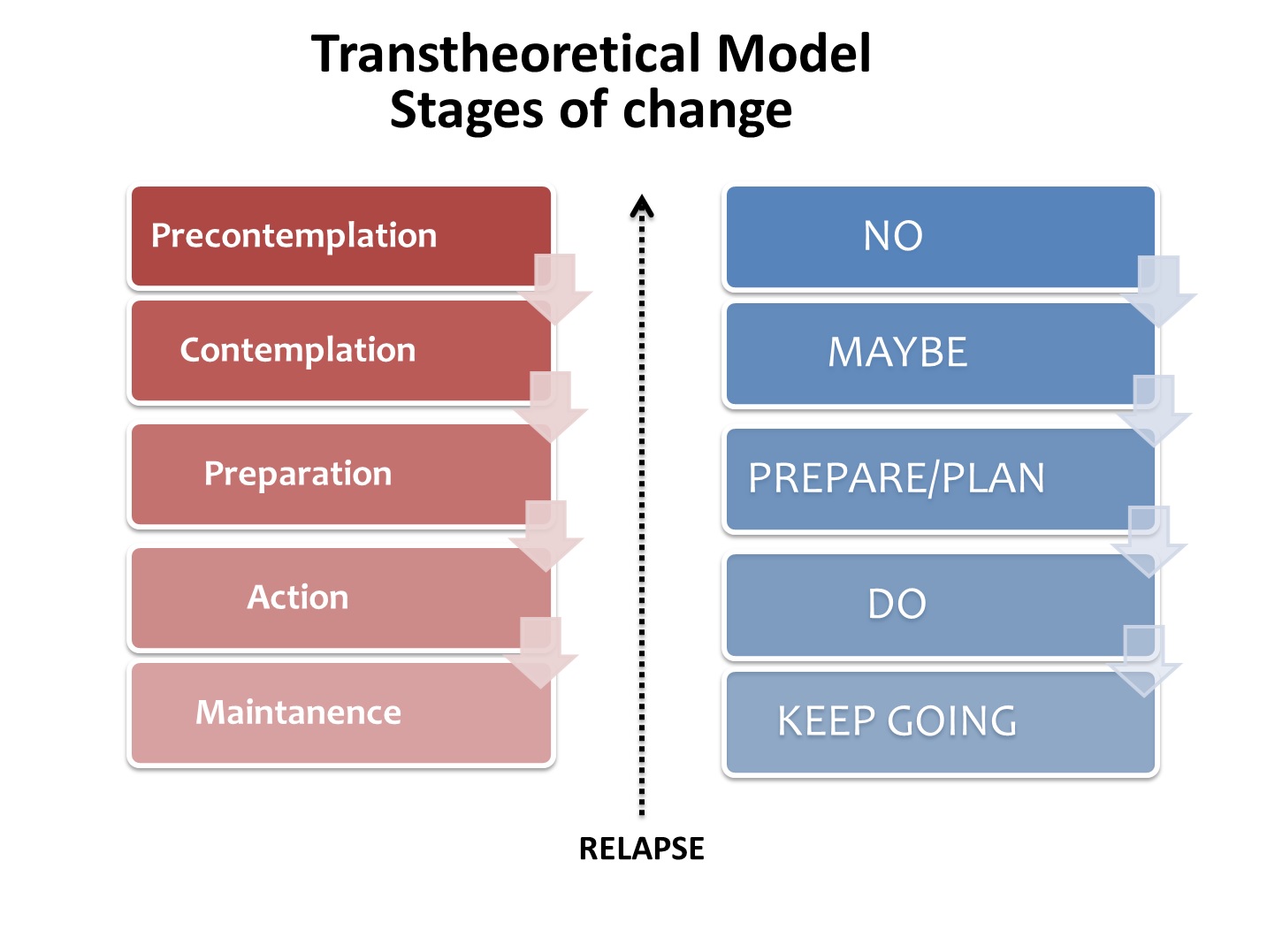
But how do we actually get patients to alter their habits? You can't just shout at a person to stop smoking and expect it to work! You have to understand the physics of human motivation. Assessing readiness to change is the first step in promoting lifestyle modifications. We map this process using a specific framework: the Transtheoretical Model of Change guides nursing interventions for smoking cessation (and other habit changes), moving the patient smoothly from pre-contemplation all the way to maintenance.
People love to tinker with their own biology using nature's chemistry set. As a nurse, you must remember a crucial fact: herbal supplements lack standardized regulation by the Food and Drug Administration. Because patients often view these as "just tea" or "just vitamins," they won't tell you about them unless you pry. Therefore, nurses must explicitly ask clients about the use of over-the-counter herbal supplements during medication reconciliation.
Why? Because alternative therapies must be evaluated for potential adverse interactions with prescribed allopathic medications. Sometimes, these natural chemicals crash right into our pharmaceuticals!
The Herbal Chemistry Set
Let's look at the specific herbal interactions you absolutely must know:
| Supplement | The Clinical Consequence |
|---|---|
| Ginkgo biloba | Increases the risk of bleeding when taken with anticoagulant medications. |
| Ginseng | Interacts negatively with anticoagulant medications, amplifying bleeding risks. |
| Garlic | Increases bleeding risk during surgical procedures. (Always halt this before the OR!) |
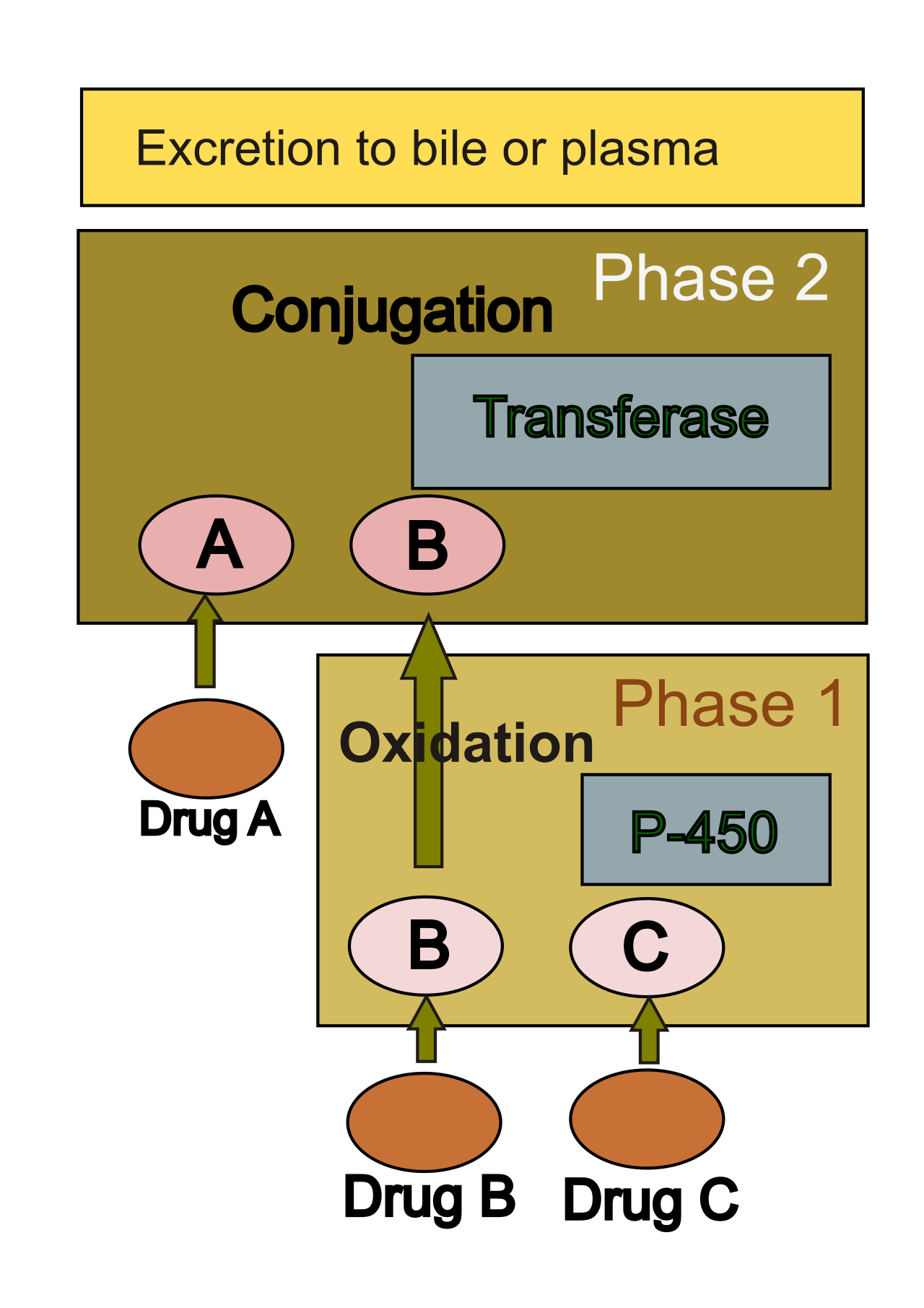
| St. John’s wort | Decreases the effectiveness of oral contraceptives. It revs up the liver's metabolic enzymes, clearing the birth control right out of the blood! |
| Kava kava | Supplements carry a high risk for hepatotoxicity. It is incredibly harsh on the liver. |
| Black cohosh | An alternative therapy commonly used to treat menopausal hot flashes. |
Physical Alternative Therapies
Beyond the chemistry set, patients manipulate their physical machinery:
- Acupuncture is an alternative therapy involving the insertion of thin needles into specific body points. Because it breaks the skin barrier, acupuncture carries a risk of infection from unsterilized needles.
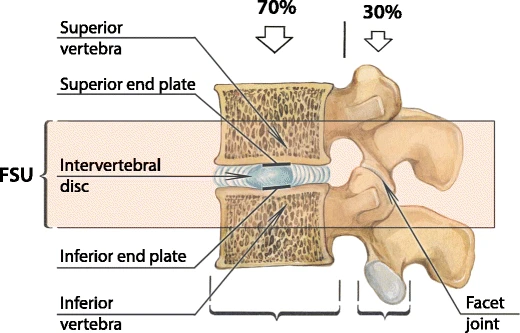
- Chiropractic therapy involves manual adjustment of the spine. While helpful for some musculoskeletal pain, it requires structural integrity. Chiropractic therapy is contraindicated in clients with bone infections and is contraindicated in clients with spinal fractures. You cannot apply manual force to a compromised scaffolding!
Sexuality is a fundamental part of the human operating system, yet it is highly sensitive to both emotional and physical disruptions.
How do we even begin to assess it? We use structured, elegant communication. The PLISSIT model is an assessment tool used to discuss sexuality with clients (Permission, Limited Information, Specific Suggestions, Intensive Therapy). By asking open-ended questions, it facilitates nonjudgmental assessment of sexual practices, giving the patient the psychological safety to tell you what is really going on.
When the machinery of sexuality falters, we have to play detective. Often, the culprit is the very medicine we prescribed, or a chronic disease!
- Medication Side Effects: Selective serotonin reuptake inhibitors (SSRIs) commonly cause decreased libido and commonly cause delayed orgasm. Furthermore, antihypertensive medications frequently cause erectile dysfunction in male clients. We fix their blood pressure, but we compromise blood flow to other critical areas!
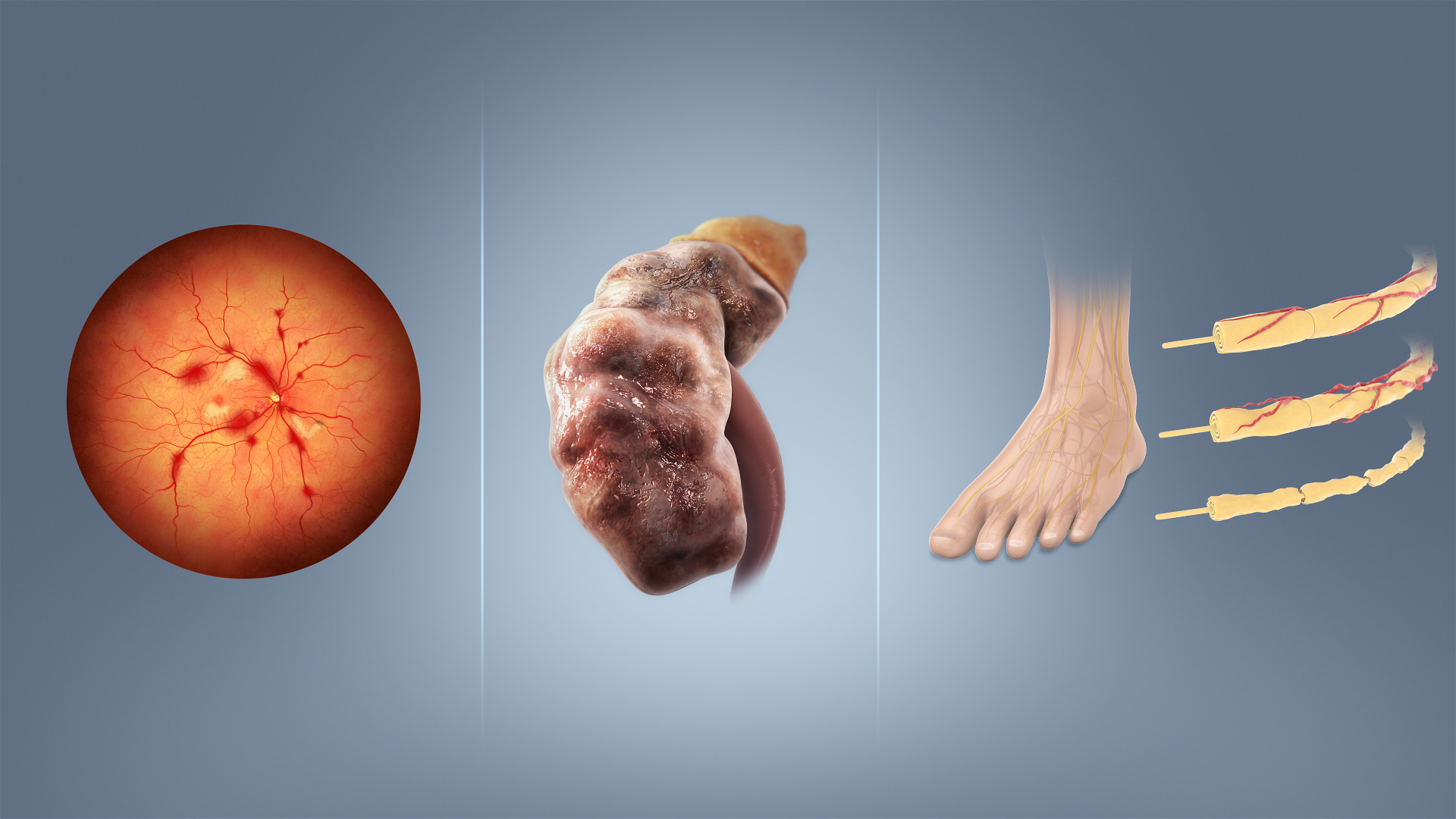
- Chronic Disease: Diabetes mellitus causes neuropathy leading to sexual dysfunction. The high glucose damages the delicate nerve fibers necessary for sexual arousal.
- Aging: Age-related vaginal dryness causes dyspareunia (painful intercourse) in older adult females. The simple, elegant solution? Water-soluble lubricants relieve vaginal dryness associated with menopause.
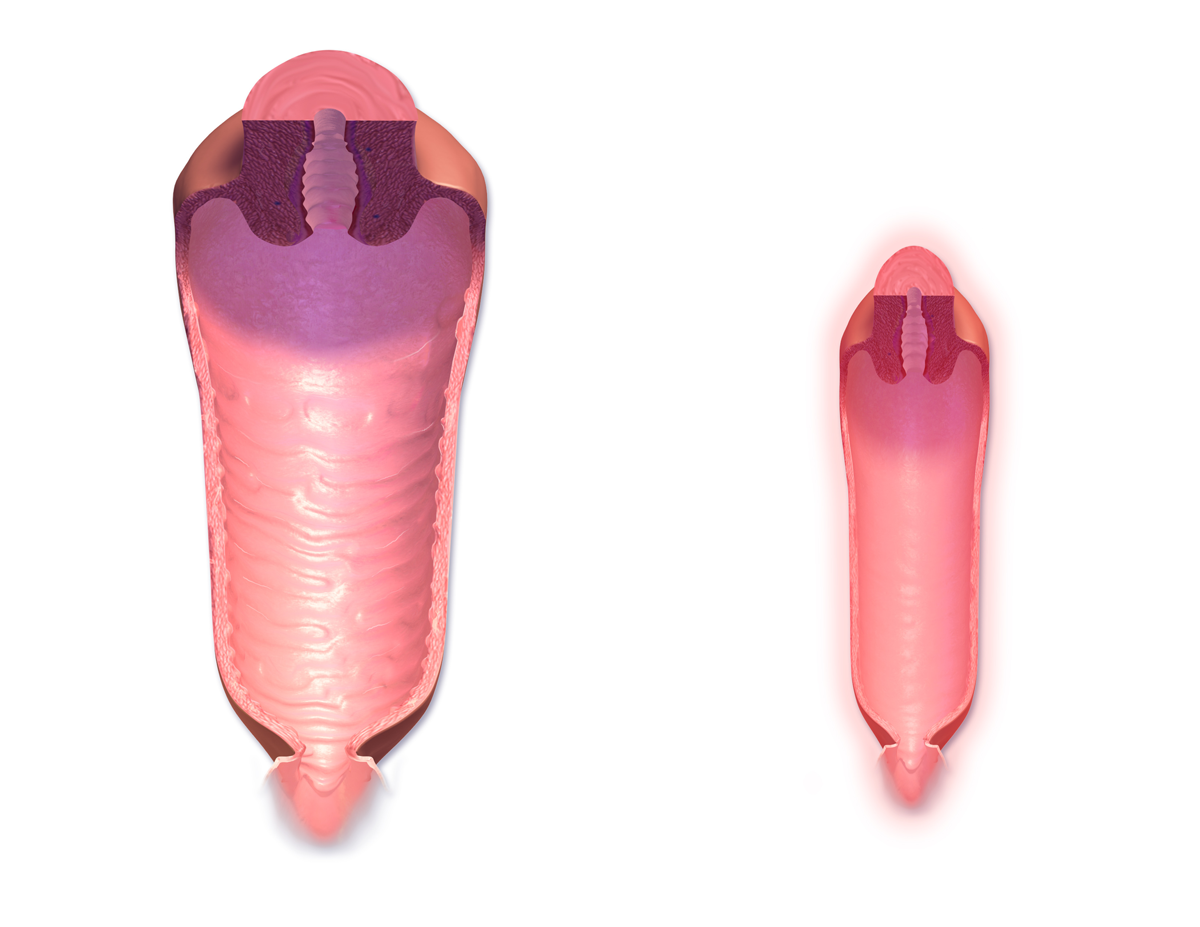
Family planning is simply applied biology. We are attempting to block, outsmart, or disable the reproductive cascade. Let's look at the tools in our arsenal.
1. The Hormonal Blockades (Estrogen & Progestin)
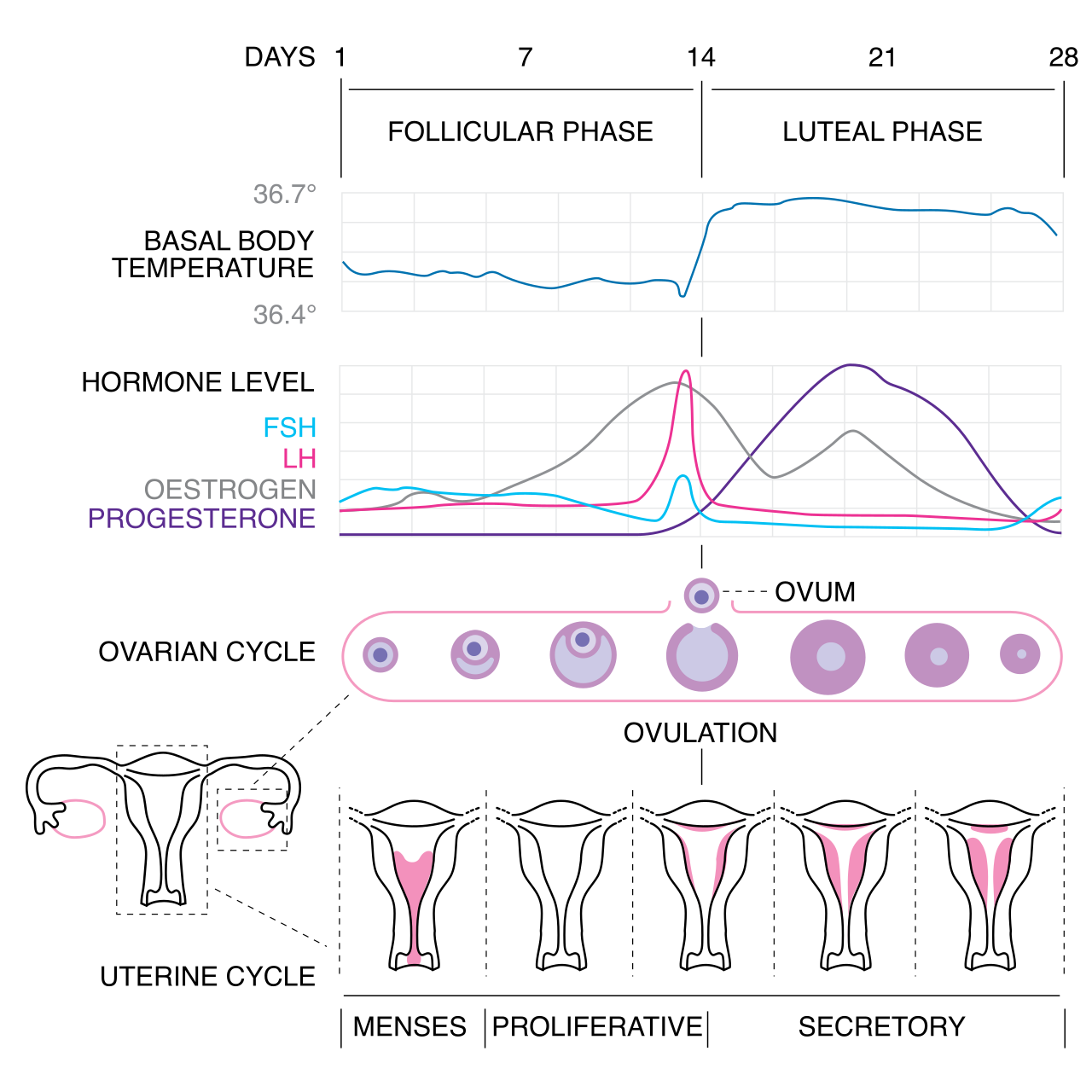
By introducing exogenous hormones, we trick the brain into thinking the body is already pregnant, shutting down ovulation.
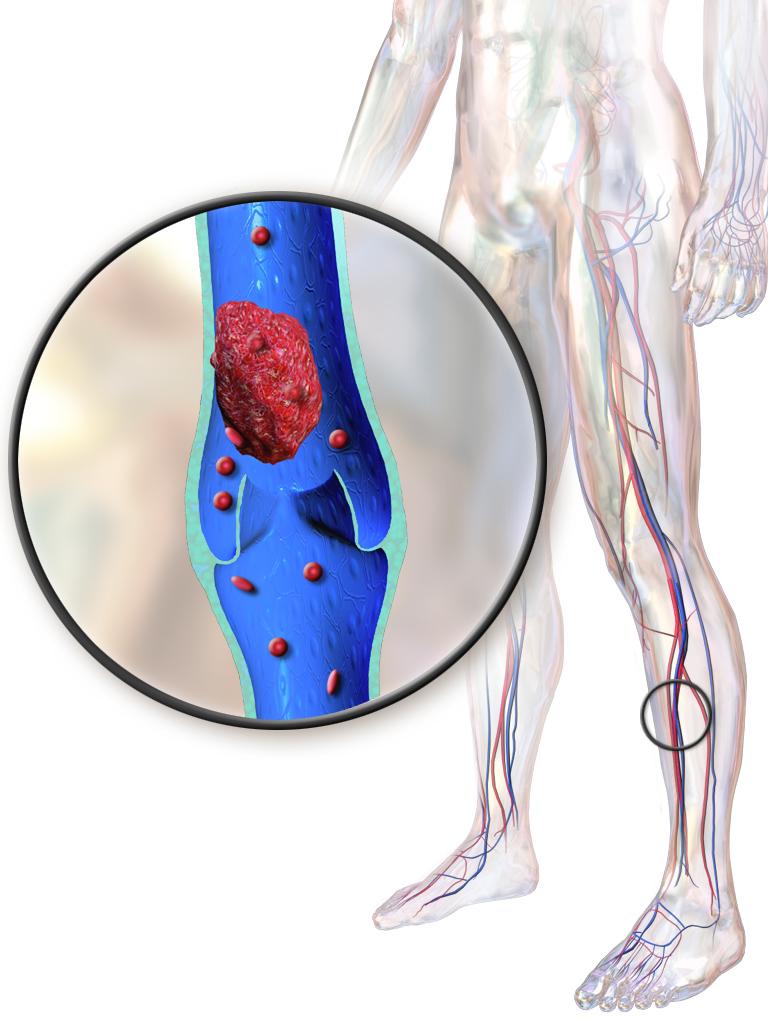
WARNING: The Dangers of Estrogen Estrogen is brilliant, but it alters the coagulation cascade. Estrogen-containing contraceptives increase the risk of venous thromboembolism.
Because of this clotting risk, there are absolute dealbreakers. Smoking cigarettes is an absolute contraindication for combined oral contraceptive use in women older than 35 years. Combining the vascular damage of smoking with the clotting risk of estrogen is a recipe for a stroke. Furthermore, a history of deep vein thrombosis is a contraindication for estrogen-containing contraceptives.
We also avoid estrogen if we suspect hormone-driven cancers or undiagnosed issues. A history of breast cancer is an absolute contraindication for estrogen-containing contraceptives, and unexplained abnormal vaginal bleeding is an absolute contraindication for hormonal contraceptive use. We must know what is bleeding before we throw hormones at it!
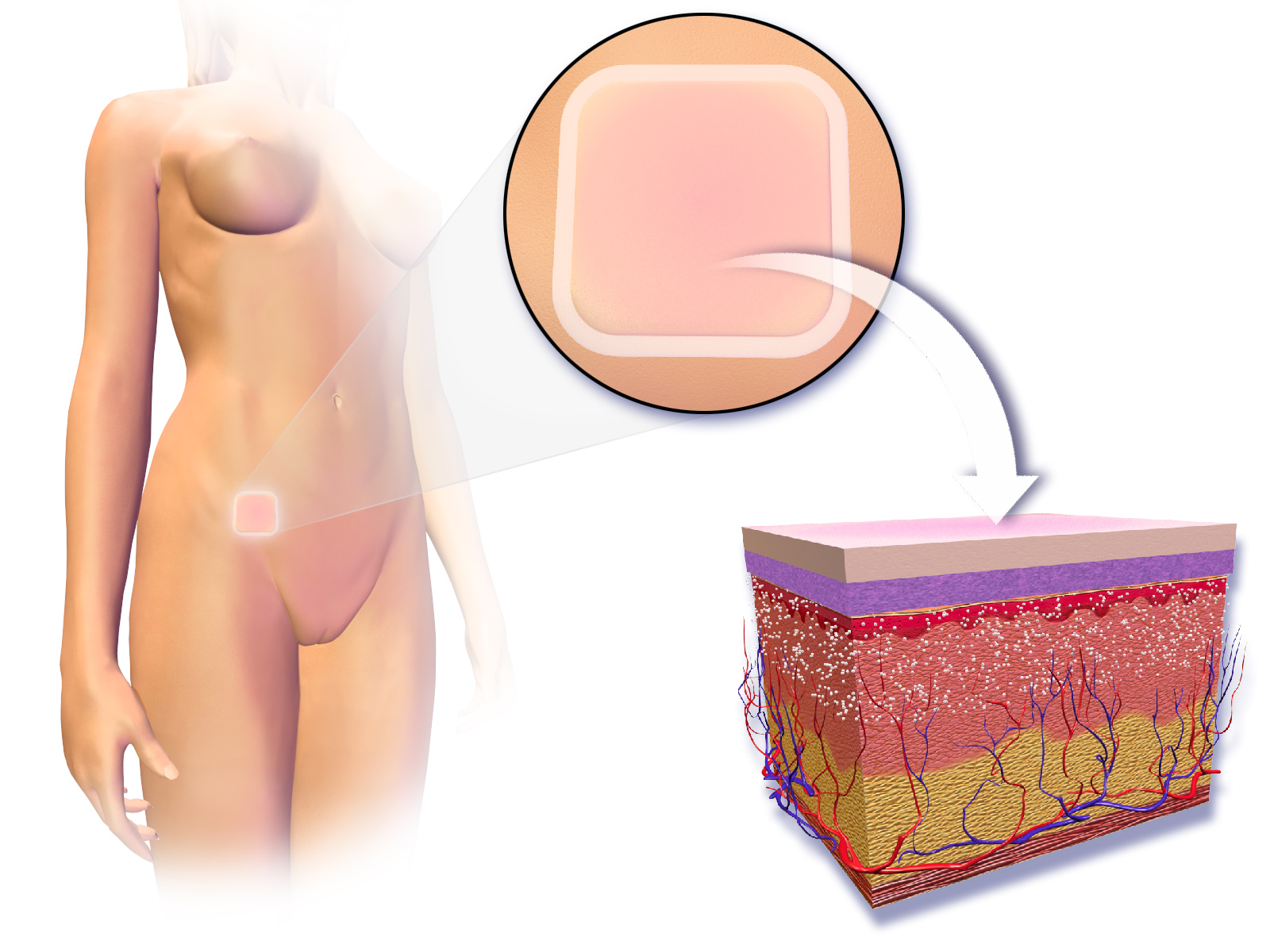
A quick note on the patch: Transdermal contraceptive patches have reduced efficacy in clients weighing more than 198 pounds. The drug distribution simply cannot cover the increased adipose tissue volume adequately.
2. The Progestin-Only Alternatives
When estrogen is too dangerous, we turn to progestin. Progestin-only pills are the preferred oral contraceptive for breastfeeding clients because they don't suppress milk production. However, there is no margin for error! Progestin-only pills must be taken at the exact same time every day to maintain contraceptive efficacy.
If the patient cannot remember a daily pill, we have long-acting chemical delivery systems:
- Depot Injections: Medroxyprogesterone acetate injections are administered every eleven to thirteen weeks for contraception. But watch out—prolonged use of medroxyprogesterone acetate injections causes a decrease in bone mineral density. To protect the skeletal scaffolding, adequate calcium intake is required for clients receiving medroxyprogesterone acetate injections, and adequate vitamin D intake is required to absorb that calcium!
- Implants: Implantable progestin rods provide continuous contraception for up to three years. Put it in the arm, and the machinery takes care of the rest.
3. Intrauterine Devices (IUDs)
IUDs create a hostile environment for sperm right inside the uterus.
- Copper intrauterine devices provide contraception for up to ten years. No hormones, just purely hostile copper ions!
- Levonorgestrel-releasing intrauterine devices provide contraception for up to eight years. These are brilliant because the hormonal intrauterine devices thicken cervical mucus to prevent sperm penetration, creating a literal physical blockade.
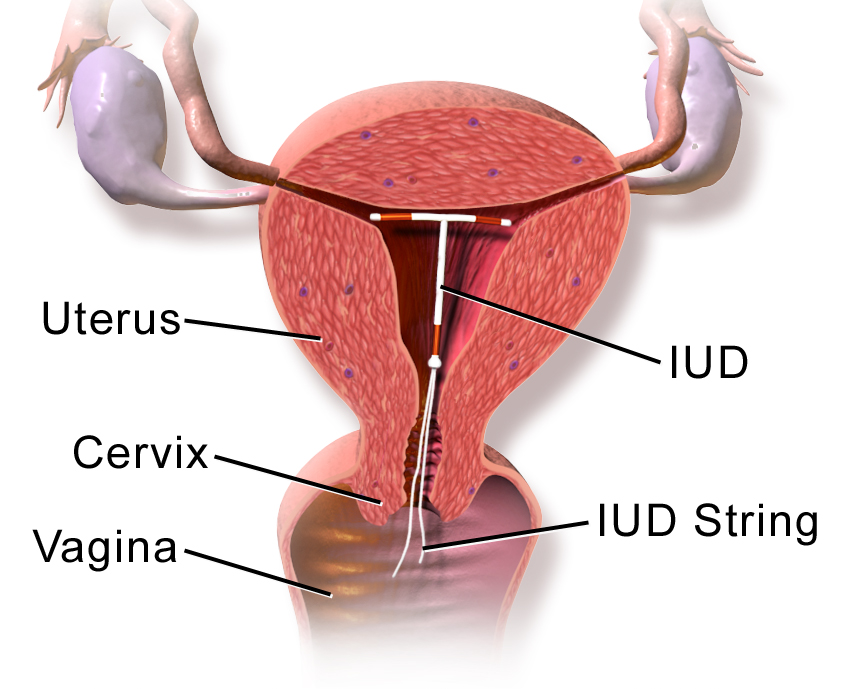
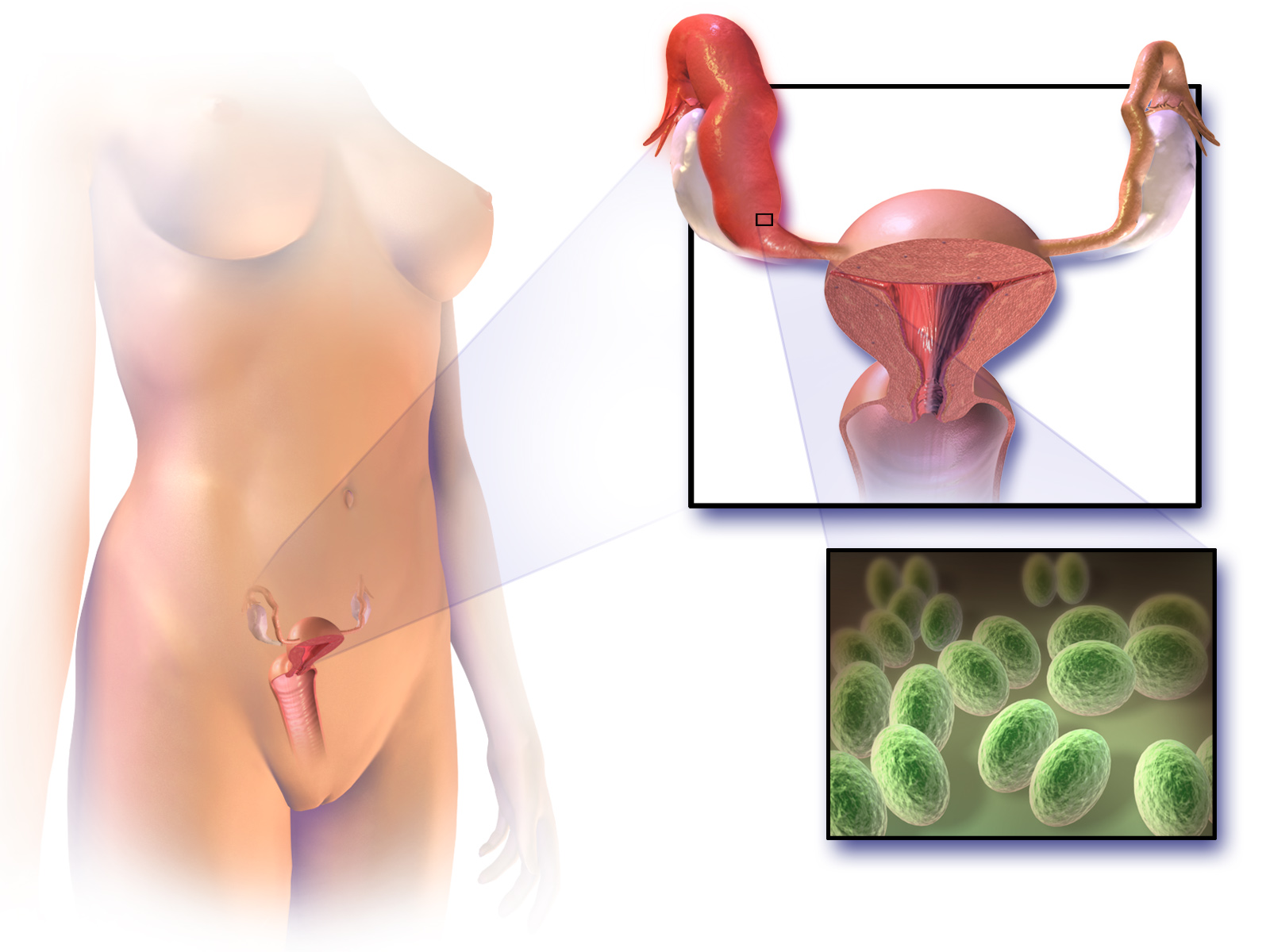
The Golden Rule of IUDs: Active pelvic inflammatory disease is a strict contraindication for intrauterine device placement. You never, ever push a foreign object through an infected cervix into the uterus!
4. The Barricades (Barrier Methods)
Sometimes, we just use a physical wall.
- Condoms: Male condoms provide the best protection against sexually transmitted infections among contraceptive methods. But pay attention to the material physics! Using oil-based lubricants degrades latex condoms, turning a reliable barrier into a fragile, tearing mess. Water-based lubricants must be used with latex condoms to prevent condom breakage.
- Diaphragms: A silicone dome over the cervix. The anatomy has to match the device perfectly, so diaphragm use requires refitting after a weight fluctuation of twenty percent. To work properly, diaphragms must remain in place for at least six hours after intercourse to ensure spermicidal effectiveness. However, don't forget it's in there! Leaving a diaphragm in place for more than twenty-four hours increases the risk of toxic shock syndrome.
5. Natural Rhythms and Behavioral Methods
If we don't use hormones or barriers, we have to use timing.
- Symptothermal Tracking: Basal body temperature drops slightly just before ovulation occurs, and then the basal body temperature rises sharply immediately after ovulation. By tracking this alongside cervical mucus—where Spinnbarkeit is the term for the stretchable cervical mucus present during ovulation—a woman can pinpoint her fertile window.
- Breastfeeding as Birth Control: The lactational amenorrhea method is highly effective for contraception only during the first six months postpartum. However, it demands absolute dedication: the lactational amenorrhea method requires exclusive breastfeeding to suppress ovulation. One bottle of formula, and the whole system restarts!
- The Pull-Out Method: Coitus interruptus has a high contraceptive failure rate due to sperm presence in pre-ejaculatory fluid. The machinery leaks before the main event; it's simply unreliable physics.
6. Emergency and Permanent Solutions
What happens when the plan fails, or when the patient is finished building their family?
- Emergency Contraception: Time is of the essence. Emergency contraception is most effective when taken within 72 hours of unprotected intercourse. It delays ovulation so the sperm die waiting for an egg that never arrives.
- Female Sterilization: Tubal ligation is a permanent method of female sterilization. We cut the pipes. The road is closed.
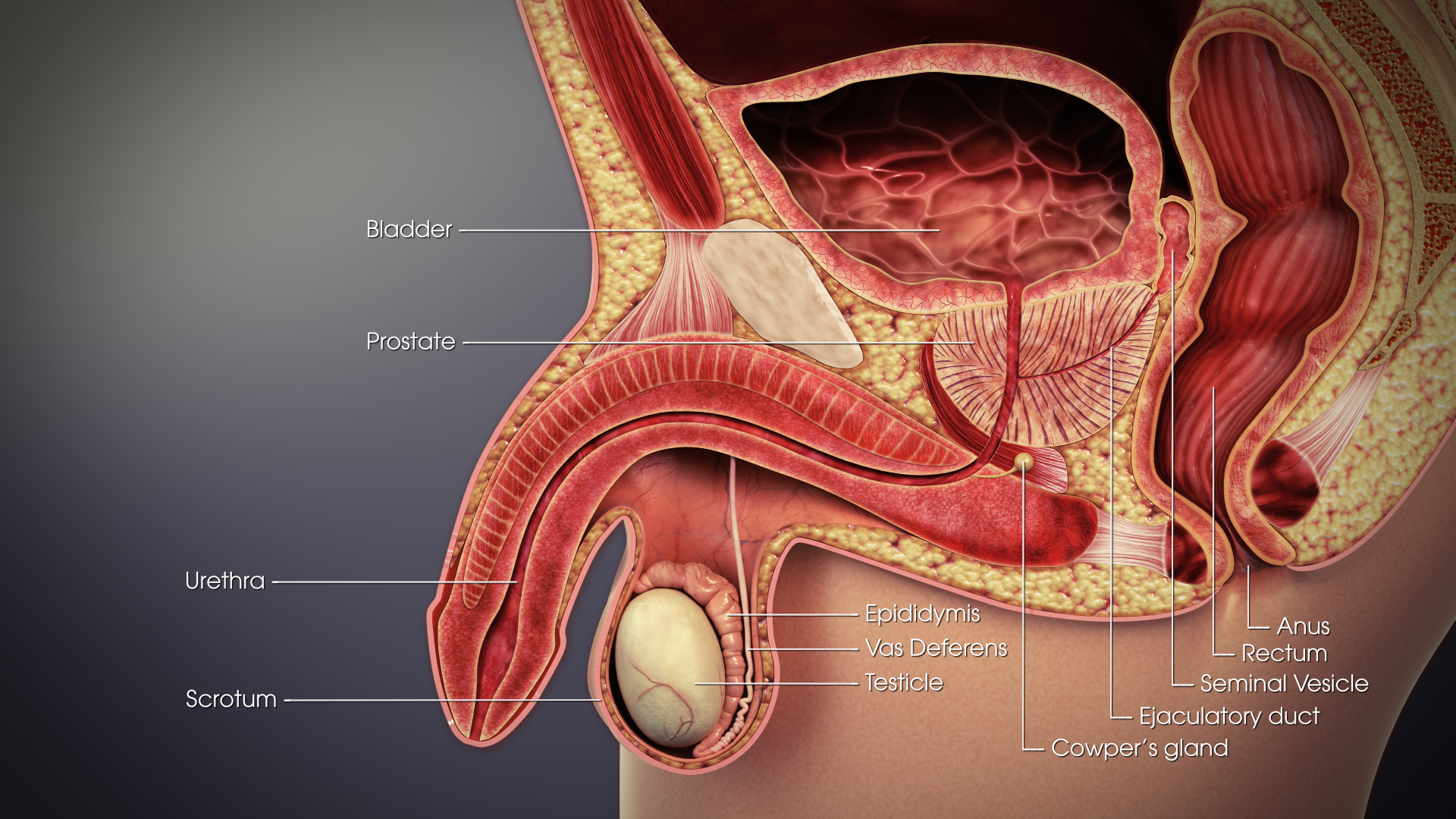
- Male Sterilization: Vasectomy cuts the vas deferens, but the pipes downstream are still loaded! Vasectomy requires alternate contraception until a semen analysis confirms azoospermia (zero sperm).
Final Thoughts
As an elite nurse, you don't just memorize this list—you understand how the pieces fit together. When a patient comes to you for contraception or lifestyle advice, you assess their entire physiological and behavioral machinery. You check their medications, ask about their herbal teas, examine their cardiovascular habits, and tailor a perfectly fitted intervention. That is the art and science of nursing!