Legal Rights and Responsibilities
Not sure you’re ready?
Take the ~3-minute readiness diagnostic and see where you stand.
The NCLEX-RN Survival Guide: Legal Rights and Responsibilities
Hello there! Welcome. Grab a seat. Today, we are going to talk about something incredibly fascinating. When most people think about nursing, they think about biology, chemistry, anatomy, and saving lives with swift interventions. And that’s true! But there is an invisible, powerful forcefield surrounding every single patient you will ever touch.
That forcefield is the law.
You see, in healthcare, it doesn't just matter that you do the right thing; it matters how you do it, who is allowed to do it, and why. Laws in nursing aren’t just arbitrary rules designed to bore you in a classroom. They are the mechanisms human beings invented to protect the sacred dignity, autonomy, and safety of people when they are at their most vulnerable.
Let’s break down the legal landscape of your nursing practice. We’re going to figure out the rules of the game, exactly how you play it, and what happens when things go wrong.
Imagine a sandbox. Inside this sandbox are all the skills, assessments, and medications you are legally allowed to administer. Who built the sandbox?
The state Nurse Practice Act. This crucial piece of legislation determines the legal boundaries of nursing practice within a specific state jurisdiction. It tells you exactly what a nurse is—and isn't—allowed to do.
Now, who are the referees watching the sandbox? The State Boards of Nursing. They possess the legal authority to be the ultimate gatekeepers of your career. They have the power to issue nursing licenses, but if you break the rules, they also possess the legal authority to suspend or even completely revoke your license.
Because your license is on the line, you must fiercely protect it. That means a registered nurse must refuse to perform tasks falling outside the legally defined scope of nursing practice. If a doctor asks you to do a surgical incision and it's not in your state's Nurse Practice Act, your answer is a firm, professional "No."
Staffing, Floating, and Abandonment
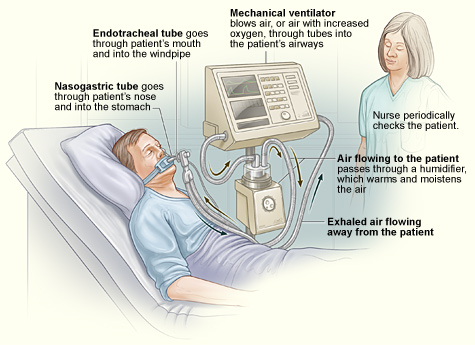
What happens when the hospital is short-staffed and asks you to float to a different unit? Floating nurses must only accept patient assignments aligning with previous training and competence. If you are a postpartum nurse being floated to the ICU and assigned a patient on a ventilator you don't know how to use, accepting that assignment is unsafe and illegal.
But be careful how you refuse. Once you accept an assignment and receive a report, those patients are legally yours. Abandonment occurs when a nurse accepts a patient assignment and subsequently leaves the unit without transferring care to another qualified professional. If you need to step away, you must hand off your patients properly!
What is a tort? It sounds like a fancy French pastry, but in law, a tort is a civil wrong committed against a person or their property. They come in two flavors: intentional and unintentional.
Intentional Torts
These are actions where you meant to do the action that caused the infringement on the patient's rights.
| Tort | Definition | Real-World Example |
|---|---|---|
| Assault | An intentional tort defined as threatening to touch a client without client consent. | Saying to a patient, "If you don't swallow this pill, I'm going to force it down your throat." |
| Battery | An intentional tort defined as actual physical contact with a client without client consent. | Actually shoving the pill down the patient's throat, or starting an IV after they said no. |
| False Imprisonment | The unlawful restraint of a client against the wishes of the client. | Using physical restraints on a competent client wishing to leave the hospital constitutes false imprisonment. |
| Defamation of Character | False communication damaging to a person's reputation. | Gossiping falsely that a patient has an STD, causing them to lose their job. |
A Quick Note on Defamation: Defamation splits into two categories based on how it is delivered.
Unintentional Torts: Negligence and Malpractice
Sometimes, you don't mean to do harm, but you mess up.
Negligence is an unintentional tort involving the failure to act as a reasonably prudent person would under similar circumstances. If you spill water on the floor, don't clean it up, and a visitor slips, that's negligence.
But malpractice is special. It is a specific type of professional negligence occurring when standard care is not met and results in client harm.
To actually prove malpractice in a court of law, a plaintiff can't just say, "The nurse made a mistake!" They must establish a rigorous chain reaction of five specific elements:
The Malpractice Formula: Duty (You were assigned to the patient) + Breach of Duty (You failed the standard of care) + Foreseeability of Harm (You should have known it was dangerous) + Causation (Your specific mistake caused the issue) + Injury (The patient suffered actual physical or financial harm).
If any one of these five elements is missing, it is not legally considered malpractice.
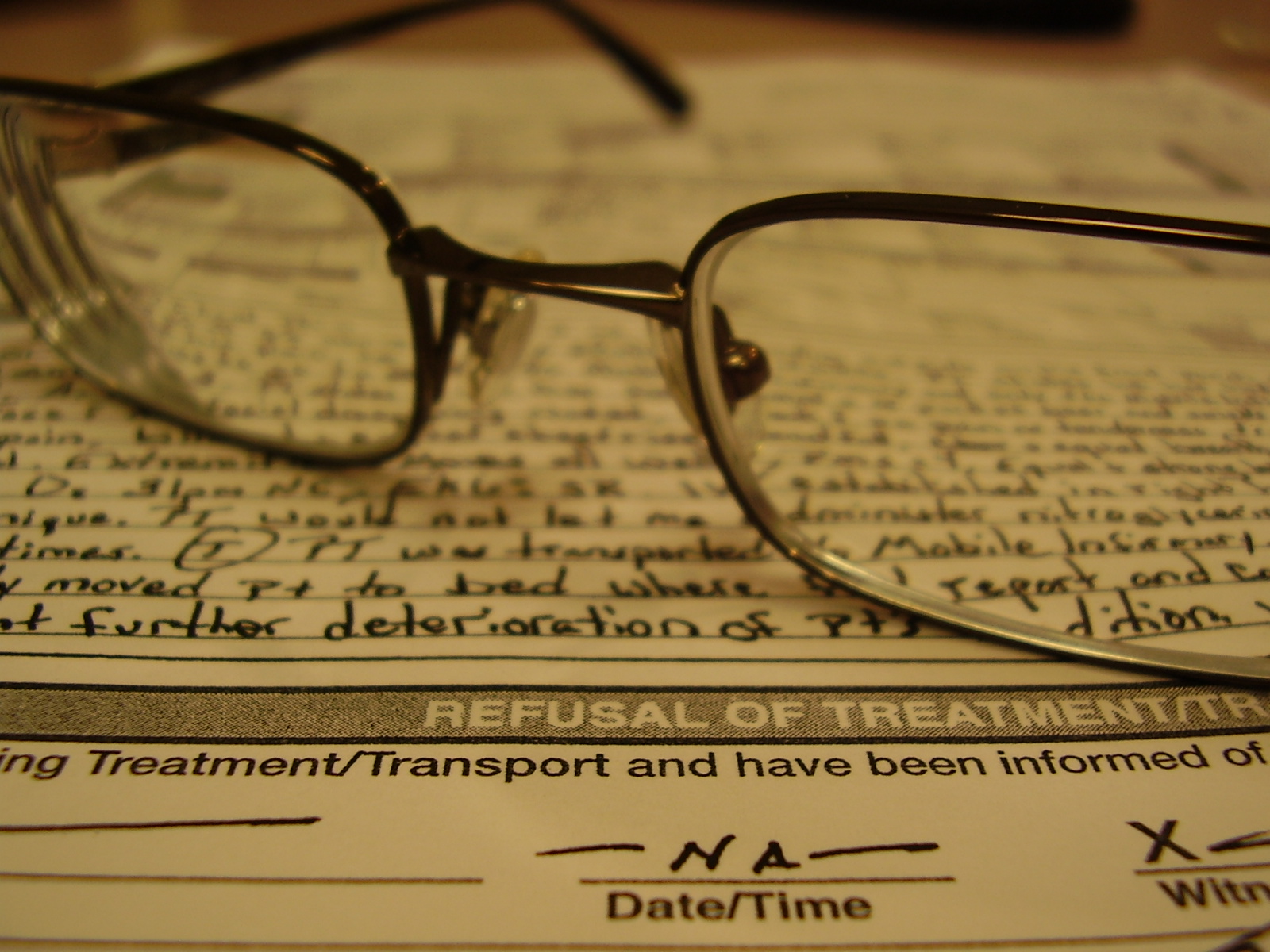
Every competent adult has autonomy. That means a competent adult client possesses the legal right to refuse any medical treatment, even if refusing that treatment will result in their death.
Informed Consent
Before we cut someone open or do a major procedure, we need their permission. But who gets it?
The healthcare provider performing a procedure is legally responsible for obtaining informed consent from the client. It is their job to explain the risks, benefits, and alternatives.
So what does the nurse do? The role of the nurse during informed consent is to act as a witness to the client signing the document. But it's not a passive role! As you watch them sign, you are assessing the situation. You must:
- Verify that a client giving informed consent is voluntarily signing the document (no coercion).
- Verify that the client possesses the mental capacity to understand the procedure.
- Advocate for the client by ensuring the healthcare provider answers all client questions before the document is signed. If the patient holds the pen and asks, "Wait, will this paralyze me?", you must stop everything and call the provider back to answer.
Watch out: A client under the influence of mind-altering medications (like opioids or sedatives) is legally considered incompetent to sign an informed consent document. Exception to the adult rule: Emancipated minors possess the legal right to provide medical consent without guardian approval.
Against Medical Advice (AMA)
What if a competent patient decides they hate the hospital and want to walk out with an IV in their arm?
- The nurse cannot legally forcefully detain a competent client attempting to leave a facility against medical advice. (Remember, that's false imprisonment!)
- The nurse must inform a client of the potential medical risks associated with leaving.
- The nurse must notify the healthcare provider that the client wishes to leave.
Advance Directives
What happens when a patient loses their competency? We rely on Advance Directives.
- A living will is a type of advance directive specifying client wishes regarding end-of-life medical care (e.g., "Do not put me on a ventilator").
- A durable power of attorney for healthcare designates a specific surrogate decision-maker for a client if they become legally incapacitated.
Because these documents are so vital, the federal Patient Self-Determination Act (PSDA) requires healthcare facilities to ask clients about the existence of an advance directive upon admission.
As a nurse, you are the eyes and ears of the state. You see things behind closed doors that nobody else sees. Because of this, the law compels you to report certain things, no matter what.
Mandatory Reporting to the State/Authorities:
- Abuse: Federal and state laws mandate healthcare professionals to report suspected child abuse to designated authorities, and you are legally required to report suspected elder abuse to appropriate state agencies. Notice the word suspected. You do not need proof; you just need a reasonable suspicion.
- Violence: Healthcare providers must report injuries caused by a deadly weapon (like gunshot wounds) and injuries resulting from suspected criminal acts to local law enforcement agencies.
- Public Health: State health departments require the reporting of specific communicable diseases such as tuberculosis and syphilis. This is how epidemiology works; we track outbreaks to protect the herd.
Internal Reporting: What if your coworker is slurring their words and pocketing patient narcotics? A nurse has a legal duty to report a coworker suspected of substance impairment directly to nursing management. You must not confront an impaired coworker directly regarding suspected substance abuse. Why? Because they might flee, destroy evidence, or become violent. You go up the chain of command, immediately.
You will be spinning a lot of plates on a nursing shift. You have to delegate. But you cannot delegate your brain.
When working with Unlicensed Assistive Personnel (UAP, like nursing assistants):
- A nurse cannot legally delegate initial nursing assessments to unlicensed assistive personnel.
- A nurse cannot legally delegate nursing judgment to unlicensed assistive personnel.
- A nurse cannot legally delegate patient education to unlicensed assistive personnel.
And here is the kicker: A nurse remains legally accountable for the outcome of any task delegated to unlicensed assistive personnel. If you ask a UAP to ambulate a patient and they drop them, you are still responsible for ensuring that task was delegated safely and followed up on.
Communication and Medications
When a doctor calls you on the phone to order a medication in an emergency, it's a game of telephone that can turn deadly. Therefore, telephone prescriptions must be immediately written down and read back to the prescribing provider to ensure legal accuracy.
When it comes to narcotics, the law is airtight. If you draw up 2mg of morphine but only need 1mg, you must waste the rest. A nurse must ensure a second licensed nurse witnesses the wasting of any controlled substance, and both of you must sign the controlled substance log alongside the witnessing nurse after wasting it.
If you have to use physical restraints (as a last resort, for safety), a nurse must document the exact times and reasons for applying physical restraints to comply with legal standards.
We are humans. Mistakes happen. Suppose a medication error occurs. What do you do?
You write an incident report. This is an internal facility document used to record unexpected events causing or potentially causing harm to a client.
WARNING: This is a major trap for new nurses. Do NOT mention the incident report in the chart!
- An incident report must not be referenced within the official medical record of the client.
- An incident report must not be filed within the official medical record of the client.
Why? Because the incident report is for the hospital's risk management team to fix systemic errors. If you put it in the chart, it becomes discoverable by lawyers to sue the hospital. Instead, the nurse must document objective facts regarding a medication error directly in the official medical record of the client. (e.g., "0900: Administered 50mg Metoprolol. Patient's heart rate dropped to 40. Physician notified.")
Federal Laws You Must Know
Beyond the PSDA we discussed earlier, three other massive federal laws govern your practice:
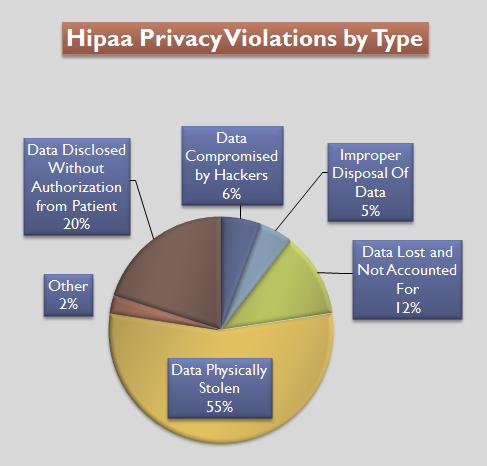
- The Health Insurance Portability and Accountability Act (HIPAA) establishes federal standards to protect client medical records and personal health information. No snooping on neighbors' charts!
- The Americans with Disabilities Act (ADA) prohibits discrimination against individuals with disabilities in all areas of public life, guaranteeing equal access to care.
- The Emergency Medical Treatment and Active Labor Act (EMTALA) is the "anti-dumping" law. It requires Medicare-participating hospitals to provide emergency medical screening to all clients regardless of financial status, and requires hospitals to stabilize a client before transferring the client to another facility.
The Good Samaritan Laws
Let’s end on a high note. Imagine you're walking down the street, off duty, and someone collapses. You rush over to do CPR. You crack a rib. Can they sue you?
Generally, no. Good Samaritan laws protect nurses from civil liability when providing voluntary emergency care outside of a clinical setting.
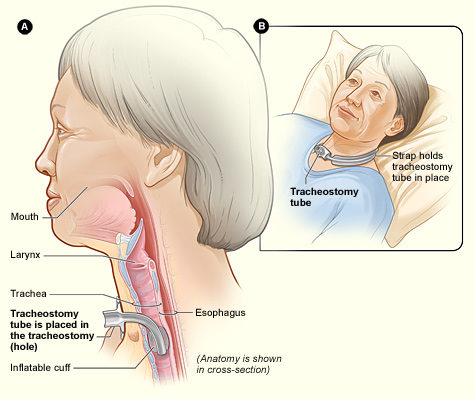
However, there are caveats. Good Samaritan protections do not apply if a nurse commits gross negligence during an emergency (like trying to do an emergency tracheostomy with a dirty pen when you aren't trained for it). Furthermore, the protections do not apply if a nurse acts outside the legal scope of nursing practice during an emergency. Stick to basic life support and what you know!
Final Thoughts
Legal rights and responsibilities in nursing are not restrictions; they are the guardrails of a safe society. They protect the patient from harm, and they protect you from liability. Know your scope, document the objective truth, advocate fiercely for your patients' right to choose, and speak up when the law demands it.
Now, take a deep breath. You've got this. Study these principles, master the sandbox, and go be brilliant!