Laboratory Values
Not sure you’re ready?
Take the ~3-minute readiness diagnostic and see where you stand.
The Microscopic Dashboard: Mastering Laboratory Values and Specimen Collection
Hello! Welcome! Today, we are going to look at one of the most remarkable things you will ever do as a nurse. We are going to take tiny, almost microscopic fractions of a patient’s fluids—their blood, their urine, their sputum—and we are going to use them to look directly into the invisible, buzzing molecular machinery of the human body.
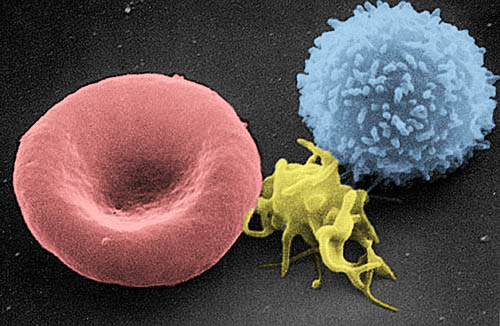
A lab value isn't just a number to memorize for the NCLEX. It is a vital transmission from the body’s internal universe. But here is the catch: if you don’t collect the specimen perfectly, the message gets scrambled. If you don't know how to read the message, the patient is in danger.
So, let's roll up our sleeves and figure out how to harvest these biological messages, how to read them, and when to pick up the phone and sound the alarm!
Before we talk about what is in the fluid, we have to talk about how we get it. Nature is messy, and human bodies are covered in bacteria, interstitial fluid, and chemical variables. Our primary directive? Keep the specimen pure!
The Golden Rule of Specimens: Standard precautions must be utilized during the collection of all biological specimens. You are protecting yourself from the specimen, and the specimen from the environment. Once you have the specimen, labeling of laboratory specimens must occur at the client's bedside to prevent misidentification. If you walk away to label it at the nurse's station, you’ve introduced the probability of human error. Don't do it!
1. Venipuncture: Drawing the Blood
When you go in with a needle, you are tapping into a pressurized river of information. But you can easily ruin the data if you aren't careful.
- The Fasting Rule: If we are checking the body's baseline lipid metabolism, we can't have yesterday's cheeseburger floating in the sample. Therefore, client preparation for a fasting lipid panel requires withholding food and drink for 9 to 12 hours prior to the blood draw.
- The River Analogy (IV Lines): Imagine trying to measure the salinity of the ocean by scooping water right next to a freshwater hose. That’s what happens if you draw blood above a running IV! Drawing blood from an arm containing an active intravenous infusion risks diluting the laboratory specimen.
- The Dam Effect (The Tourniquet): We use a tourniquet to make veins pop up, acting like a dam. But water can leak out of veins; big proteins and red blood cells cannot. If you leave the dam up too long, the water leaves, and the cells pack together. This means prolonged tourniquet application during venipuncture causes hemoconcentration of the blood sample. To prevent this false data, a tourniquet should not be left on a client's arm for longer than 1 minute during venipuncture.
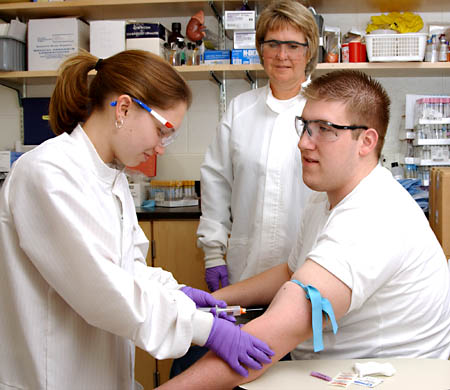
- The Skin Flora Problem: The skin is a jungle of bacteria. When we want to check the blood for an internal infection, we must scrub the site! Cleansing the venipuncture site with friction reduces the risk of blood sample contamination by skin flora.
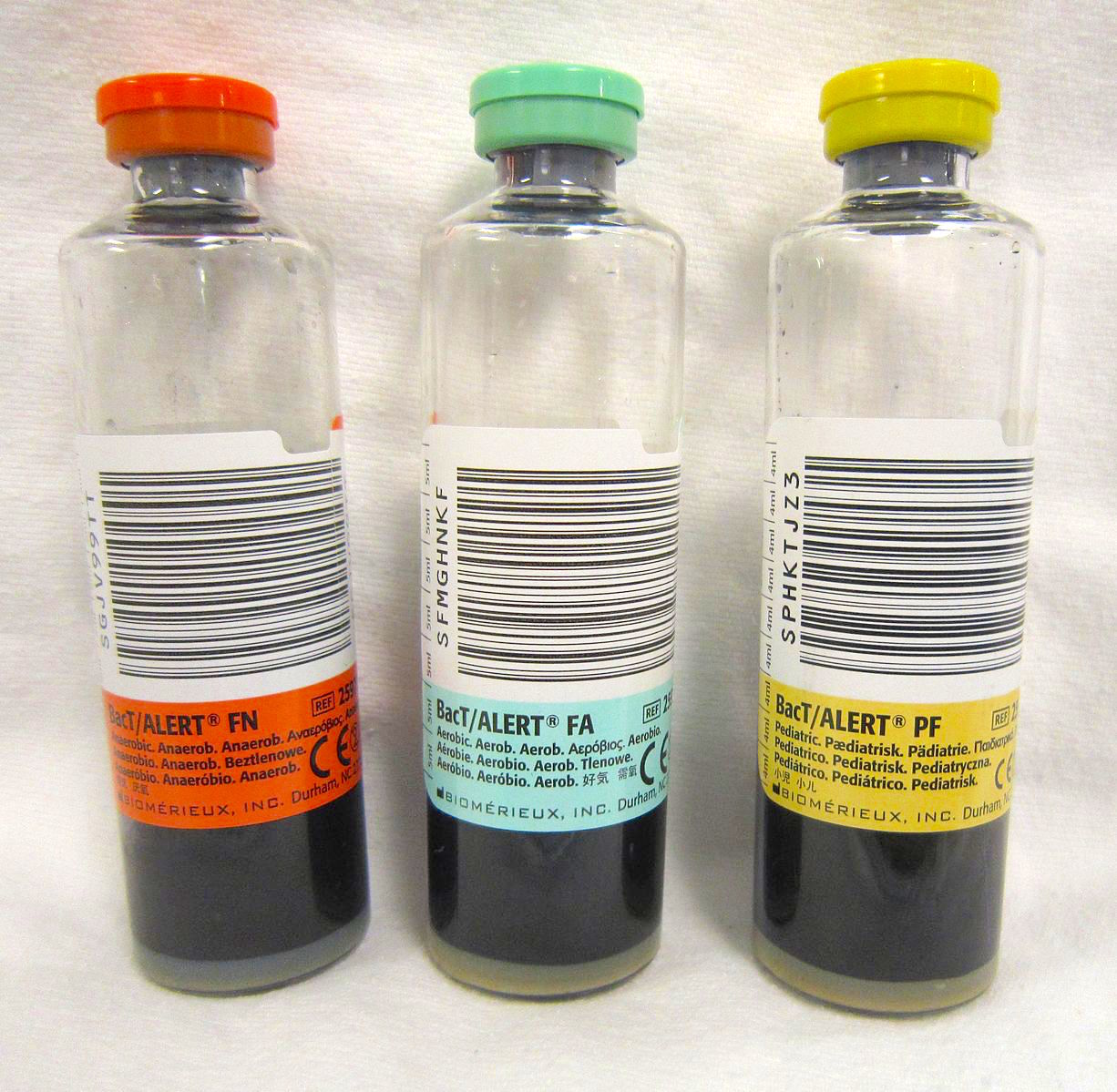
- The Antibiotic Rule: If a patient has a fever and we suspect sepsis, blood cultures must be drawn before the administration of broad-spectrum antibiotics. If you give the antibiotics first, you kill the bacteria in the sample, and the lab will grow nothing. You’ve destroyed the evidence!
2. Handling the Blood: Don't Break the Balloons!
Once the blood is in the tube, you have to treat it with respect. Red blood cells are essentially delicate little water balloons filled with hemoglobin and potassium.
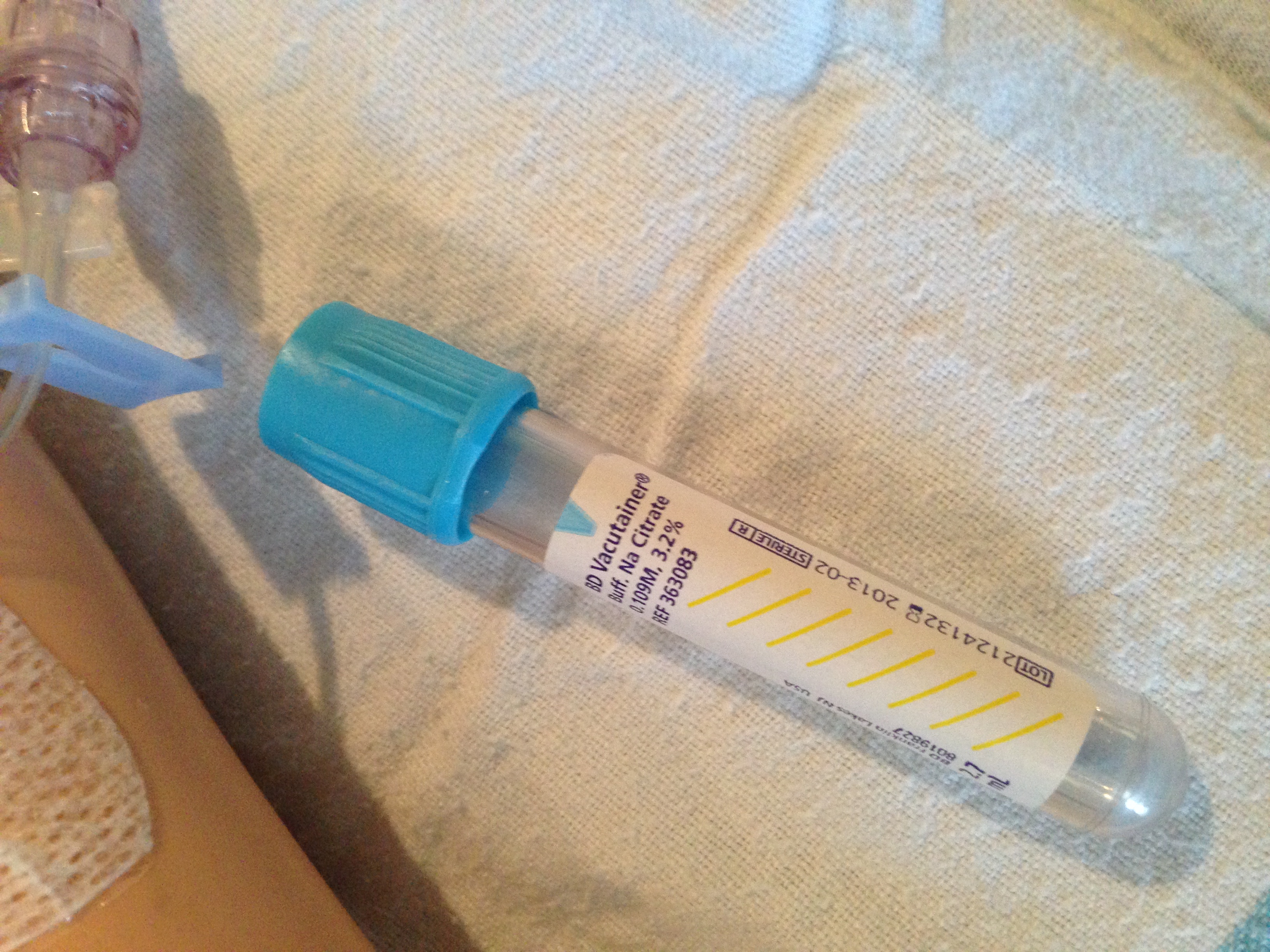
- Mixing: Blood collection tubes containing anticoagulants must be gently inverted immediately after the blood draw.
- The Danger of Shaking: Do not shake them like a maraca! Vigorously shaking a blood collection tube causes the hemolysis of red blood cells within the sample.
- The Potassium Consequence: Why is hemolysis so bad? Because potassium lives inside the cell. If you pop the balloons, the potassium spills into the serum. Therefore, hemolyzed blood samples can artificially elevate the reported serum potassium level. The lab will panic, you will panic, and the patient's potassium was actually completely normal!
3. Capillary Blood Gas & Arterial Blood Gas (ABG)
Sometimes we just need a tiny drop (capillaries) or we need to tap the high-pressure arterial side.
- Capillary Glucose: When you poke a finger, capillary blood glucose testing requires puncturing the lateral aspect of the finger pad to minimize client pain (fewer nerve endings on the side!). When that first drop of blood emerges, it brings along fluid from the smashed surrounding tissue. Wiping away the first drop of blood during a capillary blood glucose test prevents sample contamination with interstitial tissue fluid.
- Arterial Blood Gas (ABG): Arteries are deep and under high pressure. If we are drawing from the radial artery in the wrist, we must ask: What if this artery spasms and closes? Will the hand die? The Allen test must be performed before obtaining an arterial blood gas sample from the radial artery. Why? Because the Allen test assesses the adequacy of collateral blood flow from the ulnar artery. If the ulnar artery works, the hand stays alive even if the radial artery shuts down. Finally, blood gases change rapidly at room temperature as cellular metabolism continues. Thus, arterial blood gas specimens require the collection syringe to be placed on ice immediately after the blood draw.
4. Collecting the Non-Blood Fluids
Not all answers are in the blood. Sometimes we need urine, sputum, or stool.
- Sputum: We want deep lung secretions, not saliva. Sputum specimens for acid-fast bacilli testing are optimally collected early in the morning, because secretions pool in the lungs all night long.
- Urine (Clean-Catch): We want to know what's in the bladder, not what's on the skin. A midstream clean-catch urine collection requires cleansing the urethral meatus prior to initiating voiding.
- Urine (24-Hour Collection): This is a test of rate over exactly 24 hours. The bladder might already be full of urine made before the clock started. Therefore, a 24-hour urine collection protocol requires discarding the very first voided urine specimen, and then the clock begins! To stop bacteria from altering the chemistry over the next day, a 24-hour urine collection container must be kept refrigerated or on ice during the entire collection period.
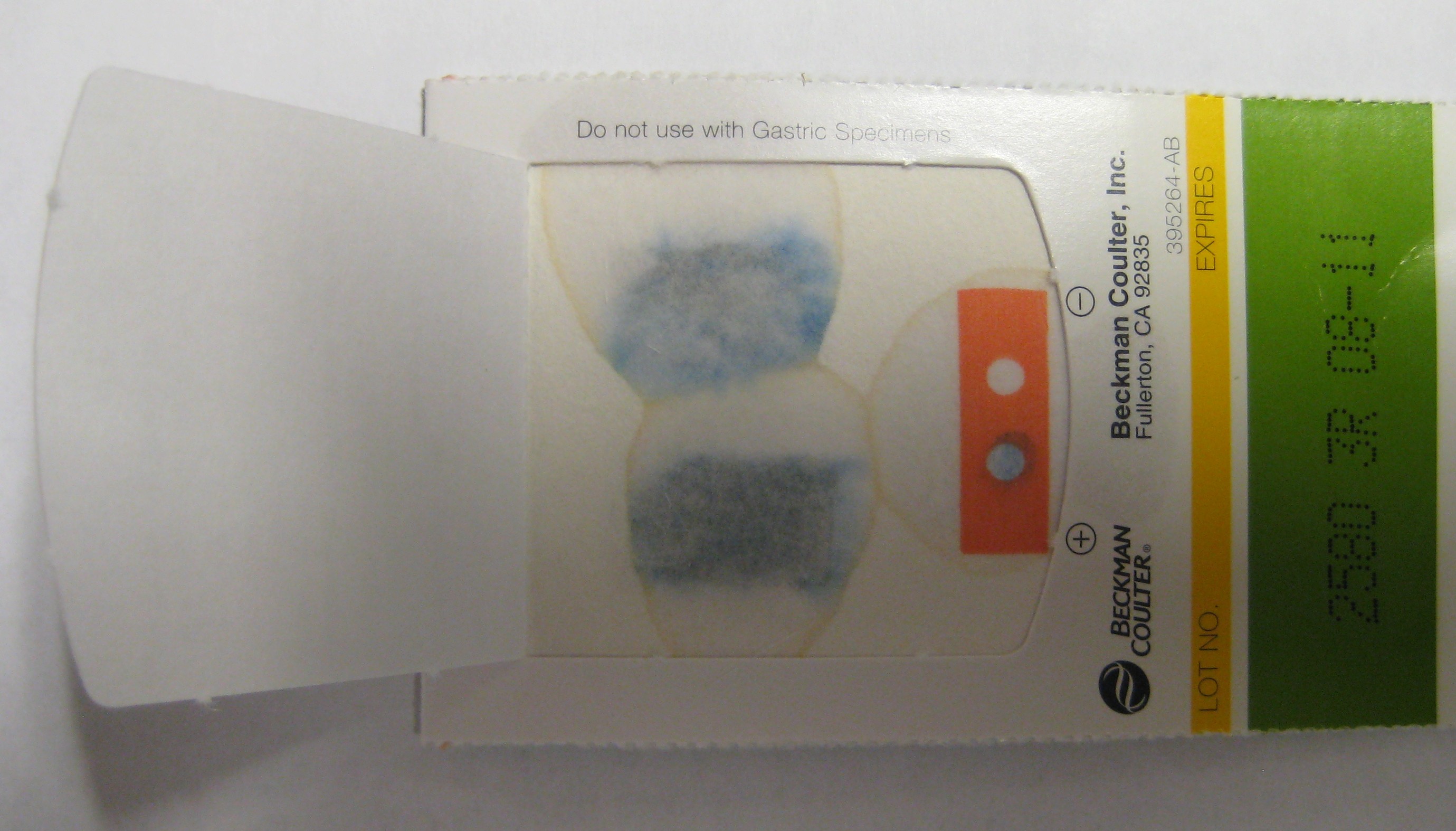
- Stool: When looking for hidden bleeding, fecal occult blood test samples must be entirely free of urine contamination. Urine can alter the chemical reagents used on the test cards.
Now that we have collected our pristine samples, the lab sends back the numbers. You must know the normal parameters. Think of these ranges as the safe operating temperatures and pressures of an engine.
The Electrolytes & Minerals (The Electrical System)
| Electrolyte | Normal Range | Why it matters |
|---|---|---|
| Sodium (Na+) | 135 to 145 mEq/L | Controls water balance and brain function. |
| Potassium (K+) | 3.5 to 5.0 mEq/L | Controls cardiac rhythm. The body's spark plug! |
| Total Calcium (Ca2+) | 9.0 to 10.5 mg/dL | Muscle contractions and bone stability. |
| Magnesium (Mg2+) | 1.3 to 2.1 mEq/L | Relaxes the muscles and nerves. |
| Chloride (Cl-) | 98 to 106 mEq/L | Follows sodium, helps maintain acid-base balance. |
| Phosphorus (PO4 3-) | 3.0 to 4.5 mg/dL | Inversely related to calcium; key for energy (ATP). |
The Kidneys, Glucose, & Proteins (The Filters and Fuel)
| Lab Test | Normal Range |
|---|---|
| Blood Urea Nitrogen (BUN) | 10 to 20 mg/dL |
| Serum Creatinine | 0.6 to 1.2 mg/dL (for adult males) |
| Fasting Blood Glucose | 70 to 100 mg/dL |
| Serum Albumin | 3.5 to 5.0 g/dL |
A Note on Glycosylated Hemoglobin (HbA1c): Blood glucose fluctuates by the minute. HbA1c tells us the 3-month average! A glycosylated hemoglobin level below 5.7 percent is considered normal for clients without diabetes. If the sugar runs high constantly, it permanently coats the red blood cells. Thus, a glycosylated hemoglobin level of 6.5 percent or higher is a diagnostic criterion for diabetes mellitus.
Complete Blood Count (The Transporters & Defenders)
| Component | Normal Range |
|---|---|
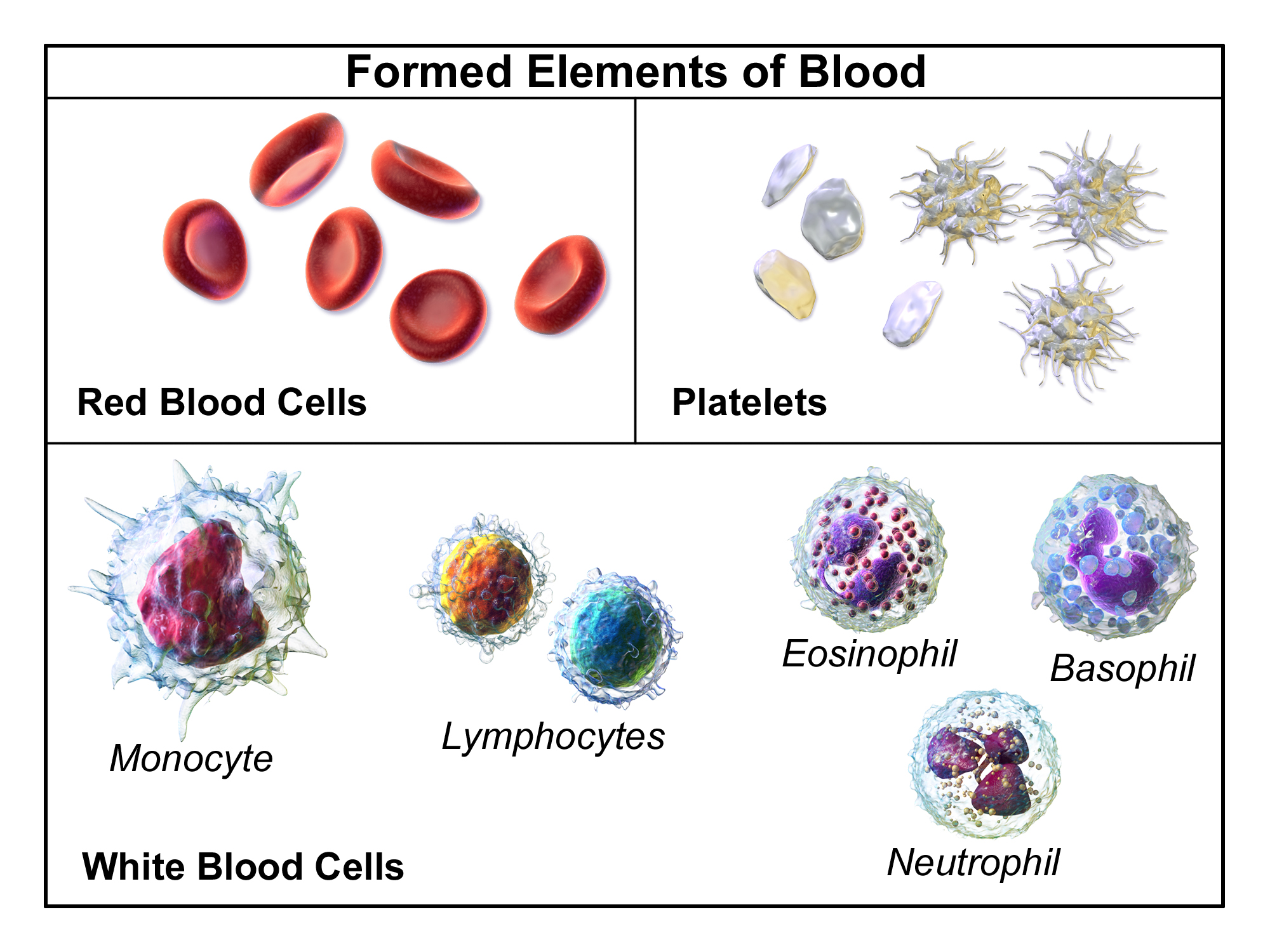
| White Blood Cell (WBC) | 5,000 to 10,000 cells/mm³ |
| Platelet Count | 150,000 to 400,000 cells/mm³ |
| Hemoglobin (Hgb) | 14 to 18 g/dL (adult males)<br>12 to 16 g/dL (adult females) |
| Hematocrit (Hct) | 42 to 52 % (adult males)<br>37 to 47 % (adult females) |
Coagulation (The Patching Mechanisms)
Blood must flow, but it must also clot when needed.
- Prothrombin Time (PT): The normal prothrombin time is 11 to 12.5 seconds.
- Activated Partial Thromboplastin Time (aPTT): The normal activated partial thromboplastin time is 30 to 40 seconds.
- International Normalized Ratio (INR): The normal International Normalized Ratio for a client not receiving anticoagulation therapy is 0.8 to 1.1.
Wait! What if we intentionally thin the blood to prevent dangerous clots? If we give a drug, we shift the goalposts to a therapeutic range.
- Warfarin Therapy: The therapeutic International Normalized Ratio for a client on warfarin therapy is 2.0 to 3.0.
- Heparin Infusion: The therapeutic activated partial thromboplastin time for a client receiving a continuous heparin infusion is 1.5 to 2.5 times the normal control value.
Cardiovascular & Lipid Dashboards
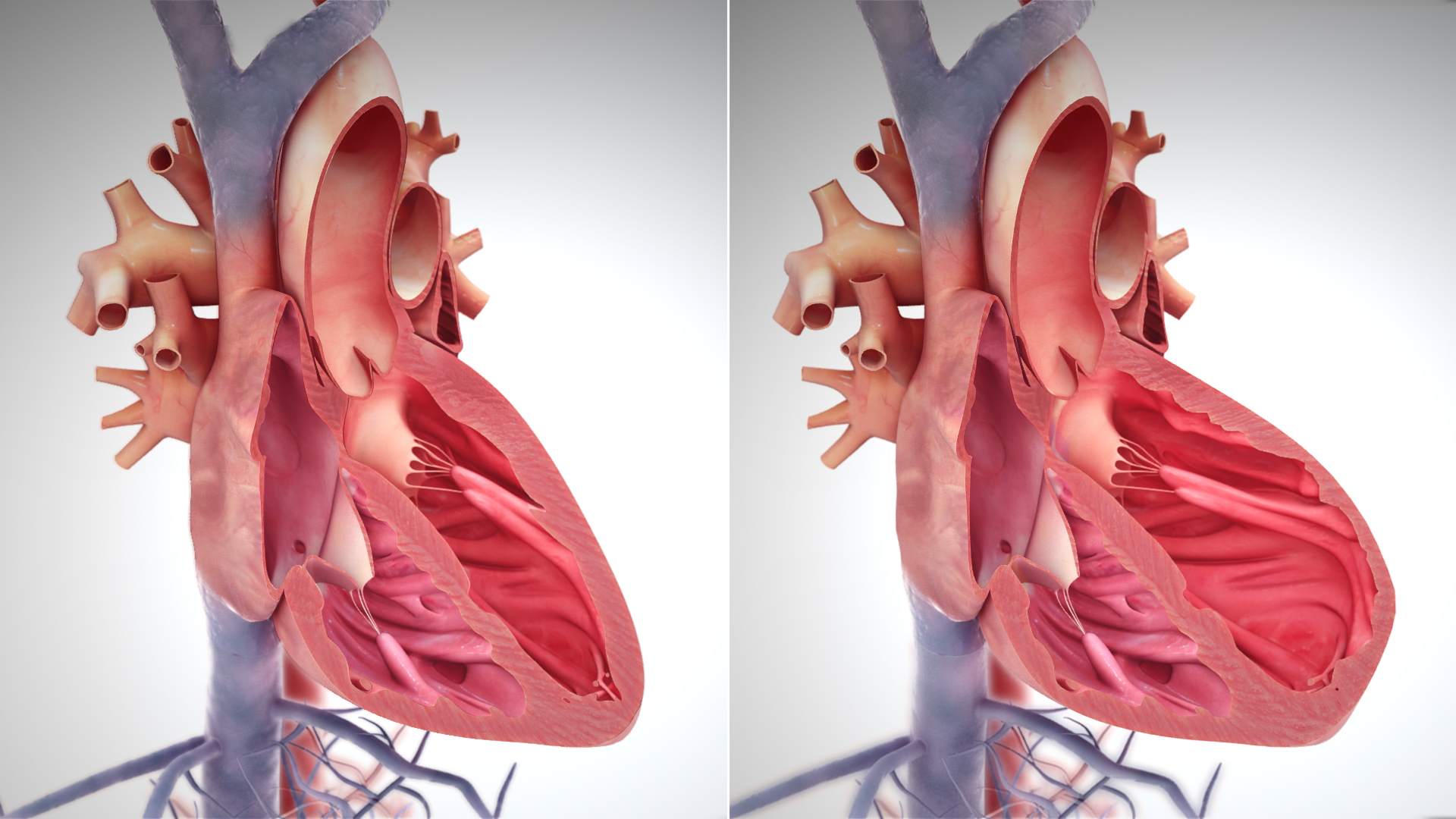
- Brain Natriuretic Peptide (BNP): The normal brain natriuretic peptide level is less than 100 pg/mL. What if it's high? Imagine blowing up a stiff balloon. The heart releases BNP when it stretches too hard. Therefore, an elevated brain natriuretic peptide level indicates ventricular stretching associated with heart failure.
- Total Cholesterol: Less than 200 mg/dL.
- Low-Density Lipoprotein (LDL): The "Lousy" cholesterol. Less than 130 mg/dL.
- High-Density Lipoprotein (HDL): The "Happy" cholesterol. Greater than 45 mg/dL (for adult males).
Arterial Blood Gases (The Acid-Base Balance)
| Measurement | Normal Range |
|---|---|
| pH | 7.35 to 7.45 |
| PaCO2 (Carbon Dioxide) | 35 to 45 mmHg |
| HCO3 (Bicarbonate) | 22 to 26 mEq/L |
| PaO2 (Oxygen) | 80 to 100 mmHg |
Here is where your role as a nurse becomes absolutely pivotal. You aren't just logging numbers; you are the patient's immediate safety net.
Definition: Critical laboratory values indicate a severe physiological imbalance requiring immediate medical intervention. The engine is overheating, and a breakdown is imminent!
When the lab gets a critical value, they don't just put it in the computer. They call you on the phone. Because human hearing is fallible (and the stakes are life or death), receiving verbal critical laboratory values from a technician requires reading back the results to verify accuracy. Write it down, and read it back. Every single time.
Once you have that verified critical value, the clock is ticking. The registered nurse must report critical laboratory values to the primary health care provider within the specific timeframe mandated by facility policy.
The Most Famous NCLEX Critical Alarms:
Let's look at three specific, drop-everything-and-call scenarios:
- Severe Hypokalemia: Potassium is the spark plug for the heart. Without enough of it, the electrical system fails. The primary health care provider must be notified immediately of a serum potassium level less than 3.0 mEq/L.
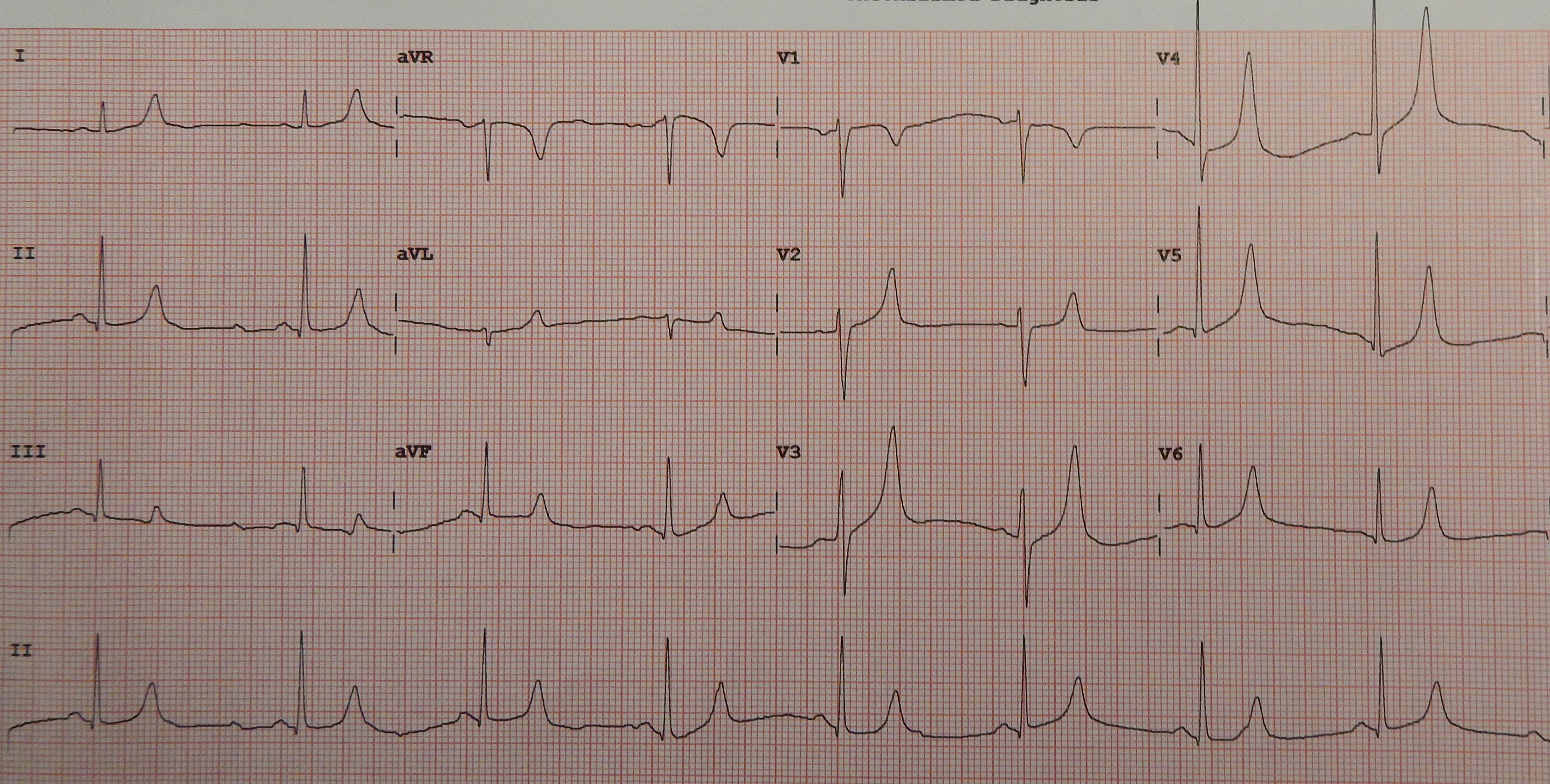
- Severe Hyperkalemia: Too much potassium is just as deadly as too little; it can throw the heart into a lethal rhythm like Ventricular Fibrillation. The primary health care provider must be notified immediately of a serum potassium level greater than 6.0 mEq/L.
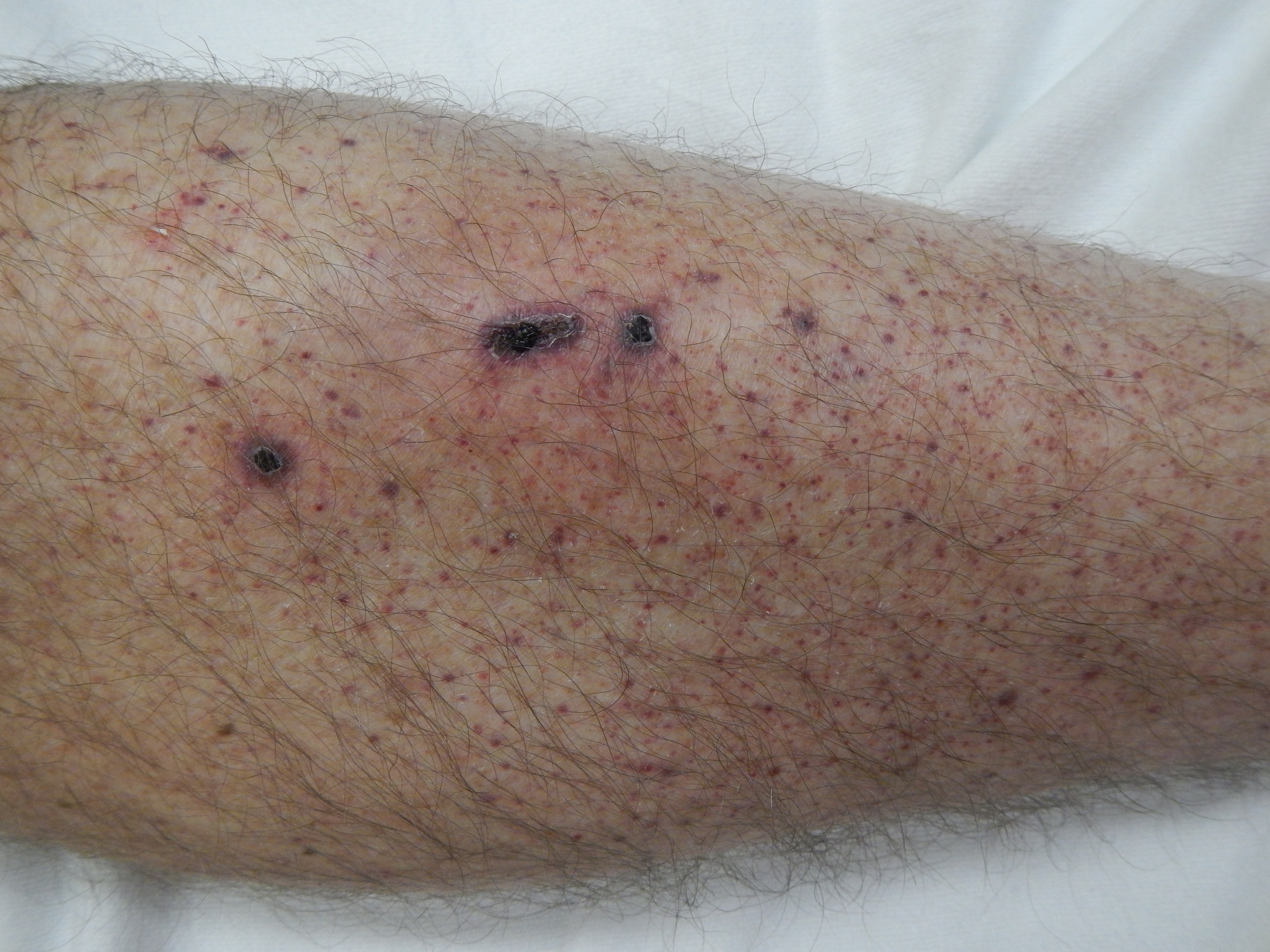
- Severe Thrombocytopenia: Platelets form the plugs that stop bleeding. Without them, a patient could spontaneously hemorrhage into their brain or gut. The primary health care provider must be notified immediately of a platelet count less than 50000 cells per cubic millimeter.
Final Thoughts
Look at the interconnectedness of it all! If you leave the tourniquet on too long, you concentrate the blood. If you shake the tube, you hemolyze the cells, releasing potassium. That false high potassium looks like a critical value, causing you to call the provider, who might incorrectly order medications that drop the patient's actual potassium to dangerously low levels!
Everything matters. The care you take at the bedside in collecting the sample directly dictates the accuracy of the biological dashboard. Learn these normal values intimately, treat your specimens with precision, and respect the alerts. You are the master of the microscopic!