Self-Care
Not sure you’re ready?
Take the ~3-minute readiness diagnostic and see where you stand.
Welcome to class. Have a seat.
Today, we are going to talk about a concept that seems brilliantly simple on the surface, but mathematically complex once you really look at it: Self-Care.
In the popular vernacular, "self-care" might mean taking a bubble bath or a mental health day. But in the world of professional nursing, self-care is the very physics of human survival and dignity. It is the ability of an organism to maintain its own existence independently.
Let's ground this right away in the fundamental architecture of nursing philosophy. If we want to understand why we care so much about this, we look to Orem’s Self-Care Deficit Nursing Theory. Dorothea Orem essentially proposed a basic law of nursing thermodynamics: The patient has an inherent need to maintain autonomy in health management. People want to do things for themselves. When an injury or illness creates a gap between what a person can do and what they need to do, a "self-care deficit" is born. Our job as nurses isn’t to just do everything for them—our job is to bridge that deficit so they can reclaim their autonomy.
But before we can build a bridge, we have to measure the gap.
You cannot manage what you have not measured. Assessing a client's ability to manage care at home requires evaluating their capacity to perform Activities of Daily Living (ADLs) and Instrumental Activities of Daily Living (IADLs).
Think of ADLs as the absolute foundational forces of living—the biological bare minimums. IADLs are the complex, higher-order equations that allow a person to thrive in society.
The Two Domains of Living
| Category | Definition | Classic Examples | Assessment Tool |
|---|---|---|---|
| ADLs | Basic, fundamental self-care tasks required for daily physical survival. | Bathing, dressing, toileting, transferring, continence, and feeding. | Katz Index of Independence in Activities of Daily Living (measures independent performance of basic tasks). |
| IADLs | Complex, cognitively demanding tasks required for independent household management. | Managing finances, handling transportation, shopping, preparing meals, and managing medications. | Lawton Instrumental Activities of Daily Living Scale (assesses complex, independent living skills). |
Professor's Tip: When you look at an NCLEX question, ask yourself: Is the patient failing at the biology of living (ADLs) or the business of living (IADLs)? A patient might score a perfect 6/6 on the Katz Index (they can dress and feed themselves) but entirely fail the Lawton Scale because they can't manage their checkbook or correctly dose their insulin.
The Mind and the Motor
To accurately gauge a patient's capacity, you must look at the machinery running the system.
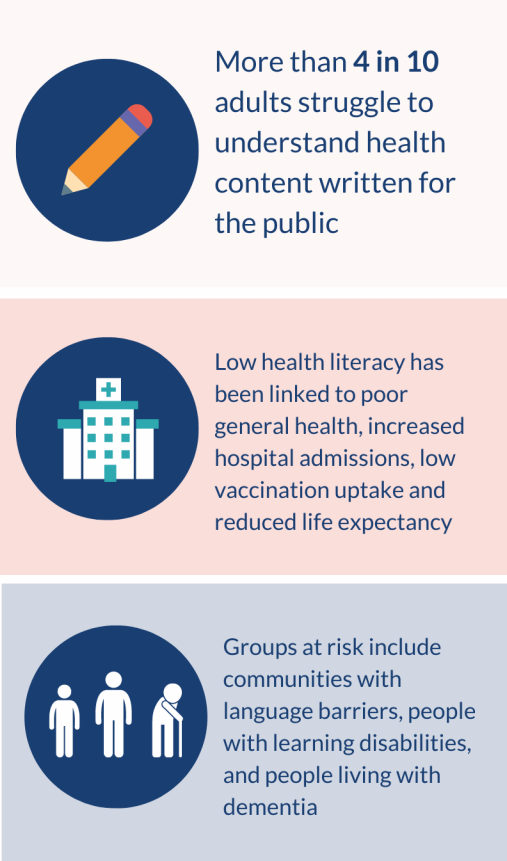
First, consider the brain. A client's cognitive status directly impacts their ability to safely manage self-care routines. If a patient cannot remember why they need to take a pill or how to turn off the stove, their independence is an illusion. In fact, severe cognitive impairment necessitates continuous supervision for basic self-care activities. It is no longer safe for them to be alone. Furthermore, do not mistake intelligence for comprehension. Low health literacy restricts a client's ability to independently manage complex medication regimens. If they cannot read or interpret the sliding-scale insulin chart, the system fails.
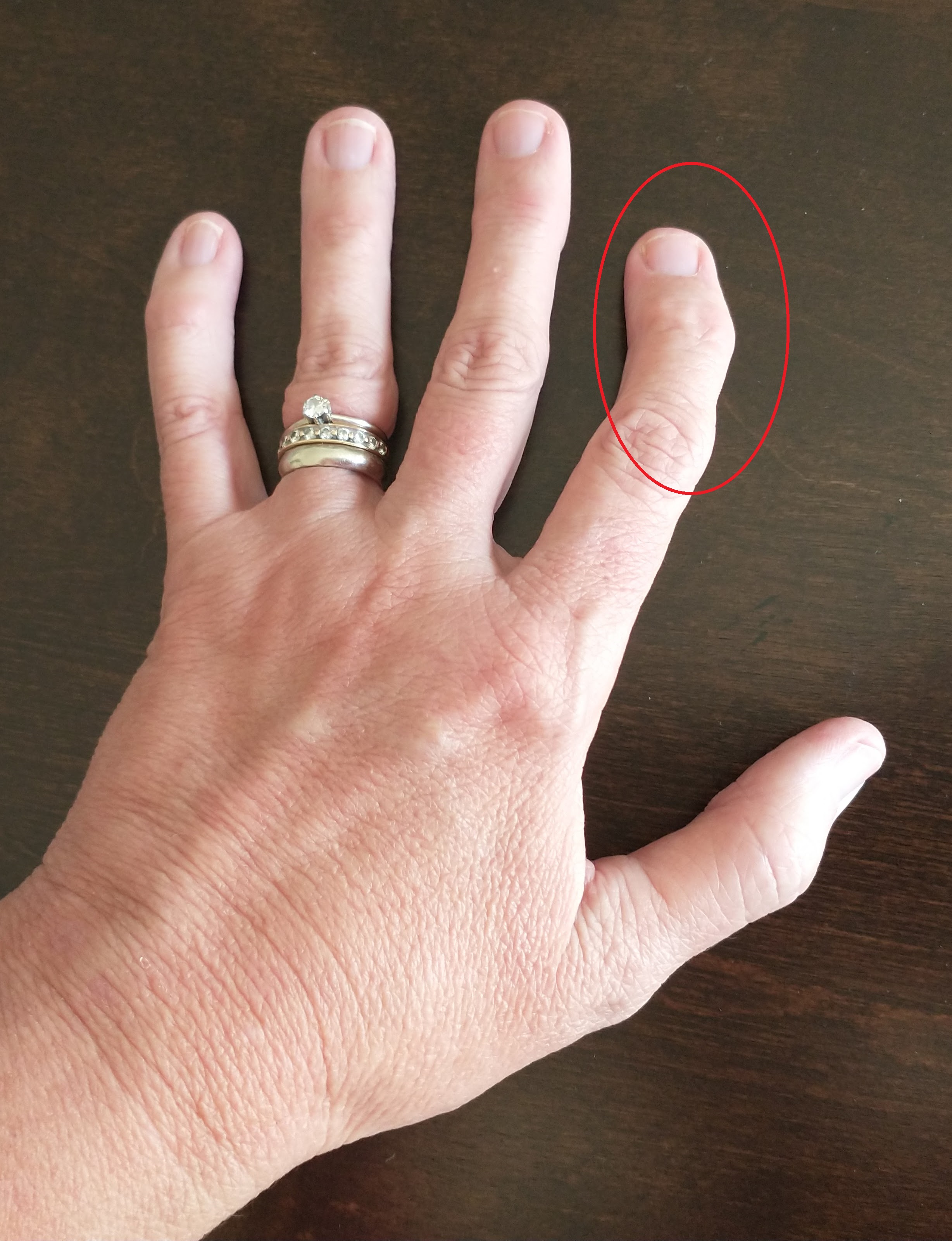
Second, look at the body's mechanical execution. Impaired fine motor skills reduce a client's ability to independently perform dressing and feeding tasks. Try buttoning a shirt while wearing thick winter gloves; that is what severe arthritis or neuropathy feels like to your patient.
The Environmental Friction: The Home Assessment
You can have a perfectly functioning machine, but if you put it on a broken track, it will derail. We must look at the environment. A home safety assessment evaluates physical hazards that impede a client's safe self-care.
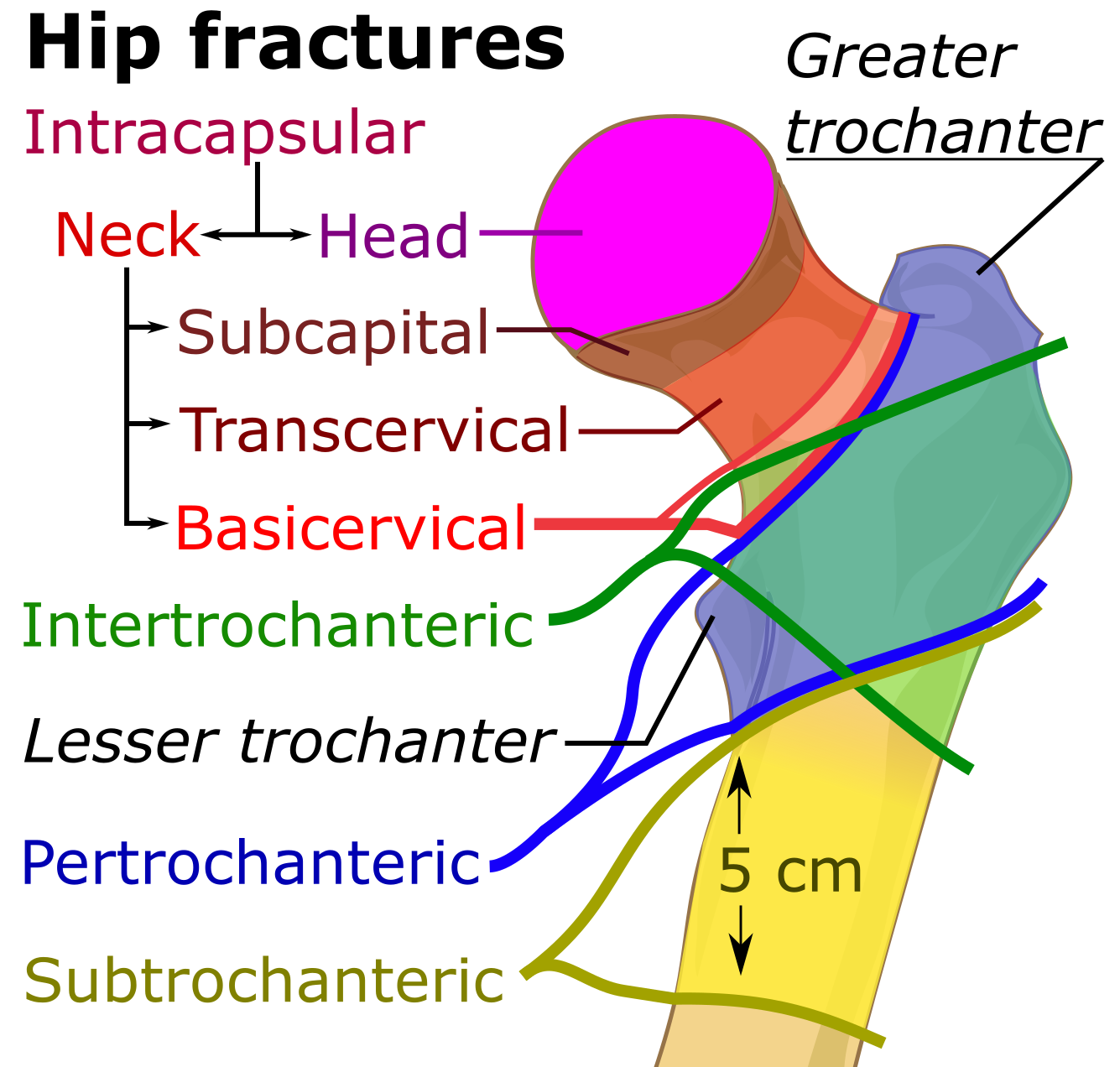
What are we looking for? The physical friction points. Common home safety hazards include loose throw rugs, poor lighting, lack of grab bars, and cluttered walkways. A single loose rug combined with a slightly altered gait from a mild stroke equals a fractured hip. It's basic physics. Remove the hazards, remove the friction.
Once we have our data, we have to build the plan. But here is where amateur nurses fail and elite nurses succeed: Nurses must identify specific self-care deficits before formulating a nursing care plan. Do not generalize. "Needs help at home" is useless. "Requires maximum assist with lower-extremity dressing due to hip precautions" is a target you can hit.
The Rules of Goal Setting
- Tailor to the Baseline: Self-care goals must be tailored to the client's current physical and cognitive baseline. If the patient could not run a marathon before the stroke, they aren't going to do it after. Meet them where they are right now.
- Account for the Variables (Culture): Human beings are not standard issue. Cultural beliefs strongly influence a client's preferences for personal hygiene and diet routines. If you prescribe a diet or a bathing schedule that violates a client’s cultural or religious norms, they will reject the plan. Integrating a client's cultural preferences into the care plan increases adherence to self-care goals. It aligns the physics of their beliefs with the physics of your healing.
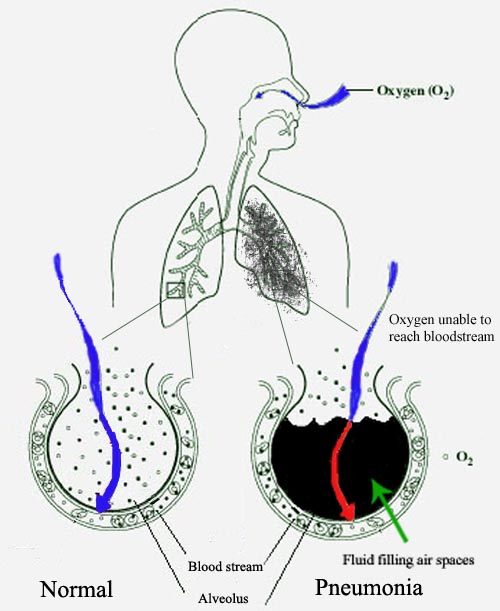
- Adapt to the Shifts: The human body is dynamic. An acute change in medical condition requires revising the existing self-care plan to accommodate new limitations. If your stable heart failure patient suddenly develops acute pneumonia, their energy expenditure just plummeted. Yesterday's self-care goals are now dangerously obsolete. Revise the blueprint.
- Mind the Resources: A beautiful plan is useless if it's bankrupting the patient. The nurse must assess the availability of financial resources when planning home-based self-care interventions. Can they afford the specialty wheelchair? Can they afford the organic low-sodium diet? If not, the plan is fiction.
To bridge self-care deficits, we use levers and pulleys to multiply the patient's effort. We call these assistive devices, and they brilliantly compensate for physical deficits during self-care activities.
- For the Motor Deficit: Built-up utensils facilitate independent feeding for clients with limited hand dexterity. By increasing the diameter of the fork handle, we reduce the amount of fine motor grip strength required to lift the food. Orem would be proud—the patient feeds themselves.
- For the Gravity Deficit: Shower chairs reduce the risk of falls for clients with impaired standing balance during bathing. We remove the need for prolonged postural control, eliminating the risk of a catastrophic kinetic event (a fall).
But nurses don't do this alone. We are the project managers of health, which means we must call in our specialist technicians:
- Occupational Therapy (OT): Referrals to occupational therapy are indicated when a client struggles with fine motor skills required for dressing (or feeding, or any other ADL). OT teaches the patient how to master their environment.
- Physical Therapy (PT): Referrals to physical therapy are indicated when a client exhibits gait instability affecting home mobility. PT focuses on the gross motor strength and the mechanics of movement.
- Home Health: Sometimes, the patient needs ongoing clinical monitoring in their environment. home health nursing services provide intermittent skilled nursing care to clients in their residences. Notice the word intermittent. They are not there 24/7; they are there to execute skilled tasks (like wound care or IV antibiotics) and teach the patient.
Let’s talk about the most crucial variable in the entire home-care equation. You can have the best plan, the best devices, and the best therapists, but when the professionals leave, who is left?
The family. The spouse. The adult child.
Primary caregivers are essential partners in executing home-based self-care plans. You must view them as an extension of your nursing team. But just as you wouldn't assign a heavy lifting task to a nurse with a broken arm, nurses must evaluate the primary caregiver's physical capability to assist the client with self-care tasks. Can a 90-pound elderly wife safely transfer her 200-pound husband from the bed to the commode? If you don't assess this, you are guaranteeing a two-patient scenario.
Teaching the Team
Education is our primary intervention here. We cannot just hand caregivers a pamphlet and wish them luck.
- Caregivers must receive hands-on training for safe patient transfer techniques to prevent injury to themselves and the client.
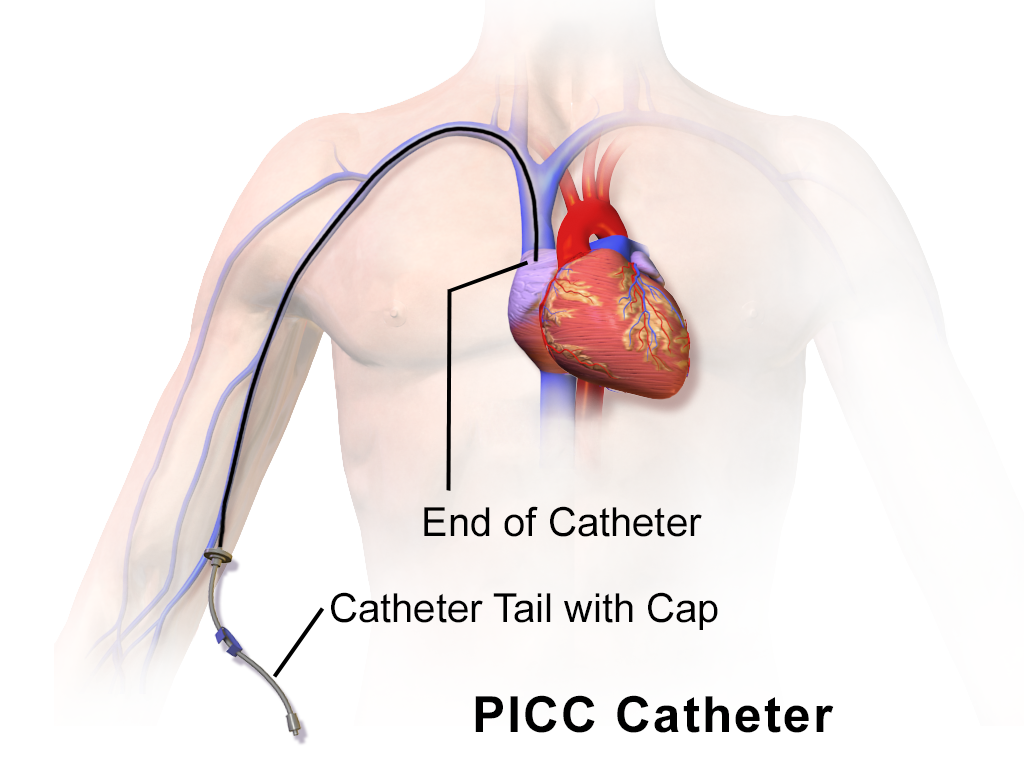
- We operate on the principle of verification. Caregivers must provide return-demonstrations of complex self-care procedures to ensure competence. If you teach a caregiver how to flush a PICC line or perform a sterile dressing change, you must watch them do it back to you. Always verify, never assume.
The Friction of Care: Caregiver Role Strain
Now, pay close attention to this, because the NCLEX loves to test your situational awareness of the family unit.
When you place a massive burden on a system with limited energy, the system begins to fracture. Caregiver role strain occurs when the demands of caring for a client exceed the caregiver's available resources. It is a state of severe physical, emotional, and psychological depletion.
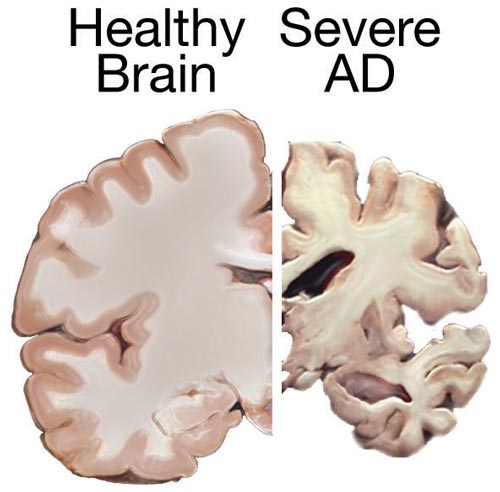
Signs of Caregiver Role Strain: Look for chronic fatigue, irritability, social withdrawal, and depression. If the wife who is caring for her husband with Alzheimer's suddenly stops going to her weekly book club, looks exhausted, and snaps at you during a home visit—she is in failure. The system is breaking down.
How do we fix this? We relieve the pressure. Nurses mitigate caregiver role strain by referring the family to community respite care services.
What is respite care? Respite care provides temporary relief to primary caregivers by utilizing substitute care personnel. It is not permanent placement. It is a designated pause—maybe someone comes into the home for a few hours a week, or the patient goes to an adult day center for a weekend—so the caregiver can sleep, run errands, or simply remember what it feels like to be themselves, not just a caretaker.
If you step back and look at the vast, interconnected web of home management, you will realize that nursing is a deeply collaborative science.
The ultimate goal? Successful self-care goal achievement requires realistic expectations agreed upon by the nurse, the client, and the primary caregiver.
If the nurse sets an unrealistic goal, it will fail. If the client refuses to participate, it will fail. If the caregiver is burned out, it will fail. But when you assess accurately, account for culture and resources, utilize your tools, and protect your caregivers... you achieve a beautiful equilibrium. You restore the patient's autonomy. You give them back their life.
Study this well. The exam will test your knowledge, but your patients will test your mastery.
Class dismissed.