Religious and Spiritual Influences on Health
Not sure you’re ready?
Take the ~3-minute readiness diagnostic and see where you stand.
The Physics of the Soul: Religious and Spiritual Influences on Health
Welcome! Today, we are going to talk about something profoundly beautiful and incredibly vital to nursing. We’re going to look at the invisible forces that govern a human being’s resilience.
When you study anatomy, you’re looking at the mechanics of the body. But what happens when that machinery breaks down? Illness doesn't just damage tissue; illness often triggers a deep psychological search for spiritual meaning and purpose. Suddenly, the patient isn't just asking, "How do I fix my heart?" They are asking, "Why is this happening to me?"
If you want to be a truly elite nurse, you can't just treat the biology. You must understand the physics of the patient's soul. So, let’s roll up our sleeves and explore how to assess, intervene, and evaluate the spiritual and religious needs of your clients.
First, we need to define the problem. Just like a respiratory failure is a disruption in oxygen exchange, we have a specific term for a breakdown in a patient's spiritual ecosystem.
Spiritual Distress is a disruption in a client's belief system or relationship with a higher power.
When a person experiences this disruption, the emotional fallout is massive. You aren't just going to see someone looking a bit sad. Emotional problems related to spiritual distress include intense feelings of hopelessness. You might hear a client express feelings of abandonment by a higher power, crying out, "Why has God forsaken me?"
Here is where it gets tricky for you as the nurse: A client experiencing a crisis of faith may project anger toward healthcare staff. When a patient snaps at you, remember—it’s often not about the IV line or the medication. It’s the sheer terror of spiritual free-fall.
The Friction Between Medicine and Belief
Spiritual distress is frequently triggered when the hospital environment collides with the patient's religious framework:
- The Weight of Guilt: A client may feel immense guilt if a prescribed medical treatment violates strict religious doctrines. Imagine believing that accepting a treatment will cost you your eternal soul. That is a heavy burden.
- The Panic of Routine Disruption: A client may experience severe anxiety if hospitalization prevents the client from performing daily religious rituals. For many, these rituals are the anchor holding their world together.
In physics, you can't measure a quantum state without the right instruments. In nursing, assessing a client's spiritual needs requires asking open-ended questions about personal religious practices. You cannot make assumptions based on a name on a chart.
You must act like a curious scientist. Nurses must actively identify religious beliefs that conflict with standard medical treatments. Furthermore, a fundamental part of admission is checking the inputs: a nurse must assess a client's need for specific religious dietary restrictions upon admission.
To help you gather a comprehensive spiritual history without fumbling in the dark, we use two brilliant mnemonic assessment tools.
The FICA Tool
The FICA assessment tool is utilized to gather a comprehensive spiritual history from a client.
- F - Faith: "Do you consider yourself spiritual or religious?"
- I - Importance: "What importance does your faith have in your life and your healing?"
- C - Community: "Are you part of a spiritual or religious community?"
- A - Address in care: "How would you like me, your nurse, to address these issues in your healthcare?"
The HOPE Tool
Alternatively, the HOPE assessment tool evaluates sources of:
- H - Hope (meaning, comfort, strength)
- O - Organized religion
- P - Personal spirituality and practices
- E - Effects on medical care and end-of-life issues
To care for a diverse population, you need to understand the fundamental "rules" of their specific universes. Let's map out the major religious influences you will encounter.
Dietary Laws: The Chemistry of the Plate
Diet is a deeply spiritual act for billions of people. Here is a breakdown of the specific dietary architectures you must respect:
| Religion / Belief System | Core Dietary Principles & Restrictions |
|---|---|
| Orthodox Judaism | Orthodox Jewish clients typically adhere strictly to Kosher dietary laws. These laws strictly prohibit the mixing of meat and dairy products in the same meal, and they strictly prohibit the consumption of pork products. |
| Islam | Islamic dietary laws mandate the consumption of Halal foods. They strictly prohibit the consumption of pork and strictly prohibit the consumption of alcohol. |
| Hinduism | Many practicing Hindus adhere to a strict vegetarian diet. Even if they eat meat, many practicing Hindus avoid consuming beef due to the culturally sacred status of cows. |
| Seventh-Day Adventist | Many practicing Seventh-Day Adventists consume a lacto-ovo vegetarian diet (allowing dairy and eggs, but no meat). |
| Church of Jesus Christ of Latter-day Saints (Mormon) | Members of the Church of Jesus Christ of Latter-day Saints typically avoid consuming coffee and typically avoid consuming tea. |


The Biology of Fasting
Practicing Muslims may fast from dawn to sunset during the holy month of Ramadan. Now, what happens when a devout Muslim gets severely ill during Ramadan?
Fasting during a severe illness may cause profound emotional distress for a client unable to fulfill religious obligations. They are caught between a biological crisis and a spiritual duty! Your intervention here is pure collaboration: The nurse must collaborate with the client and religious leaders to find safe spiritual alternatives to fasting during severe illness (such as making up the fast later or offering charity).
Sacred Objects, Rituals, and Time
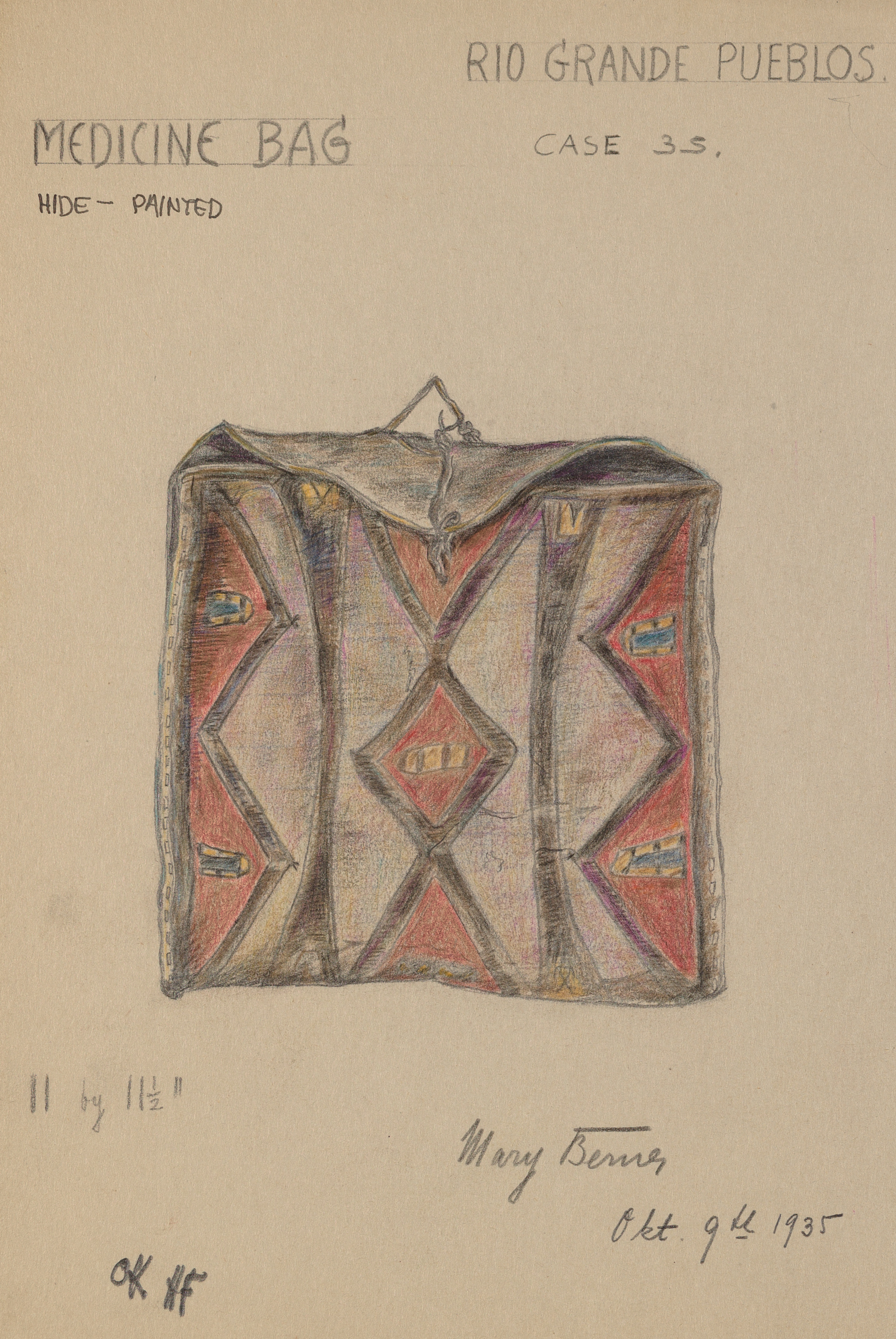
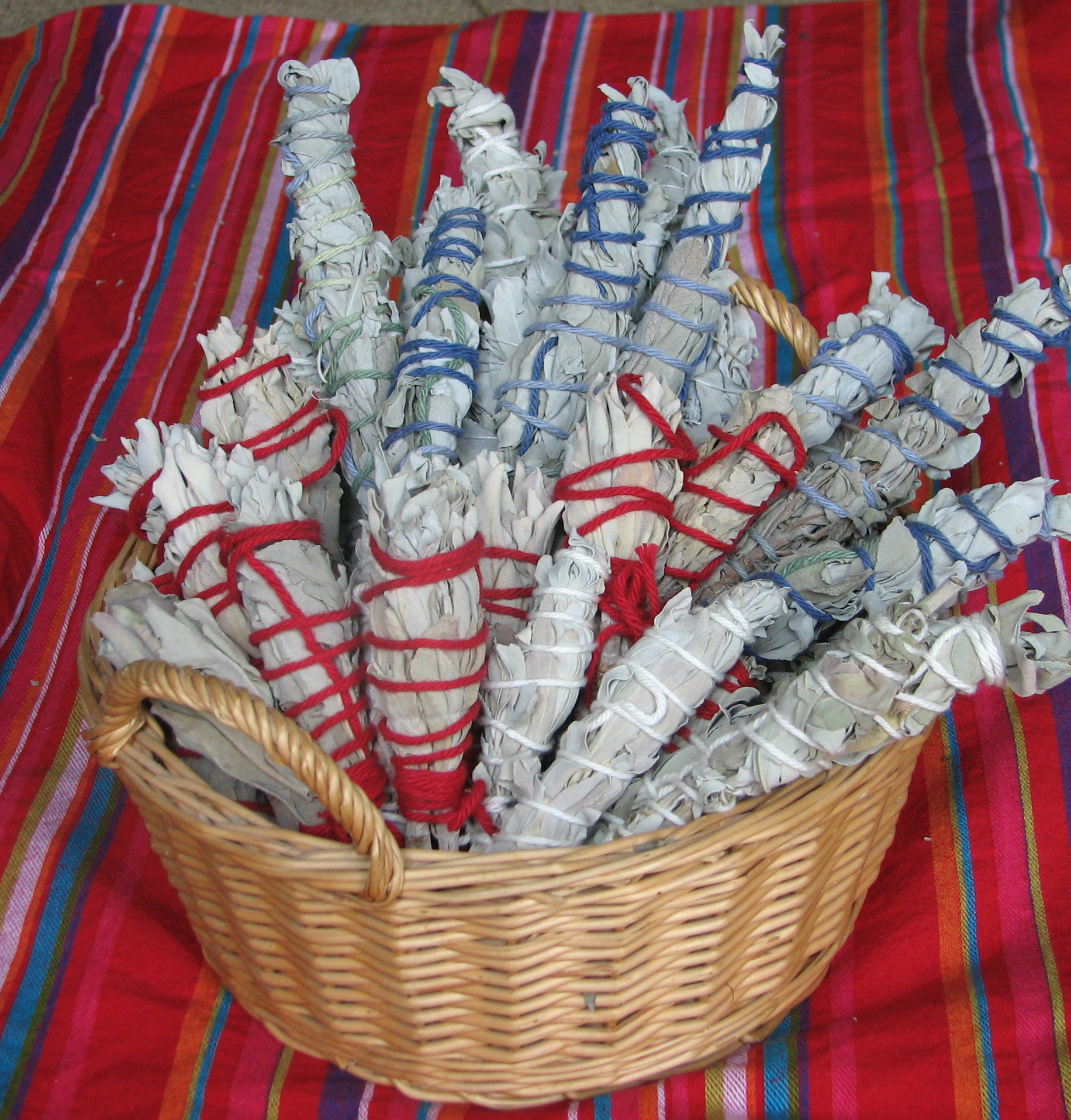
- Native American Traditions: Some Native American clients wear a medicine bag for spiritual protection. This is an absolute boundary: A nurse must never open a Native American client's medicine bag without explicit permission. Another vital practice is Smudging, a Native American purification ritual utilizing the smoke of burning sacred herbs (like sage or sweetgrass). Because we work in oxygen-rich hospital environments, nurses should facilitate outdoor spaces for smudging rituals to respect hospital fire safety regulations.
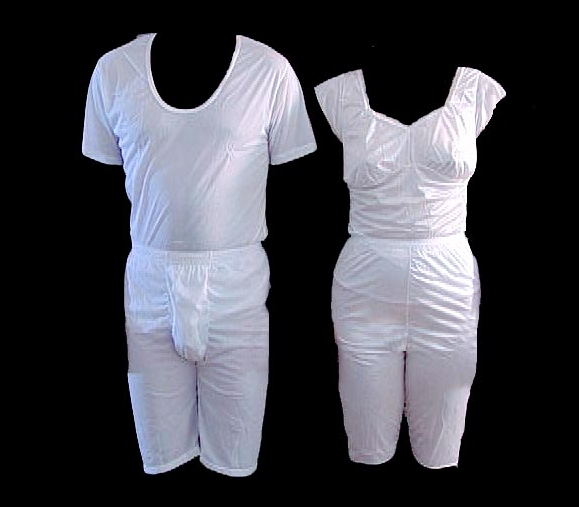
- Latter-day Saints (LDS): Members of the Church of Jesus Christ of Latter-day Saints may wear sacred temple undergarments. These are deeply sacred. Nurses must avoid removing a client's sacred temple undergarments unless absolutely medically necessary.
- Seventh-Day Adventists: Time itself is sacred. Practicing Seventh-Day Adventists observe the Sabbath from sunset on Friday to sunset on Saturday. Avoid scheduling non-emergency procedures during this window.
- Roman Catholicism: Roman Catholic clients may urgently request the Sacrament of the Sick during a serious illness and often request the Sacrament of the Sick near the end of life. Do not delay this request!
Blood, Medicine, and Physical Boundaries
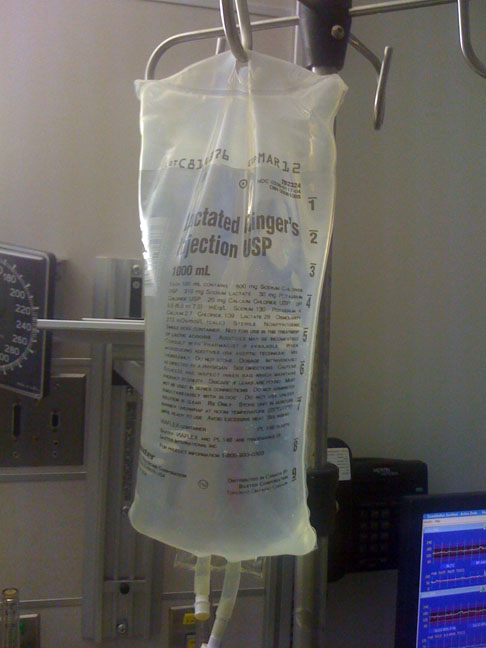
- Jehovah’s Witnesses: This is a classic NCLEX scenario and a fascinating test of medical ethics. To a Jehovah's Witness, blood is the literal essence of life and consuming it—even intravenously—is forbidden. Therefore, adult Jehovah's Witnesses typically refuse whole blood product transfusions and refuse packed red blood cell transfusions. However, the physical volume of blood still needs replacing during trauma. The elegant solution? Some Jehovah's Witnesses may accept non-blood volume expanders like normal saline or lactated Ringer's.
- Christian Science: Followers of Christian Science often prefer spiritual healing over conventional medical interventions. Be prepared to support their autonomy.
- Modesty and Gender: Physical touch carries spiritual weight. A nurse must accommodate requests for gender-concordant care providers based on a client's specific religious beliefs. Specifically, many Islamic female clients strongly prefer female healthcare providers for physical examinations, and similarly, many Orthodox Jewish female clients strongly prefer female healthcare providers for physical examinations.
The Geometry of Prayer and the End of Life
How a person leaves this world is the ultimate spiritual transition.
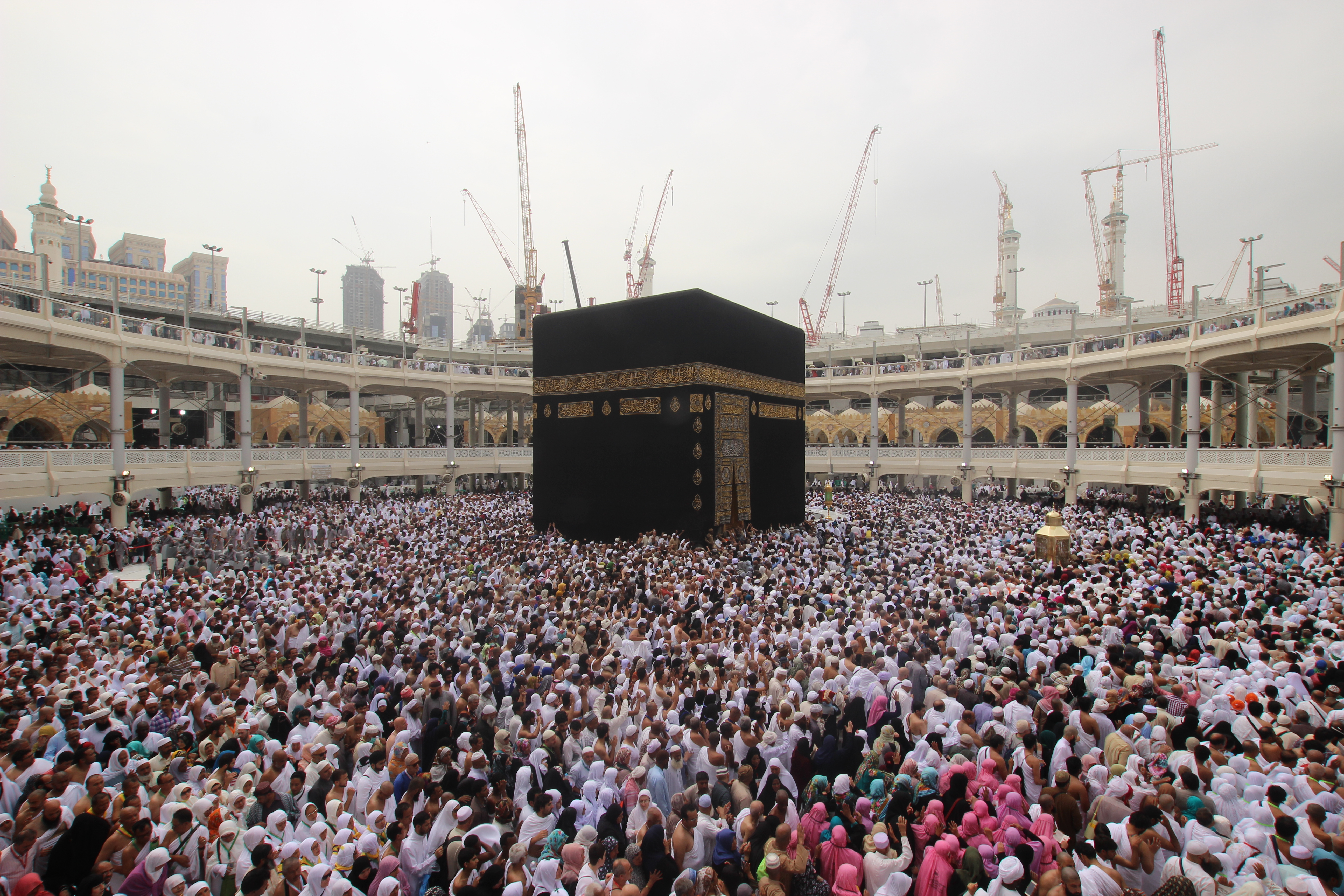
- Islam: Direction matters deeply. Some Islamic clients prefer to face toward Mecca during daily prayers. Furthermore, in the Islamic faith, dying clients are frequently positioned to face toward Mecca.
- Orthodox Judaism: The care of the physical body after death is highly regulated. In Orthodox Judaism, a deceased person's body is typically washed by a designated religious group. You need to know that the designated religious group that washes a deceased Jewish person's body is called the Chevra Kadisha. Additionally, Orthodox Judaism mandates the burial of a deceased individual as soon as possible after death.
Now that we understand the forces at play, how do we intervene? What actions do we take?
The Prime Directive of Spiritual Care: A nurse must remain strictly nonjudgmental when a client expresses religious beliefs different from the nurse's personal beliefs. Furthermore, a nurse is ethically prohibited from imposing personal religious beliefs on any client. You are there to reflect their light, not blind them with yours.
When you are planning interventions to meet spiritual needs, consider these powerful, evidence-based actions:
- The Power of Presence: Active listening is a primary nursing intervention for addressing a client's acute spiritual distress. Sometimes, the most profound thing you can do is pull up a chair and let them talk through their crisis of faith.
- Calling in the Experts: Just as you'd consult a cardiologist for a heart block, consult spiritual experts. Planning interventions for spiritual needs includes offering to contact the facility chaplain and offering to contact the client's preferred community religious leader.
- Environmental Control: Providing a quiet space for prayer is an essential intervention that supports a client's spiritual needs. Additionally, allowing religious artifacts in the hospital room safely supports the client's spiritual needs.
So, you've listened, you've consulted the chaplain, you've adjusted the diet, and you've faced the bed toward Mecca. Did it work? How do we measure the healing of a soul? We don't have a blood test for peace.
Instead, a nurse must evaluate the success of spiritual interventions by directly observing the client's emotional affect. We are looking for outward shifts in their emotional frequency.
Signs of Successful Spiritual Interventions (Met Needs):
- A nurse evaluates spiritual care success by noting if the client verbally expresses a renewed sense of peace.
- A successful evaluation of spiritual interventions reveals a measurable decrease in the client's anxiety regarding religious obligations.
- Evaluating the effectiveness of spiritual care involves verifying if the client has successfully reconnected with a faith community.
Signs of Failure (Unmet Spiritual Needs):
- Evaluating unmet spiritual needs involves identifying any continued signs of anger or spiritual despair. If they are still lashing out at you, the spiritual wound is still bleeding.
- A client's continued refusal to participate in previously valued religious rituals clearly indicates an unmet spiritual need. If a devout patient suddenly stops praying or reading their sacred texts, their spirit is still in critical condition.
Final Thoughts from the Professor
When you walk into that hospital room, you are stepping into a person's entire universe. By understanding their religious and spiritual frameworks, you aren't just respecting their culture—you are actively utilizing their deepest psychological machinery to help them heal. Pay attention to the rituals, respect the boundaries, ask the open-ended questions, and above all, listen.
Study hard, think deeply, and go be brilliant!