Nonpharmacological Comfort Interventions
Not sure you’re ready?
Take the ~3-minute readiness diagnostic and see where you stand.
The Art and Science of Comfort: A Mastery of Nonpharmacological Interventions
Welcome! When we talk about managing a patient’s pain, our minds immediately jump to the medication room. We think of opioids, NSAIDs, and IV drips. But treating the human body isn't just a matter of dumping chemicals into a biological vat and waiting for a reaction. The human nervous system is a beautiful, complex, and highly "hackable" electrical grid.
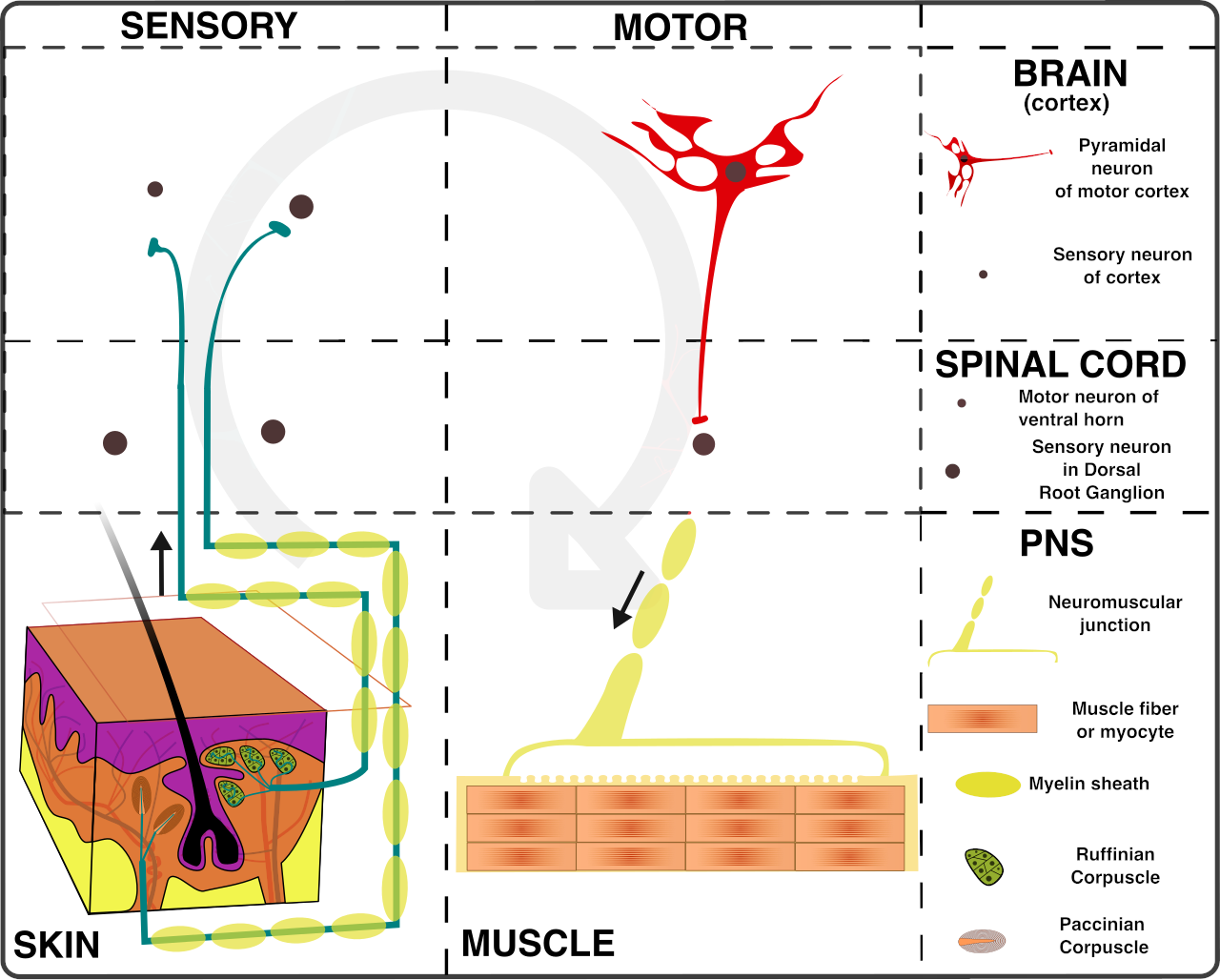
Nonpharmacological comfort interventions encompass physical and cognitive-behavioral strategies to relieve pain. We use them because alternative therapies can be used independently or in conjunction with pharmacological treatments. Why do we care so much about doing both? Because integrating alternative therapies reduces the total required dose of pharmacological analgesics. You get the same comfort, but with less risk of respiratory depression, addiction, or toxicity. It is elegant medicine.
Let’s break down exactly how we measure, manipulate, and master human comfort.
You cannot fix what you have not accurately measured. In physics, we rely on precise instruments. In nursing, client self-report is the most reliable indicator of pain existence and intensity. If the patient says it hurts, it hurts.
A thorough pain assessment requires evaluating the location, quality, intensity, onset, duration, and aggravating factors of the pain. But how do we get a self-report when the patient is three years old, or nonverbal, or cognitively impaired? We use the right ruler for the job.
The Pain Scale Arsenal
| Scale | Target Population | Key Characteristics |
|---|---|---|
| Numeric Rating Scale | Cognitively intact adults and children over the age of 8. | A simple 0-10 scale. Requires an understanding of numerical value. |
| Wong-Baker FACES | Children over the age of 3 and adults with cognitive impairments. | Uses visual faces ranging from a happy smile to a crying face. |
| FLACC Scale | Infants and children aged 2 months to 7 years. | The FLACC scale assesses pain based on facial expression, leg movement, activity, cry, and consolability. |
| PAINAD Scale | Clients with advanced dementia. | Evaluates breathing, vocalization, facial expression, body language, and consolability in patients who cannot self-report. |
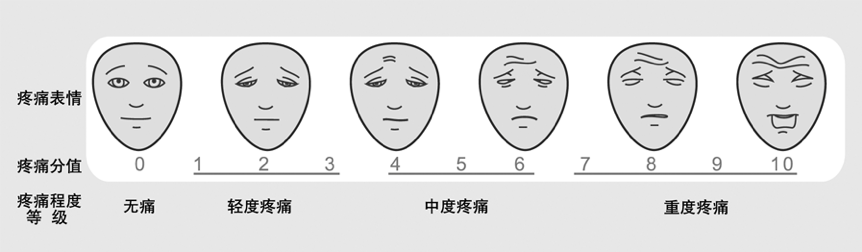
The Body's Signal: Acute vs. Chronic
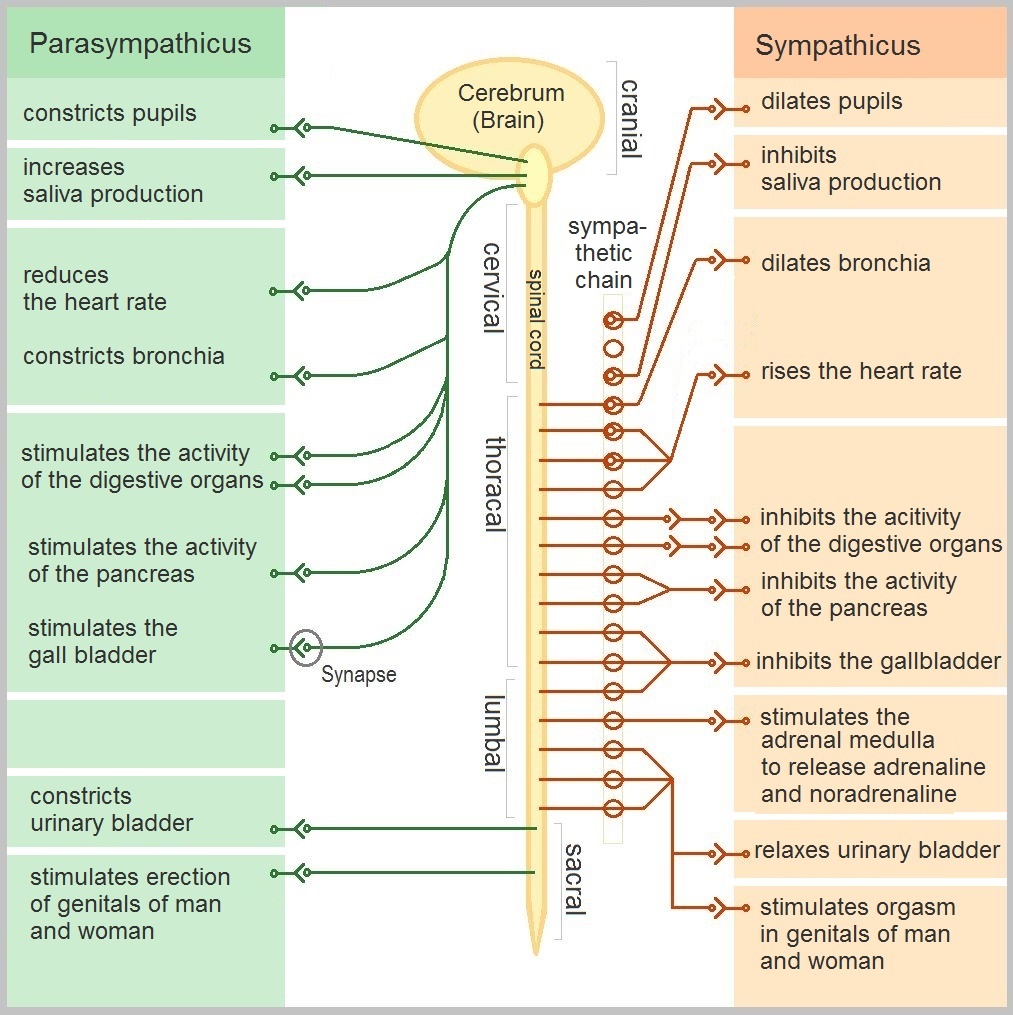
Pain isn't just a feeling; it triggers a systemic alarm.
- Acute Pain: Look at the autonomic nervous system. Physiological indicators of acute pain include tachycardia, hypertension, tachypnea, and diaphoresis. Furthermore, behavioral indicators of pain include grimacing, guarding the affected area, moaning, and restlessness.
- Chronic Pain: Here is the fascinating thing about the body—it adapts. Over time, the systemic alarm turns off even though the fire is still burning. Chronic pain often lacks the physiological manifestations associated with acute pain. A patient in severe chronic pain might have completely normal vital signs.
Crucial Nursing Assessments: Before you do anything else, you must evaluate the patient’s capacity and context. The registered nurse must assess a client's cultural beliefs before implementing alternative comfort therapies. What is comforting in one culture may be offensive or inappropriate in another. Additionally, the registered nurse must assess a client's cognitive ability before implementing cognitive-behavioral comfort therapies. You cannot use guided imagery on a patient who cannot follow a conceptual narrative.
Let’s clear up a massive misunderstanding in healthcare. When people hear "palliative," they think "hospice" or "giving up." No!
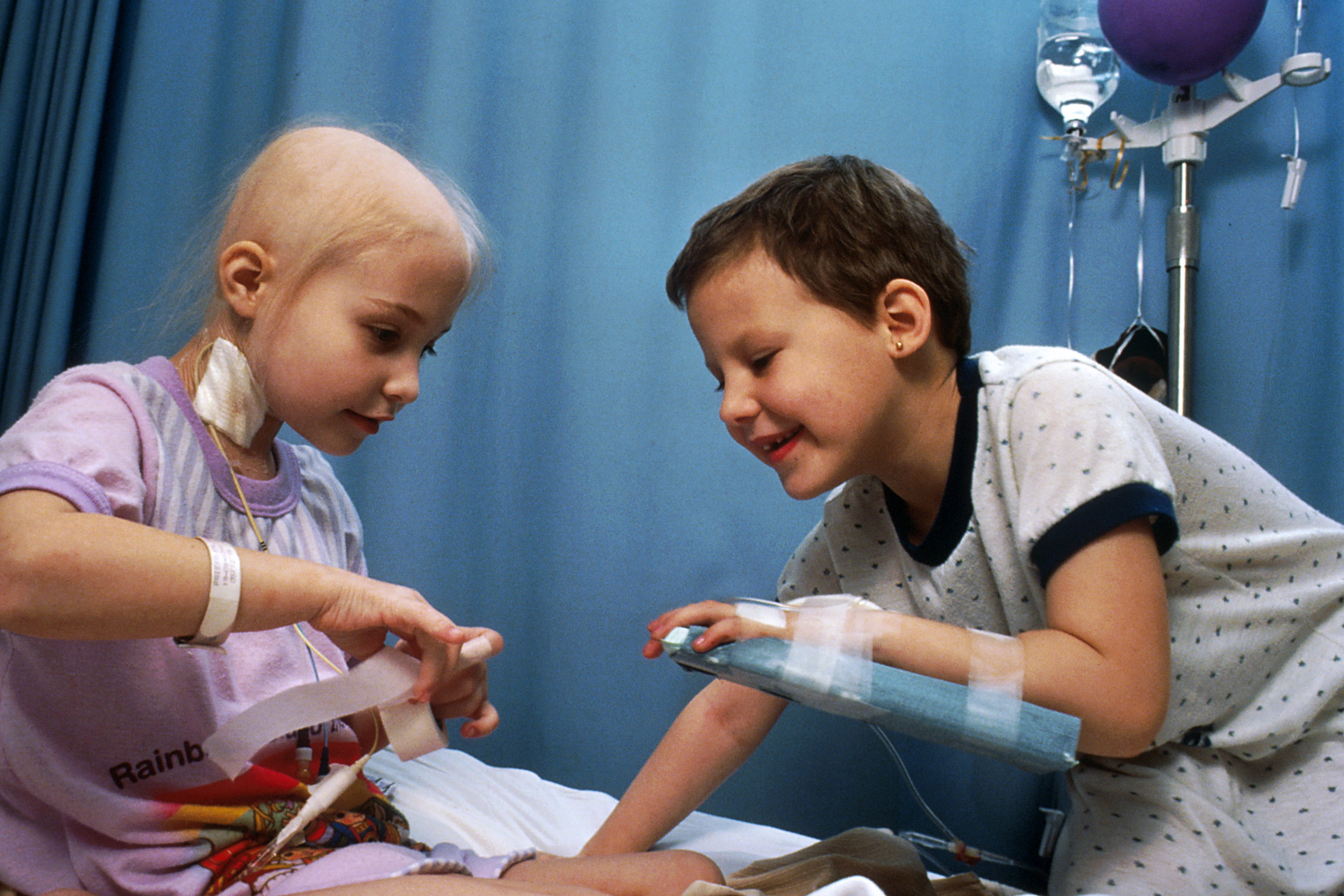
Palliative care focuses on relieving symptoms and improving quality of life for clients with serious illnesses. It is about comfort. Therefore, palliative care interventions are appropriate at any stage of a serious illness. You do not have to wait until the end of life. In fact, palliative care can be provided concurrently with curative disease-directed treatments. You can fight the cancer with chemotherapy (curative) while aggressively managing the nausea and pain (palliative).
Physical nonpharmacological interventions alter physiological pain pathways. They change the way the hardware operates.
The Gate Control Theory
How can rubbing a stubbed toe make it feel better? Enter the Gate Control Theory. This theory posits that non-painful tactile stimuli close the neurological gates to painful stimuli. When you use cutaneous stimulation techniques like rubbing the skin, you activate large-diameter nerve fibers to block pain transmission from the smaller, slower pain fibers. You are literally causing a traffic jam in the spinal cord so the pain signal cannot reach the brain!
Thermal Therapies: Heat and Cold
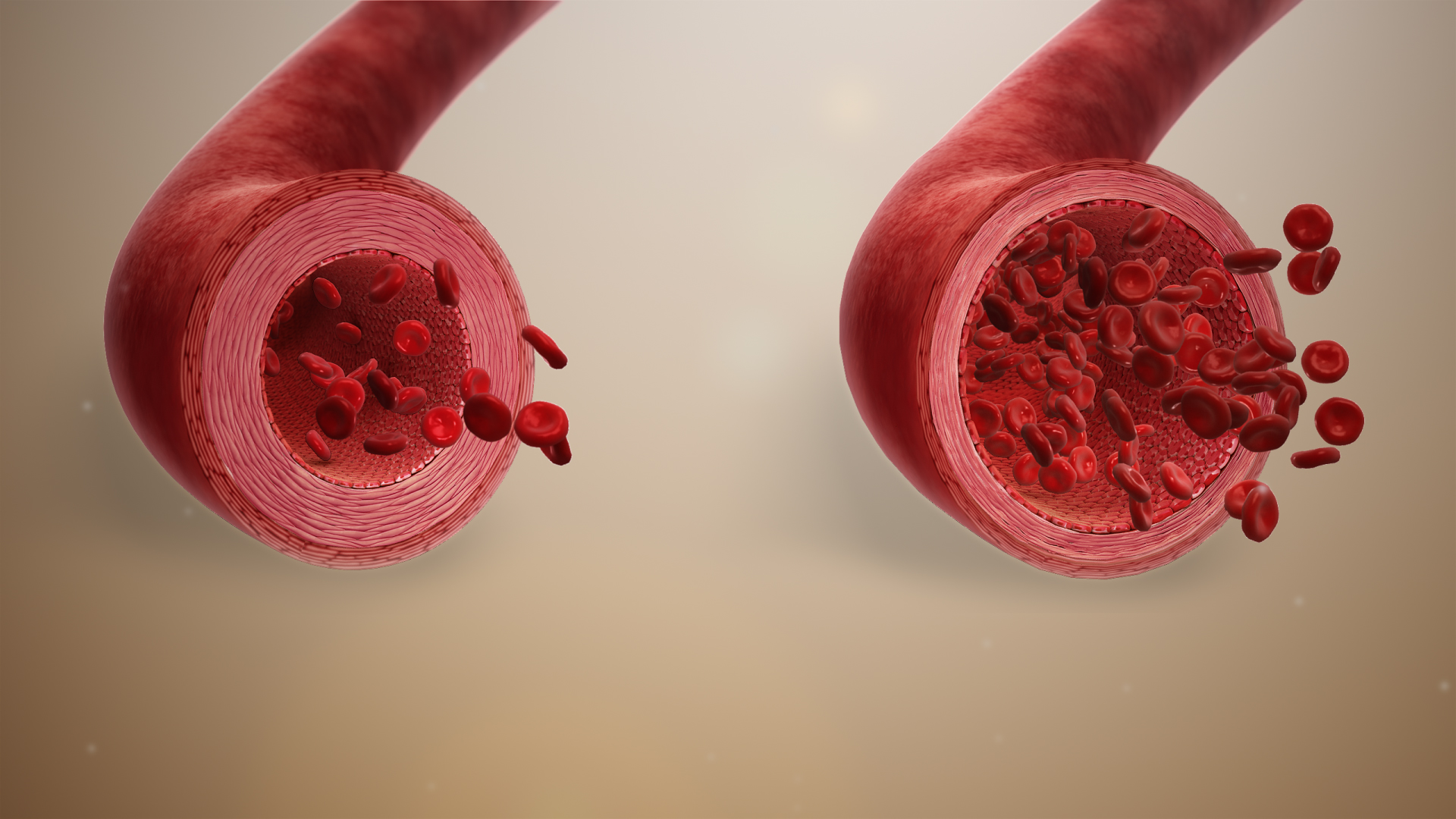
- Heat therapy: Heat therapy increases blood flow to the affected area, which promotes healing, and reduces muscle tension and joint stiffness.
- Contraindication: Because it vasodilates, heat therapy is contraindicated in areas of active bleeding or acute localized inflammation. You don't put a fire hose on a flood!
- Cold Therapy: Cold therapy produces local vasoconstriction. This is why cold therapy reduces edema, muscle spasms, and nerve conduction velocity (literally numbing the nerve).
- Contraindication: Cold therapy is contraindicated in clients with impaired peripheral circulation (like peripheral neuropathy or severe diabetes).
Thermal Safety Rules:
- A protective barrier must be placed between the skin and a thermal therapy device to prevent tissue injury.
- Thermal applications should be limited to 20 to 30 minutes per session to prevent rebound physiological effects. (If you freeze tissue for too long, the body panics and aggressively vasodilates to save the skin, causing worse swelling!).
Touch and Electricity
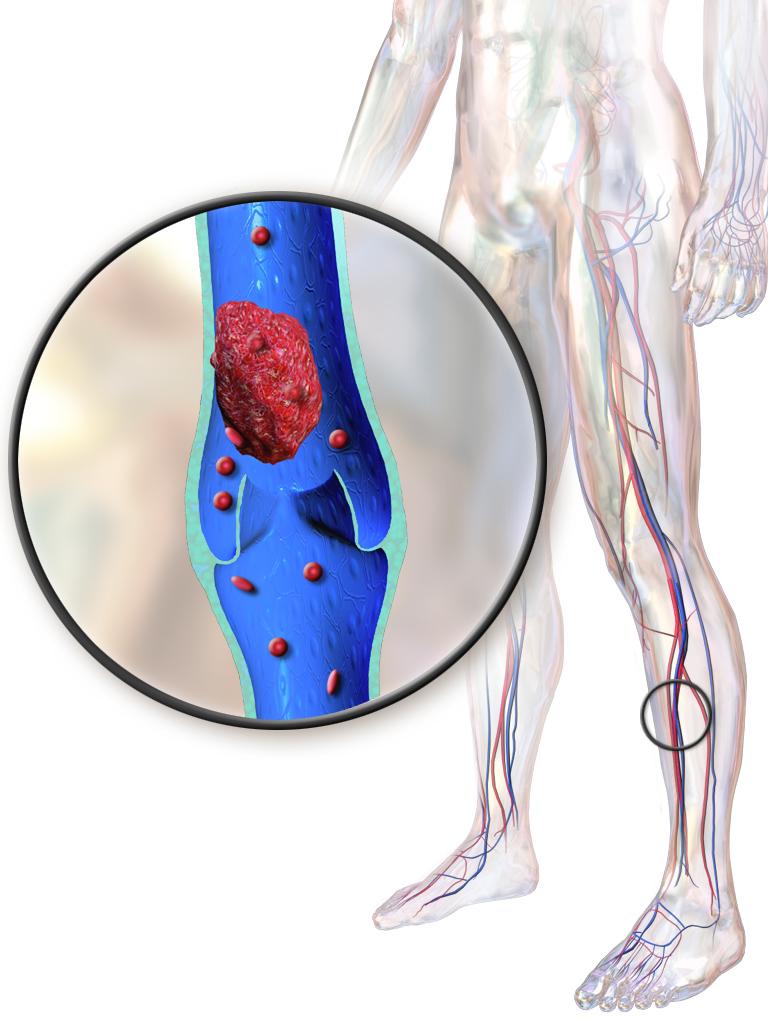
- Massage Therapy: Massage therapy promotes relaxation and decreases muscle tension. However, deep tissue massage is contraindicated over areas of deep vein thrombosis (DVT), as it can dislodge the clot and cause a pulmonary embolism.
- TENS (Transcutaneous Electrical Nerve Stimulation): A brilliant application of the Gate Control Theory. Transcutaneous electrical nerve stimulation delivers low-voltage electrical currents to the skin to block pain signals. Remember: Transcutaneous electrical nerve stimulation requires a healthcare provider's prescription.
- Acupuncture & Acupressure: Acupuncture involves inserting thin needles into specific body points to relieve pain, but acupuncture must be performed by a licensed practitioner. Alternatively, acupressure applies physical pressure to specific body points to relieve pain, which nurses can often integrate.
- Chiropractic Therapy: Chiropractic therapy focuses on spinal manipulation to correct musculoskeletal alignment and alleviate pain.
The Physics of Positioning
Sometimes, physics is the best medicine.
- Positioning a client in anatomical alignment reduces musculoskeletal strain and enhances physical comfort.
- Gravity is your friend: Elevation of an edematous extremity promotes venous return and reduces swelling-related discomfort.
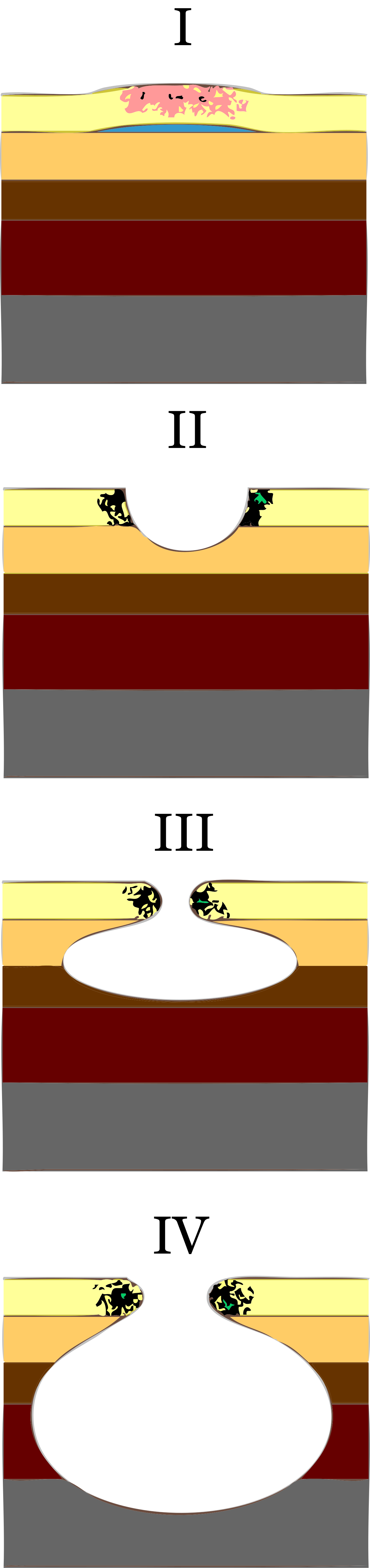
- Frequent repositioning prevents prolonged pressure over bony prominences, stopping pressure injuries before they start.
If physical interventions change the physiological pathways, cognitive-behavioral nonpharmacological interventions alter pain perception. Pain happens in the brain. If we change what the brain is focusing on, we change the pain.
Anxiety and the Amplifier Effect
Anxiety acts as an amplifier for pain. Decreased anticipatory anxiety directly lowers a client's perception of pain severity. How do we decrease it? Simple communication. Providing thorough explanations of procedures decreases anticipatory anxiety. If the brain knows what to expect, it stops panicking.
We can also lean on social support: Incorporating family members into nonpharmacological interventions can decrease a client's anxiety and pain perception.
Altering the Environment and Focus
- Environmental Modification: Environmental modifications like dimming lights and reducing noise levels promote sensory relaxation. Overstimulation breeds tension. Furthermore, providing uninterrupted periods of rest minimizes fatigue-induced exacerbation of pain.
- Distraction Techniques: Distraction techniques divert a client's attention from pain stimuli through activities like conversation, television, or games. You force the brain to allocate its processing power elsewhere.
- Guided Imagery: Guided imagery involves guiding a client to visualize a peaceful mental image to redirect focus away from pain.
Conscious Control of the Subconscious
- Progressive Muscle Relaxation: This involves systematically tensing and relaxing different muscle groups to reduce bodily tension. It forces the brain to recognize what a relaxed muscle feels like.
- Meditation: Meditation induces a state of deep relaxation by focusing the mind and eliminating distracting thoughts.
- Biofeedback: A highly scientific approach. Biofeedback involves using electronic monitoring devices to teach clients conscious control over physiological responses (like heart rate or muscle tension).
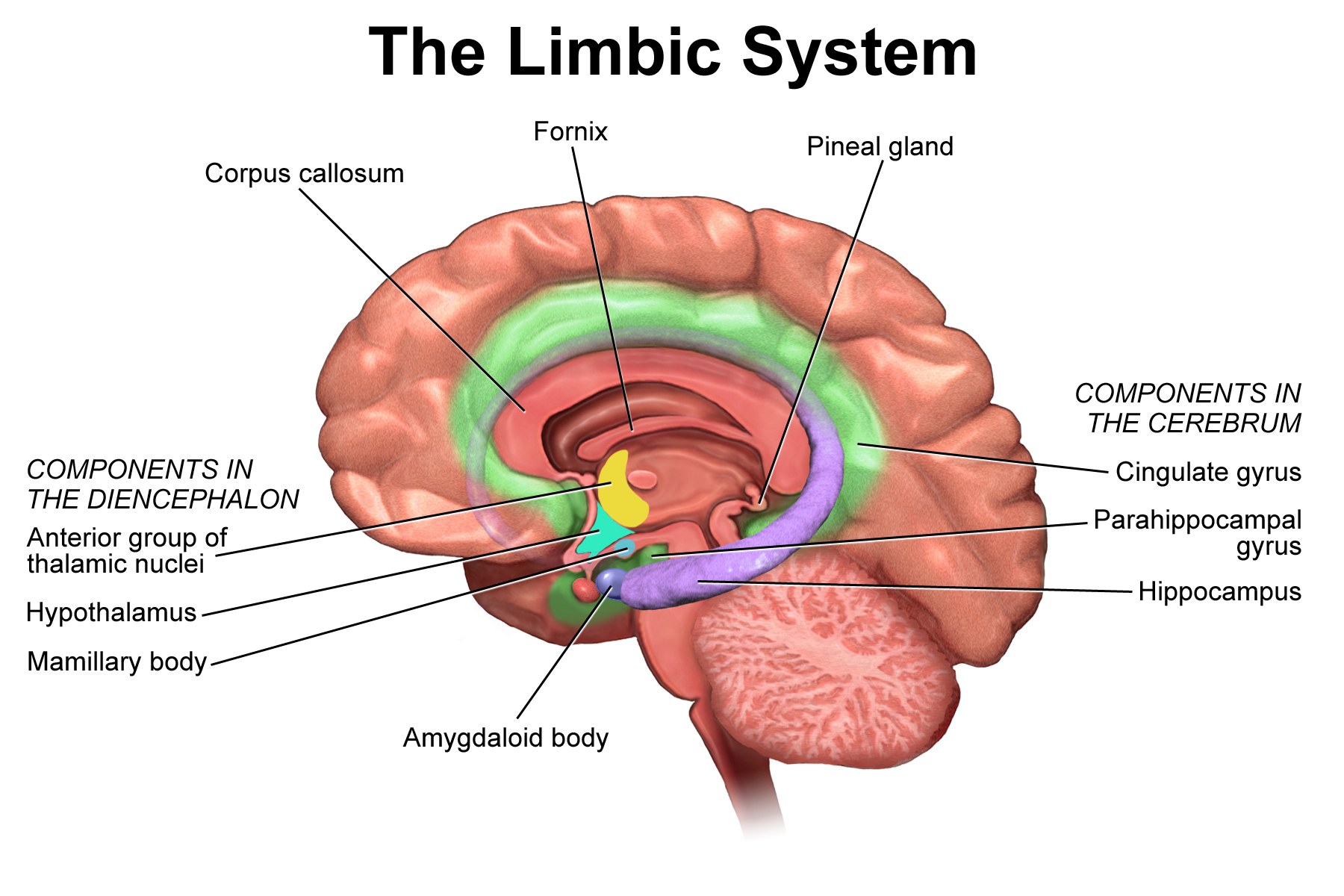
- Aromatherapy: Aromatherapy utilizes essential oils to stimulate olfactory receptors and promote relaxation. The olfactory nerve routes directly into the limbic system (the emotional center of the brain).
- Warning: Some essential oils used in aromatherapy can trigger asthma attacks in susceptible clients. Always assess respiratory history!
You have assessed, you have intervened. Now, like any good scientist, you must evaluate your experiment. Did it work?
Evaluating the effectiveness of a nonpharmacological intervention requires comparing post-intervention pain scores to pre-intervention baseline scores. You cannot know if the pain went down if you didn't measure where it started!
Timing is everything. The registered nurse must evaluate a client's response to nonpharmacological pain interventions within 30 to 60 minutes of implementation.
What are we looking for?
- The Subjective Gold Standard: Just like in the initial assessment, client self-report is the most reliable indicator of intervention effectiveness. If they tell you the guided imagery brought their pain from an 8 to a 4, the intervention was a success.
- The Objective Data: We also look for physiological confirmation. Objective signs of effective nonpharmacological comfort interventions include a decreased heart rate and relaxed facial expressions. The body's alarm system has powered down.
By mastering these techniques, you aren't just giving care; you are orchestrating the body's own spectacular mechanisms to heal, soothe, and find equilibrium. That is the true art of nursing.