Nutrition and Oral Hydration
Not sure you’re ready?
Take the ~3-minute readiness diagnostic and see where you stand.
Welcome to the fascinating world of human thermodynamics, plumbing, and fuel! Think about it—the human body is essentially an astoundingly complex engine. And just like any engine, if you put in the wrong fuel, or if the fluid levels drop, the whole system stalls out. As a nurse, you are the chief engineer. You don’t just hand out food trays; you manage the vital chemistry and physical balances that keep your patient alive.
Let's dive right into how we evaluate, maintain, and mechanically assist the profound systems of human nutrition and hydration!
If you want to know how an engine is running, you check the gauges. In nursing, our gauges are our physical assessments and lab values.
The Macroscopic View: Weight and Skin
First, we look at the gross structure. We use the body mass index (BMI) as a quick mathematical snapshot.
- A body mass index between 18.5 and 24.9 is considered normal weight.
- A body mass index below 18.5 indicates underweight status.
But here is the trick: an absolute number doesn't tell you the velocity of a problem. A patient might have a normal BMI today but is crashing fast. That's why unintentional weight loss greater than 5 percent in one month indicates severe nutritional risk. It means the body is actively consuming its own reserves.
Next, we look at fluid levels. You don't need fancy equipment; just look at the skin and the waste!
- Decreased skin turgor with tenting indicates fluid volume deficit. If you pinch the skin and it stays up like a little tent, the cells are literally parched.
- Dark concentrated urine indicates poor hydration status. The kidneys are desperately holding onto every drop of water, leaving behind concentrated waste.
- If we measure this concentration precisely, normal urine specific gravity ranges from 1.005 to 1.030. Anything higher? The body is crying out for water!

The Microscopic View: The Protein Biomarkers
Now let's look at the blood. We need to measure the protein, the literal building blocks of the patient's tissues.
- Normal serum albumin levels range from 3.5 to 5.0 g per dL. Albumin is great, but it has a long half-life (about 20 days). It tells you what the patient’s nutrition was like weeks ago.
- If you want to know what's happening right now, you look at prealbumin. Serum prealbumin levels indicate short-term changes in nutritional status due to a short half-life (just 2 days!). Normal serum prealbumin levels range from 15 to 36 mg per dL. If that number drops, your patient is acutely starved of protein.
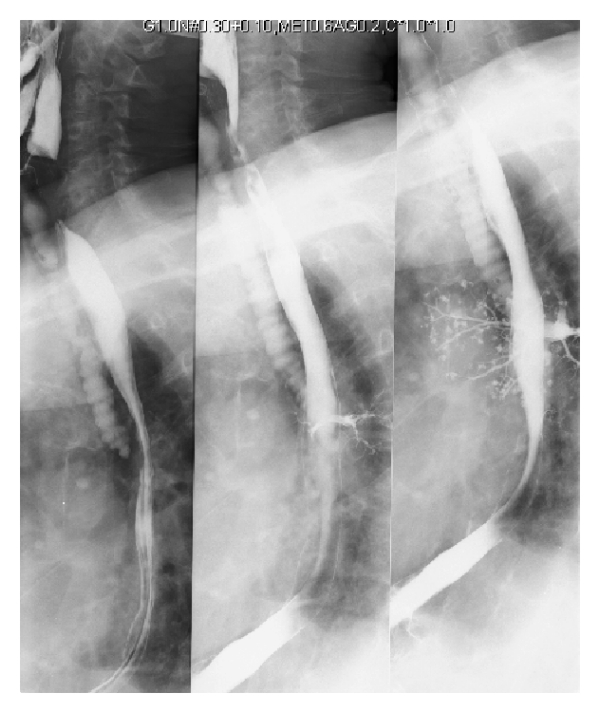
Eating is a highly coordinated mechanical marvel. But what happens when the nerves or muscles fail? We call this dysphagia.
Imagine trying to swallow and the muscles just forget what to do. The food just sits there. Pocketing food in the cheeks indicates impaired swallowing ability. As nurses, we observe this, but we don't guess at the underlying physiological failure. A speech-language pathologist evaluates the exact mechanism of dysphagia.
When a patient cannot swallow normally, thin fluids like regular water are dangerous—they slip right past the vocal cords and into the lungs. Therefore, patients with dysphagia require thickened liquids to prevent aspiration.
Sometimes the digestive tract works fine, but the machinery of the mouth is compromised. We step up the physical complexity of the diet slowly.
| Diet Type | The Rule | What It Includes |
|---|---|---|
| Clear Liquid | If you can see through it, it's clear! | A clear liquid diet includes water, plain tea, black coffee, clear broths, and plain gelatin. |
| Full Liquid | We add the opaque, thicker liquids. | A full liquid diet includes milk, yogurt, and pureed soups. |
| Pureed | The blender does the chewing. | A pureed diet provides food blended to a smooth consistency for patients with severe chewing difficulties. |
| Mechanical Soft | For those lacking the tools to crush food. | A mechanical soft diet includes easily chewed foods for patients with missing teeth. |
When organs fail, the chemistry of the body goes haywire. We use food as medicine, restricting what the failing organs can no longer handle.
The Failing Filter (Renal Failure)
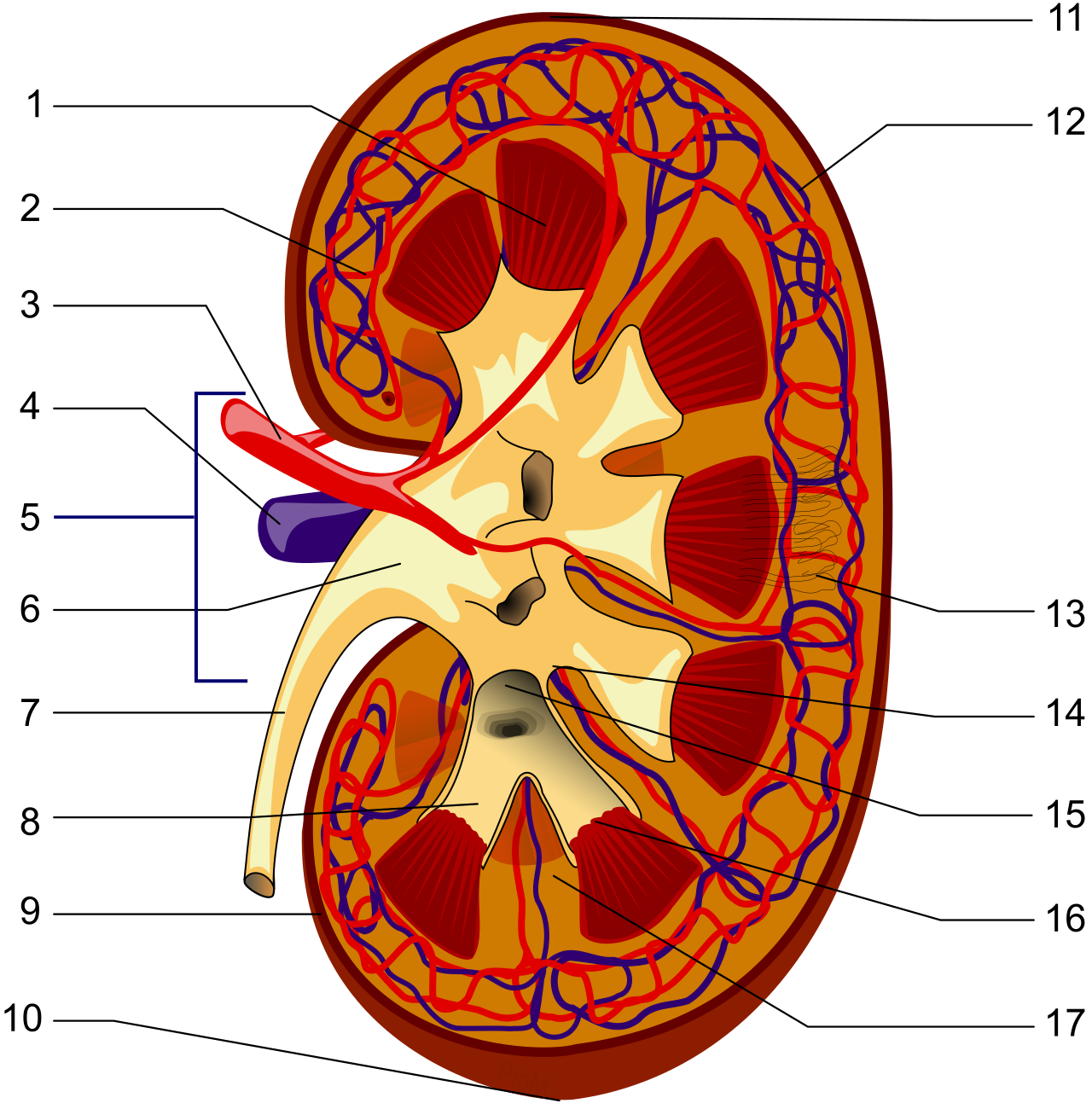
When the kidneys fail, they can't filter out electrolytes or protein waste.
- A renal diet restricts dietary sodium, restricts dietary potassium, and restricts dietary phosphorus.
- Furthermore, end-stage renal disease requires a low-protein diet to decrease blood urea nitrogen accumulation. (Protein breaks down into nitrogenous waste, which a failed kidney simply cannot clear!)
The Struggling Pump (Cardiac Disease)
To protect the heart and the plumbing (blood vessels):
- A cardiac diet restricts dietary sodium, restricts dietary saturated fats, and restricts dietary cholesterol. Less fluid retention, less plaque!
The Glucose Rollercoaster (Diabetes)
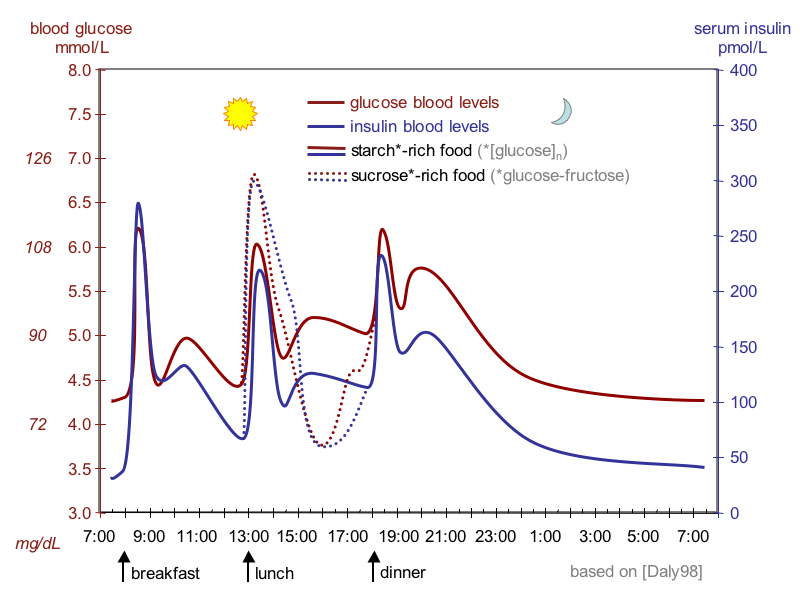
It's not about totally eliminating sugar; it's about predictable fuel flow.
- A diabetic diet focuses on consistent carbohydrate intake throughout the day to match the body's insulin availability.
The Autoimmune Intestine (Celiac Disease)
For some, specific plant proteins trigger a devastating immune response.
- Patients with celiac disease must maintain a lifelong gluten-free diet.
- What does this mean? A gluten-free diet strictly eliminates wheat, strictly eliminates barley, and strictly eliminates rye.
Bowel Management (Fiber vs. Rest)
- Need to move things along? A high-fiber diet prevents constipation by increasing stool bulk.
- Need the inflamed bowel to rest (like in Crohn's disease flare-ups)? Give it less work! A low-residue diet restricts raw fruits, restricts raw vegetables, and restricts whole grains.
You cannot treat the body without respecting the human being. A patient's diet is profoundly tied to their culture and beliefs. Memorize these fundamental requirements:
- Judaism: Kosher dietary laws prohibit combining meat and dairy in the same meal. Furthermore, Kosher dietary laws prohibit the consumption of pork and prohibit the consumption of shellfish.
- Islam: Halal dietary laws prohibit the consumption of pork and prohibit the consumption of alcohol.
- Hinduism: Out of respect for all living creatures, many practicing Hindus follow a vegetarian diet.
- Mormonism (Latter-Day Saints): The Mormon religion restricts the consumption of alcohol, restricts the consumption of coffee, and restricts the consumption of tea.
- Seventh-Day Adventists: Seventh-Day Adventists typically follow a lacto-ovo vegetarian diet (meaning they eat dairy and eggs, but no meat). Furthermore, Seventh-Day Adventists strictly avoid pork and strictly avoid alcohol.
What if the patient's gut works perfectly, but they are in a coma, or they simply cannot eat? We bypass the mouth and run a tube straight into the stomach or intestine. It’s elegant, but it requires strict physics and chemistry to do it safely.

Step 1: Verification (Where are we?)
You just slid a tube blindly down a patient's nose. Is it in the stomach or the lung? You cannot guess.
A chest radiograph provides the only definitive verification of initial enteral tube placement.
Once it's confirmed, how do we make sure it hasn't migrated later? We pull back some fluid and check the chemistry. Gastric aspirate pH verification helps confirm ongoing enteral feeding tube placement. Because the stomach is an acid bath, gastric aspirate pH is typically between 1.0 and 4.0 in a fasting patient.
Step 2: Administration and Gravity
Liquid takes the path of least resistance. If the patient is lying flat, that formula will march right up the esophagus and into the lungs!
- The head of the bed must remain elevated at least 30 degrees during continuous enteral feeding.
- If you are giving a bolus, the head of the bed must remain elevated for 30 to 60 minutes after intermittent enteral feeding.
Step 3: Tube Maintenance and Medication
Tubes get clogged. To keep the plumbing pristine, enteral feeding tubes must be flushed with water before medication administration and must be flushed with water after medication administration.
Step 4: Measuring the Backlog (Gastric Residuals)
Imagine pouring water into a funnel that is slowly draining. If you pour too fast, the funnel overflows. In a patient, gastric residual volumes should be checked every 4 to 6 hours during continuous enteral feeding.
If you pull back a massive amount of fluid, it means the stomach isn't emptying. High gastric residual volumes indicate delayed gastric emptying. What do we do?
- Enteral feedings are typically withheld if the gastric residual volume exceeds 500 milliliters.
- Crucial physics alert: Do not throw that fluid away! Aspirated gastric residual volume must be returned to the patient stomach to prevent electrolyte imbalance. The stomach pumped precious potassium and acid into that fluid; if you toss it in the sink, you are creating a metabolic disaster.
Step 5: Infection Control
Bacteria love liquid food just as much as we do.
- Enteral feeding bags and tubing must be replaced every 24 hours to prevent bacterial contamination.
- Likewise, liquid enteral feeding formulas must be stored in the refrigerator after opening.
Finally, we must act as the accountants of the human body. Every milliliter must be accounted for.
The Math (Conversions)
You need to be completely fluent in translating the standard American kitchen to the metric system:
- One fluid ounce equals 30 milliliters.
- One cup equals 8 fluid ounces.
- Therefore, one cup equals 240 milliliters (8 oz × 30 mL = 240 mL).
- The Ice Rule: Ice is mostly air once it melts! Ice chips are recorded as half of their total volume when calculating liquid intake. (E.g., 100 mL of ice chips = 50 mL of fluid intake).
The Inflow (Intake)
Everything that is liquid at room temperature going into the body counts.
- Fluid intake calculations must include all liquids consumed orally.
- Fluid intake calculations must include all liquids administered enterally (your tube feedings and water flushes).
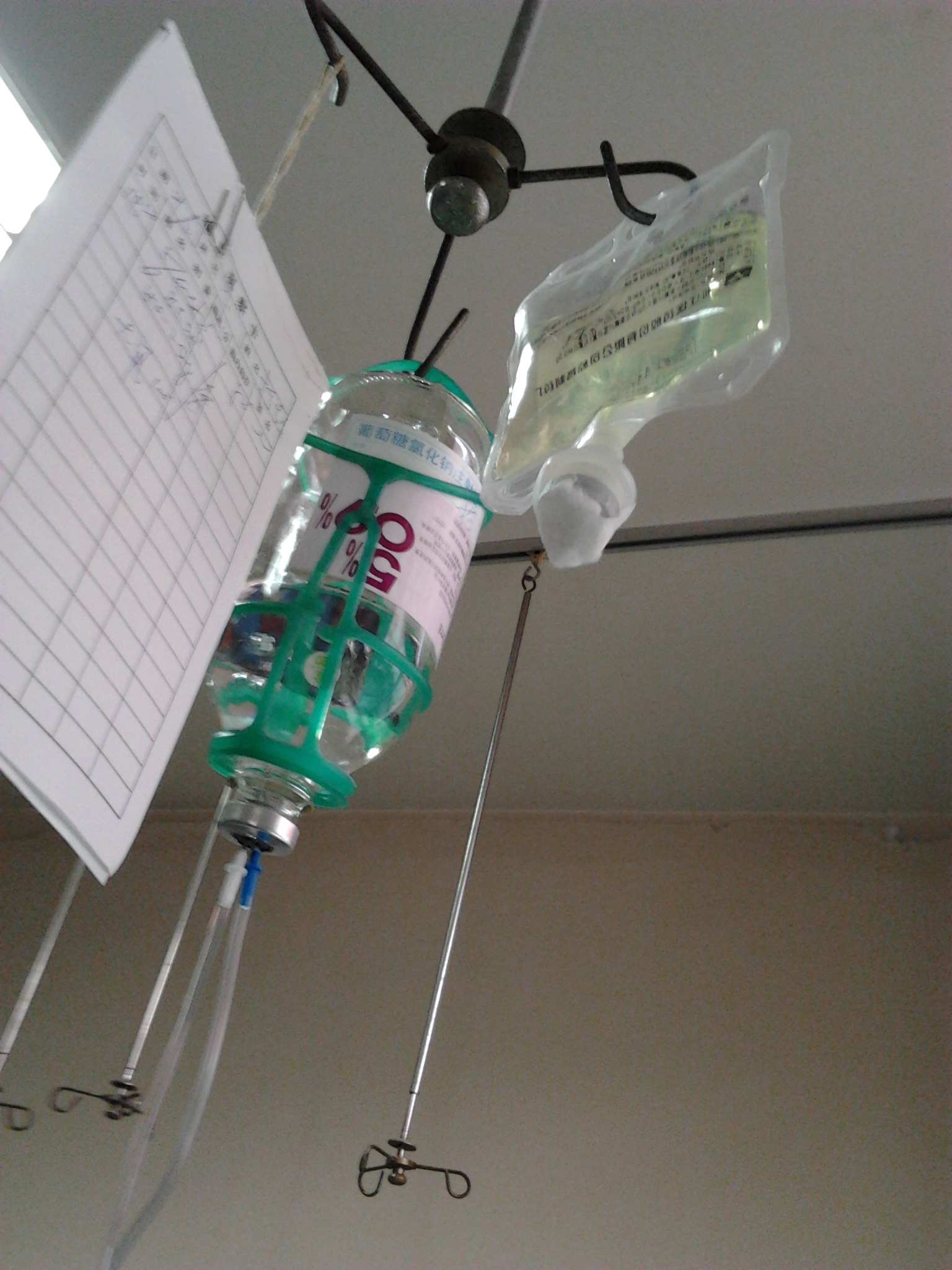
- Fluid intake calculations must include all fluids administered intravenously.
The Outflow (Output)
Where does it all go?
- Fluid output calculations must include urine volume.
- Fluid output calculations must include liquid stool volume.
- Fluid output calculations must include emesis volume (vomit).
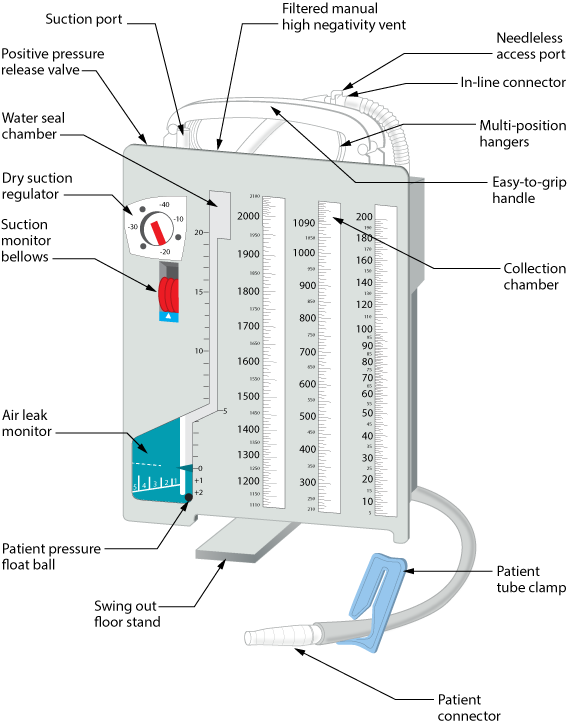
- Fluid output calculations must include drainage tube output (like from a Hemovac or chest tube).
And finally, the most critical number regarding kidney perfusion. How do we know the engine has enough fluid pressure to keep the vital filters alive?
Minimum normal urine output for an adult is 30 milliliters per hour.
If it drops below that, the alarm bells should ring in your head. The kidneys are starving, the system is crashing, and it’s time to intervene!
Study this precisely. Understand the "why" behind every dietary restriction, every elevated bed, and every milliliter measured. You aren't just memorizing rules—you are mastering the dynamics of human life!