Sensory and Perceptual Alterations
Not sure you’re ready?
Take the ~3-minute readiness diagnostic and see where you stand.
The Physics of Perception: Mastering Sensory and Perceptual Alterations
Here is a fascinating, albeit terrifying, truth about the human brain: it is essentially a sealed black box. Your brain has never actually seen the sky, heard a symphony, or felt the wind. It relies entirely on sensory inputs—electrical signals beamed in from the eyes, ears, and skin—to construct a continuous, real-time simulation of the world.

But what happens when the wiring gets crossed? What happens when the brain's internal simulation engine starts generating its own data, or when the external environment bombards the system with more data than it can handle?
In nursing, we call these sensory and perceptual alterations. Understanding how to assess, navigate, and treat a client whose reality is fracturing is one of the most profound skills you will master. We aren’t just treating symptoms; we are acting as the client’s tether back to the real world. Let’s break down exactly how this machinery malfunctions and how you, as the nurse, can fix it.
Before we can help a client, we have to precisely identify the nature of their altered reality. People often use "hallucination" and "delusion" interchangeably in casual conversation. In psychiatric and neurological nursing, however, precision is everything.
A hallucination is a false sensory perception occurring without an external stimulus. The brain creates a sight, sound, or feeling out of thin air.
An illusion is a misinterpretation of a real external sensory stimulus. The stimulus is actually there, but the brain’s pattern-recognition software misidentifies it (e.g., a coat hanging on a door is perceived as a menacing intruder).
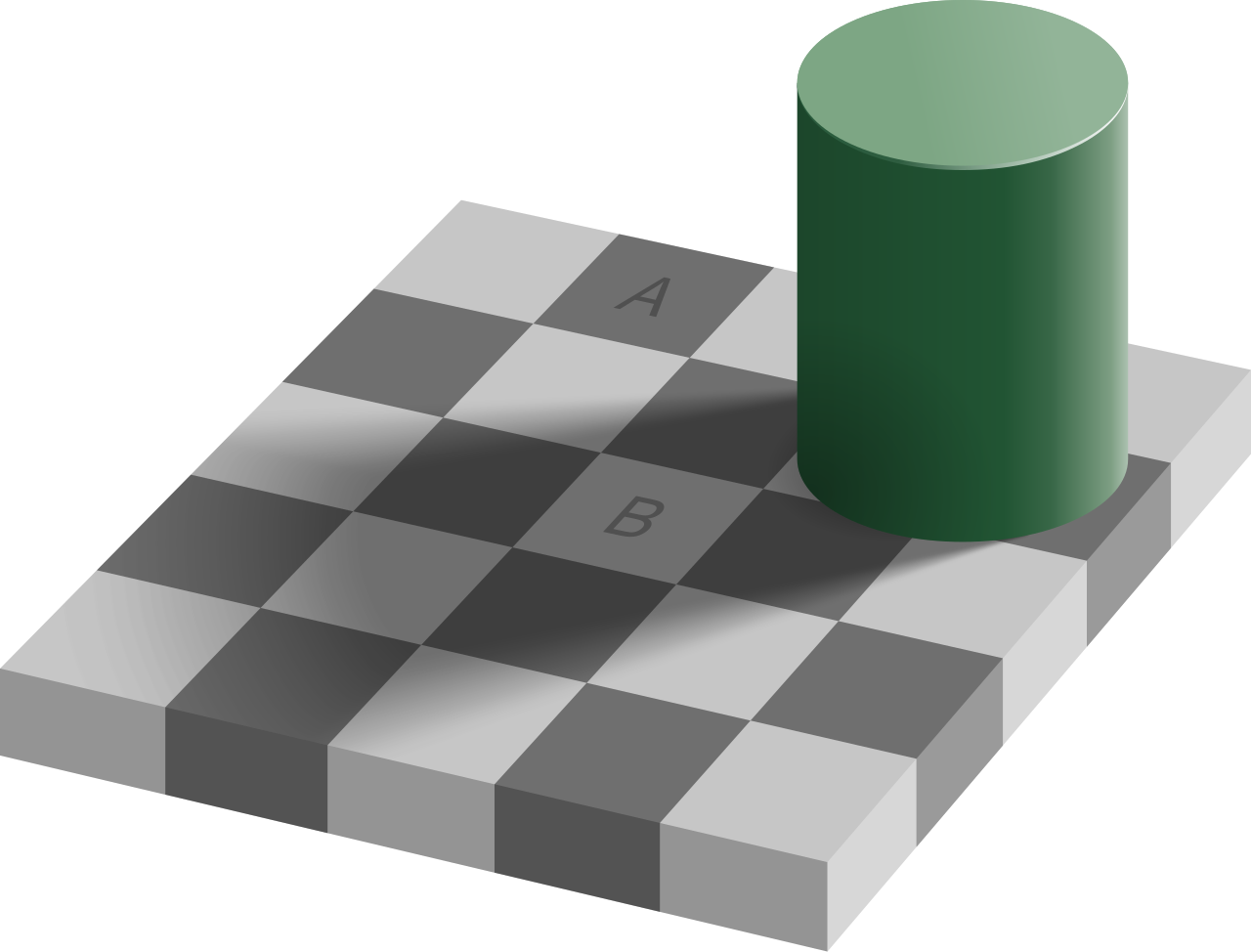
A delusion is a fixed false belief. This is a cognitive error, not a sensory one. The client holds a rigid, untrue conviction (e.g., "The FBI is monitoring my thoughts").
Here is a fundamental rule of nursing care: A delusion cannot be corrected by logical reasoning. If a client believes the hospital food is poisoned by the CIA, showing them the hospital kitchen's safety inspection certificate won't work. You cannot use logic to talk someone out of a belief they didn't use logic to arrive at.
The Flavors of Hallucinations
Hallucinations are not created equal; the specific sense that is hallucinating gives you a massive clue about the underlying pathology.
| Sensory Modality | Clinical Significance & Common Triggers |
|---|---|
| Auditory | Auditory hallucinations are the most common type of hallucination in clients with schizophrenia. If a client is hearing voices, your baseline suspicion should lean toward primary psychiatric disorders. |
| Visual | Look for a physical, medical cause! Visual hallucinations are frequently associated with organic brain disorders. Furthermore, substance withdrawal is a common trigger for visual hallucinations, and medication toxicity frequently manifests as visual hallucinations. |
| Olfactory | Smelling things that aren't there (like burnt rubber or decay) points to the brain's hardware. Olfactory hallucinations are frequently associated with neurological disorders such as temporal lobe epilepsy. |
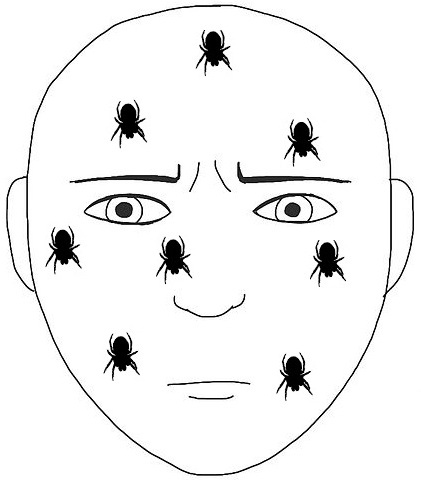
| Tactile | Feeling things on the skin. Tactile hallucinations are commonly experienced during alcohol withdrawal. A terrifying, specific variant you must know is formication: Formication is a specific tactile hallucination described as the sensation of insects crawling under the skin. |
Sometimes the brain's internal machinery is fine, but the environment is broken. The human nervous system requires a very specific bandwidth of stimulation. Too much, and the system crashes. Too little, and the brain starts fabricating its own stimuli to fill the void.
Sensory Overload
Sensory overload occurs when the environment presents more stimuli than the client can process.
Think about a modern hospital. The beeping monitors, the glaring fluorescent lights, the constant foot traffic, the paging system. The intensive care unit environment is a common trigger for sensory overload. The brain's processing buffers overflow, leading to severe anxiety, confusion, and agitation.
_to_ensure_a_quick.jpg)
Interventions for Overload:
- Reduce the inputs: Dimming room lights is an intervention to reduce sensory overload. Similarly, minimizing alarm sounds is an intervention to reduce sensory overload.
- Streamline your data: When communicating, you must decrease the cognitive demand on the client. Nurses must use short sentences when communicating with clients experiencing sensory overload, and nurses must use simple vocabulary when communicating with clients experiencing sensory overload.
Sensory Deprivation
Sensory deprivation occurs when a client receives insufficient meaningful sensory input.
If overload is a chaotic casino, deprivation is a sensory void. Isolation precautions increase a client's risk for sensory deprivation. When a client is locked in a stark room with no visitors, no natural light, and nothing to do, the brain loses its temporal and spatial anchors.
Interventions for Deprivation:
- Re-anchor them to time: Providing a visible wall clock is an intervention to prevent sensory deprivation. Additionally, providing a daily calendar assists in preventing sensory deprivation.
- Re-anchor them to identity: Placing familiar personal objects in the room helps prevent sensory deprivation. It provides meaningful, recognizable data for the brain to process.
Sensory symptoms don't happen in a vacuum. They follow patterns, and as a nurse, you are the detective. Identifying specific environmental triggers helps predict the recurrence of sensory symptoms.
You have to look at the clock. Nurses must assess the exact time of day when a client experiences increased sensory symptoms. Why? Because the brain's energy levels fluctuate.
- Fatigue exacerbates the frequency of hallucinations in psychotic disorders. When the brain gets tired, its ability to suppress rogue signals weakens.
- This is deeply related to sundowning, which is a phenomenon where perceptual alterations worsen during the late afternoon and early evening as the client's cognitive stamina wanes.
The Critical Threat: Command Hallucinations
Not all hallucinations are benign. You must rigorously assess what the voices are saying. A nurse must directly ask a client about the specific content of auditory hallucinations.
Listen closely to this, because it is a matter of life and death: Command hallucinations are false perceptions that instruct the client to perform specific actions. Because these voices are perceived as absolute, external realities, command hallucinations place the client at a high risk for committing violence against themselves or others. If a client is hearing voices, your immediate follow-up must be: "What are the voices telling you to do?"
How do you interact with a person whose reality is fundamentally different from yours? It requires immense empathy, strict boundaries, and environmental control.
Environmental Control and The Lighting Paradox
You must ensure safety first. A nonthreatening environment for a client with perceptual alterations requires adequate lighting.
Wait—didn't we just say earlier that dimming lights helps with sensory overload? Yes! But notice the delicate paradox here: if a client is prone to illusions, dim lighting creates shadows that can trigger visual illusions. A coat rack in a dimly lit room becomes a tall, looming figure. Therefore, the lighting must be adequate and even—no harsh glares that cause overload, but no spooky shadows that cause illusions.
Furthermore, respect their hyper-vigilance. Touching a client experiencing hallucinations without warning can provoke an aggressive reaction. Always announce yourself and your intentions.
Communication: The Tightrope Walk of Validation
When dealing with delusions and hallucinations, communication is a tightrope walk. You cannot participate in their altered reality, but you cannot aggressively shatter it either.
Dealing with Delusions:
- Arguing with a client about the reality of a delusion increases client agitation. They will simply dig their heels in.
- However, agreeing with a client's delusion reinforces the client's altered reality. You become part of the pathology.
Dealing with Hallucinations:
- A nurse must acknowledge that a hallucination is a very real experience for the client. To them, the voice is as loud and clear as yours.
- Yet, a nurse must state directly that the nurse does not hear the hallucination. This provides a reality-testing anchor. You say, "I know you hear voices, but I do not hear anyone else in this room."
- Validating the emotional content of a hallucination builds trust. If the voices are terrifying, focus on the terror, not the voices. Say, "It must be very frightening to hear those things." Crucially, validating the emotional content of a hallucination avoids reinforcing the false perception. You are validating the fear, not the phantom causing it.
- Above all, a nonjudgmental attitude requires the nurse to avoid mocking the client's sensory experiences. Keep your composure. Nurses must maintain a calm tone of voice when interacting with a client experiencing psychosis.
Our ultimate goal is not just to manage the client in the hospital, but to give them the tools to manage their own mind. Teaching a client to identify personal early warning signs of sensory alterations enables proactive use of coping skills. If they know symptoms worsen when they are anxious or tired, they can act before the hallucination takes over.
Strategy 1: The Physics of Distraction
The brain has a limited bandwidth for processing sensory input. We can use this to our advantage to fight auditory hallucinations. Distraction is an effective coping strategy for managing auditory hallucinations.
By flooding the brain with real, external sounds, we can drown out the internal misfires. Competing auditory stimuli reduce the impact of internal hallucinations.
- Listening to music through headphones provides competing auditory stimuli.
- Reading aloud helps suppress internal auditory hallucinations.
- Humming is a vocalization strategy used to drown out the sound of auditory hallucinations.
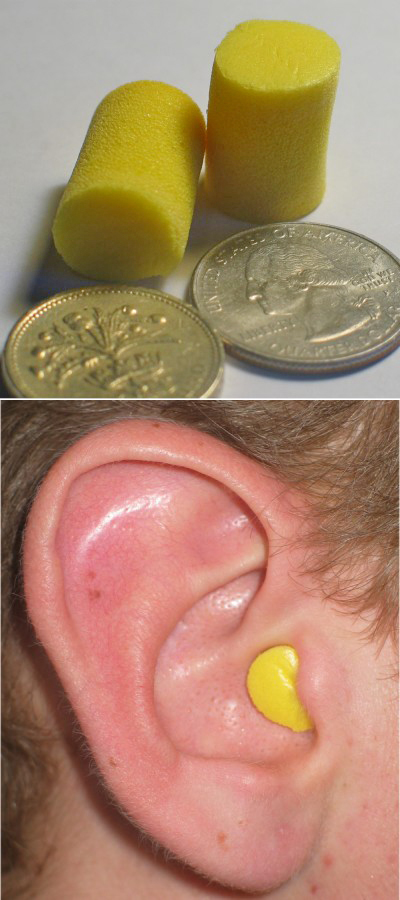
A critical warning regarding the Earplug Paradox: You might think that if a client is overwhelmed by voices, they should wear earplugs to find peace. The opposite is true! Using earplugs to block external noise can paradoxically worsen internal auditory hallucinations. When you block out the real world, you eliminate the competing stimuli, effectively handing the microphone entirely over to the hallucinations.
Strategy 2: Shifting the Focus
Hallucinations thrive in isolation and idleness.
- Engaging in structured activities draws the client's attention away from internal stimuli. Give them a puzzle, a craft, or a specific task.
- Social interaction requires external focus. When you are talking to another human being, your brain is forced to process external social cues, which means social interaction decreases the frequency of internal hallucinations.
Strategy 3: Cognitive Commands and Reality Testing
We can also teach the client to use their higher executive functioning to override the sensory glitches.
- Thought stopping is a cognitive strategy used to manage hallucinations. It is incredibly literal: thought stopping involves the client consciously commanding the hallucination to stop. They can say "Stop!" out loud or firmly in their mind, interrupting the neural loop.
- Finally, there is reality checking. Reality testing involves teaching the client to check with a trusted person to verify the presence of a stimulus. If they aren't sure if a sound is real, they learn to look at their nurse, spouse, or friend and ask, "Did you just hear a knock at the door?"
Final Thoughts
When a client experiences sensory and perceptual alterations, their brain is feeding them a false narrative. As an elite nurse, your job is not to argue with the narrative, but to gently, consistently, and scientifically guide them back to reality. You manipulate the environment to prevent overload and deprivation. You assess the triggers. You offer competing stimuli to drown out the noise. You become their anchor. Master these principles, and you will fundamentally change the trajectory of their care.