Adaptive Approach Suitability
Not sure you’re ready?
Take the ~3-minute readiness diagnostic and see where you stand.
Building a bridge demands knowing precisely where the far shore lies before laying the first stone; developing a new mobile application demands launching a prototype quickly to discover what the user actually wants. This fundamental dichotomy—between predicting the future and adapting to it—governs the architecture of modern project management. For a project professional, the ability to assess whether a project requires a rigid blueprint or a flexible compass is the difference between seamless delivery and costly failure. Understanding the conditions that favor an adaptive approach over a predictive one requires examining not just the project itself, but the deeply ingrained organizational machinery and environment in which it operates.
To understand when to use a specific methodology, we first have to understand what each methodology is optimized to achieve. Project management approaches are not arbitrary preferences; they are tools designed to solve specific types of problems.
The Predictive Approach: Optimizing for Certainty
Predictive project management, traditionally known as Waterfall, treats a project as a sequential progression. In this world, predictive project management requires a well-defined project scope before the project execution phase begins. Because you have mapped out the entire journey before taking the first step, predictive project management provides high predictability for estimating project cost and schedule upfront.
However, this predictability comes with a trade-off in value delivery. Predictive project approaches deliver business value as a single, final product at the very end of the project lifecycle. If you are managing the construction of a hospital, you cannot deliver a partially finished operating room and call it valuable; the entire facility must be completed before the business realizes any return on its investment.

Crucial Exam Concept: Predictive projects are highly suitable for stable environments with predictable regulatory or physical requirements. When the laws of physics or strict government regulations dictate exactly what must be built, a predictive approach is your safest harbor.
The Achilles' heel of the predictive model is change. Because the entire plan is tightly coupled, a major disadvantage of predictive approaches is the high cost of implementing changes late in the project lifecycle. If a stakeholder wants to move a load-bearing wall after the concrete has been poured, the cost and schedule impacts are catastrophic.
The Adaptive Approach: Optimizing for Discovery
In contrast, adaptive project management uses iterative and incremental cycles to deliver project outcomes. Rather than planning everything upfront, the team builds a small piece, tests it, learns from it, and adapts. Because the project is built in pieces, adaptive approaches deliver business value incrementally throughout the entire project lifecycle.
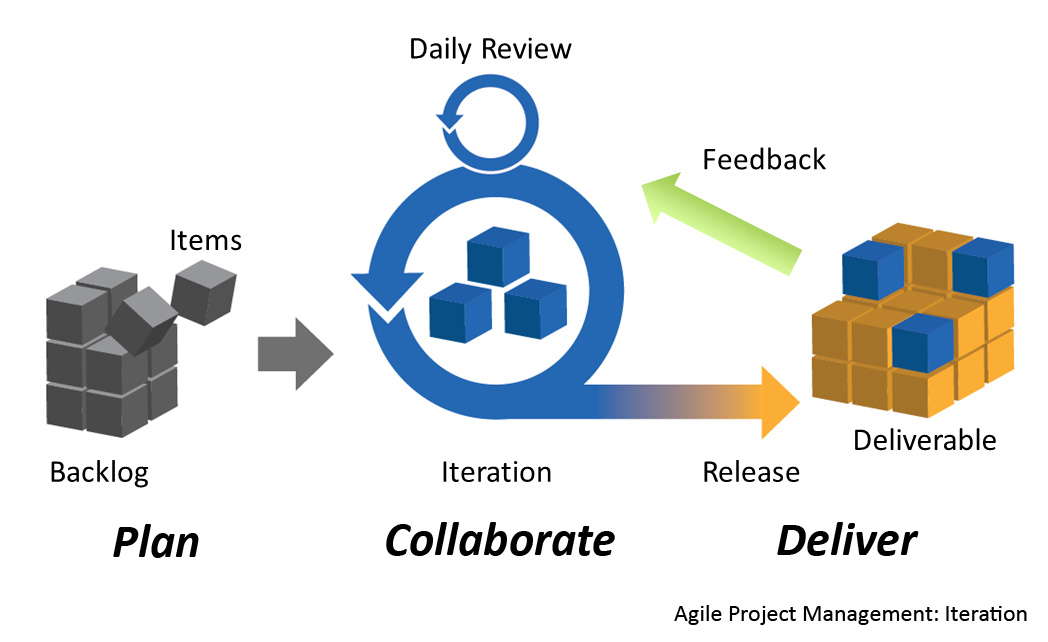
This creates a highly flexible environment. Adaptive project management easily accommodates changing business requirements and scope adjustments. When your marketing team suddenly realizes the customer base wants a different software feature, you simply move that feature to the top of the priority list for the next cycle.
Crucial Exam Concept: Adaptive projects are highly suitable for complex environments with high uncertainty and rapidly changing technology. If you are navigating a landscape where the "right answer" is unknown at the start, adaptability is your primary survival mechanism.
But this flexibility also demands trade-offs. Because the final scope is meant to evolve, a major disadvantage of adaptive approaches is the difficulty in accurately estimating the total project cost upfront. Furthermore, you cannot simply lock stakeholders out of the room while the team builds. Adaptive projects require continuous and active stakeholder involvement throughout the project execution to provide the constant feedback necessary to steer the ship.
Summary of Methodologies
| Characteristic | Predictive (Plan-Based) | Adaptive (Agile) |
|---|---|---|
| Scope Definition | Clearly defined upfront before execution | Evolves incrementally throughout execution |
| Value Delivery | Single, final product at the very end | Delivered incrementally in cycles |
| Change Management | High cost of implementing late changes | Easily accommodates scope adjustments |
| Cost/Schedule | High predictability upfront | Difficult to accurately estimate total cost upfront |
| Stakeholders | Involved primarily at beginning and end | Continuous and active involvement required |
| Best Environment | Stable, predictable, physical/regulatory | Complex, high uncertainty, rapid tech change |
A brilliant adaptive project plan will suffocate if placed inside the wrong organizational structure. For the CAPM exam, you must recognize that organizational structure influences the effectiveness of adaptive approaches by dictating resource availability and team focus.
How an organization arranges its people—who reports to whom, and who holds the budget—determines how fast a team can adapt.
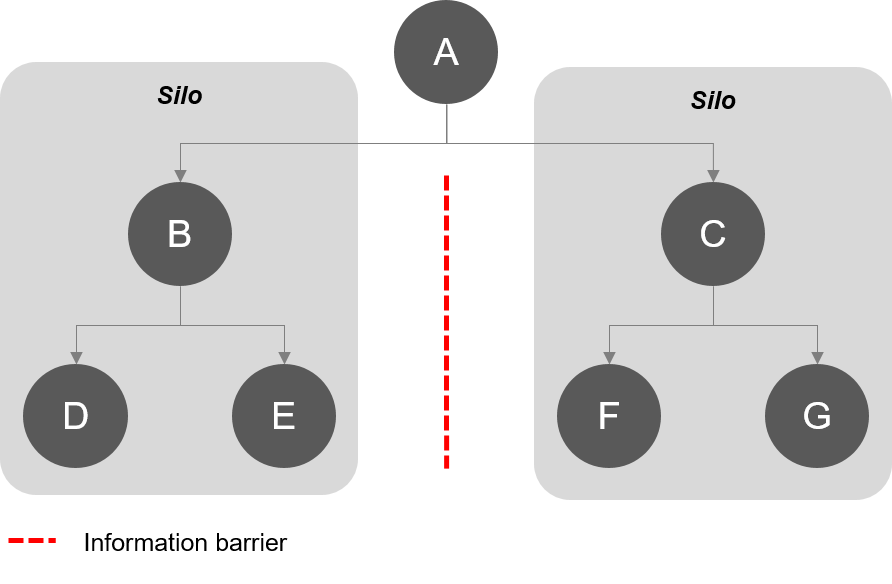
- Functional Structures (The Hindrance): In a traditional corporate hierarchy, functional organizational structures isolate team members into specialized departmental silos (e.g., Marketing, IT, Finance). If you need an IT developer, you must negotiate with the IT manager. Consequently, functional structures hinder the cross-functional collaboration required for successful adaptive approaches. Communication must travel up the chain of command, across, and back down, making rapid iteration impossible.
- Projectized Structures (The Ideal): On the opposite end of the spectrum, projectized organizational structures provide project managers with full authority over team resources. The team members do not report to a functional department manager; they report directly to the project manager. Because of this, projectized structures are highly suitable for adaptive approaches because team members are entirely dedicated to a single project. They sit together, focus on one goal, and can pivot instantly without negotiating with outside managers.
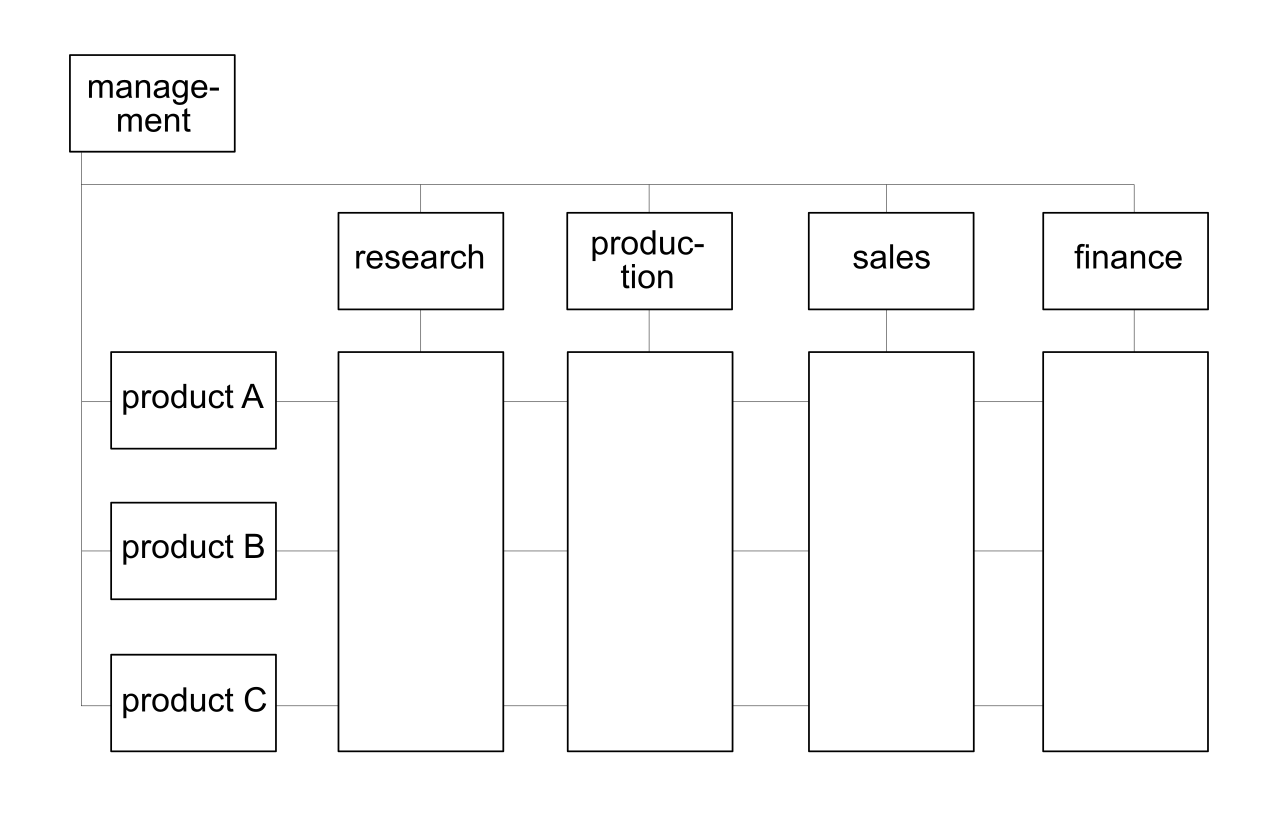
- Matrix Structures (The Middle Ground): Most modern organizations utilize a matrix, where employees have both a functional manager (their department) and a project manager. The success of an adaptive approach here depends on the balance of power:
- Strong matrix organizational structures facilitate adaptive approaches by providing project managers with high resource control. The PM can direct the daily work of the team to meet iterative goals.
- Weak matrix organizational structures hinder adaptive approaches because functional managers retain primary control over project resources. If a team member is pulled away to handle "departmental emergencies," the delicate rhythm of an agile cycle collapses.
The Agile Suitability Filter
To systematically determine if an organization and project are ready for an adaptive approach, professionals utilize a specific diagnostic tool. The Agile Suitability Filter assesses a project's fit for adaptive approaches based on organizational culture, team composition, and project characteristics.
For instance, if the filter reveals that an organization operates with a military-style hierarchy, warning lights should flash. Organizations with rigid command-and-control structures face high resistance when implementing adaptive methodologies, because agile relies on empowering the team to make localized, rapid decisions rather than waiting for executive orders.
Beyond the organizational chart, a project operates within a broader ecosystem. The CAPM exam rigorously tests your ability to categorize the elements of this ecosystem into two distinct buckets: Enterprise Environmental Factors (EEFs) and Organizational Process Assets (OPAs).
Enterprise Environmental Factors (EEFs)
Enterprise Environmental Factors originate outside the control of the project team and influence project execution. You cannot easily change them; you must navigate them. They can be internal to the company or entirely external.
Internal EEFs impacting adaptive suitability:
- An organizational culture that embraces transparency and trust acts as an internal Enterprise Environmental Factor facilitating adaptive approaches. Agile teams must be honest about failures to adapt quickly; if the culture punishes mistakes, the team will hide them, destroying the agile feedback loop.
- Supportive executive sponsorship is an internal Enterprise Environmental Factor critical for a successful organizational transition to adaptive frameworks. Without leaders protecting the team from outdated bureaucratic demands, agile transformations inevitably fail.
External EEFs impacting adaptive suitability:
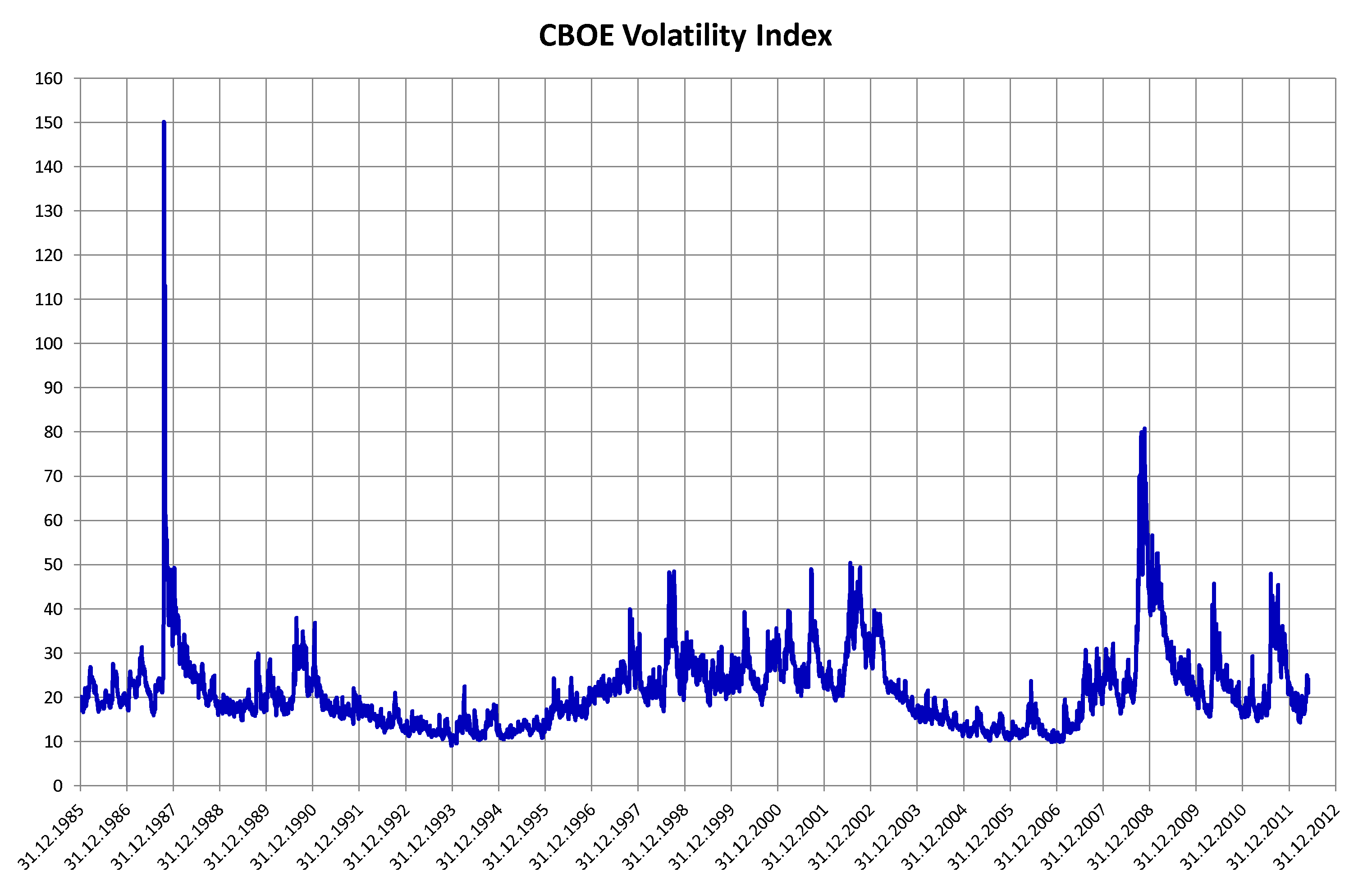
- High market volatility is an external Enterprise Environmental Factor that strongly justifies the adoption of adaptive project management. If consumer demands shift weekly, you cannot afford a two-year predictive project cycle.
- Geographic colocation of team members is an Enterprise Environmental Factor that significantly improves agile communication and collaboration. While remote work is possible, having a team in the same physical or tight-knit virtual space drastically reduces the friction of rapid iteration.
- A strict regulatory environment requiring extensive upfront documentation is an Enterprise Environmental Factor that limits adaptive suitability. If a government agency demands a 500-page specification document before you are legally allowed to write a line of code, you are forced into a predictive posture.
Organizational Process Assets (OPAs)
If EEFs are the weather you must sail through, OPAs are the navigation tools left in the ship by the previous crew. Organizational Process Assets include the plans, processes, policies, and knowledge bases specific to the performing organization. They are the historical artifacts and standardized guidelines that make your life as a project professional easier.
When implementing an adaptive approach, an organization's OPAs act as vital accelerators:
- Templates: Standardized agile templates for user stories and sprint backlogs act as Organizational Process Assets that accelerate adaptive project initiation. You do not need to invent a tracking system from scratch; you just pull the template from the corporate intranet.
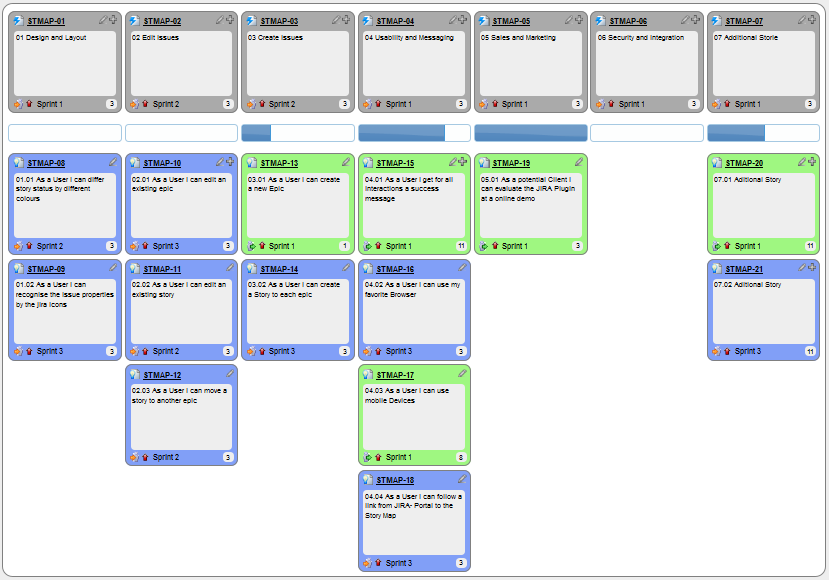
- Historical Data: Historical velocity charts from previous agile projects serve as Organizational Process Assets for estimating future team capacity. If past teams completed an average of 40 units of work per cycle, you have a data-driven baseline for your new project.
- Processes and Guidelines: Corporate guidelines for conducting daily standup meetings function as Organizational Process Assets that support adaptive team routines. They ensure consistency and efficiency across the enterprise.
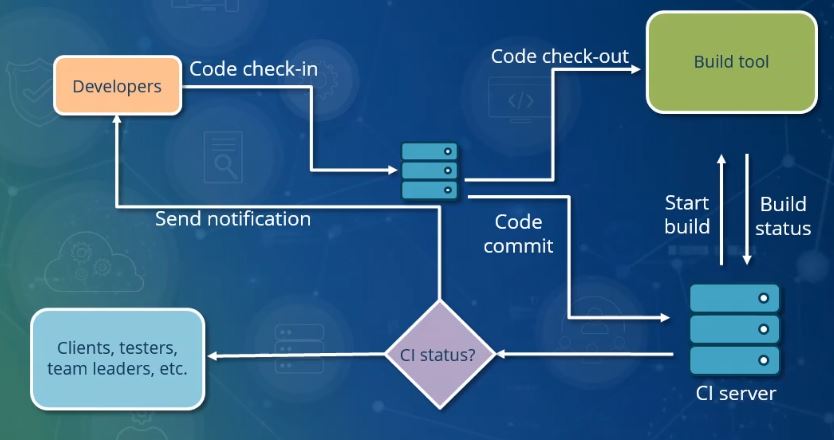
- Technological Assets: An organization's established continuous integration pipelines act as Organizational Process Assets facilitating rapid agile delivery. This is the technical machinery that allows a software team to safely push incremental updates to users every single day without breaking the system.
Understanding when to leverage adaptive methodologies—and recognizing the structural, environmental, and historical assets required to sustain them—is what separates a mechanical task-tracker from a strategic project professional. By aligning your approach to the reality of your organizational landscape, you position your project to not merely survive, but to deliver exact, timely value.