Align Stakeholder Expectations
Not sure you’re ready?
Take the ~3-minute readiness diagnostic and see where you stand.
A project is rarely defeated by a failure of physics, code, or materials; it is almost always derailed by unaligned human intentions. Every initiative you lead exists within a complex web of human motivations, anxieties, and operational needs. We must define the actors in this ecosystem precisely: a stakeholder is any entity capable of impacting a project, and concurrently, a stakeholder is any entity capable of being impacted by a project. Whether they are signing your budget, writing the code, or enduring the construction noise outside their window, they hold a piece of your project's fate.
To deliver successfully, we cannot rely on intuition to manage these relationships. We must systematically categorize these individuals, decode their invisible expectations, measure their current engagement, and utilize robust facilitation and mentoring to pull them into alignment.
Imagine navigating a busy harbor without a radar. You wouldn’t know which ships are massive and slow-moving, which are nimble but carry hazardous cargo, or which are simply moored at the dock. Managing a project without categorizing stakeholders is just as dangerous. We rely on three primary mapping models to make the invisible dynamics of human influence visible.
The Power/Interest Grid
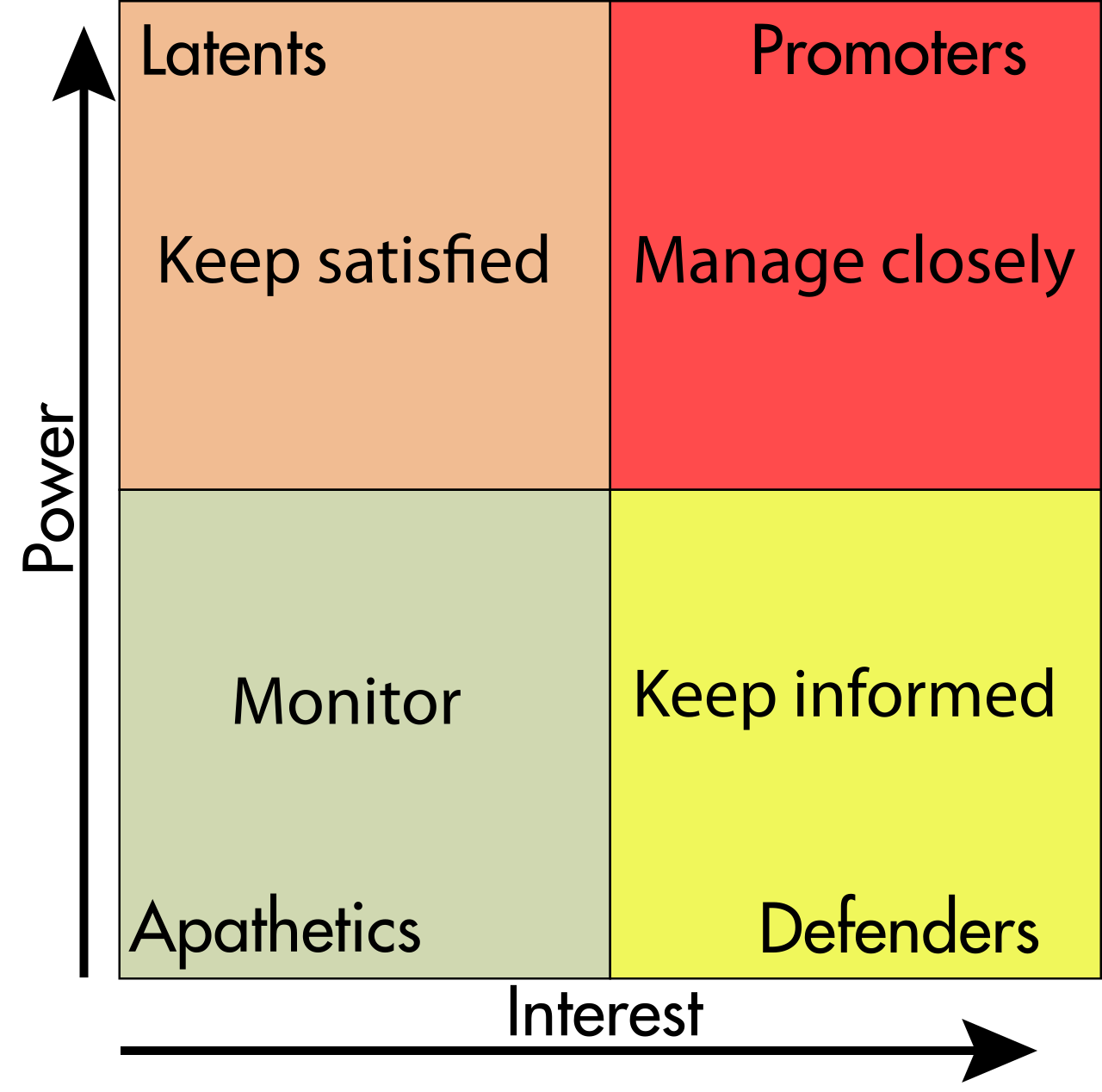
The Power/Interest grid is our fundamental two-dimensional radar. It groups stakeholders based on their level of authority (power) and their level of concern for project outcomes (interest). You cannot treat every stakeholder equally; you must distribute your limited time based on where they fall on this grid.
| Quadrant | Strategy | Why this matters in practice |
|---|---|---|
| High-Power / High-Interest | Manage Closely | These are your project sponsors and key decision-makers. They require your utmost attention, frequent consultation, and proactive alignment. |
| High-Power / Low-Interest | Keep Satisfied | Think of a regulatory VP or a functional manager. They aren't in the weeds of your daily work, but if they become displeased, their high power allows them to halt your progress entirely. |
| Low-Power / High-Interest | Keep Informed | End-users often fall here. They care deeply about the outcome but can't cancel the project. Keeping them informed prevents anxiety from metastasizing into organizational noise. |
| Low-Power / Low-Interest | Monitor (Minimal Effort) | These entities require minimal monitoring. You simply watch them to ensure their status doesn't shift into a higher-priority quadrant. |
The Salience Model
Sometimes, a 2x2 grid isn't nuanced enough. The Salience Model classifies stakeholders based on a three-dimensional Venn diagram of power, urgency, and legitimacy.
Salience Model Attributes:
A vocal user complaining on social media might have urgency, but lack power and legitimacy. A legal compliance officer flagging a data privacy issue possesses all three—they are a "definitive" stakeholder demanding immediate action.
Directions of Influence
We can also look at the organizational vector of the relationship. Directions of influence classify stakeholders into upward, downward, outward, or sideward categories:
- Upward: Refers to senior management or the project sponsor. You are managing expectations to secure funding and strategic alignment.
- Downward: Refers to the project team or specialists contributing to the project. You are managing performance, clarity, and morale.
- Outward: Refers to external entities like suppliers or the public.
- Sideward: Refers to peers or project managers of other projects, with whom you might compete for shared resources or coordinate dependencies.
Once you have identified, assessed, and classified these individuals using the models above, you formalize this data. The Stakeholder Register is a project document containing identification, assessment, and classification of project stakeholders. It is your living, breathing map of the political and operational landscape.
Mapping stakeholders tells you who is in the room, but it doesn't tell you what they want. This brings us to a critical distinction. Stakeholder expectations are the beliefs or mental pictures of the future held by stakeholders regarding the project.
Expectations are dangerous precisely because they are often unspoken. A sponsor might hold a mental picture that a $2 million software rollout will immediately increase sales by 20%, even if that was never stated in the business case. If you do not uncover that mental picture, you will deliver the software perfectly and still be deemed a failure.
To bridge this gap, project managers gather stakeholder expectations through data gathering techniques like interviews and focus groups. You must ask the probing questions: "What does success look like to you in six months?"
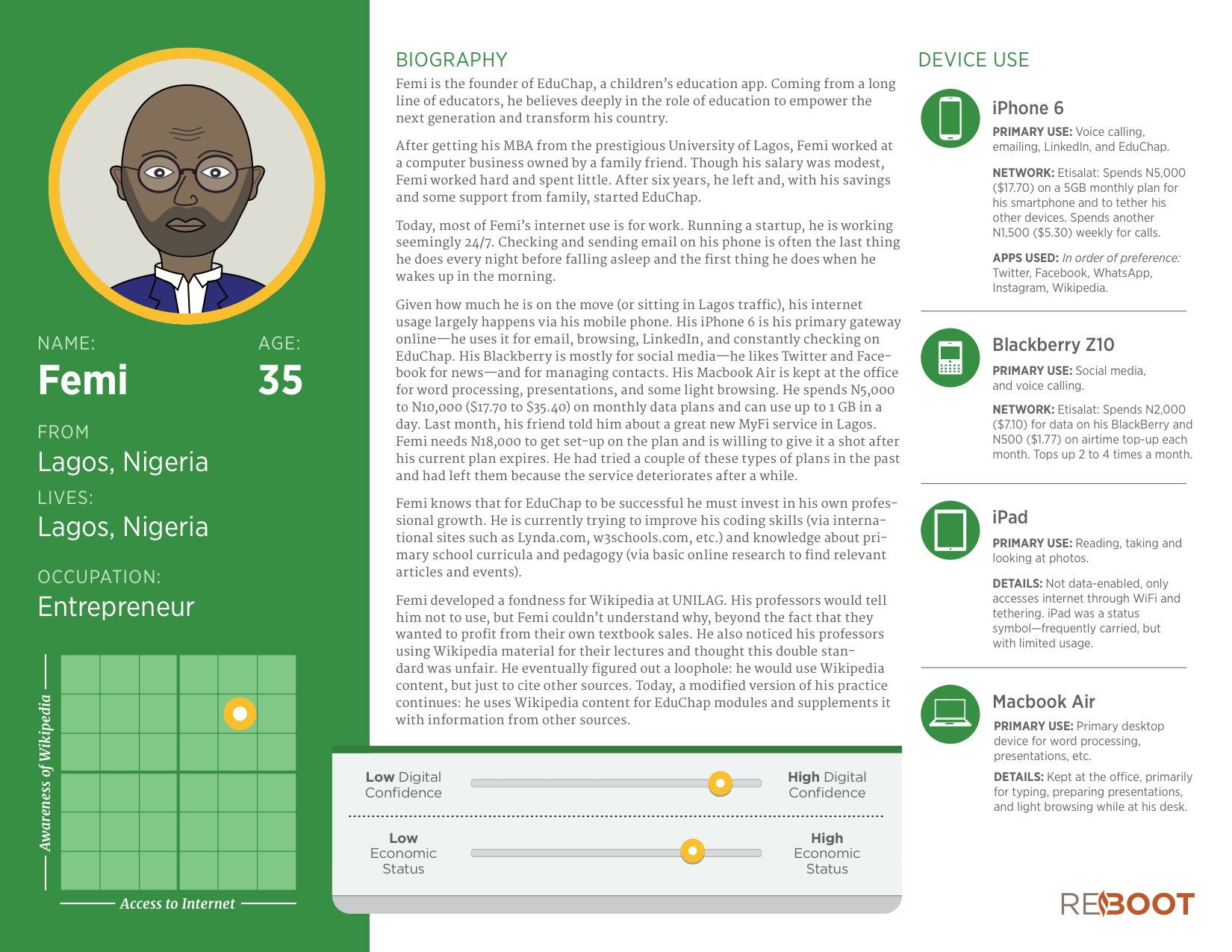
In Agile projects, the methodology provides built-in mechanisms to capture these mental pictures. In Agile projects, stakeholder expectations are frequently captured through personas and user stories. A persona makes the abstract end-user concrete, and a user story literally dictates the expected value: "As a [persona], I want feature so that [expected outcome]."
However, expectations are not requirements. An expectation is a desire; a requirement is an engineering reality. Therefore, expectations must be translated into measurable project requirements to ensure proper alignment. You must convert the fuzzy "I want the system to be fast" into a measurable requirement: "The database must return queries in under 200 milliseconds."
Once we know who the stakeholders are and what they expect, we must evaluate their current posture toward our project. Are they championing our cause, or quietly sabotaging it?
We use a specific tool for this: A Stakeholder Engagement Assessment Matrix (SEAM). The SEAM compares the current engagement levels of stakeholders with the desired engagement levels necessary for project success.
The Stakeholder Engagement Assessment Matrix utilizes five standard classification levels for engagement:
- Unaware: The unaware engagement level indicates a stakeholder has no knowledge of the project. (You cannot leave a key operational manager here).
- Resistant: The resistant engagement level indicates a stakeholder is aware of the project and opposed to change. (Often driven by fear of job loss or increased workload).
- Neutral: The neutral engagement level indicates a stakeholder is aware of the project and neither supportive nor opposed.
- Supportive: The supportive engagement level indicates a stakeholder is aware of the project and favors the change.
- Leading: The leading engagement level indicates a stakeholder is aware of the project and actively engaged in ensuring project success.
By plotting "C" for Current and "D" for Desired across these five levels, you instantly visualize the communication gap you must close. If your high-power sponsor is merely "Supportive" but you need them "Leading" to clear a path through corporate bureaucracy, you now have a defined project management objective.
How do we move a stakeholder from Resistant to Supportive, or align conflicting mental pictures of the future? Through deliberate facilitation.
Facilitation is the ability to effectively guide a group event to a successful decision or conclusion. It is not merely hosting a meeting; it is the active curation of dialogue. The bedrock of facilitation is active listening, which involves acknowledging, clarifying, and confirming understanding of stakeholder communications. You don't just wait for your turn to speak; you reflect their points back to them so they feel heard—often the first step in neutralizing resistance.
Setting the Rules of Engagement
Before attempting to align complex expectations, we must define how we interact. A Team Charter establishes ground rules and behavioral expectations for project team members and stakeholders. Within that charter, ground rules provide clear guidelines regarding acceptable behavior during stakeholder interactions. When temperatures rise during a difficult scope negotiation, the ground rules act as your objective referee.
The Rhythms of Agile Alignment
In highly adaptive environments, we don't wait for a phase-gate to check expectations. Agile Sprint Reviews serve as designated forums to align stakeholder expectations on product increments. We show the working software; stakeholders adjust their mental pictures immediately. Following this, Agile Retrospectives facilitate discussions on aligning expectations regarding team processes and communication. While the Review handles the what, the Retrospective handles the how.
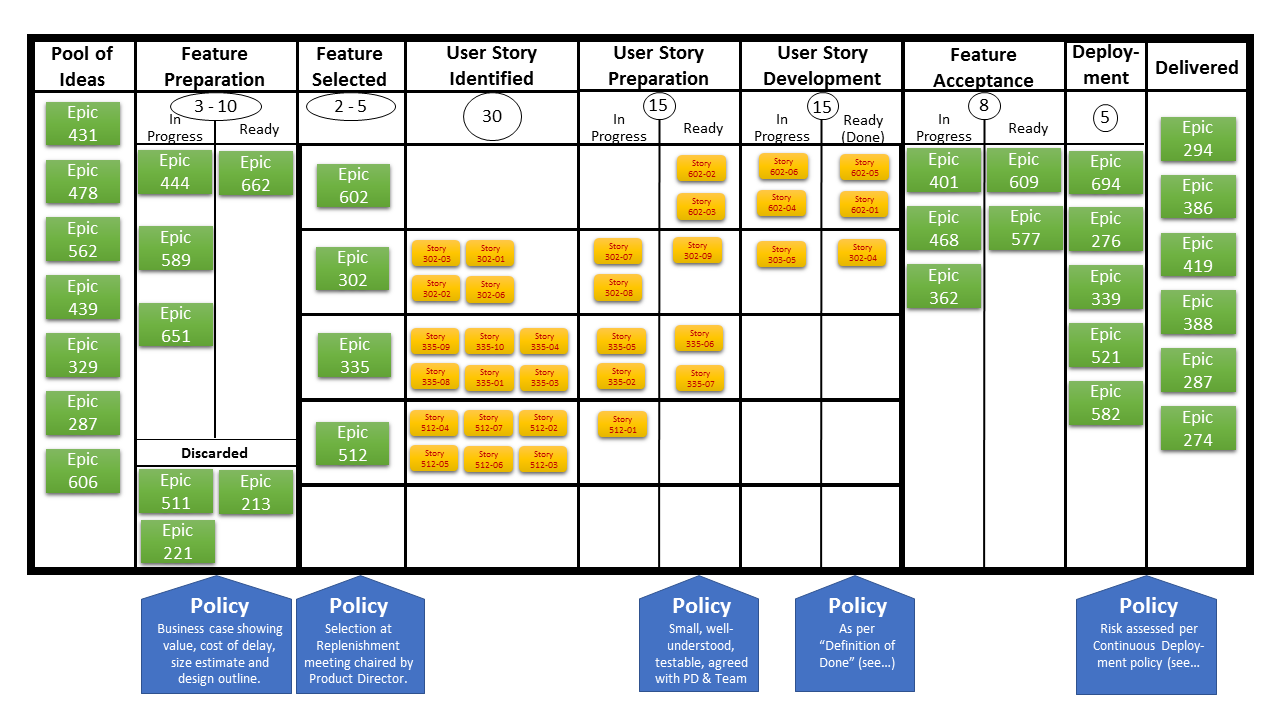
Furthermore, Agile environments heavily utilize information radiators—visible displays used to align stakeholder expectations by providing real-time project metrics (like Kanban boards or burndown charts). When data is transparent and ubiquitous, expectations naturally tether themselves to reality.
Resolving the Inevitable: Conflict Resolution
When expectations clash, conflict emerges. Conflict is not inherently bad; it is merely the friction of different perspectives grinding together. Project managers must master the five conflict resolution techniques:
- Withdrawing (or Avoiding): This technique involves retreating from an actual or potential conflict situation. It is useful only when a cooling-off period is needed or the issue is trivial.
- Smoothing (or Accommodating): This emphasizes areas of agreement rather than areas of difference. It preserves relationships in the short term but rarely solves the root issue.
- Forcing (or Directing): This technique involves pushing one viewpoint at the expense of others. It offers a win-lose solution, often necessary in emergencies, but highly destructive to long-term stakeholder engagement.
- Compromising (or Reconciling): This searches for solutions bringing some degree of satisfaction to all parties. Everyone gives up a little, resulting in a lose-lose or neutral outcome.
- Collaborating (or Problem Solving): This technique incorporates multiple viewpoints to achieve consensus. You don't compromise; you work together to find a novel solution that satisfies all underlying needs. Consequently, collaborating is generally considered the most effective conflict resolution technique for achieving long-term alignment.
When we think of managing stakeholders, we often think of communication and negotiation. We rarely think of education. Yet, a massive source of misaligned expectations stems from a simple lack of understanding regarding how projects actually work.
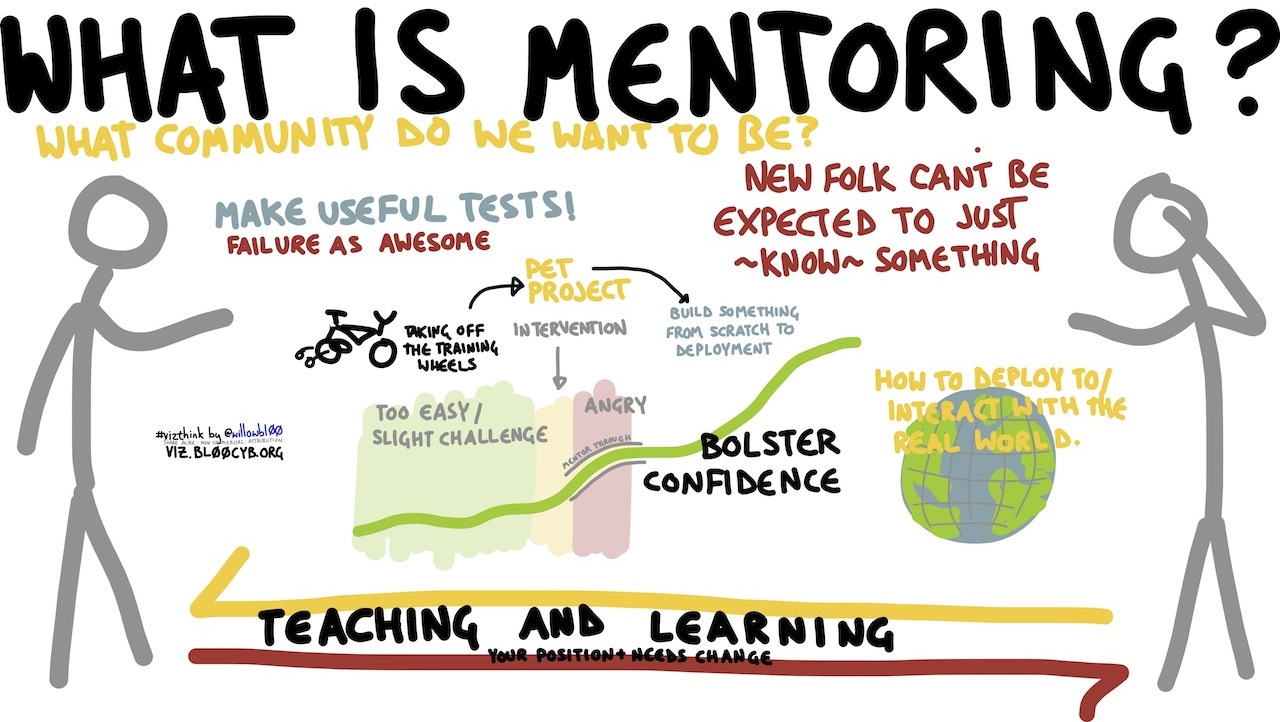
Mentoring involves transferring knowledge and skills from a more experienced individual to a less experienced individual. When applied strategically, mentoring helps align stakeholder expectations by increasing stakeholder understanding of project management processes. If a marketing stakeholder constantly requests massive scope changes a week before launch, mentoring them on the software development lifecycle can transform them from a disruptive force into an empathetic partner.
We must draw a distinct line between coaching and mentoring:
- Coaching focuses on developing specific skills for a short-term goal. (e.g., teaching a stakeholder how to use JIRA to log a ticket).
- Mentoring focuses on long-term career development and broader relationship building. (e.g., developing a junior team member's leadership acumen).
Project managers should actively identify mentoring opportunities during stakeholder interactions and performance assessments.
Mentoring is not strictly top-down. The modern workplace is multi-generational and technologically complex. Consider these dynamic formats:
- Peer mentoring involves individuals of similar experience levels sharing knowledge to build mutual capability. Two cross-functional leads might mentor each other on the nuances of their respective departments.
- Reverse mentoring occurs when a junior team member mentors a senior stakeholder on specific modern practices or technologies. A Gen-Z developer teaching an executive sponsor about the realities of generative AI is a prime example of reverse mentoring.
- Shadowing allows a stakeholder to observe a project team member to gain insight into project workflows, building deep empathy for the reality of the work.
Finally, adaptive frameworks natively integrate these concepts into daily execution. Agile frameworks encourage continuous mentoring through collaborative practices like pair programming. By weaving capability building into the very fabric of the work, we ensure that as the project evolves, the stakeholders and the team evolve right alongside it, pulling uniformly toward a shared picture of the future.