Develop Integrated Project Management Plan: Approach
Not sure you’re ready?
Take the ~3-minute readiness diagnostic and see where you stand.
Building a skyscraper requires an unyielding, to-the-millimeter blueprint before the first shovel breaks ground, whereas navigating a dense, uncharted jungle demands a compass, a machete, and the willingness to pivot at a moment's notice. Project management demands both the blueprint and the compass. When we craft an integrated project management plan, we are not simply filling out paperwork; we are determining the fundamental physics of how a team will operate, adapt, and deliver value in a specific environment. The central challenge of modern project leadership lies not in rigidly enforcing a single methodology, but in assessing the sheer complexity of the environment and deliberately choosing an approach that matches the terrain.
Before a project manager can decide how to build something, they must understand why it is being built. This begins entirely outside the realm of project execution.
The project business case establishes the foundational financial and strategic justification driving the project management plan's objectives. It is the economic heartbeat of the project. Coupled with this is the benefits management plan, which defines the methods and metrics used to create, maximize, and sustain the intended business value of the project. Together, these documents tell us what success looks like to the organization.
With the "why" firmly established, we must define the "how." This requires designing the project life cycle, which describes the series of phases a project passes through from its initiation to its final closure. Think of the life cycle as the overarching timeline of your project's existence.
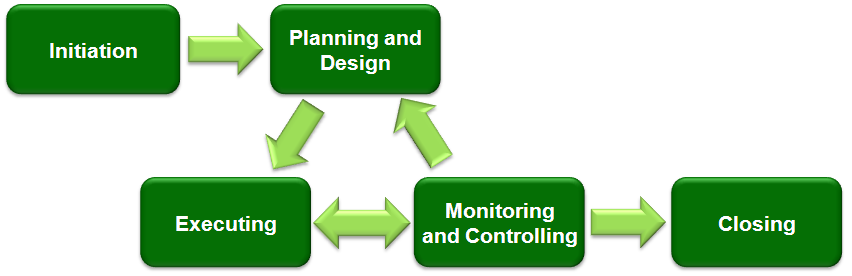
To govern this life cycle, we institute phase gates. These establish formal criteria within the project management plan for evaluating project viability before proceeding to the next project phase. If a project fails to meet the business case objectives at a phase gate, it is stopped before more capital is burned.
Within the project life cycle, we must select a development approach. The development approach defines the specific method used to create and evolve the project's product, service, or result.
The Project Management Institute recognizes five distinct development approaches: predictive, iterative, incremental, agile, and hybrid.
Choosing the wrong approach is like trying to use aerodynamics to understand plumbing—the rules simply do not apply.
1. Predictive Approach
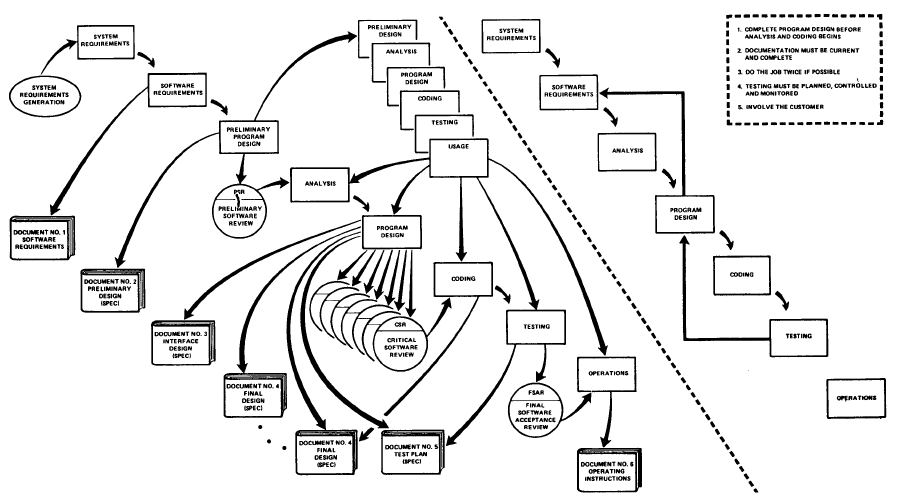
A predictive development approach requires defining the project scope, time, and cost in the early phases of the project life cycle. This is often called "Waterfall." Predictive approaches suit projects with well-understood requirements and low technical uncertainty. If you are building a standard concrete bridge, you know exactly what materials you need on day one. Furthermore, a highly regulated industry typically demands a more predictive approach to satisfy rigid audit and compliance requirements. You cannot "move fast and break things" when building pacemakers.
2. Iterative Approach
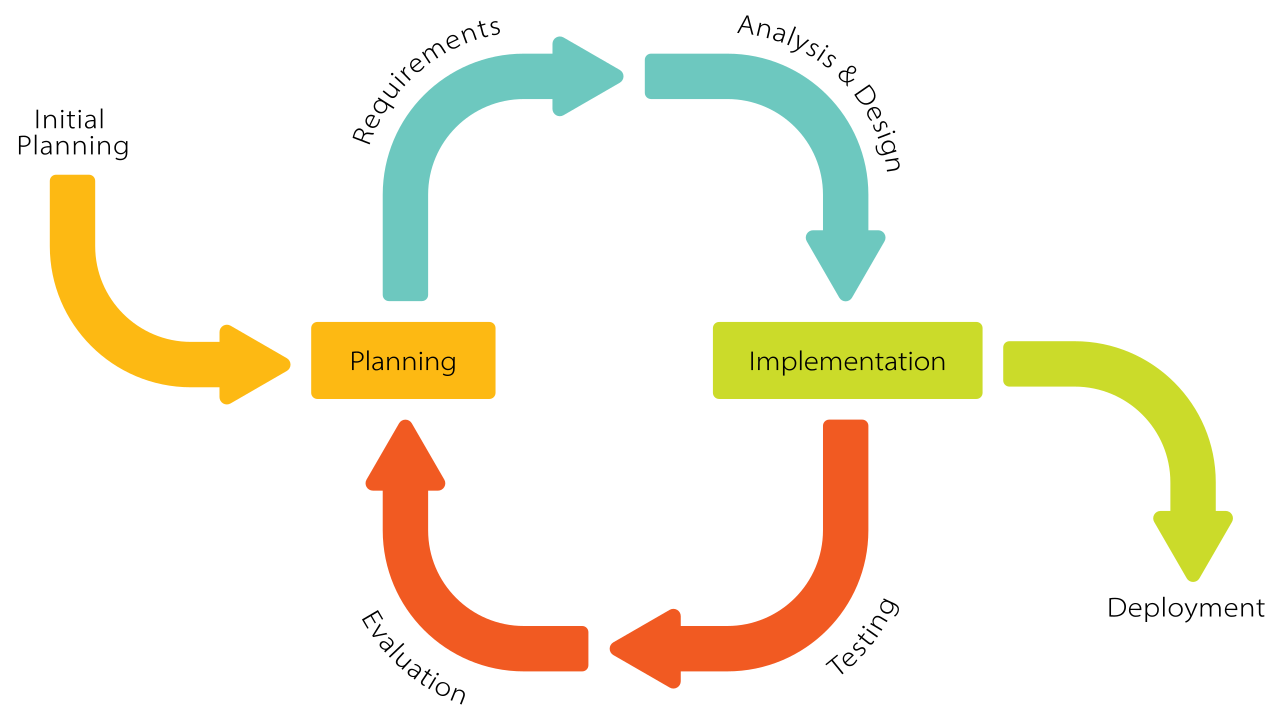
An iterative development approach focuses on improving a product or result through successive prototypes or drafts. Think of an artist painting a portrait: they start with a rough pencil sketch, then block in major colors, and finally refine the details. The whole image is worked on simultaneously, getting clearer with each pass.
3. Incremental Approach
An incremental development approach focuses on delivering functional segments of the product to the customer early and often. Contrast this with the painter: an incremental approach is like building a mosaic, finishing one perfect square inch at a time before moving to the next. The customer gets usable, finished pieces of the product continuously.
4. Adaptive and Agile Approaches
Adaptive approaches combine iterative and incremental methods to handle high levels of change and requirement uncertainty. When change is not just possible but expected, we use agility. Agile approaches require continuous stakeholder involvement to refine and prioritize project requirements throughout development. Because you do not know exactly what the final product will look like, you need the customer in the room, guiding the ship week by week.
5. Hybrid Approach
A hybrid development approach combines elements of both predictive and adaptive methods within the same project. In the real world, rigid purity rarely survives contact with reality. For example, a project manager might use a predictive approach for hardware installation—because physical servers require rigid procurement lead times—and an agile approach for software development within a single hybrid project.
| Approach | Requirements | Delivery | Change | Best Used When... |
|---|---|---|---|---|
| Predictive | Fixed early | Single delivery at end | Constrained | Requirements are clear, technical risk is low, regulation is high. |
| Iterative | Dynamic | Single delivery at end | Encouraged | The solution requires experimentation and refinement. |
| Incremental | Dynamic | Frequent smaller deliveries | Managed | Customers need value quickly and can use partial solutions. |
| Agile (Adaptive) | Dynamic | Frequent smaller deliveries | Expected | The environment is highly uncertain; continuous feedback is vital. |
Crucial Leadership Warning: Transitioning an organization from a predictive delivery approach to an adaptive approach requires dedicated organizational change management practices. You cannot simply hand a traditional team a Kanban board and declare them "Agile." It is a fundamental rewiring of corporate culture.
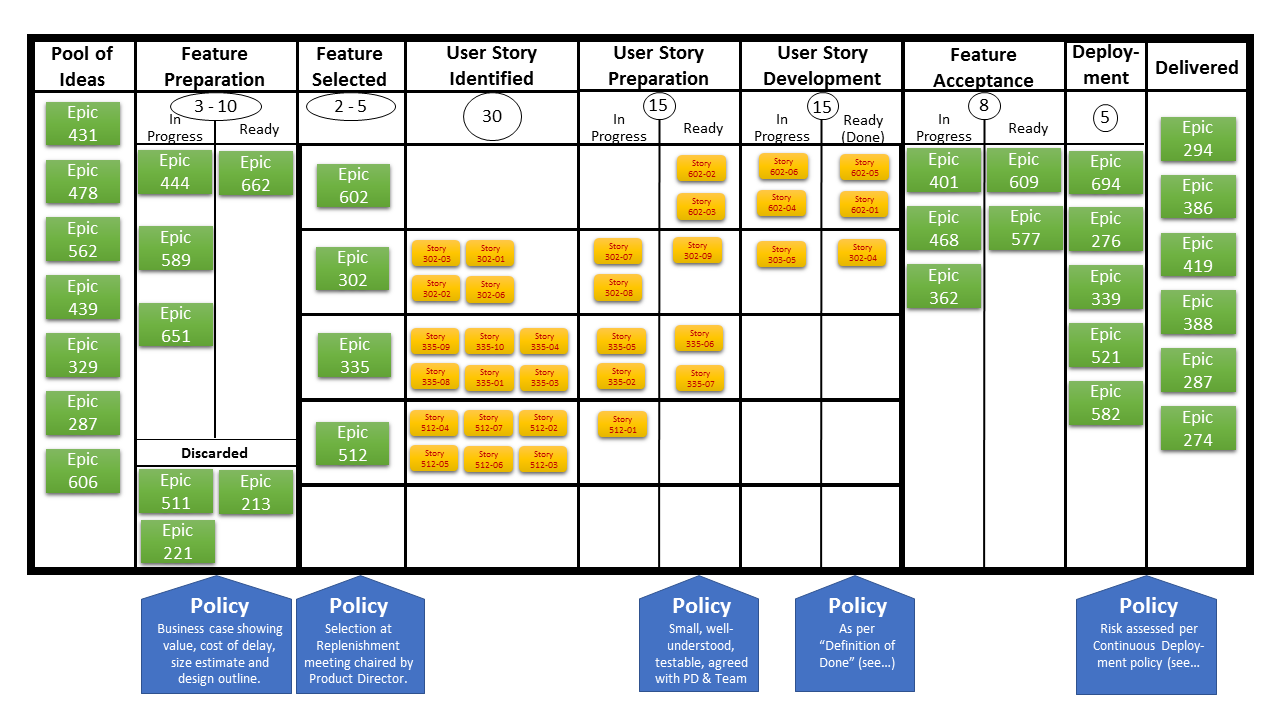
How do we systematically decide which approach to use? We must analyze the project's complexity and magnitude.
Project complexity refers to the number of interrelated project elements and the degree of unpredictable interaction among those elements. An engine with 1,000 perfectly synchronized gears is merely complicated; a team of 10 people trying to invent a new search algorithm is complex because human behavior and undiscovered math interact unpredictably.
To navigate this, project managers rely on two vital frameworks:
The Stacey Matrix
The Stacey Matrix models project complexity by analyzing the uncertainty of project requirements ("what to do") against the uncertainty of the required technology ("how to do it").
- If both are highly certain, you are in the Simple domain (use Predictive).
- Projects situated in the complex domain of the Stacey Matrix benefit most from adaptive or agile development approaches. When neither the goal nor the technology is entirely clear, you must iterate.
The Cynefin Framework
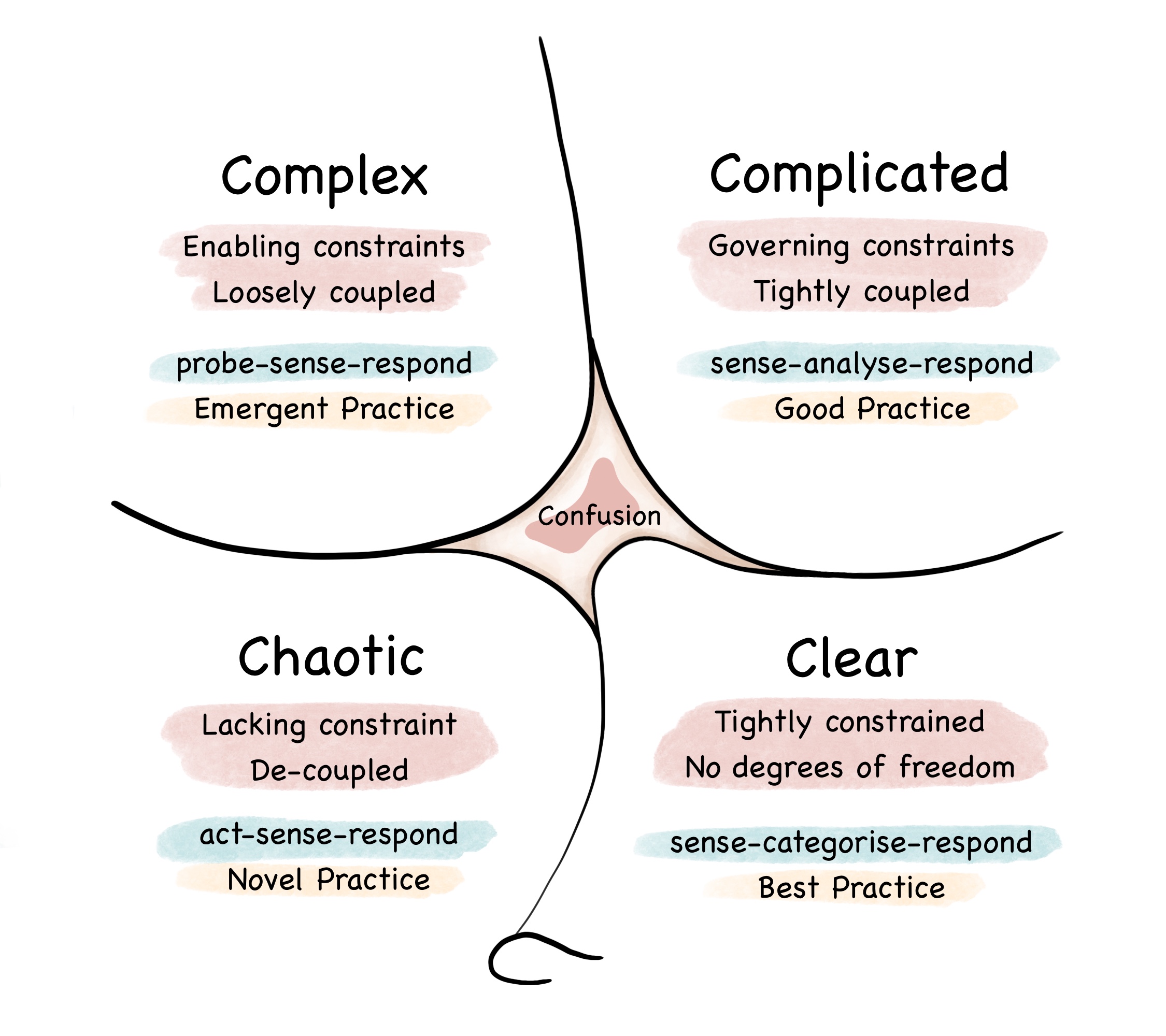
The Cynefin Framework categorizes problem environments into obvious, complicated, complex, and chaotic domains to guide project decision-making.
- Obvious/Clear: Best practices apply (Predictive).
- Complicated: Expert analysis is required, but cause and effect are knowable.
- Complex: Cause and effect are only clear in retrospect. You must probe, sense, and respond (Agile).
- Chaotic: A crisis environment. Act immediately to establish order.
Project Magnitude
Alongside complexity sits magnitude. Project magnitude encompasses quantifiable factors including budget size, project duration, team size, and geographic distribution. High project magnitude often necessitates more formalized governance structures and rigorous documentation processes. A software update managed by a team of three in one room can run on lightweight Agile frameworks. A \$500 million infrastructure overhaul spanning three continents requires deep, formalized reporting regardless of the development approach used.
No project exists in a vacuum. Before finalizing the plan, a project manager must assess the invisible forces shaping the project environment.
Enterprise Environmental Factors such as organizational culture and shifting market conditions constrain the choice of project development approach. If your corporate culture punishes failure severely, an Agile approach—which relies on rapid failure and iteration—will be suffocated before it begins.
Conversely, we leverage Organizational Process Assets, which provide historical information and standardized templates that accelerate the formulation of the project management plan. Why reinvent a risk register or a complex procurement contract when your organization's PMO has a battle-tested template from last year's project?
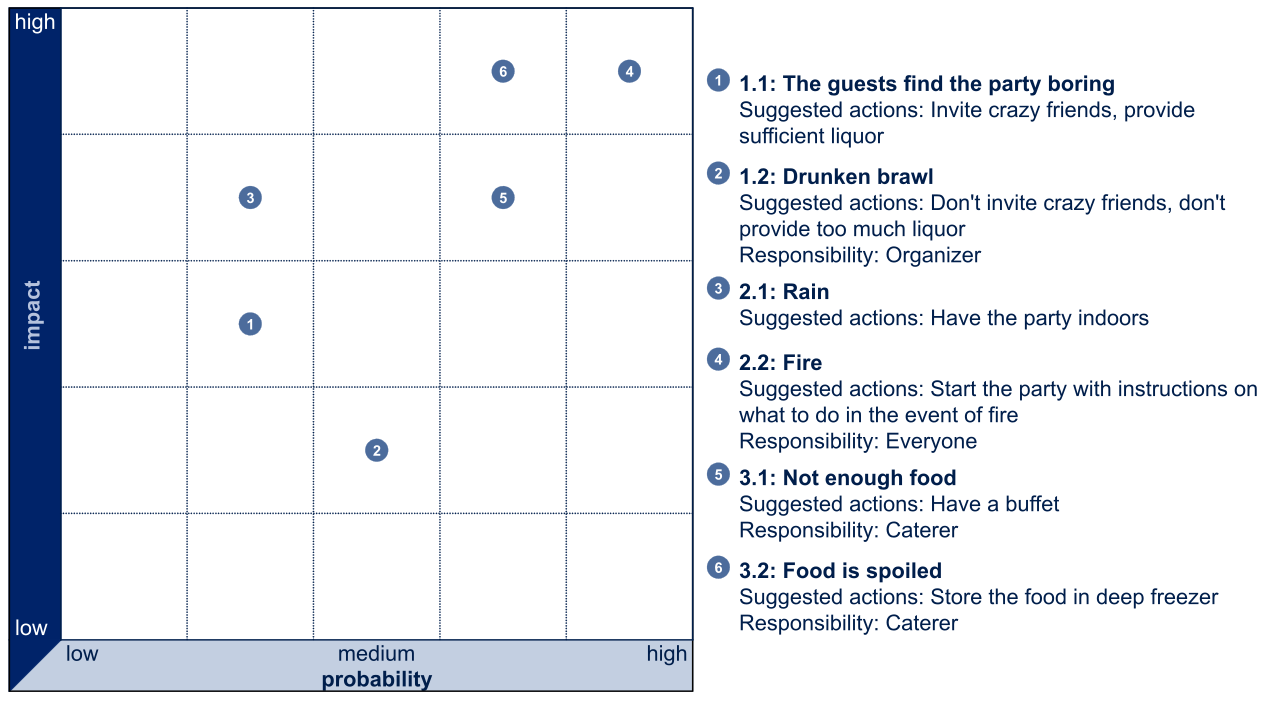
Because every environment is different, we utilize tailoring. Tailoring is the deliberate adaptation of project management processes, inputs, tools, and outputs to suit the specific context of a project. It is the professional recognition that "one size fits all" actually means "one size fits nobody."
All of this analysis culminates in the master document. The project management plan is a comprehensive document detailing how the project will be executed, monitored, and closed.
This document is not a monolith; it is a compilation of smaller, focused strategies. Subsidiary management plans define the specific management strategies for individual knowledge areas like scope, schedule, cost, and quality.
However, these subsidiary plans often naturally conflict. The schedule management plan might aggressively push for a rapid six-month launch, while the cost management plan severely restricts overtime pay, and the quality plan demands exhaustive testing. An integrated project management plan resolves conflicts between subsidiary plans to create a unified strategy for project execution. The project manager is the chief integrator, finding the optimal balance between these competing forces.
To know if we are succeeding once the project begins, we establish performance measurement baselines. These integrate scope, schedule, and cost metrics to measure overall project execution against the plan. Without a baseline, you cannot have variance; without variance, you cannot course-correct.
Guardrails of the Plan
To keep the project from drifting into chaos, the integrated plan must clearly define several stringent protocols:
- Change management processes: These processes within the project management plan define the exact protocols for authorizing modifications to the project baselines. Scope creep is the silent killer of projects; a rigorous change process acts as the immune system.
- Critical information requirements: These specify the necessary compliance, regulatory, and legal standards. Whether it is GDPR for data privacy or FAA regulations for aerospace, these constraints are non-negotiable.
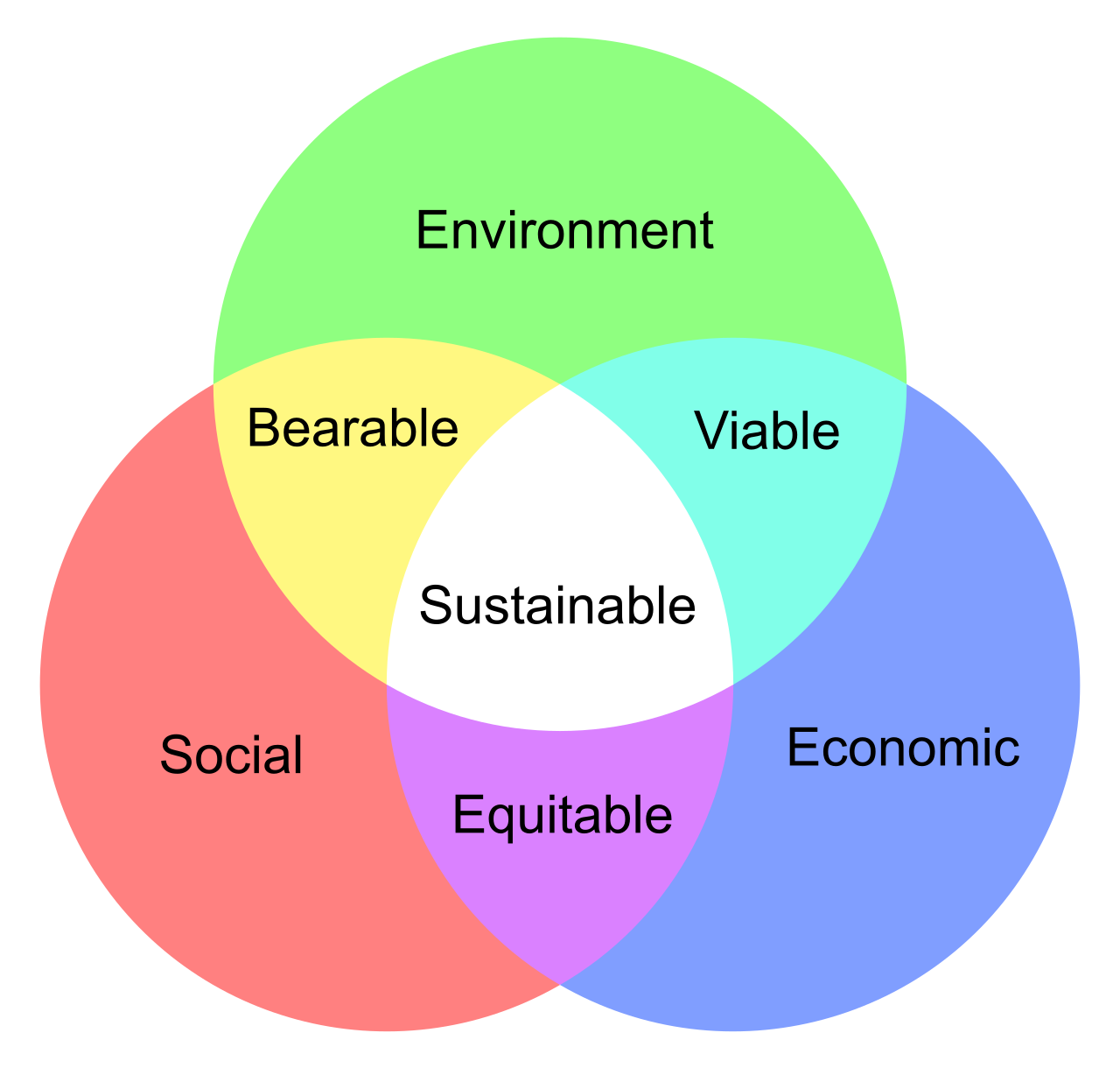
- Sustainability requirements: Modern project management does not stop at financial ROI. Sustainability requirements dictate environmental, social, and economic impact constraints within the integrated project management plan.
- Management reviews: These outline the scheduled check-ins where key stakeholders evaluate project progress against the integrated project management plan.
The Ultimate Authority
After the project manager has wrestled with complexity, tailored the approach, resolved subsidiary conflicts, and established the baselines, the plan must be formally authorized.
The project sponsor holds the ultimate authority to approve the integrated project management plan. The sponsor provides the resources, champions the project to executive leadership, and ultimately signs off that this highly customized, intelligently tailored blueprint is ready for execution.
Understanding how to weave these elements together—matching the approach to the terrain, balancing magnitude with agility, and integrating disparate strategies into a cohesive whole—is the hallmark of an elite project professional. It is the difference between blindly following a map and truly understanding the landscape.