Develop Integrated Project Management Plan: Execution
Not sure you’re ready?
Take the ~3-minute readiness diagnostic and see where you stand.
Building a suspension bridge relies on the immutable laws of physics; you must know the exact length of every steel cable and the cost of every concrete footer before the first foundation is poured. Developing an autonomous vehicle’s navigation algorithm, however, is a voyage into the unknown. The destination is clear, but the specific code required to get there must be discovered through trial, error, and adaptation.

As a project manager, your fundamental responsibility is recognizing which reality you are operating within. Are you orchestrating a predictable sequence of physical events, or are you navigating a fog of technical uncertainty? The answer determines how you build, execute, and defend your project plan.
Before you can estimate a single task or allocate a single dollar, you must define your approach. A project execution strategy defines the overall approach a team will use to deliver project outcomes and business value. This is not a matter of preference; a project manager must assess project complexity and organizational culture before recommending an execution strategy.
To make this decision rigorously, we rely on the Stacey Matrix, a tool used to determine the appropriate execution strategy by mapping requirements uncertainty (the "what") against technical uncertainty (the "how"). Depending on where your project lands on this matrix, you will recommend one of three distinct strategies:
- Predictive Strategy: If you are building a data center where the requirements and technology are fully understood, you use a predictive project execution strategy. This approach requires defining all scope, time, and cost parameters before execution begins. It relies on meticulous upfront planning.
- Agile Strategy: If you are building a first-to-market software application, your uncertainty is high. An agile project execution strategy focuses on iterative delivery and frequent feedback to manage high levels of uncertainty. Rather than planning everything upfront, you build in small increments, test, and adapt.
- Hybrid Strategy: A hybrid project execution strategy combines elements of both predictive and agile methodologies to suit specific project needs. For instance, you might use predictive methods to construct the physical hardware of a medical device, while using agile methods to develop its user interface software.
Once your strategy is chosen, you must build the engine that will drive your project forward. The project management plan is a comprehensive document detailing exactly how the project will be executed, monitored, and closed.
Do not confuse the project plan with a simple schedule or a Gantt chart. It is an ecosystem. The project management plan integrates all subsidiary management plans and performance baselines. Subsidiary management plans dictate how specific knowledge areas—like scope, cost, and schedule—will be handled throughout the project. They answer the operational questions: How will we handle a sudden spike in material costs? What happens if our lead engineer resigns?
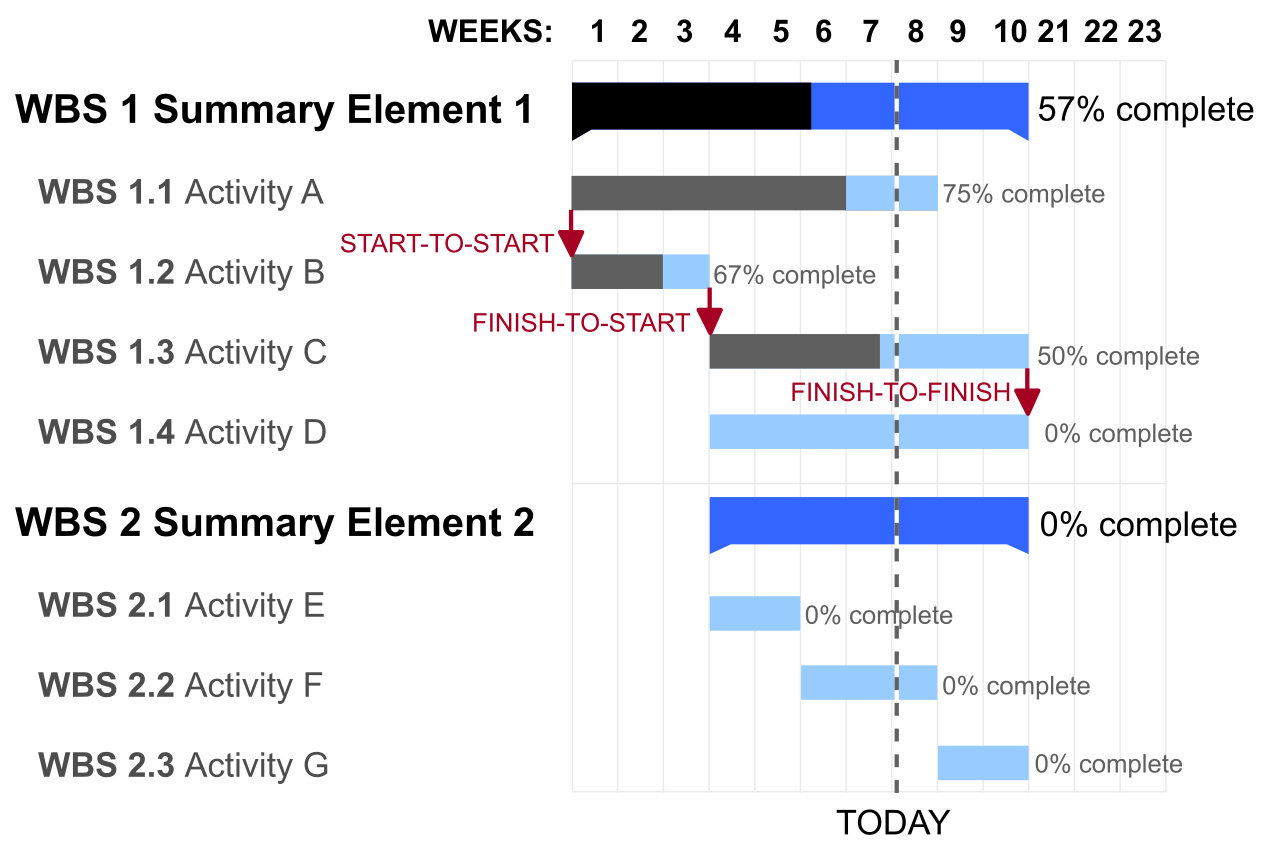
These subsidiary plans frame the project's most critical component: the performance measurement baseline.
The Performance Measurement Baseline This baseline integrates the approved scope, schedule, and cost baselines. It acts as the ultimate standard against which project execution is compared. It is the yardstick for project success.
Because this baseline represents a strict organizational commitment, the project sponsor must formally approve the project management plan before baseline execution begins. Once approved, you hold a project kickoff meeting. This meeting formally communicates project objectives to stakeholders and signifies the start of the execution phase.
The Agile Counterpart
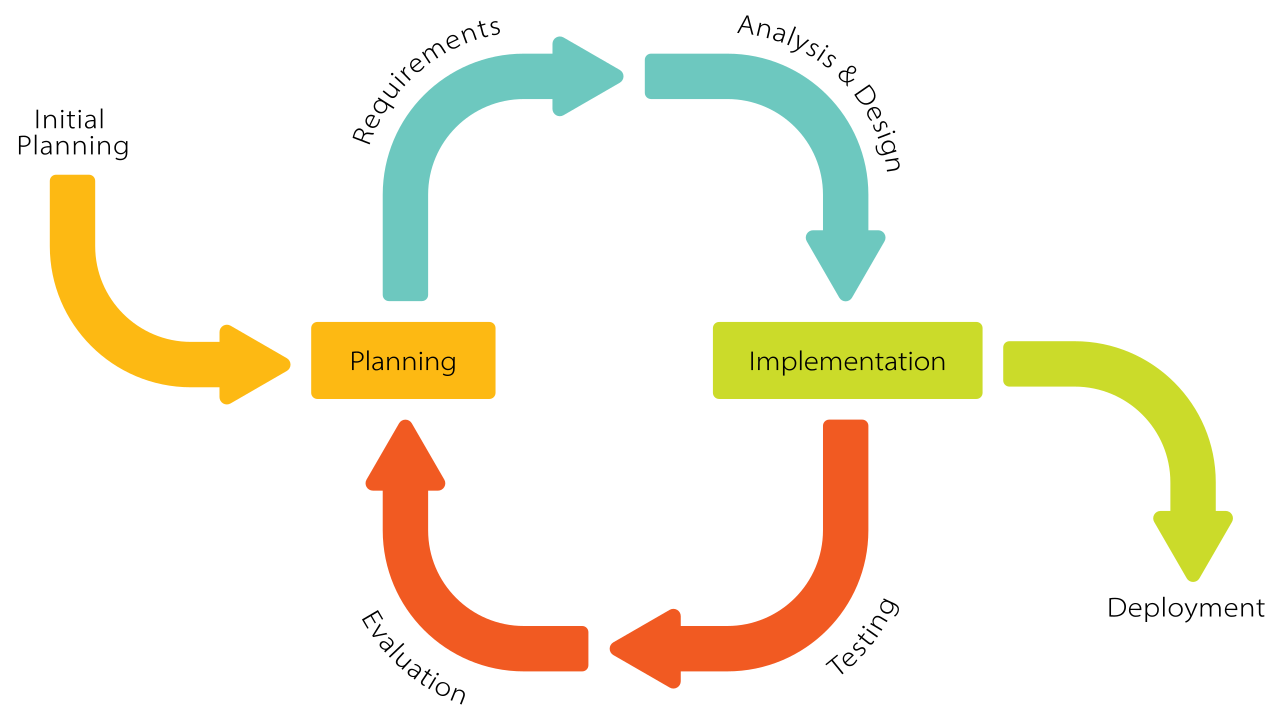
In highly uncertain environments, a massive, fixed document becomes obsolete the moment it is printed. Therefore, in agile projects, the overarching project plan frequently takes the form of a prioritized product backlog (the prioritized list of what needs to be built) and a high-level release plan (the roadmap of when major chunks of value will be delivered).
To build a reliable baseline, you must calculate what it will take to do the work. Resource estimation involves identifying the type and quantity of materials, people, and equipment required for project activities.
To organize this, project managers use a resource breakdown structure—a hierarchical representation of project resources categorized by resource type (e.g., labor, materials, equipment) and class (e.g., junior engineers, senior developers).
Once you know what you need, you must estimate the time and cost. The techniques you use depend entirely on the level of detail available to you.
Traditional Estimation Techniques
| Technique | How it Works | Accuracy vs. Effort |
|---|---|---|
| Analogous Estimating | Uses historical data from a similar past project to estimate duration or cost for a current project. | Quick to perform, but considered a less accurate estimation technique compared to bottom-up estimating. |
| Parametric Estimating | Uses statistical relationships between historical data and project variables (e.g., historical cost per square foot × total square footage) to calculate an estimate. | Highly accurate if the underlying data is robust and scalable. |
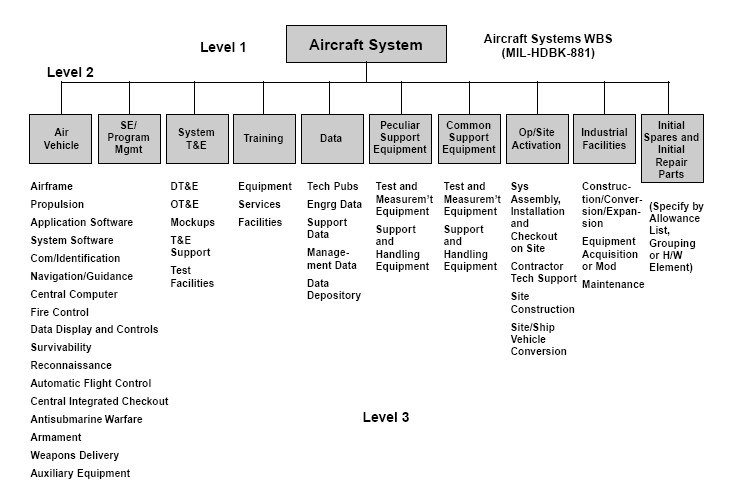
| Bottom-up Estimating | Aggregates the detailed estimates of lower-level components within the work breakdown structure (WBS). | Highly accurate, but requires the greatest amount of time and effort to complete among all traditional estimation techniques. |
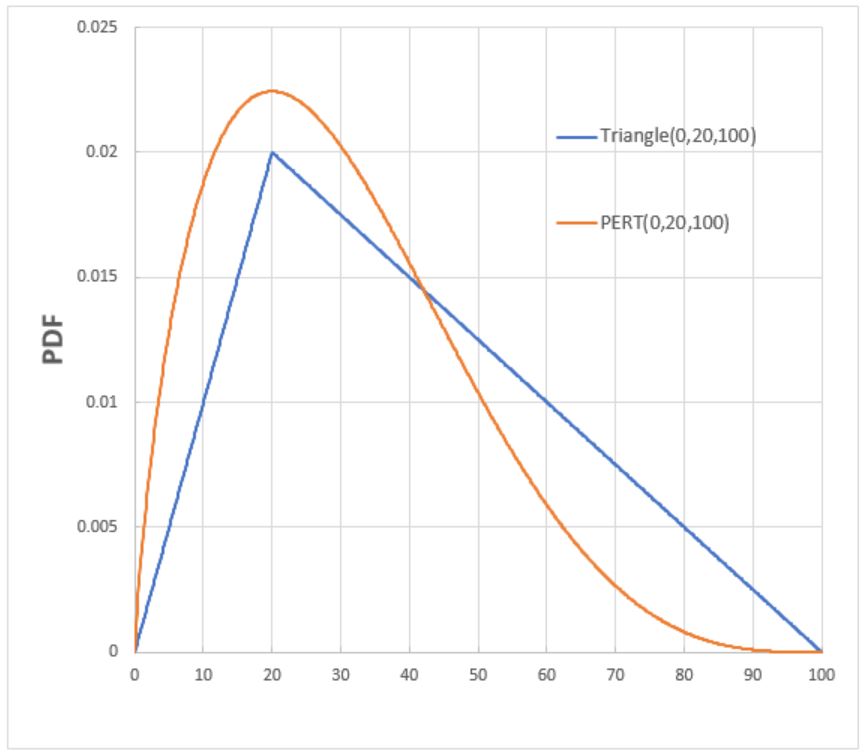
Because human beings are inherently terrible at predicting the future, we often employ three-point estimating, which uses optimistic (O), pessimistic (P), and most likely (M) scenarios to calculate an expected duration or cost. This prevents a single overly optimistic guess from ruining the project schedule.
There are two ways to calculate this:
Triangular Distribution: E=(O+M+P)/3 The triangular distribution formula for three-point estimating is the simple average of the optimistic, pessimistic, and most likely estimates.
Beta (PERT) Distribution: E=(O+4M+P)/6 The beta distribution formula for three-point estimating gives the most likely estimate a weight of four in its calculation. This heavily anchors the final expectation to reality, rather than letting extreme outliers skew the data.
Agile Estimation Techniques
In an agile environment, asking a developer exactly how many hours a highly complex, never-before-attempted feature will take is an exercise in futility. Therefore, agile work effort is frequently estimated using story points instead of absolute time measurements.
Story points represent a relative measure of effort, complexity, and risk associated with completing a single user story. To agree on these points, agile teams often use Planning Poker, a consensus-based agile estimation technique utilizing physical or virtual numbered cards. By forcing the team to reveal their estimates simultaneously, it prevents anchoring bias and sparks vital conversations about the hidden risks of a task.
With a plan in place, the work begins. Direct and Manage Project Work is the formal process of leading the work defined in the project management plan to achieve project objectives. It is the engine of project delivery. The primary output of the Direct and Manage Project Work process is work performance data—the raw, unanalyzed facts about project execution (e.g., exactly how many lines of code were written, or how many dollars were spent today).
Progressive Elaboration and Rolling Wave Planning
You rarely have perfect information on day one. Therefore, project plans must evolve. Progressive elaboration is the iterative process of increasing the level of detail in a project plan as more information becomes available.
Rolling wave planning is a specific technique of progressive elaboration. It involves detailing near-term work comprehensively while keeping long-term work at a higher, less detailed level. Think of it like driving at night: you can only see as far as your headlights, but you can still make the entire journey by continually illuminating the road immediately ahead of you.
In contrast, agile methodologies maintain the project plan continuously through routine sprint planning and backlog refinement ceremonies, allowing the team to pivot seamlessly as business priorities shift.
Change Control and Configuration Management
Entropy is the law of the universe; things will inevitably deviate from your baseline. Maintaining the project management plan requires formal processes to handle any deviations from the performance measurement baseline. You cannot simply cross out a deadline and write in a new one.
The Perform Integrated Change Control process handles all formal requests to modify the project management plan. To ensure objectivity, organizations often utilize a change control board (CCB)—a formally chartered group responsible for reviewing and approving or rejecting project change requests.
If the CCB says yes, approved change requests frequently require direct updates to the integrated project management plan and baselines. To manage this shifting reality, you must utilize configuration management, a discipline that ensures that the project team is always referencing the correct and most current version of the project management plan. Without it, half your team might be executing "Version 1.2" while the sponsor expects the deliverables outlined in "Version 2.0."
Closing the Loop
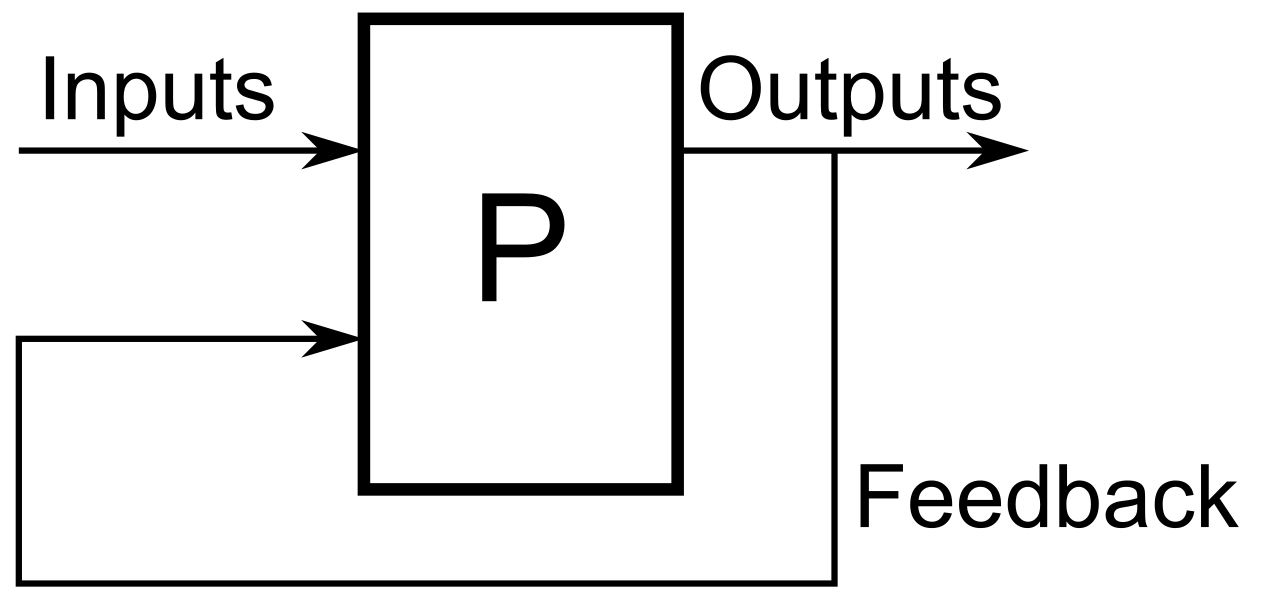
Finally, execution is not just about producing deliverables; it is about producing knowledge. A project manager must capture lessons learned during execution to continuously update organizational process assets and ongoing project plans. This feedback loop ensures that the friction your team experiences today transforms into the institutional wisdom that will accelerate the projects of tomorrow.