Maryland Brokers Act (Title 17) & MREC
Not sure you’re ready?
Take the ~3-minute readiness diagnostic and see where you stand.
Every real estate transaction is a high-stakes transfer of wealth, intimately tied to the shelter, security, and financial futures of the parties involved. In Maryland, the guardrails for this ecosystem are codified in Title 17 of the Business Occupations and Professions Article, commonly known as the Maryland Real Estate Brokers Act. This legal framework does not exist to protect agents from competition or to generate revenue for the state. It exists for one singular, overarching reason: to protect the health, safety, and welfare of the public in real estate transactions. When you accept a real estate license, you are agreeing to operate within this strict parameters of public trust.
To enforce Title 17, the state requires a governing body with both industry expertise and a mandate for consumer advocacy. This body is the Maryland Real Estate Commission (MREC). The Commission has the sweeping authority to issue, renew, suspend, and revoke real estate licenses, ensuring that only qualified, ethical practitioners remain in the field.
The architecture of the Commission is not accidental; it is purposefully designed to prevent industry monopolies and ensure geographic fairness.
The MREC consists of exactly nine total members, all of whom are directly appointed by the Governor of Maryland. They serve four-year terms. Notice how the composition perfectly balances industry knowledge with public protection:
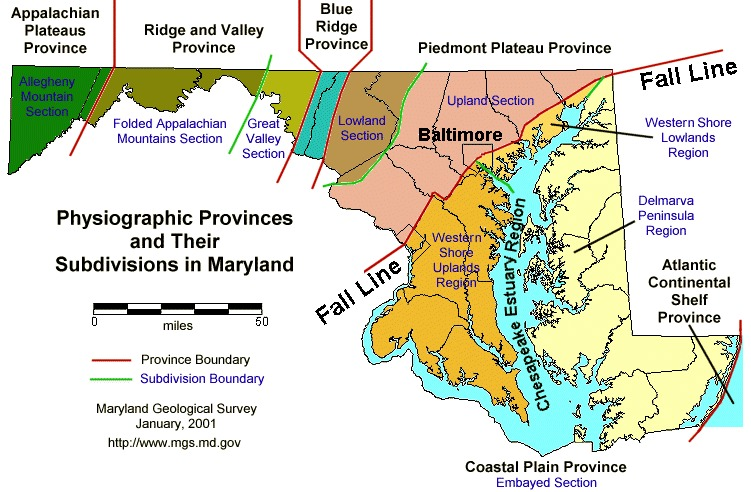
- Five Licensed Professionals: Five of the nine members must be licensed real estate professionals. To ensure the Commission understands the diverse real estate markets across the state—from the rural Eastern Shore to the dense urban corridors of Baltimore and D.C. suburbs—these five professionals must each represent one of five distinct geographic regions in the state.
- Four Consumer Members: The remaining four members must be consumer members. To prevent conflicts of interest, these individuals cannot be engaged in the real estate business. They are the dedicated voice of the public.
A real estate license in Maryland is not a lifetime appointment; it is a temporary privilege that must be actively maintained. Maryland real estate licenses must be renewed every two years.
To renew, a licensee cannot simply pay a fee. They must prove they are staying current with a rapidly evolving legal and financial landscape. Maryland requires real estate salespersons to complete 15 hours of approved continuing education (CE) every two years.
For a Maryland residential salesperson, the state dictates exactly how most of those 15 hours must be spent. The breakdown reflects the areas where public harm is most likely to occur if an agent is ignorant:
| Continuing Education Category | Required Hours | The "Why" Behind the Requirement |
|---|---|---|
| Legislative Updates | 3.0 | Laws change. You must know local, state, and federal updates to keep your clients legally compliant. |
| Real Estate Ethics | 3.0 | Outlines the fiduciary duties and moral obligations owed to all parties. |
| Agency Law | 3.0 | Defines exactly who represents whom, preventing dangerous undisclosed dual agency scenarios. |
| Fair Housing Laws | 1.5 | Ensures equal access to housing and prevents discrimination. |
| Electives | 4.5 | Allows agents to study topics relevant to their specific niche or market. |
| Total Required | 15.0 Hours |
Crucial Distinction for Leadership: If you step into a leadership role—specifically as a Maryland real estate broker, a branch office manager, or a team leader—your educational burden shifts. These individuals are legally responsible for the agents under them, so they must complete 3 hours of continuing education on broker supervision as part of their renewal requirements.
The Consequences of Unlicensed Practice
Because the state views a real estate license as a fundamental mechanism of public protection, bypassing the system is treated as a severe criminal act. Operating without a valid Maryland real estate license is considered a misdemeanor criminal offense.
The penalties are purposefully punitive to deter unlicensed actors from handling consumer funds or contracts. A first offense for operating without a real estate license in Maryland carries a maximum penalty of up to one year in jail.
When a consumer believes a licensee has violated Title 17, the MREC steps in. The Commission investigates written consumer complaints against real estate licensees. (The requirement that complaints be written filters out hearsay and ensures a formal paper trail).

If an investigation finds sufficient evidence of a violation, the MREC will initiate disciplinary proceedings. However, the Commission itself does not have to conduct the trial. To ensure impartiality and efficiency, the MREC may delegate the task of conducting formal disciplinary hearings to an Administrative Law Judge (ALJ).
When a licensee is found guilty of violating license law, the MREC leverages a graduated structure of administrative penalties. The fines scale aggressively to punish repeat offenders:
- First Violation: Maximum administrative penalty of $5,000.
- Second Violation: Maximum administrative penalty of up to $15,000.
- Third (or subsequent) Violation: Maximum administrative penalty of up to $25,000 per violation.
Even with strict licensing, continuing education, and heavy fines, human nature guarantees that a small fraction of licensees will commit malicious acts. When a real estate agent steals a client's earnest money deposit, fining the agent $5,000 doesn't help the consumer who just lost their life savings.
Enter the Maryland Real Estate Guaranty Fund.
This fund exists to compensate consumers for actual financial losses caused by the specific, malicious misconduct of a real estate licensee. It is not an insurance policy for agents who make innocent mistakes; it is a restitution fund for victims of severe malfeasance.
Triggers and Limitations
The Guaranty Fund is highly specific in what it covers. Misconduct that triggers a Guaranty Fund claim includes:
Theft, fraud, embezzlement, or forgery committed by a licensee or their unlicensed employee.
Furthermore, the state imposes strict boundaries on these claims:
- Jurisdiction: Claims must involve a real estate transaction concerning property located within the state of Maryland.
- Quantifiable Harm: The fund only covers actual, quantifiable financial losses. If a consumer loses a $10,000 deposit to embezzlement, the fund covers $10,000.
- No Punitive Payouts: The fund does not compensate consumers for emotional distress or punitive damages. It is strictly about making the consumer's bank account whole.
- The Cap: The maximum payout from the Guaranty Fund is $50,000 per claim, regardless of the size of the actual loss.
- The Process: Consumers seeking compensation cannot simply call the Commission; they must file a formal written claim with the MREC.
Funding the Safety Net
How does the state pay for this? The real estate industry funds it directly.
- Initial Buy-In: All new Maryland real estate licensees must pay a one-time $20 fee into the Guaranty Fund upon their initial licensure.
- The Floor: The MREC is required by law to maintain a minimum balance of $250,000 in the Guaranty Fund.
- Special Assessments: If a massive payout (or a series of payouts) causes the Guaranty Fund balance to fall below that $250,000 threshold, the Commission has the authority to assess an additional fee on all licensees during their next license renewal to replenish the reserves.
The Consequences for the Licensee
If a consumer is victimized and the MREC is forced to pay a claim from the Guaranty Fund on behalf of a licensee, the state brings the hammer down immediately.
- Automatic Suspension: The moment the fund pays out, that individual's real estate license is automatically suspended. There is no grace period.
- The Path to Reinstatement: A licensee whose actions cause a Guaranty Fund payout cannot have their real estate license reinstated until they repay the fund in full.
- Interest: The state is not a zero-interest lender. The licensee must also pay statutory interest on the amount paid out by the fund before their license can even be considered for reinstatement.
As you prepare for your exam, remember that Title 17, the MREC, and the Guaranty Fund all share a single, unified blueprint. They dictate who is allowed into the profession, how they must behave while practicing, and how the public is made whole if that trust is broken. Master these structures, and you will not only pass your exam—you will understand the gravity and responsibility of the profession you are about to enter.