Maryland Standards of Conduct & Trust Money
Not sure you’re ready?
Take the ~3-minute readiness diagnostic and see where you stand.
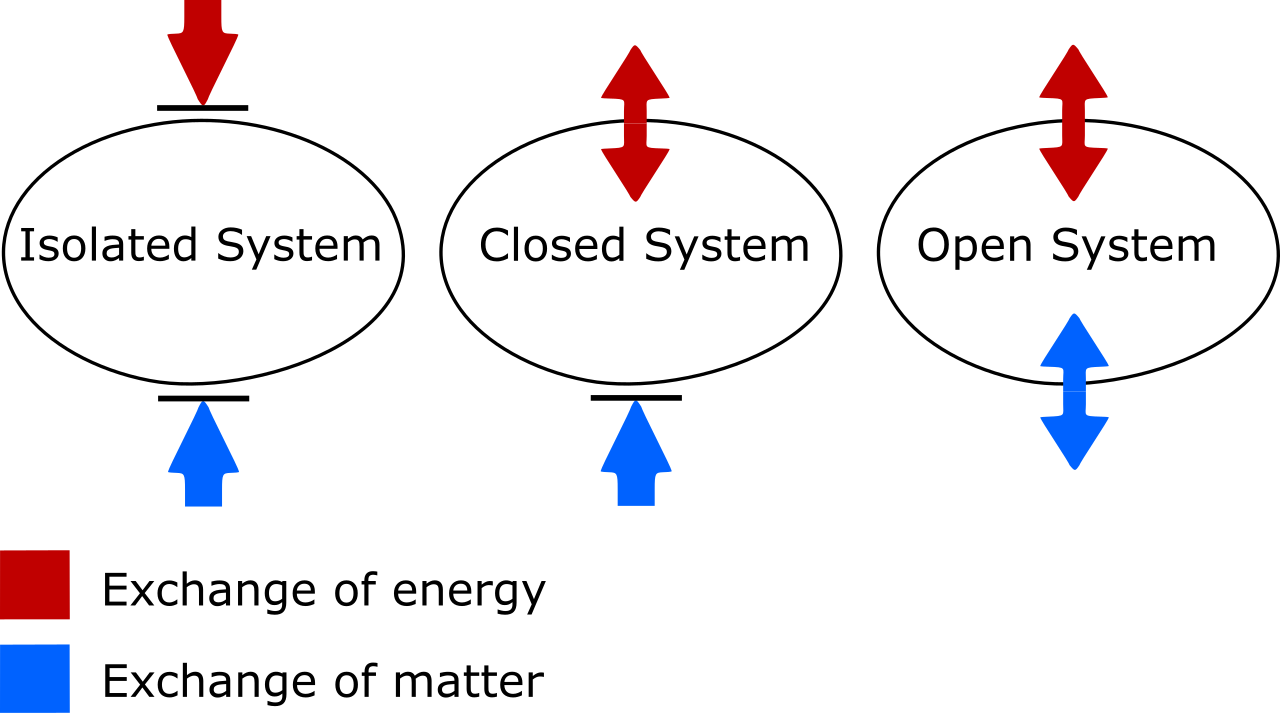
Imagine a sealed system in thermodynamics where energy must be accounted for with absolute precision. In Maryland real estate, the regulatory framework operates under an identical principle of conservation. Every dollar of a client’s money, every word of a public advertisement, and every representation of a property’s condition must be strictly contained, accounted for, and subjected to the highest standards of transparency. The Maryland Real Estate Commission (MREC) does not view licensure as a mere bureaucratic hurdle; it is a legally binding mandate to protect the public. By mastering these rules, you are not merely memorizing statutes to pass an exam—you are learning the physics of professional survival in the Maryland real estate market.
When a buyer hands you an earnest money deposit, they are not giving you money to spend. They are placing a highly volatile asset into your professional custody. In Maryland, trust money is defined by its strict segregation from operational capital. Handling it requires following precise chronological and structural laws.
The Anatomy of the Escrow Account
The fundamental rule of trust money is isolation. Commingling occurs when a real estate broker mixes personal or operating business funds with trust money in an escrow account. Because it blurs the line between a client’s assets and the brokerage’s operational cash, the commingling of trust money with a real estate licensee's personal or business funds is strictly prohibited in Maryland.
There is exactly one narrow exception to this rule: a Maryland broker may maintain a nominal amount of personal funds in a trust account strictly to keep the account active or pay account fees. This is the financial equivalent of keeping just enough oil in an engine to prevent it from seizing.

When you receive trust money, the clock starts ticking. Maryland real estate brokers must deposit trust money within seven business days after the acceptance of a contract of sale. You cannot place these funds in a shoebox or an out-of-state offshore account. Trust money must be deposited in an insured financial institution located within the State of Maryland.
Default State vs. Excited State By default, Maryland law dictates that trust money must be deposited into a non-interest-bearing escrow account. The logic is simple: the money is there for safekeeping, not investment. However, if the parties explicitly desire it, parties to a Maryland real estate transaction may agree in writing to deposit trust money into an interest-bearing account, dictating exactly who receives the accrued interest.
Disbursement and Dispute Resolution
A Maryland broker must not disburse trust money until the real estate transaction is consummated or officially terminated. But what happens when a transaction falls apart and the buyer and seller both demand the earnest money?
A broker is not a judge and cannot arbitrarily decide who is right. Instead, Maryland law provides a precise mechanism for resolution. If a real estate transaction fails to close, a Maryland broker may notify the buyer and seller of the intent to distribute trust money to one party.
The sequence of this process is absolute:
- Notice: Send a notice of intent to distribute trust money.
- Waiting Period: After sending the notice, a Maryland broker must wait 30 days for a written protest from the opposing party.
- Execution: If no protest is received within 30 days of the notice, a Maryland broker must distribute the funds as stated in the notice.
If the parties actively dispute the funds and refuse to back down, the broker must wash their hands of the conflict through the legal system. In the event of a trust money dispute, a Maryland broker may file a bill of interpleader to have a court determine the rightful owner of the funds.
Furthermore, to maintain total transparency with the state, a Maryland broker must report changes to the location or account number of a trust account to the Maryland Real Estate Commission within ten days.

Advertising in real estate is not just marketing; it is a public declaration of agency. The cardinal rule underpinning every flyer, website, and yard sign is that Maryland real estate advertising must present a true picture of the property or service being offered.
Furthermore, you cannot market what you do not have permission to sell. Maryland licensees are prohibited from advertising a property without the written consent of the property owner or the owner's authorized agent.
The Solar System of Brokerage
Think of a real estate brokerage as a solar system. The broker is the sun; the salespersons are the planets. Gravity dictates that the broker must always be the dominant force. All real estate advertising in Maryland must prominently display the designated name of the affiliated broker. This is not a suggestion for the fine print. The broker's designated name in a Maryland real estate advertisement must be meaningfully and conspicuously displayed.

To prevent public confusion about who is ultimately legally responsible, the state enforces strict visual and informational ratios:
- Visual Dominance: A salesperson's personal logo or name cannot be larger or more prominent than the affiliated broker's designated name in any advertisement.
- Contact Information: Maryland real estate advertisements containing a salesperson's phone number must also include the phone number of the affiliated broker.
- Signage: Even physical real estate for sale signs placed on a property must include the designated name of the affiliated broker.
Teams and Digital Spaces
Real estate teams represent a sub-structure within the brokerage, and they carry their own specific regulations to ensure the public knows they are dealing with a team, not an independent brokerage.
- Maryland real estate teams must include the word "team" or "group" in the official team name.
- Team advertising in Maryland must prominently include the designated name of the affiliated broker.
- Team advertising in Maryland must include the name of at least one licensee member of the real estate team.
The internet does not exempt you from these rules. For online real estate advertising, the required Maryland broker information must be visible on the same page or accessible by no more than one mouse click (the "one-click rule").
Licensure grants you the privilege to facilitate real property transactions, but it places strict boundaries on your behavior, your promises, and your financial relationships. The Maryland Code of Ethics requires real estate licensees to protect the public against fraud and misrepresentation. This is not a passive duty; it is an active mandate.
The Duty of Discovery and Disclosure
You cannot willfully ignore the reality of a property. A Maryland real estate licensee must make a reasonable effort to ascertain all material facts concerning every property for which they accept an agency. Once you know those facts, you must share them. A Maryland real estate licensee must disclose all known material facts regarding the physical condition of a property to prospective buyers.
Agency Boundaries and Unauthorized Practice
Real estate transactions often pull professionals into complex legal and financial territories. You must stay strictly within your lane.
- Dual Agency: Maryland real estate licensees are prohibited from acting as dual agents without the informed written consent of all parties to the transaction. You cannot secretly serve two masters.
- Practicing Law: Maryland real estate licensees are prohibited from drafting legal documents unless they are also licensed attorneys. You are authorized to fill in the blanks on standard, pre-printed contracts, but writing custom legal clauses crosses the line into the unauthorized practice of law.
- Predicting the Future: It is a violation of Maryland law for a real estate licensee to guarantee future profits from the resale of a specific property. Markets fluctuate, and a guarantee is legally construed as a misrepresentation.
The Financial Perimeter
Your compensation flow is tightly regulated. A Maryland real estate salesperson must not accept compensation for real estate services from anyone other than their affiliated broker. If a seller offers you a bonus directly, it must pass through your broker first.
Conversely, you cannot compensate those outside the regulatory framework. A Maryland real estate licensee must not pay compensation to an unlicensed individual for performing real estate brokerage services. "Bird-dog" fees or kickbacks to unlicensed friends who find you leads are explicitly illegal.
Operations and Supervision
The infrastructure of a transaction outlives the closing day. A Maryland licensee must retain real estate transaction records for a minimum of five years starting from the date of closing or contract termination.
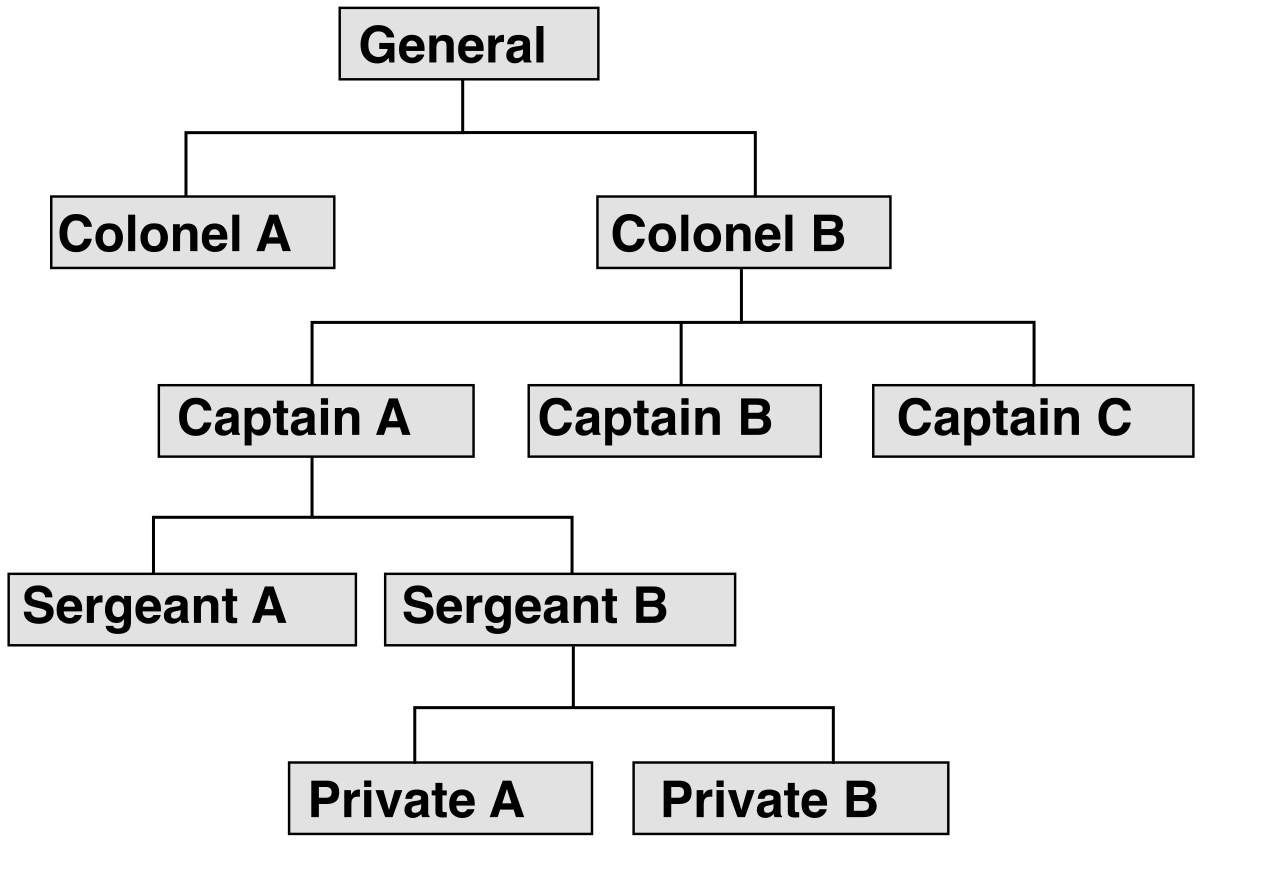
At the top of this operational hierarchy is the broker. Maryland real estate brokers must supervise the real estate activities of all affiliated salespersons and associate brokers. Failure to properly supervise affiliated licensees can result in disciplinary action against a Maryland real estate broker. If an agent commits fraud, the MREC will inevitably investigate the broker's oversight mechanisms.
When a licensee violates the Maryland Real Estate Brokers Act, the Maryland Real Estate Commission (MREC) acts as the enforcement mechanism. The consequences of unprofessional conduct are swift, severe, and expensive.
Investigations and Due Process
If a consumer files a complaint, you are required to cooperate fully. A Maryland licensee must produce any records requested by the Maryland Real Estate Commission during an official investigation. Furthermore, Maryland real estate licensees must reply in writing to a Maryland Real Estate Commission written inquiry within 20 days of receipt. Silence is not an option; it is a separate violation.
Under normal circumstances, the disciplinary process honors due process. The Maryland Real Estate Commission must hold a hearing before taking any final disciplinary action against a licensee. To ensure you have time to prepare a defense, a licensee must receive at least ten days written notice before a Maryland Real Estate Commission disciplinary hearing.
Summary Suspensions and Revocations
Certain offenses are deemed so dangerous to the public that the MREC bypasses the standard hearing timeline. The Maryland Real Estate Commission can summarily suspend a license prior to a hearing if the licensee is convicted of a felony. Similarly, failure to promptly account for or remit trust money is grounds for summary suspension of a Maryland real estate license. When money goes missing, the state shuts you down instantly to stop the bleeding.
Other specific actions carry designated ultimate penalties. For example, the Maryland Real Estate Commission may revoke the license of a licensee who engages in blockbusting (the illegal practice of inducing panic selling based on the entry of protected classes into a neighborhood).
For general violations, the financial penalties are steep. The Maryland Real Estate Commission may impose a maximum civil penalty of $25,000 per violation of the Maryland Real Estate Brokers Act.
The Guaranty Fund
The Maryland Real Estate Guaranty Fund exists to compensate members of the public who suffer actual financial losses due to the fraudulent actions of a licensee. If the state has to dip into this fund to pay for your misconduct, the consequences are immediate.
A Maryland real estate license is automatically suspended if the Maryland Real Estate Guaranty Fund pays a claim against the licensee. You cannot simply wait out the suspension. A licensee must repay the Maryland Real Estate Guaranty Fund in full with interest before a suspended license can be reinstated.