NC Broker-in-Charge, Supervision & Compensation
Not sure you’re ready?
Take the ~3-minute readiness diagnostic and see where you stand.
In the vast and highly regulated ecosystem of North Carolina real estate, authority and liability do not diffuse equally among all licensees. They concentrate at specific physical nodes. The North Carolina Real Estate Commission (NCREC) designs its enforcement apparatus around a single, highly qualified individual for every operating office: the Broker-in-Charge (BIC). Understanding the BIC’s role is not merely a matter of memorizing administrative rules; it is recognizing the structural anchor of the state's license law. The BIC is the ultimate guarantor of trust accounts, the final editor of advertising, and the immediate supervisor of those newly entering the profession.
Every facet of supervision and compensation in North Carolina routes through this central figure. Without the BIC, the regulatory framework collapses.
To understand North Carolina real estate law, you must first understand the geography of accountability. Every physical real estate office location in North Carolina must have one designated broker-in-charge.
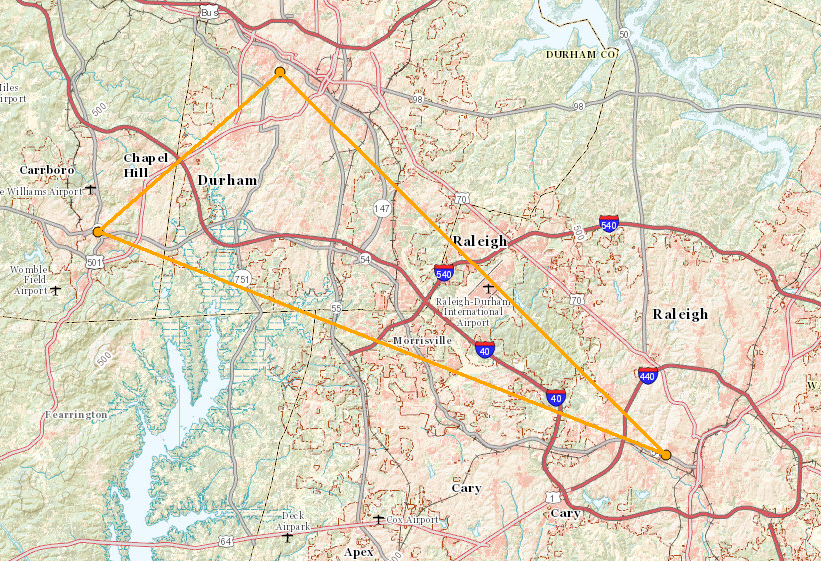
Think of a physical office building as a sovereign territory. The NCREC demands a single governor for that territory. A North Carolina broker can only serve as the broker-in-charge for one physical office location at a time. You cannot be the BIC of the Raleigh office and the Durham office simultaneously. However, there is a fascinating geographical caveat: two separate real estate firms operating out of the exact same physical office address can share the same North Carolina broker-in-charge. The NCREC tracks the location first, ensuring someone is always physically present and accountable for what happens within those walls.
Qualification and Education
Becoming a BIC is not an automatic right; it is an earned privilege.
- The License: A North Carolina broker-in-charge must hold an active, non-provisional real estate broker license.
- The Experience: A candidate must possess at least two years of full-time real estate brokerage experience within the previous five years. If a broker has not worked full-time, equivalent part-time real estate brokerage experience can satisfy the experience requirement for the designation.
- The Education: A candidate must complete a 12-hour Broker-in-Charge Course. Interestingly, the Commission recognizes that business moves quickly. This course must be completed within 120 days after the North Carolina broker-in-charge designation is officially granted, allowing a broker to assume duties immediately while finishing their required training.
Once you attain the designation, you must actively protect it. To maintain broker-in-charge eligibility, a North Carolina broker must complete two specific educational components each license year:
- The mandatory four-hour Broker-in-Charge Update Course (BICUP).
- One approved four-hour continuing education elective.
The LLC Exemption: There is exactly one scenario where a real estate entity does not need a BIC. A North Carolina real estate business entity is exempt from needing a broker-in-charge if the entity is organized solely for the purpose of receiving compensation (e.g., an LLC set up by a broker just to receive their own commission checks for tax purposes). However, this exemption comes with strict limitations. A business entity exempt from the broker-in-charge requirement cannot maintain a real estate trust account and cannot have any affiliated provisional brokers. It is a shell for holding money, nothing more.
The BIC is the shield that protects the public from incompetence and the net that catches a firm's operational mistakes. Their oversight is absolute in several critical areas.
Operational and Administrative Duties
A North Carolina broker-in-charge is entirely responsible for the establishment and maintenance of the firm's real estate trust account. If a penny is missing from a client's earnest money, the NCREC looks directly at the BIC. Furthermore, the BIC is fully responsible for supervising all real estate advertising conducted by the firm, ensuring that no misleading claims reach the public.
Record-keeping is another primary duty. A North Carolina broker-in-charge must ensure the proper retention of all real estate transaction records for the firm.
The 3-Year Rule: North Carolina real estate transaction records must be retained for exactly three years from the successful or unsuccessful conclusion of a transaction. Whether the deal closed flawlessly or fell apart at the inspection, the paper trail must survive for 36 months.
Administratively, the BIC must maintain the firm's license certificate and the license certificates of all affiliated brokers at the physical office location. They are also responsible for ensuring all affiliated brokers maintain an active and current real estate license.
The NCREC relies on the BIC for real-time intelligence regarding the firm's roster and whereabouts. Therefore, a BIC must notify the Commission within 10 days of a provisional broker's separation from the real estate firm, and within 10 days of any change to the physical office address.
When you pass the North Carolina real estate exam, you are a "provisional" broker. You are licensed, but the state does not yet trust you to operate independently.
A North Carolina provisional broker must be supervised by a broker-in-charge to maintain an active real estate license status. Because accountability cannot be split, a North Carolina provisional broker may only affiliate with one single broker-in-charge at any given time.
What does this supervision look like in daily practice? It is highly tactical.
- The Paperwork: A North Carolina broker-in-charge must directly supervise a provisional broker's completion of all real estate contracts and agency agreements.
- The Money: A North Carolina broker-in-charge must directly supervise a provisional broker's handling of all earnest money and trust funds.
Real estate is a high-volume business, and successful brokers often hire unlicensed assistants. However, the line between "helpful administrator" and "illegal broker" is razor-thin, and crossing it invites severe NCREC disciplinary action.
The guiding principle is this: an unlicensed assistant can process paperwork, but they cannot perform tasks that require professional real estate judgment or client negotiation.
| Task Category | What Unlicensed Assistants CAN Do | What Unlicensed Assistants CANNOT Do |
|---|---|---|
| Administration | Unlicensed assistants in a North Carolina real estate firm are permitted to perform administrative duties like typing documents and filing paperwork. | Unlicensed assistants in North Carolina are legally prohibited from negotiating real estate contract terms on behalf of a client. |
| Property Showings | Unlicensed salaried employees of a North Carolina property management firm are legally permitted to show rental properties to prospective tenants. | Unlicensed assistants in North Carolina are legally prohibited from showing properties for sale to prospective buyers. |
| Open Houses | Can assist with setup, greeting, and handing out pre-printed flyers. | Unlicensed assistants in North Carolina cannot host open houses without the physical presence of a licensed real estate broker. |
| Compensation | Can receive a flat hourly wage or regular salary. | Unlicensed assistants in North Carolina are legally prohibited from receiving compensation based on closed real estate commissions. |
Notice the critical distinction in property showings. Why can an unlicensed employee show a rental but not a house for sale? Because selling a home involves answering complex questions about title, structure, and market value—tasks requiring a license. Handing a prospective tenant the keys to view an apartment requires far less regulatory protection.
If there is one area where North Carolina law is utterly unforgiving, it is the movement of money.
Provisional Broker Compensation
For provisional brokers, the rule is brutally simple: your BIC is your sole source of income.
- North Carolina provisional brokers must receive all real estate compensation directly from their supervising broker-in-charge or firm.
- North Carolina provisional brokers are legally prohibited from receiving real estate compensation directly from a client. If a grateful seller tries to hand you a $500 tip at closing, you must refuse it.
- North Carolina provisional brokers are legally prohibited from receiving real estate compensation directly from a competing real estate firm.
The Prohibition on Unlicensed Compensation
Real estate brokers often rely on referrals, but you cannot buy leads from the general public. North Carolina real estate brokers are prohibited from paying finder fees to unlicensed individuals for real estate leads. Similarly, North Carolina real estate brokers are prohibited from sharing sales commissions with unlicensed individuals.
Cross-Border Brokerage
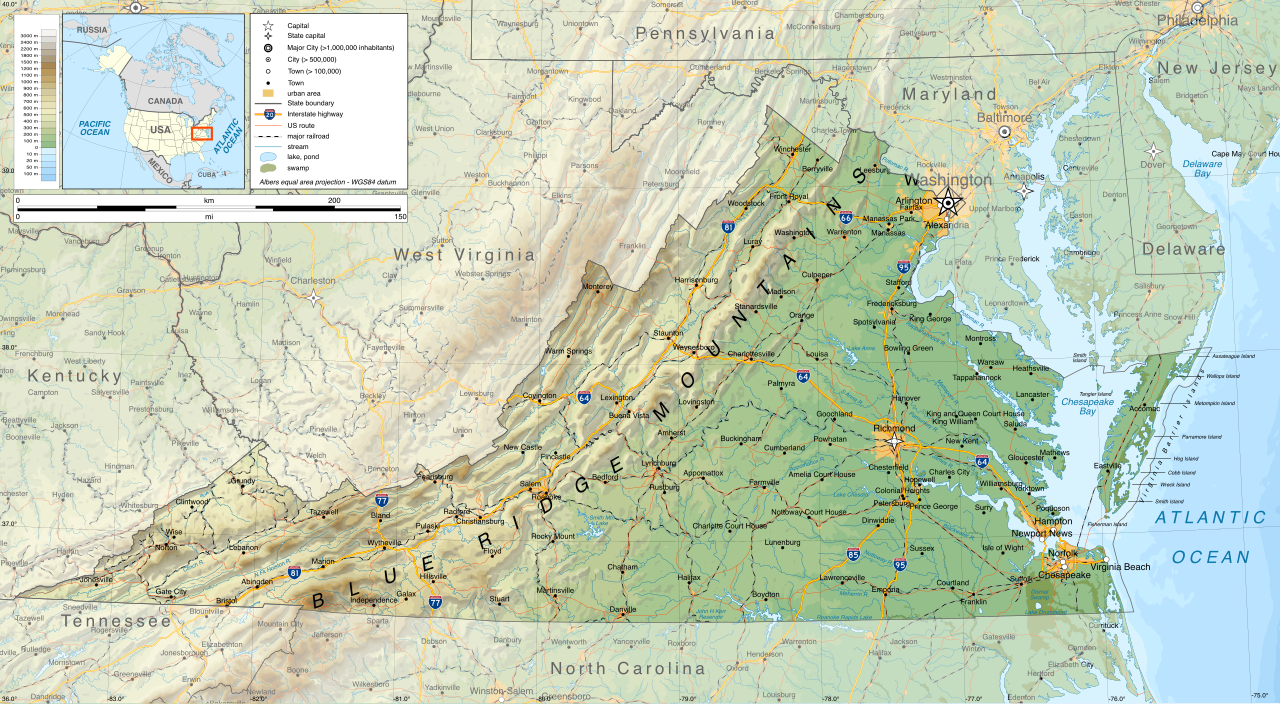
What happens when your client's aunt, who is a licensed broker in Virginia, refers her nephew to you in Raleigh? A North Carolina real estate broker may legally share a commission with an active out-of-state real estate broker.
However, this is strictly a referral arrangement. An out-of-state broker receiving a shared commission cannot physically enter North Carolina to conduct any real estate brokerage activities. The moment that Virginia broker crosses the state line to help negotiate the deal or attend the inspection, they are practicing real estate in North Carolina without a license, and you can no longer pay them.
Transparency and Disclosures
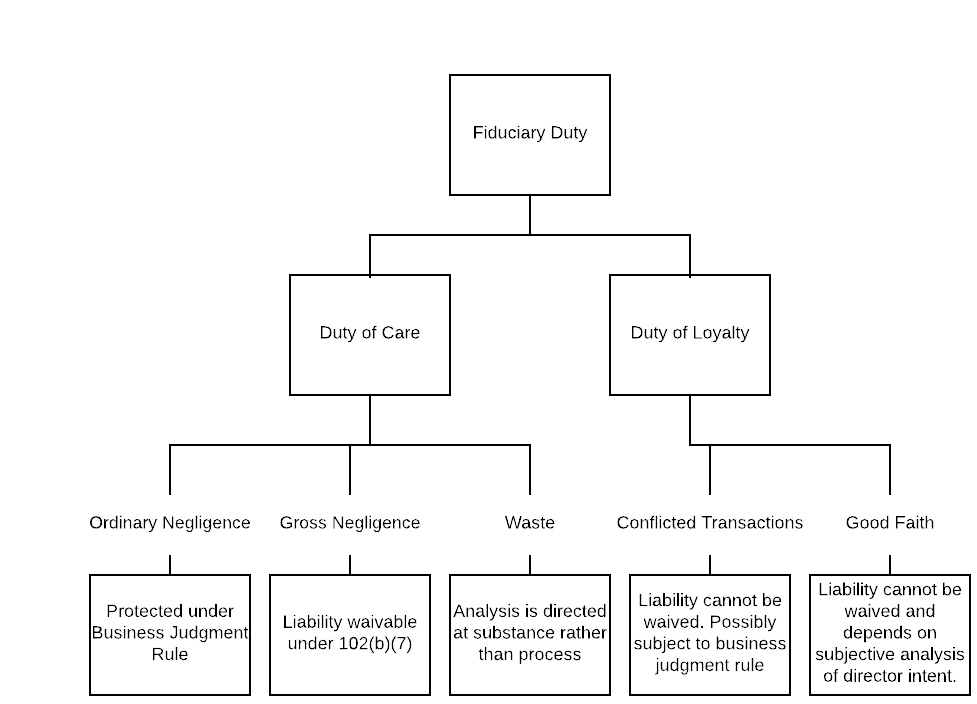
Finally, the bedrock of agency law is fiduciary loyalty, which demands absolute financial transparency. North Carolina real estate brokers must fully disclose all transaction compensation to their principal.
This includes standard commissions, but it extends strictly to extra incentives. Imagine a builder offering a $5,000 bonus to any buyer's agent who secures a contract by the end of the month. Any real estate bonus or incentive payment must be disclosed in writing to the principal before the principal makes or accepts an offer. You cannot wait until closing to reveal that you had a distinct financial motivation to push a specific house. The client must know exactly how you are being paid before they commit themselves to a legal contract.