Changes, Renewals, and Dual Licensure
Not sure you’re ready?
Take the ~3-minute readiness diagnostic and see where you stand.
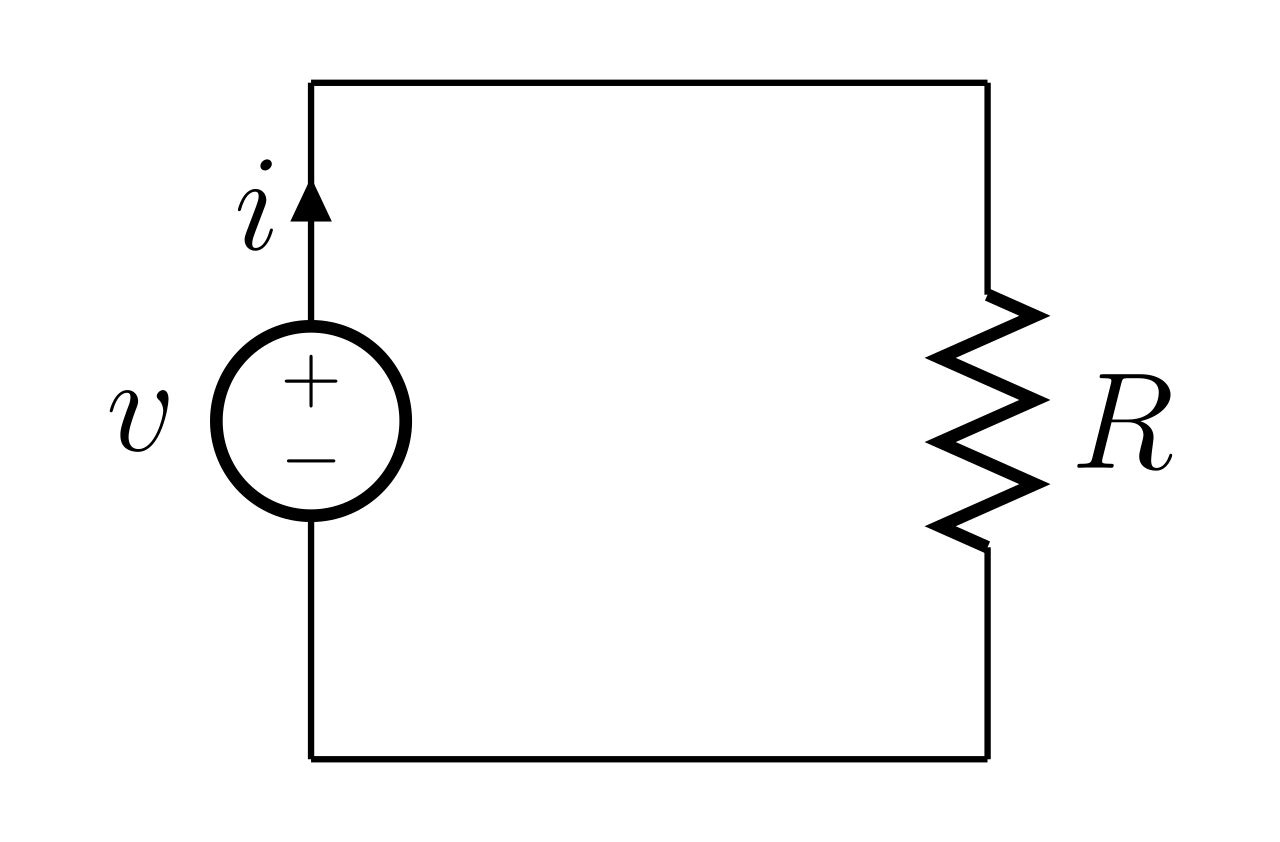
A professional real estate license in New York operates less like a static university diploma and more like an electrical circuit. For professional power to flow—for you to legally represent clients, negotiate contracts, and collect commissions—the circuit must be closed by an active broker association, and the battery must be recharged exactly every two years. If you sever the connection to your broker, or if you let the clock expire without recharging your knowledge, the state flips the switch. Understanding the precise administrative machinery that governs your license, your education, and your broker affiliations is what separates a vulnerable agent from a protected, empowered professional.
The New York Department of State (DOS) measures your professional lifespan in strictly defined intervals. New York real estate licenses are valid for a period of exactly two years.
There is no physical paperwork to mail when it comes to maintaining this credential. Real estate license renewals must be processed entirely online through the Department of State's eAccessNY portal.
To continue practicing legally, a real estate licensee must renew their license before the expiration date. What happens if you miss the deadline by a single day?
The Hard Stop: New York State does not provide a grace period for expired real estate licenses. Conducting real estate activities with an expired license is a direct violation of Article 12-A of the New York Real Property Law. Any commissions earned while expired are legally uncollectible, and you expose yourself to severe disciplinary action.
The Expiration Window
If you fail to renew on time, you enter a two-year recovery window. A real estate licensee has up to two years from their license expiration date to renew their expired license. To achieve this, the professional must complete the required continuing education and pay the renewal fee.
If your license remains expired for more than two years, the consequences are severe. The state essentially wipes the slate clean, requiring you to:
- Submit a completely new license application.
- Pay a new application fee.
- Pass the state written examination again.
However, there is a singular mercy in the law: individuals repeating the real estate licensing process after a two-year expiration do not need to retake the initial qualifying education courses. Your original 75 hours of foundational coursework remain valid; you only need to prove your competence by passing the exam again.
The state requires you to continuously update your understanding of property law, ethics, and civil rights. Both New York real estate salespersons and real estate brokers must complete 22.5 hours of approved continuing education every two years.
These 22.5 hours must be completed within the two-year period immediately preceding a real estate license renewal. Furthermore, the state does not allow you to "bank" knowledge. Excess continuing education hours completed in one real estate license term cannot be carried over to the next license term. Every two years is a blank slate.
The Curriculum Breakdown
The DOS mandates highly specific "core" subjects to ensure agents are protecting the public interest. The remainder of your hours can be satisfied with approved elective topics.
| Subject Matter | Required Hours | Notes |
|---|---|---|
| Fair Housing and Discrimination | 3.0 Hours | Mandatory for every cycle. |
| Ethical Business Practices | 2.5 Hours | Mandatory for every cycle. |
| Implicit Bias Awareness | 2.0 Hours | Mandatory for every cycle. |
| Cultural Competency Training | 2.0 Hours | Mandatory for every cycle. |
| Recent Legal Matters | 1.0 Hour | Mandatory for every cycle. |
| Law of Agency | 1.0 Hour (or 2.0 Hours) | 2.0 hours are required for first-time New York real estate salespersons during their initial two-year term. Subsequent renewals require 1.0 hour. |
| Approved Electives | ~11.0 Hours | Fills the remainder to reach the 22.5 total. |
If you decide to advance your career, successfully completing an approved real estate broker qualifying course counts towards the 22.5-hour continuing education requirement for your current salesperson license term. However, the state still demands specific gap-fillers: a salesperson using the broker course for continuing education must additionally complete 2.5 hours of ethical business practices and 1 hour of recent legal matters.
Exemptions and Record Keeping
When you complete these courses, New York real estate schools are legally required to maintain your continuing education course completion records for a minimum of three years.
Are there exemptions to the CE requirement? Yes, but they are incredibly narrow.
- Attorneys admitted to the New York State Bar are entirely exempt from the real estate continuing education requirement, as their legal continuing education is deemed sufficient.
- The "Grandfather" Clause is Dead: Historically, brokers who had been licensed for 15 years were exempt from CE. This previous 15-year continuing education exemption for New York real estate brokers was permanently removed effective July 1, 2021. Today, veteran brokers sit for the exact same 22.5 hours as newly minted salespersons.
A real estate salesperson cannot hold an active license in New York without a sponsoring broker affiliation. Your license is essentially "held" by the broker. If you decide to change firms, you must navigate a specific digital sequence to decouple from your old broker and tether to the new one.
Think of this like a digital relay race. The baton (your license) must be cleanly released by the first runner before the second runner can grasp it.

- The Severance: New York real estate brokers are required by statute to terminate the association of any salesperson who no longer works for the brokerage. A principal broker must complete this termination online through the eAccessNY system.
- The Purgatory: To change a sponsoring broker, the former real estate broker must first officially terminate the salesperson's association in the online system. A new sponsoring broker cannot associate a real estate salesperson with their brokerage until this previous termination is complete.
- The Reattachment: The new representative broker associates the newly hired salesperson with their company by logging into their personal eAccessNY account. To perform this online change of association transaction, the new sponsoring broker needs the real estate salesperson's license number.
Speed of Commerce: Unlike some jurisdictions, New York law imposes no waiting period for a real estate salesperson to switch from one sponsoring broker to another. Once the digital sever-and-attach sequence is complete, you are immediately active under the new firm.
Navigating Renewals During Broker Changes
Timing your renewal alongside a brokerage change requires careful attention. If a real estate professional wishes to renew an expired license under a different broker, the new broker must complete an online change of association prior to the renewal.
When you log into eAccessNY to renew, carefully check your displayed office sponsorship. If the office sponsorship information listed during an online renewal is incorrect, the licensee must halt the renewal process. You must wait until the correct new broker submits a change of association before proceeding.
Similarly, if your brokerage has simply moved offices, a real estate principal broker must perform any change of business address transaction online before an associated licensee can renew their license.
In standard practice, a salesperson works for a single broker. However, the real estate market is rarely simple. Some professionals specialize in residential sales in Manhattan but possess deep expertise in upstate commercial properties. New York accommodates this through dual licensure, which allows a real estate professional to hold multiple licenses simultaneously.
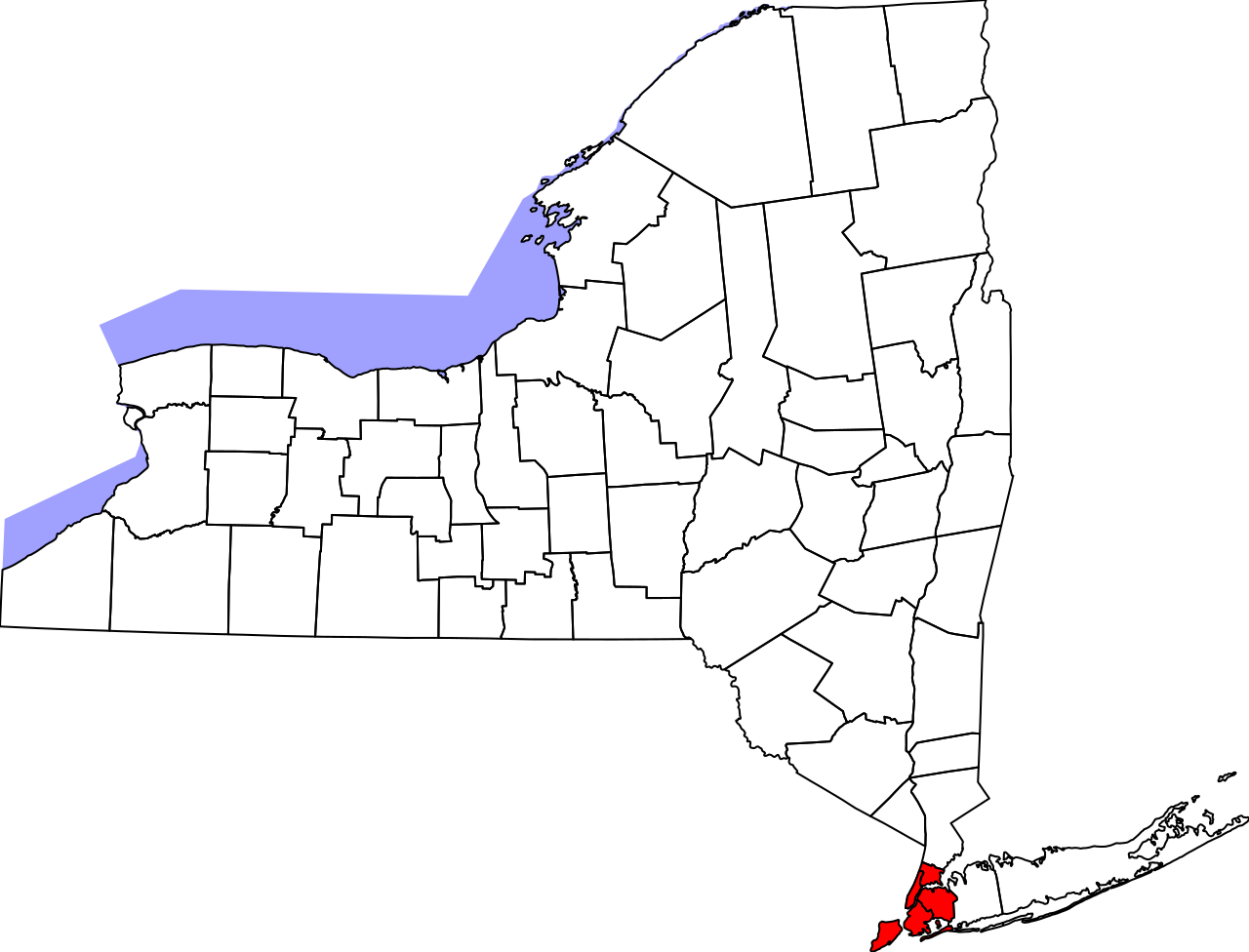
By obtaining dual licensure, a real estate professional is allowed to be associated with more than one real estate broker at the same time. This means a New York real estate salesperson may be associated with multiple real estate brokers concurrently.
However, you cannot simply start closing deals for a second firm in secret. The state requires transparency and administrative duplication:
- Consent: A real estate salesperson must obtain consent from all their sponsoring brokers prior to submitting an application for dual licensure.
- Administration: A real estate salesperson seeking dual licensure must file a separate application and pay a separate licensing fee for each broker association.
- Physical Proof: A New York real estate professional holding dual licenses receives a separate physical license for each authorized broker association.
The Associate Broker
Dual licensure concepts also apply heavily to brokers. An associate real estate broker is a fully licensed broker who chooses to work under the name and supervision of another real estate broker, rather than opening their own independent firm.
Because they are working under someone else's banner, the practice of real estate sales by an associate broker is governed by the exact same state provisions that pertain to real estate salespersons.
Dual licensure provides immense flexibility here: an individual can hold a real estate broker's license in their own name (perhaps running a boutique property management firm) while simultaneously holding an associate broker's license under another broker (to access a massive residential listing network).
While New York allows you to maneuver fluidly between brokerages and multiple licenses within its borders, its grace ends at the state line. If you are hoping your New York license grants you an automatic pass to sell real estate in neighboring states like New Jersey, Connecticut, or Pennsylvania, you must adjust your expectations.
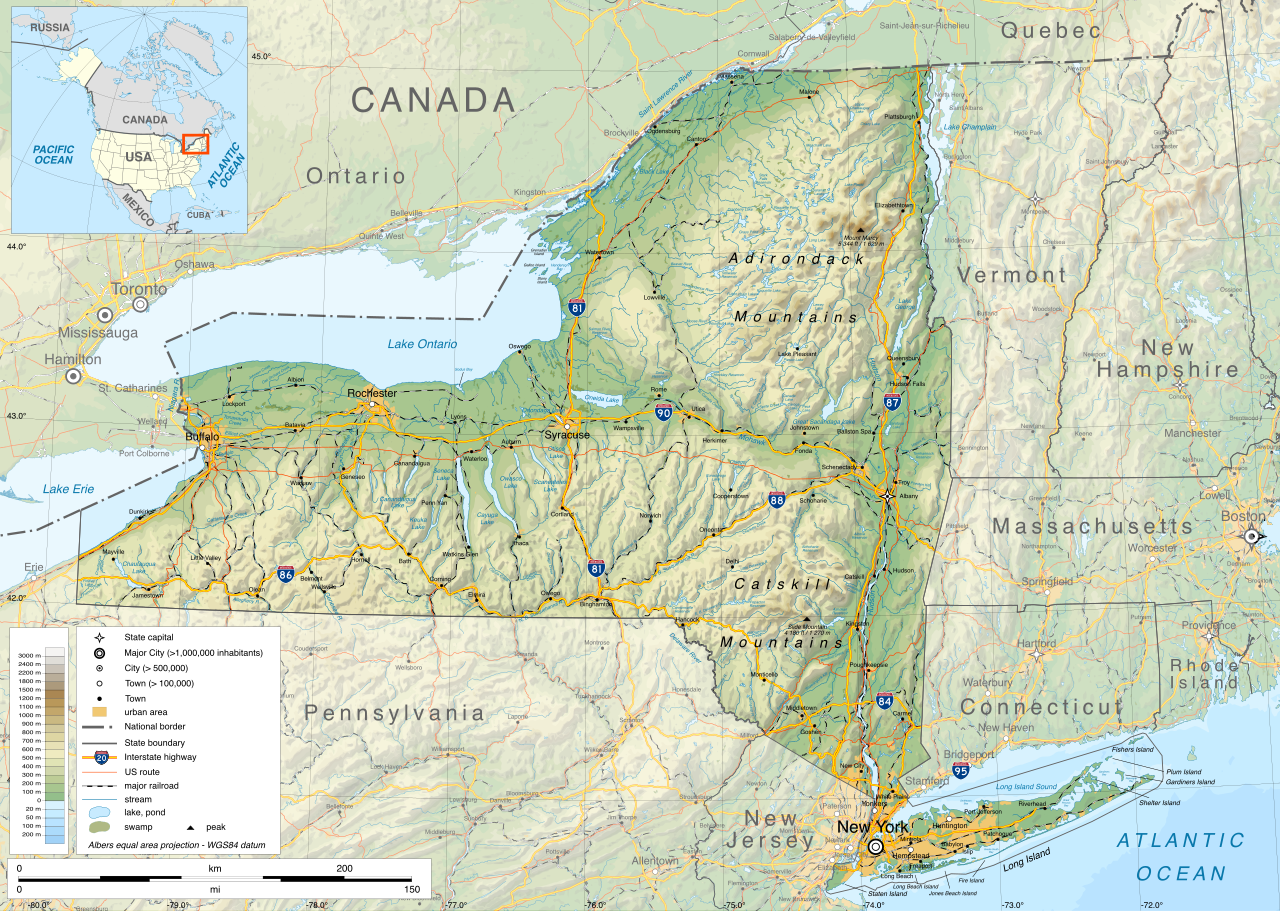
Currently, the New York Department of State does not have real estate license reciprocity with any other state. To practice across state lines, you must fulfill the independent licensing requirements of that specific jurisdiction. Your New York license remains a powerful, deeply dynamic tool—but it is strictly a New York instrument.